Eight Commercial Service Robot Platforms for Mérida Buyers
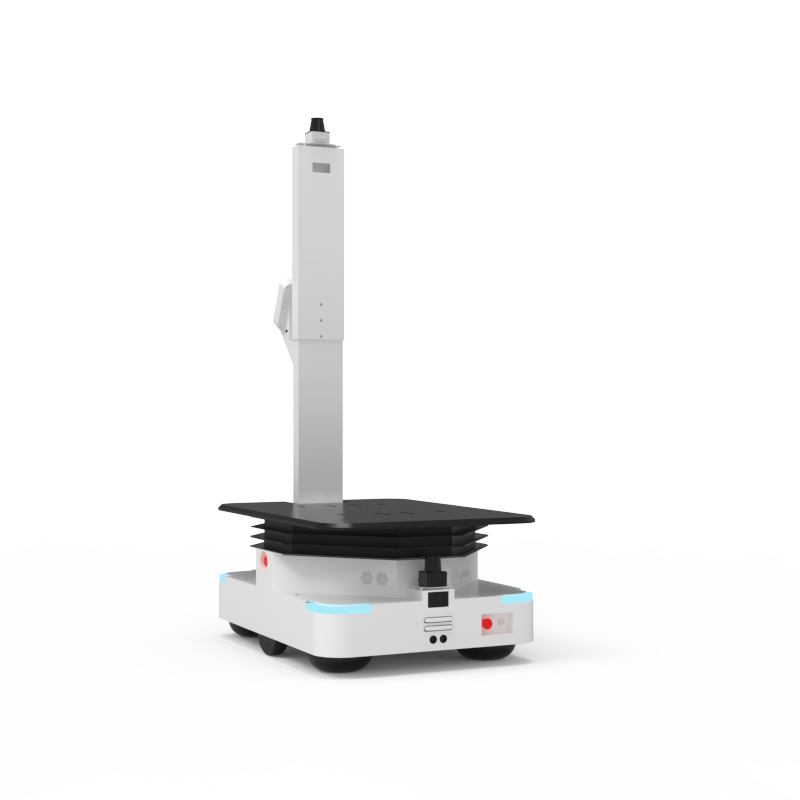
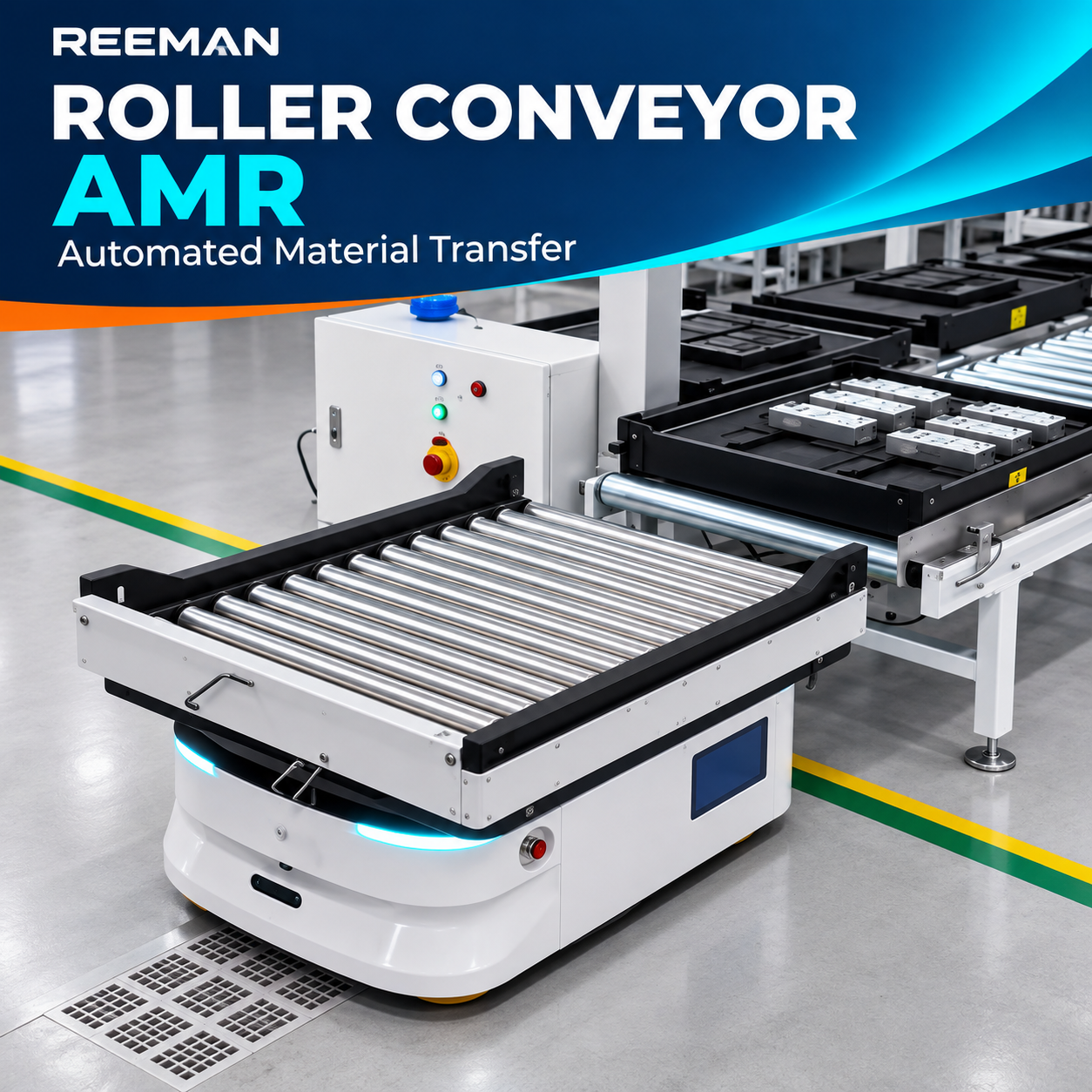
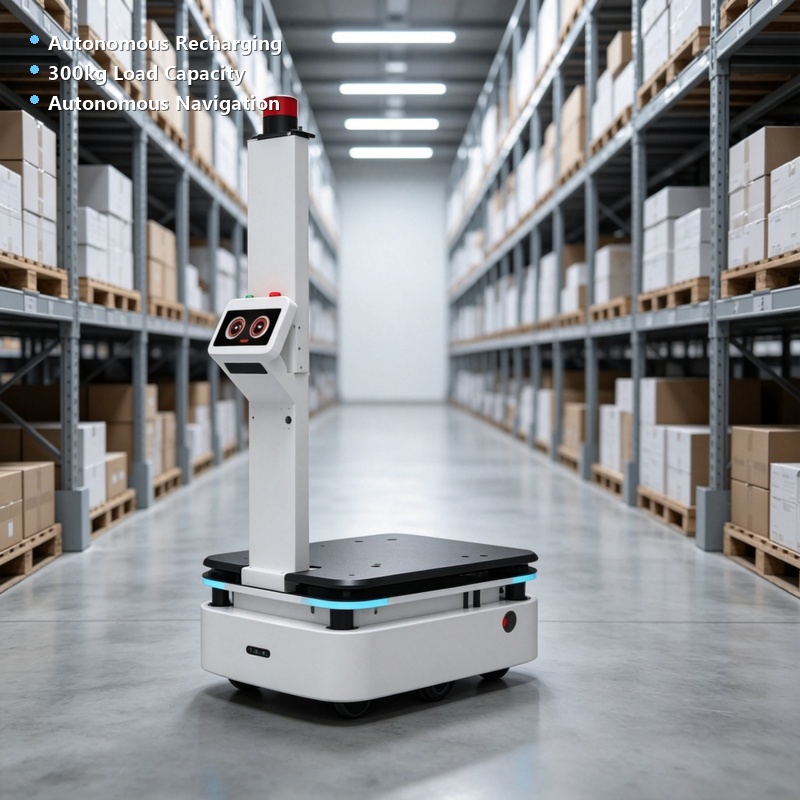
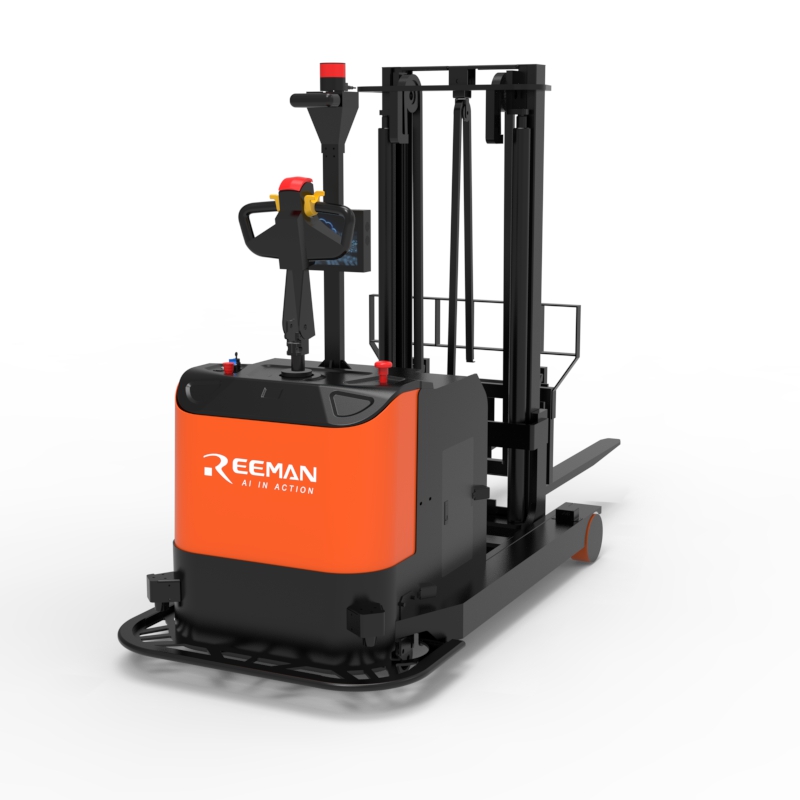
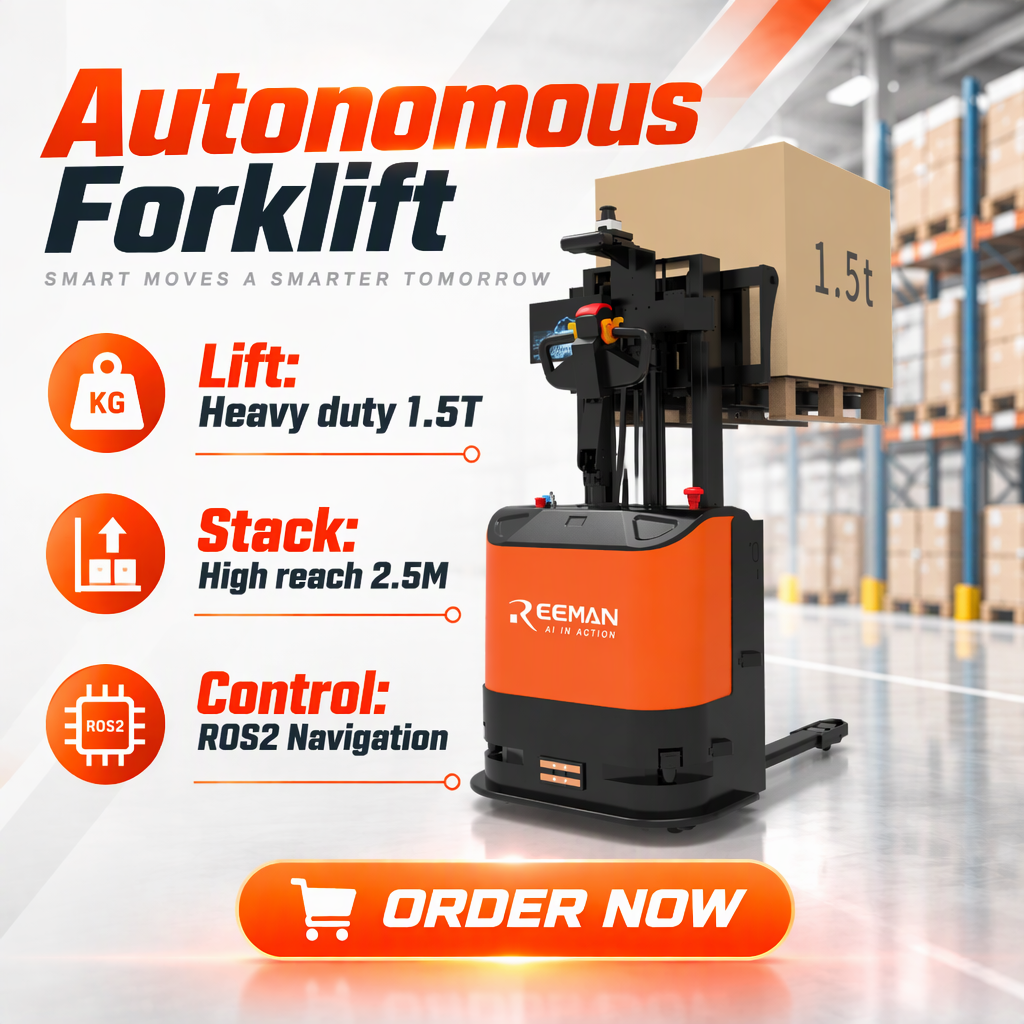
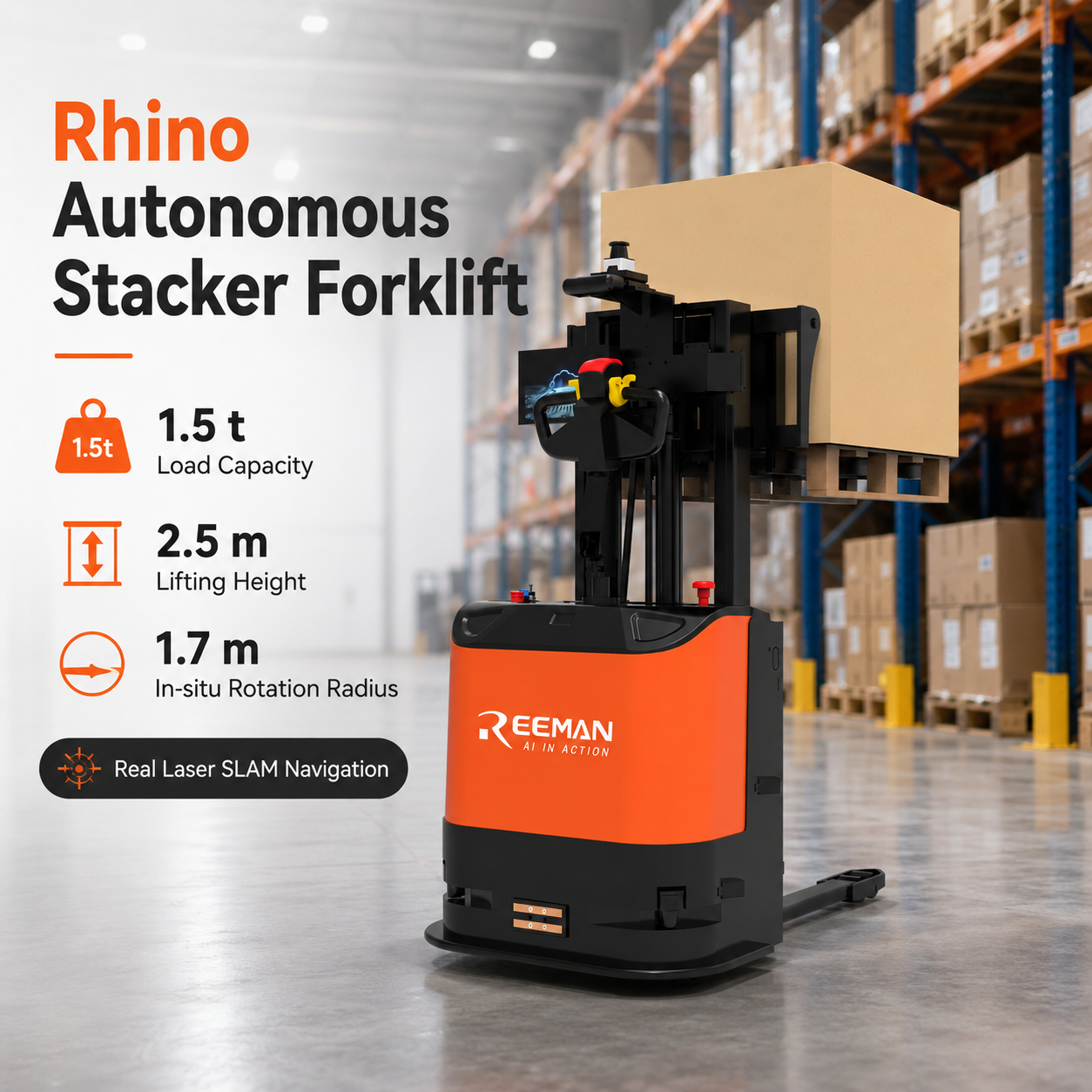
Each platform below is an original Elvorn / REEMAN product family with a live specification page. Product images are displayed in full with object-fit contain so procurement teams can compare mast height, fork type, sensor placement and chassis geometry before requesting an RFQ.


Company data published by Shenzhen Elvorn Intelligent Equipment Co., Ltd.; factory verification completed onsite by SGS Group. Model-level certifications vary by configuration.
A Practical, Evidence-Led Guide for Mérida Robot Procurement
This guide is written for operations, engineering and procurement leaders comparing custom OEM commercial service robot suppliers for Mérida, Yucatán, Mexico. Buyers in Mérida, Spain can apply the same technical framework, but should confirm EU-specific compliance and freight terms before shortlisting.
Mérida is no longer only a hospitality market. The city’s role as a regional healthcare, retail, education and logistics hub — combined with nearshoring investment across Mexico’s southeast — is pushing operations teams to ask a more precise question: can a commercial service robot be customized, imported and supported without creating a new maintenance burden?
That question is different from “what is the payload?” A robot that works in a showroom may fail in a humid Yucatán warehouse, a busy hospital corridor or a hotel service route shared with guests. Mérida buyers therefore need a supplier who can connect product specification, site layout, Spanish-language operator training, import documentation and spare-part planning into one project scope.
Elvorn approaches this market as an OEM manufacturer, not a catalog reseller. Since 2015, Shenzhen Elvorn Intelligent Equipment Co., Ltd. has built laser SLAM autonomous forklifts, industrial AMRs, robot chassis, delivery robots and cleaning robots on a shared control architecture. Buyers can specify top modules, payload structures, fleet software interfaces, branding and packaging, then validate the configuration against a real site layout before scaling.
The useful information gain is not another model list. It is a decision framework: which loads move through your facility, which areas are shared with people, how Spanish-language training will be delivered, what import documentation your broker will request, and how spare parts reach the Yucatán Peninsula after commissioning. The sections below answer those questions using Elvorn’s published company profile, product specifications and SGS-verified factory data.
RFQ data pack for a faster Mérida quote
Send these items with your inquiry so application engineers can recommend the right platform, fleet size and customization scope.
- Site layout, aisle width, floor condition and charging location
- Pallet, tote, cart or shelf dimensions and loaded weight
- Required throughput per hour and shifts per day
- Shared pedestrian, forklift or door/elevator interfaces
- Destination city, customs broker and target import terms
- Spanish-language label, SOP or training requirements
Why Mérida Buyers Shortlist Elvorn as a Custom OEM Supplier
Procurement teams compare more than price. They verify navigation stability, integration openness, factory evidence, safety logic and after-sales practicality.
Laser SLAM without floor infrastructure
Elvorn robots map the site with laser SLAM, so Mérida facilities do not need magnetic tape, QR codes or reflector grids. Layout changes are easier to absorb when a warehouse, clinic or hotel reallocates space.
Open SDK and API for local integrators
Mérida systems integrators can connect AMRs and chassis to WMS, MES, ERP, elevator controls, doors and custom dashboards. Open SDK/API access reduces the risk of a closed automation silo.
Payload architecture from 60 kg to 2 t
Delivery robots, 300–600 kg AMRs, 1.2–1.5 t stackers and 2 t forklift AGVs share a common engineering approach. Mixed fleets are simpler to specify, train and maintain than unrelated point products.
Multi-layer safety engineering
Lidar sensing, obstacle detection, emergency stops and speed zoning help robots operate around people, forklifts and racking. Final safety configuration must be validated during site survey and commissioning.
SGS-verified factory and export files
Elvorn’s factory has been verified onsite by SGS Group, and management systems are certified to ISO 9001 and ISO 14001. CE, FCC or PSE documentation is available for applicable models.
OEM, ODM and buyer-label production
OEM service, design service and buyer-label options cover custom top modules, payload structures, branding and packaging. This lets Mérida distributors build a local product line without owning the full hardware stack.
Match the Robot to Load, Workflow and Site Reality
Payload is the first filter, but not the only filter. A 1.5 t stacker and a 300 kg AMR can both be autonomous, yet they solve different material flows.
Rated load spectrum across the shortlist
The visual scale below compares rated load against a 2,000 kg reference. It is a product-family comparison, not a market share or success-rate claim.
Pallet and rack movement
Choose a 1.2–2.0 t stacker or forklift AGV when the main flow is pallet pick-up, dock transfer, put-away or rack feeding. Confirm fork dimensions, lift height, aisle width and flooring before selecting the mast configuration.
Compare the 1500 kg stacker AGVLine-side and cart transport
Choose a 300–600 kg AMR or roller-conveyor AMR when the workflow moves totes, carts, sheet metal or work-in-progress between production and storage zones. Open SDK/API integration is important for WMS, MES or custom software.
Review the roller-conveyor AMRPublic-facing service
Choose delivery, cleaning or disinfection robots when the value is guest service, floor-care consistency or repetitive disinfection routes. For Mérida hotels and hospitals, map lift lobbies, service corridors and staff handover points early.
Review the dual-laser delivery robotWhere Commercial Service Robots Fit in Mérida Operations
Mérida’s economy blends tourism, healthcare, retail, education, logistics and light manufacturing. The robot business case changes by environment.
Hotels, restaurants and tourism
Delivery robots can move linens, amenities or food-service items along back-of-house routes, while cleaning robots maintain public floors during low-traffic periods. Staff can focus on guest interaction instead of repetitive walking.
Hospitals, clinics and laboratories
Healthcare teams need predictable internal logistics for supplies, specimens and linen. Autonomous delivery and disinfection robots reduce manual transport, but route planning must respect patient zones, lift controls and infection-control protocols.
Warehousing and 3PL
Pallet stackers and forklift AGVs support receiving, put-away, replenishment and dock loading. For logistics centers serving the Yucatán Peninsula, laser SLAM mapping can reduce dependence on floor markers when racking changes.
Manufacturing and food processing
AMRs and stacker AGVs feed production lines, collect finished goods and move sheet metal or packaged materials. Yucatán heat and humidity should be included in site-survey checks for charging areas, ventilation and floor conditions.
Retail, malls and exhibitions
Mobile guidance, advertising and service robots can support shopping centers, showrooms and event venues. For public spaces, keep emergency egress, cleaning access and guest-safety zoning in the deployment plan.
Commercial cleaning and disinfection
Autonomous sweepers, scrubbers and disinfection robots can cover large floors on scheduled routes. Consistency matters more than novelty: define cleaning windows, water/charge points and a clear escalation process for human staff.
Mérida Trends Shaping Commercial Robot Demand
These are practical procurement drivers, not broad automation hype.
Nearshoring and regional distribution
Mexico’s southeast is attracting more logistics and manufacturing activity. Mérida buyers are asking for equipment that can support regional distribution, not just a single warehouse lane.
Labor flexibility and service consistency
Hotels, hospitals and factories face shift coverage pressure. Robots are most useful when they remove repetitive walking, repeated pallet moves or scheduled floor care, allowing staff to handle higher-value tasks.
Integration-first procurement
Buyers increasingly request SDK/API evidence before a demo. A robot that cannot exchange tasks or status with WMS, MES, ERP or elevator systems becomes a bottleneck rather than an automation asset.
OEM brands and local after-sales
Distributors want buyer-label robots, Spanish documentation and long-term spare-part support. OEM/ODM flexibility helps a Mérida partner build a local offer without starting from a blank chassis.
A Low-Risk OEM Project Path for Mérida Buyers
A disciplined five-step process reduces deployment risk for first-time robot buyers and multi-site distributors.
Requirement review
Share layout drawings, load data, pallet type, throughput target, shift pattern and Spanish-language training needs.
Solution design
Engineers recommend model, fleet size, charging plan, safety zones and integration scope for your Mérida site.
OEM customization
Confirm top modules, payload structures, branding, packaging, documentation and software interfaces.
Factory validation
Functional and load testing before shipment; test records and technical files support buyer due diligence.
Deploy and support
Remote mapping, operator training, commissioning support and long-term spare-part supply for the region.
The Factory and Team Behind the Specification
Elvorn’s published company profile provides verifiable context for E-E-A-T review: manufacturing history, R&D ownership, production bases, certifications and export experience.
Shenzhen Elvorn Intelligent Equipment Co., Ltd. was founded in 2015 as a national high-tech enterprise focused on robotic platform technology and autonomous driving. The company designs, builds and supports autonomous forklifts, industrial AMRs, robot chassis, delivery robots, cleaning robots and disinfection robots for buyers in several regional markets.
Its in-house R&D team owns laser SLAM navigation, motion control, fleet scheduling and hardware development. That full-stack ownership matters for OEM buyers because customization questions can be answered by the engineering team that controls the navigation, chassis and payload architecture.
Elvorn operates two production bases in Shenzhen and Ningbo, with supplier assessment and on-site material inspection procedures. The company reports 5,200㎡ of total floorspace, 200+ team members, 39 patents and a 98.76% response rate. Its factory has been verified onsite by SGS Group, and its management systems are certified to ISO 9001 and ISO 14001.
For export buyers, Elvorn ships worldwide on FOB terms and accepts T/T payment in USD or CNY. Main export markets include North America, Western Europe, Eastern Asia, Southeast Asia and the Middle East. Individual models carry CE, FCC or PSE marks depending on configuration and destination requirements.
Enterprise facts for due diligence
- Founded 2015; national high-tech enterprise
- Two production bases: Shenzhen and Ningbo
- 5,200㎡ total floorspace; 200+ team members
- 39 patents; in-house SLAM and motion control
- SGS onsite verification; ISO 9001 and ISO 14001
- OEM, design service and buyer-label options
- Export terms: FOB; payment: T/T in USD or CNY



Frequently Asked Questions from Mérida Buyers
These answers address the practical questions that appear during supplier evaluation for Yucatán projects.
Is Elvorn a manufacturer or a trading company?
Elvorn is Shenzhen Elvorn Intelligent Equipment Co., Ltd., a manufacturer founded in 2015. The company operates two production bases in Shenzhen and Ningbo and develops laser SLAM navigation, motion control, fleet scheduling and hardware in-house. Buyers can review factory verification, company profile and product specification pages before an RFQ.
Can Elvorn support a Mérida distributor with OEM branding and packaging?
Yes. Elvorn offers OEM service, design service and buyer-label options, including custom top modules, payload structures, branding and packaging. For a Mérida distributor, the practical OEM scope may include Spanish-language labels, quick-start guides, branded manuals and packaging artwork. Minimum order quantities and tooling requirements depend on the model and customization level, so they are confirmed in the quotation.
How should we handle Spanish-language training and documentation?
Elvorn’s standard business and technical communication is available in English, with Chinese support from the factory. For Mérida projects, Spanish-language operator labels, quick-start guides, SOP translations and training material can be scoped as part of OEM documentation. The final language pack, training format and acceptance criteria should be written into the RFQ so there is no ambiguity after shipment.
What about Mexican import compliance and NOM certification?
Depending on the model, Elvorn can provide CE, FCC or PSE documentation. Mexican NOM applicability depends on product classification, electrical characteristics and final configuration, so it should be confirmed with your customs broker and compliance consultant. Share the final destination, end-use environment and broker requirements during RFQ; Elvorn can provide technical files to support your compliance review.
How do we calculate ROI for a commercial service robot in Mérida?
Build the model around measurable operating inputs: labor hours per shift, turnover and training cost, repetitive walking distance, pallet or cart moves per hour, error and rework rates, floor-marking maintenance, energy consumption, charging time, spare-part cost and fleet utilization. A phased pilot is usually more reliable than a single payback assumption, especially when the robot shares space with people or existing forklifts.
What spare parts and after-sales support are available for Yucatán projects?
Elvorn supports overseas buyers with English documentation, remote commissioning guidance and long-term spare-part supply. Typical spare-part planning covers batteries, drive modules, lidar units, sensors, seals, wheels and other wear items. For Mérida, agree the critical spares list, shipping method and local service responsibilities before the first order so response times are clear.
Can the robots integrate with WMS, MES, ERP, elevators or doors?
Elvorn AMRs and robot chassis provide an open SDK and API for secondary development. Integrators can connect task dispatch and status feedback to warehouse management, manufacturing execution or custom software systems. Elevator and door integration depends on the site’s control interfaces, so it should be documented during solution design rather than assumed at delivery.
What trade terms and lead times apply to Mérida export orders?
Elvorn ships worldwide on FOB terms and accepts T/T payment in USD or CNY. Lead time depends on model, battery configuration, OEM customization and order quantity; it is confirmed after the specification and deposit. For Mérida buyers, request the export checklist, packing dimensions, spare-parts list and commissioning plan together with the commercial quotation.
Send Your Mérida Site Data, Load Data and Language Requirements
Elvorn application engineers can respond with a model recommendation, OEM customization scope and export checklist for your project. Include layout drawings, pallet or cart dimensions, throughput target, destination port and Spanish-language documentation needs.
info@elvornbot.com