Recommended Dual Laser SLAM Autonomous Mobile Robot Models for Louisville Buyers
The eight systems below span dual-laser AMRs, laser SLAM forklifts and factory-ready platforms. Each card preserves the original product URL, image and key specification signals so procurement teams can compare payload, navigation, fork dimensions and battery strategy before requesting a Louisville-specific recommendation.
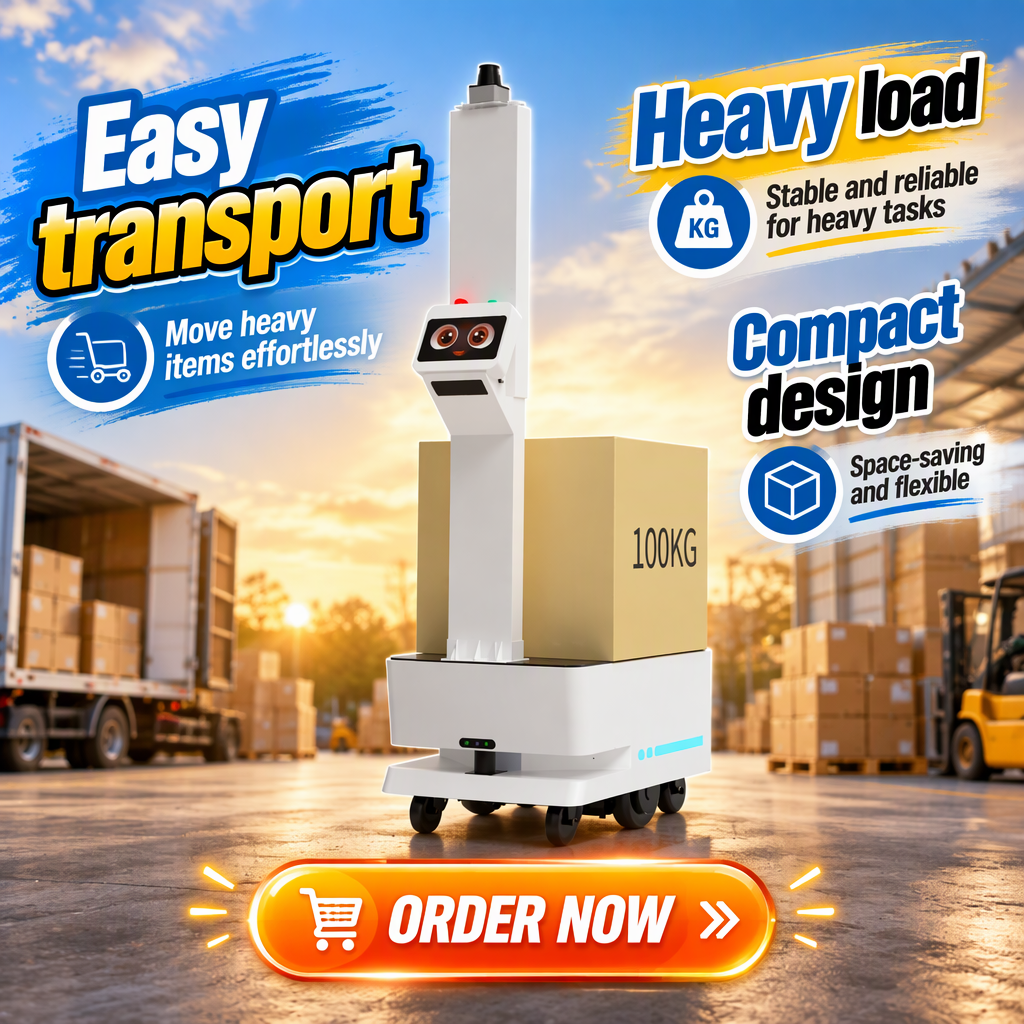
Reeman Autonomous Mobile Robot SLAM Navigation PLC Core Components Warehouse Logistics
- PLC core components
- SLAM navigation
- Warehouse logistics
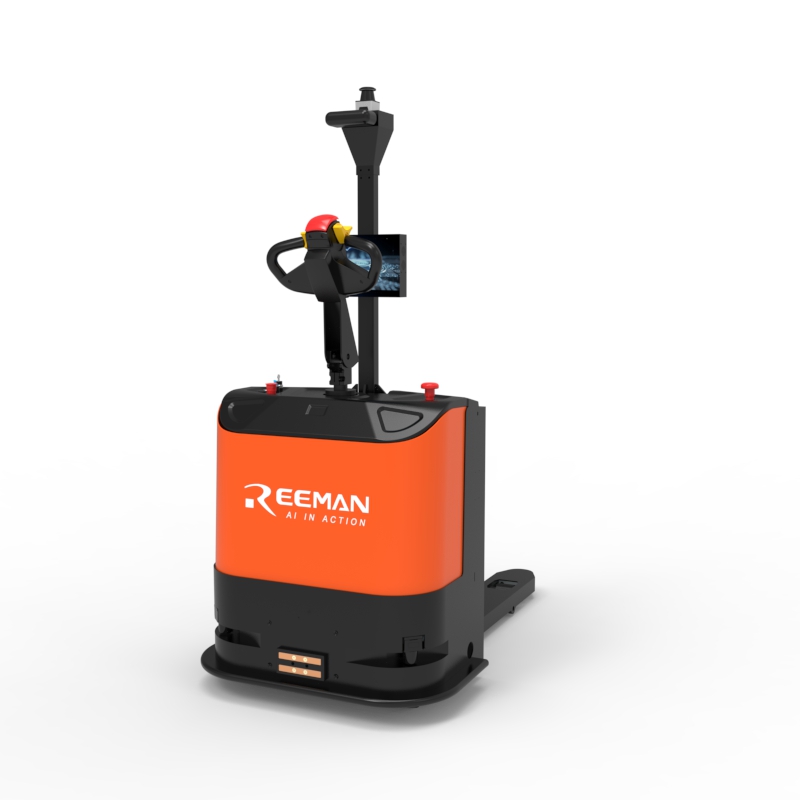
1500kg Laser SLAM AGV Forklift Single Line Lidar 30mm Navigation Accuracy 1019mm Forks 570mm Width Industrial Handling
- 1,500 kg class
- 30 mm navigation accuracy
- 1,019 mm forks
- 570 mm width
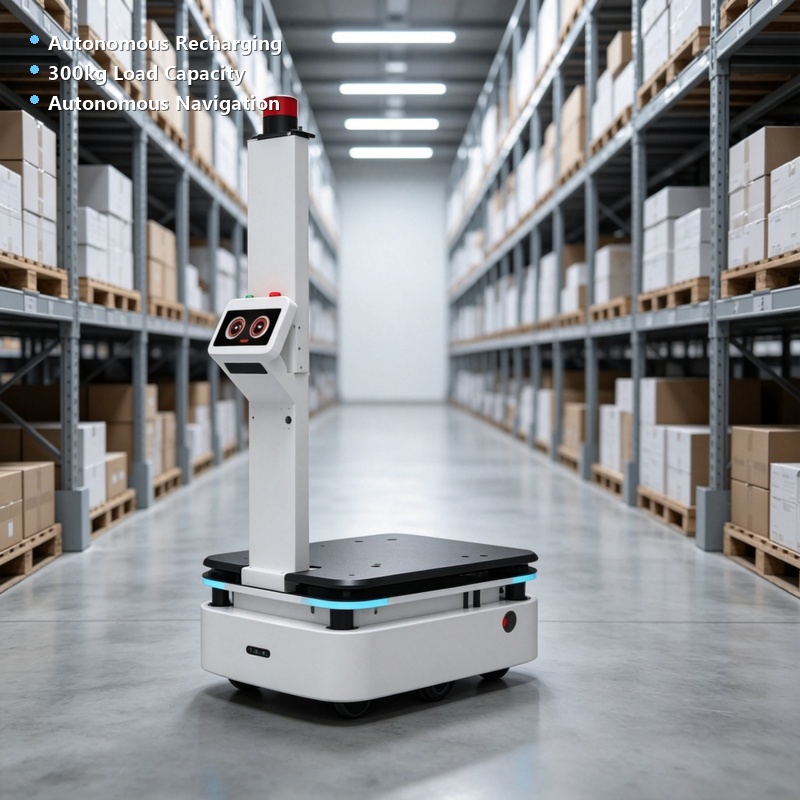
REEMAN Dual Laser Fly Boat MAX 300kg Industrial Delivery Robot for Manufacturing Plants and Factory Material Supply
- Dual laser SLAM
- 300 kg payload
- Plant material supply

2 Ton Autonomous 4WD AGV Forklift Laser SLAM Navigation Multi-Line LiDAR 10mm Position Accuracy 6-8H Warehouse Handling
- 2,000 kg class
- Multi-line LiDAR
- 10 mm position accuracy
- 6–8 h operation
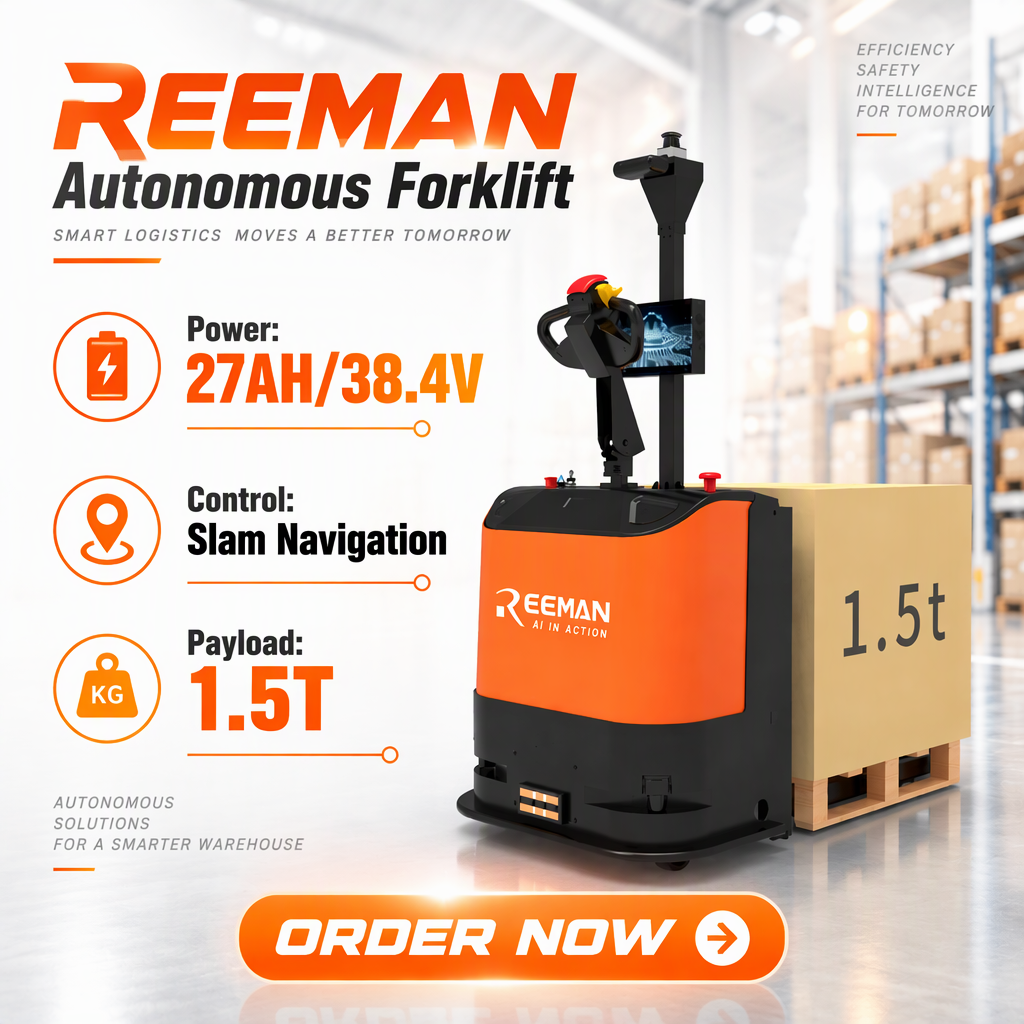
Reeman 1.5 Ton Autonomous Forklift AGV SLAM Navigation 3D Obstacle Avoidance Bidirectional Driving Indoor Warehouse
- 1.5 ton class
- 3D obstacle avoidance
- Bidirectional driving
- Indoor warehouse
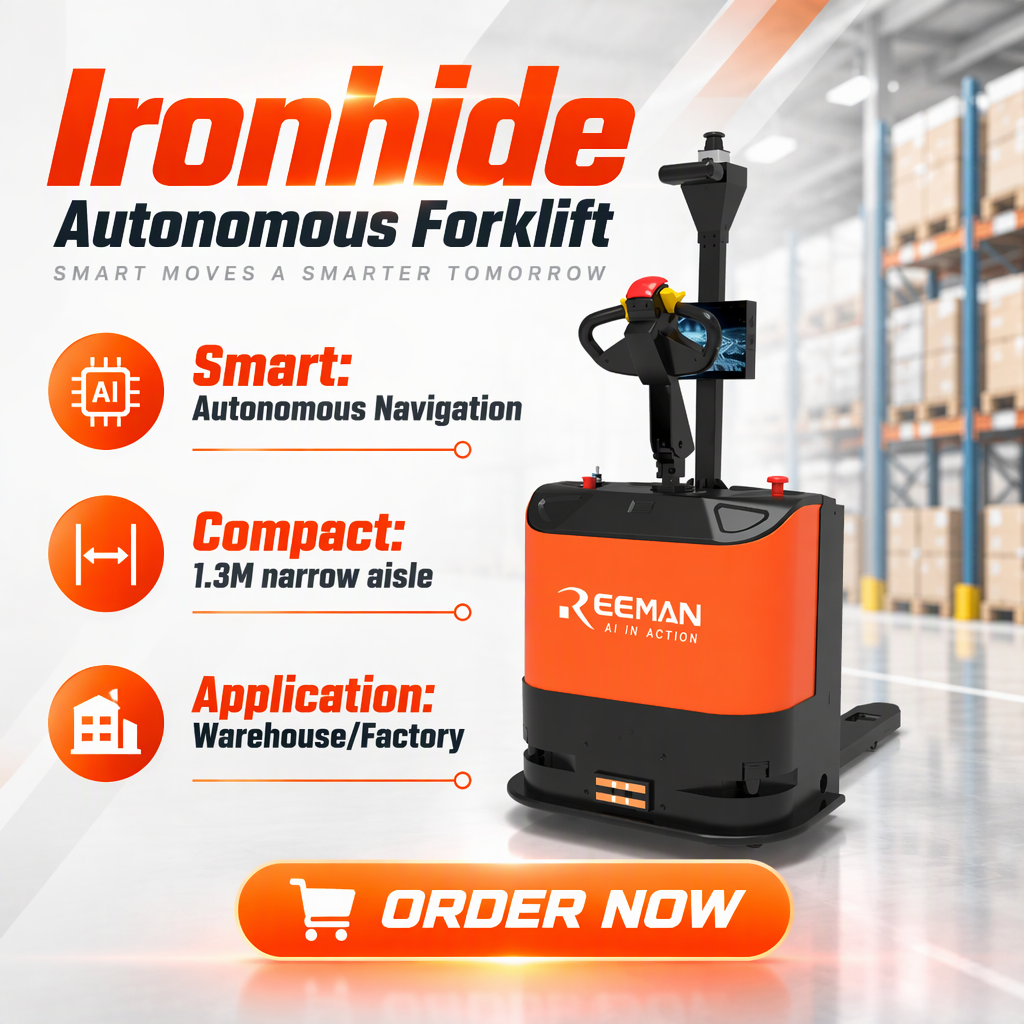
Reeman 1.5 Ton Autonomous Forklift AGV 3D Obstacle Avoidance Bidirectional Driving 48V 30AH Lithium-Ion Battery
- 3D obstacle avoidance
- Bidirectional driving
- 48 V 30 Ah Li-ion
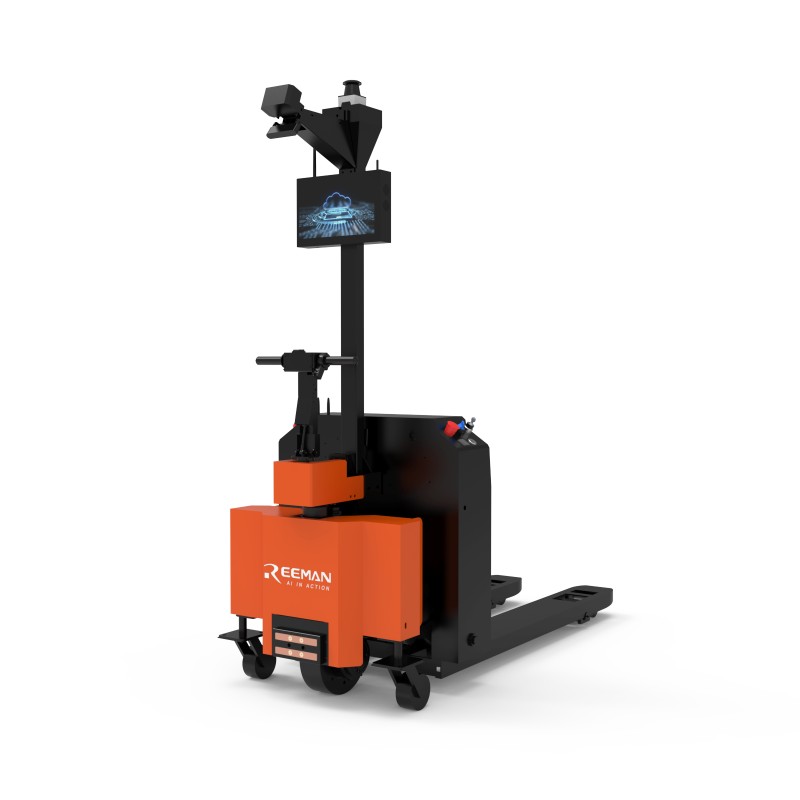
Reeman 2 Ton Autonomous Forklift AGV Laser SLAM Unmanned Pallet Truck 1085mm Fork 10mm Position Accuracy
- 2 ton class
- Laser SLAM
- 1,085 mm fork
- 10 mm position accuracy
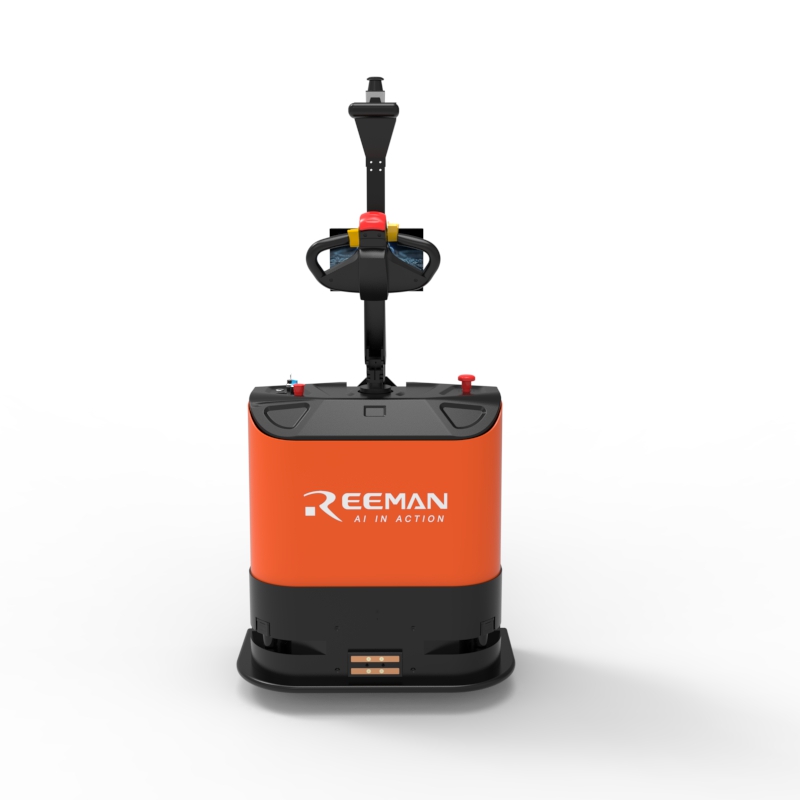
1500kg Laser SLAM Autonomous Forklift AGV Reflector-Free Point-to-Point Warehouse Material Handling
- 1,500 kg class
- Reflector-free
- Point-to-point handling
Why Dual Laser SLAM Is Becoming the Default Specification for Louisville AMR Projects
Dual laser SLAM is not simply “more sensors.” It changes how a robot proves where it is, how fast it recovers when a pallet is moved, and how confidently it can share space with people, forklifts and changing inventory.
Localization redundancy
Two laser scanners, wheel odometry and IMU fusion reduce the risk of a single blind spot or dirty lens interrupting a mission in a busy Louisville warehouse.
Dynamic obstacle field
Multi-line LiDAR and 3D obstacle avoidance detect low pallet tines, overhanging loads and pedestrian legs that a single 2D scan plane can miss.
Infrastructure flexibility
No magnetic tape, QR floor markers or wall reflectors are required. Layout changes can be handled by remapping rather than closing aisles for floor work.
Fleet scalability
Shared maps, task dispatch and charging logic let a Louisville site start with one or two robots and scale without rebuilding the navigation layer.
In technical terms, dual laser SLAM combines scan matching with motion prediction. The robot compares live point-cloud geometry against a stored map, estimates its pose, and corrects drift using sensor fusion. In a Louisville facility with trailers, dock doors, racking, pallet wrap and pedestrian traffic, that continuous correction is the difference between a demonstration and a production asset. However, buyers should still ask where the scanners are mounted, how the safety fields are configured, what happens when a lens is blocked, and whether the robot performs controlled stops or recovery maneuvers. A credible manufacturer will answer those questions with documentation, not slogans.
What Louisville Buyers Should Compare Before Shortlisting a Dual Laser SLAM Robot
The strongest procurement decisions are made before the quotation stage. Use these four comparison lenses to separate a robust AMR platform from a low-cost demonstration unit.
Safety architecture
Ask for risk assessment against the applicable driverless industrial truck and AMR safety approach, including emergency stops, speed zones, warning fields and manual override.
Load interface reality
Fork length, fork width, load center, pallet condition, rack beam height and floor flatness matter as much as rated payload. A 1,019 mm or 1,085 mm fork must fit the actual pallet and aisle.
Integration depth
Open SDK and API access should support WMS, MES, ERP, PLC, elevator, door and conveyor handshakes. Confirm protocols, data ownership and factory acceptance testing.
Lifecycle support
Request spare-parts lists, maintenance intervals, training materials, remote commissioning scope and battery replacement guidance before the purchase order.
Localized Application Scenarios in the Louisville Market
Louisville combines a global air-cargo hub, a strong manufacturing base, regional healthcare and food-and-beverage operations. Each environment creates a different autonomy brief.
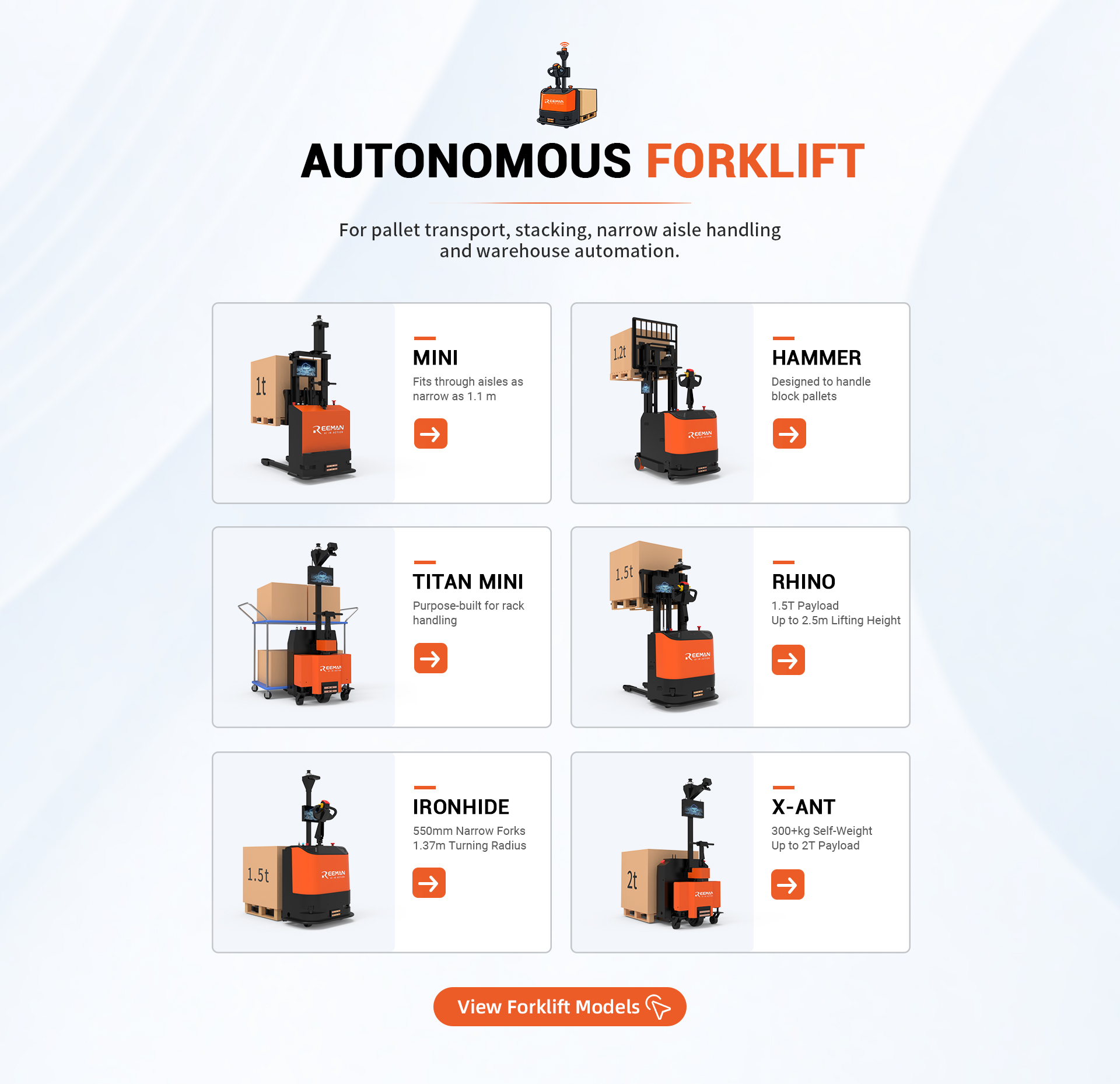
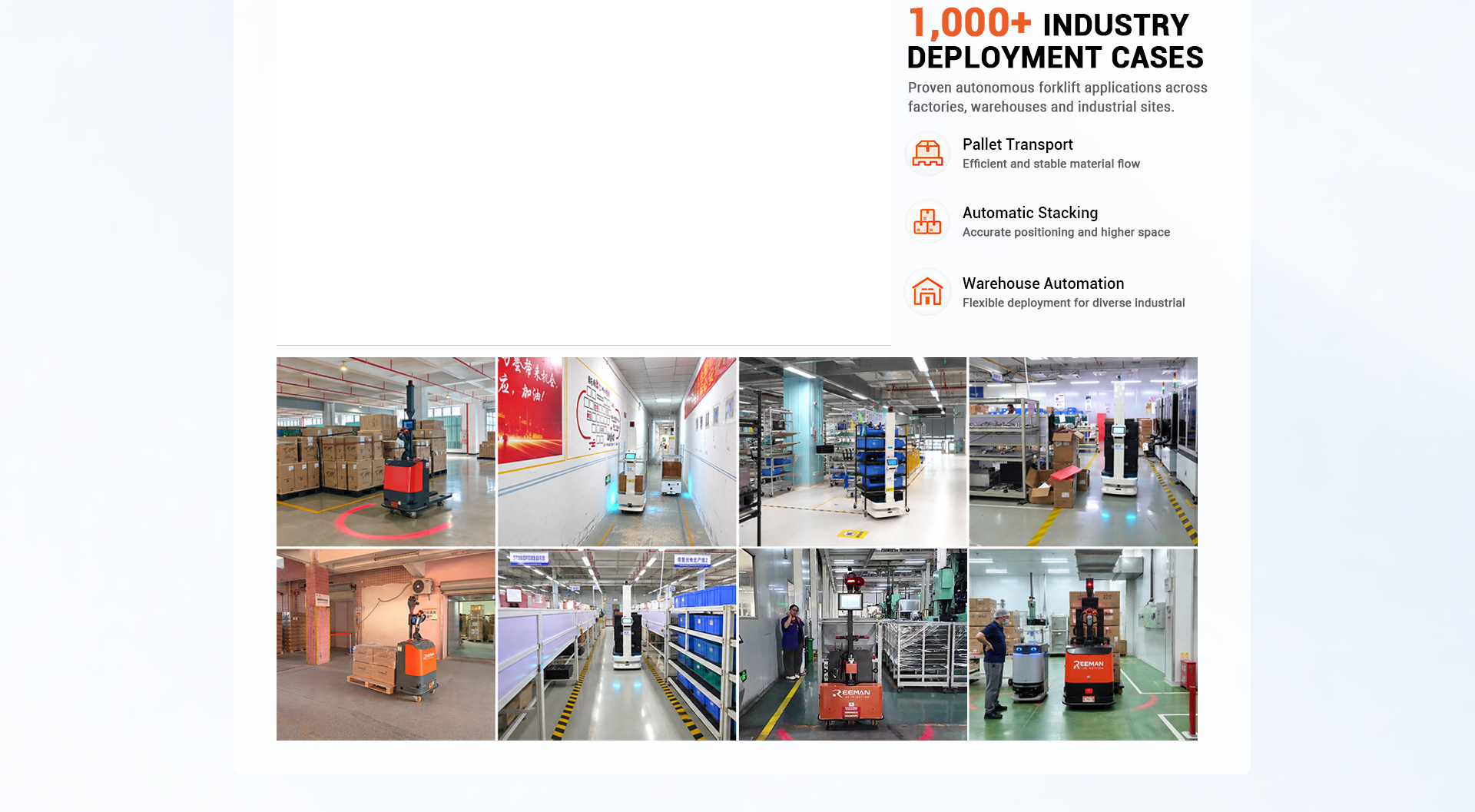
Cross-docking and trailer-to-rack flow
Move pallets between receiving, staging and storage during tight dock windows. Dual laser SLAM supports changing staging lanes without floor markers.
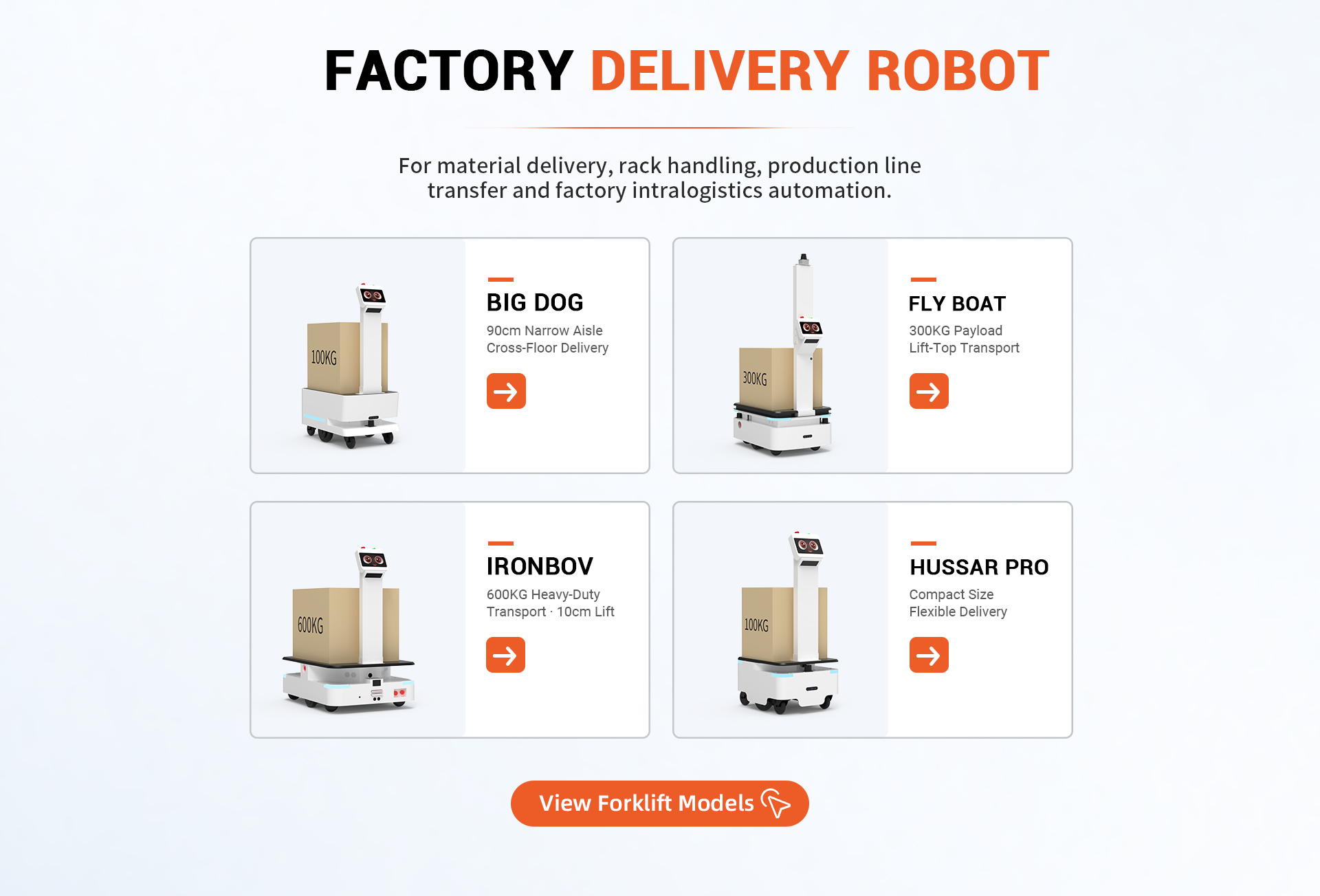
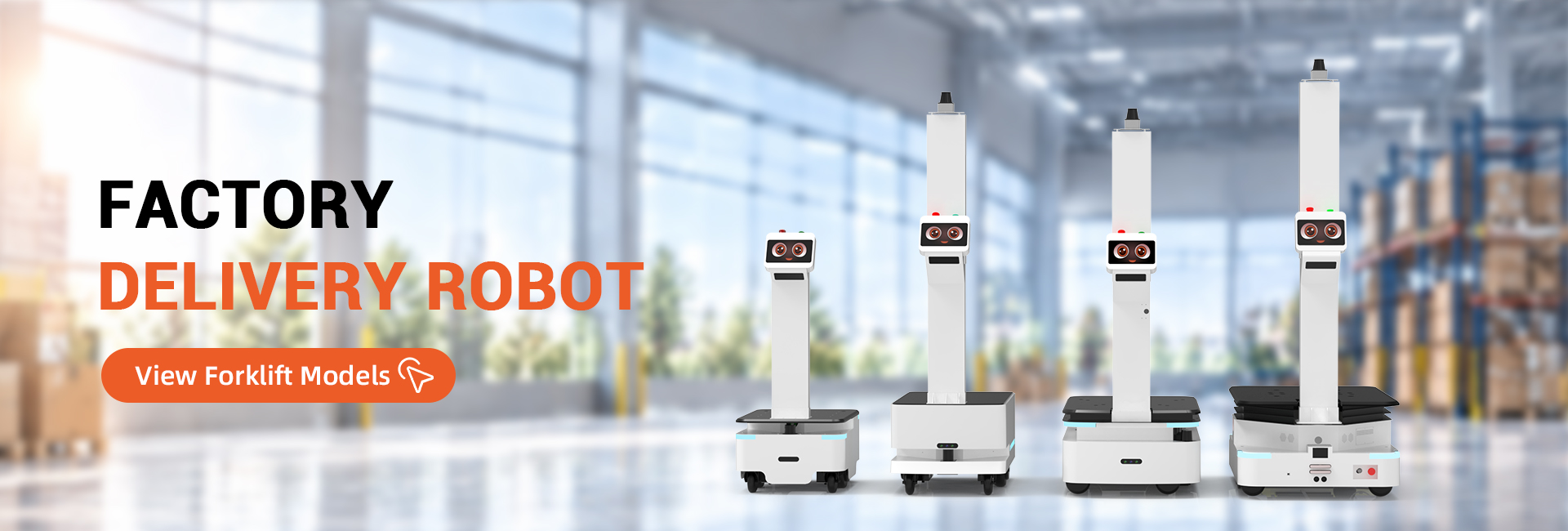
Line-side material supply
Feed workstations, collect finished goods and reduce forklift traffic in plants serving automotive, appliance and supplier networks.
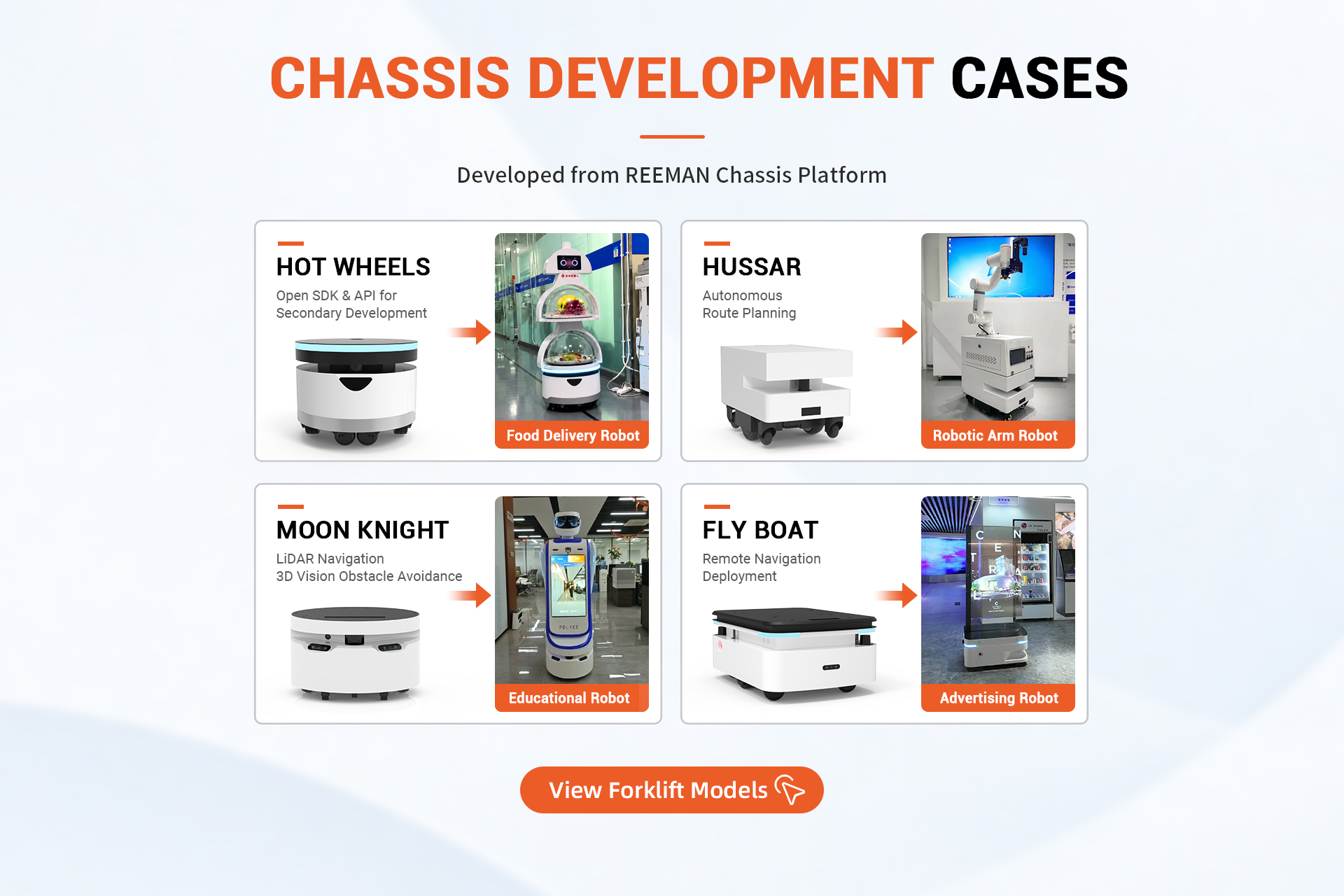
Custom robot development
Use a proven SLAM chassis and open SDK to launch a branded robot for Louisville customers without developing navigation from zero.
Internal delivery and room service
Autonomous delivery robots reduce walking time for repetitive internal transport in hospitals, hotels and large service facilities.

Cleaning and disinfection
Autonomous floor-care and disinfection platforms can cover large public areas on scheduled routes with consistent documentation.
Guidance, signage and engagement
Mobile advertising and reception robots combine autonomous navigation with AI voice interaction for showrooms and public spaces.
Elvorn Manufacturer Advantages for Louisville Automation Projects
Shenzhen Elvorn Intelligent Equipment Co., Ltd. is a national high-tech enterprise focused on robotic platform technology and autonomous driving. Since 2015, the company has built autonomous forklifts, industrial AMRs, robot chassis, delivery robots, cleaning robots and disinfection robots for buyers across North America, Western Europe, Eastern Asia, Southeast Asia and the Middle East.
Laser SLAM navigation
Robots map the site and navigate without magnetic tape, QR codes or reflectors, which simplifies layout changes in leased Louisville buildings.
Open SDK and API
AMRs and chassis support secondary development for WMS, MES, ERP, PLC, elevator and custom dashboard integration.
Modular payload platforms
From 60 kg delivery robots to 2-ton autonomous forklifts on shared control architecture, simplifying fleet training and maintenance.
Multi-layer safety
LiDAR, obstacle sensors, emergency stops and speed zoning help protect pedestrians, racking and mixed forklift traffic.
Own production capacity
Two production bases in Shenzhen and Ningbo support in-house R&D, material inspection, assembly, testing and supplier assessment procedures.
Export-ready support
English documentation, remote commissioning and spare-part supply. Export terms include FOB and T/T payment in USD or CNY.


Verified Manufacturing, Engineering and Quality Control
The factory has passed onsite verification by SGS Group, covering business licensing, production capability and quality-control procedures. Management systems are certified to ISO 9001 and ISO 14001, while individual robot models may carry CE, FCC or PSE marks depending on configuration and target market.
For Louisville buyers, certification review should go beyond logos. Request model-specific declarations, manuals, risk assessments, factory test records and spare-parts lists. Confirm charger voltage, charging-area fire strategy, network coverage, data-security requirements and operator training. A responsible manufacturer will separate marketing claims from deployment evidence.
Information gain matters in procurement: the winning supplier is usually the one that can explain limits clearly, document acceptance criteria and support the site after the demonstration ends.
From Inquiry to Stable Operation: A Four-Step Louisville Deployment Path
A controlled deployment plan reduces risk for warehouses and plants that cannot pause production for a long automation project.
Discovery and site data
Share layout drawings, aisle widths, pallet types, load weights, throughput targets, shift patterns and existing WMS, MES or PLC interfaces.
Engineering and configuration
Application engineers recommend the model, fork dimensions, battery strategy, safety zones, charging plan and integration scope.
Factory build and test
Configure the robot, complete functional and load testing, prepare documentation and confirm acceptance criteria before shipment.
Deploy and optimize
Map the site, train operators, validate KPIs, refine routes and establish spare-parts and maintenance planning for long-term operation.
Louisville Buyer FAQ: Dual Laser SLAM AMR Procurement
These are the questions most often raised by warehouse, manufacturing and 3PL teams evaluating autonomous mobile robots for Kentucky operations.
Can dual laser SLAM robots work without adding tape, QR codes or reflectors to my Louisville building?
+
Yes. Dual laser SLAM robots localize against the building geometry and mapped features, so the normal deployment does not require magnetic tape, floor QR codes or wall reflectors. The site still needs a mapping pass, stable Wi-Fi coverage for fleet communication, clean scanner lenses and a practical charging location.
How do I choose between a 1.5-ton and 2-ton autonomous forklift AGV?
+
Compare actual pallet weight, load center, rack-beam height, fork length, aisle width and duty cycle. A 2-ton model with multi-line LiDAR and 10 mm position accuracy may suit heavier trailer-to-rack flows. A 1.5-ton model with 3D obstacle avoidance and bidirectional driving may be better for indoor warehouse routes and line-side replenishment.
Can the robot integrate with my WMS, MES, ERP or PLC?
+
Elvorn AMRs and robot chassis provide an open SDK and API for secondary development, and PLC-core components are available for industrial integration. Buyers should define the exact task-dispatch logic, status feedback, exception handling and network architecture during engineering review.
Which documents should Louisville procurement request?
+
Request the model-specific certificate file, ISO 9001 and ISO 14001 evidence, SGS onsite verification report, product manual, factory test record, risk-assessment documentation, spare-parts list and recommended maintenance schedule. For deployment, confirm the applicable safety review with your local integrator.
What is the lead time and shipping route to Louisville?
+
Lead time depends on model, battery, fork configuration and integration scope, so it should be confirmed in the quotation. Export shipments typically move FOB with T/T payment in USD or CNY, then through a US port and inland freight to Louisville. Battery documentation and customs requirements should be confirmed before booking.
How should we run a pilot in a live Louisville facility?
+
Start with one defined zone, one or two routes and a clear baseline for travel time, moves per shift, safety incidents and manual intervention. Train operators, agree on manual override procedures and review data at 30, 60 and 90 days. Expand the mapped area only after the first zone is stable.
What support is available for maintenance and spare parts?
+
Support typically includes English documentation, remote commissioning guidance, operator training materials and spare-parts supply. Louisville buyers should identify critical spares, expected replacement intervals and local service partners before the robots enter production use.
Are these robots suitable for cold storage, food plants or washdown areas?
+
Environmental conditions must be reviewed case by case. Condensation, temperature, washdown chemicals, floor slope, battery performance and scanner protection can change the configuration. Share the actual operating profile with application engineers before selecting a model for cold-chain or food-and-beverage use.
Request a Louisville-Specific Dual Laser SLAM AMR Recommendation
Send your layout, pallet data, aisle widths, throughput target and integration requirements. The engineering team can compare dual laser AMRs, autonomous forklifts and open-SDK chassis against your actual Louisville workflow before you commit to a pilot.
Inquire Now Ask for model shortlisting, fork and battery configuration, factory test documentation and deployment planning.