Factory Logistics Robot Factories & Suppliers in the Fukuoka Market
A factory-direct buyer’s guide for autonomous forklifts, AMRs, mobile robot chassis and service robots — engineered for Fukuoka warehousing, manufacturing, food distribution, port-adjacent logistics and mixed-traffic industrial sites.
8 Logistics Robot Platforms for Fukuoka Factory & Warehouse Projects
For Fukuoka buyers comparing factory logistics robot suppliers, the most useful starting point is not a catalogue of every model but a shortlist matched to load, aisle width, navigation environment and integration depth. The eight units below cover pallet transfer, production-line feeding, sheet-metal handling, narrow-aisle stacking, high-traffic AMR movement and visual management for showrooms or control areas.
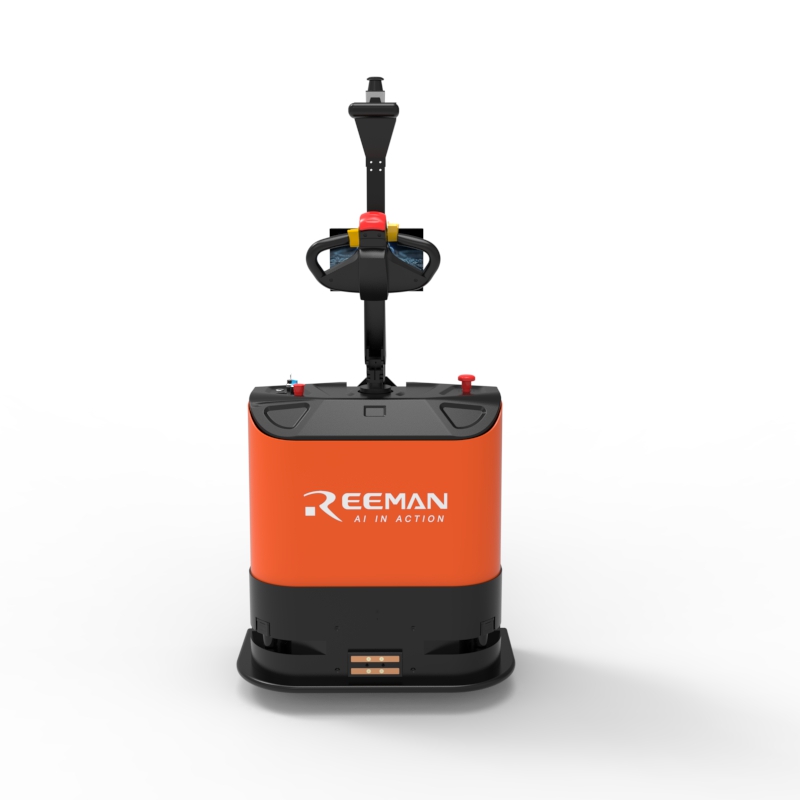
1500kg Laser SLAM Autonomous Forklift AGV Reflector-Free Point-to-Point Warehouse Material Handling
A strong first choice for Fukuoka 3PLs, food distribution centres and rented warehouses where drilling floors for reflectors is difficult. Point-to-point pallet movement, fast site mapping and flexible route changes reduce deployment friction.
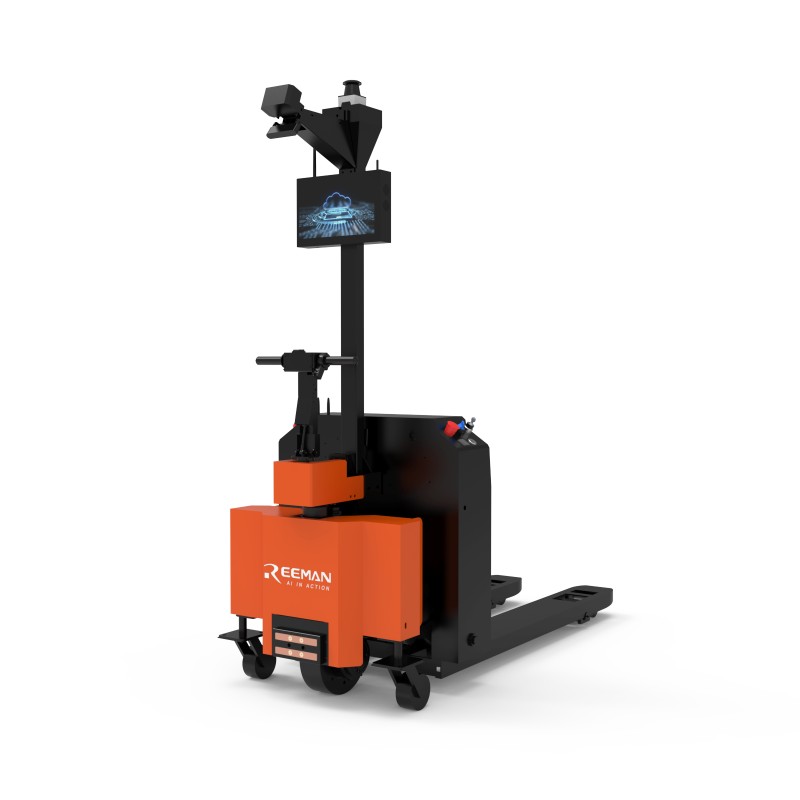
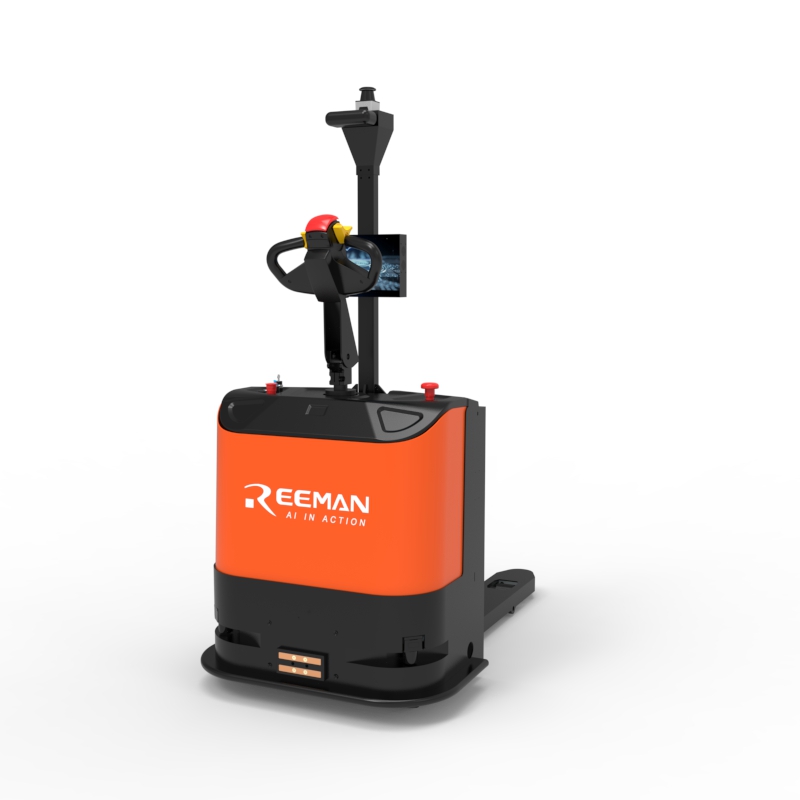
Reeman 2 Ton Autonomous Forklift AGV Laser SLAM Unmanned Pallet Truck 1085mm Fork 10mm Position Accuracy
Recommended for heavier pallet flows in Kitakyushu manufacturing plants, automotive supply chains and dock-to-storage operations. The 1085 mm fork and 10 mm positioning accuracy support repeatable pickup and drop-off in demanding production logistics.
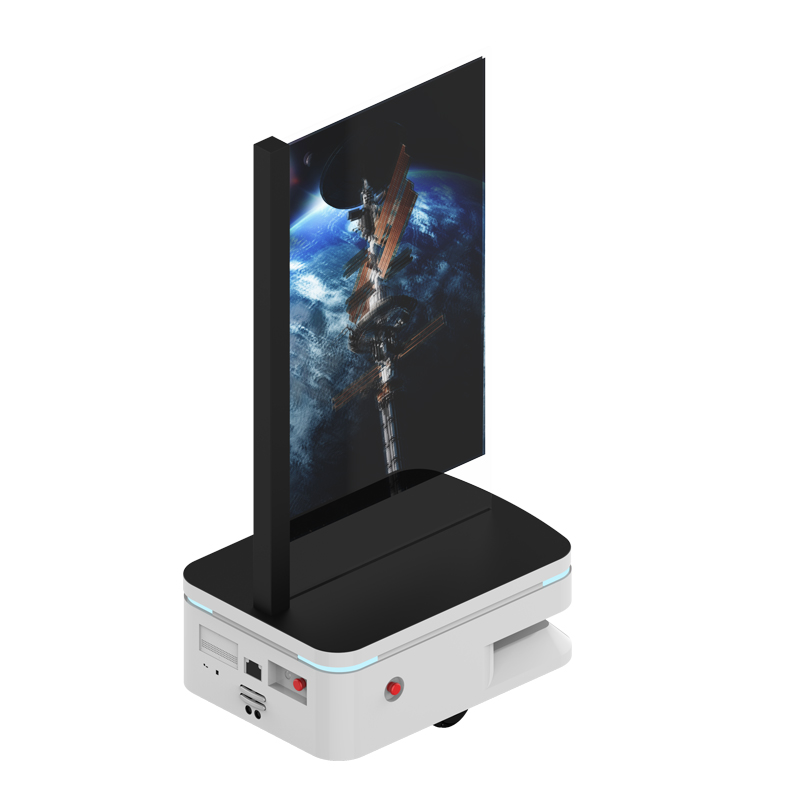
75 Inch Indoor LED Digital Poster Touch Screen Display SDK OEM ODM Black Signage for Retail Store Elevator Airport
Not a material-handling robot, but relevant to Fukuoka smart-factory visitor centres, logistics control rooms, showroom demonstrations and facility wayfinding. Use it to visualise AGV fleet status, safety instructions, production KPIs or customer-facing digital signage.
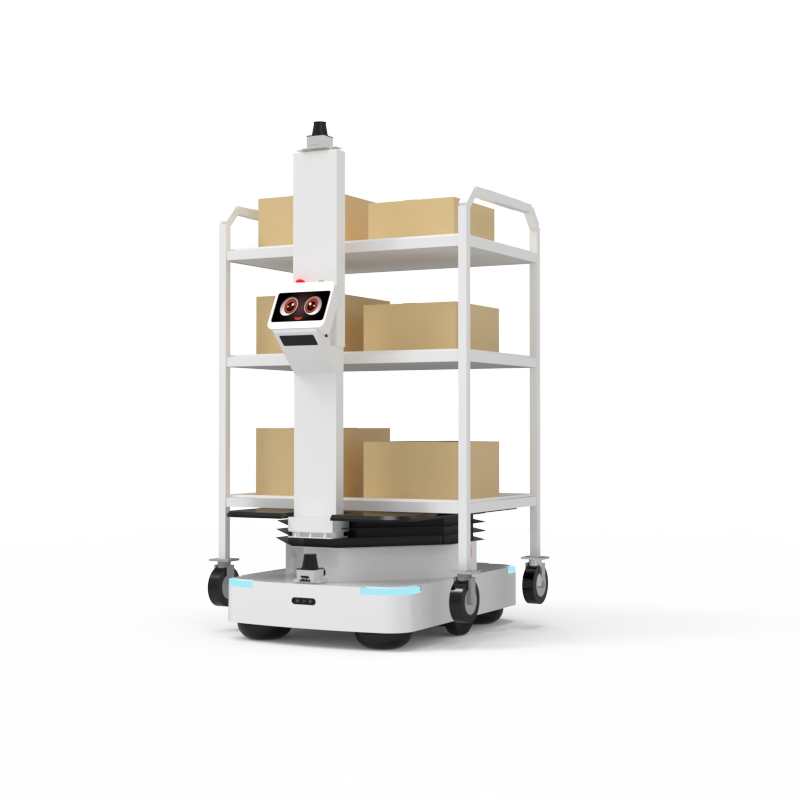
600kg Payload Autonomous AMR Robot Multi Sensor Mobile Material Handling Cart for Production Line
Suited to electronics, precision equipment and parts assembly plants in Fukuoka where carts, totes or fixtures must move between workstations. Multi-sensor navigation supports dynamic factory environments without fixed floor infrastructure.
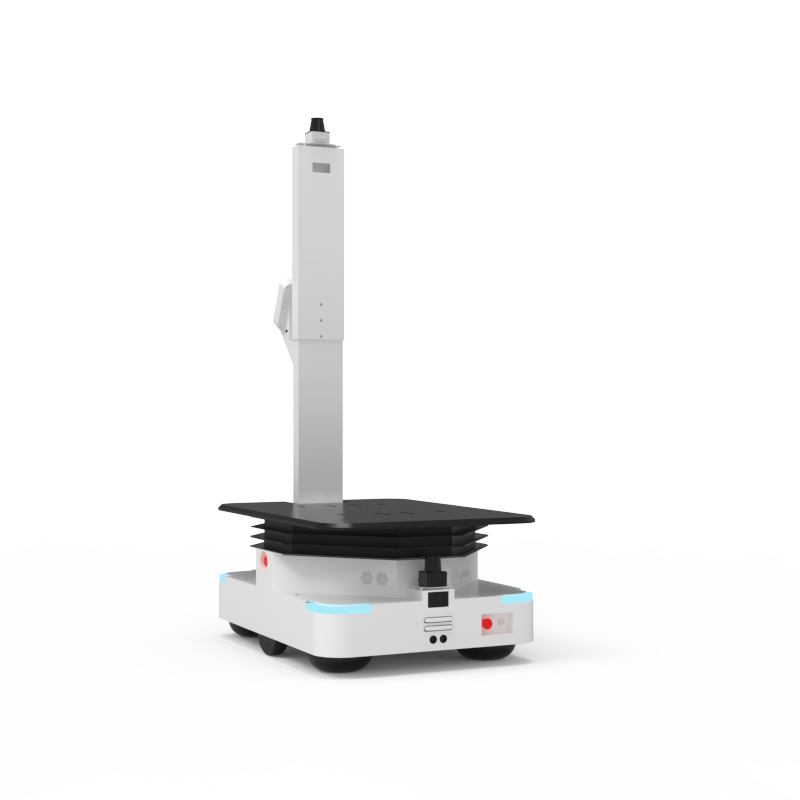
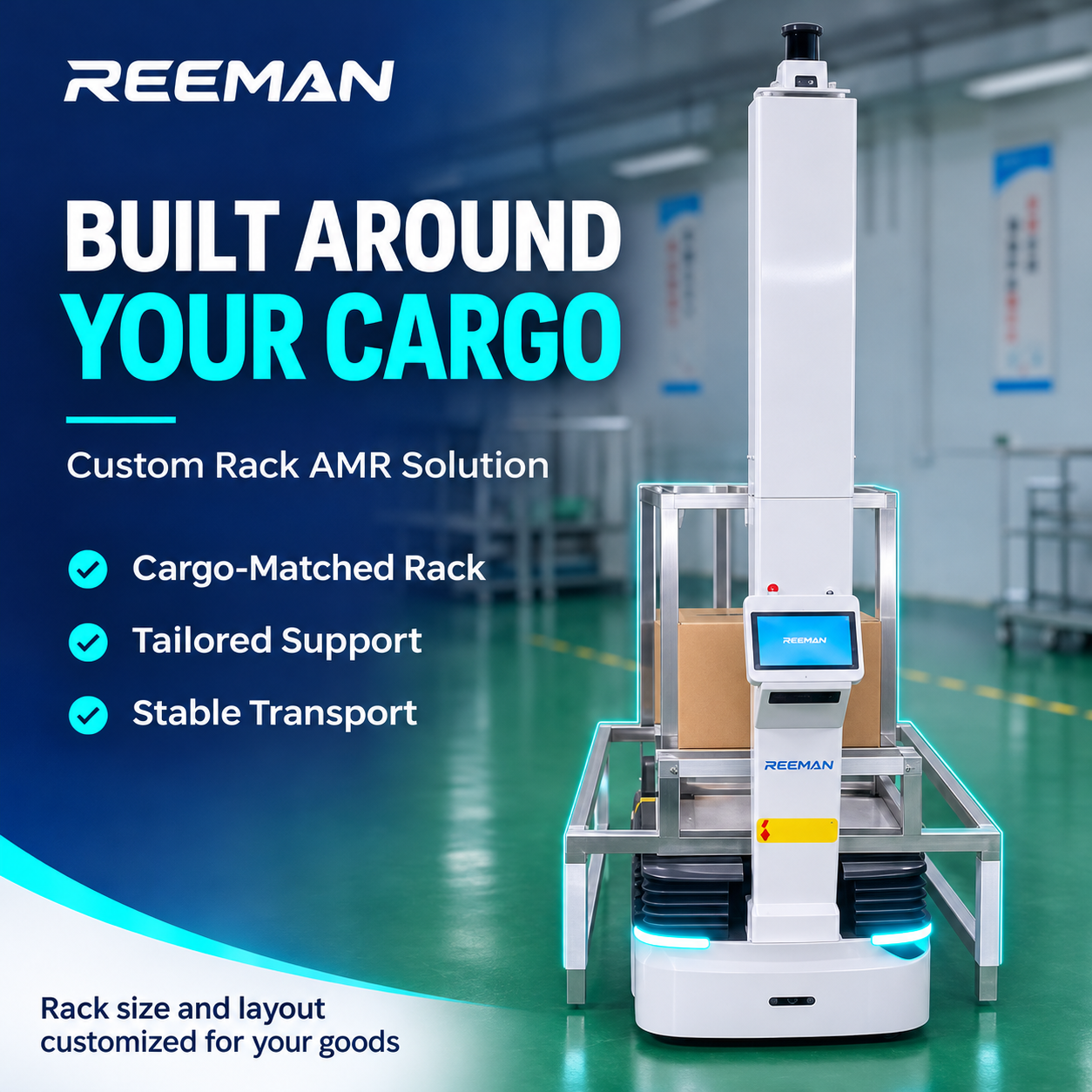
REEMAN Autonomous Mobile Robot AGV AMR 600kg Payload Sheet Metal Material Handling for Production Line
Recommended for Fukuoka metalworking, machinery and fabrication clusters where sheet metal parts must be moved safely between cutting, bending, welding and inspection stations. A practical alternative to manual carts in repetitive transfer duties.
Reeman BBOT30F 1500kg Laser SLAM Autonomous Pallet Stacker AGV Single Line Lidar Obstacle Avoidance Warehouse Transport
A useful option for compact Fukuoka warehouses with low racks, narrow aisles and repetitive pallet stacking. Single-line LiDAR obstacle avoidance supports stable warehouse transport, while the stacker format handles low-height lift tasks.
Dual Laser AMR 300KG AGV Lifting Mobile Robot with Slam LiDAR Navigation for Manufacturing Plants
Recommended for high-traffic manufacturing plants where people, pallet trucks and workstations share the same floor. Dual laser SLAM and lifting mobility make it suitable for flexible cassette, tote and small-pallet movement in Fukuoka SMEs.
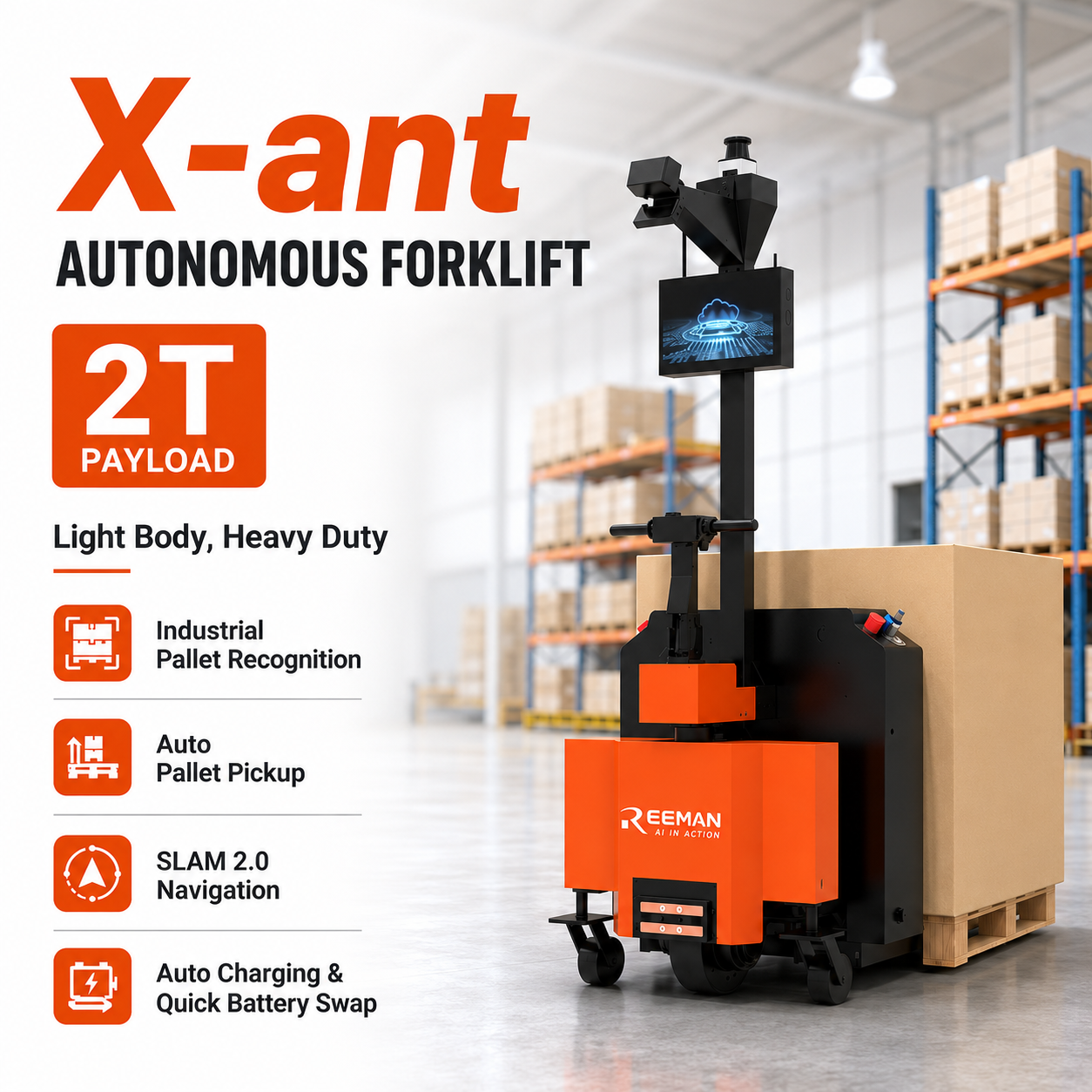
2 Ton Autonomous 4WD AGV Forklift Laser SLAM Navigation Multi-Line LiDAR 3D Obstacle Avoidance Warehouse Handling
An appropriate platform for heavier warehouse handling, yard-to-warehouse transitions and mixed indoor-outdoor industrial sites. Multi-line LiDAR with 3D obstacle avoidance helps address Fukuoka sites where forklifts, pedestrians and changing obstacles coexist.
Shenzhen Elvorn Intelligent Equipment Co., Ltd. is a national high-tech enterprise with two production bases in Shenzhen and Ningbo. Factory data is supported by onsite verification by SGS Group; management systems are certified to ISO 9001 and ISO 14001, with CE, FCC or PSE marks available depending on model.
Why Factory Logistics Robots Are Moving from Trial to Procurement in Fukuoka
Fukuoka is often described as a compact, liveable city, but its industrial relevance extends far beyond the central business district. The Fukuoka market for factory logistics robots is shaped by the Kitakyushu manufacturing belt, automotive and parts suppliers, food processing, electronics, distribution centres around Hakata Bay, Fukuoka Airport, Hakata Port and the Kyushu Expressway corridor. For local plant managers, the question is no longer whether autonomous forklifts or AMRs are technically possible; it is whether a supplier can deliver a stable, safe and supportable system inside a real Japanese operating environment.
Several local pressures are accelerating interest. Labour availability in logistics and repetitive material handling remains tight, and Japan’s 2024 logistics regulations have intensified the search for throughput improvements that do not depend on adding drivers. Many Fukuoka facilities are also space-constrained: narrow aisles, mixed pedestrian and forklift traffic, shared loading zones and rented buildings make fixed tape, rail or reflector-heavy navigation less attractive. Laser SLAM robots are therefore evaluated for their ability to map a site quickly, change routes without floor works and support staged automation.
Another local factor is the electricity and infrastructure environment. Kyushu operates on 60 Hz, and Fukuoka buyers routinely ask about charger compatibility, electrical safety documentation, radio coverage and emergency-stop behavior before approving a pilot. This is where a factory-direct supplier with export experience can add value: not by making vague claims, but by providing model data, testing records, interface details, spare-part planning and a clear integration path.
Fukuoka procurement teams are also becoming more sophisticated in supplier evaluation. They compare payload tolerance, pallet standards, aisle dimensions, fleet scheduling, WMS or MES connectivity, local maintenance options and total cost of ownership. A low purchase price is less persuasive if the robot cannot handle Japanese pallets consistently, if charging infrastructure is poorly planned or if spare parts take weeks to arrive. The most successful projects tend to be those that define the workflow first, then choose the robot platform.
Fukuoka Buyer Signals We See in Project Scoping
These are practical signals from typical automation enquiries, not a statistical survey. They help explain why compact AMRs, reflector-free forklifts and dual-laser navigation are frequently discussed in this market.
Where These Robots Fit in Fukuoka Factories and Warehouses
The right robot is defined by the workflow, not by the product name. In Fukuoka, the same AMR platform may support electronics assembly in one plant, food distribution in another and port-adjacent cross-docking in a third. The scenarios below map common local use cases to the recommended platform types.
Automotive & Parts Manufacturing
Kitakyushu and surrounding automotive suppliers can use 1.5–2 ton autonomous forklifts for dock-to-line pallet movement, and 600 kg AMRs for sequenced parts transfer. The priority is repeatability, safety around forklift traffic and integration with production call signals.
Electronics & Precision Equipment
For Fukuoka electronics and device makers, 300 kg and 600 kg AMRs are useful for moving totes, fixtures and WIP between assembly, inspection and packing. Smooth acceleration and precise stopping matter more than maximum speed in clean or semi-clean production areas.
Food Processing & Cold Chain
Food factories and distribution centres often require careful zoning, hygiene procedures and traceability. Autonomous pallet stackers and 1.5 ton forklift AGVs reduce repetitive transfer between receiving, storage and dispatch. Confirm IP rating, washdown restrictions and battery-charging location before selection.
3PL & Distribution Centres
Third-party logistics sites around Hakata Bay and major expressway links can deploy reflector-free forklift AGVs for receiving, put-away and cross-docking. Fleet scheduling and clear handover points are critical when multiple shifts and seasonal peaks are involved.
Port-Adjacent & Yard Logistics
Facilities near Hakata Port and Kitakyushu Port may need indoor-outdoor transitions or movement between warehouse and covered yard areas. A 2 ton 4WD AGV forklift with multi-line LiDAR and 3D obstacle avoidance is a better fit than a small indoor-only cart.
Smart Factory Showrooms & Control Areas
The 75-inch indoor touch display supports digital visual management in factory visitor centres, logistics control rooms and showroom environments. Use it to present live fleet dashboards, safety briefings, autonomous robot demonstrations and customer-facing product information.
What Fukuoka Buyers Should Weight Before Shortlisting
A robot that works in a demonstration video may still fail in a real Fukuoka factory if aisle width, pallet condition, Wi-Fi coverage or safety zoning has not been checked. The visual below shows typical scoping priorities for local automation projects. It is an illustrative decision framework, not a market statistic.
Why Compare Elvorn as a Factory-Direct Supplier for Fukuoka Projects
Shenzhen Elvorn Intelligent Equipment Co., Ltd. is a national high-tech enterprise founded in 2015, focused on robotic platform technology and autonomous driving. Its portfolio covers autonomous forklifts, industrial AMRs, robot chassis, delivery robots and cleaning robots. For Fukuoka buyers, the value is not simply a lower unit price; it is access to an engineering team that owns navigation, motion control, fleet scheduling, hardware and customization.
Laser SLAM Navigation
Maps a site in hours and navigates without magnetic tape, QR codes or floor reflectors. This is especially valuable in Fukuoka buildings where floor modification or long installation downtime is unacceptable.
Open SDK & API
AMRs and robot chassis support secondary development so integrators can connect robots to WMS, MES, ERP, elevators, doors and custom dashboards. This reduces the risk of a robot becoming an isolated island.
Modular Payload Platforms
From 60 kg commercial delivery robots to 2 ton autonomous forklifts, modular architectures simplify fleet training and maintenance. Fukuoka buyers can standardise controls across multiple material flows.
Multi-Layer Safety
LiDAR, obstacle sensors, emergency stops and speed zoning help robots operate around pedestrians, forklifts and racking. Final safety configuration must match the actual site layout and local operating rules.
Own Production Capacity
Two production bases in Shenzhen and Ningbo, 5,200 ㎡ of floorspace, 200+ team members and 39 patents support customization, quality control and long-term spare-part planning for export projects.
Export-Ready Support
English documentation, remote commissioning and spare-part supply support buyers in more than five regional markets. Export terms include FOB, with T/T payment in USD or CNY, and OEM, design service or buyer-label options are available.

R&D and headquarters environment — full-stack engineering for SLAM, motion control and fleet scheduling.

Robot assembly line — production supported by supplier assessment and on-site material inspection procedures.

Engineering and quality testing team — functional and load testing before shipment, with test records available.
From Fukuoka Site Survey to Stable Daily Operation
A robot project succeeds when the physical flow, data flow and support flow are planned together. This six-step framework reduces risk for first-time automation buyers and for integrators adding new robot fleets to existing operations.
Requirement Review
Share layout drawings, load data, pallet type, aisle width, shift pattern and target throughput. Include photos or video of bottlenecks and loading zones.
Solution Design
Engineers recommend models, fleet size, charging plan, safety zones and integration scope. For Fukuoka sites, confirm 60 Hz charging and electrical requirements early.
Customization & Build
OEM branding, top modules, fork dimensions, payload structures and software interfaces are built to specification. Scope changes should be documented before production.
Factory Testing
Function and load tests are performed before shipment. Test records, operating instructions and maintenance guidance support smooth import and internal approval.
Shipping & Import
Export terms include FOB; payment is accepted by T/T in USD or CNY. Coordinate packaging, documents, spare parts and optional local integrator involvement.
Deploy & Support
Remote mapping, operator training, performance checks and long-term spare-part planning help maintain stable operation after the pilot becomes a daily workflow.
A Practical TCO View for Fukuoka Procurement Teams
The purchase price of a factory logistics robot is only one line in the business case. A more reliable comparison includes labour coverage, safety exposure, floor-space utilization, installation downtime, energy use, maintenance and spare-part logistics.
In a typical Fukuoka factory or warehouse evaluation, the fastest payback often comes from repetitive point-to-point transfers that are difficult to staff consistently: moving pallets from receiving to staging, replenishing line-side stock, transferring finished goods to dispatch, or moving carts between workstations. If these tasks are stable, repetitive and within the robot’s payload and route envelope, automation can improve schedule adherence without changing the entire warehouse management system.
However, buyers should avoid comparing a robot against a single labour rate alone. Overtime reduction, fewer manual cart trips, lower accident risk, night-shift continuity, space utilization and quality consistency all contribute to ROI. At the same time, add the cost of site preparation, charging infrastructure, integration, training and spares. A well-scoped pilot usually starts with one or two routes, proves the safety case and then expands after the fleet management process is accepted by operators.
Elvorn supports this staged approach by providing open SDK and API access for AMRs and chassis, modular payload platforms, factory testing before shipment and remote commissioning support. For Fukuoka buyers, that means the project can begin with a clearly defined material flow and scale only when the operating data supports expansion.
ROI Questions to Ask Before Approval
Factory Logistics Robot Supplier Questions from Fukuoka Buyers
These are the questions that appear most often during first-round supplier evaluation for autonomous forklift, AMR and robot chassis projects in Fukuoka and the wider Kyushu market.
Can a factory-direct supplier from Shenzhen support a Fukuoka project without a local office?
Yes, but the support model must be explicit. Elvorn is a Shenzhen-based manufacturer, not a Fukuoka factory or local branch. Projects can be supported through export sales, remote engineering, English documentation and optional cooperation with a local integrator for installation, electrical work, network setup and routine service. Fukuoka buyers should confirm who performs on-site maintenance before placing an order.
What is the difference between an autonomous forklift and an AMR for Fukuoka warehouses?
An autonomous forklift, often called an AGV forklift, lifts and moves pallets between floor, dock and rack positions. An AMR is a mobile platform that carries totes, carts, shelves or fixtures. Both Elvorn lines can use laser SLAM navigation, so no magnetic tape or floor reflectors are required. The choice depends on whether the load is a pallet that must be lifted or a cart/tote that must be carried.
Are the robots compatible with Kyushu’s 60 Hz power environment?
Kyushu operates at 60 Hz, so charger specifications and electrical compatibility must be confirmed for each model and configuration. Elvorn offers PSE-marked models depending on the product and destination requirements. Buyers should provide the intended charging location, supply voltage, frequency, phase and any internal electrical safety rules during the solution design stage.
Can the robots operate in narrow aisles and mixed pedestrian traffic?
Many Fukuoka sites are compact, with narrow aisles and shared pedestrian/forklift zones. The correct approach is to measure the narrowest aisle, turning radius, door width and pallet overhang before selecting a model. Dual-laser AMRs, single-line LiDAR stackers and multi-line LiDAR forklifts can be configured with speed zones, warning areas and obstacle avoidance, but the final safety configuration must match the actual site layout.
Can Elvorn robots be integrated with WMS, MES or ERP systems?
Yes. Elvorn AMRs and robot chassis provide an open SDK and API for secondary development, enabling task dispatch and status feedback between robots and warehouse management, manufacturing execution or custom software systems. Buyers should define the exact integration scope early, including task format, status updates, exception handling, network protocols and whether a local integrator will manage the software side.
Does Elvorn offer OEM and ODM customization for distributors or robot brands?
Yes. As a verified custom manufacturer, Elvorn offers OEM service, design service and buyer-label options, including custom top modules, payload structures, branding and packaging. For Fukuoka distributors or integrators, this can be useful when a standard chassis needs a local language interface, specific safety labels or a custom upper structure for a niche application.
Which certifications and due-diligence documents are available?
Depending on the model, Elvorn robots carry CE, FCC or PSE marks. The company management system is certified to ISO 9001 and ISO 14001, and the factory has been verified onsite by SGS Group. Buyers can request model specifications, test records, certification information and transaction or assessment documents for internal procurement review.
What trade terms, payment currencies and export support are available?
Elvorn ships internationally on FOB terms and accepts T/T payment in USD or CNY. Main export markets include North America, Western Europe, Eastern Asia, Southeast Asia and the Middle East. For Fukuoka buyers, early discussion should cover Incoterms, packaging, lead time, spare parts, remote commissioning and whether a local partner will handle final installation and maintenance.
Plan Your Fukuoka Factory Logistics Robot Project
Send your layout, pallet data, load weight, aisle width, shift pattern and throughput target. The Elvorn team can recommend a suitable autonomous forklift, AMR or robot chassis configuration and outline the next steps for quotation, testing and deployment planning.