Heavy-Duty Transport Robots for Jakarta: From Manual Movement to Round-the-Clock Automation
An SEO-ready, buyer-focused guide for warehouse owners, 3PL operators, factory engineers, and automation integrators evaluating autonomous forklifts and AMRs for Indonesia.
Jakarta is not a single warehouse market. It is a connected logistics region stretching from Tanjung Priok and Sunter through Bekasi, Cikarang, Karawang, Tangerang, and Bogor. Each corridor has different constraints: congested yard traffic, limited dock availability, high labor turnover, multi-shift e-commerce fulfilment, and a growing number of manufacturing plants that need reliable pallet movement without adding headcount. For companies searching for a heavy duty transport robot manufacturer and exporter for Jakarta, the real question is not whether a robot can move a pallet. The question is whether the system can survive heat, humidity, dust, mixed pallet quality, 24/7 duty cycles, and a maintenance chain that reaches Indonesia quickly.
Shenzhen Elvorn Intelligent Equipment Co., Ltd. builds laser SLAM autonomous forklifts, pallet stackers, industrial AMRs, robot chassis, and service robots from its own production bases in Shenzhen and Ningbo. Since 2015, the company has accumulated 39 patents, more than 200 team members, and approximately 5,200㎡ of total floorspace. Elvorn is an SGS-verified custom manufacturer with ISO 9001 and ISO 14001 management systems, and selected models carry CE, FCC, or PSE marks. That combination of factory evidence, export experience, and in-house navigation technology matters for Jakarta buyers who need a supplier that can support a pilot in Bekasi and then scale across Cikarang, Karawang, and Tangerang.
This guide is written with a procurement mindset. It covers eight specific Elvorn robots, localized Jakarta application scenarios, 2025–2030 automation trends, a technical selection matrix, company advantages, factory evidence, and common Indonesian buying questions. It is not a generic catalogue page. It is a semantic search resource designed to answer the questions that appear before a purchase order: payload, navigation, charging, WMS/MES integration, spare parts, export terms, and after-sales response.
8 Heavy-Duty Transport Robots Recommended for Jakarta Warehouses and Factories
Each product below is selected for a real material-flow problem in Greater Jakarta: pallet transfer, stacking, line-side feeding, container-yard movement, or high-mix production logistics.
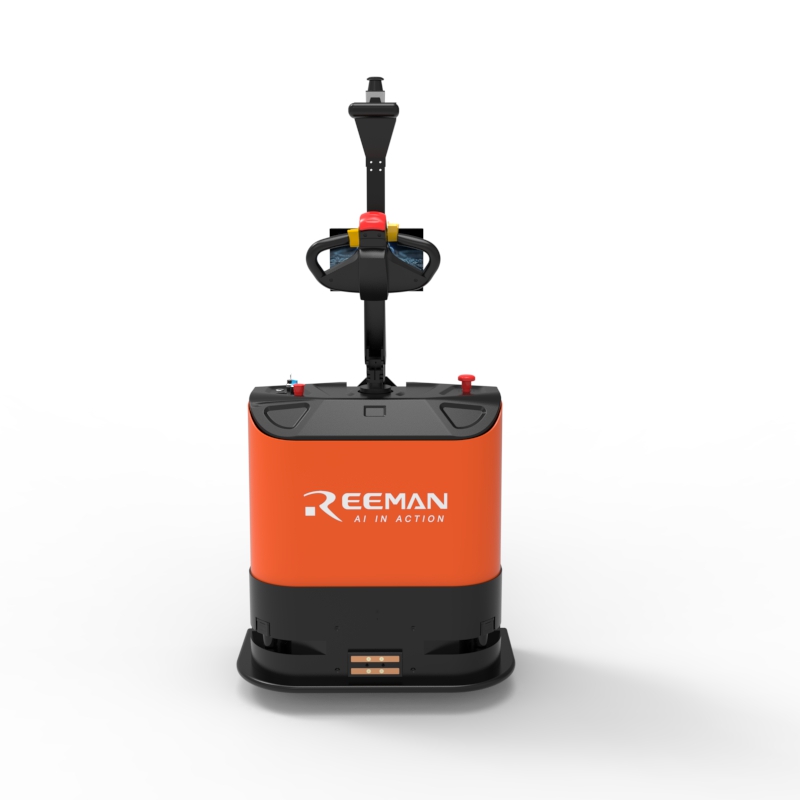
1500kg Laser SLAM Autonomous Forklift AGV Reflector-Free Point-to-Point Warehouse Material Handling
- 1,500 kg payload for standard pallet flows
- No tape, QR grid, or reflector installation
- Ideal for Cikarang and Bekasi 3PL warehouses
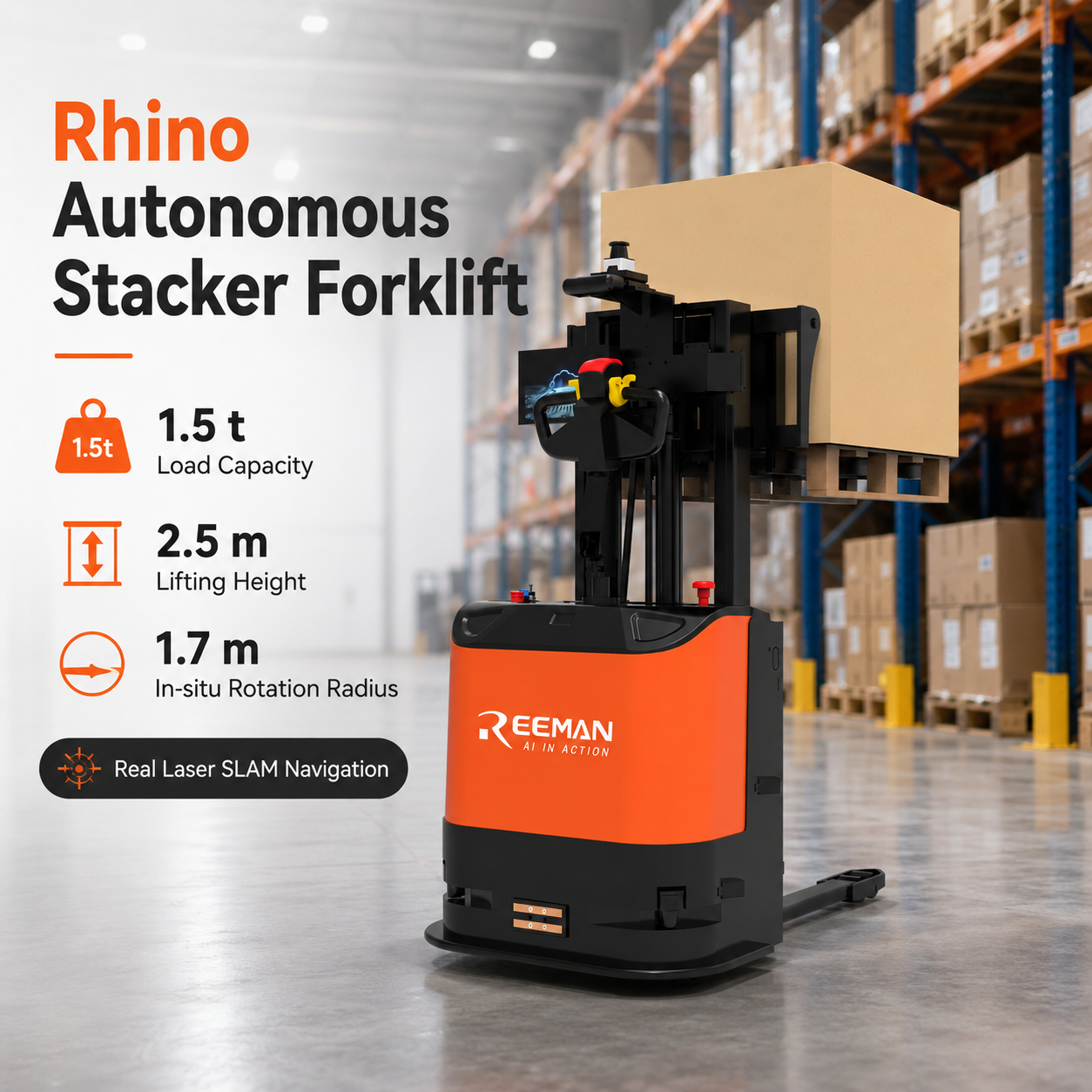
Laser SLAM Autonomous Stacker Forklift 1500 kg Load AGV Pallet Handling Robot Laser Obstacle Avoidance Warehouse
- Lifting and stacking in low-rack storage
- Laser obstacle avoidance for mixed traffic
- Useful where dock-to-rack travel is repetitive

Reeman BBOT30F 1500kg Laser SLAM Autonomous Pallet Stacker AGV Single Line Lidar Obstacle Avoidance Warehouse Transport
- Single-line LiDAR navigation package
- Designed for pallet transport and stacking
- Cost-efficient entry point for Jakarta SMEs
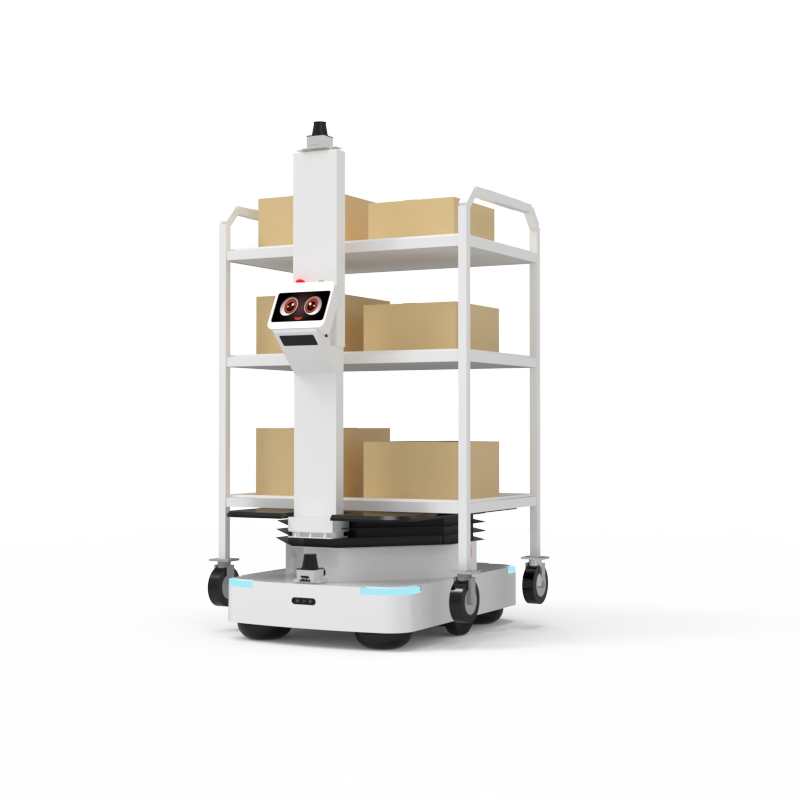
600kg Payload Autonomous AMR Robot Multi Sensor Mobile Material Handling Cart for Production Line
- 600 kg payload for carts and totes
- Multi-sensor navigation for dynamic areas
- Suits Karawang and Pulogadung production lines
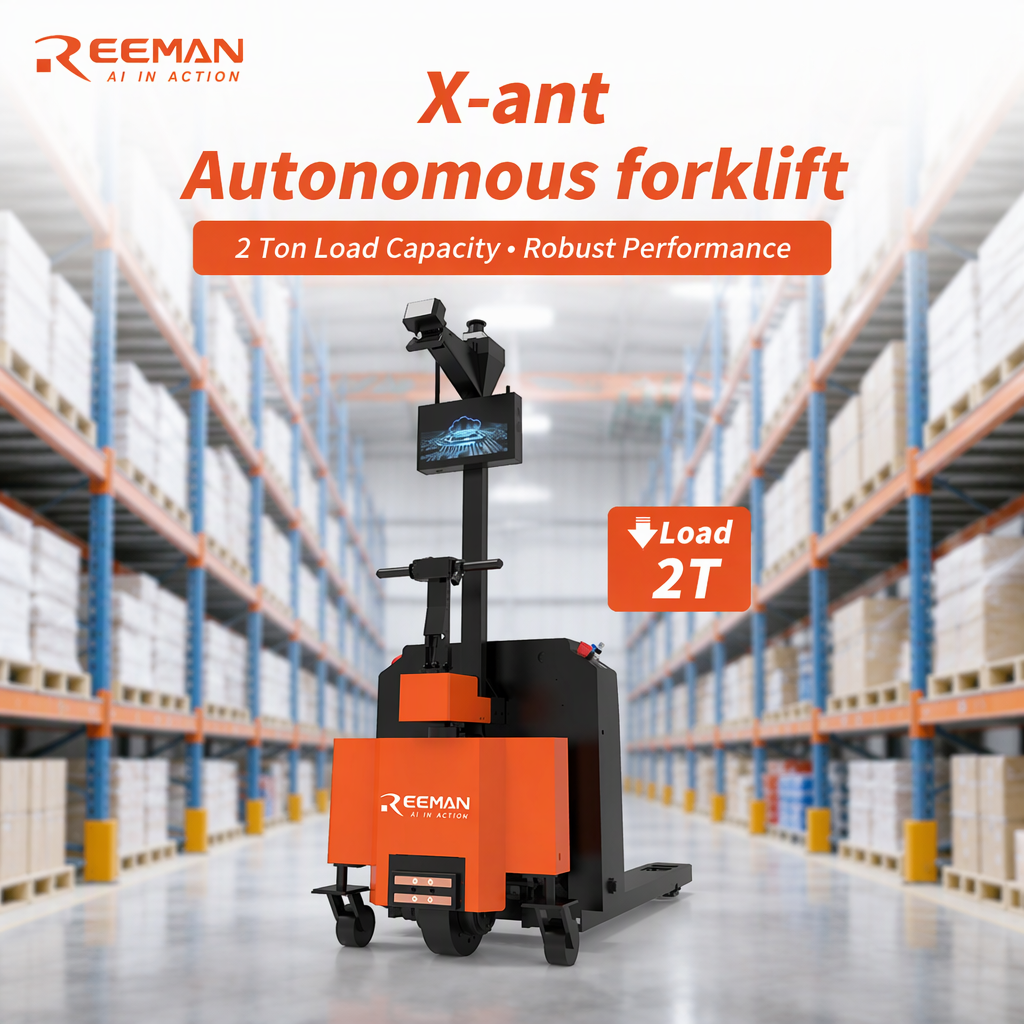
2 Ton Autonomous 4WD AGV Forklift Laser SLAM Navigation Multi-Line LiDAR 10mm Position Accuracy Warehouse Handling
- 2,000 kg class for heavier industrial loads
- Multi-line LiDAR and 10 mm positioning claim
- Best for high-throughput plant logistics
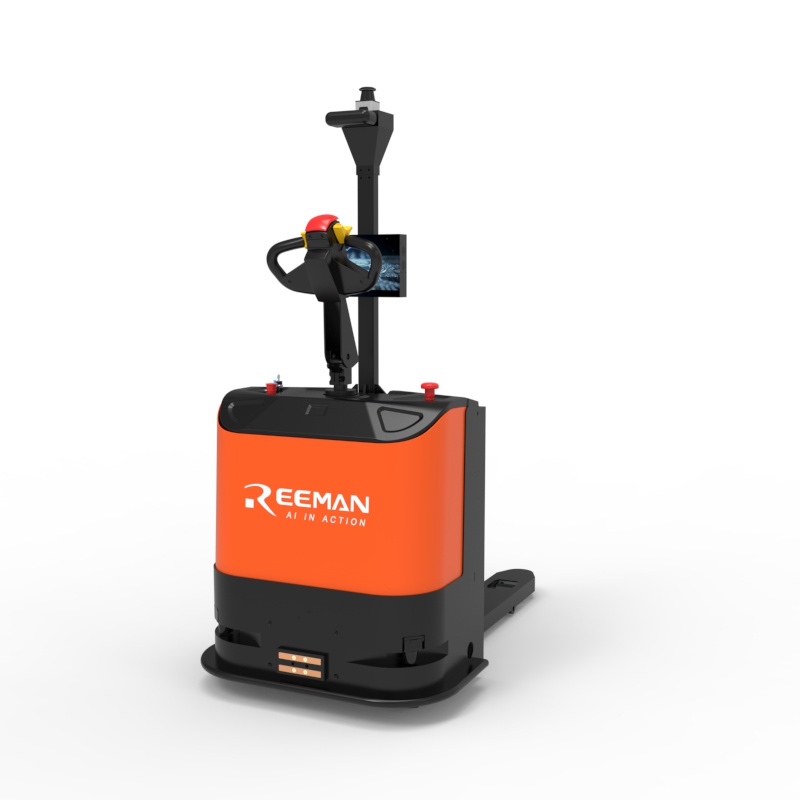
Reeman BBOT30F 1500 kg Laser SLAM Forklift AGV LiDAR Navigation Pallet Handling Warehouse
- 1,500 kg pallet handling platform
- LiDAR navigation for stable route planning
- Practical for narrow-aisle warehouse upgrades
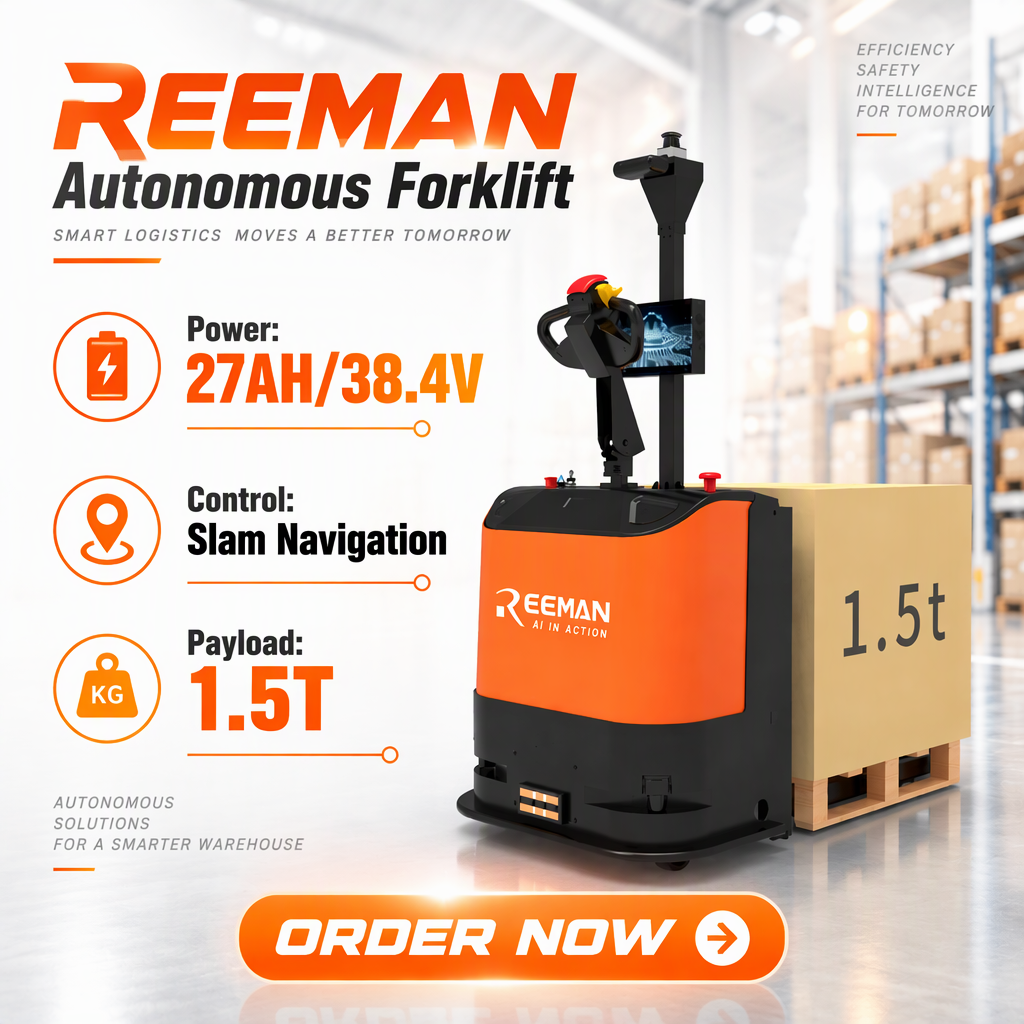
Reeman 1.5 Ton Autonomous Forklift AGV SLAM Navigation 3D Obstacle Avoidance Bidirectional Driving Indoor Warehouse
- Bidirectional driving for tight indoor layouts
- 3D obstacle avoidance around people and racks
- Good fit for multi-shift warehouse operations

Dual Laser AMR 300KG AGV Lifting Mobile Robot with Slam LiDAR Navigation for Manufacturing Plants
- 300 kg lifting platform for line-side supply
- Dual laser SLAM for complex factory aisles
- Fits electronics, automotive parts, and assembly
Where Heavy-Duty Transport Robots Deliver ROI in Greater Jakarta
Jakarta buyers rarely need a robot for a laboratory demo. They need a system that reduces pallet touches, stabilizes shift output, and lowers dependence on scarce forklift drivers.
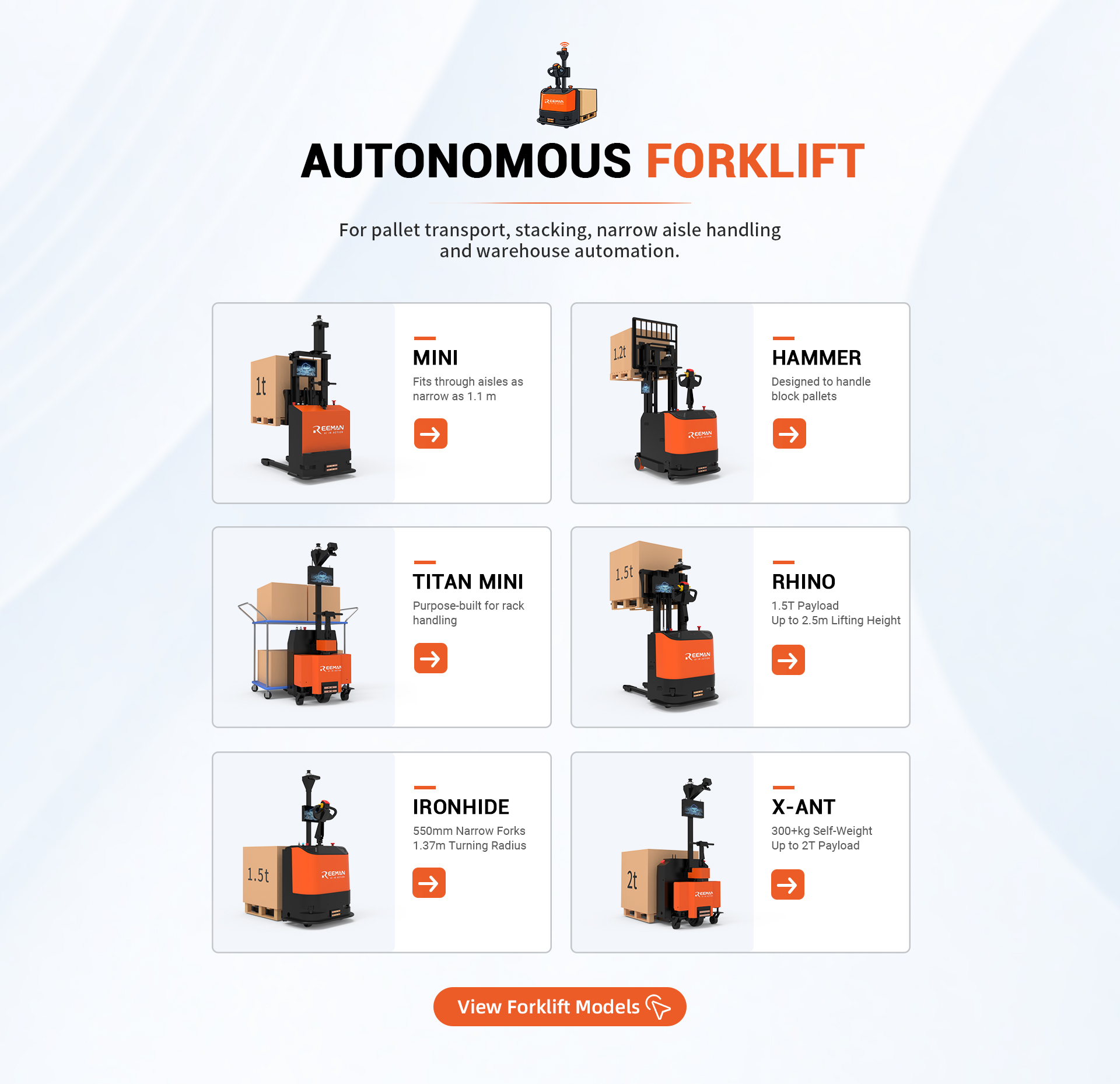
Warehousing & 3PL
In Cikarang, Bekasi, and Tangerang, 3PL warehouses handle fast-changing SKUs and tight dock windows. Autonomous forklifts move pallets from receiving to staging and put-away without waiting for a driver. The operational gain is not only labor savings; it is predictable cycle time during peak seasons and fewer damaged pallets caused by repeated manual handling.
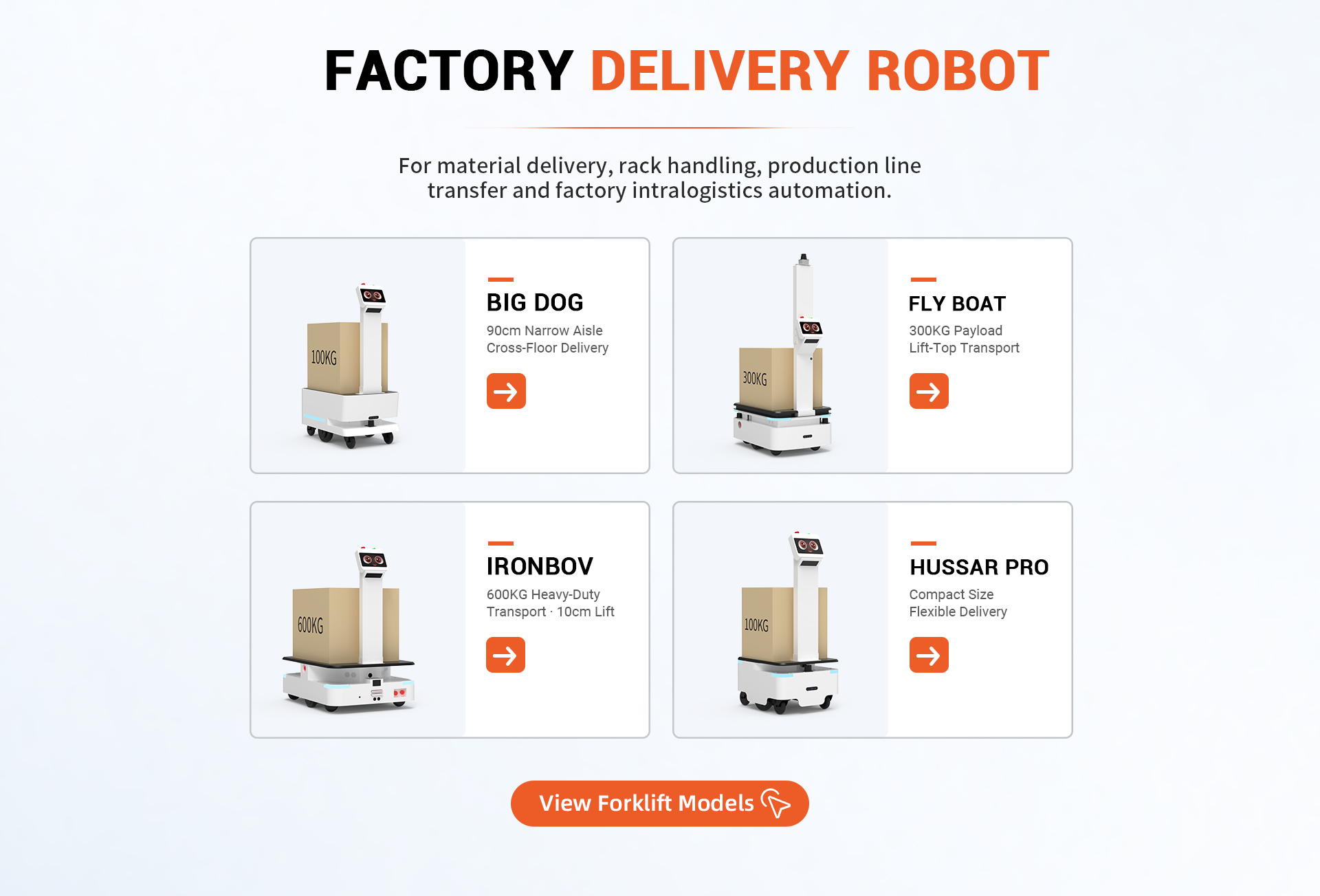
Manufacturing & Line-Side Logistics
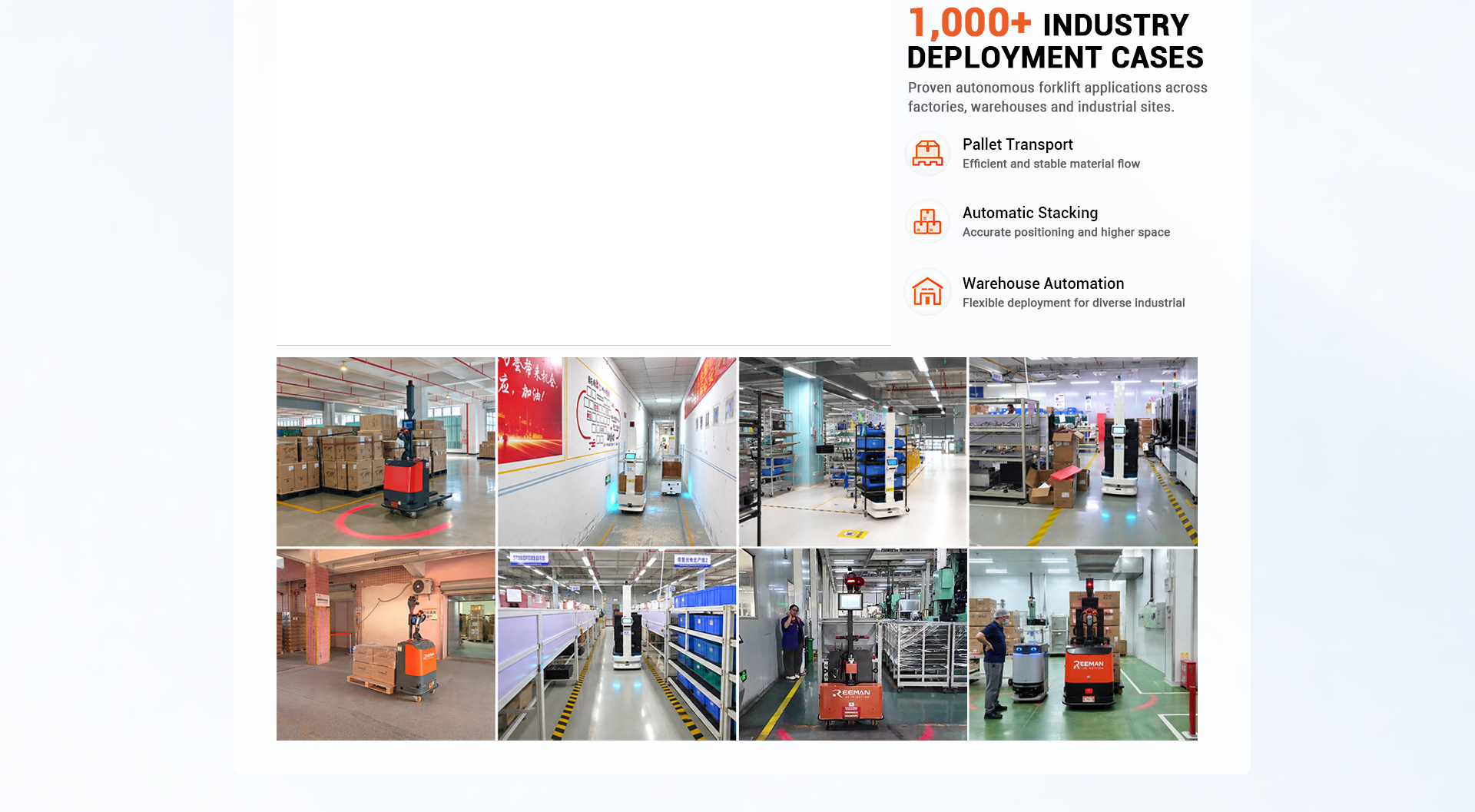
Factories in Karawang, Cikarang, and Pulogadung often run multiple shifts with high mix production. A 300 kg or 600 kg AMR can feed components to workstations, collect finished goods, and return empty carts on a fixed route. When connected to MES or a simple task-call button, the robot becomes part of the production rhythm rather than a standalone machine.
Integrators & OEM Projects
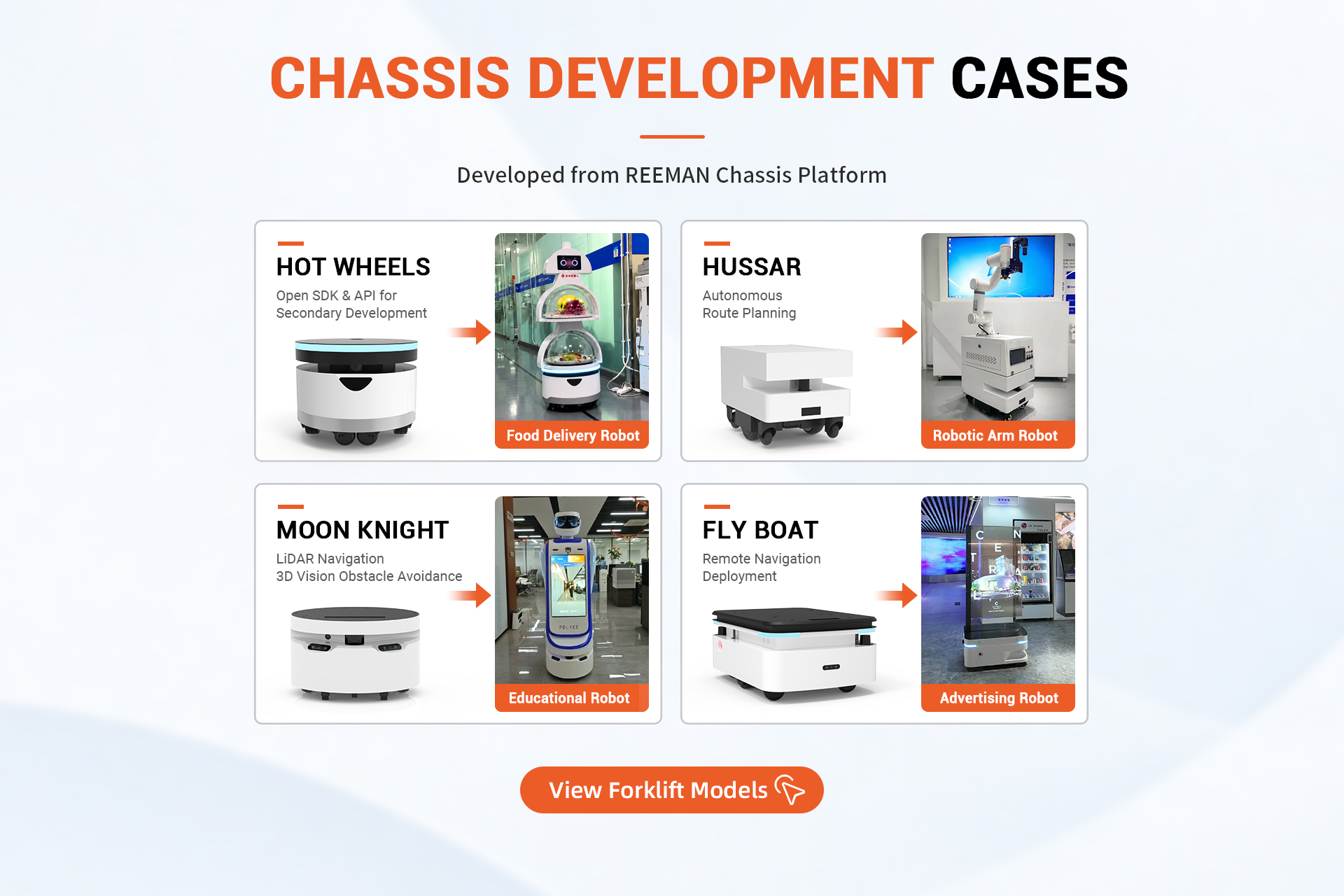
Indonesian system integrators often need a proven SLAM chassis rather than a finished branded robot. Elvorn robot chassis platforms provide open SDK and API access for secondary development, enabling local teams to add custom top modules, logos, software dashboards, and industry-specific fixtures. This shortens project delivery and reduces engineering risk.
Hospitality & Healthcare Support
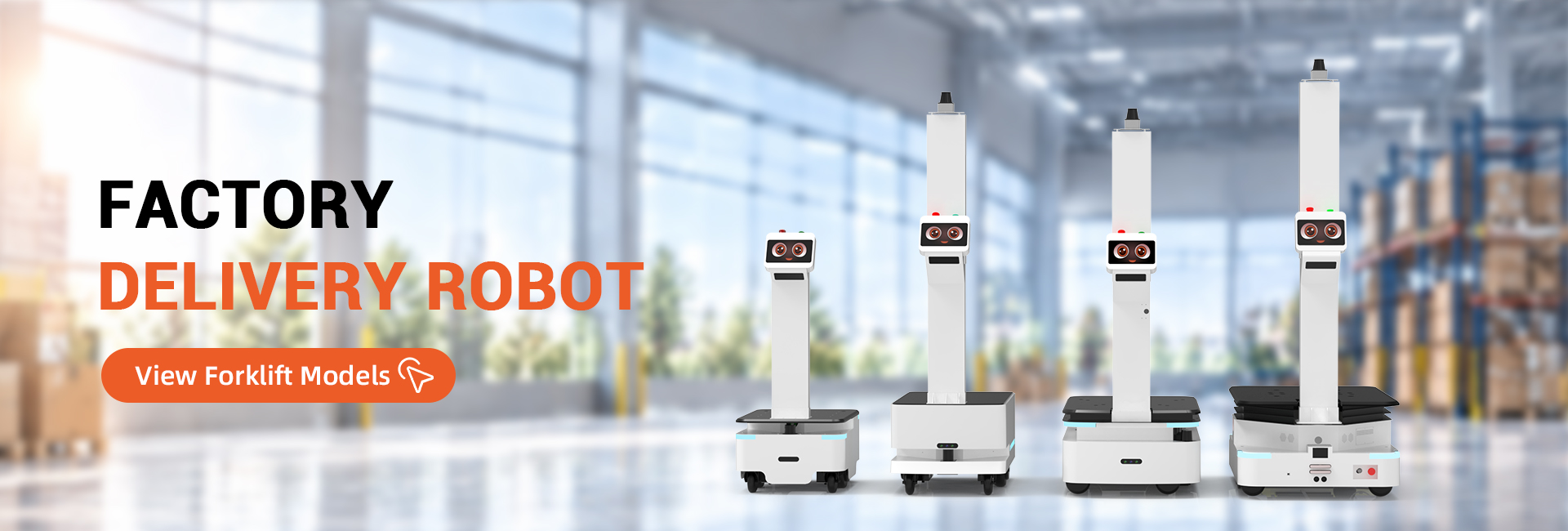
Jakarta hotels, hospitals, and large restaurants face high foot traffic and repetitive internal delivery tasks. Autonomous delivery robots can carry meals, linens, documents, or supplies between service points. For buyers, the value lies in reducing staff walking time and improving service consistency without changing the building layout.

Commercial Cleaning & Disinfection
Malls, airports, offices, and exhibition venues in Greater Jakarta need floor care across large areas and long operating hours. Autonomous sweep-and-mop robots and disinfection platforms can work scheduled routes after hours, allowing cleaning teams to focus on detail work, restrooms, and high-touch surfaces.
Retail, Exhibitions & Guidance
Mobile advertising and reception robots with AI voice interaction help retail spaces, exhibitions, and service centers attract attention and guide visitors. This is a different buying intent from heavy pallet handling, but it reflects the same Elvorn platform approach: reliable autonomous navigation, modular top structures, and export-ready configuration.
Jakarta Automation Trends Shaping Heavy-Duty Robot Procurement Through 2030
These are the practical forces buyers mention in RFQs, site surveys, and budget discussions across Indonesia.
Labor Stability Becomes a Board-Level Metric
Forklift driver turnover and overtime costs are visible risks in Greater Jakarta. Heavy-duty AGVs do not solve every labor issue, but they stabilize repetitive pallet routes and reduce dependence on a small pool of experienced drivers.
Brownfield Upgrades Without Floor Reconstruction
Most Jakarta warehouses cannot stop operations to install magnetic tape or reflectors. Laser SLAM navigation maps the existing layout, so buyers can pilot a robot during low season and expand without major civil works.
WMS, MES, and ERP Integration Moves from Nice-to-Have to Must-Have
Robots that cannot receive tasks from warehouse or manufacturing software become isolated assets. Open SDK and API access allows local integrators to connect robots with existing systems, call tasks by station, and track robot status in a single dashboard.
Safety and Spare-Part Evidence Become Part of Vendor Scoring
Procurement teams increasingly ask for safety features, factory audit evidence, test records, and spare-part plans. A supplier with SGS-verified production capability and ISO management systems is easier to approve than an unverified trading company.
How to Match an Elvorn Robot to Your Jakarta Workflow
Use this comparison as a first-round filter. Final configuration depends on pallet type, aisle width, dock height, floor condition, charging location, and integration scope.
| Robot Model | Rated Load | Navigation Focus | Best Jakarta Use Case |
|---|---|---|---|
| 2 Ton Autonomous 4WD AGV Forklift | 2,000 kg class | Laser SLAM, multi-line LiDAR | Heavy pallet transfer in high-throughput factories and distribution centers |
| Reeman 1.5 Ton Autonomous Forklift AGV | 1,500 kg | SLAM with 3D obstacle avoidance | Indoor warehouse transport with mixed pedestrian and forklift traffic |
| 1500kg Laser SLAM Autonomous Forklift AGV | 1,500 kg | Reflector-free point-to-point SLAM | Brownfield 3PL warehouses that need fast deployment without floor markers |
| Laser SLAM Autonomous Stacker Forklift 1500 kg | 1,500 kg | Laser SLAM and obstacle avoidance | Pallet lifting, stacking, and low-rack storage in compact warehouses |
| Reeman BBOT30F 1500kg Pallet Stacker AGV | 1,500 kg | Single-line LiDAR SLAM | Cost-controlled pallet transport projects for growing Jakarta SMEs |
| Reeman BBOT30F 1500 kg Forklift AGV | 1,500 kg | LiDAR navigation | Narrow-aisle pallet handling and repetitive dock-to-storage transport |
| 600kg Payload Autonomous AMR | 600 kg | Multi-sensor SLAM | Production-line material carts, totes, and finished goods transfer |
| Dual Laser AMR 300KG Lifting Robot | 300 kg | Dual laser SLAM LiDAR | Line-side feeding in electronics, automotive parts, and assembly plants |
For a first Jakarta pilot, we recommend starting with one route that has clear pick-up and drop-off points, predictable pallet quality, and a measurable KPI such as pallet moves per shift, labor hours saved, or average dock turnaround time. A pilot should not begin with the most chaotic route in the building. It should begin with a route that proves reliability, then expand to adjacent flows after operators trust the system.



Shenzhen & Ningbo
Why Elvorn Is a Reliable Heavy-Duty Robot Exporter for Jakarta
Elvorn is a manufacturer, not a marketplace reseller. The company’s engineering team owns laser SLAM navigation, motion control, fleet scheduling, and hardware integration. That matters when a Jakarta buyer asks a detailed question about navigation stability, charging logic, obstacle avoidance, or WMS integration; the answer comes from the people who built the platform.
As a national high-tech enterprise founded in 2015, Elvorn has built an export-ready operation around custom manufacturing. The factory has been verified onsite by SGS Group, and management systems are certified to ISO 9001 and ISO 14001. Depending on the model, robots carry CE, FCC, or PSE marks. The company serves buyers across North America, Western Europe, Eastern Asia, Southeast Asia, and the Middle East, with FOB terms and T/T payment in USD or CNY.
- Verified custom manufacturer
- ISO 9001 & ISO 14001
- CE, FCC, and PSE model options
- OEM, ODM, design service, buyer label
- Open SDK and API for integration
- English documentation and export support
Laser SLAM Navigation
Maps the site without magnetic tape, QR codes, or reflectors. Jakarta warehouses can change racking or staging areas without floor reconstruction.
Open SDK & API
Supports secondary development and integration with WMS, MES, ERP, elevators, doors, and local dashboards.
Modular Payload Platforms
From 300 kg AMRs to 2-ton autonomous forklifts, a shared engineering approach simplifies fleet training and maintenance.
Multi-Layer Safety
LiDAR, obstacle sensors, emergency stops, and speed zones help robots operate safely around people, forklifts, and racking.
Own Production Capacity
Two production bases in Shenzhen and Ningbo support material inspection, supplier assessment, and controlled assembly.
Export-Ready Support
English documentation, remote commissioning support, spare-part planning, and export terms suited to Indonesian buyers.
Certified Manufacturing Evidence for Jakarta Due Diligence
Procurement teams can request assessment documents, model-specific certifications, and test records before placing a deposit.
 SGS VerifiedOnsite Factory Assessment
 CESelected Models
 FCCSelected Models
 PSESelected Models
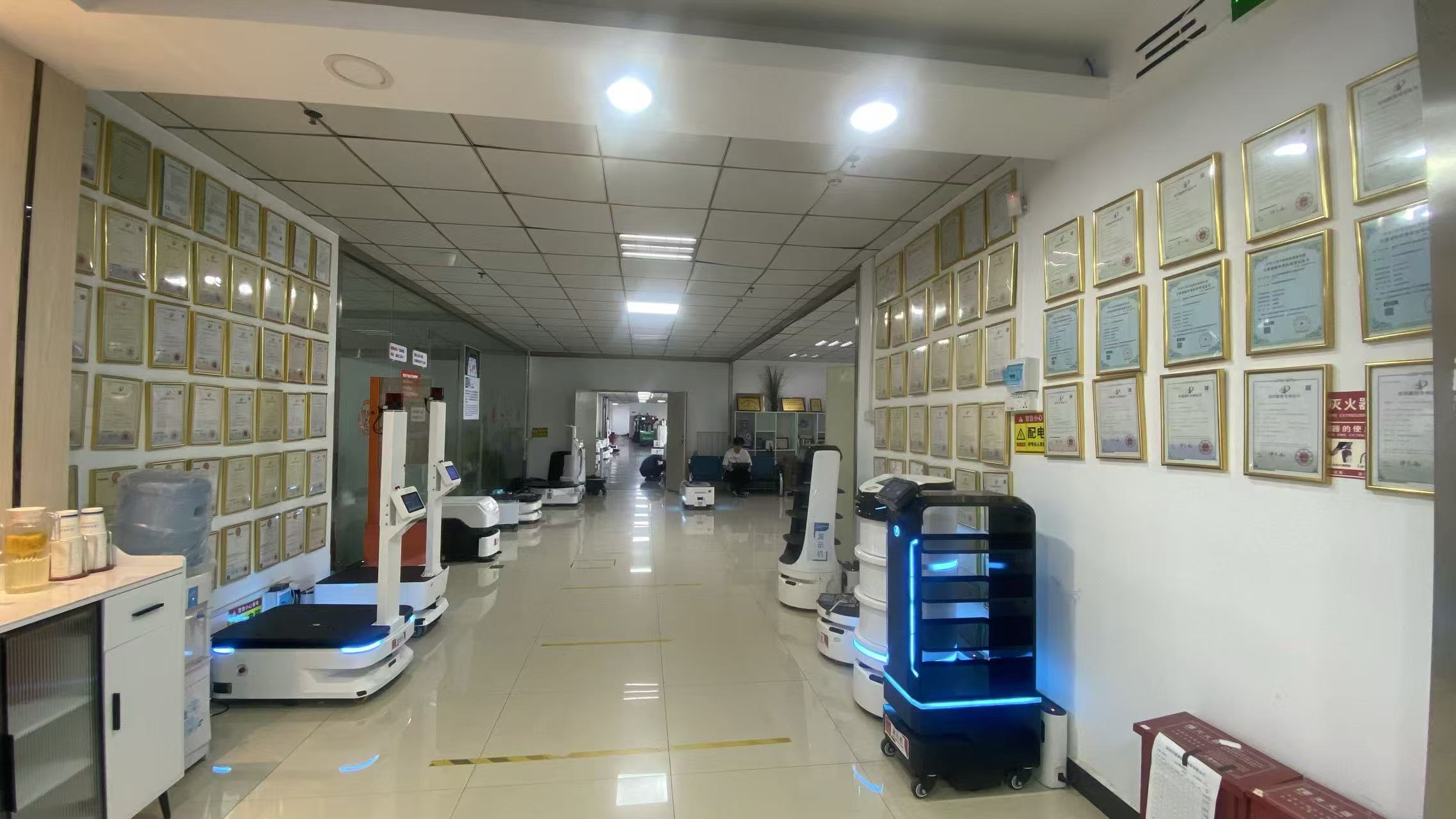
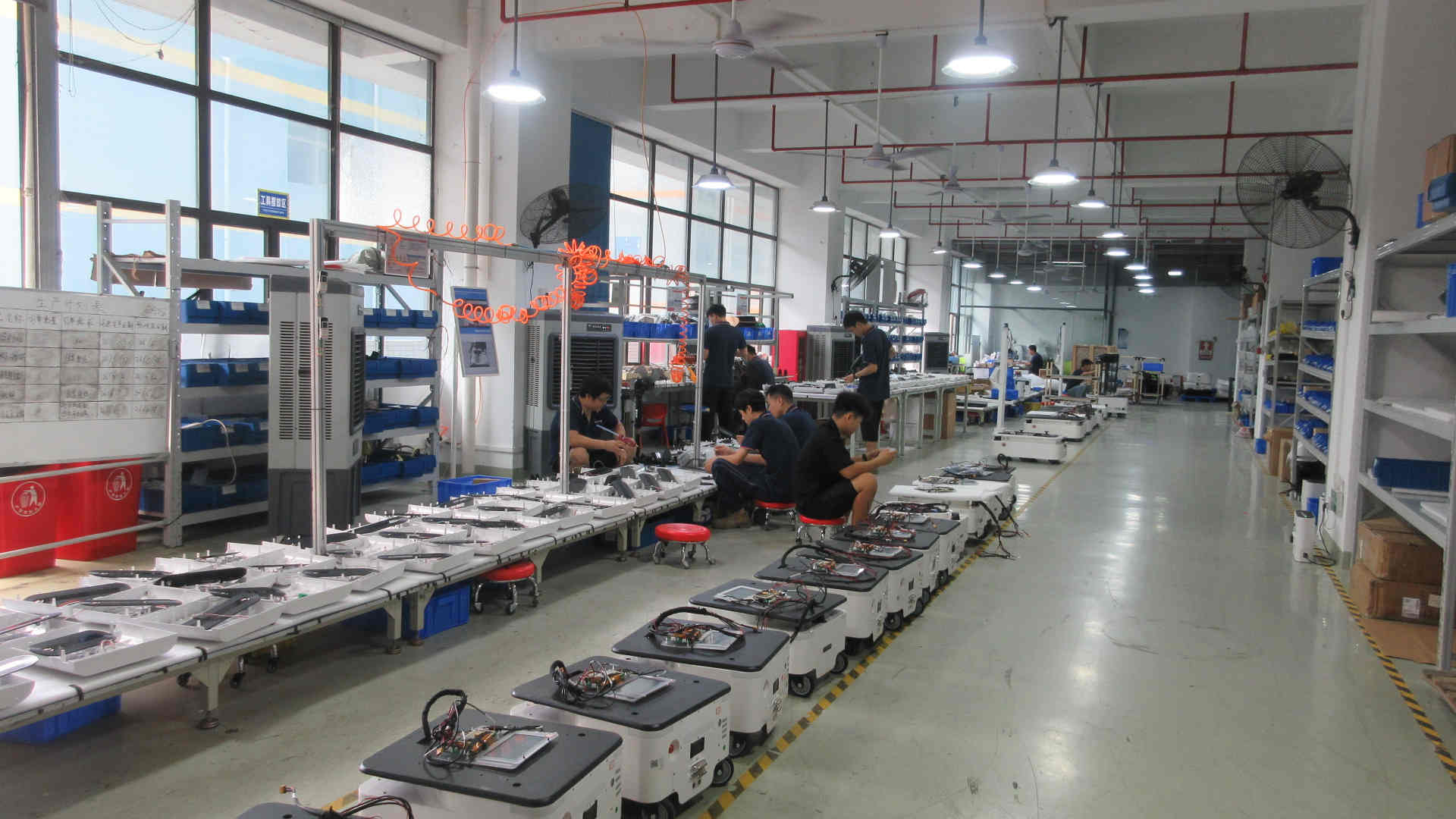
Inside Elvorn: R&D, Production, Testing, and Export Preparation
Experience matters more than a spec sheet. These production and testing environments show how Elvorn controls quality before a robot is packed for Jakarta.
 Factory workshop
 Robot assembly
 Quality inspection
 R&D laboratory
For Jakarta buyers, factory evidence reduces project risk. A robot that is tested with pallets, ramps, charging cycles, and obstacle scenarios before shipment is easier to commission onsite. Elvorn’s engineering approach combines in-house navigation software with hardware integration, so when a local integrator needs a change in pick-up height, top module, safety sensor layout, or task-call logic, the customization path is clearer than with a trading company that must rely on multiple third parties.
Frequently Asked Questions from Indonesian Procurement Teams
These answers address the practical questions that appear in Jakarta RFQs, distributor inquiries, and factory automation projects.
What should Jakarta buyers check before choosing a heavy-duty transport robot manufacturer?
Verify the manufacturer’s factory, not only its trading license. Ask for production video, test records, model-specific certification, navigation technology ownership, spare-part availability, and export experience. For a Jakarta project, also confirm whether the robot can be commissioned remotely, whether English documentation is available, and whether local integrators can access the SDK. Elvorn supports these checks with SGS onsite verification, ISO management system certificates, and product documentation.
Do Elvorn robots require magnetic tape, QR codes, or reflectors on the floor?
No floor tape or reflectors are required for the laser SLAM models featured in this guide. The robot builds a map of the operating area and localizes itself using LiDAR data. This is especially useful in Jakarta warehouses where floors cannot be closed for long installation work. If your site already uses QR codes or tape for another system, the project team can discuss coexistence and route design during the site survey.
Can heavy-duty AGVs work with 220V/50Hz power in Indonesia?
Charging configurations are confirmed during quotation. Indonesia commonly uses 220V/50Hz supply, and Elvorn can match the charger to the site’s electrical conditions. Buyers should provide the available voltage, phase, breaker capacity, charging location, and daily operating hours. For multi-shift operations, the engineering team may recommend opportunity charging or a battery-swap plan depending on the route length and payload.
How do transport robots handle Jakarta’s heat, humidity, and dust?
Environmental conditions should be discussed at the beginning of the project. Dusty warehouses, humid loading areas, and high-temperature zones may require additional protection, cleaning routines, or derating of duty cycles. Elvorn reviews the actual operating environment and recommends the appropriate configuration. Buyers should share photos of the floor, dock area, ramps, and traffic lanes so engineers can assess sensor placement and maintenance access.
Can the robot fleet integrate with WMS, MES, ERP, or local warehouse software?
Yes. Elvorn AMRs and robot chassis provide open SDK and API access for secondary development. A local integrator can connect the robot fleet to warehouse management, manufacturing execution, ERP, elevator control, automatic doors, or a custom dashboard. The project scope should define task creation, status feedback, error handling, user permissions, and reporting. This integration capability is one of the most important differences between a long-term automation platform and a standalone machine.
What is the typical export process and shipping route to Jakarta?
Elvorn exports on FOB terms and accepts T/T payment in USD or CNY. The usual route is sea freight to Tanjung Priok or another Indonesian port agreed with the buyer. Lead time depends on model, customization, battery configuration, and order quantity. During quotation, the team should confirm packing method, shipping marks, documentation, and whether the buyer’s forwarder will handle import clearance. For urgent pilot projects, air freight can be discussed, but heavy robots are usually shipped by sea.
What after-sales support is available for Jakarta and Greater Jakarta?
Support can include remote commissioning, operator training materials, troubleshooting assistance, spare-part recommendations, and documentation. For buyers without an in-house automation team, Elvorn can work with a local integrator or distributor. The key is to define responsibilities before shipment: who maps the site, who trains operators, who maintains the fleet, and who stocks critical spare parts. Elvorn’s response rate and export experience support this planning process.
Does Elvorn offer OEM, ODM, buyer-label, or custom payload options?
Yes. Elvorn offers OEM service, design service, and buyer-label options. Customization can include top modules, payload structures, branding, packaging, and software interfaces. This is relevant for Indonesian integrators building their own robot brand, distributors needing market-specific packaging, and factories requiring a special fixture for their pallet or cart. The earlier the customization is discussed, the more efficiently it can be engineered into the production schedule.
Request a Jakarta-Specific Heavy-Duty Transport Robot Proposal
Share your warehouse layout, pallet type, load weight, throughput target, dock height, charging location, and planned integration points. Elvorn engineers will return a model recommendation, fleet size estimate, charging plan, and export quotation for Jakarta delivery.
Export terms: FOB · Payment: T/T in USD or CNY · OEM, ODM, design service, and buyer label available · Factory verified onsite by SGS Group.