Intelligent Mobile Robot Manufacturers & Wholesaler for the Mexico City Market
Factory-direct autonomous forklifts, industrial AMRs and robot chassis for Mexico City warehouses, manufacturers and integrators — engineered for Spanish-language operations, 220 V/60 Hz facilities and high-density logistics.
Eight Intelligent Mobile Robot Models Recommended for Mexico City Buyers
These models cover pallet handling, line-side supply, high-density warehouse transfer and factory logistics. Product URLs are preserved from the catalog; use them to request specifications, Spanish HMI options, spare-parts lists and export quotations.
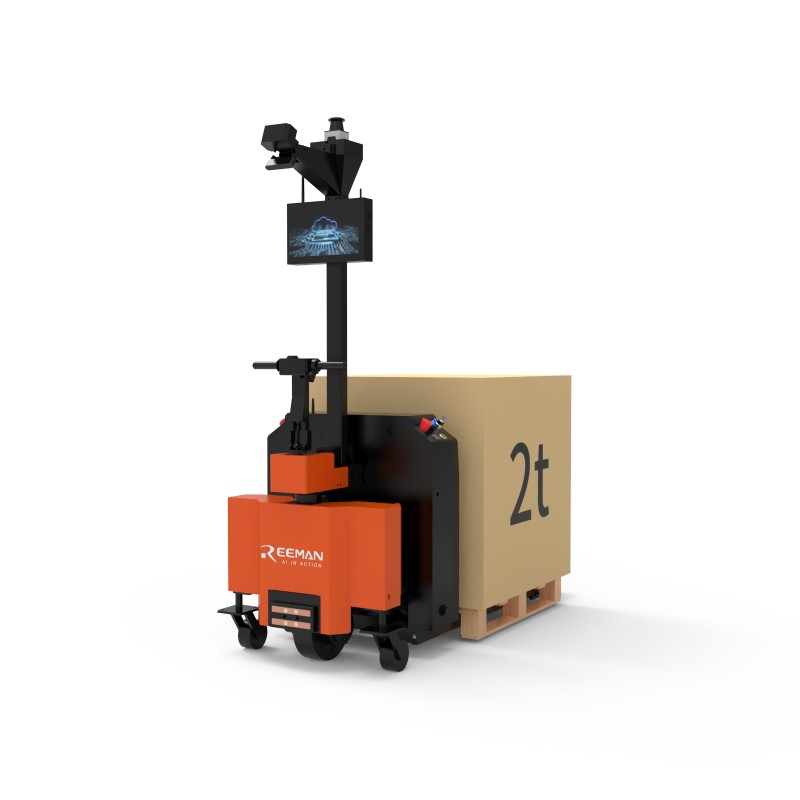
2 Ton Autonomous 4WD AGV Forklift Laser SLAM Navigation Multi-Line LiDAR 10mm Position Accuracy 6-8H Warehouse Handling
Best fit: heavy pallet flow, dock-to-rack movement and mixed-traffic warehouses in Vallejo, Azcapotzalco and the wider ZMVM.
View model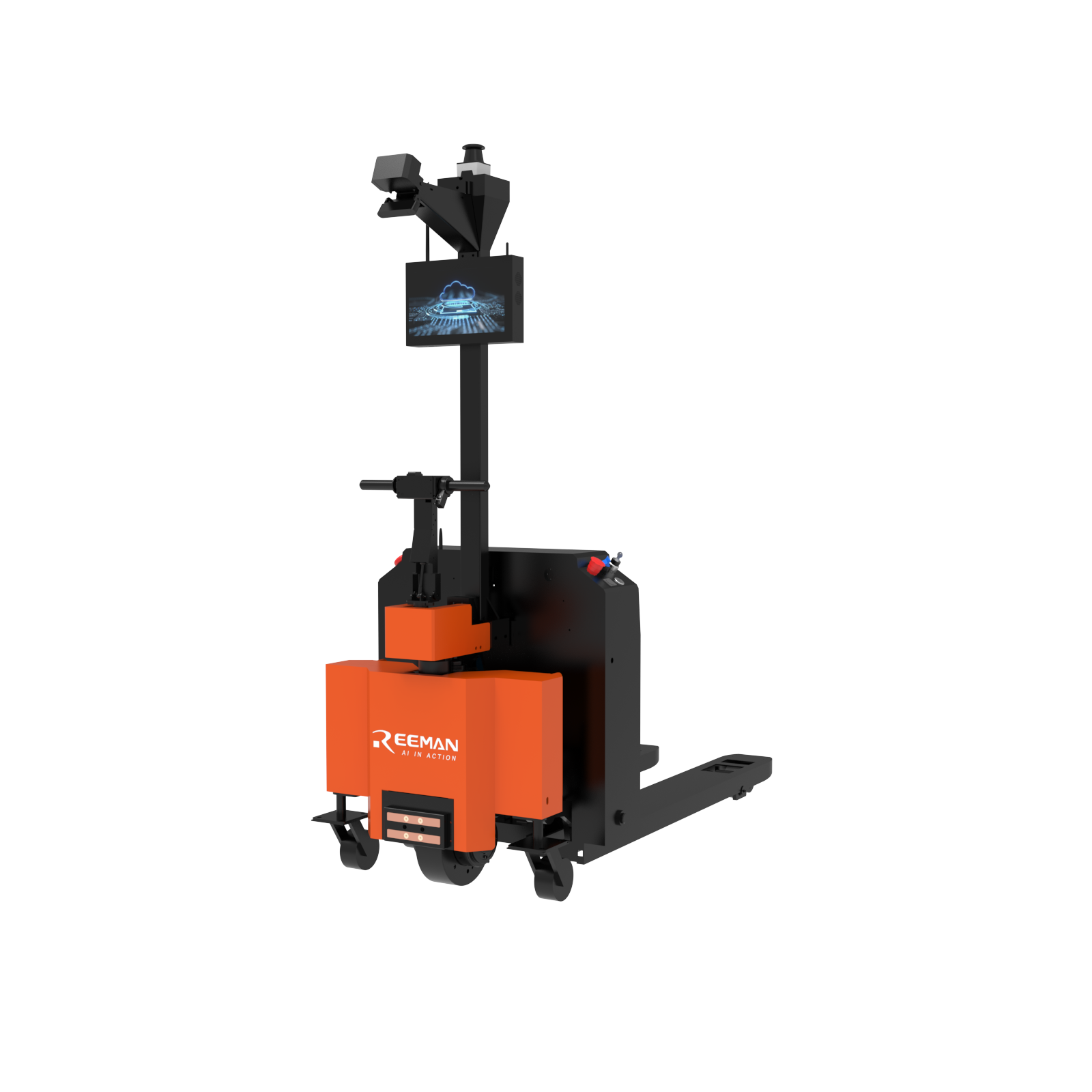
REEMAN X-ant JBOT20F 2 Ton Autonomous Forklift AGV Laser SLAM Pallet Handling Robot for Warehouse Logistics
Best fit: high-throughput pallet handling where Mexican operators need clear task status, simple exception handling and fleet scheduling.
View model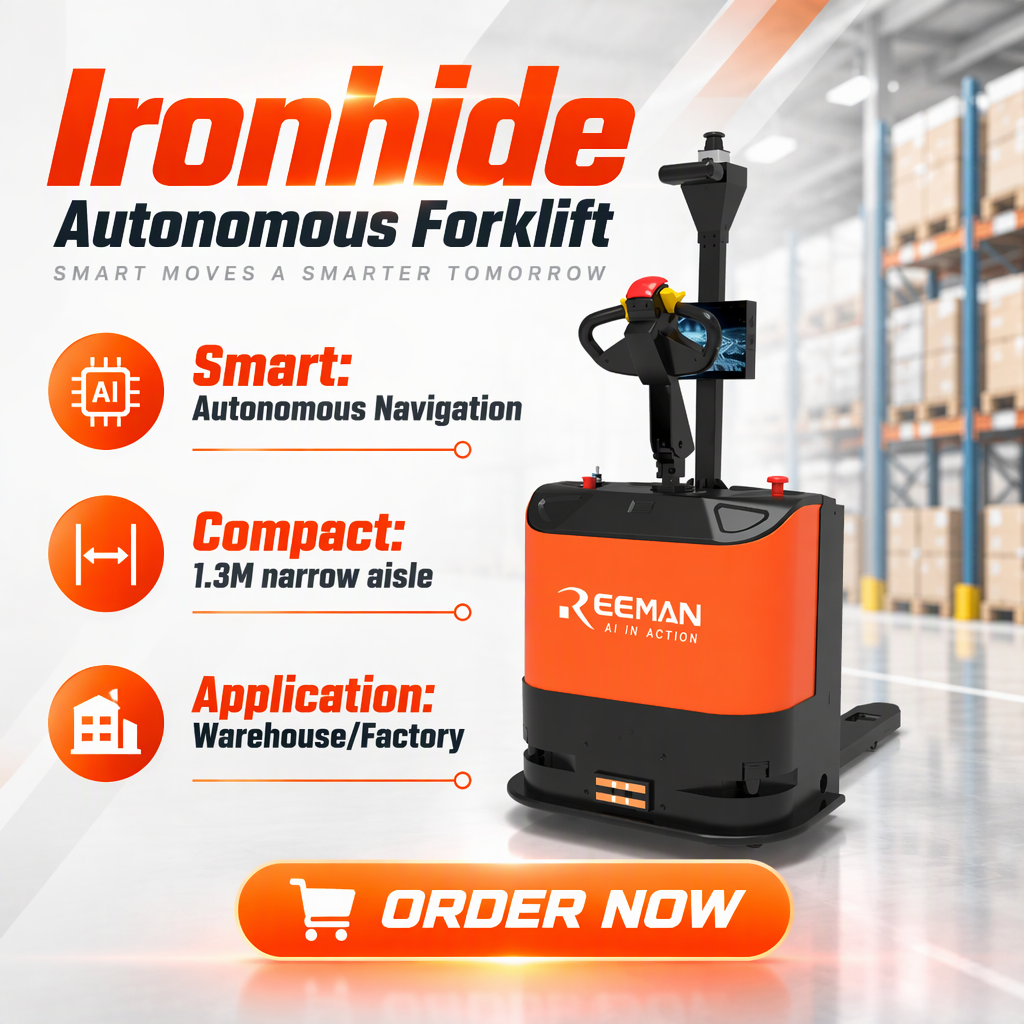
Reeman 1.5 Ton Autonomous Forklift AGV 3D Obstacle Avoidance Bidirectional Driving 48V 30AH Lithium-Ion Battery
Best fit: pallet moves in constrained aisles, production-line feeding and facilities where bidirectional travel saves space.
View model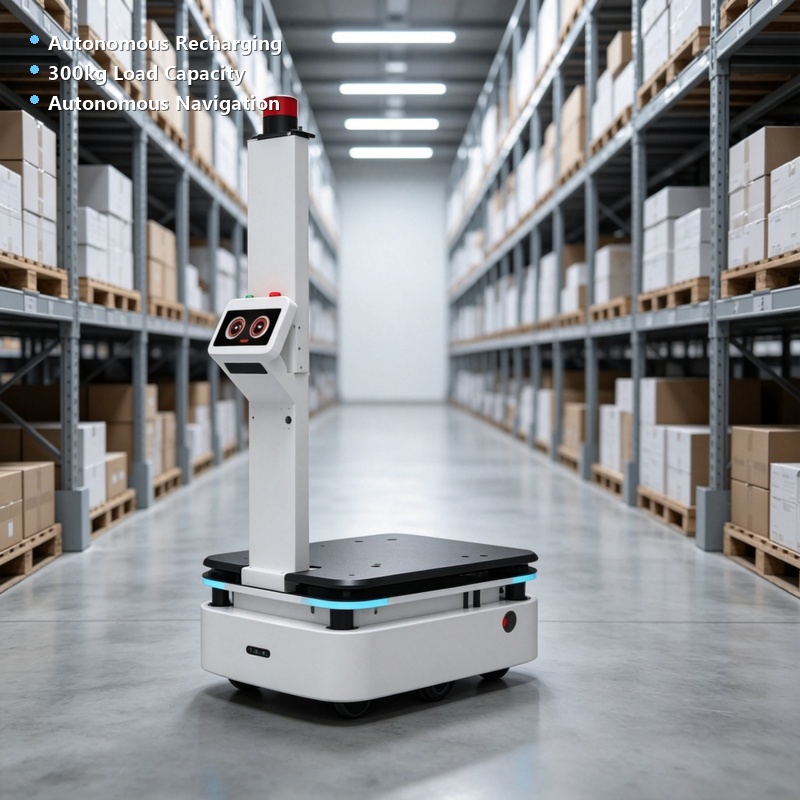
REEMAN Dual Laser Fly Boat MAX 300kg Industrial Delivery Robot for Manufacturing Plants and Factory Material Supply
Best fit: line-side material supply, WIP transfer and repetitive internal delivery in manufacturing plants across the Valle de México.
View model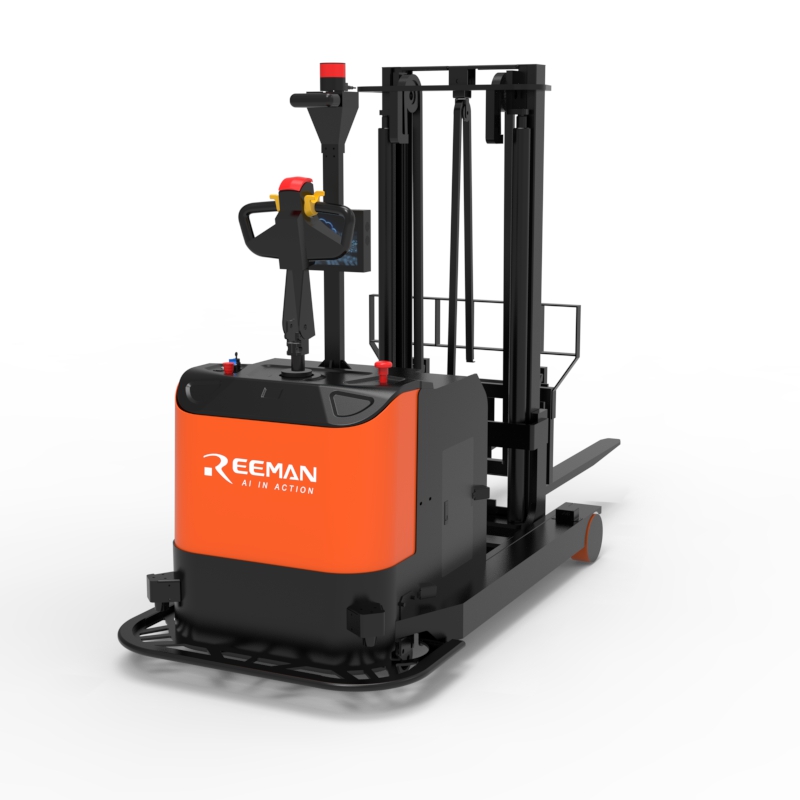
Reeman Autonomous Electric Stacker Forklift 1.2 Ton Li-Ion 48V 30Ah 2500mm Lift Laser Navigation 3m Aisle
Best fit: compact warehouses and stacking tasks where a 3 m aisle and 2,500 mm lift are representative of the layout.
View model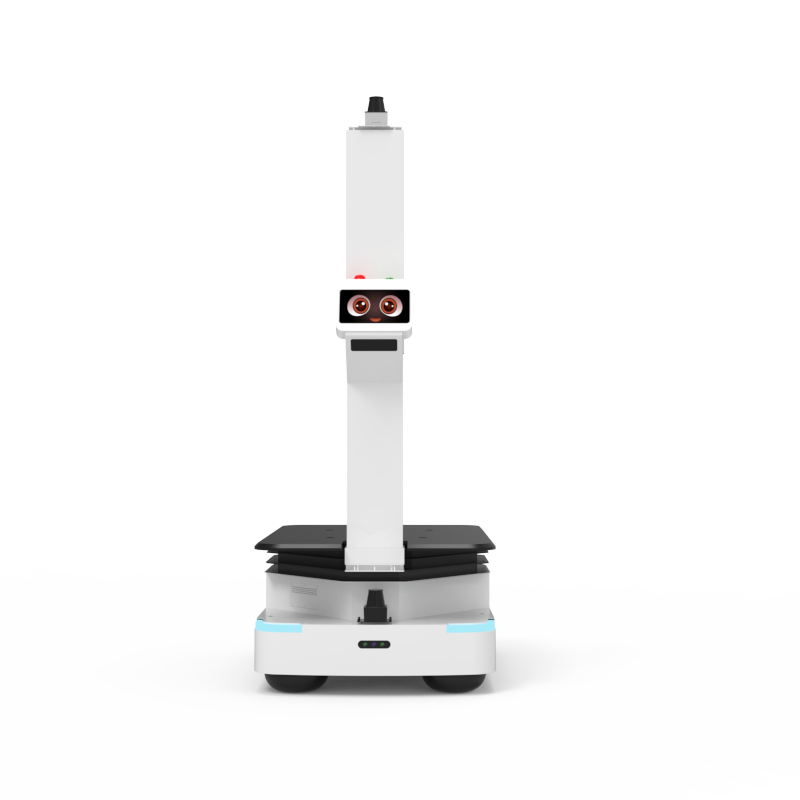
600kg Industrial AMR AGV Robot Laser SLAM Navigation QR Code-Free Factory Logistics
Best fit: factory logistics that need QR-free navigation, task dispatch from WMS/MES and minimal floor modification.
View model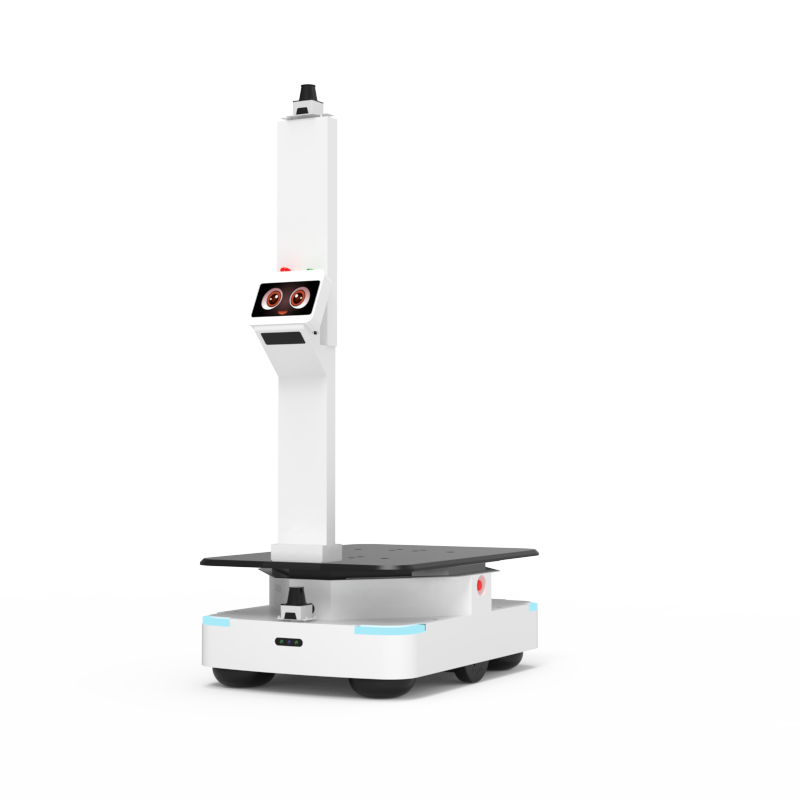
600kg Payload Laser Navigation AMR Robot Autonomous Lifting Warehouse Transfer Equipment
Best fit: autonomous lifting transfer between staging, packaging and storage zones where pallets or totes must be raised.
View model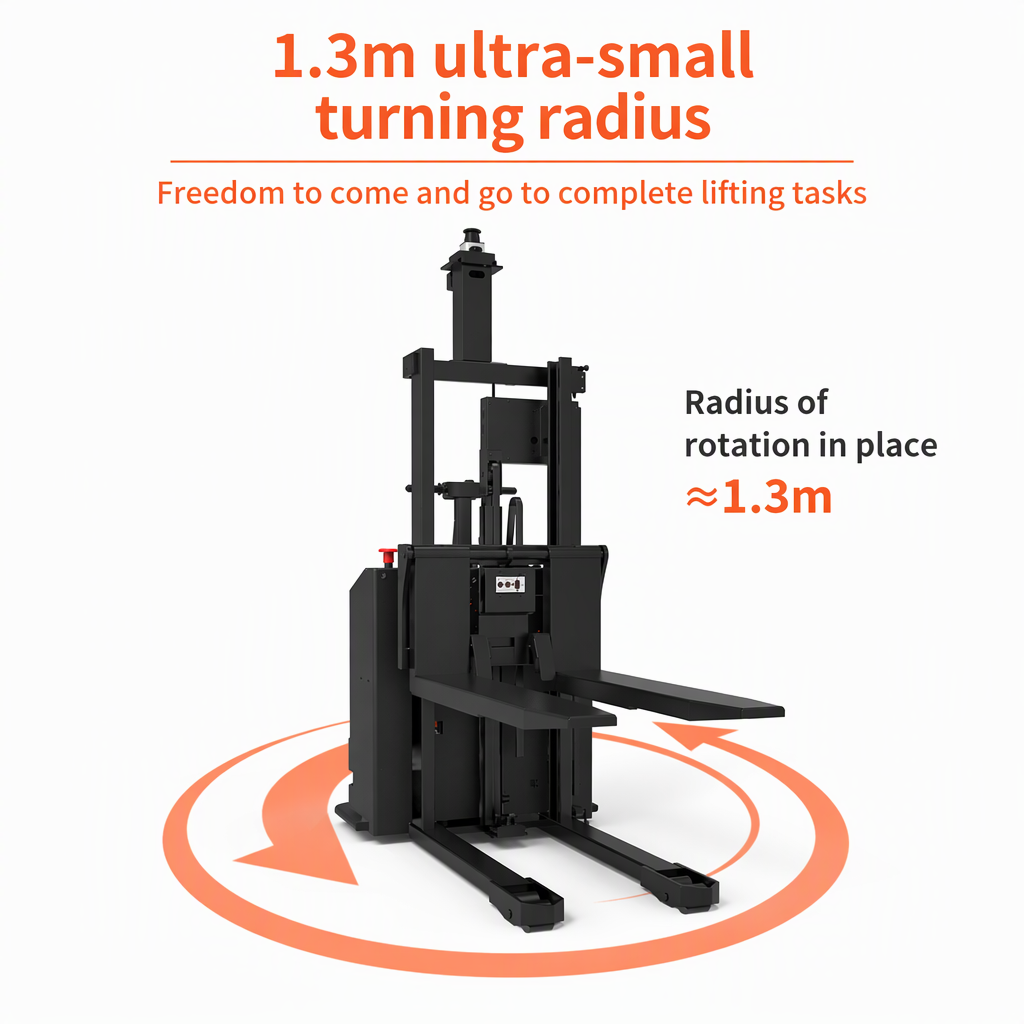
REEMAN Autonomous Electric Forklift 1T Payload 48V 30Ah LiFePO4 Battery Indoor Material Handling AGV
Best fit: indoor material handling, general pallet movement and buyers who prioritise LiFePO4 battery chemistry.
View modelEvidence for due diligence: factory data verified onsite by independent inspector SGS Group; ISO 9001 and ISO 14001 management systems; CE, FCC and PSE marks on applicable models; two production bases in Shenzhen and Ningbo.
Why Mexico City Is a High-Intent Market for Intelligent Mobile Robots
Mexico City is not only a consumer market; it is a distribution, manufacturing and service gateway for the Valle de México and the broader nearshoring corridor.
Mexico City buying behaviour has changed. Procurement teams are no longer asking only whether a robot can navigate a warehouse. They are asking whether an autonomous forklift or AMR can improve throughput per square metre, reduce reliance on scarce forklift operators, protect pedestrians in mixed traffic, and connect to the WMS, MES or ERP systems already used by the operation. In semantic search terms, the highest-value queries are specific: autonomous forklift manufacturer Mexico City, AGV wholesaler CDMX, laser SLAM AMR for warehouse Mexico, OEM mobile robot chassis Mexico, and Spanish-language warehouse automation supplier. A useful supplier page must answer those questions with engineering evidence, not generic product copy.
Nearshoring has increased demand for industrial space and flexible material handling in and around Mexico City, Cuautitlán Izcalli, Toluca, Puebla and Querétaro. At the same time, facilities in Vallejo, Azcapotzalco, Iztapalapa and Santa Fe must deal with high land costs, restricted aisles, loading-dock congestion, security procedures and dense pedestrian traffic. This is exactly where laser SLAM autonomous forklifts, compact AMRs and open-SDK robot chassis create value: they reduce fixed floor infrastructure, can be re-mapped when layouts change, and support staged automation without rebuilding the entire facility.
A Mexico City deployment also needs localisation beyond language. Mexico uses 220 V/60 Hz power, so charger configuration, electrical protection and site verification should be part of the quotation. The city sits at roughly 2,240 m above sea level, which makes thermal validation, maintenance intervals and battery management worth reviewing with the factory, especially for multi-shift operation. Spanish HMI prompts, alarm labels, operator training, spare-part kits and a clear escalation path to a local integrator are practical requirements, not optional extras. Buyers should also confirm NOM-related compliance where applicable, HS classification, lithium-battery documentation and customs clearance with a Mexican customs broker before placing a fleet order.
For wholesalers and system integrators, the opportunity is not just reselling a robot. It is packaging a repeatable solution: model selection, Spanish operator workflow, charger planning, WMS/MES integration, spare-parts stocking, remote engineering support and customer training. Elvorn's factory-direct model supports that approach through OEM/ODM service, buyer-label options, custom top modules, open SDK/API development and export documentation. The most credible Mexico City proposal will state what is standard, what is customised and what must be confirmed during the site survey.
Application Scenarios in Mexico City and the Valle de México
The right robot depends on load, aisle width, traffic, shift pattern and integration scope. These are the highest-value deployment scenarios for Mexico City buyers.
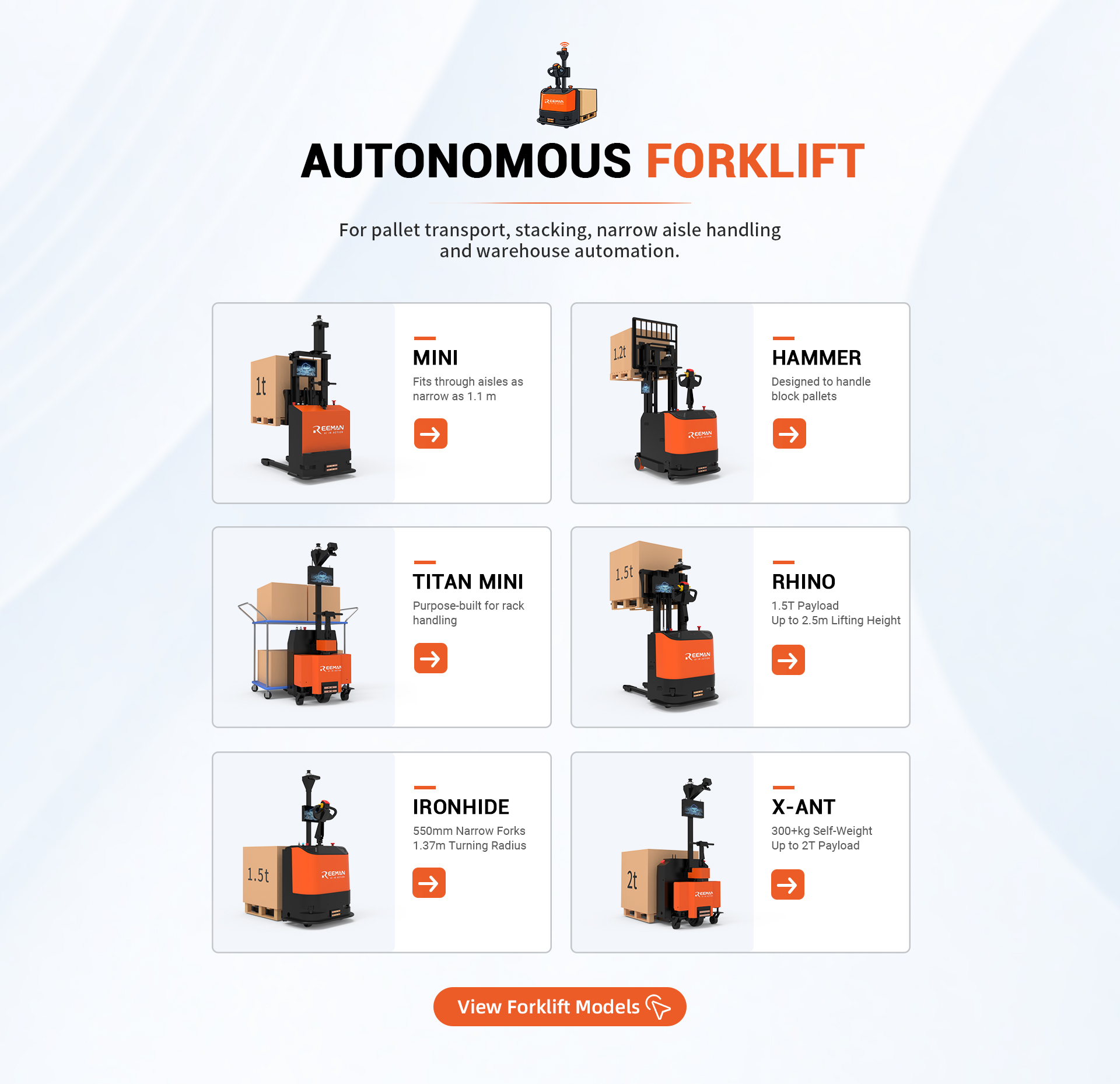
Warehousing & 3PL in Vallejo and Azcapotzalco
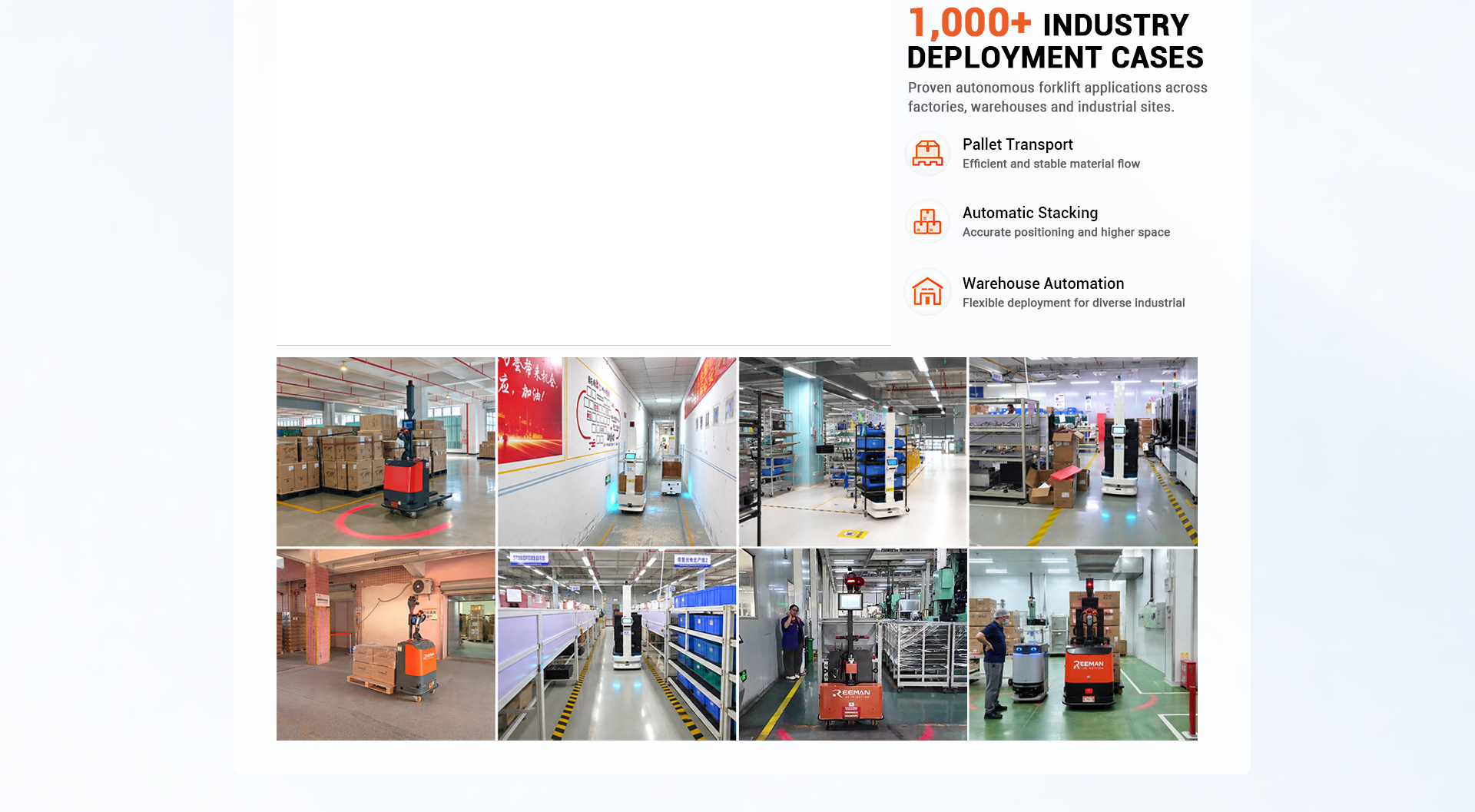
Autonomous forklifts move pallets from receiving to storage and from storage to dispatch, reducing dock congestion and repetitive operator travel.
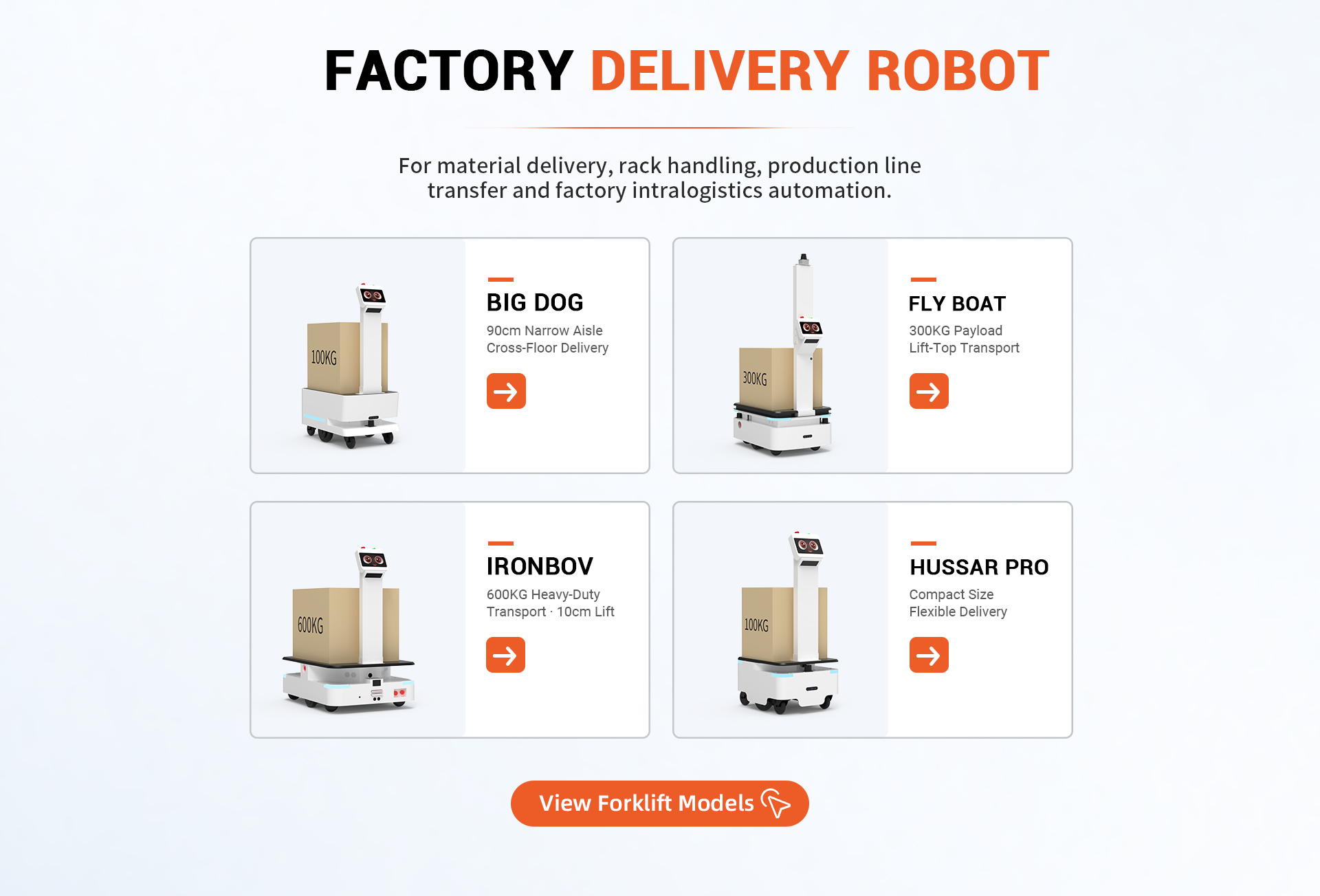
Manufacturing in Cuautitlán Izcalli, Toluca and Puebla
AMRs feed workstations, collect finished goods and synchronise tasks with MES or WMS logic, supporting line-side replenishment without fixed conveyors.
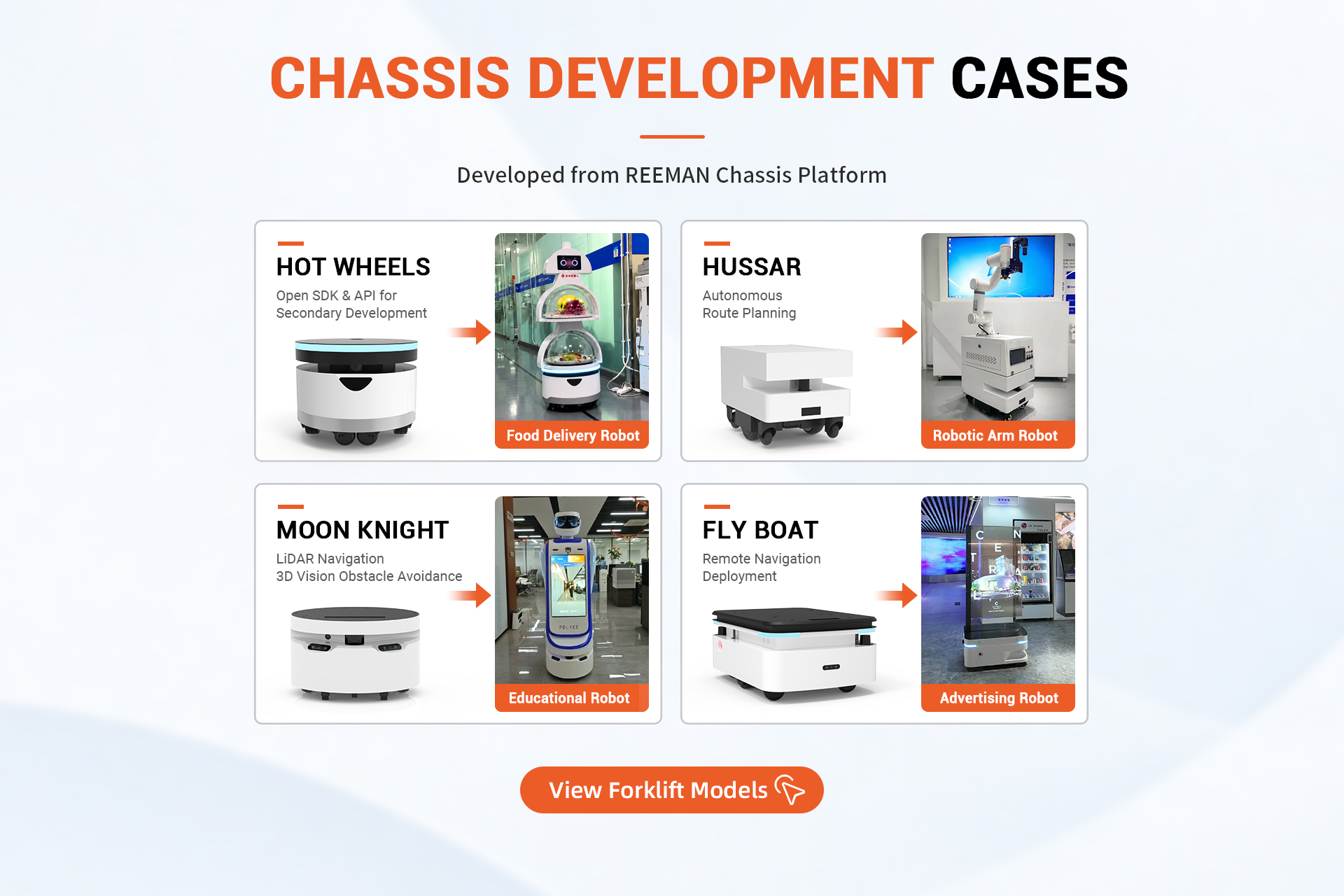
Integrators and OEMs Building Local Solutions
Mexico City technology integrators can use SLAM chassis with open SDK/API to shorten development cycles and add Spanish software, service and branding.
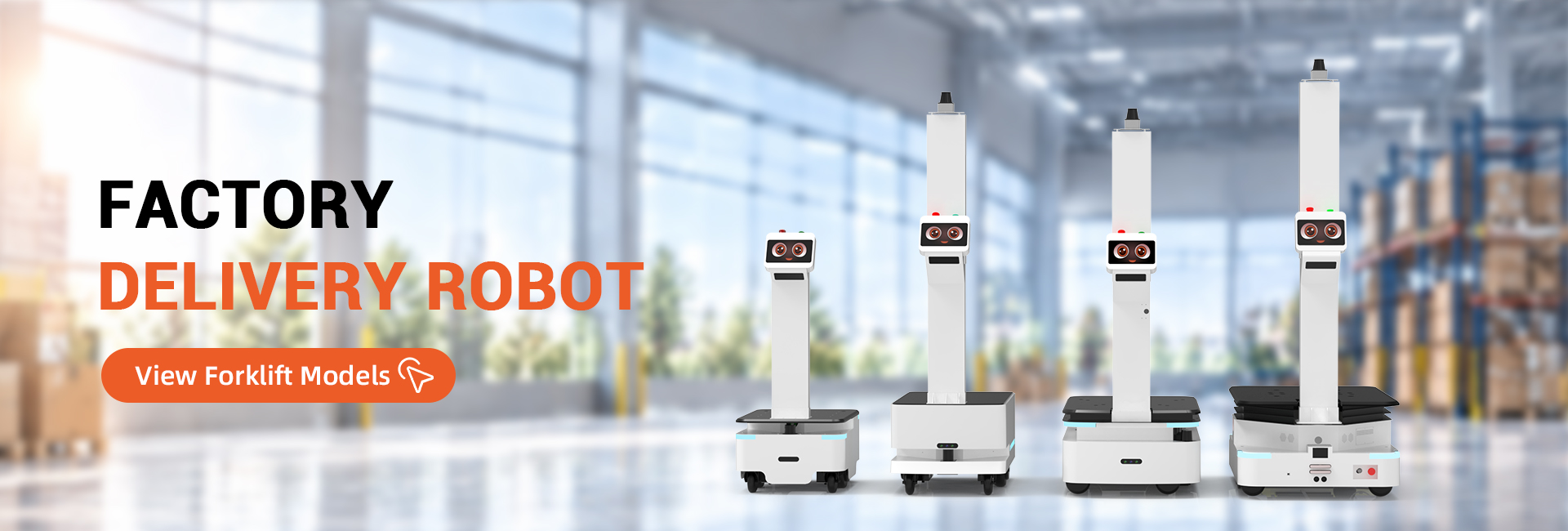
Hospitality, Hospitals and Campus Delivery
Delivery robots handle food runs, room service, lab samples and internal documents in hotels, hospitals and corporate campuses, freeing staff for higher-value tasks.

Commercial Facilities and Public Venues
Autonomous cleaning and disinfection support malls, airports, offices and exhibition spaces where floor care must be scheduled without disrupting visitors.
Retail, Exhibitions and Smart Guidance
Mobile advertising and guidance robots with AI voice interaction engage visitors, promote products and support wayfinding in high-traffic commercial environments.
Procurement Trends Reshaping the Mexico City Robot Market
These trends explain why wholesale and OEM conversations need more technical depth than a simple price request.
Nearshoring and USMCA Supply Chains
More manufacturers are adding capacity in central Mexico. Robots must be selected for fast commissioning, mixed fleets and scalable integration as production volumes change.
High-Density Warehousing and E-commerce
Mexico City land costs and delivery expectations push operators toward compact AMRs, bidirectional forklifts and 3 m aisle stacker solutions that make better use of existing space.
Labour Availability and Operator Safety
Forklift operator turnover and mixed pedestrian traffic increase interest in autonomous pallet handling, 3D obstacle avoidance, speed zoning and clear Spanish safety prompts.
Power Quality and Altitude Validation
Mexico's 220 V/60 Hz supply, charger protection and high-altitude thermal behaviour should be reviewed before a multi-shift deployment is accepted. Site surveys reduce surprises.
Spanish HMI and Training Readiness
Operator adoption improves when alarms, workflows, safety labels and training materials match local language and maintenance practices. Translation alone is not enough.
Open SDK and Local Integrator Ecosystems
Mexico City buyers increasingly prefer suppliers that expose APIs for WMS, MES, ERP, doors, elevators and dashboards so local integrators can own long-term support.
Why Elvorn Is a Credible Partner for Mexico City Wholesale Programs
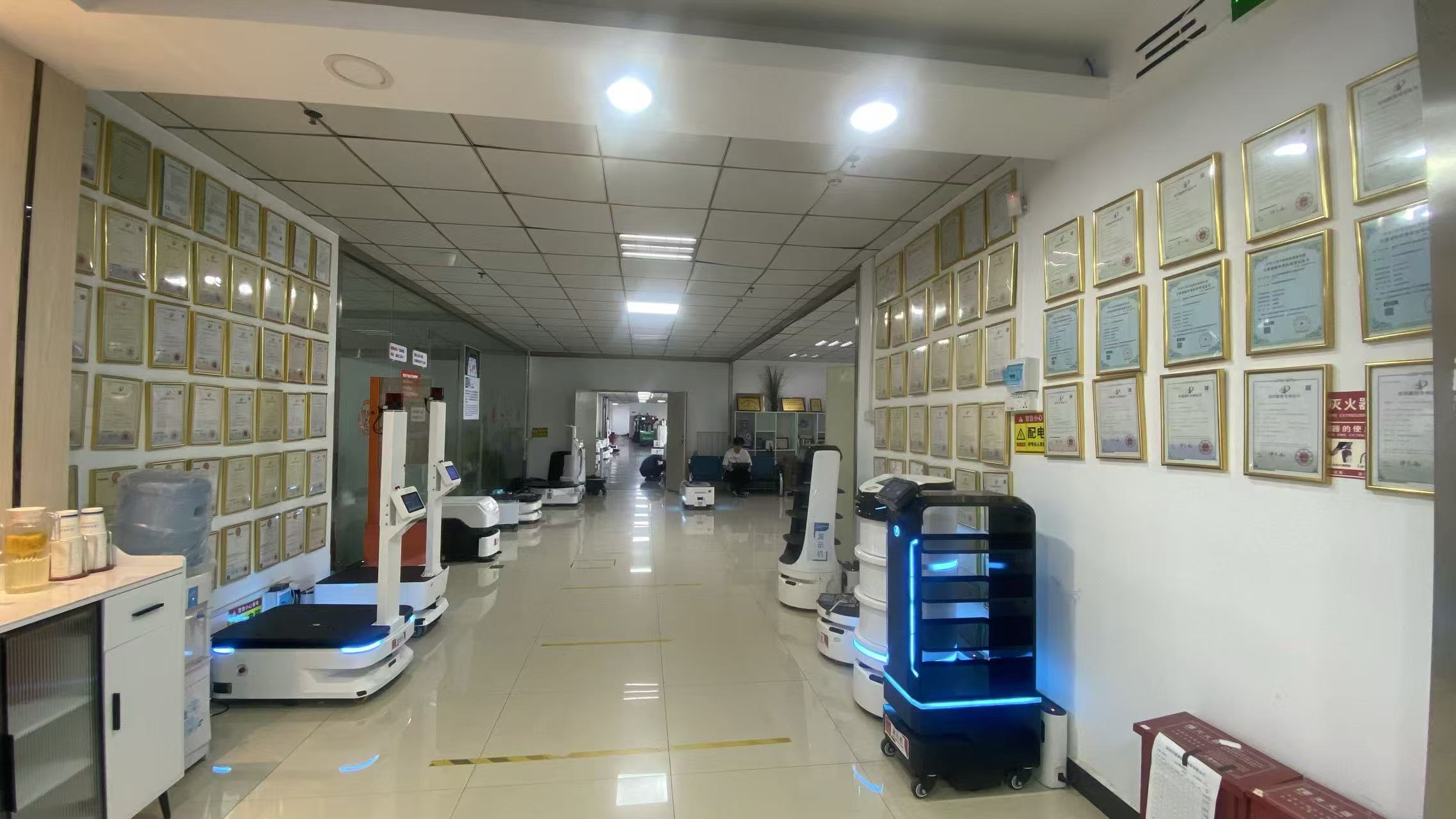
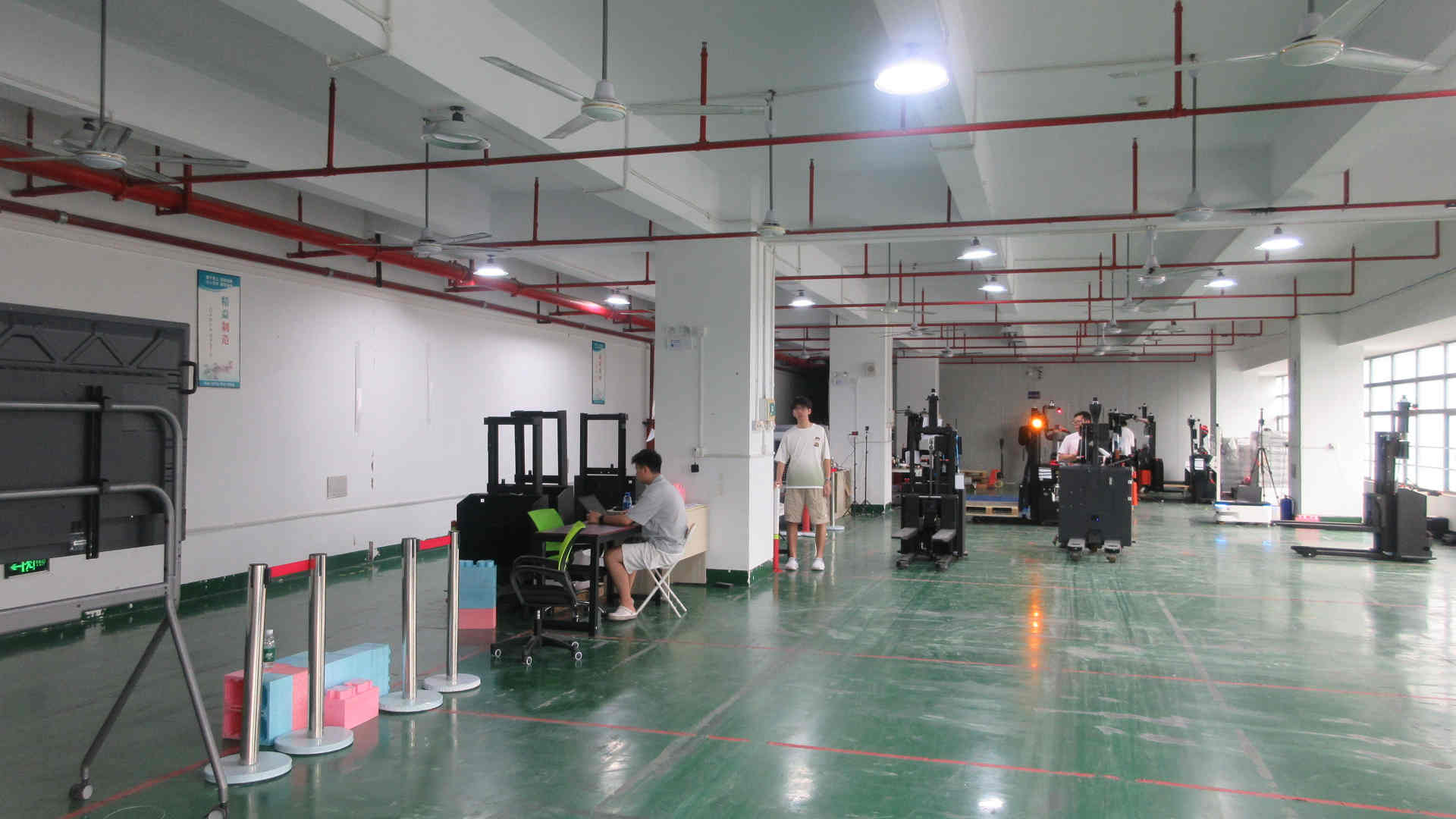
Shenzhen Elvorn Intelligent Equipment Co., Ltd. was founded in 2015 and operates as a national high-tech enterprise focused on robotic platform technology and autonomous driving. The company designs and manufactures autonomous forklifts, industrial AMRs, robot chassis, delivery robots, cleaning robots and disinfection robots. Its in-house R&D team covers laser SLAM navigation, motion control, fleet scheduling and hardware, while two production bases in Shenzhen and Ningbo support inspection, assembly and quality control. Elvorn has 39 patents, 200+ team members, 5,200㎡ of total floorspace and a management system certified to ISO 9001 and ISO 14001. Factory verification has been completed onsite by SGS Group, and applicable models carry CE, FCC or PSE marks.
Factory-Direct Engineering
Robot design, motion control, fleet scheduling and hardware are handled in-house, enabling faster customisation and transparent engineering answers for distributors and integrators.
Laser SLAM Without Tape or QR
No magnetic tape, floor reflectors or QR-code dependence for core navigation. Layout changes can be handled through re-mapping instead of extensive floor works.
Open SDK and API Integration
AMR and chassis platforms support secondary development for WMS, MES, ERP, elevator, door and dashboard integration, giving local integrators room to add value.
Modular Payload Platforms
From 60 kg delivery robots to 2 t autonomous forklifts, shared control architecture simplifies operator training, spare-part planning and mixed-fleet management.
Multi-Layer Safety Design
Lidar, obstacle sensors, emergency stops and speed zoning help manage pedestrians, forklifts and racking in busy Mexico City facilities. Final safety layout should be verified locally.
Export, OEM and Buyer-Label Support
English documentation, remote commissioning, spare-part supply and OEM/ODM options including custom top modules, branding and packaging support wholesale programs.
Production, Testing and Quality Evidence
For B2B buyers, trust is built on auditable facts: production floorspace, inspection routines, management certifications and verifiable product compliance.




Match Payload, Aisle Width and Throughput
Use this matrix for first-round project scoping. Final configuration — mast height, fork size, battery, charger and top module — should be confirmed after reviewing the site layout and pallet data.
| Robot | Payload / Format | Navigation | Mexico City Fit |
|---|---|---|---|
| 2 Ton 4WD AGV Forklift | 2,000 kg / pallet | Laser SLAM + multi-line LiDAR | Heavy pallet flow, dock-to-rack, long shifts |
| REEMAN X-ant JBOT20F | 2,000 kg / pallet | Laser SLAM | High-throughput warehouse logistics |
| Reeman 1.5 Ton AGV | 1,500 kg / pallet | 3D obstacle avoidance | Narrow aisle pallet moves and line feeding |
| Dual Laser Fly Boat MAX | 300 kg / platform | Dual laser SLAM | Factory material supply and WIP transfer |
| Autonomous Electric Stacker | 1,200 kg / 2,500 mm lift | Laser navigation | 3 m aisles and compact stacking zones |
| 600 kg Industrial AMR | 600 kg / platform | Laser SLAM, QR-free | Factory logistics with WMS/MES task dispatch |
| 600 kg Lifting AMR | 600 kg / lifting | Laser navigation | Lifting transfer between staging and storage |
| REEMAN 1T Electric Forklift | 1,000 kg / pallet | Autonomous navigation | Indoor material handling with LiFePO4 battery |
Before You Import to Mexico City, Verify These Six Areas
A successful deployment is not just a robot purchase. It is an integration project with electrical, language, safety, customs and service dimensions.
Electrical and Charging
Confirm 220 V/60 Hz supply, charger rating, surge protection, charging location and CFE power quality. Validate the plan with a local electrical contractor.
Spanish HMI and Training
Request Spanish operator prompts, alarm codes, safety labels and training checklists where required. Confirm who will deliver first-line training and refresher sessions.
Compliance and Customs
Review NOM applicability where relevant, HS classification, lithium-battery transport documents and import clearance with a Mexican customs broker. Requirements vary by model and use.
Site Survey
Measure aisle widths, floor flatness, ramps, door transitions, Wi-Fi coverage, blind corners and pedestrian zones. Map charging and parking positions before final layout approval.
WMS, MES and ERP Integration
Define task dispatch, status feedback, exception handling and reporting. Elvorn AMRs and chassis support open SDK/API development for local integrators.
After-Sales and Spar es
Agree a recommended spare-part kit, remote support process, response-time expectations and local escalation path. Consider LiDAR, bumpers, wheels, charger, emergency stops and fuses.
What Mexico City Buyers Ask Before Ordering Intelligent Mobile Robots
These answers reflect the practical questions raised by distributors, integrators and factory buyers during export project reviews.
Do you ship autonomous forklifts and AMRs to Mexico City, and what are the trade terms?
Elvorn ships worldwide on FOB terms and accepts T/T payment in USD or CNY. For Mexico City projects, confirm the final Incoterm, entry port, customs broker and landed-cost calculation before issuing a purchase order. Common entry routes include Manzanillo, Lázaro Cárdenas and Veracruz, with air freight used for urgent demo units or spare parts. The buyer should validate HS classification, NOM applicability and lithium-battery documentation for the exact model.
Can the robots operate at Mexico City altitude and with 220 V/60 Hz power?
Altitude, ambient temperature, dust and power quality should be included in the engineering review. Mexico City is often cited at roughly 2,240 m above sea level, so battery thermal behaviour, charger configuration and maintenance intervals should be validated for the intended shift pattern. Elvorn configures export power requirements and documentation; the local electrical contractor should verify supply stability, grounding and protection.
What is the difference between an AGV forklift and an AMR?
An autonomous forklift, often described as an AGV forklift, lifts and moves pallets between floor, dock and rack positions. An AMR is a mobile platform that carries totes, carts, shelves or top modules. Both Elvorn product lines can use laser SLAM navigation, so magnetic tape or floor reflectors are not required for core navigation. The right choice depends on whether the job is pallet lifting, cart transport, line-side supply or custom robot development.
Can Elvorn robots integrate with our WMS, MES or ERP?
Yes, for applicable AMR and chassis platforms. Elvorn provides an open SDK and API for secondary development, allowing task dispatch, status feedback and custom dashboards to connect with warehouse management, manufacturing execution or enterprise systems. A Mexico City project should define the integration owner, data protocol, exception workflow and acceptance test before shipment.
How do we handle Spanish training, service and spare parts?
Spanish operator checklists, alarm explanations and training materials can be prepared as part of project customisation. English service documentation is standard. For first-line support, buyers should appoint a local integrator or maintenance partner and agree escalation rules with the factory. A practical spare-part kit may include LiDAR, bumpers, wheels, charger, emergency stops and fuses, depending on the fleet size and duty cycle.
What is the minimum wholesale order and lead time for OEM/ODM projects?
Minimum order quantity and lead time depend on model mix, battery choice, charger, top module, buyer-label requirements and whether the project is a pilot or a multi-site rollout. Provide the layout, pallet or tote specification, throughput target, voltage, language requirements and target launch date. Elvorn can then recommend a model shortlist, confirm factory testing requirements and quote production lead time. Third-party inspection can be arranged before shipment.
Plan a Mexico City Pilot with Factory-Direct Engineering Support
Send your facility layout, load data, pallet type, aisle constraints, WMS/MES requirements and target throughput. The Elvorn team can recommend a model shortlist, Spanish HMI options, spare-parts list and export documentation checklist for your Mexico City project.
Contact Us Export support: FOB · T/T USD or CNY · OEM/ODM · Buyer label · Remote commissioning