8 Laser Navigation Robots & Automation Systems Shortlisted for Puebla Intralogistics
For procurement teams searching for laser navigation robot manufacturers and factories in the Puebla market, the shortlist should match load, aisle width, pallet type, WMS or MES integration and lifecycle support — not just the robot category. The eight systems below cover the exact configurations Puebla buyers most often review for line-side delivery, pallet handling, sheet-metal movement, cross-docking, pallet stacking and customer-facing digital signage.
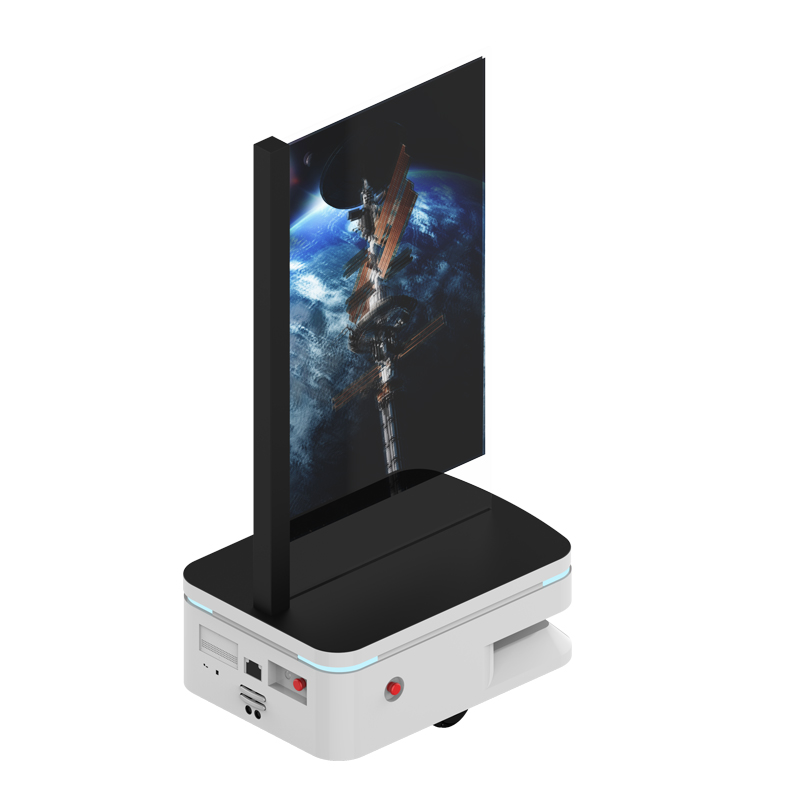
75 Inch Indoor LED Digital Poster Touch Screen Display SDK OEM ODM Black Signage for Retail Store Elevator Airport
A customer-facing digital touchpoint for Puebla retail, hotel, elevator, airport and exhibition environments, with SDK and OEM options for local content and branded enclosures.
View product details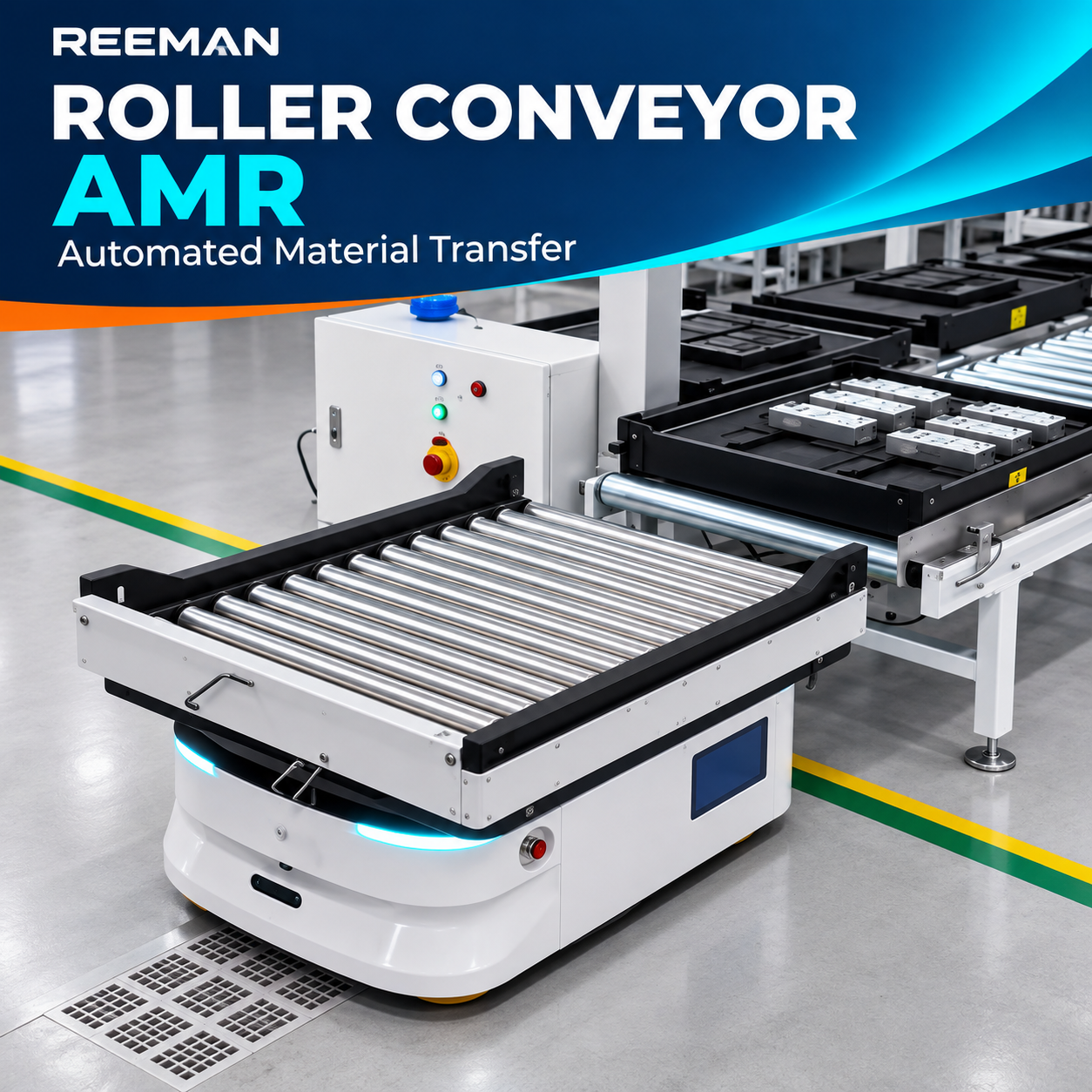
Roller Conveyor AMR Robot with SDK and API for Custom Development and System Integration
A flexible conveyor-top AMR for warehouse and cross-dock flows where totes, cartons or custom fixtures must connect to WMS, MES or an existing conveyor layout.
View product details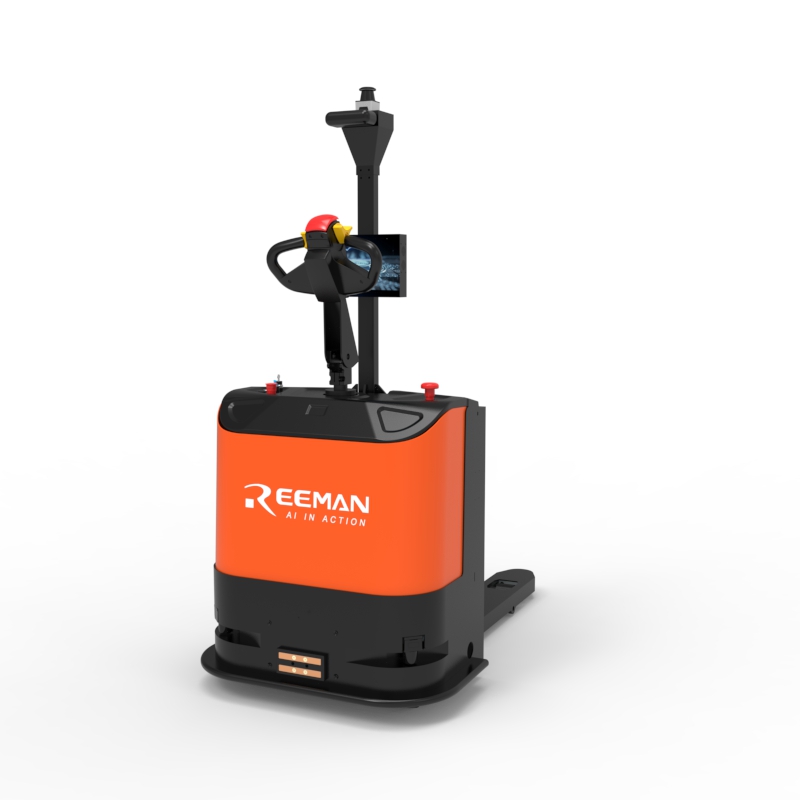
1500kg Laser SLAM AGV Forklift Single Line Lidar 30mm Navigation Accuracy 1019mm Forks 570mm Width Industrial Handling
An industrial handling option for Puebla warehouses and auto-parts plants moving pallets between staging, storage and dispatch without magnetic tape or reflector work.
View product details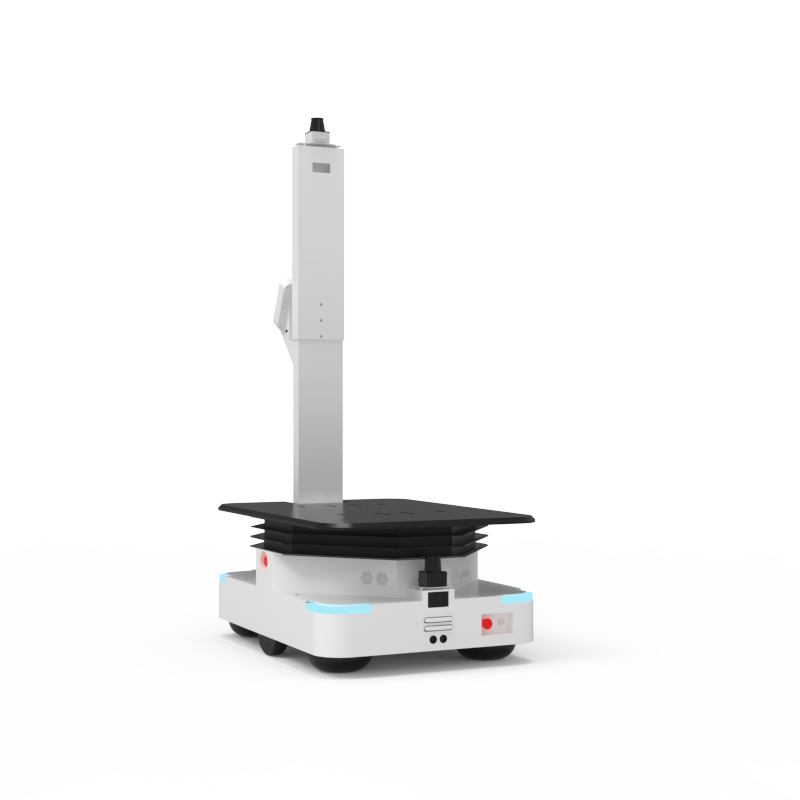
REEMAN Autonomous Mobile Robot AGV AMR 600kg Payload Sheet Metal Material Handling for Production Line
Designed for sheet-metal and production-line environments where stable 600 kg transport and repeatable line-side delivery reduce manual cart traffic.
View product details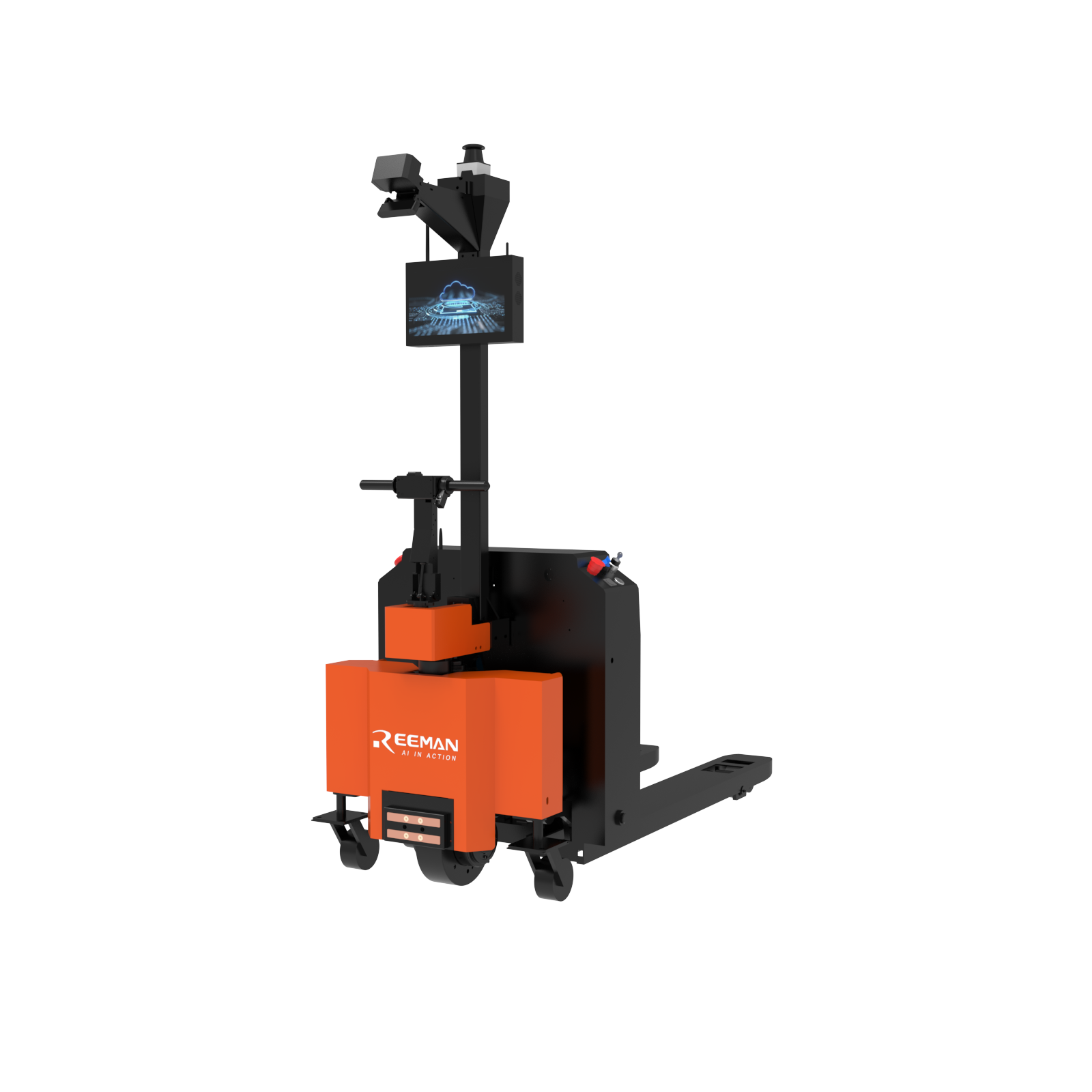
REEMAN X-ant JBOT20F 2 Ton Autonomous Forklift AGV Laser SLAM Pallet Handling Robot for Warehouse Logistics
A 2-ton autonomous forklift class for Puebla logistics centres and manufacturing sites that need repeatable pallet moves across shifts and dock-to-storage routes.
View product details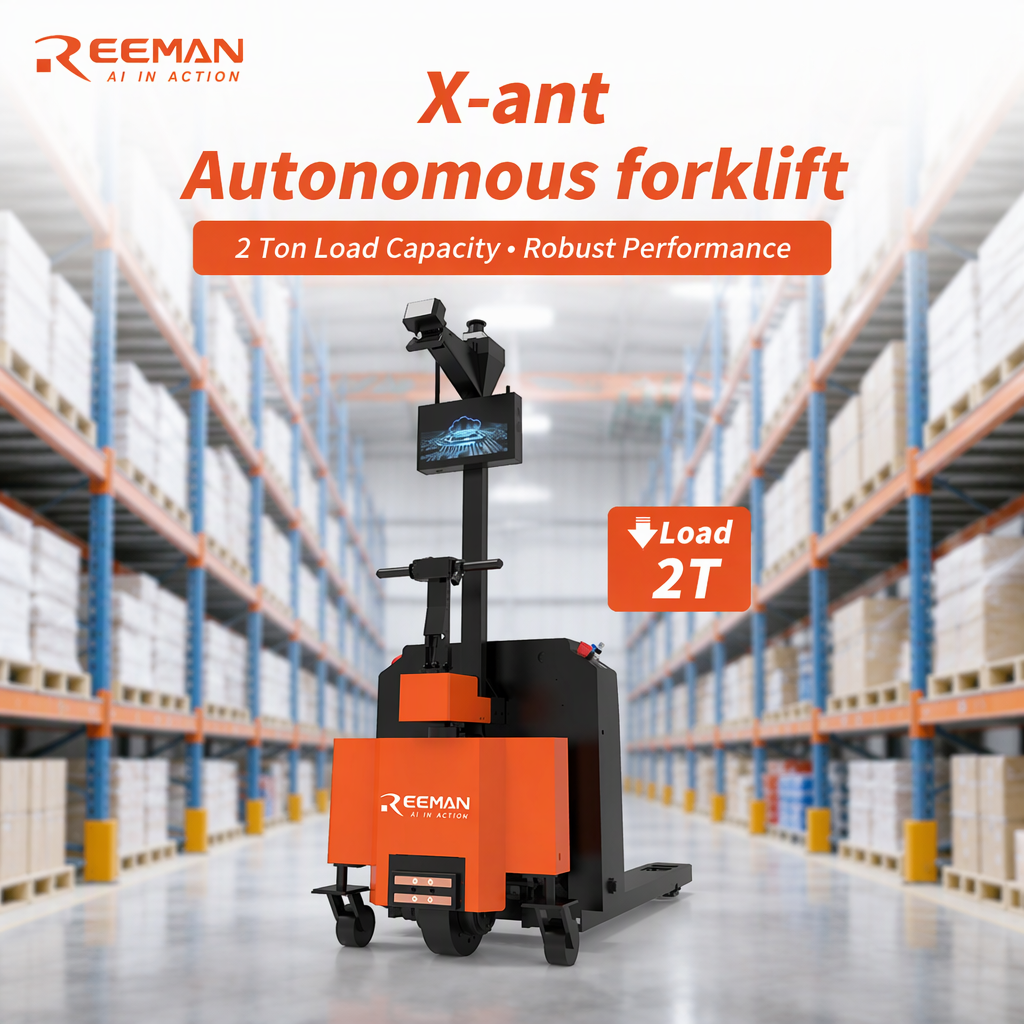
2 Ton Autonomous 4WD AGV Forklift Laser SLAM Navigation Multi-Line LiDAR 10mm Position Accuracy Warehouse Handling
A higher-accuracy 4WD platform for larger Puebla sites, variable floor conditions and pallet routes where multi-line LiDAR and precise positioning are valued.
View product details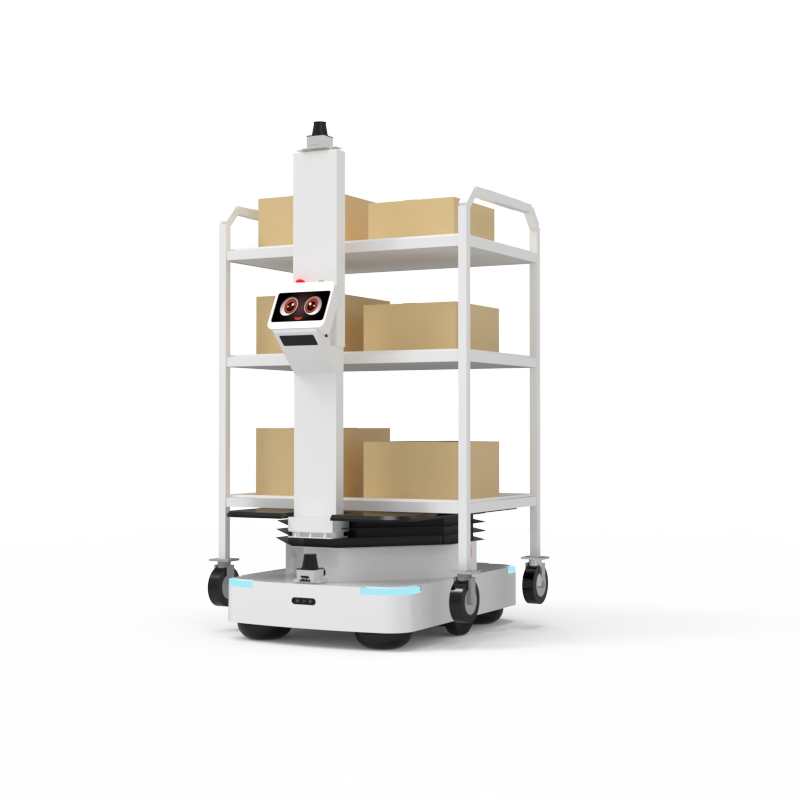
600kg Payload Autonomous AMR Robot Multi Sensor Mobile Material Handling Cart for Production Line
A multi-sensor material handling cart for repetitive line-side transport, WIP movement and finished-goods collection in Puebla factories with mixed pedestrian traffic.
View product details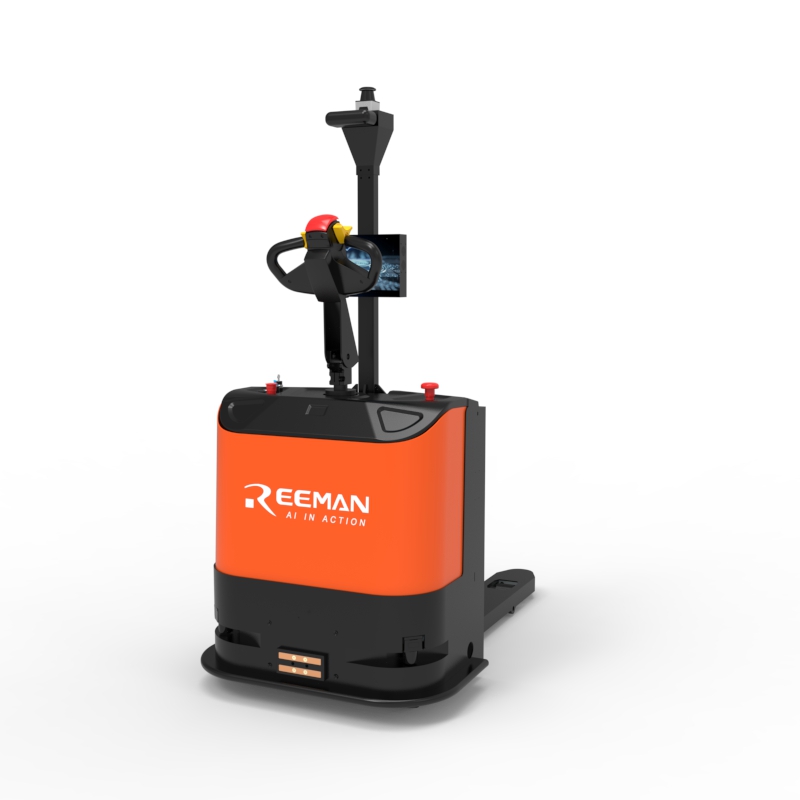
Reeman BBOT30F 1500kg Laser SLAM Autonomous Pallet Stacker AGV Single Line Lidar Obstacle Avoidance Warehouse Transport
A 1500 kg pallet stacker AGV for packaging, end-of-line and warehouse transport where finished pallets must move from production to wrapping or low-rack storage.
View product detailsFactory data, ISO 9001/14001 management systems, SGS onsite verification and model-level CE/FCC/PSE documentation form part of the due-diligence package for Puebla buyers.
Why Puebla Buyers Are Searching for Laser Navigation Robot Manufacturers
Puebla is not a generic “Mexico” market. It combines automotive and auto-parts clusters, food and beverage processing, textiles, packaging, metalworking and distribution centres serving the Mexico City–Puebla–Veracruz corridor. For a plant in Puebla, San Martín Texmelucan, Huejotzingo, Cholula or Tehuacán, automation has to deal with existing aisles, mixed pallets, frequent line changes and teams that need fast training. That is why local search intent is usually not “buy any robot.” It is closer to: can a laser SLAM robot map our site, integrate with our WMS or MES, support Spanish-speaking operators, and keep running without magnetic tape or reflector work?
A laser navigation robot uses LiDAR and SLAM to build a site map, localise itself and plan routes around real obstacles. Unlike fixed-path AGVs that depend on tape, QR codes or reflectors, laser SLAM robots can adapt when a Puebla plant changes a line, moves a staging area or opens a new aisle. For older buildings and leased warehouses, this can reduce floor modification and shorten the deployment window.
This guide is written from factory evidence rather than marketplace claims. Elvorn is a Shenzhen-based manufacturer with two production bases, an in-house R&D team and an open SDK/API approach. For Puebla buyers, the practical value is a clearer path from site data to model selection, OEM customisation, factory testing and export support to Mexico.
Where Laser Navigation Robots Fit in Puebla Operations
The same robot category can behave very differently across Puebla industries. These are the application patterns our engineers review first when scoping a local project.
Automotive & auto-parts line feeding
Use 600 kg AMRs and 1.5-ton forklift AGVs to move bins, racks and pallets between staging, assembly and dispatch. Laser SLAM avoids rebuilding aisle infrastructure when production lines change.
Review forklift AGV3PL, warehousing & cross-docking
Roller conveyor AMRs and 2-ton autonomous forklifts reduce dock-to-staging travel. Tasks can be structured around inbound and outbound waves, then integrated with WMS workflows.
Review conveyor AMRSheet metal & metal fabrication
The REEMAN 600 kg AMR is configured for sheet-metal material handling, helping reduce manual cart pushes, WIP search time and risky pedestrian–forklift interactions.
Review sheet-metal AMRPackaging & pallet stacking
The BBOT30F 1500 kg pallet stacker AGV moves finished goods from end-of-line to stretch wrapping, staging or racking, with obstacle avoidance for shared warehouse traffic.
Review pallet stackerProduction-line WIP transfer
A 600 kg autonomous AMR cart with multi-sensor safety supports repetitive line-side transport, finished-goods collection and just-in-time material replenishment.
Review AMR cartRetail, hotels, airports & public venues
The 75-inch indoor touch display supports Puebla retail, elevator, airport and exhibition environments where branded digital guidance and interactive information are required.
Review digital signagePuebla Automation Trends Shaping Robot Procurement
Buyers are not only comparing payload and price. They are evaluating deployment risk, integration effort, operator adoption and spare-part planning.
Nearshoring & space pressure
New contracts often arrive before a new building does. Infrastructure-free laser navigation lets Puebla teams expand automation inside existing industrial parks and leased warehouses.
Safety around mixed traffic
Autonomous forklifts and AMRs must share routes with pedestrians, manual forklifts and pallet jacks. LiDAR, obstacle sensors, emergency stops and speed zoning are central evaluation points.
WMS, MES and ERP integration
Puebla manufacturers increasingly ask for task dispatch, status feedback and error reporting through open SDK/API rather than stand-alone robot operation.
Spanish operation & lifecycle support
Training, documentation, remote commissioning, spare parts and maintenance planning are now assessed beside the initial unit price.



Factory-First Partner for Puebla Robot Projects
Shenzhen Elvorn Intelligent Equipment Co., Ltd. is a national high-tech enterprise focused on robotic platform technology and autonomous driving. Since 2015, the company has designed, built and supported autonomous forklifts, industrial AMRs, robot chassis, delivery robots and cleaning robots for buyers in multiple regional markets.
For Puebla buyers, the advantage is not a catalogue alone. It is the combination of in-house SLAM navigation, motion control, fleet scheduling, hardware engineering and export documentation — with two production bases in Shenzhen and Ningbo and an open SDK/API approach for integrators.
- Founded in 2015; 11+ years in robotics
- 39 patents and 5,200㎡ total floorspace
- 200+ team members and 98.76% response rate
- SGS onsite verified factory
- ISO 9001 and ISO 14001 management systems
- CE/FCC/PSE certified models
- OEM, ODM, design service and buyer label
- Open SDK/API for WMS, MES, ERP and custom software
Laser SLAM navigation
Maps a site in hours and navigates without magnetic tape, QR codes or reflectors, so Puebla layout changes do not automatically require floor work.
Open SDK & API
AMRs and chassis can connect to WMS, MES, ERP, elevators, doors and custom dashboards for local integration projects.
Modular payload platforms
From 60 kg service robots to 2-ton autonomous forklifts, shared control architecture simplifies fleet training and maintenance planning.
Multi-layer safety
LiDAR, obstacle sensors, emergency stops and speed zoning support safe coexistence with pedestrians, manual forklifts and racking.
Own production capacity
Two production bases with material inspection, supplier assessment and factory testing procedures before shipment.
Export-ready support
English documentation, remote commissioning, spare-part supply and FOB/T-T trade terms for Mexico and other export markets.

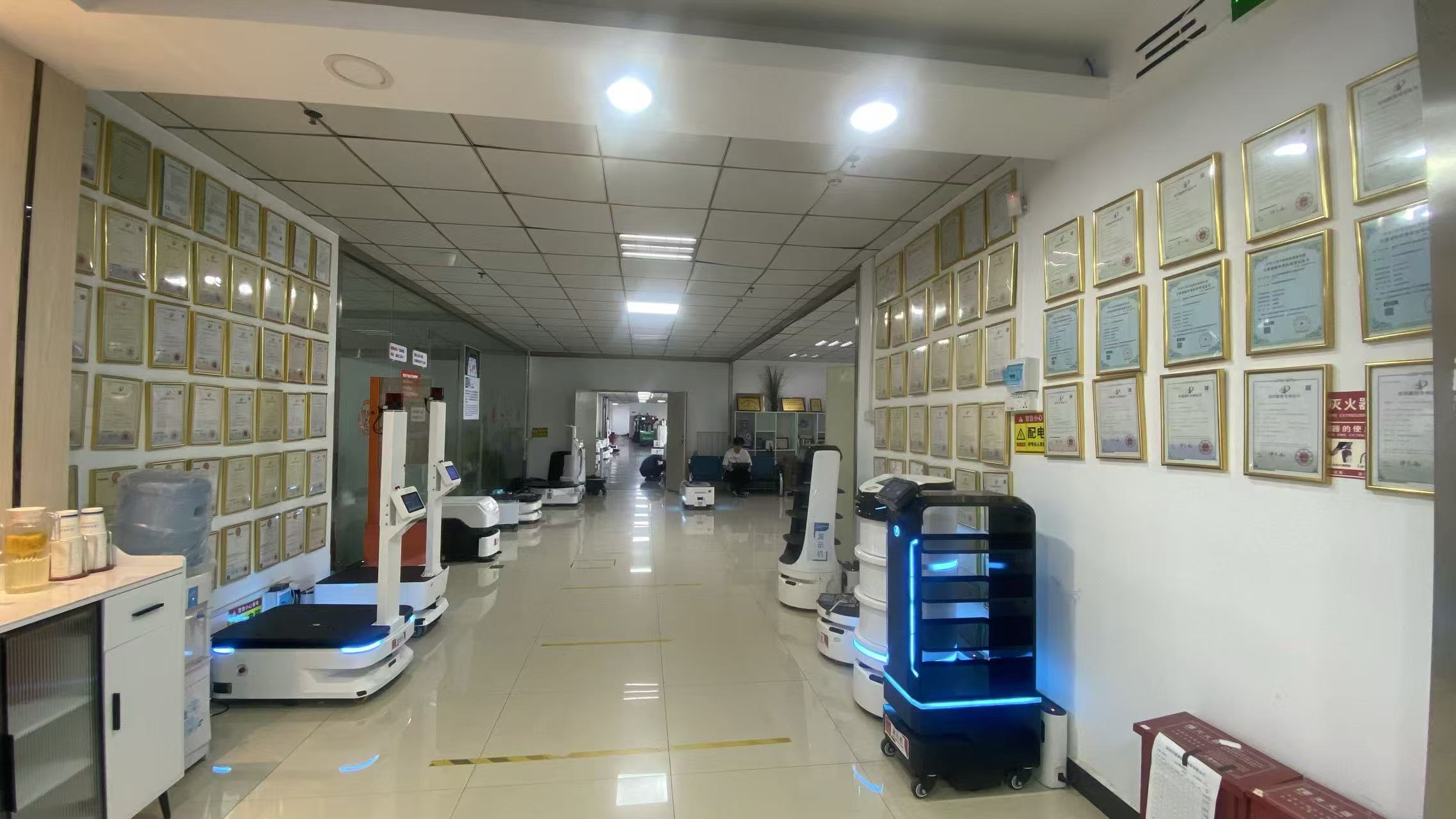
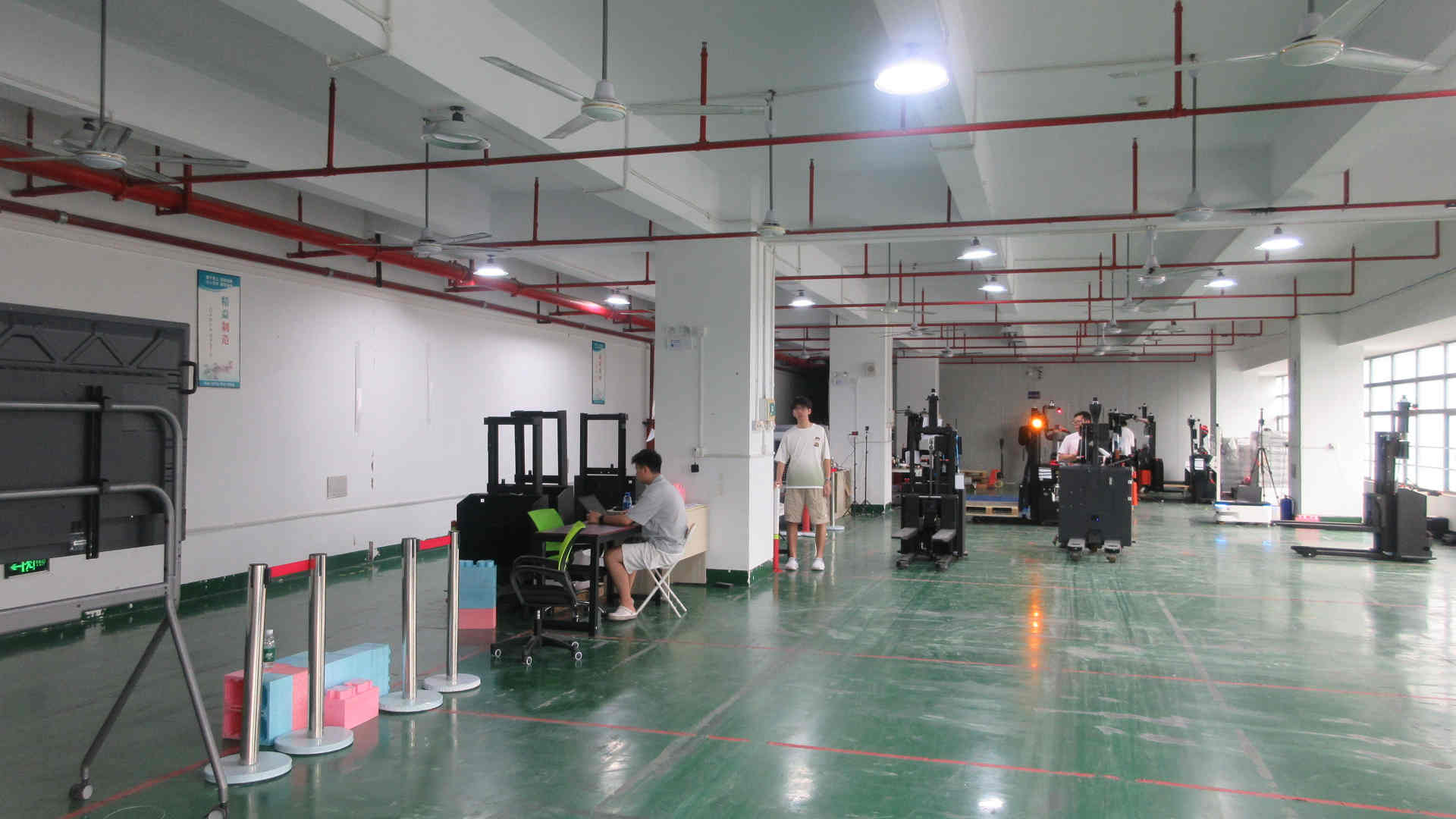
Certified, Audited & Export Proven
The factory has passed onsite verification by SGS Group, covering business licensing, production capability and quality control. Management systems are certified to ISO 9001 and ISO 14001, and individual models carry CE, FCC or PSE marks depending on configuration.
Every unit should be reviewed against the final site layout, pallet type, load centre, charging plan and software scope. Third-party assessment reports, test records and transaction history can be used for buyer due diligence before a Puebla project moves to purchase order.
A Practical Path from Puebla Site Data to Stable Operation
A clear four-step process reduces the risk of over-specifying a robot or underestimating integration work.
Site data review
Share layout drawings, pallet dimensions, load weight, aisle width, rack height, shift pattern, charging location and WMS/MES requirements.
Model & route selection
Engineers recommend forklift AGVs, AMRs, stackers or a mixed fleet, including fleet size, charging plan and safety zones.
Customisation & factory testing
OEM branding, top modules, software interfaces and load tests are confirmed before shipment, with test records available where applicable.
Shipment & remote commissioning
Export packing, documentation, remote mapping support, operator training and spare-part planning are aligned for Puebla delivery.
Common Questions from Puebla Buyers
These are the questions purchasing, engineering and operations teams usually ask before shortlisting a laser navigation robot manufacturer for Mexico.
Are you a laser navigation robot manufacturer or a trading company?
Elvorn is a manufacturer founded in 2015, with two production bases in Shenzhen and Ningbo, 5,200㎡ total floorspace, 39 patents and an SGS onsite-verified factory. The company designs and builds autonomous forklifts, AMRs, robot chassis and service robots.
Can laser navigation robots work without magnetic tape in an existing Puebla factory?
Yes, for suitable sites. Laser SLAM robots map the environment and navigate around obstacles without magnetic tape, QR codes or reflectors. A site survey is still required to confirm aisle width, floor conditions, traffic density and Wi-Fi or network coverage where applicable.
How do you recommend the right model for a Puebla plant?
Send the layout, pallet type, load weight, lift height, aisle width, number of shifts, target throughput and software requirements. Our engineers will compare AMR, forklift AGV, pallet stacker and conveyor AMR options before recommending a configuration.
Can the robots integrate with our local WMS, MES or ERP?
AMRs and robot chassis can provide an open SDK and API for secondary development. Integration scope should be defined clearly: task dispatch, status feedback, error reporting, traffic control and connection to doors, elevators or production systems.
What about 220V/60Hz power and charging in Mexico?
Mexican industrial sites may use different voltage and phase configurations. The charger, power cabinet and charging strategy are confirmed during project scoping. Buyers should provide site power details so the final configuration matches local conditions.
Which documents are available for Mexican customs and compliance review?
Export documents typically include commercial invoice, packing list, shipping marks and relevant product documentation. CE/FCC and ISO documentation can be provided for model evaluation. The importer should confirm any NOM or other Mexican conformity requirements with a local compliance advisor before shipment.
Do you provide Spanish training or local service in Puebla?
Standard technical communication is in English, with Chinese support available. Spanish documentation, operator materials or local integrator coordination can be scoped for OEM/ODM projects. Remote commissioning and spare-part planning are part of the support model.
What is the usual MOQ, lead time and trade term?
Standard models can be discussed at one-unit project level. OEM/ODM customisation may require a higher volume or tooling discussion. Production lead time is confirmed after technical scope, deposit and component availability. Export orders commonly use FOB terms and T/T payment in USD or CNY.
Plan a Puebla Automation Project With Factory Data, Not Guesswork
Send your plant layout, pallet dimensions, load weight, aisle width, target throughput and software requirements. Our engineers will help you compare autonomous forklifts, laser SLAM AMRs, robot chassis, pallet stackers and digital signage for Puebla delivery.