Mobile Robot Platform Manufacturer & Exporters in Pattaya
Laser SLAM autonomous forklifts, AMRs, robot chassis, delivery robots and smart service platforms for Pattaya’s hotels, malls, warehouses and Eastern Economic Corridor factories. Engineering, customization and export documentation are handled by one manufacturer-direct team.
Eight Mobile Robot Platforms for Pattaya Projects
These application-ready models cover pallet handling, narrow-aisle stacking, indoor AMR transfer, commercial advertising, outdoor delivery and interactive signage. Product URLs are preserved from the original catalogue; configurations, top modules and branding can be reviewed against your actual Pattaya site layout.
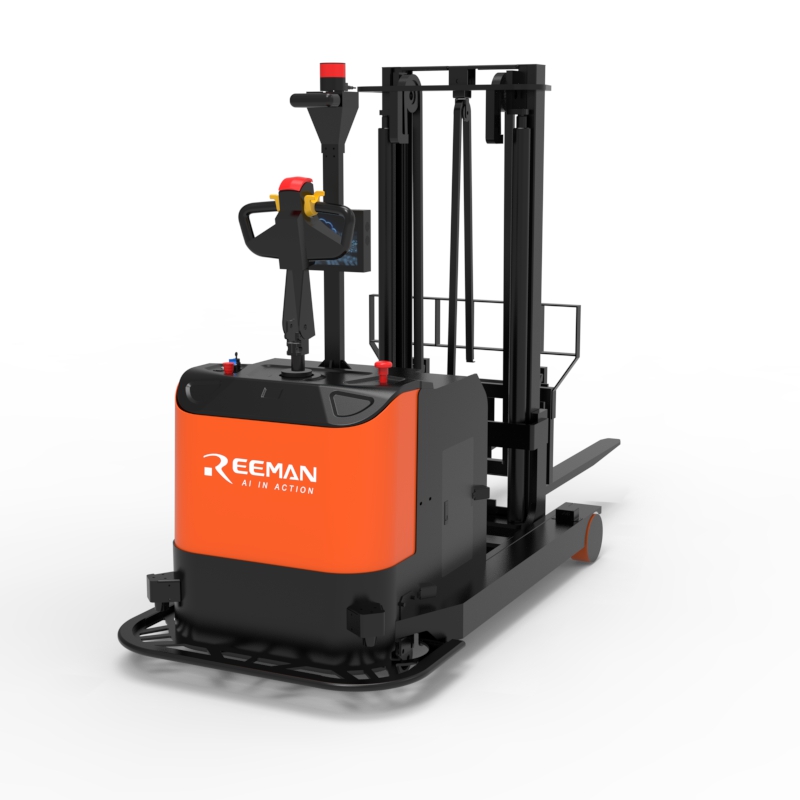
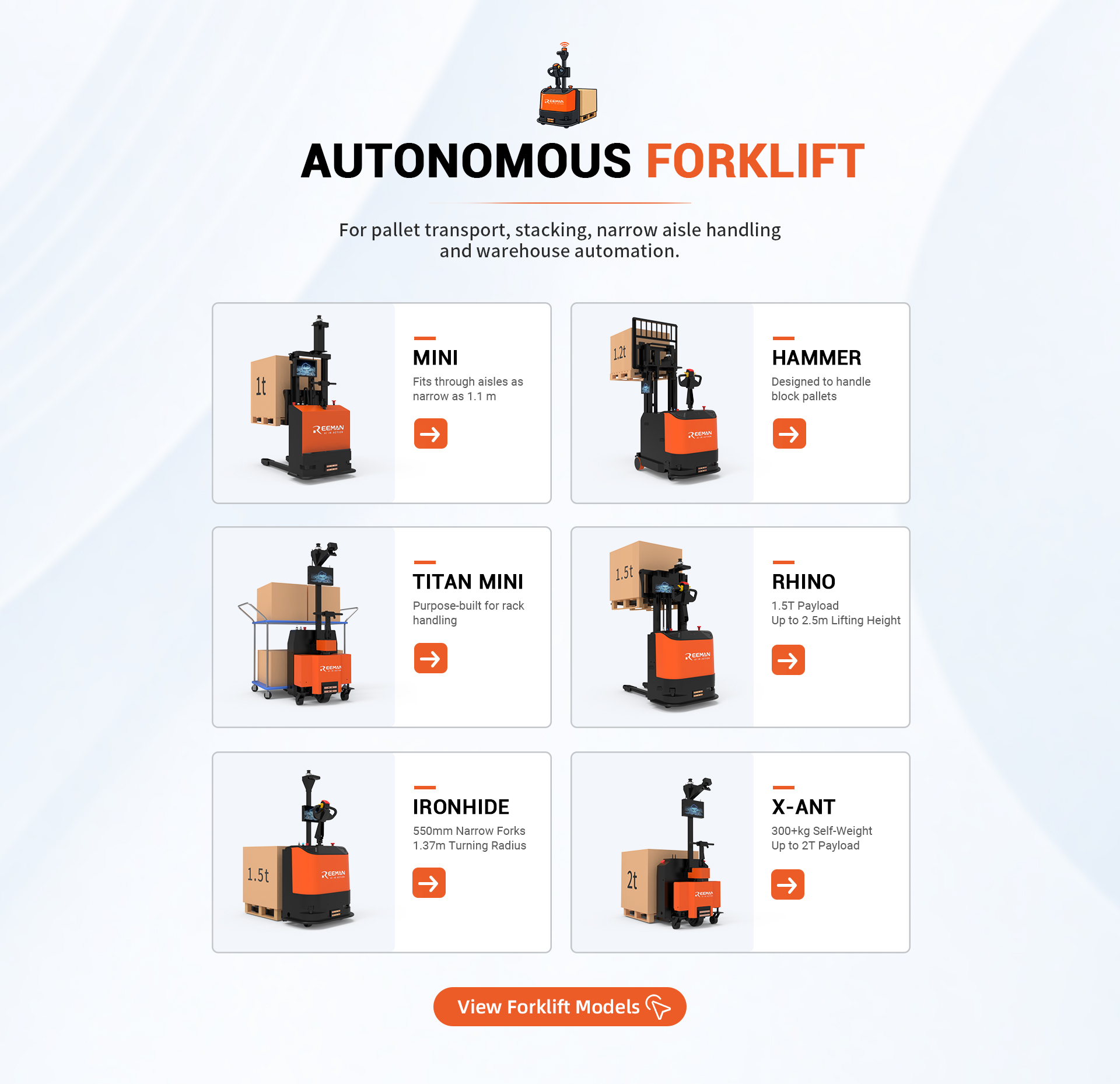
Reeman Autonomous Electric Stacker Forklift 1.2 Ton Li-Ion 48V 30Ah 2500mm Lift Laser Navigation 3m Aisle
A compact autonomous stacker for narrow aisles, back-of-house pallet handling and stockroom replenishment. The 48V 30Ah Li-Ion battery, 2500 mm lift and laser navigation suit hotels, retail warehouses and light manufacturing where floor space is tight.
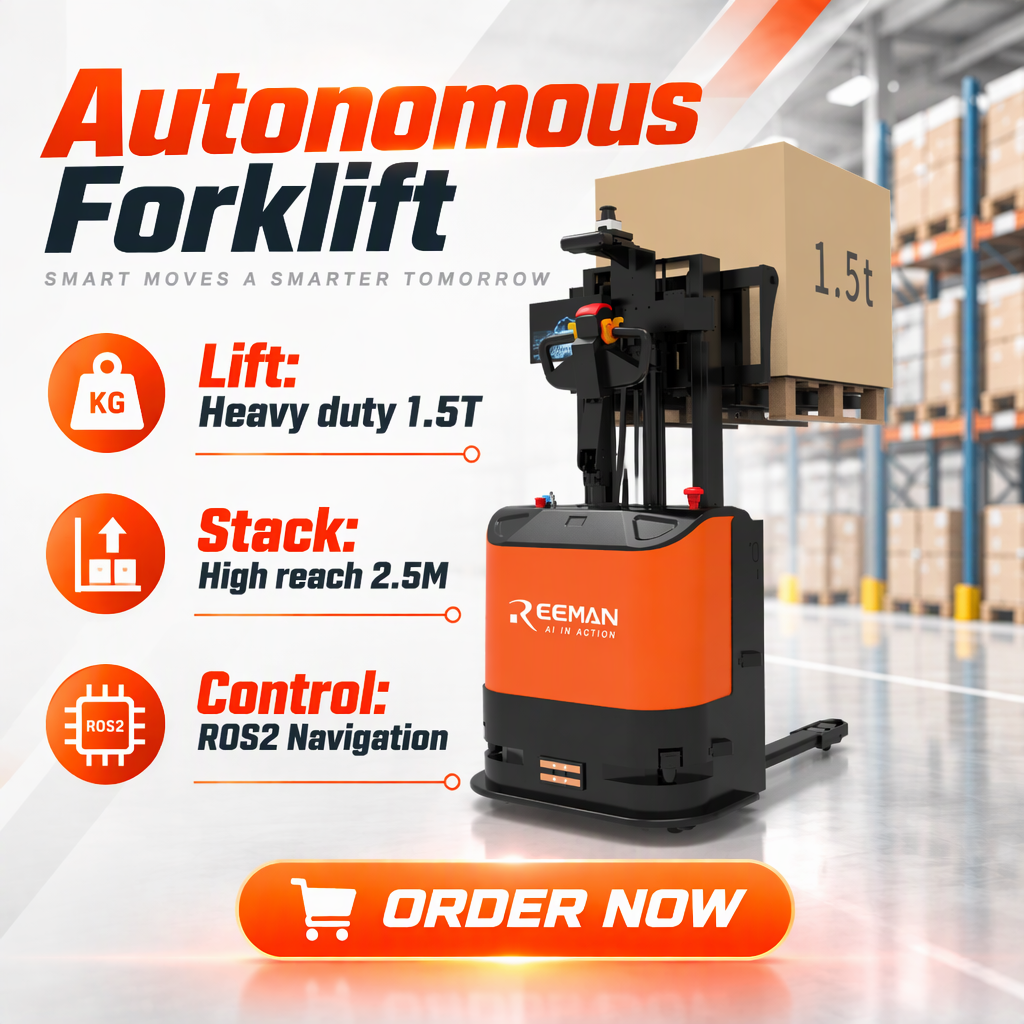
Autonomous Electric Forklift AGV 1500kg Load Capacity 2.5M Lift ROS2 Navigation 4WD Lithium-Ion Battery Indoor Material Handling
A 1,500 kg autonomous electric forklift with 2.5 m lift, ROS2 navigation and 4WD. It targets indoor material handling, line-side feeding and pallet transfer inside EEC factories that need higher payload and programmable mission logic.
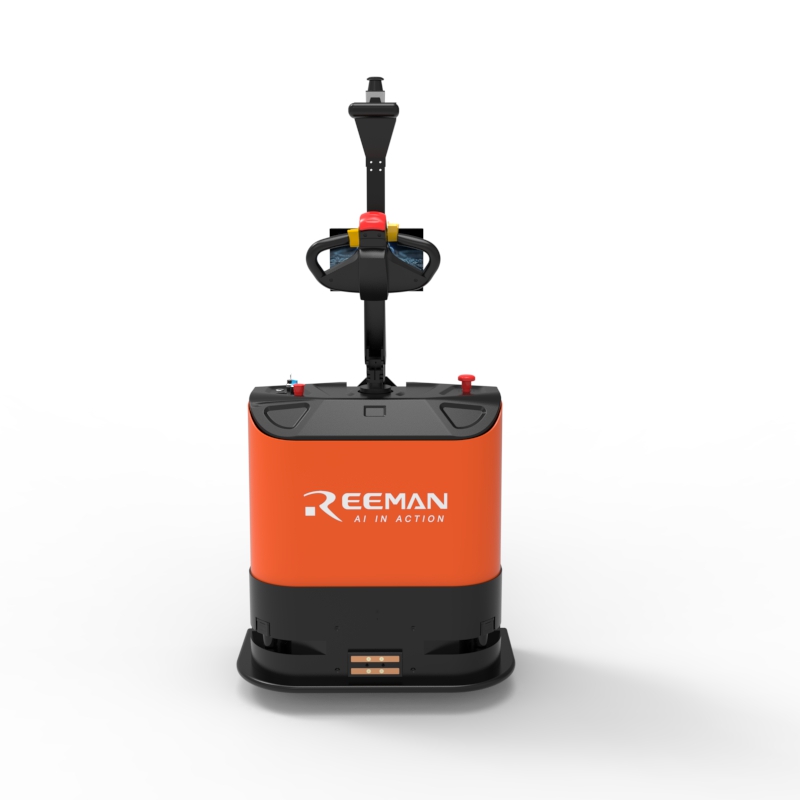
1500kg Laser SLAM Autonomous Forklift AGV Reflector-Free Point-to-Point Warehouse Material Handling
A reflector-free laser SLAM forklift for point-to-point warehouse transfers. It reduces floor modification and is practical for 3PL operators near Laem Chabang that need flexible pallet movement without fixed guide paths.
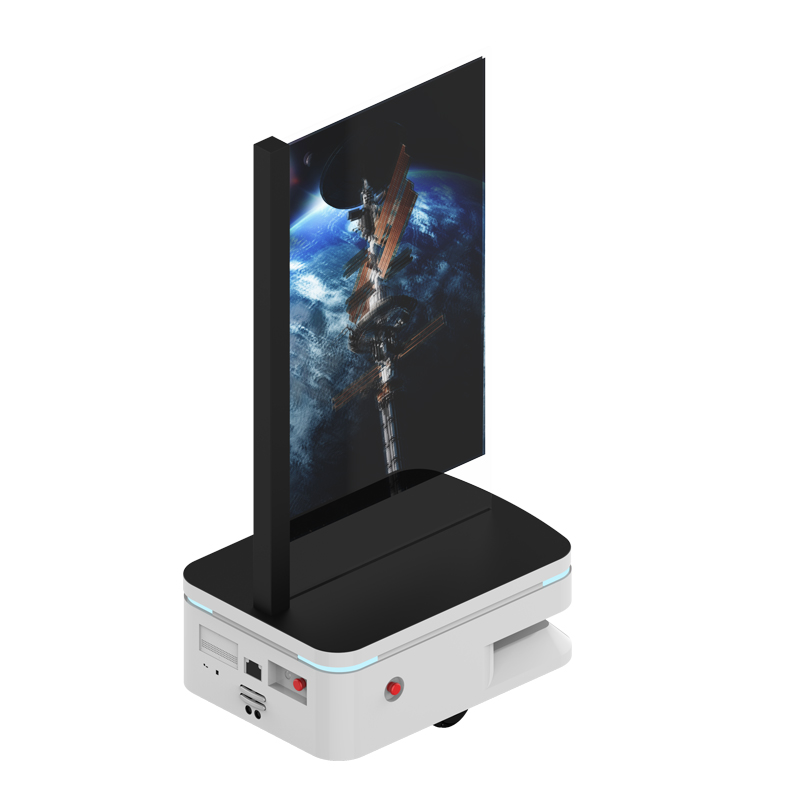
75 Inch Indoor LED Digital Poster Touch Screen Display SDK OEM ODM Black Signage for Retail Store Elevator Airport
A 75-inch interactive LED poster for hotel lobbies, retail stores, airports and exhibition spaces. SDK, OEM and ODM support allows Pattaya operators to combine digital signage with wayfinding, promotions and multilingual visitor information.
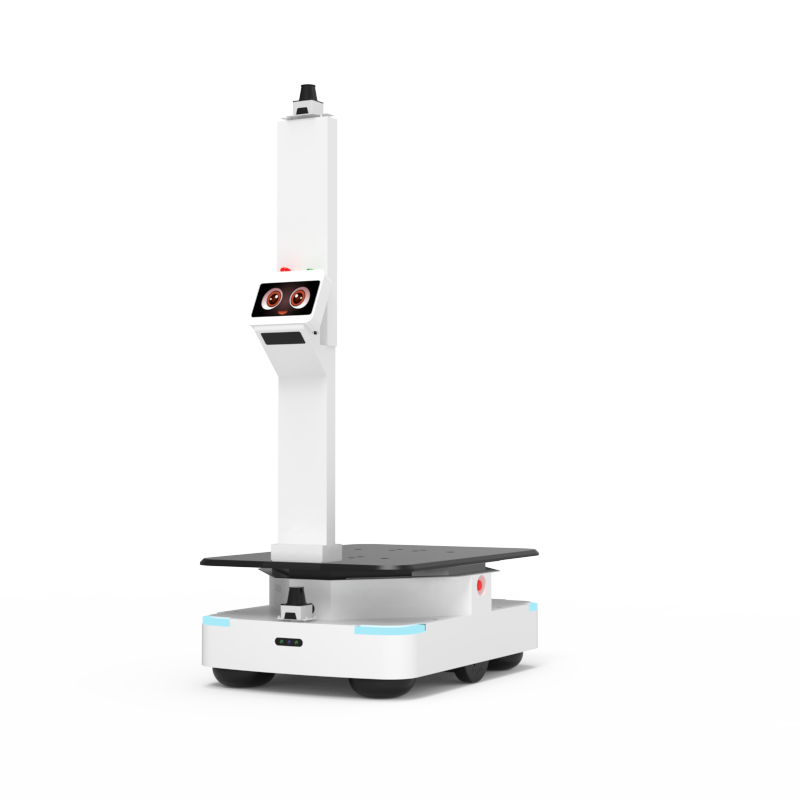
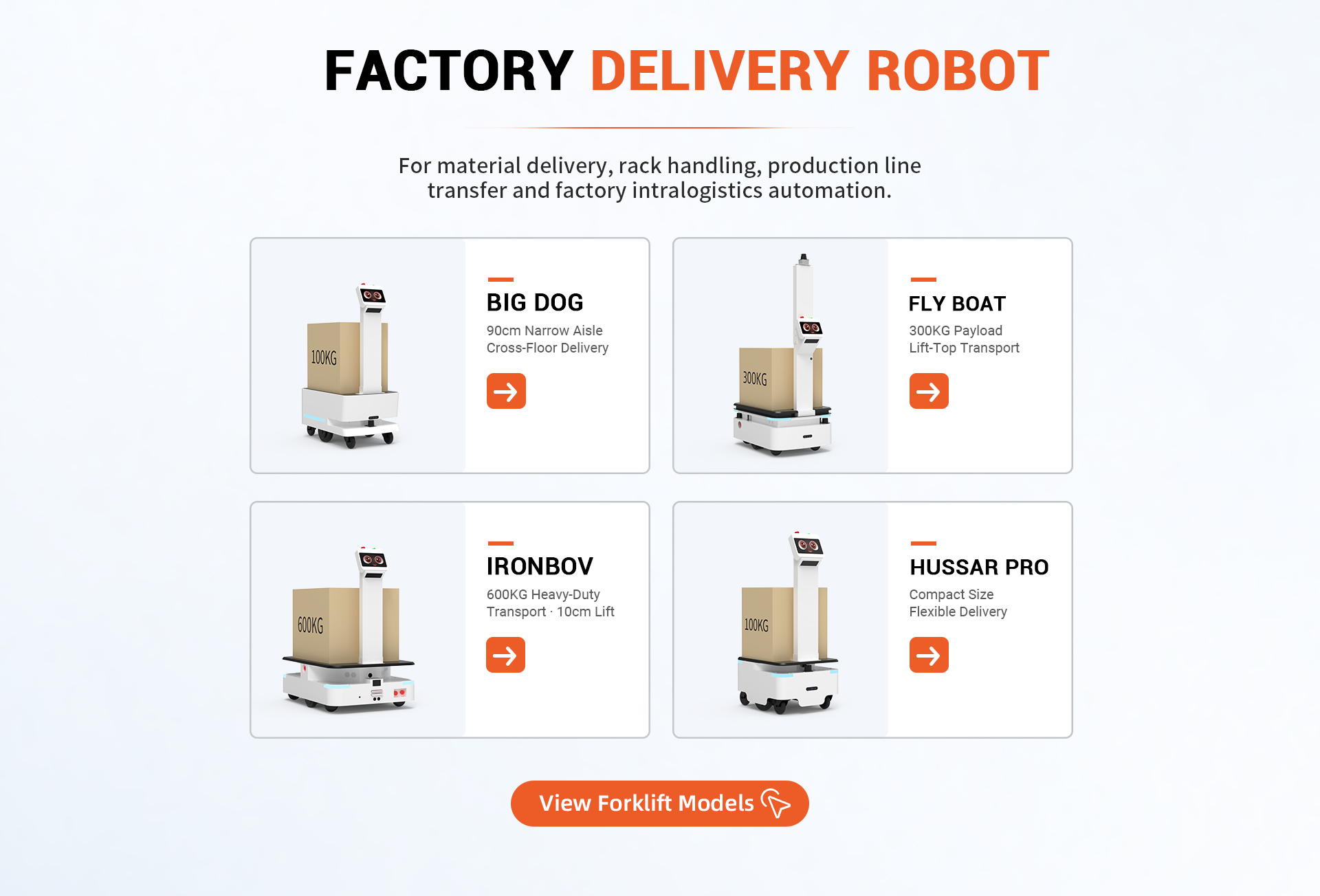
600kg Payload Laser Navigation AMR Robot Autonomous Lifting Warehouse Transfer Equipment
A 600 kg lifting AMR for autonomous warehouse transfer and shelf or cart movement. Its laser navigation platform suits logistics centers, retail distribution and factory internal logistics where a forklift is not the right tool.
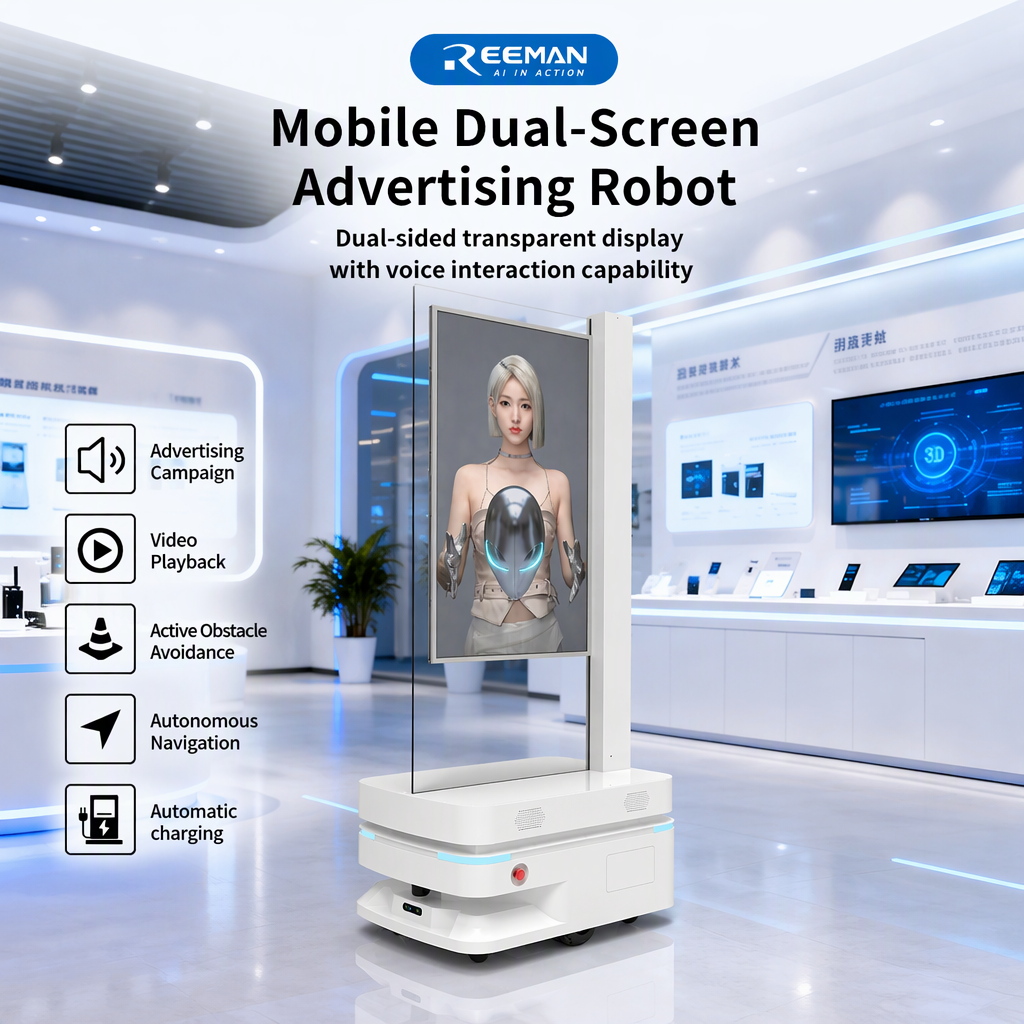
Reeman Mobile Dual Screen Advertising Robot LCD Display Voice Interaction Autonomous Navigation Indoor Commercial Use
A dual-screen commercial advertising robot with voice interaction and autonomous navigation. It is designed for mall promotions, event activations, hotel wayfinding and brand experiences where mobility and engagement matter more than static signage.

REEMAN Autonomous Electric Forklift 1T Payload 48V 30Ah LiFePO4 Battery Indoor Material Handling AGV
A 1-ton autonomous electric forklift with a 48V 30Ah LiFePO4 battery for indoor material handling. It offers a balanced entry point for Pattaya warehouses and factories that want driverless pallet handling with lower payload than 1.5-ton models.
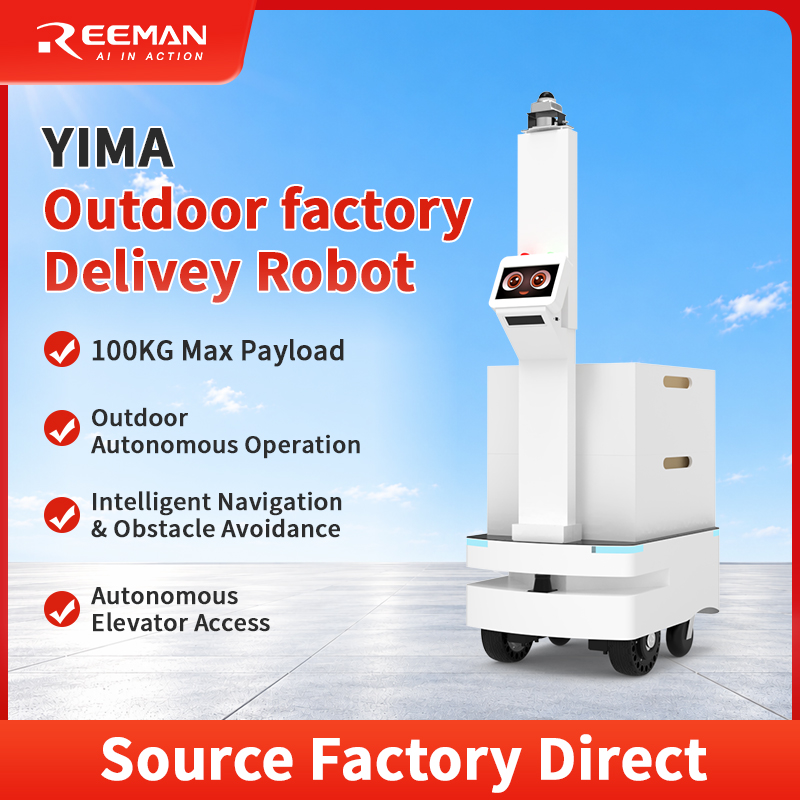
REEMAN Outdoor Delivery Robot 100kg Payload Autonomous Navigation Obstacle Avoidance Elevator Access Warehouse Logistics
A 100 kg outdoor delivery robot with autonomous navigation, obstacle avoidance and elevator access. It can support resort, hospital, campus and warehouse logistics where goods must move across mixed indoor and outdoor routes.
Manufacturer Facts Pattaya Buyers Can Verify
Elvorn’s public company profile, factory data and quality credentials reduce sourcing risk for overseas buyers who cannot visit Shenzhen on every shortlisting cycle.
Why Pattaya Is a Strategic Market for Mobile Robot Platforms
Pattaya is no longer only a leisure destination. It combines beachfront hotels and resorts, condominium estates, international hospitals, shopping malls, exhibition venues, logistics operators and the manufacturing corridor linked to Laem Chabang, Chonburi and Rayong. That mix creates a specific automation brief: robots must work in mixed human environments, handle repetitive transport, respect guest safety and still be simple enough for local teams to operate after commissioning.
The phrase “mobile robot platform” matters because buyers are not only purchasing a machine. They are selecting a navigation stack, safety architecture, battery strategy, fleet-management layer and integration interface. Elvorn’s in-house R&D covers laser SLAM navigation, motion control, fleet scheduling and hardware. For Pattaya and EEC projects, that means layout changes can be discussed without magnetic tape or reflector installation, while open SDK and API options support WMS, MES, ERP and custom task-dispatch scenarios.
For procurement teams, the most useful information gain comes from matching the platform to the site rather than comparing headline payload alone. A hotel back-of-house route has different floor transitions, lift access and pedestrian density from a 3PL warehouse near Laem Chabang. A mall advertising robot has different duty cycles from a 1.5-ton autonomous forklift feeding an EEC production line. The right shortlist therefore combines payload, aisle width, lift height, navigation type, charging plan, safety zoning, documentation and after-sales support.
Where Mobile Robots Fit in Pattaya and the EEC
Pattaya projects usually need a practical mix of guest-facing service, back-of-house transport and industrial material flow. These scenarios are the most common starting points for a manufacturer-direct quotation.
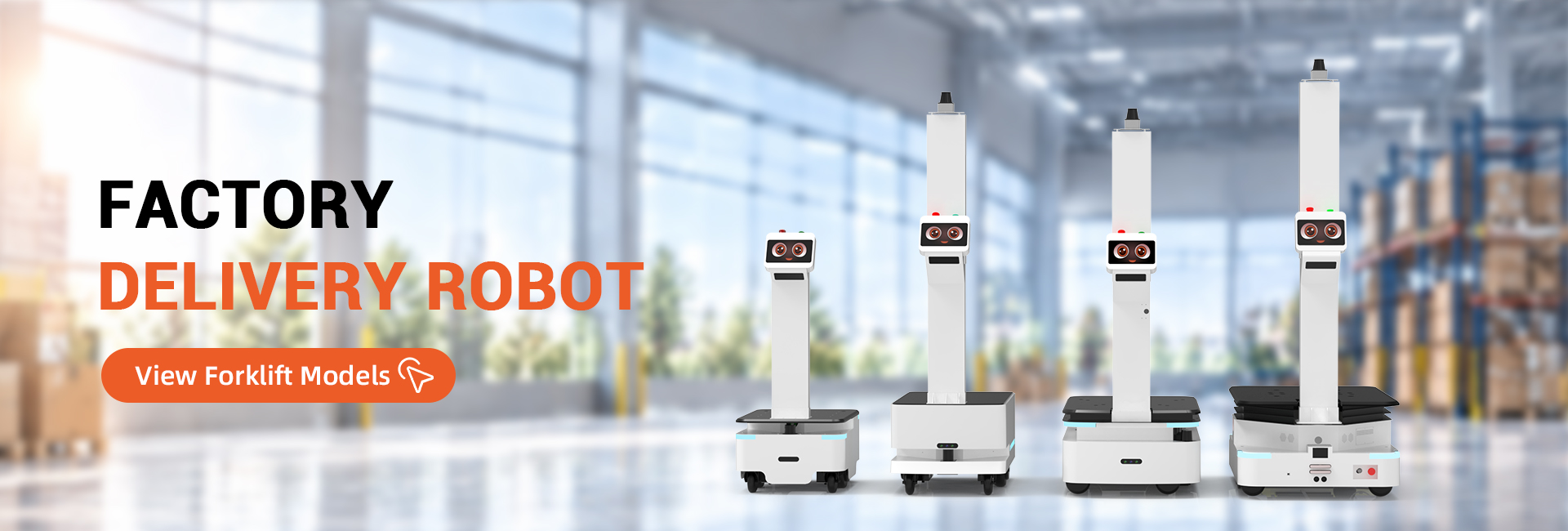
Guest Delivery and Back-of-House Support
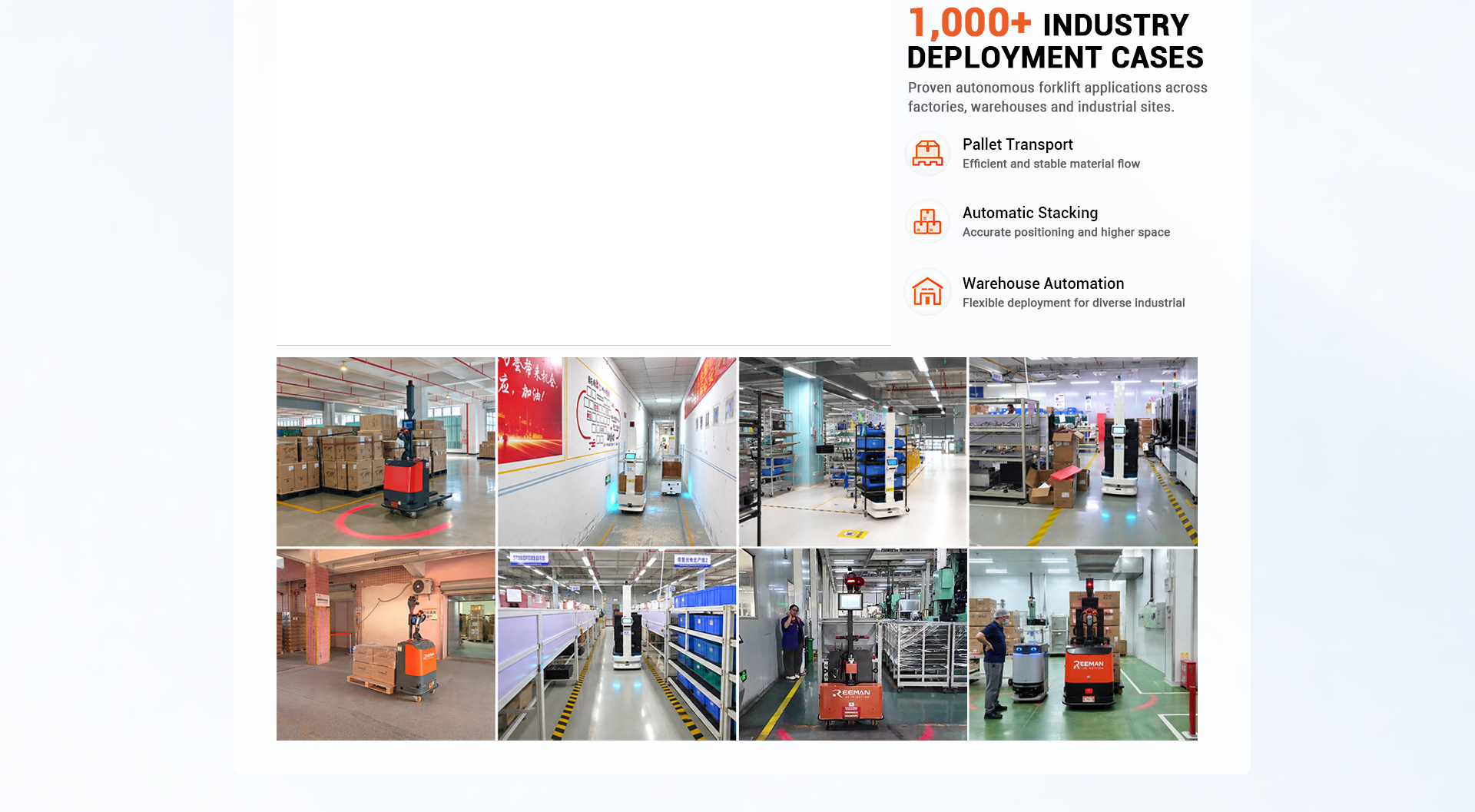
Delivery robots can handle amenity, linen or room-service runs, while 1-ton autonomous forklifts move pallets in back-of-house storage. The goal is not to replace hospitality staff, but to remove repetitive walking and lifting so teams spend more time on guest service.
Promotions, Wayfinding and Interactive Signage
Dual-screen advertising robots and 75-inch touch displays can support promotions, event activations and multilingual visitor guidance. For Pattaya’s tourism-heavy retail environment, mobile signage adds flexibility because campaign locations can change without reinstalling fixed screens.
Pallet Flow Near Laem Chabang
Warehouses serving Pattaya, Chonburi and Laem Chabang need flexible pallet movement across receiving, put-away and dispatch zones. Laser SLAM forklifts reduce dependence on fixed guide paths, which is useful when racking layouts or seasonal storage plans change.
Line-Side Material Feeding
Factories in the Eastern Economic Corridor can use 600 kg lifting AMRs, 1T/1.5T autonomous forklifts and ROS2-based platforms for line-side feeding, work-in-progress transfer and finished-goods movement. Integration with MES, WMS or custom dispatch tools should be reviewed during solution design.

Quiet Transport and Floor Care
Clinics, international hospitals, exhibition halls and large commercial facilities can evaluate delivery robots for documents or supplies and cleaning robots for scheduled floor care. Site-specific validation should cover lift access, cleaning chemicals, operating hours and pedestrian safety.
Last-100-Meter Delivery
The 100 kg outdoor delivery robot is relevant to resorts, gated communities, campuses and warehouse yards where goods must move between buildings. Elevator access and obstacle avoidance are useful, but final performance depends on route width, slopes, rain exposure and the actual lift-control interface.
Why Pattaya Buyers Shortlist Elvorn as a Manufacturer-Exporter
Procurement teams compare far more than unit price. They check whether the supplier owns the navigation stack, can customize the payload, provides export documentation and supports the fleet after delivery.
Full-stack Laser SLAM R&D
Elvorn owns laser SLAM navigation, motion control, fleet scheduling and hardware development in-house. This accelerates customization and allows engineering answers to focus on your site instead of relying on floor tape or reflector installation.
Open SDK, API and System Integration
AMRs and robot chassis can provide open SDK and API for secondary development. Integrators can connect robots to WMS, MES, ERP, elevators, doors and custom dashboards, which is critical for Pattaya projects involving existing property or factory systems.
Modular Payload Architecture
From 60 kg delivery robots to 1.5-ton autonomous forklifts, Elvorn builds on shared control and fleet-management logic. That modularity simplifies operator training and spare-part planning when a buyer operates several robot types across a property or industrial site.
Multi-Layer Safety for Mixed Spaces
Lidar, obstacle sensors, emergency stops and speed zoning help protect pedestrians, guests, staff and forklift traffic. Pattaya sites often mix public and back-of-house areas, so safety parameters should be confirmed during site survey and commissioning.
Own Production Capacity and Quality Control
Two production bases in Shenzhen and Ningbo support assembly, testing and customization. The company management system is certified to ISO 9001 and ISO 14001, and the factory has been verified onsite by SGS Group, giving overseas buyers a clearer audit trail.
Export-Ready Documentation and Support
English documentation, remote commissioning, operator training and spare-part supply support buyers across five regional markets. Export terms include FOB, with T/T payment in USD or CNY, and OEM, design service and buyer-label options for channel partners.
Automation Trends Shaping Pattaya-Area Procurement
The local business case is being shaped by tourism recovery, labor pressure, logistics investment and higher expectations for safety and integration.
Labor Pressure and Service Consistency
Pattaya’s hospitality and retail sectors face recurring challenges in shift coverage, repetitive walking and peak-season workload. Robots are increasingly evaluated not as novelties, but as tools that maintain service consistency during late shifts, weekends and high-occupancy periods. Buyers should compare duty cycle, charging time and operator workload before choosing a platform.
EEC and Logistics Corridor Investment
The Eastern Economic Corridor and Laem Chabang logistics cluster continue to attract manufacturing and distribution investment. That increases demand for AMRs, autonomous forklifts and robot chassis that can integrate with warehouse or production software. For Pattaya-area buyers, a supplier that understands both hospitality and industrial duty cycles is more useful than a single-category vendor.
Smart-Space Safety and Integration Expectations
Hotels, malls, hospitals and factories increasingly expect robots to work with lifts, access control, signage systems and management dashboards. They also expect clear safety rules around pedestrians, cleaning equipment and forklift traffic. Open SDK/API, English documentation, remote commissioning and long-term spare-part support are becoming part of the buying decision, not an afterthought.
How to Scope a Pattaya Deployment with Useful Data
A credible quotation should be based on the route, load, environment and integration requirement, not only the model name. This four-step framework helps buyers prepare the right information before contacting a manufacturer.
Four inputs that improve quotation accuracy
- 1Map the physical flowRecord aisle width, pallet or cart type, lift height, floor condition, ramps, thresholds, door widths and lift access. For warehouse projects near Laem Chabang, include racking layout and peak throughput by hour.
- 2Define the environmentState whether the route is indoor, outdoor or mixed. Pattaya’s coastal humidity, rain exposure, salt air, lighting and pedestrian density should be discussed during engineering review, especially for outdoor delivery or open-yard operations.
- 3Select payload and navigationCompare 100 kg delivery, 600 kg lifting AMR, 1-ton, 1.2-ton and 1.5-ton autonomous forklifts against actual loads. Confirm whether laser SLAM without tape or reflectors is suitable, and check battery, charging location and safety zoning.
- 4Validate integration and serviceList WMS, MES, ERP or elevator interfaces, operator language requirements, spare-part expectations and training needs. Ask for remote commissioning scope, test records and documentation before purchase order.
Indicative Pattaya application fit
Scores are indicative planning aids for first-round discussion, not performance guarantees. Final fit depends on site survey, load verification, safety assessment, environmental conditions and system-integration scope.
E-E-A-T Signals Behind the Elvorn Offer
Experience, expertise, authority and trust are not slogans for an export buyer. They are evidenced through factory audits, certifications, patent count, production capacity and after-sales processes.
R&D and Software Ownership
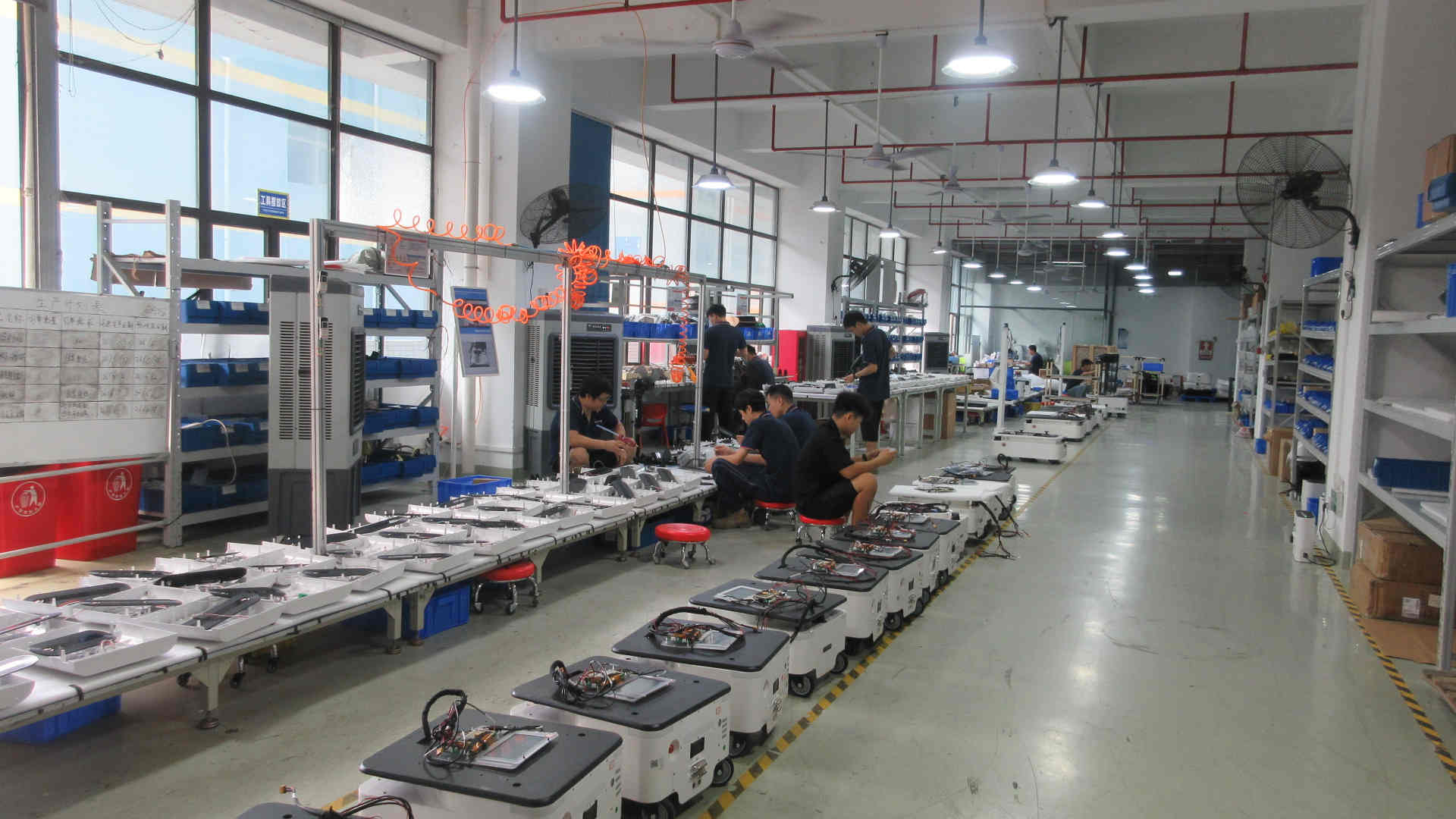
Founded in 2015, Shenzhen Elvorn Intelligent Equipment Co., Ltd. is a national high-tech enterprise focused on robotic platform technology and autonomous driving. Its team covers navigation, motion control, fleet scheduling and hardware, supported by 39 awarded patents.

Production and Quality Control
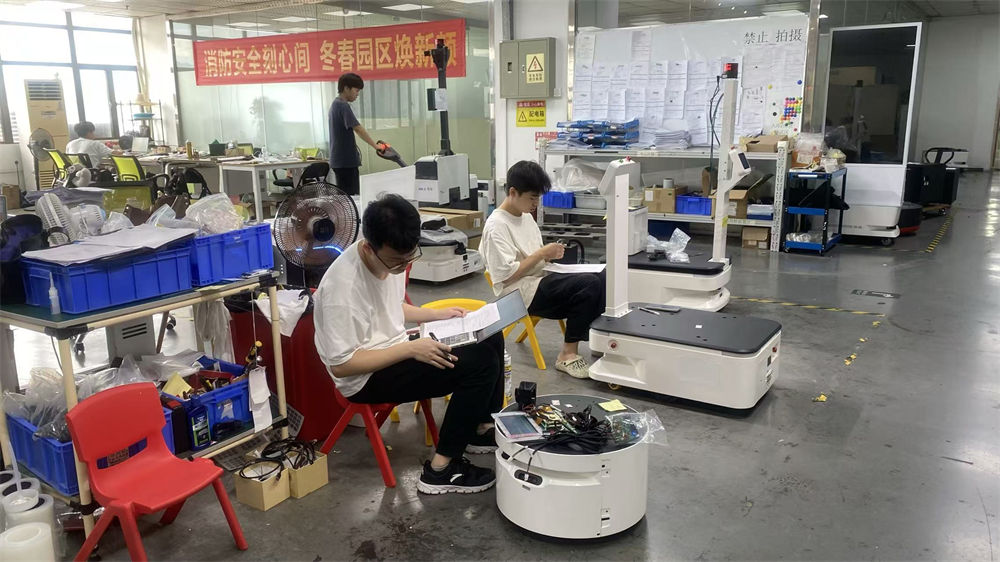
Two production bases in Shenzhen and Ningbo cover assembly, testing and customization. The management system is certified to ISO 9001 and ISO 14001, and the factory has been verified onsite by SGS Group. Model-dependent CE, FCC and PSE marks support target-market compliance discussions.
Export Packing and Long-Term Support
Elvorn exports to North America, Western Europe, Eastern Asia, Southeast Asia and the Middle East. Export orders use FOB terms and T/T payment in USD or CNY. English documentation, remote commissioning, operator training and spare-part supply help Pattaya buyers manage deployment after shipment.
Local Procurement, Shipping and Support Questions
These are the questions overseas buyers most often ask when evaluating a mobile robot platform for Pattaya, Chonburi, Rayong or the wider EEC area.
Can you ship a mobile robot platform to Pattaya, and what trade terms do you use?
Yes. Elvorn ships worldwide from Shenzhen. Pattaya-bound equipment is commonly arranged through a freight forwarder via Laem Chabang Port or air cargo when urgency requires it. The original site terms state FOB shipping and T/T payment in USD or CNY. The Thai importer or customs broker should confirm the final HS code, duty, VAT and import documentation before order placement.
Are the robots suitable for Pattaya’s humidity and coastal air?
This must be reviewed site by site. Pattaya’s coastal humidity, rain exposure, salt air, cleaning chemicals and floor conditions can affect maintenance intervals and component protection. Buyers should share indoor, outdoor or mixed-route details, operating hours and cleaning procedures. Elvorn can then advise which model and protective measures should be discussed during the engineering review.
What is the difference between an autonomous forklift and an AMR?
An autonomous forklift, or AGV forklift, lifts and moves pallets between floor, dock and rack positions. An AMR is a mobile platform that carries totes, carts, shelves or top modules. Both Elvorn product lines use laser SLAM navigation, so magnetic tape or floor reflectors are not required in the standard navigation concept. The choice depends on whether the task is lifting pallets or transporting loads on a platform.
Do you offer OEM, ODM or buyer-label customization?
Yes. As a verified custom manufacturer, Elvorn offers OEM service, design service and buyer-label options. Customization can cover top modules, payload structures, branding, packaging and software interfaces, subject to project review. If a Pattaya buyer needs Thai-language prompts, multilingual signage or a specific user interface, this should be scoped during quotation rather than assumed as a standard feature.
How is installation handled, and can Elvorn support remote commissioning?
Deployment depends on site mapping, route validation, integration scope and operator training. English documentation, remote commissioning and spare-part supply are part of the export support model. For complex projects involving lifts, WMS/MES interfaces or multiple robot types, a staged commissioning plan should be agreed before shipment so local teams know what site preparation is required.
Which certifications and company credentials can I verify?
Depending on the model, Elvorn robots carry CE, FCC or PSE marks. The company management system is certified to ISO 9001 and ISO 14001, and the factory has been verified onsite by SGS Group. Buyers can also review public company-profile information, supplier assessment records, patents and transaction history for due diligence. Final certificate scope should match the exact model and destination market.
Send Your Pattaya Layout, Load and Throughput Data
Share your site plan, pallet or cart dimensions, lift access, operating hours and integration requirements. Elvorn’s engineering team can recommend the right autonomous forklift, AMR, delivery robot or advertising platform and prepare a manufacturer-direct quotation for export to Thailand.
Get a Quote info@elvornbot.com