Eight Robot Platforms Recommended for Denpasar Multi-Robot Projects
The eight models below are production platforms from Elvorn’s autonomous forklift, AMR, and service robot lines. They are not a catalogue dump: each has a clear role in a coordinated Denpasar deployment, from 3 m aisle pallet movement to hotel and mall engagement. Product URLs are preserved for engineering review.
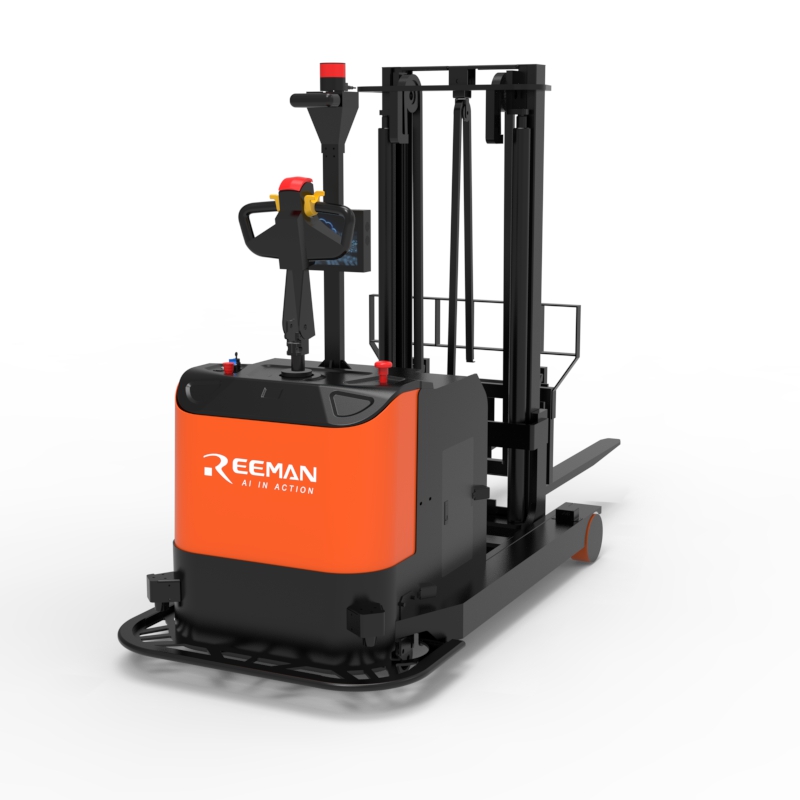
Reeman Autonomous Electric Stacker Forklift 1.2 Ton
Li-Ion 48V 30Ah, 2500 mm lift, laser navigation, and a 3 m aisle footprint. A strong first unit for Denpasar warehouses that need pallet shuttling without floor tape.
- 1.2 t load · 3 m aisle
- Laser SLAM · Li-Ion
- Stacking and low-rack work
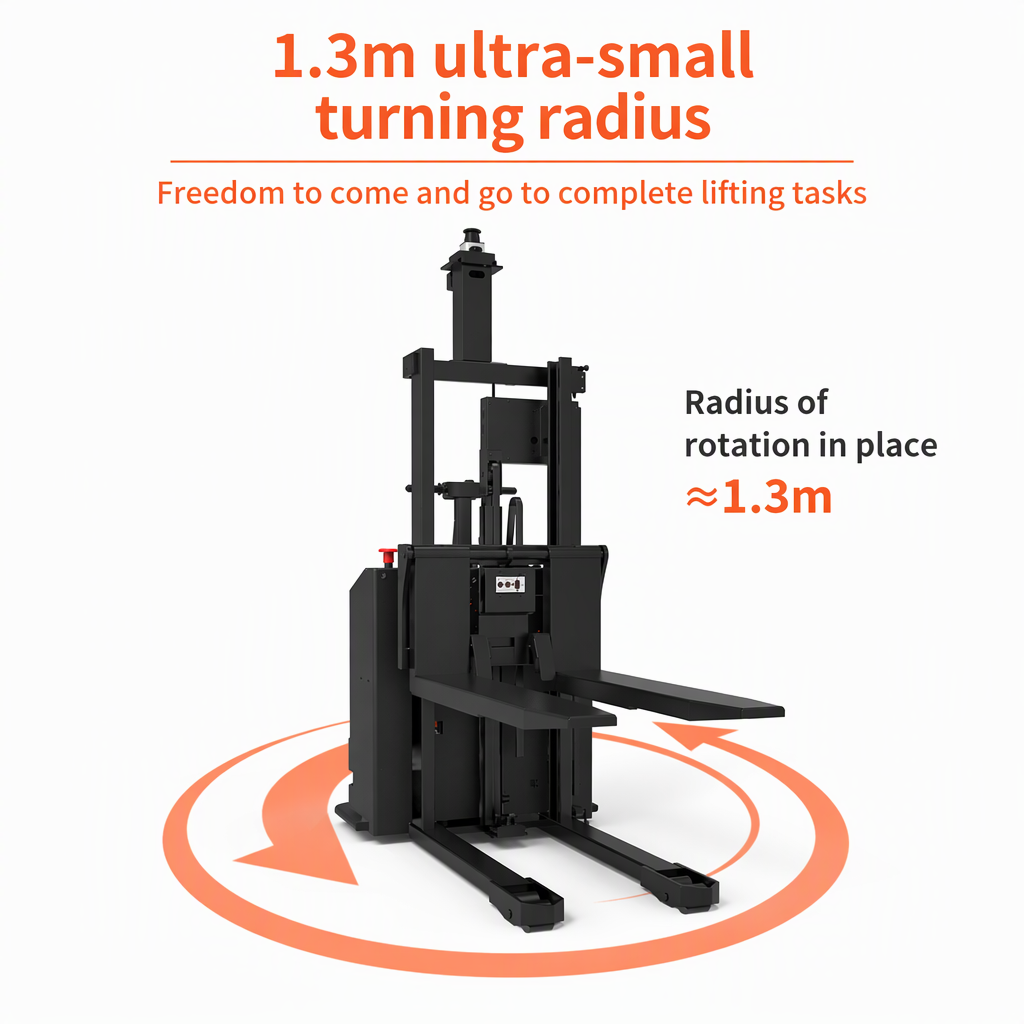
REEMAN Autonomous Electric Forklift 1T Payload
48V 30Ah LiFePO4 battery and indoor material handling AGV design. Best suited to compact factory cells, line-side replenishment, and repetitive pallet moves where route changes are frequent.
- 1 t payload
- LiFePO4 battery
- Indoor handling
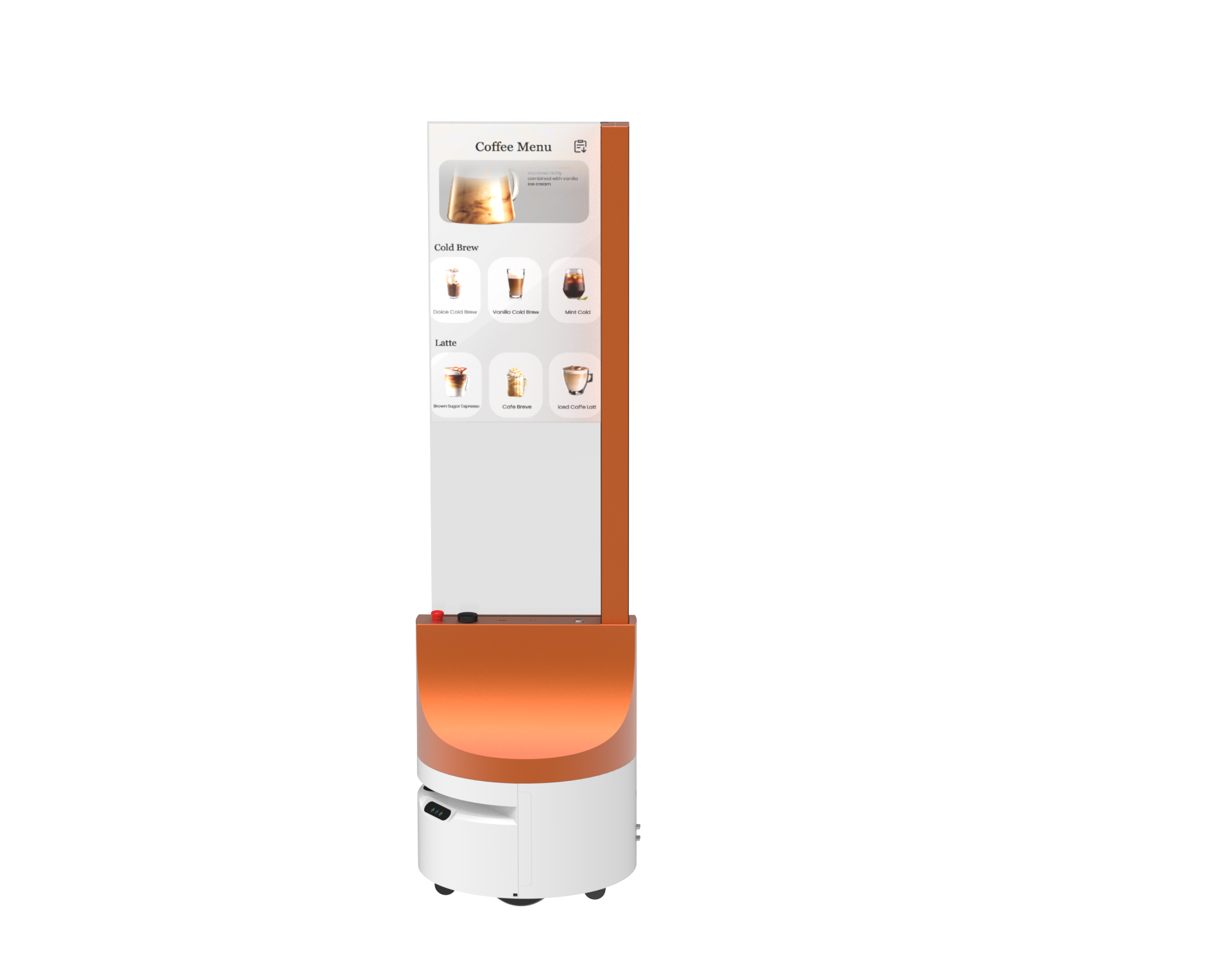
REEMAN 30 Inch OLED Transparent Screen Mobile Advertising Robot
1080 × 1920 FHD 9:16 display, Wi-Fi, and app remote control. Useful for hotel lobbies, shopping centers, exhibitions, and wayfinding zones where a moving digital sign can support staff.
- 30" transparent OLED
- 1080 × 1920 FHD
- Wi-Fi app control
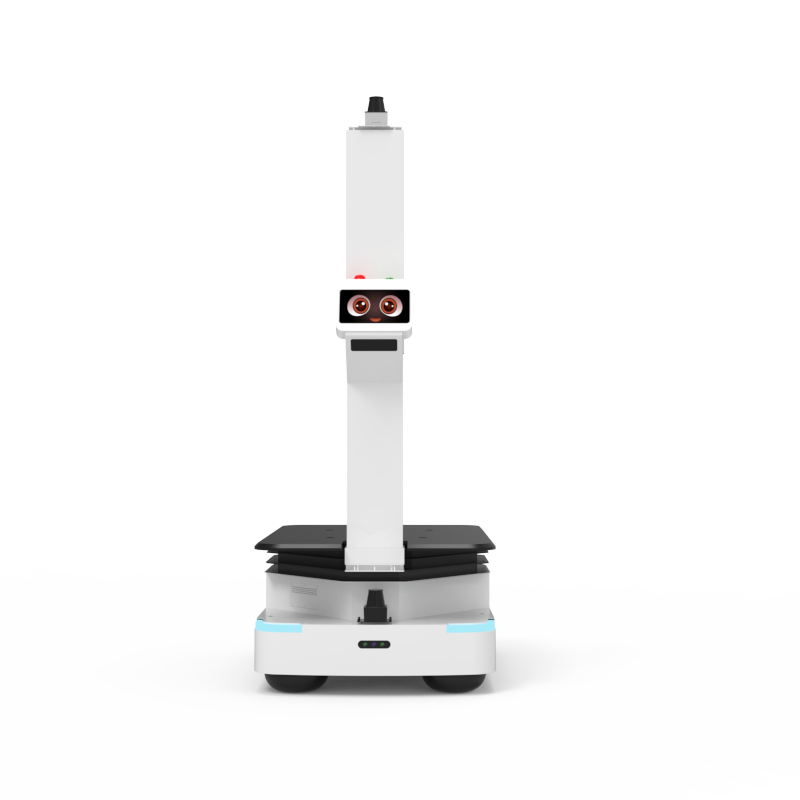
600kg Industrial AMR AGV Robot Laser SLAM
QR code-free factory logistics with laser SLAM navigation. A practical platform for cross-area transfers, line-side delivery, and coordinated material flow in Denpasar light manufacturing sites.
- 600 kg class
- Laser SLAM
- No QR code route
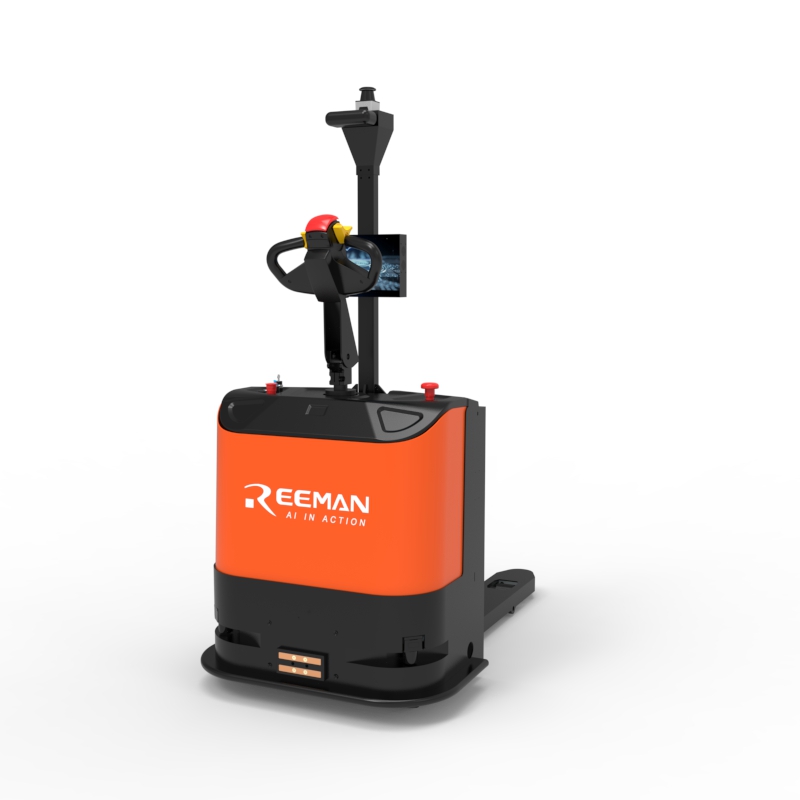
Reeman BBOT30F 1500kg Laser SLAM Autonomous Pallet Stacker AGV
Single-line lidar obstacle avoidance and warehouse transport capability. Recommended for denser storage areas where pallet stacking, low-rack handling, and repeatable routes dominate the workload.
- 1,500 kg capacity
- Single-line lidar
- Pallet stacking
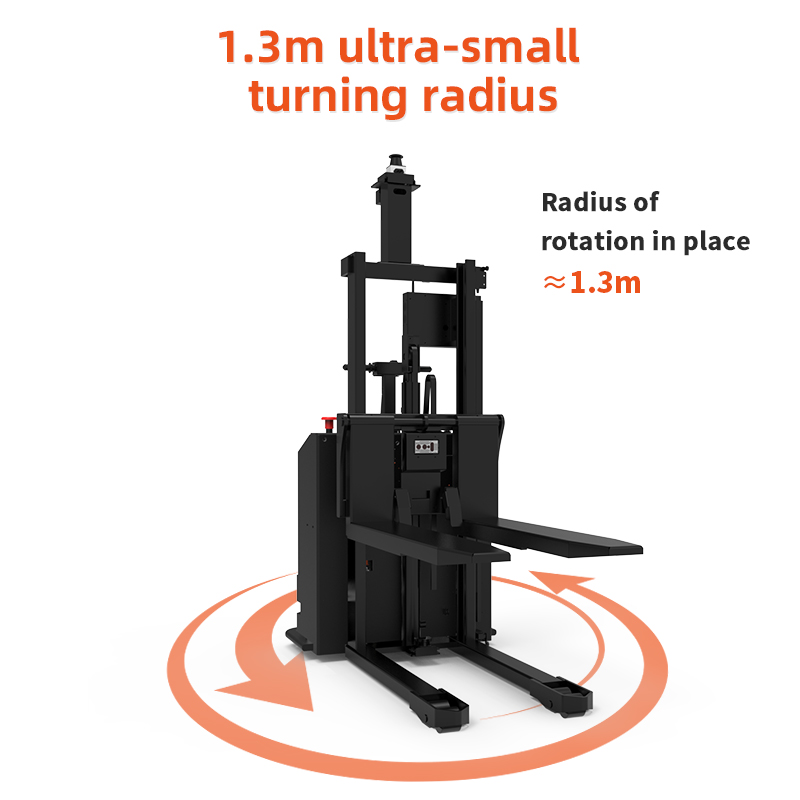
1000kg Forklift AGV Laser SLAM Navigation Pallet Transport Robot
1.3 m turning radius and auto charging for factory logistics. This model helps Denpasar buyers tighten pallet flow in space-constrained buildings without installing magnetic tape or reflectors.
- 1,000 kg load
- 1.3 m turning radius
- Auto charging
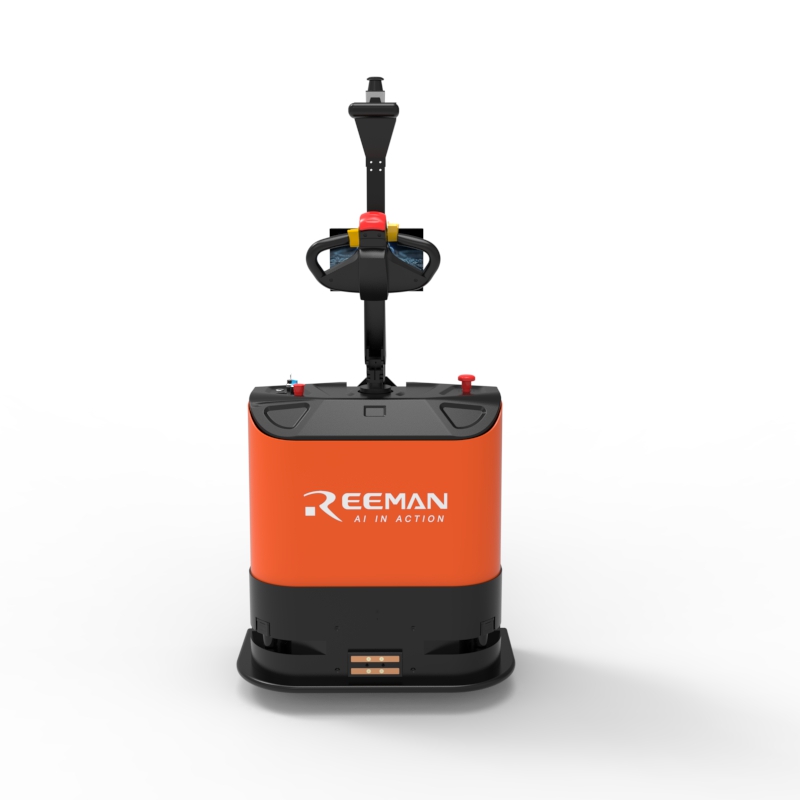
1500kg Laser SLAM Autonomous Forklift AGV Reflector-Free
Point-to-point warehouse material handling without reflectors. A good fit for multi-zone sites where pallet routes change by shift and the fleet must share traffic rules with manual equipment.
- 1,500 kg capacity
- Reflector-free SLAM
- Point-to-point transfer
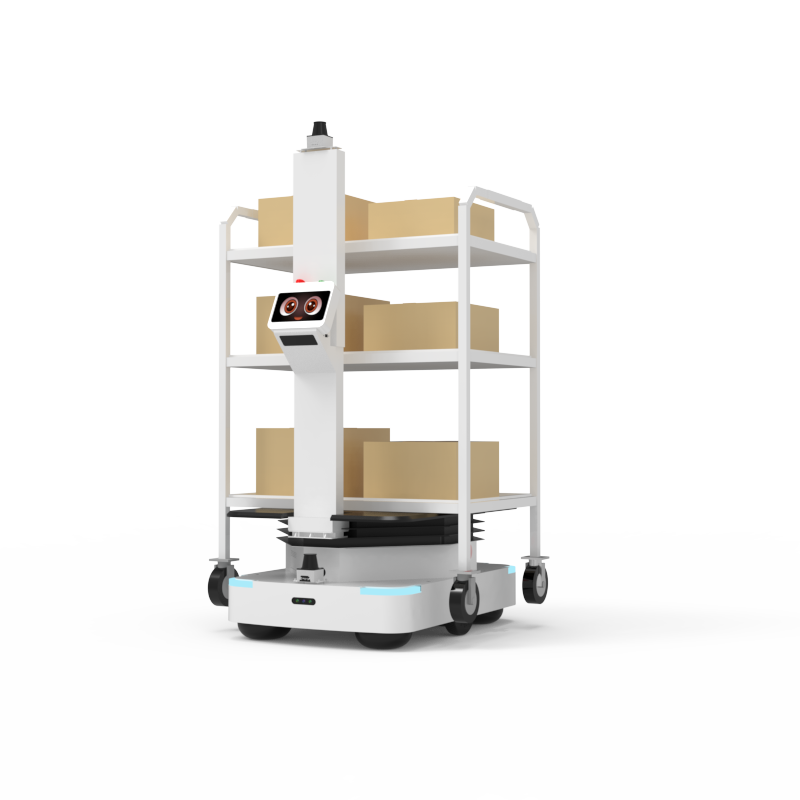
600KG Industrial Heavy Load AMR Robot Laser SLAM
Auto lifting mobile platform for in-plant material handling. Recommended for moving totes, carts, fixtures, or custom top modules between workstations in a coordinated AMR fleet.
- 600 kg heavy load
- Auto lifting platform
- In-plant handling
Factory data verified onsite by SGS Group · ISO 9001 / ISO 14001 management systems · CE, FCC, or PSE marks depending on model
Why Denpasar Needs Multi-Robot Coordination—Not Just One Automatic Machine
Denpasar is not a generic warehouse market. The city combines tourism and hospitality peaks, dense retail corridors, Bali’s narrow service roads, mixed pedestrian and forklift traffic, and a logistics chain that reaches through Benoa and the wider Indonesian archipelago.
For a warehouse manager near Denpasar’s logistics corridors or a hotel engineering team in Kuta, automation must do more than move a pallet or display a promotion. It must fit the site, talk to existing systems, and keep working when Wi-Fi, power, or staffing changes. That is why a coordinated fleet is different from buying several standalone robots.
Elvorn’s coordination-first architecture starts with shared laser SLAM maps, zone and right-of-way rules, fleet-level task allocation, charging arbitration, and an open SDK/API layer for WMS, MES, ERP, or service dashboards. In practical terms, a 1.2-ton autonomous stacker, a 600kg lifting AMR, and a 30-inch mobile advertising robot can share a site map while following different safety envelopes and job priorities.
Most Denpasar projects do not fail because a robot cannot lift a pallet; they fail because the fleet was not planned around local traffic, power reliability, and service distance. That is why we start with the site survey, not the price list. Buyers should ask for the traffic rule set, the charging plan, the fault-escalation path, and the spare-parts list before comparing unit prices.
Illustrative Denpasar Scoping Weights
How early projects often prioritize evaluation criteria during site discussions.
Illustrative discussion weighting, not a performance guarantee. Final priorities depend on your site data and acceptance criteria.
Shared SLAM Map & Zone Rules
One site map, multiple robot types, and clear right-of-way rules for aisles, lifts, docks, and pedestrian crossings.
Fleet Scheduler & Charging Logic
Task allocation, queue management, charging arbitration, and shift-based priorities keep the fleet productive.
Human-in-the-Loop Safety
Lidar, obstacle sensing, emergency stops, speed zoning, and recovery procedures for mixed manual and automatic traffic.
Open Integration Layer
SDK and API access for WMS, MES, ERP, elevator, door, or custom dashboard integration — with clear scope and test criteria.
Where Coordinated Robots Fit in Denpasar and Greater Bali
The best robot mix depends on floor layout, load type, guest or staff traffic, and the service model. These are the localized scenarios our application engineers review first with Denpasar buyers.
Warehouse & 3PL Operations
For pallet movement, dock-to-storage transfer, and low-rack stacking, the 1.2-ton stacker, 1.5-ton pallet stacker AGV, and 1.5-ton autonomous forklift can be scheduled as one fleet. Shared maps reduce route conflicts when inbound receiving peaks before and after Bali retail cycles.
Hotels, Resorts & Event Venues
In Kuta, Seminyak, Sanur, Nusa Dua, and Ubud, back-of-house corridors can be tight and guest areas busy. The 30-inch OLED advertising robot supports lobby communication and wayfinding, while compact AMRs can move linens, amenities, or event materials on defined service routes.
Retail, Malls & Exhibitions
Mobile advertising robots give retail teams a moving digital surface without fixed signage. For stock movement behind the sales floor, the 600kg AMR or lifting AMR can handle totes and carts on scheduled loops, coordinated with loading and cleaning windows.
Light Manufacturing & Workshops
For denim, handicraft, food processing, or electronics workshops, line-side replenishment and finished-goods transfer can use 600kg AMRs and 1-ton forklift AGVs. The key is mapping narrow aisles, workstation handovers, and manual forklift traffic before choosing fleet size.
Healthcare, Labs & Airport Support
Hospitals, clinics, laboratories, and airport-like facilities need predictable internal logistics and clear safety zoning. Lifting AMRs can move supplies between storage and departments, while mobile display robots support visitor guidance and information delivery.
Port, Forwarding & Controlled Environments
Near Benoa and surrounding forwarding points, dock-to-storage movement and pallet staging can benefit from 1.5-ton autonomous forklifts and auto-charging AGVs. For humidity, coastal air, or controlled-temperature areas, confirm the protection package, maintenance interval, and floor conditions during the site survey.
220V / 50Hz Power Review
Map charging locations, breaker capacity, earthing, and backup power before fleet sizing.
Wi-Fi & Route Coverage
Test signal strength along the actual route, including service corridors, lifts, and loading docks.
Floor, Ramp & Pallet Quality
Review aisle width, floor flatness, dock height, pallet condition, and pedestrian crossings.
Humidity & Service Distance
Plan corrosion protection, spare parts, bilingual training, and remote commissioning support.
Localized Trends Shaping Denpasar Automation Decisions
Denpasar buyers are moving from curiosity to structured procurement. The most competitive proposals now explain how the fleet will operate, not only what the robot can lift.
Fleet-First Pilots Replace Single-Robot Tests
Buyers increasingly test two or three robots with shared maps and task rules, because a successful single unit does not prove that a fleet can avoid congestion at peak times.
Compact Navigation for Constrained Layouts
Three-metre aisles, 1.3 m turning radii, reflector-free SLAM, and no floor tape are becoming practical requirements in Bali buildings where layout changes are common.
Integration-First Procurement
WMS, MES, ERP, access control, and service dashboards are now part of the buying decision. An open SDK/API reduces the risk of a robot becoming an isolated island.
Lifecycle Support Beats Lowest Unit Price
Remote commissioning, spare-parts planning, operator training, and clear escalation paths matter more when the supplier is outside Bali and the buyer needs uptime, not just delivery.
Factory-Level Advantages That Reduce Risk for Denpasar Buyers
Founded in 2015, Shenzhen Elvorn Intelligent Equipment Co., Ltd. is a national high-tech enterprise focused on robotic platform technology and autonomous driving. Our in-house team covers laser SLAM navigation, motion control, fleet scheduling, and hardware design — so customization does not depend on an outside software vendor.
Our manufacturing footprint includes 5,200㎡ across two production bases in Shenzhen and Ningbo, a team of more than 200 people, 39 awarded patents, and a 98.76% response rate. The factory has been verified onsite by SGS Group. Management systems are certified to ISO 9001 and ISO 14001, and individual models carry CE, FCC, or PSE marks depending on configuration.
For export buyers, Elvorn supports FOB shipment and T/T payment in USD or CNY, with OEM, design service, and buyer-label options. For Denpasar, this translates into English documentation, remote commissioning, spare-parts planning, and a clear escalation path with your appointed local integrator.
- Two production bases
- 39 patents awarded
- SGS-verified factory
- ISO 9001 / ISO 14001
- CE / FCC / PSE models
- OEM/ODM & open SDK/API



Shenzhen & Ningbo
A Five-Step Delivery Method for Denpasar Multi-Robot Projects
A successful fleet is engineered before it is shipped. Our workflow reduces deployment risk for overseas buyers who cannot inspect every route in person.
Site Discovery
Collect layout drawings, load data, pallet type, aisle widths, floor conditions, Wi-Fi coverage, power, and throughput targets.
Fleet & Route Design
Define robot mix, traffic zones, charging locations, task priorities, safety rules, and integration scope with your systems.
Configuration & Factory Test
Confirm fork size, mast height, top module, battery strategy, SDK/API requirements, and functional load testing before shipment.
Export & Remote Commissioning
Prepare export packing, documentation, operator training, site mapping guidance, and acceptance checklists for the Denpasar team.
Optimization & Lifecycle Support
Review KPI data, route conflicts, charging cycles, spare-parts consumption, and expansion needs as the fleet grows.
Evidence Denpasar Procurement Teams Can Verify
Due diligence should go beyond a brochure. Elvorn provides factory verification, management-system certification, model-level marks, and export documentation to support your internal approval process.

SGS Onsite Verification
Factory verification covers business licensing, production capability, and quality-control procedures for buyer due diligence.

CE Marking
CE-marked models are available for European and other markets that recognize CE documentation. Confirm the exact model and configuration.

FCC & PSE Options
Depending on model and destination, FCC or PSE marks may apply. Final import classification and site compliance should be confirmed with your Indonesian customs broker and local safety advisor.
Export terms: FOB · Payment: T/T in USD or CNY · Services: OEM, design service, buyer label · Management systems: ISO 9001 and ISO 14001
Frequently Asked Questions from Local Procurement Teams
These are the questions Denpasar warehouse, hotel, retail, and factory teams most often ask during first-round supplier review.
Can Elvorn robots coordinate with each other and with manual forklifts in a Denpasar warehouse?
Yes. Coordination is designed around a shared site map, traffic zones, right-of-way rules, task priorities, and charging arbitration. Manual forklifts can be included as moving obstacles or restricted-zone users, but the final safety concept must be reviewed against your actual aisle widths, blind corners, pedestrian routes, and operating hours.
What site data should a Denpasar buyer prepare before requesting a quote?
Prepare layout drawings, aisle widths, rack heights, pallet or tote dimensions, load weights, floor conditions, dock details, Wi-Fi coverage, power supply, shift patterns, and target throughput. For hotel or mall projects, include public-area traffic times, service corridors, lift dimensions, and cleaning or event schedules. Clear data shortens the engineering review.
How do you adapt robots to Bali’s humidity, coastal air, and 220V/50Hz power?
We review power configuration, charging locations, earthing, environmental conditions, floor surfaces, and maintenance access during the site survey. For coastal or humid areas, the final protection package, inspection interval, and corrosion-prevention measures must be confirmed by model. Buyers should not assume a standard indoor configuration fits every Bali site without review.
What is the recommended way to import a robot fleet into Denpasar?
Most Elvorn export orders use FOB terms with T/T payment in USD or CNY. The buyer’s customs broker handles Indonesian import formalities, duties, and final delivery. We provide export packing, commercial documents, model information, and commissioning support. For multi-unit projects, plan spare parts and training in the same shipment to reduce downtime risk.
Are Elvorn robots certified for use in Indonesia?
Elvorn holds ISO 9001 and ISO 14001 management-system certification, has been verified onsite by SGS Group, and offers CE, FCC, or PSE-marked models depending on configuration. These are not a substitute for Indonesian import and site-compliance review. Confirm final requirements with your customs broker, local safety advisor, and site engineer before purchase.
Can you customize a robot for a hotel, mall, or factory in Denpasar?
Yes. As a verified custom manufacturer, Elvorn offers OEM service, design service, and buyer-label options, including custom top modules, payload structures, branding, packaging, and software interfaces. For fleet projects, we can scope SDK/API integration, reporting requirements, and expansion plans so the first deployment does not limit the next one.
Turn Your Denpasar Automation Plan into a Coordinated Fleet
Send your layout, load, throughput, shift pattern, and target start date. Our engineers will respond with a model recommendation, fleet architecture, charging concept, and integration checklist. If you are comparing factories and exporters, ask every supplier for the same six items: coordination logic, safety zoning, integration scope, export documents, spare-parts plan, and commissioning support.
Email: info@elvornbot.com · Shenzhen Elvorn Intelligent Equipment Co., Ltd.