Counterbalance Forklifts, Stackers & Automation Platforms for Nashville OEM/ODM Buyers
The product family below combines core autonomous counterbalance and stacker platforms with supporting AMR and smart-facility products available for OEM/ODM programs. Each card preserves its original product URL for deeper specification review.
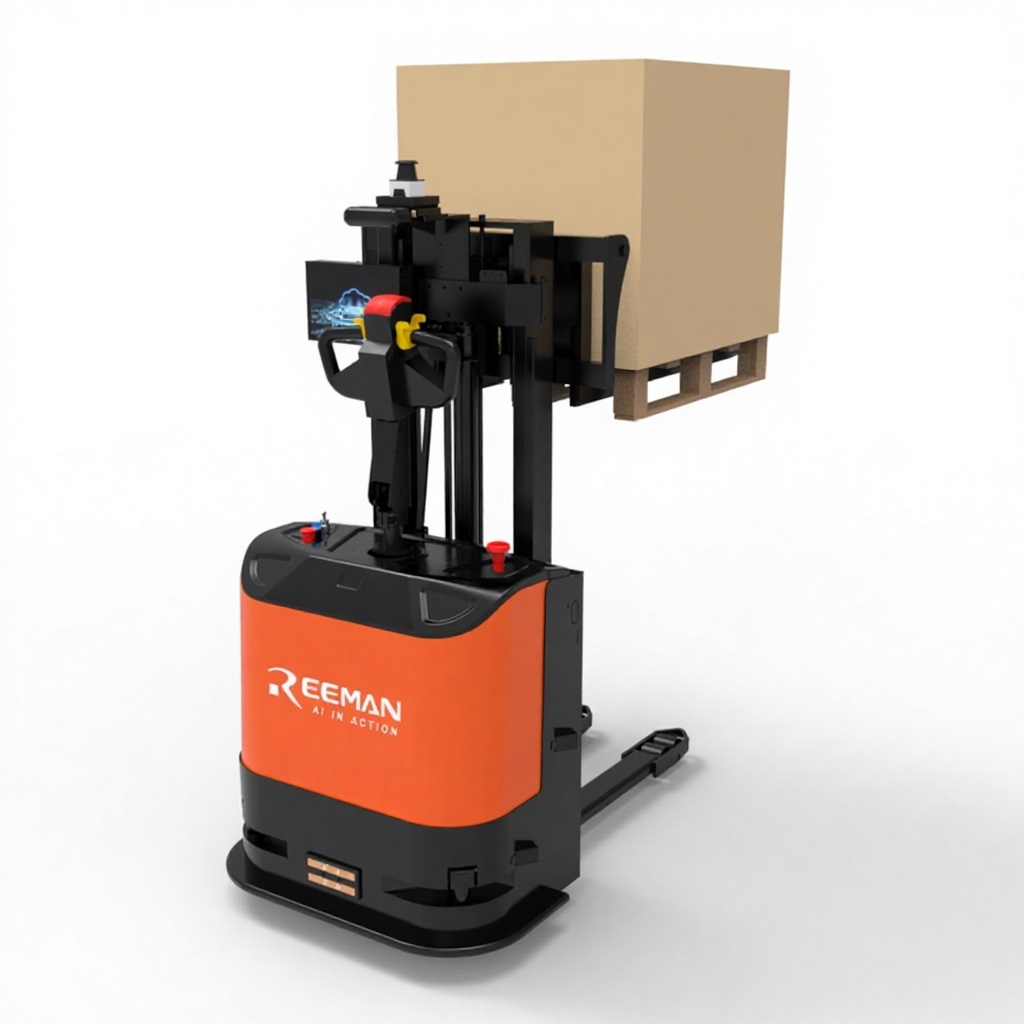
REEMAN Rhino RBOT30F Autonomous Stacker Forklift 3D Vision Obstacle Avoidance Warehouse AGV Robot
A compact stacker with 3D vision and obstacle avoidance for repetitive warehouse pallet moves. Suited to Nashville 3PLs testing automation without magnetic tape or floor reflectors.
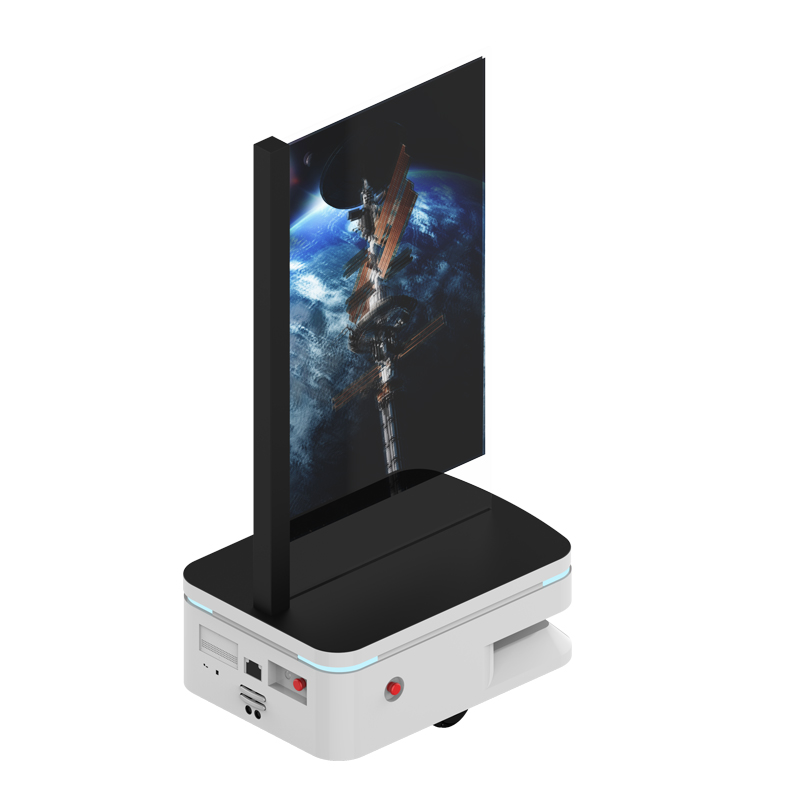
75 Inch Indoor LED Digital Poster Touch Screen Display SDK OEM ODM Black Signage for Retail Store Elevator Airport
An indoor touch display for showrooms, airports and facility lobbies. Available for OEM/ODM branding alongside a wider autonomous forklift or smart-facility rollout.
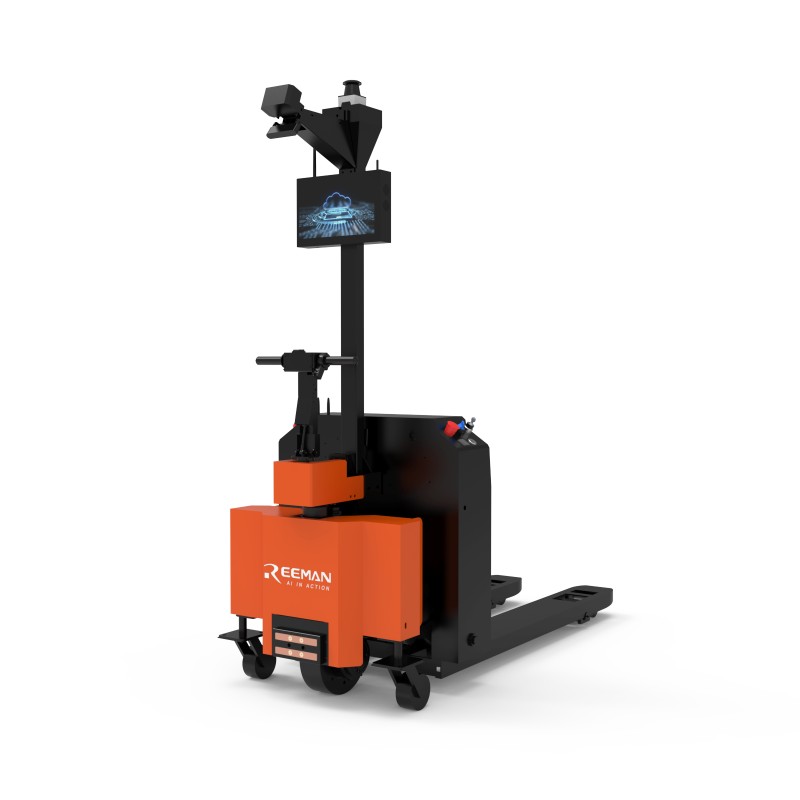
Reeman 2 Ton Autonomous Forklift AGV Laser SLAM Unmanned Pallet Truck 1085mm Fork 10mm Position Accuracy
A 2-ton autonomous laser SLAM forklift with 1085 mm forks and 10 mm position accuracy. A strong fit for dock-to-storage and repetitive pallet travel in Nashville distribution centers.
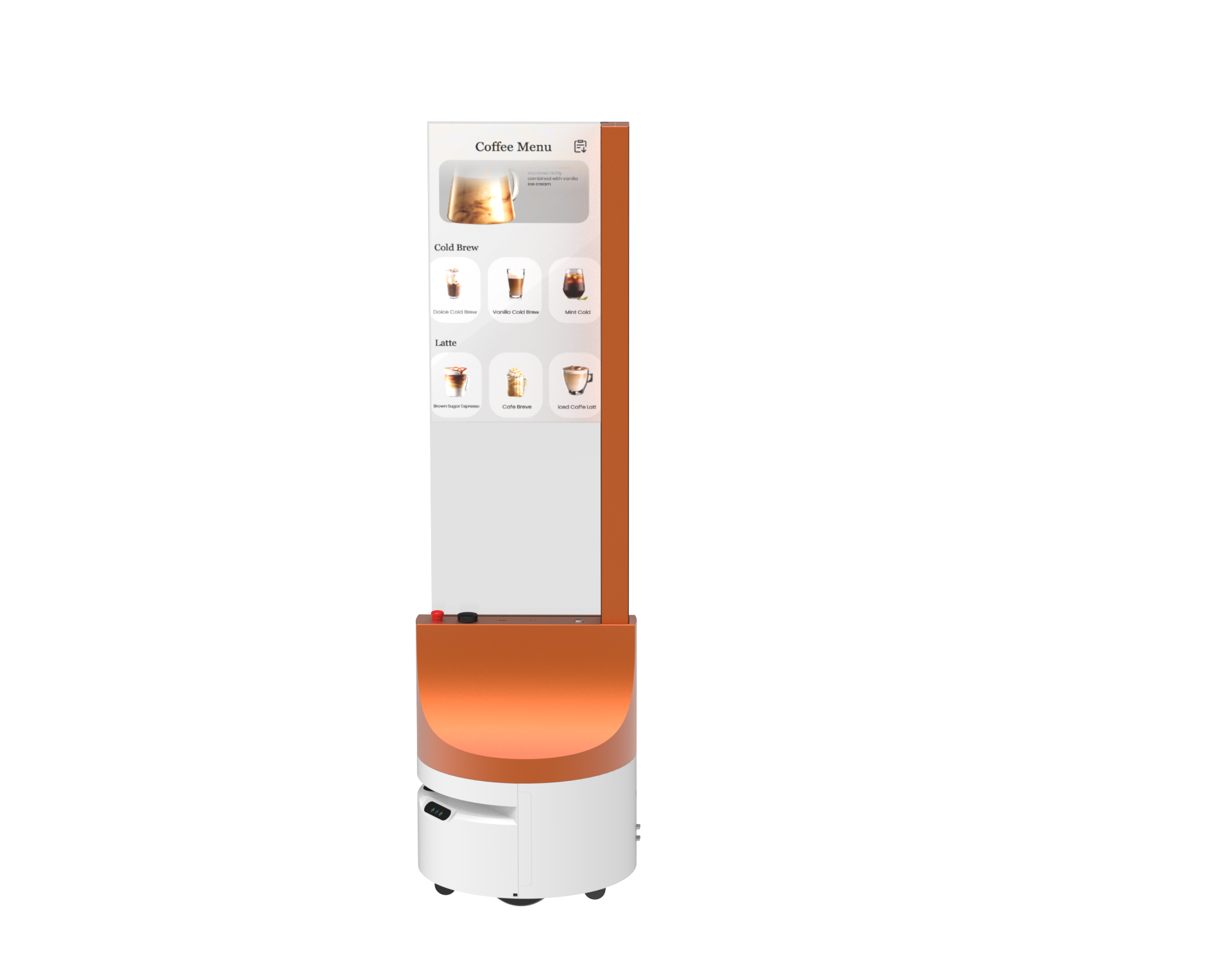
REEMAN 30 Inch OLED Transparent Screen Mobile Advertising Robot 1080 x 1920 FHD 9:16 Wi-Fi App Remote Control
A 30-inch transparent OLED advertising robot with FHD display, Wi-Fi and app control. Useful for Nashville retail, hotels, events and product launches seeking mobile digital engagement.
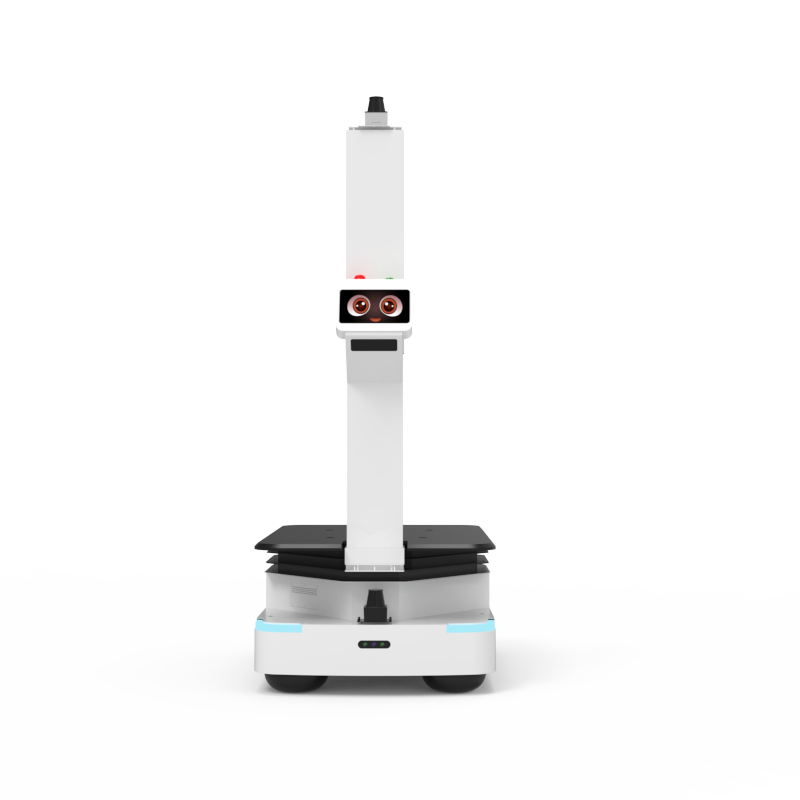
600kg Industrial AMR AGV Robot Laser SLAM Navigation QR Code-Free Factory Logistics
A 600 kg industrial AMR with laser SLAM and QR-code-free navigation for factory logistics. Ideal for line-side replenishment in Middle Tennessee manufacturing plants.
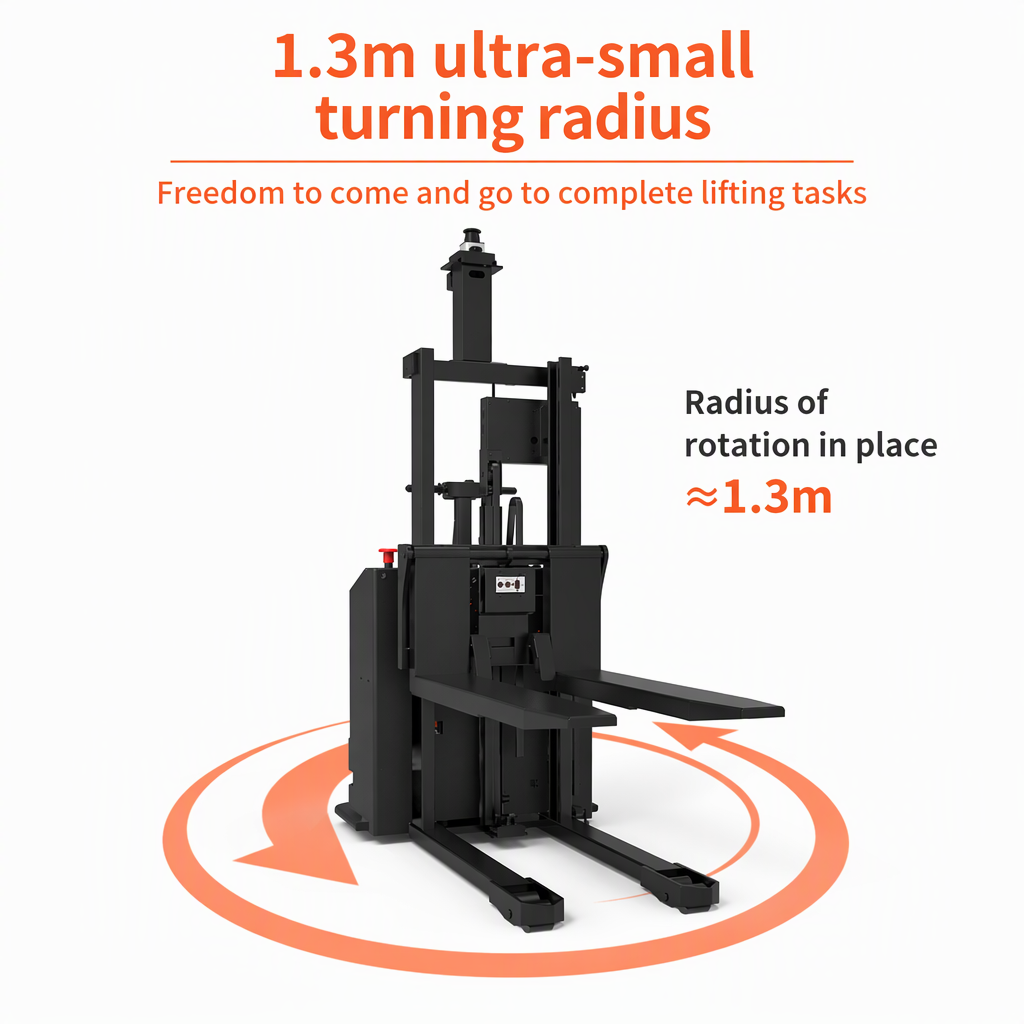
REEMAN Autonomous Electric Forklift 1T Payload 48V 30Ah LiFePO4 Battery Indoor Material Handling AGV
A 1-ton autonomous electric forklift with a 48V 30Ah LiFePO4 battery for indoor material handling. Low-noise, zero-emission operation suits food, healthcare and clean warehouse environments.
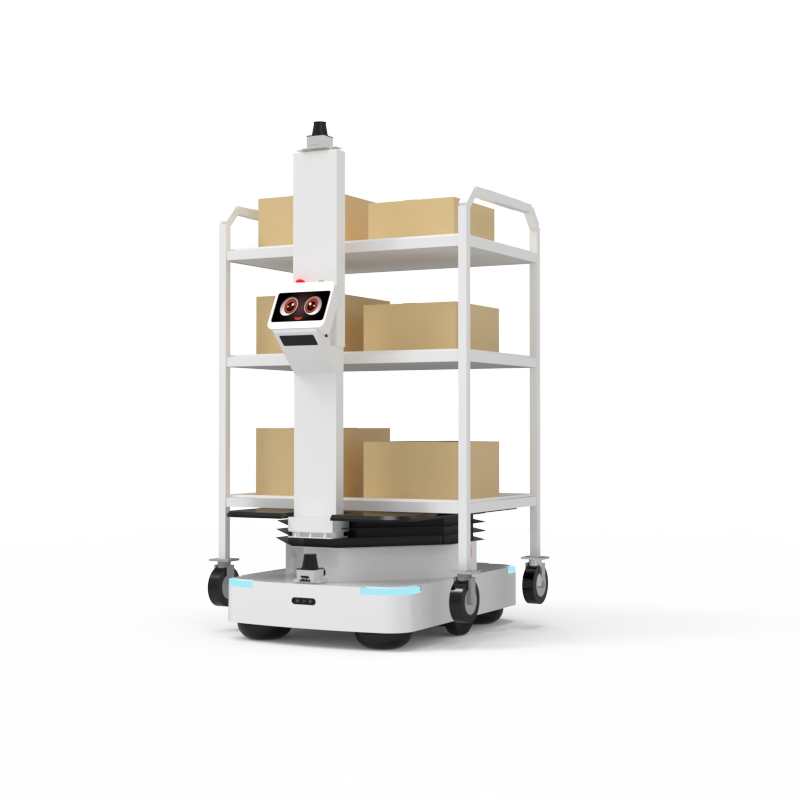
600kg Payload Autonomous AMR Robot Multi Sensor Mobile Material Handling Cart for Production Line
A 600 kg multi-sensor autonomous AMR cart for production lines. Carries totes, fixtures or carts and can be integrated with WMS, MES or custom dispatch systems.
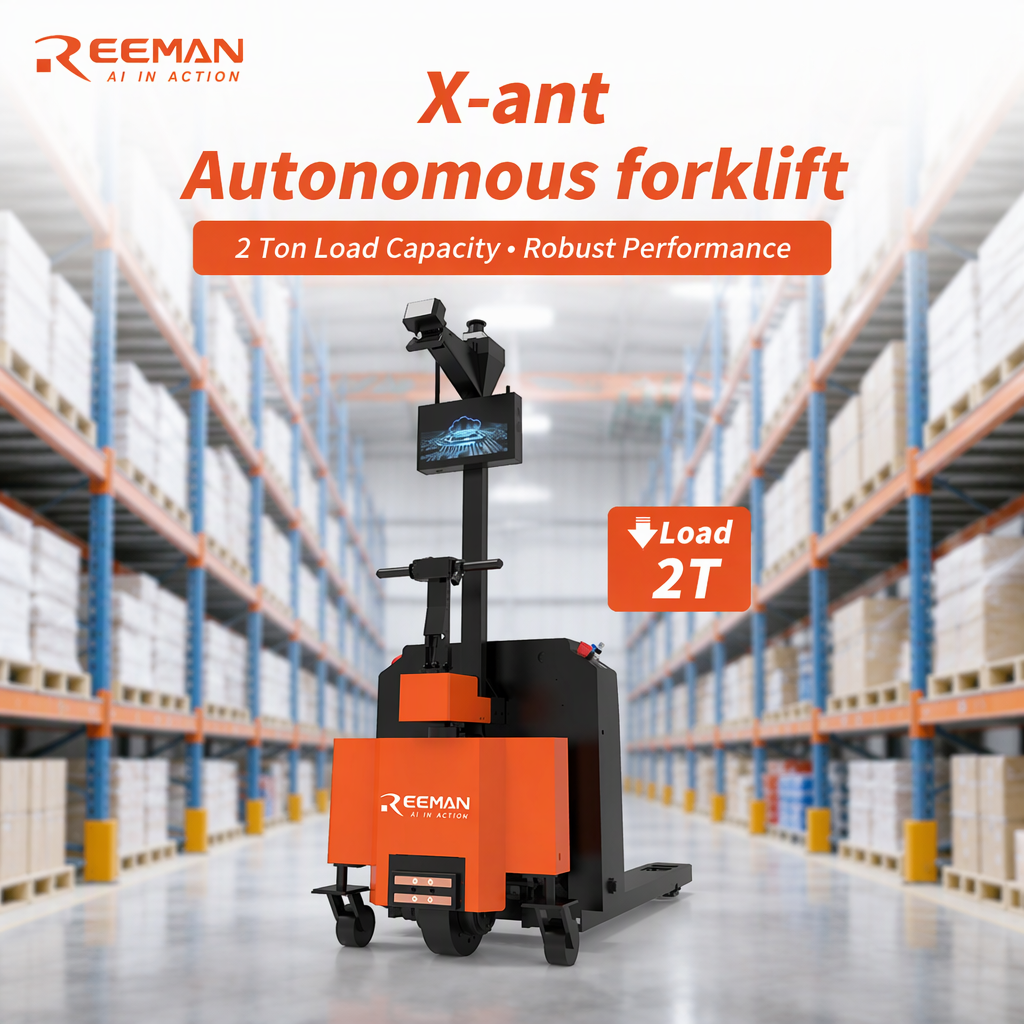
2 Ton Autonomous 4WD AGV Forklift Laser SLAM Navigation Multi-Line LiDAR 10mm Position Accuracy Warehouse Handling
A 2-ton 4WD AGV forklift with multi-line LiDAR and laser SLAM. Built for heavier pallet handling, ramps and demanding warehouse cycles in Nashville industrial facilities.
OEM/ODM Counterbalance Forklift Manufacturers & Factories in Nashville: A Practical Sourcing Guide
When a Nashville buyer searches for OEM/ODM counterbalance forklift manufacturers and factories in Nashville, the intent is usually deeper than finding a catalog. The buyer is comparing a manufacturing partner for custom load capacity, mast height, fork length, battery configuration, safety sensors, software integration, branding and after-sales support—while keeping local service close to Davidson, Williamson, Rutherford, Wilson, Sumner and surrounding Middle Tennessee operations.
Nashville has a strong material handling dealer, rental and systems-integration ecosystem. However, most custom counterbalance forklift production is concentrated in established manufacturing regions rather than in a single local factory. Elvorn does not claim a counterbalance forklift manufacturing plant in Nashville. Our two production bases are in Shenzhen and Ningbo, China, and we support Nashville projects through factory-direct engineering, export documentation, remote commissioning and collaboration with the buyer’s preferred local integrator or service provider.
This distinction matters for E-E-A-T and procurement reliability. A Nashville warehouse operator should separate three questions: Who manufactures the robot? Who integrates it locally? Who supports spare parts and service? Elvorn answers the manufacturing and custom-engineering side; the buyer’s local partner can handle site-specific installation, union coordination, electrical work and ongoing service. That model reduces risk while preserving the cost and customization advantages of OEM/ODM production.
What Nashville Buyers Usually Compare
- Rated capacity at the real load center—not just the headline tonnage.
- Mast collapsed height, raised height and fork length versus racking and doors.
- Battery strategy: LiFePO4, opportunity charging, charger location and shift pattern.
- Safety scope: LiDAR, obstacle sensors, e-stops, speed zones and pedestrian traffic.
- Integration: WMS, MES, ERP, elevator/door control and open SDK/API access.
- Total support: installation partner, training, spare kits and response time.
Where Nashville Counterbalance Forklifts & AMRs Fit
Nashville’s economy spans logistics, advanced manufacturing, healthcare, hospitality and retail. The right automation mix depends on the workflow, floor surface, load center and the amount of mixed pedestrian traffic.
3PL & E-commerce Fulfillment
Use 2-ton autonomous forklifts for dock-to-storage moves, replenishment and outbound staging. Laser SLAM supports layout changes without re-taping aisles, which suits fast-changing Nashville fulfillment networks along the I-40, I-24 and I-65 corridors.
Automotive & Advanced Manufacturing
Middle Tennessee’s automotive and supplier base benefits from 1-ton autonomous electric forklifts and 600 kg AMRs for line-side feeding, WIP movement and finished-goods transfer. Open APIs help synchronize tasks with production and warehouse systems.
Food, Beverage & Consumer Goods
Indoor electric forklifts with LiFePO4 batteries provide low-noise, zero-emission handling for food and consumer-goods warehouses. Buyers should verify washdown, floor grade, aisle clearance and charging strategy before finalizing an OEM configuration.
Building Materials & Yard Transfer
For heavier pallets, ramps and less controlled traffic zones, the 2-ton 4WD AGV forklift with multi-line LiDAR is a stronger starting point. Load center, attachment weight and outdoor-to-indoor transitions should be reviewed during the RFQ.
Healthcare & Institutional Logistics
Nashville’s healthcare cluster can use compact AMRs and 1-ton electric platforms for supply movement, linen or pharmacy logistics where low noise and predictable routes matter. Site risk assessments should address elevators, patient zones and emergency access.
Retail, Hospitality & Music City Events
Transparent OLED advertising robots and 75-inch indoor digital posters can complement forklift automation projects for showrooms, hotels, airports and event venues. These products support OEM/ODM branding and remote content management for Nashville’s visitor economy.
What Is Changing for Nashville Material Handling Teams
Nashville buyers are not adopting automation in isolation. They are responding to land constraints, labor competition, safety expectations and the need for faster customization from integrators and OEM suppliers.
Higher Throughput per Square Foot
As infill industrial space becomes harder to secure across Middle Tennessee, operators look for automation that improves dock turns, storage density and shift-level throughput without expanding the building footprint.
Labor Flexibility & Shift Coverage
Nashville warehouses compete for reliable labor across multiple shifts. Autonomous pallet movers and AMRs help cover repetitive travel, reduce walking time and allow skilled staff to focus on exceptions and quality checks.
Safety in Mixed-Traffic Zones
Laser SLAM, 3D vision, LiDAR, e-stops and speed zoning are now baseline expectations. Still, employers must conduct site risk assessments and verify obligations under OSHA 29 CFR 1910.178 and ANSI/ITSDF B56.1 when autonomous equipment operates near pedestrians.
More OEM/ODM Customization
Local integrators want supplier-side engineering support rather than fixed catalogs. Custom forks, masts, top modules, battery packs, labels, packaging and SDK access shorten project timelines and make the final fleet easier to support.
Why Nashville Projects Shortlist Elvorn for OEM/ODM Counterbalance Forklifts
The following advantages are based on Elvorn’s actual operating profile—not a generic trading-company claim. Buyers can request company documentation, model specifications and assessment records during due diligence.
Full-Stack R&D Under One Roof
Elvorn, founded in 2015, owns core work across laser SLAM navigation, motion control, fleet scheduling and hardware design. That reduces the handoff risk between software, chassis and forklift integration.
OEM, ODM & Buyer-Label Manufacturing
Custom top modules, payload structures, branding, packaging and software interfaces are available on selected platforms. OEM and ODM scope, MOQ and engineering fees are confirmed after reviewing the application.
Two Production Bases
Elvorn operates production bases in Shenzhen and Ningbo with a combined 5,200㎡ footprint and a 200+ team. Separate manufacturing locations improve flexibility for customized robot orders and export schedules.
SGS-Verified Factory Evidence
The factory has been inspected onsite by SGS Group. Management systems are certified to ISO 9001 and ISO 14001, and selected models carry CE, FCC or PSE marks depending on configuration and destination market.
Open SDK & API Integration
AMRs and robot chassis provide open interfaces for secondary development. Integrators can connect task dispatch and status feedback to WMS, MES, ERP, elevator control, doors or custom dashboards.
Export-Ready Documentation & Support
English manuals, remote commissioning guidance, spare-part planning and export packaging support buyers in North America, Europe, Asia and the Middle East. Standard trade terms include FOB and T/T in USD or CNY.


Inside the Production System Behind a Nashville OEM/ODM Order
For high-value capital equipment, procurement teams need verifiable evidence. Elvorn’s public company profile identifies two production bases, an SGS-verified factory assessment, ISO 9001 and ISO 14001 management systems, 39 patents and a 200+ team. These data points help Nashville buyers evaluate supplier depth before moving to sample testing, video factory tours or a formal RFQ.
A realistic Nashville project often begins with a site layout, pallet specification, load center, rack height, daily moves and shift pattern. Elvorn’s engineers then review whether a counterbalance forklift, stacker, AMR or mixed fleet is the best fit—rather than forcing every workflow into one platform.
Certifications and Assessment Evidence Nashville Buyers Can Review
Certification scope varies by model and destination. Buyers should confirm the exact certificate, serial-number coverage and any additional NRTL/UL requirements for the United States before shipment.

SGS Onsite Verified
Factory assessment evidence available.

CE Marking
Available on selected models and configurations.

FCC
Model-dependent documentation for US buyers.
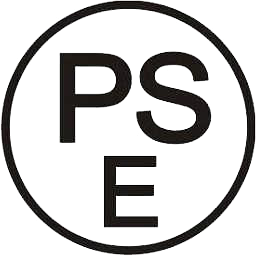
PSE
Available for applicable export configurations.
9001
ISO 9001
Quality management system certification.
14001
ISO 14001
Environmental management system certification.
For Nashville deployments, discuss early whether the project requires NRTL/UL, additional guarding, fire-suppression considerations, specific ANSI/ITSDF B56.1 interpretations or customer-specific insurance documentation. Elvorn can review the configuration and documentation scope during the RFQ, but final site compliance remains the responsibility of the employer and local authority having jurisdiction.
Frequently Asked Questions from Local Procurement Teams
These answers address the practical questions local buyers ask when comparing an OEM/ODM counterbalance forklift manufacturer with a traditional dealer or rental fleet.
Are there OEM/ODM counterbalance forklift factories physically located in Nashville?
What is the difference between OEM and ODM for counterbalance forklifts?
Can you customize a counterbalance forklift for a Nashville site?
Which products should a Nashville warehouse or factory start with?
How do you ship an autonomous forklift to Nashville?
How safe are autonomous forklifts around people in mixed-traffic facilities?
What is the typical lead time from RFQ to operation?
Do you provide spare parts and after-sales support for Nashville buyers?
Request a Nashville-Specific OEM/ODM Counterbalance Forklift Review
Share your load center, aisle width, rack height, daily pallet moves, battery strategy, safety requirements and target go-live date. Our application team will return a model recommendation, customization checklist and export plan for Nashville delivery.
Factory-direct engineering · OEM/ODM customization · SGS-verified production · Export-ready support