8 Factory-Direct Platforms for Canadian Automation Projects
These models show the core manufacturing range relevant to Canadian foodservice, commissary, warehouse and guest-facing projects. Product URLs are retained exactly as supplied; restaurant-specific tray modules, bilingual UI and branding are quoted through the inquiry CTA.
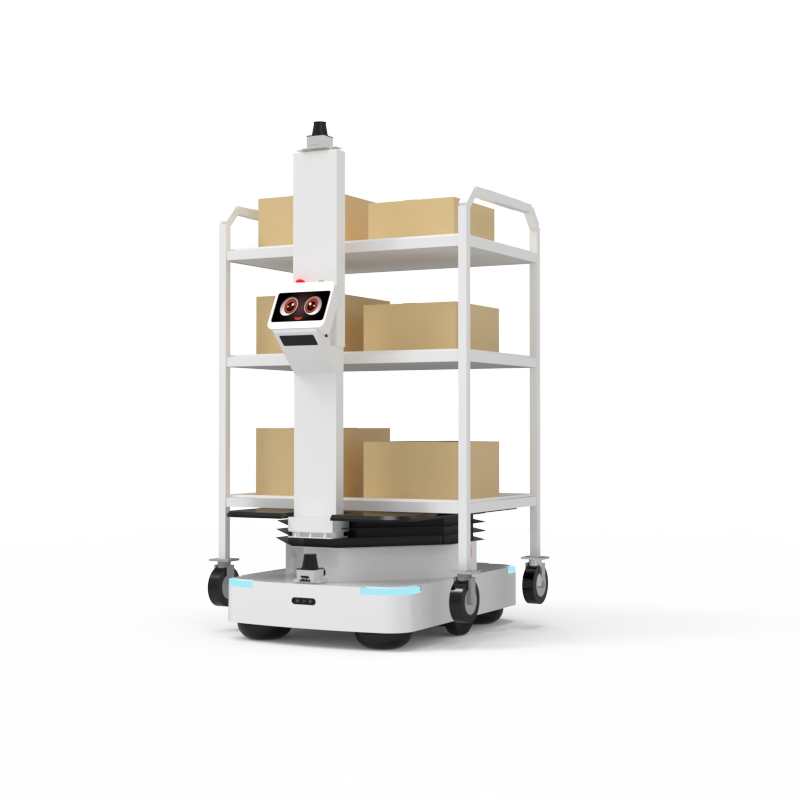
600kg Payload Autonomous AMR Robot Multi Sensor Mobile Material Handling Cart for Production Line
For central kitchen WIP, tray and tote logistics, and production-line feeding where stable 600 kg loads and multi-sensor safety matter.
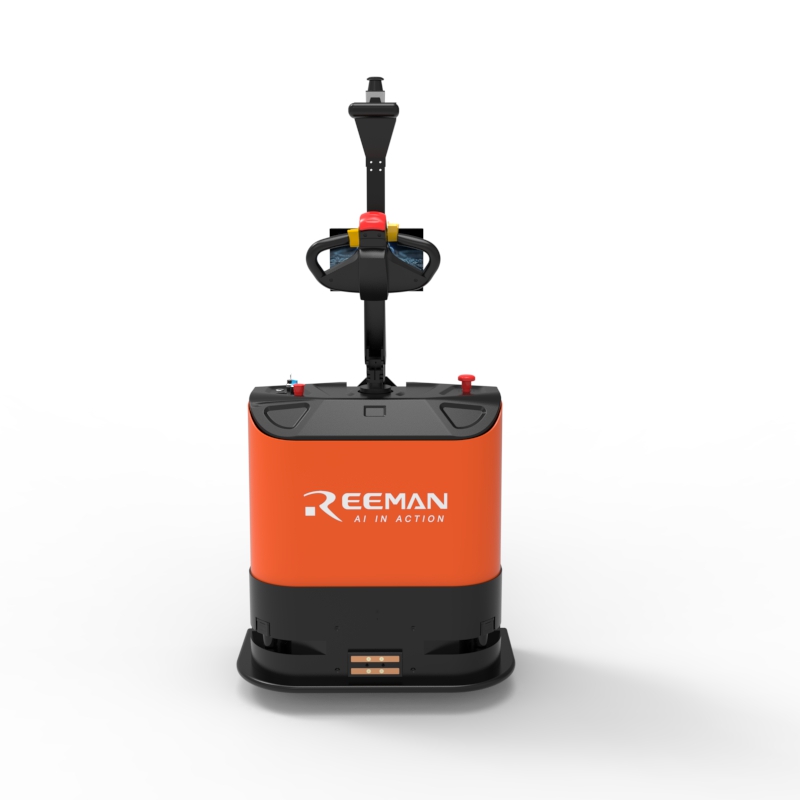
1500kg Laser SLAM Autonomous Forklift AGV Reflector-Free Point-to-Point Warehouse Material Handling
Reflector-free point-to-point pallet movement for food distributors and restaurant supply warehouses that need repeatable throughput.
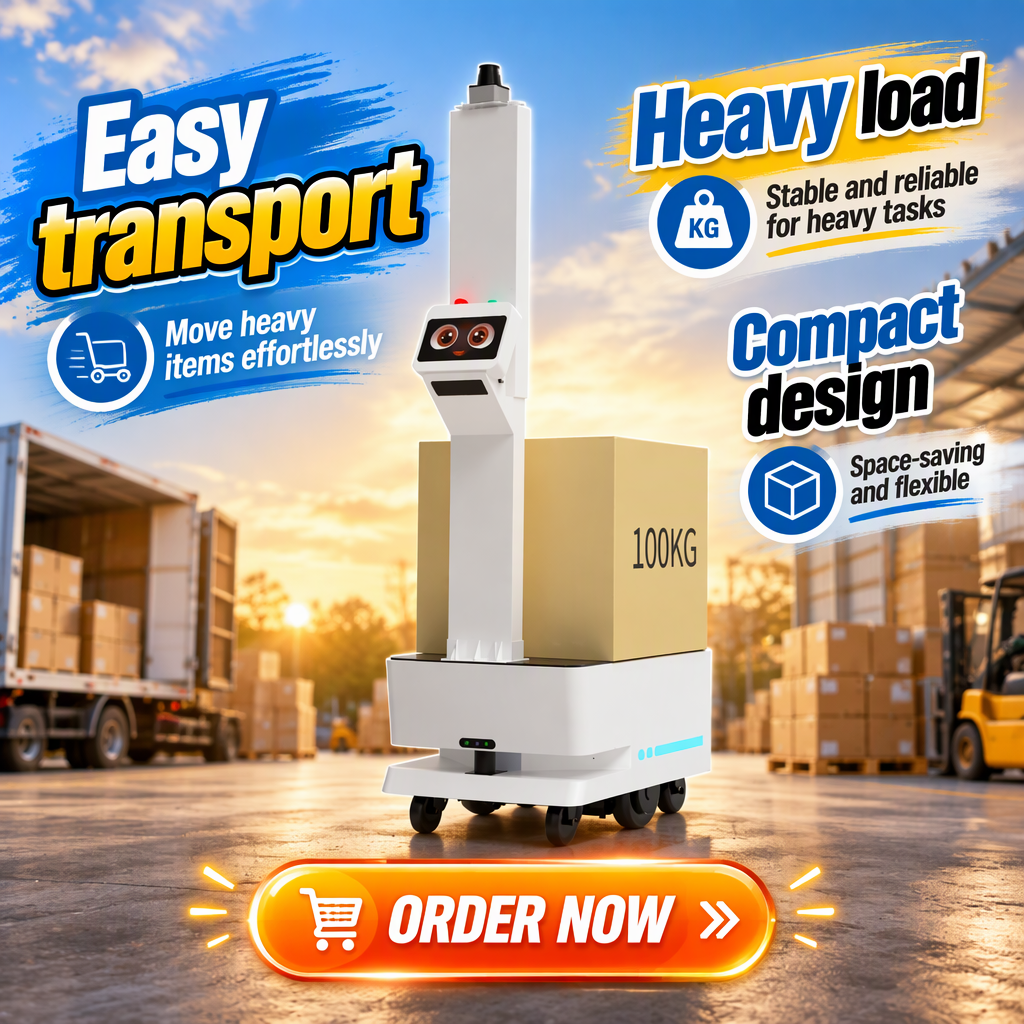
Reeman Autonomous Mobile Robot Slam Navigation PLC Core Components Warehouse Logistics
A scalable AMR platform for warehouse logistics, commissary replenishment and integrator-led automation projects.
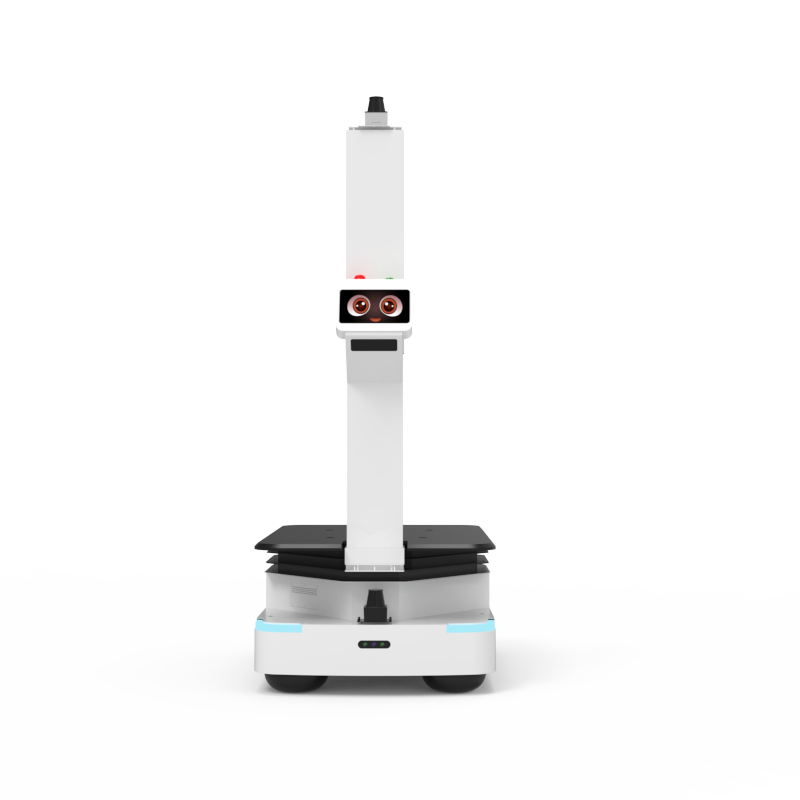
600kg Industrial AMR AGV Robot Laser SLAM Navigation QR Code-Free Factory Logistics
QR code-free navigation for factory logistics and food-production support areas where floor markings are undesirable.
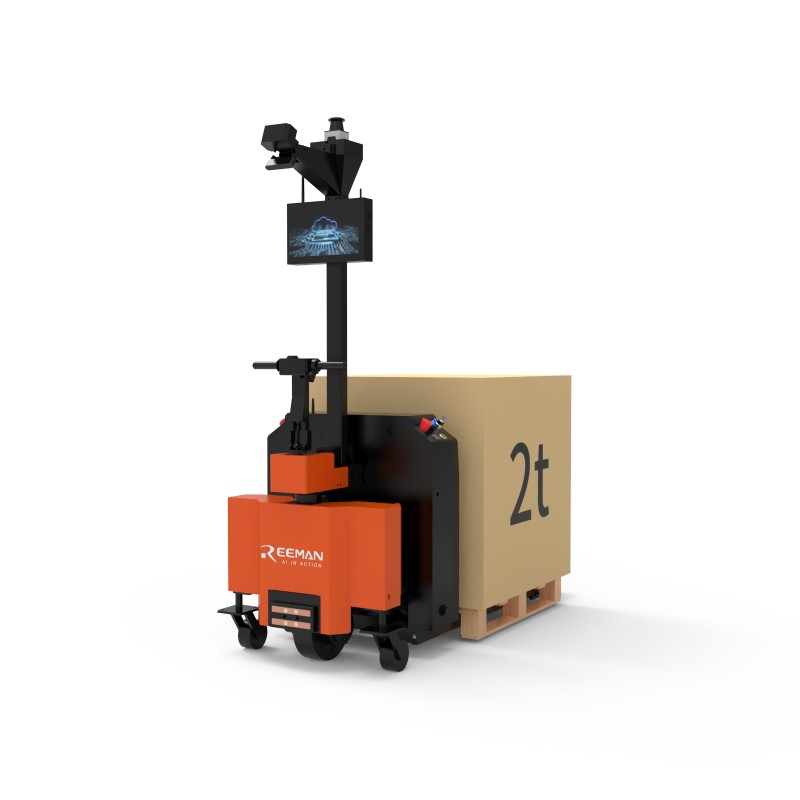
2 Ton Autonomous 4WD AGV Forklift Laser SLAM Navigation Multi-Line LiDAR 10mm Position Accuracy 6-8H Warehouse Handling
Heavy pallet handling with multi-line LiDAR, 10 mm position accuracy and a 6–8 hour operating window; confirm final aisle and load data.
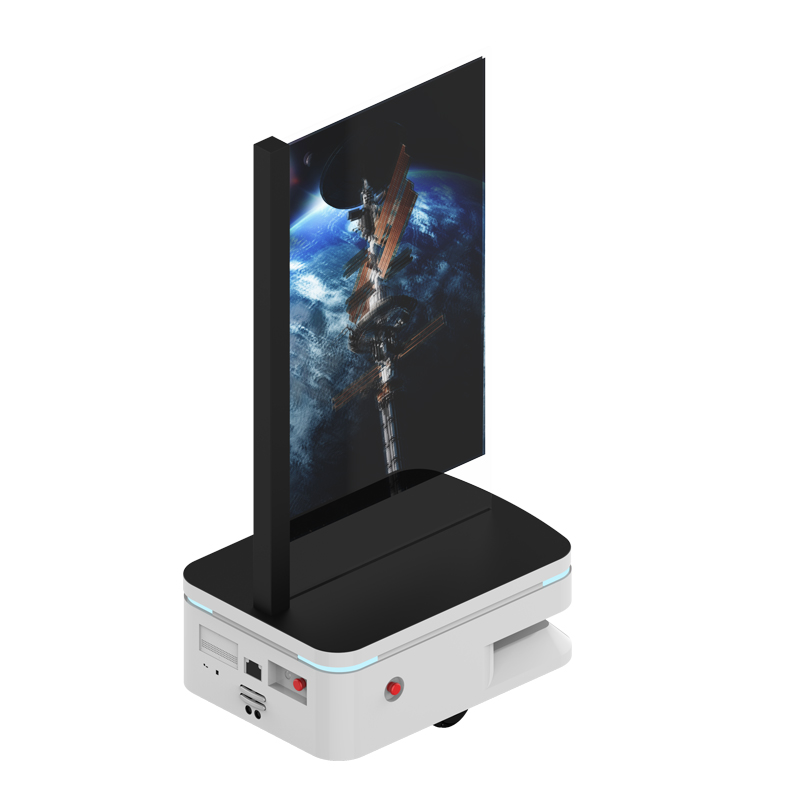
75 Inch Indoor LED Digital Poster Touch Screen Display SDK OEM ODM Black Signage for Retail Store Elevator Airport
For restaurant menu boards, waitlist messages, pickup notices and hotel wayfinding, with SDK/OEM/ODM support available.
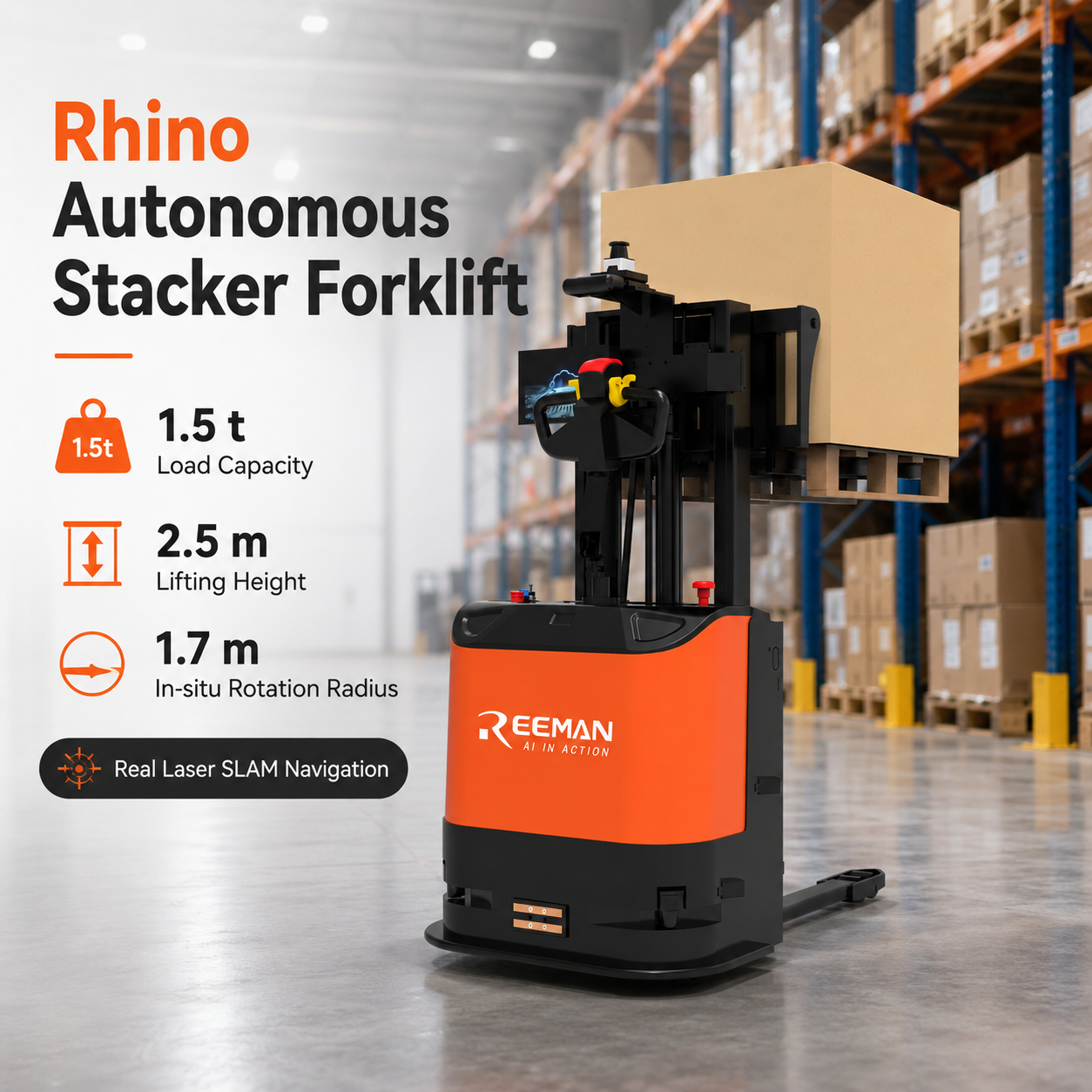
Laser SLAM Autonomous Stacker Forklift 1500 kg Load AGV Pallet Handling Robot Laser Obstacle Avoidance Warehouse
Pallet stacking and low-rack storage for foodservice warehouses, with laser obstacle avoidance and narrow-aisle potential.
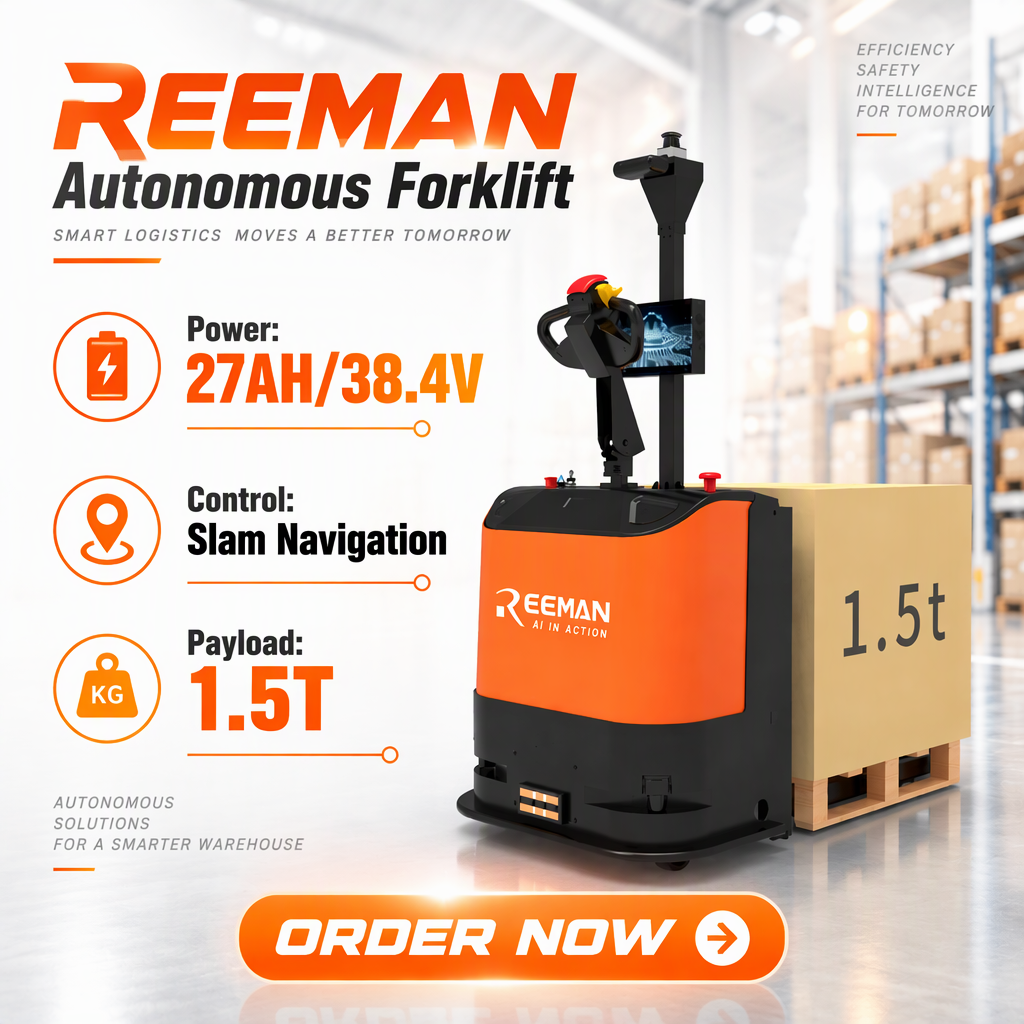
Reeman 1.5 Ton Autonomous Forklift AGV SLAM Navigation 3D Obstacle Avoidance Bidirectional Driving Indoor Warehouse
3D obstacle avoidance and bidirectional driving for indoor warehouses, production feeding and restaurant distribution centres.
Restaurant-specific delivery robots are configured by project. The models above represent the factory’s core AMR, forklift, stacker and digital-signage platforms used in Canadian foodservice, commissary and distribution discussions. For a 60 kg-class food-running robot or a custom tray module, use the inquiry CTA and request the latest service-robot datasheet.
What “Restaurant Delivery Robot Factories & Exporters in Canada” Really Means
Canadian buyers searching for restaurant delivery robot factories and exporters in Canada are usually not looking for another generic robot catalogue. They are trying to answer four commercial questions: who actually manufactures the platform; who can ship and support it in Canada; how the robot will fit a restaurant’s physical layout; and what evidence exists that the supplier can meet safety, documentation and after-sales obligations. A factory-direct exporter can be attractive because it gives access to engineering changes, OEM branding, spare parts and fewer intermediary layers. However, the best supplier is not automatically the lowest-cost unit. It is the one that can document the platform, disclose limitations, support integration and help the operator build a realistic business case.
This guide is written for restaurant groups, hotel operators, commissary kitchens, healthcare foodservice teams and Canadian automation integrators comparing overseas factories and exporters. It separates what can be verified from what must be confirmed at quotation stage, and it uses the same framework our engineering team applies when reviewing a new project: route, payload, floor surface, safety, software, service and total cost of ownership.
Shenzhen Elvorn Intelligent Equipment Co., Ltd. is a China-based manufacturer and exporter founded in 2015. Its product range covers laser SLAM autonomous forklifts, industrial AMRs, robot chassis, commercial delivery, cleaning and disinfection robots. Company data states two production bases in Shenzhen and Ningbo, 5,200㎡ of total floorspace, 200+ team members and 39 awarded patents. For Canadian buyers, that combination matters because a restaurant delivery robot programme often needs more than a single SKU: a front-of-house service platform, a central-kitchen AMR, pallet handling at the distribution warehouse and digital signage for guest communication can all sit in the same automation roadmap.
Recommended Configurations for Canadian Restaurant Delivery and Foodservice Automation
There is no single “restaurant delivery robot” specification. A 20-table Toronto restaurant, a Montreal hotel with room service, and a Vancouver commissary have different route lengths, floor materials and payloads. Use these starting points, then confirm final configuration with a site survey.
Front-of-house food running
For tray delivery, bussing and guest engagement, a 60 kg-class commercial delivery robot with smooth acceleration, bilingual English/French interface and a cleanable tray deck is the usual starting point. Confirm aisle width, ramp gradient, threshold height, table clearance and charging-dock location before a pilot. If the menu includes heavy bulk trays, consider a larger service chassis or a custom tray rack.
Central kitchen & commissary flow
Use the 600 kg AMR or 600 kg industrial SLAM AMR for WIP moves, ingredient totes and line-side replenishment. For pallet-level storage, evaluate the 1.5 ton autonomous forklift or 1.5 ton stacker. These are not front-of-house waiter robots; they are the back-of-house infrastructure that supports multi-location restaurant brands, ghost kitchens and food distributors.
Guest communication & queue management
The 75 inch indoor touch digital poster can support menu boards, waitlist display, pickup notices, brand campaigns and wayfinding in restaurants, hotels and food halls. Pairing a delivery robot with digital signage creates a clearer guest experience and a stronger ROI story than either device alone.
Localized Application Scenarios Across Canada
Canadian deployment success depends less on the robot’s headline payload and more on how the route, staff workflow and building constraints are designed around it.
Full-service restaurants in Toronto and Vancouver
High labour cost and tight dining rooms make food-running and bussing attractive first tasks. A compact service robot can reduce repeated walking while staff focus on guest service. In older buildings, check narrow aisles, uneven thresholds, patio transitions and charging-space availability before selecting a footprint.
QSR, food courts and pickup counters
Quick-service operators often combine a delivery robot with the 75 inch touch poster for order status, menu rotation and pickup prompts. The robot handles repetitive tray movement while signage reduces counter congestion. Validate Wi-Fi coverage, queue density and customer flow during peak hours.
Hotels, conference centres and room service
Hotels can use autonomous delivery for amenity drops, room service and event support. Multi-floor operation requires elevator integration, floor-map management and clear staff exception protocols. Guest privacy should be considered when robots include cameras or microphones.
Hospitals, senior living and campus foodservice
Meal delivery to units, medication-adjacent logistics and quiet night routes are commonly discussed, but healthcare environments require a local risk assessment. Operators should confirm cleaning procedures, speed limits, obstacle avoidance, infection-control materials and staff override processes.
Commissaries and central production kitchens
Multi-location restaurant brands often centralize prep and distribution. A 600 kg AMR can move ingredient totes and WIP, while a 1.5 ton stacker or 2 ton forklift handles palletized goods. Route design should separate pedestrian zones, wash-down areas and cold-room interfaces.
Stadiums, campuses and event venues
Event environments combine peak demand with changing layouts. Operators need rapid mapping, clear charging plans and reliable obstacle avoidance around crowds. For Canadian venues, winter mats, wet floors and temporary barriers should be included in the site survey.
What Is Driving Restaurant Robot Adoption in Canada?
Adoption is rarely triggered by novelty. Canadian operators typically evaluate automation when labour availability, delivery mix, multi-site complexity or guest expectations create measurable operational pressure.
Labour availability and wage pressure
Restaurant operators in Ontario, British Columbia, Alberta and Quebec continue to manage recruitment volatility and high training turnover. Robots are most useful when they remove repetitive walking and carrying tasks while staff remain responsible for hospitality and exceptions.
Delivery, takeout and multi-channel service
Restaurants now handle dine-in, pickup, delivery and catering from the same kitchen. Autonomous food running and digital signage can reduce congestion at handoff points. The business case should include peak-hour throughput, not only average daily covers.
Bilingual guest communication
Canadian deployments often require English and French interface options, especially for national chains, airports and public venues. Confirm language customisation, voice prompts, on-screen text and staff training materials before ordering.
Multi-floor buildings and elevators
Hotels, hospitals and mixed-use venues may require elevator integration and floor-specific maps. This is a project-engineering task, not a simple checkbox. Buyers should provide elevator controller details, network coverage and fire-door rules early.
Winter floors, mats and entrances
Slush, salt, mats and wet vestibules can affect traction, sensor performance and cleaning. Canadian buyers should test the robot on the actual floor transitions expected in winter and define who cleans, stores and charges the robot during peak weather.
Safety, insurance and privacy review
Canadian buyers increasingly ask for risk assessments, E-stop design, speed zoning, camera-data policies and applicable electrical documentation. CE, FCC or PSE marks may support export review, but CSA/UL or provincial requirements should be verified with a local engineer or authority having jurisdiction.
How Canadian Buyers Should Evaluate a Factory or Exporter
Use this checklist as a due-diligence structure. It helps separate genuine manufacturing capability from catalogue-only trading and highlights the questions that should be answered before a pilot purchase.
| Evaluation Area | What to Verify | Why It Matters for Canada |
|---|---|---|
| Factory identity | Legal entity name, factory address, production video, SGS or third-party onsite verification, ISO 9001 and ISO 14001 evidence. | Canadian buyers need a traceable supplier for due diligence, insurance and long-term spare-part support. |
| Site and route fit | Aisle width, ramp gradient, floor transitions, elevator size, door widths, Wi-Fi coverage, charging-dock location and staff traffic. | A robot that works in a demo video may fail in a compact Canadian restaurant or a multi-floor hotel. |
| Payload and throughput | Tray count, tote weight, pallet type, shift duration, battery strategy and peak-hour task volume. | Payload claims should be matched with real meal-service cycles and recharging windows. |
| Safety architecture | LiDAR, obstacle sensors, emergency stop, speed limits, pedestrian zones, audible warnings and risk-assessment documentation. | Restaurants and public venues have unpredictable pedestrian movement; safety review must involve local stakeholders. |
| Certification and electrical review | Model-specific CE/FCC/PSE documentation, charger ratings and any requested CSA/UL or provincial electrical evidence. | Certification scope can vary by model and destination; confirm final compliance with a Canadian engineer and authority. |
| Software and privacy | Open SDK/API, WMS/MES/ERP or PMS integration, bilingual UI, data storage, camera/microphone use and update policy. | Canadian privacy expectations may require data minimisation, clear policies and defined retention. |
| Export terms and logistics | FOB terms, T/T payment in USD or CNY, packaging, battery shipping documents, lead time and delivery port. | Canada-bound shipments need clear Incoterms, customs coordination and realistic freight planning. |
| Service and TCO | Remote commissioning, local integrator options, spare-parts list, warranty terms, response channels and operator training. | Total cost of ownership depends on uptime, local support and practical access to consumables and spares. |
Why Elvorn Is a Relevant Export Partner for Canadian Automation Projects
Canadian buyers should compare factories on engineering depth, customisation capability, quality systems and export support, not only product images.
Full-stack robot engineering
Elvorn’s in-house R&D covers laser SLAM navigation, motion control, fleet scheduling and hardware development. This supports faster customisation and clearer technical answers for integrators and restaurant groups.
Verified custom manufacturer
Founded in 2015, the company operates two production bases with 5,200㎡ of floorspace, 200+ team members and 39 patents. Factory data is supported by SGS onsite verification and ISO management systems.
OEM, ODM and buyer-label service
Custom top modules, payload structures, tray racks, branding, packaging and software interfaces can be discussed for distributors, chains and integrators that need their own market-ready configuration.
Open SDK and API integration
AMRs and robot chassis can expose an open SDK and API for secondary development, allowing task dispatch and status feedback from warehouse, manufacturing or custom software systems.
Multi-layer safety approach
Depending on the model, the platform can combine LiDAR, obstacle sensors, emergency stops and speed zoning. Final safety configuration should always be reviewed against the actual Canadian site and use case.
Export-ready communication
English documentation, remote commissioning discussions and spare-parts planning support buyers in North America, Western Europe, Asia and the Middle East. Canadian projects can review FOB terms, T/T payment and shipment coordination during quotation.
From Inquiry to Canadian Deployment
A structured six-step workflow reduces the risk of ordering a platform that does not fit the restaurant, commissary or warehouse environment.
Requirement review
Share restaurant layout, tray load, route map, floor material, Wi-Fi coverage, elevator access, target city and desired launch date.
Model selection
Engineers compare service-robot requirements against AMR, chassis, forklift, stacker and signage options, then recommend a realistic starting configuration.
Customisation planning
Discuss tray modules, bilingual UI, branding, packaging, integration scope and any documentation required for Canadian due diligence.
Factory testing
Function and load tests are defined before shipment, with test records available where applicable. Final acceptance criteria should be agreed in the quotation.
Export and logistics
Confirm Incoterms, packaging, battery documentation, shipping schedule and delivery responsibilities before production release.
Deployment support
Plan remote mapping, operator training, maintenance routines and spare-parts access so the robot can be managed by local staff after launch.
How This Canada Buyer Guide Was Assessed
This page reviews company-supplied factory data, product data for the listed models, publicly stated certifications and the practical questions Canadian buyers commonly raise during restaurant automation projects. Statements about typical restaurant use cases are planning guidance, not a guarantee of performance in every site. Canadian certification, electrical, privacy, insurance and accessibility requirements can vary by province, building and application. Final specifications, compliance scope, price, lead time and delivery terms must be confirmed in the formal quotation and reviewed with the buyer’s local engineer, insurer and authority having jurisdiction.
For buyers comparing restaurant delivery robot factories and exporters in Canada, the strongest shortlist is usually built from evidence: factory verification, model-level documentation, realistic route testing, clear integration responsibilities and responsive after-sales communication. A technically suitable robot with weak support can become a costly pilot; a well-supported platform with transparent limitations is often the better long-term investment.
Frequently Asked Questions from Canadian Buyers
These are common procurement questions from restaurant groups, hotels, integrators and distributors evaluating overseas robot factories and exporters.
Are you a factory or a trading company?
+
Shenzhen Elvorn Intelligent Equipment Co., Ltd. is a manufacturer founded in 2015. Company information states two production bases in Shenzhen and Ningbo, 5,200㎡ of total floorspace, 200+ team members and 39 awarded patents. The factory has also been verified onsite by SGS Group. Canadian buyers can request company documents and model-specific information during due diligence.
Can you ship restaurant delivery robots or AMRs to Canada?
+
Yes, export projects can be discussed for Canadian buyers. Typical trade terms include FOB, with T/T payment in USD or CNY. Shipping arrangements, battery documentation, packaging, lead time and delivery port should be confirmed in the quotation. Import duties, taxes, local delivery and local compliance review remain the buyer’s responsibility unless otherwise agreed.
Do you offer OEM and ODM customisation for Canadian restaurant brands?
+
Yes. Elvorn offers OEM service, design service and buyer-label options. Depending on the project, customisation can include top modules, tray racks, payload structures, branding, packaging, interface language and software integration discussions. Final feasibility, minimum order quantity, engineering hours and timeline should be confirmed after the requirement review.
Can the robot operate across multiple floors or connect to elevators?
+
Multi-floor operation can be discussed, but it requires project engineering. Buyers should provide elevator controller details, floor maps, door widths, network coverage and fire-door rules. Elevator integration is site-specific and should be validated during technical review rather than assumed from a standard product datasheet.
Which certifications should a Canadian restaurant verify?
+
Depending on the model, Elvorn robots may carry CE, FCC or PSE marks, and the management system is certified to ISO 9001 and ISO 14001. For Canada, the buyer should determine whether CSA/UL, provincial electrical safety or other requirements apply to the exact robot and charger. Ask for model-specific certificates and review them with a Canadian engineer or authority having jurisdiction before deployment.
How do Canadian buyers handle privacy if the robot has cameras or microphones?
+
Privacy should be addressed before the pilot. Define what data is collected, why it is needed, where it is stored, how long it is retained and who can access it. If cameras or microphones are not required for navigation, discuss data minimisation. Canadian organisations should align the deployment with their own privacy obligations and internal policies.
What information should we send with an inquiry?
+
For a faster response, include your city or province, restaurant or facility layout, tray or payload weight, number of operating hours, route description, floor material, ramp or elevator access, Wi-Fi coverage, required language, target quantity and whether you need OEM branding. If you are comparing a 60 kg-class restaurant delivery robot with an AMR or chassis platform, state the intended front-of-house or back-of-house task clearly.
Request a Canada-Specific Robot Configuration
Send your restaurant layout, tray load, route map, elevator access, Wi-Fi coverage and target deployment city. Our engineers can review suitable delivery robot, AMR, chassis, forklift or signage options and provide export information for the next step.
Inquire NowNo obligation. Final specifications, certification scope, price, lead time and delivery terms must be confirmed in the formal quotation.