Eight Autonomous Platforms for Chicago Restaurant Delivery Robot Programs
The portfolio below is intentionally broader than a single tray-running robot. Chicago restaurants, hotels and wholesalers need a connected equipment strategy: front-of-house guest service, back-of-house material movement, commissary pallet handling and marketing engagement. Each platform supports autonomous navigation, SLAM-based logistics or commercial service automation, and each can be specified through a wholesale, OEM or integration program.
Product images are displayed with contain-fit to preserve their original proportions. Click through to the original product URL for specifications. For custom tray modules, fleet sizing or Chicago deployment questions, use the live-chat Contact Us button.

REEMAN Autonomous Electric Forklift 1T Payload 48V 30Ah LiFePO4 Battery Indoor Material Handling AGV
Use it where restaurant groups consolidate dry goods, beverage cages and small pallets in a commissary or wholesale warehouse; the LiFePO4 pack supports indoor shifts without exhaust.
- 1,000 kg payload
- 48V 30Ah LiFePO4 battery
- Indoor pallet handling
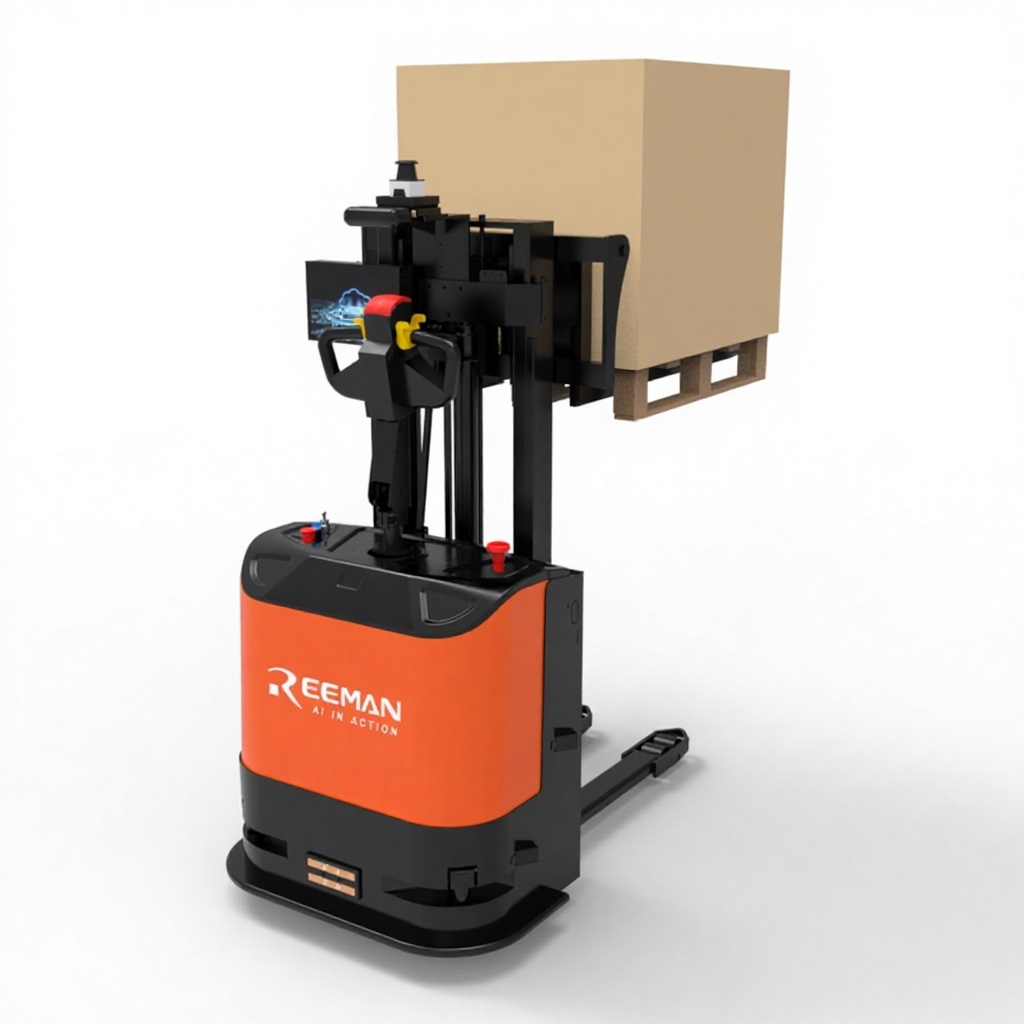
REEMAN Rhino RBOT30F Autonomous Stacker Forklift 3D Vision Obstacle Avoidance Warehouse AGV Robot
A compact stacker format for stacked crates, ingredient totes and racking where a full forklift aisle is unavailable. 3D vision helps avoid people and carts in busy receiving zones.
- 3D vision obstacle avoidance
- Autonomous stacker AGV
- Warehouse and receiving use
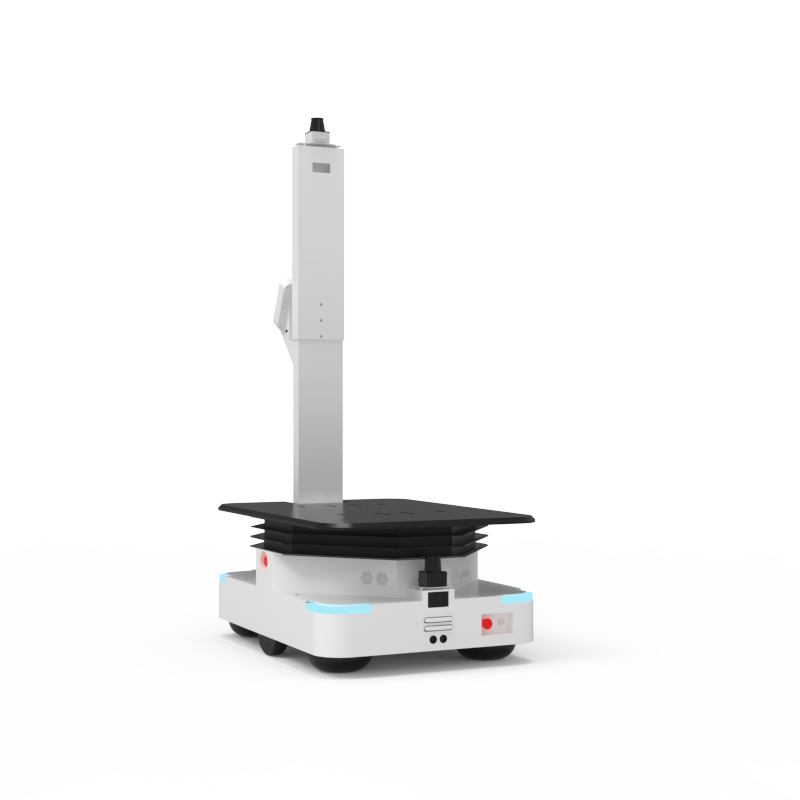
REEMAN Autonomous Mobile Robot AGV AMR 600kg Payload Sheet Metal Material Handling for Production Line
A 600 kg AMR for sheet-metal and production-line material handling. In the Chicago restaurant supply chain, it can move fabricated stainless components, replacement parts or heavy tote trains in a central kitchen supplier's plant.
- 600 kg payload
- Sheet-metal material handling
- Production-line transfer
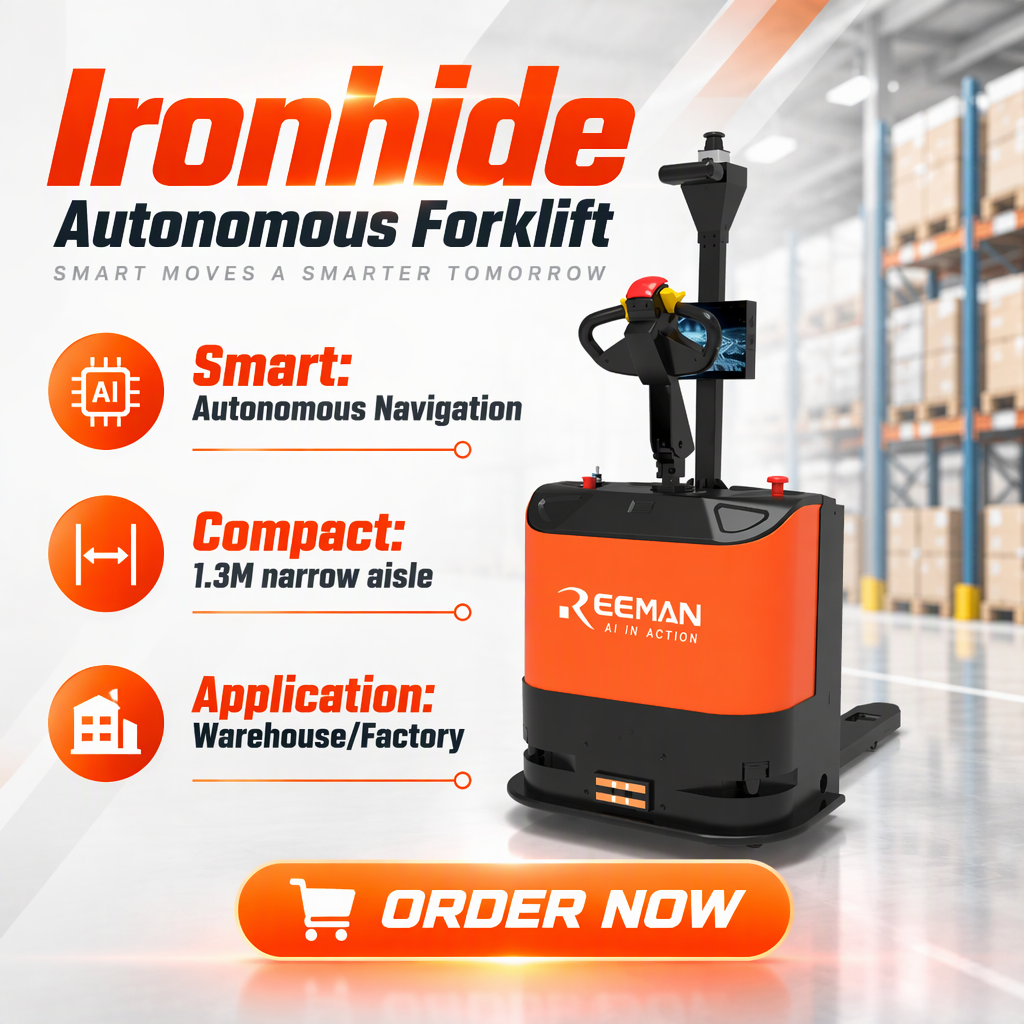
Reeman 1.5 Ton Autonomous Forklift AGV 3D Obstacle Avoidance Bidirectional Driving 48V 30AH Lithium-Ion Battery
A 1.5-ton autonomous forklift with bidirectional driving for dock-to-storage flow, palletized ingredients, packaging and beverage loads. It is a practical bridge between wholesale distribution and multi-unit restaurant replenishment.
- 1,500 kg payload
- Bidirectional driving
- 48V 30Ah lithium-ion battery
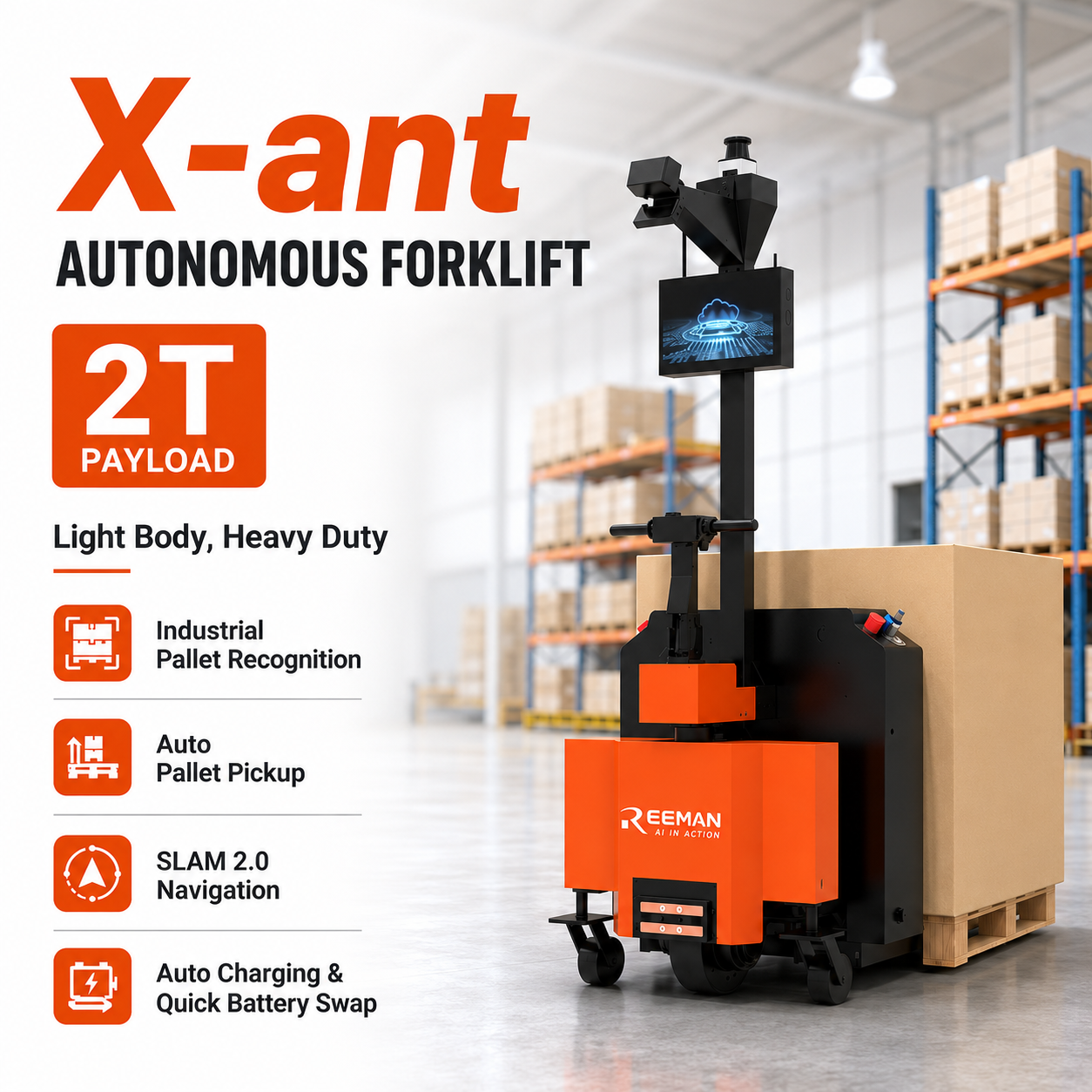
2 Ton Autonomous 4WD AGV Forklift Laser SLAM Navigation Multi-Line LiDAR 3D Obstacle Avoidance Warehouse Handling
A 2-ton 4WD AGV forklift with multi-line LiDAR and 3D avoidance for heavier pallets, cold-chain antechambers and winter loading docks where traction and safety margins matter.
- 2,000 kg payload
- Laser SLAM navigation
- Multi-line LiDAR and 3D avoidance

Reeman BBOT30F 1500kg Laser SLAM Autonomous Pallet Stacker AGV Single Line Lidar Obstacle Avoidance Warehouse Transport
A 1,500 kg laser SLAM pallet stacker for compact racking and floor-to-rack transfers. Its single-line LiDAR layout is suited to defined warehouse routes and repetitive put-away tasks.
- 1,500 kg payload
- Laser SLAM navigation
- Single-line LiDAR avoidance
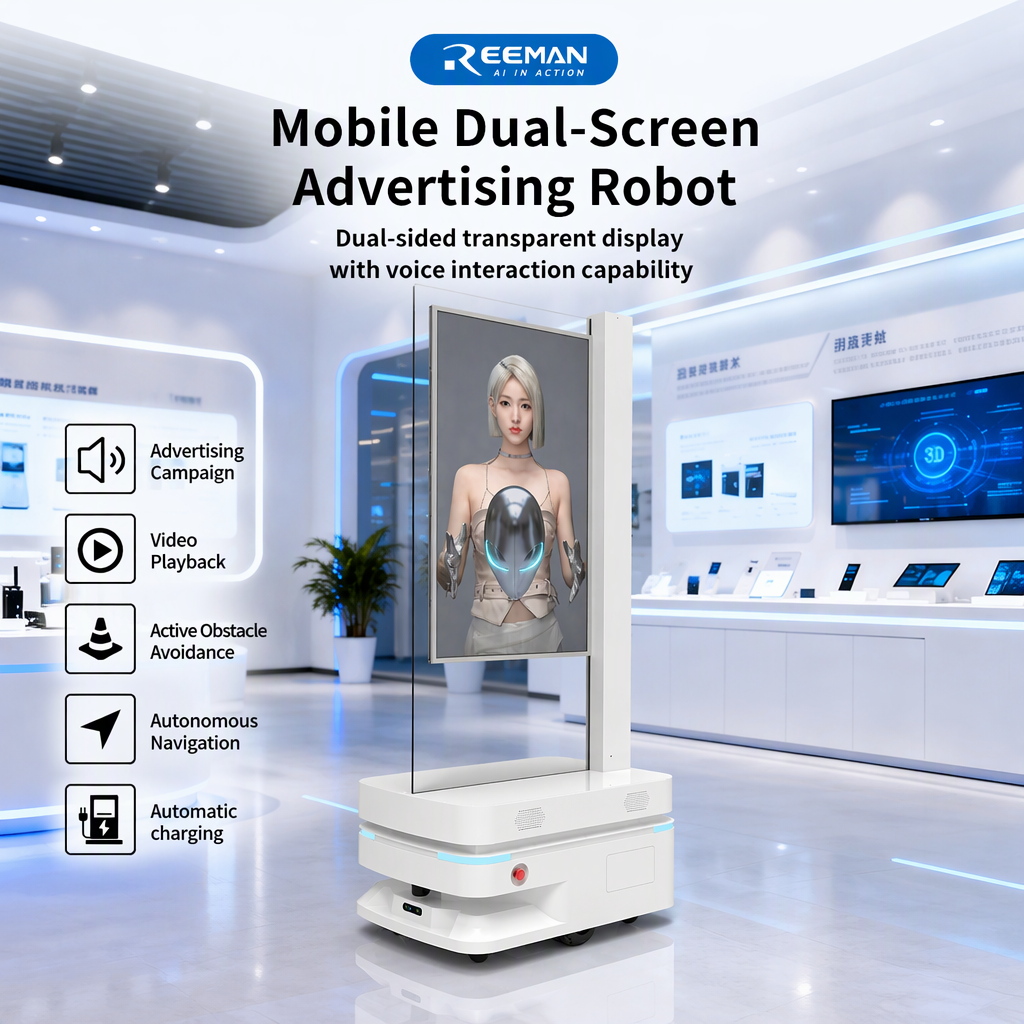
Reeman Mobile Dual Screen Advertising Robot LCD Display Voice Interaction Autonomous Navigation Indoor Commercial Use
A dual-screen LCD advertising robot with voice interaction and autonomous navigation. For Chicago restaurants and food halls, it can greet guests, show waitlist status, menu highlights and private-event promotions while keeping staff at the host stand.
- Dual-screen LCD display
- Voice interaction
- Autonomous indoor navigation
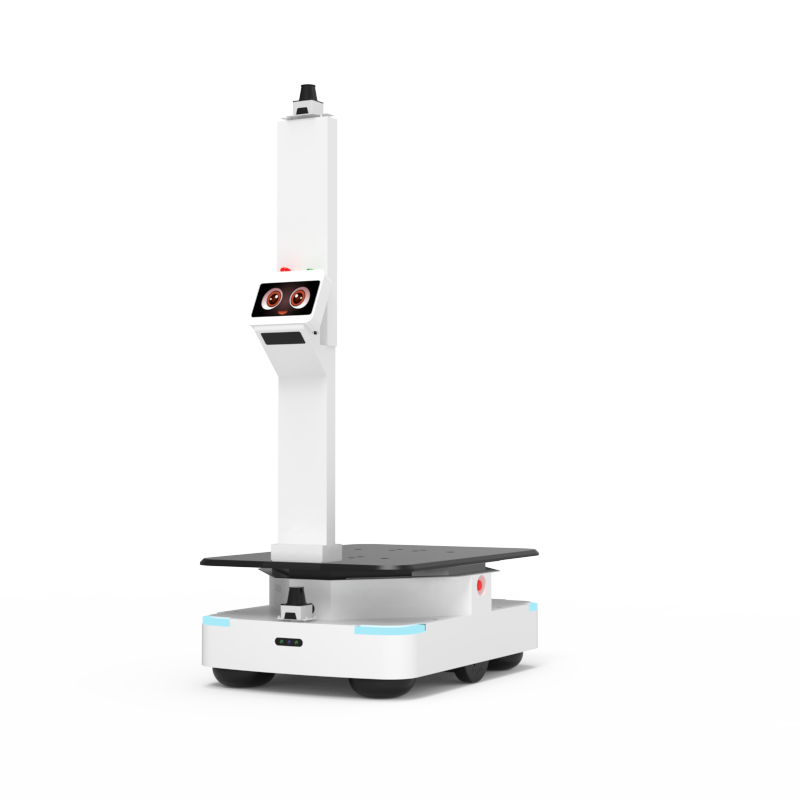
600kg Payload Laser Navigation AMR Robot Autonomous Lifting Warehouse Transfer Equipment
A 600 kg laser-navigation lifting AMR for warehouse transfer, tote movement, linens, small equipment and replenishment carts. It can serve as the connective tissue between commissary storage and dispatch.
- 600 kg payload
- Laser navigation
- Autonomous lifting transfer
Factory Evidence Behind a Chicago Wholesale Program
For Chicago buyers, factory facts are not decoration. They are due-diligence inputs for warranty planning, spare-part strategy, customization risk and long-term fleet support.
Factory data verified onsite by independent inspector SGS Group; management systems certified to ISO 9001 and ISO 14001.
Why Chicago Is a High-Intent Market for Restaurant Delivery Robots
Chicago is not a single market. It is a network of dense, highly differentiated foodservice environments. The right robot program in the Loop may fail in a Fulton Market basement; a platform that works in a suburban commissary may not navigate a hotel service corridor near Michigan Avenue.
From the Loop to Fulton Market, One Robot Standard Is Not Enough
A Chicago restaurant group may operate a flagship in the Loop, a fast-casual unit in River North, a production kitchen near Fulton Market and a commissary outside the city core. Each site has different door widths, floor transitions, dock heights, guest density, service-elevator rules and building-management requirements. A restaurant delivery robot manufacturer that only sells a catalog platform leaves the operator to solve these details. A manufacturer with an applications-engineering process can turn the same navigation stack into a repeatable, wholesale-ready program.
Chicago also concentrates demand in hospitality, healthcare, higher education and event venues. Hotels near the Magnificent Mile need quiet, clean amenity delivery; food halls need high-turnover tray return; hospitals and senior-living communities need reliable meal transport; McCormick Place and Navy Pier create event peaks. That variety is why search behavior mixes terms: restaurant delivery robot Chicago, autonomous food runner for hotels, back-of-house AMR Illinois, robot wholesaler Midwest and autonomous forklift for commissary. The vocabulary changes, but the buying intent is consistent: find a supplier that can prove safety, uptime, integration and service depth.
Elvorn approaches Chicago as a manufacturer supporting wholesalers, integrators and multi-unit operators—not as a one-off marketplace seller. Our factory evidence, open SDK/API strategy, OEM/ODM capability and export documentation are designed to help a Chicago partner build a repeatable robot program rather than a single pilot.
What Chicago buyers are really asking suppliers to prove
- Can the robot navigate narrow service corridors, ramps and thresholds without disrupting guests?
- Does the platform reduce walking, tray runs and replenishment time without creating a new full-time role?
- Who supports spares, firmware and operator training for a Chicago or Midwest fleet?
- Can the robot connect to POS, KDS, WMS, elevators, access control or building-management systems?
- Are safety, certification and insurance documents available before a pilot is scheduled?
Illustrative Chicago decision weights
Planning weights for a multi-site restaurant, hotel or wholesale project. These are illustrative evaluation priorities, not market statistics.
A Chicago buying committee should convert these priorities into measurable pilot acceptance criteria before comparing hardware prices.
Where the Robots Earn Their Keep in Chicago Operations
Restaurant delivery robots are most valuable when they are matched to a specific material flow—not when they are introduced as a novelty. The following modules reflect common Chicago use cases for restaurants, hotels, commissaries and wholesale partners.
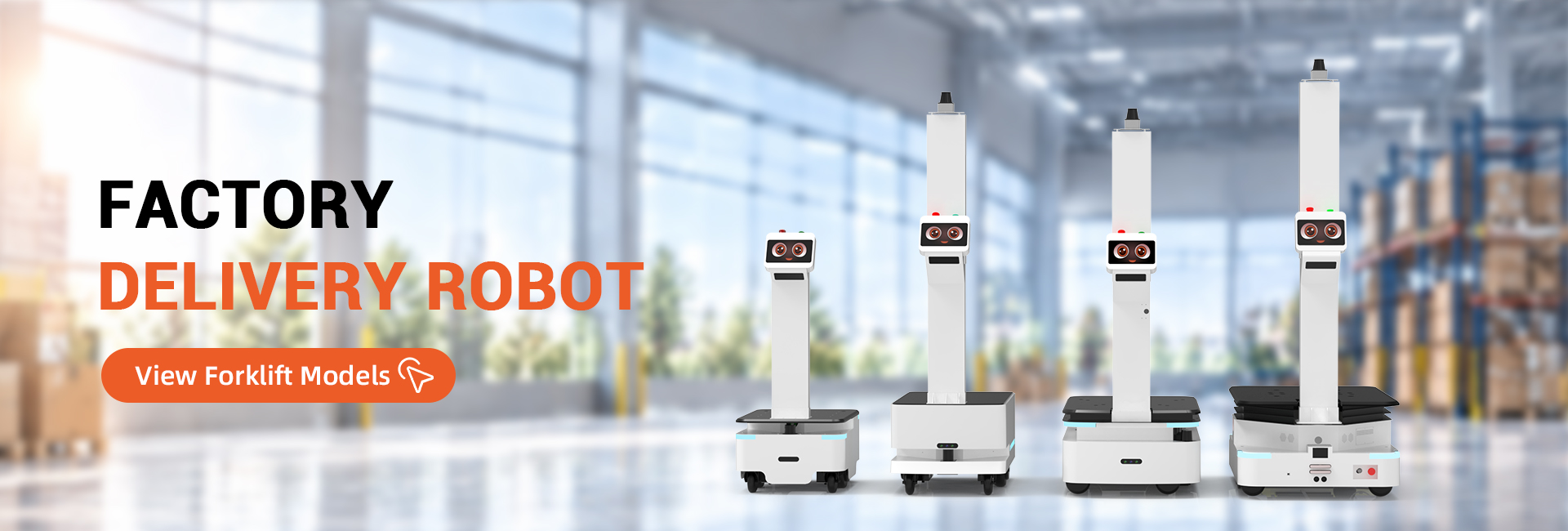
Front-of-house delivery and guest engagement
In River North, West Loop and the Loop, service robots can carry covered trays, water, amenity kits or promotional materials. The commercial value is not novelty; it is fewer interrupted trips for servers during peak turns. For Chicago restaurants with tight host stands, an advertising robot can also display menu highlights and waitlist information.
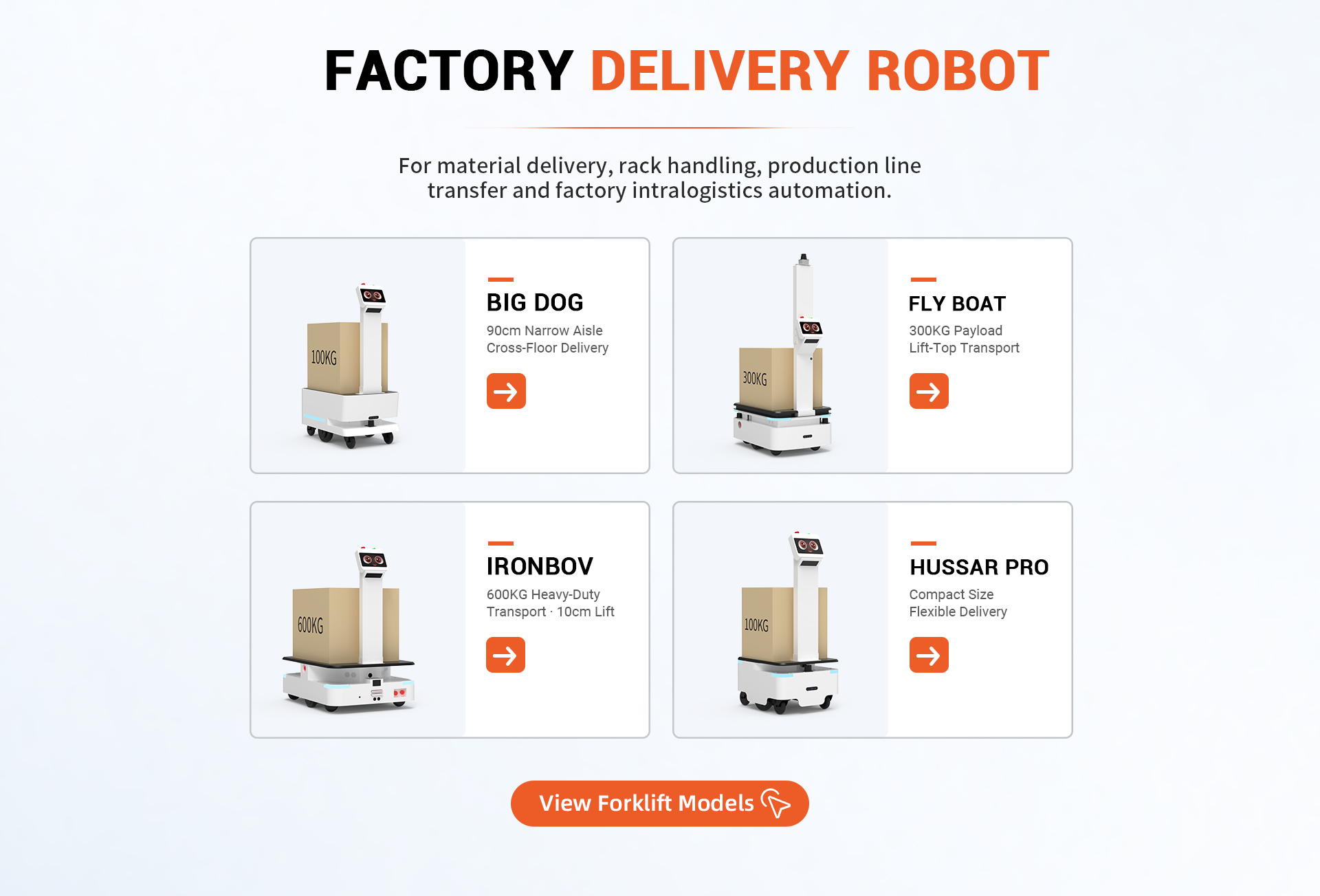
Back-of-house prep-to-pass and dish return
Back-of-house layouts in older Chicago buildings often include ramps, thresholds and narrow turns. An AMR with a 100–600 kg payload range can move ingredient bins, clean dish racks or tote carts on repeatable routes. The site survey should confirm floor flatness, doorway width and whether staff must manually open doors.
Commissary and wholesale distribution
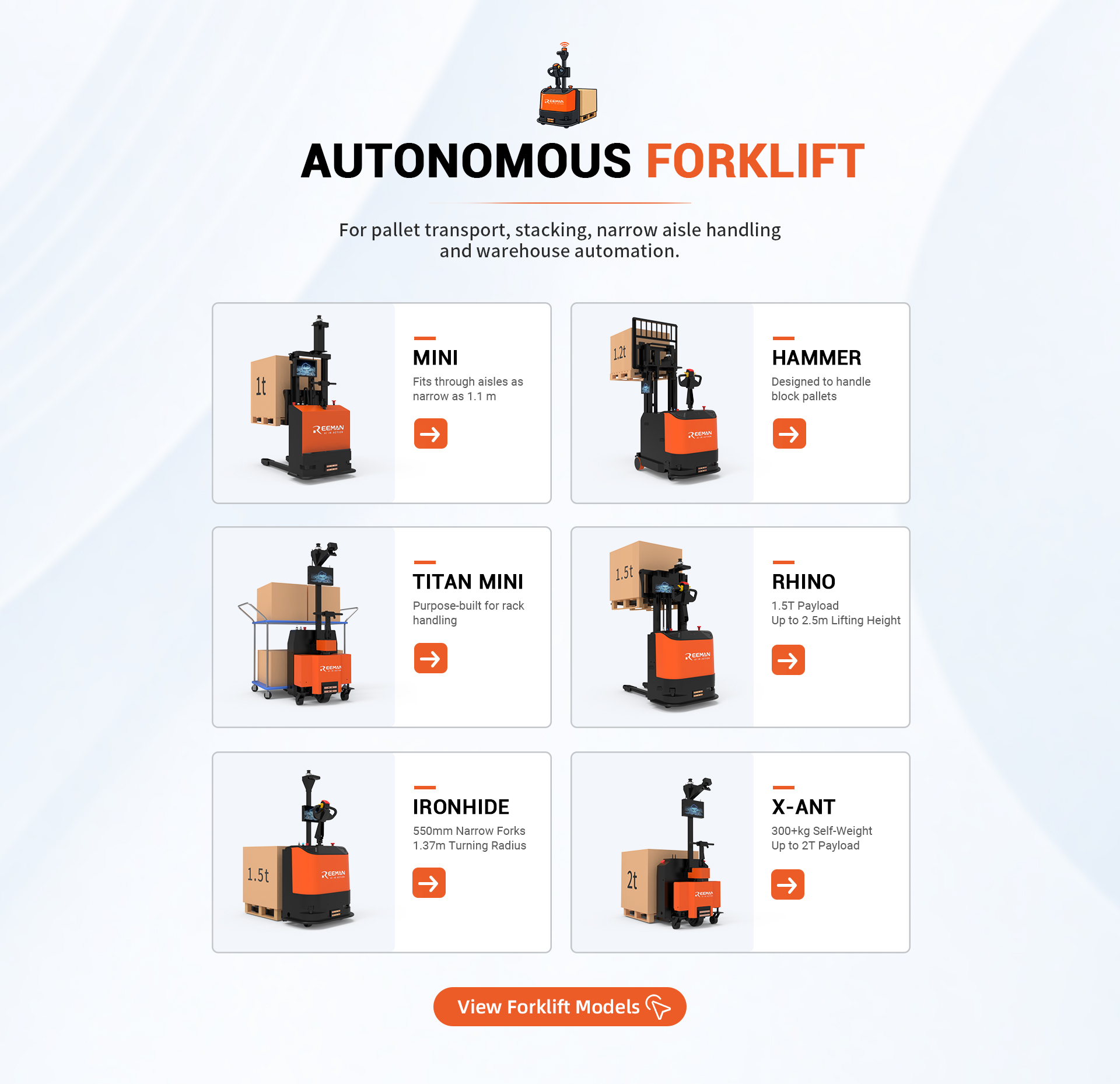
A multi-unit group can centralize prep in a commissary and use autonomous forklifts or AMRs to move palletized goods, totes and carts. This is where the 1-ton to 2-ton AGV forklifts in the portfolio matter. Wholesalers can bundle them with service contracts, spare batteries and operator training.

Hotel, event and institutional meal transport
Hotels, event venues and senior-living communities need quiet, repeatable amenity and meal runs. Multi-floor deployments should be planned around service elevators, fire-recall behavior, corridor widths and charging locations. The robot is only one part of the workflow; building approval is part of the project scope.
Chicago Trends That Should Shape Your Robot Specification
The strongest growth signal is not consumer novelty. It is operating discipline: fewer wasted steps, more predictable service, better data and a fleet that can be supported after the pilot.
Density and mixed-use formats
River North, West Loop and Loop sites increasingly combine dining, pickup, delivery and private events. Robots must share compact space with guests, couriers and staff without creating bottlenecks.
Labor planning shifts from headcount to throughput
Chicago operators are not simply replacing people. They are redistributing repetitive walking and carrying so hosts, servers and runners can focus on guest experience and exception handling.
Building systems become part of the robot spec
Service elevators, access control, fire-alarm recall, Wi-Fi coverage and charging locations can determine whether a multi-floor deployment succeeds. Integration should be scoped before the hardware order.
Wholesale programs need total cost visibility
Chicago buyers are not just comparing robot prices; they are comparing the cost of keeping a fleet productive for five years—batteries, spares, training, connectivity, insurance and software updates.
A Practical Buying Process for Chicago Wholesalers and Operators
A safe robot pilot starts with the flow, not the brochure. Use this three-stage framework to compare restaurant delivery robot manufacturers on the criteria that matter after installation.
Prove the flow before the hardware
Share floor plans, peak-period throughput, load types, pallet or tray dimensions, elevator use and charging locations. A manufacturer should be able to recommend fleet size and route logic before asking for a purchase order.
Demand a safety and compliance file
Ask for risk-assessment documents, emergency-stop behavior, LiDAR and sensor coverage, speed zoning, operator training, insurance inputs and model-specific CE, FCC or PSE evidence where applicable. Building-management approval should be documented in writing.
Choose a service model that fits the Midwest
Confirm who provides local installation support, remote commissioning, spare parts, firmware updates and warranty administration. A Chicago wholesale program should define escalation paths before the first robot leaves the factory.
What to send for a faster quotation
Elvorn engineers can review a Chicago project more accurately when the following information is available. This is the same information a wholesaler needs to prepare a defensible proposal.
- Floor plan or CAD drawing
- Route photos and doorway widths
- Pallet, cart or tray dimensions
- Payload and lift-height requirements
- Elevator and building-management rules
- Peak throughput and shift pattern
- Charging location and power access
- Target launch date and service expectations
Why Elvorn Fits a Chicago Wholesale Program
Founded in 2015, Shenzhen Elvorn Intelligent Equipment Co., Ltd. is a national high-tech enterprise focused on robotic platform technology and autonomous driving. The company designs, builds and supports autonomous forklifts, industrial AMRs, robot chassis, delivery robots and cleaning robots for buyers across North America, Western Europe, Eastern Asia, Southeast Asia and the Middle East.
Our in-house R&D team owns the full stack—laser SLAM navigation, motion control, fleet scheduling and hardware. That matters to Chicago wholesalers because customization, integration answers and long-term spare-part support are not outsourced to a third-party engineering group.
Elvorn is based in Shenzhen, China. For Chicago projects, support is delivered through wholesale, integrator or service partners plus remote engineering, factory testing, documentation and spare-part planning. Buyers should confirm local service responsibilities and response times in writing as part of the wholesale agreement.
- Open SDK and API for WMS, MES, ERP and custom software integration
- Modular payload platforms from commercial service robots to 2-ton autonomous forklifts
- Custom top modules, payload structures, branding and packaging for wholesale partners
- English documentation, remote commissioning and export-ready trade support




Restaurant Robot Procurement Questions from Chicago Buyers
These are the questions most often raised by restaurant operators, hotel engineering teams, foodservice wholesalers and integration partners when evaluating a Chicago deployment.
What is the difference between a restaurant delivery robot, an AMR and an AGV forklift?
A restaurant delivery robot usually refers to a guest-facing or staff-assist platform that carries trays, amenities or promotional materials. An AMR, or autonomous mobile robot, is a mobile platform that carries totes, carts, shelves or custom top modules. An AGV forklift lifts and moves pallets between floor, dock and rack positions. Elvorn's AMRs and autonomous forklifts use laser SLAM navigation, so magnetic tape and floor reflectors are not required for normal route guidance.
Are restaurant delivery robots practical in older Chicago buildings?
They can be, but the site survey matters more than the showroom demo. Older buildings may have uneven floors, narrow service doors, raised thresholds, tight turns and shared freight elevators. A practical survey should record doorway widths, ramp angles, floor transitions, Wi-Fi coverage, charging locations and guest-flow conflicts. The goal is to design a route that works during a real Chicago dinner rush, not only in an empty test area.
How do Chicago winters affect autonomous robot performance?
Snow, salt, moisture, mats and condensation can affect traction, sensor cleanliness and floor safety. Indoor restaurant robots are generally protected from direct weather, but loading docks, vestibules and delivery corridors can still be wet or contaminated. Buyers should specify a winter-floor protocol: mat placement, cleaning frequency, route restrictions, wheel and brake inspection, and sensor-cleaning responsibility. No robot should be treated as maintenance-free during a Chicago winter.
Can a robot use service elevators and integrate with building systems?
Yes, with the right interface and written building approval. Multi-floor projects may require elevator integration, access-control coordination, fire-recall behavior review and a charging location on each served floor. The robot supplier should provide technical documentation for the elevator or building-control contractor. For Chicago hotels and event venues, this integration should be scoped before the pilot begins.
Can Elvorn robots integrate with POS, WMS, MES or ERP?
Elvorn AMRs and robot chassis provide an open SDK and API for secondary development. This allows task dispatch and status feedback from warehouse management, manufacturing execution, ERP or custom software systems. For restaurant and hospitality projects, integration scope should be defined with the POS, KDS, elevator or building-management vendors during the solution-design phase.
Does Elvorn support Chicago wholesalers with OEM, ODM and buyer-label programs?
Yes. As a verified custom manufacturer, Elvorn offers OEM service, design service and buyer-label options, including custom top modules, payload structures, branding and packaging. A Chicago wholesaler can discuss territory planning, model mix, documentation, spare-parts kits and training requirements with the Elvorn team. Local service responsibilities should be defined in the wholesale or integrator agreement.
Which certifications and trade terms apply to Chicago orders?
Depending on the model, Elvorn robots carry CE, FCC or PSE marks. The company management system is certified to ISO 9001 and ISO 14001, and the factory has been verified onsite by SGS Group. Elvorn ships worldwide on FOB terms and accepts T/T payment in USD or CNY. Final certification scope, voltage configuration and import documentation should be confirmed for each model and destination.
How should a Chicago operator calculate ROI and start a pilot?
Start with a baseline: walking hours per shift, tray or tote trips, replenishment frequency, peak-period wait times, breakage or error rates, and the labor cost of each task. Then define pilot acceptance criteria such as successful delivery rate, intervention rate, average trip time, charging uptime and staff satisfaction. A pilot should compare the robot-assisted workflow with the existing workflow under the same peak conditions. Elvorn engineers can review layout, load and throughput data before a pilot is scheduled.
Turn a Chicago Pilot into a Repeatable Robot Program
Send your site plan, load information, throughput target and building constraints. Elvorn can help you evaluate the right mix of restaurant delivery robots, AMRs, autonomous forklifts and guest-engagement platforms—then define a factory-tested configuration for your Chicago wholesale or multi-site deployment.
Useful first message: number of Chicago sites, floor-plan constraints, payload or tray size, peak throughput, elevator or dock notes, target launch date and whether you need OEM/ODM, buyer-label or standard wholesale supply.