Munich hospitality automation · Laser SLAM · OEM/ODM
Room Service Robot Manufacturer & Supplier Serving the Munich Market
Autonomous service and logistics robots for Munich hotels, hospitals, exhibition venues, and back-of-house operations—engineered by Elvorn with EU-ready documentation, open SDK integration, and production verified onsite by SGS Group.
Recommended portfolio
8 Robot Platforms for Munich Room Service and Back-of-House Logistics
A room service robot project is rarely one machine. Munich buyers typically combine guest-facing digital service points, autonomous material carts, and warehouse handling equipment. The eight platforms below preserve the original product URLs and cover the practical building blocks: digital concierge & signage, 600 kg AMR material handling, and 1–2 ton autonomous forklifts for central warehouses and event logistics.
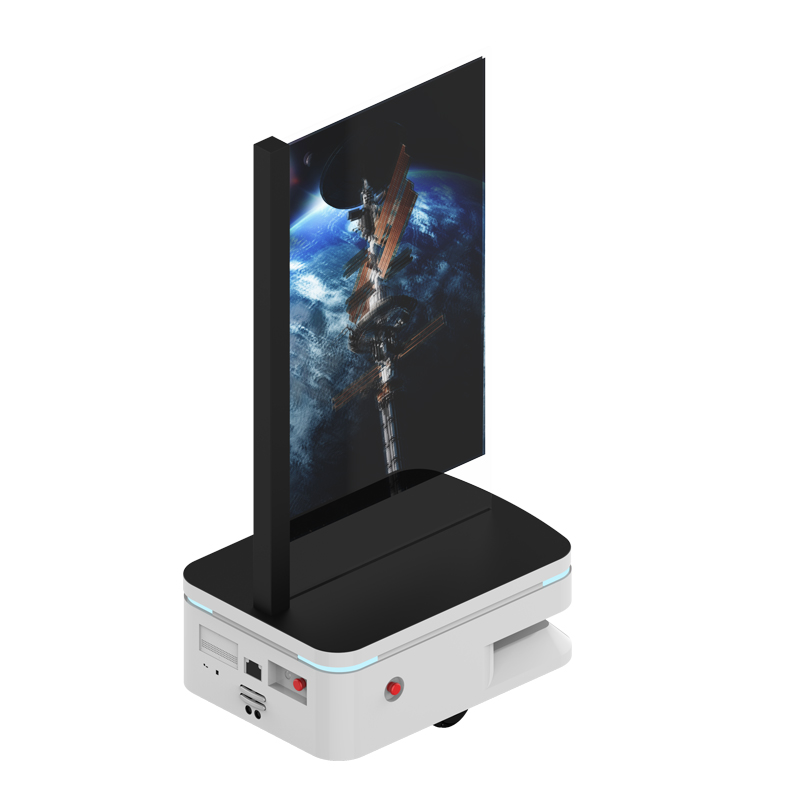
75 Inch Indoor LED Digital Poster Touch Screen Display SDK OEM ODM Black Signage for Retail Store Elevator Airport
Use as a digital concierge or service menu in hotel lobbies, lift lobbies, and Messe München event foyers. Suitable for wayfinding, room-service promotions, and multilingual guest information.
View product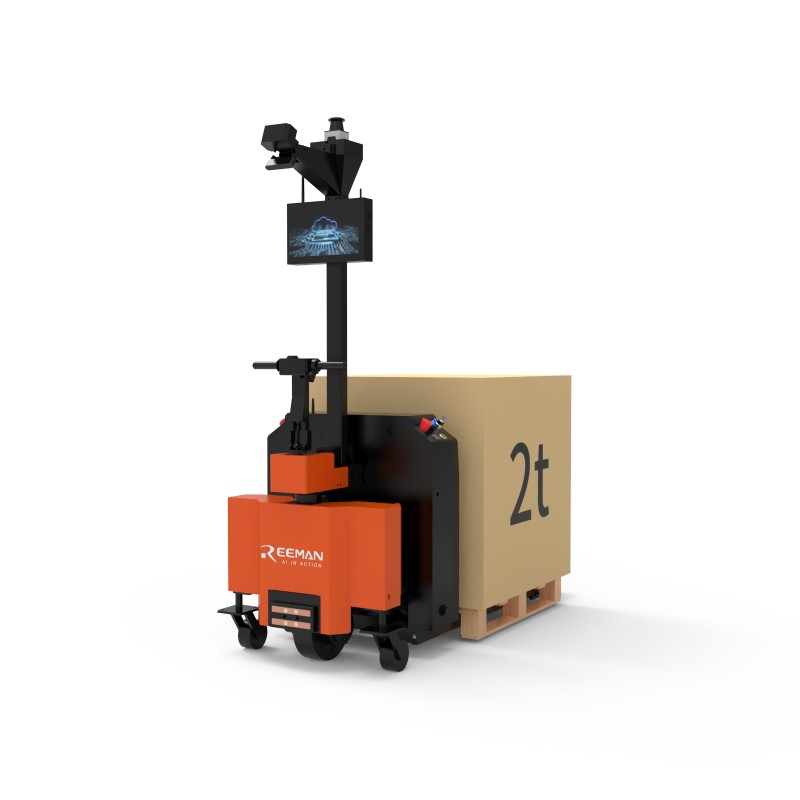
2 Ton Autonomous 4WD AGV Forklift Laser SLAM Navigation Multi-Line LiDAR 10mm Position Accuracy 6-8H Warehouse Handling
For central warehouses, event logistics yards, and distribution centers serving Munich hotels and retail groups. Multi-line LiDAR and 10 mm positioning accuracy support repetitive heavy pallet moves.
View product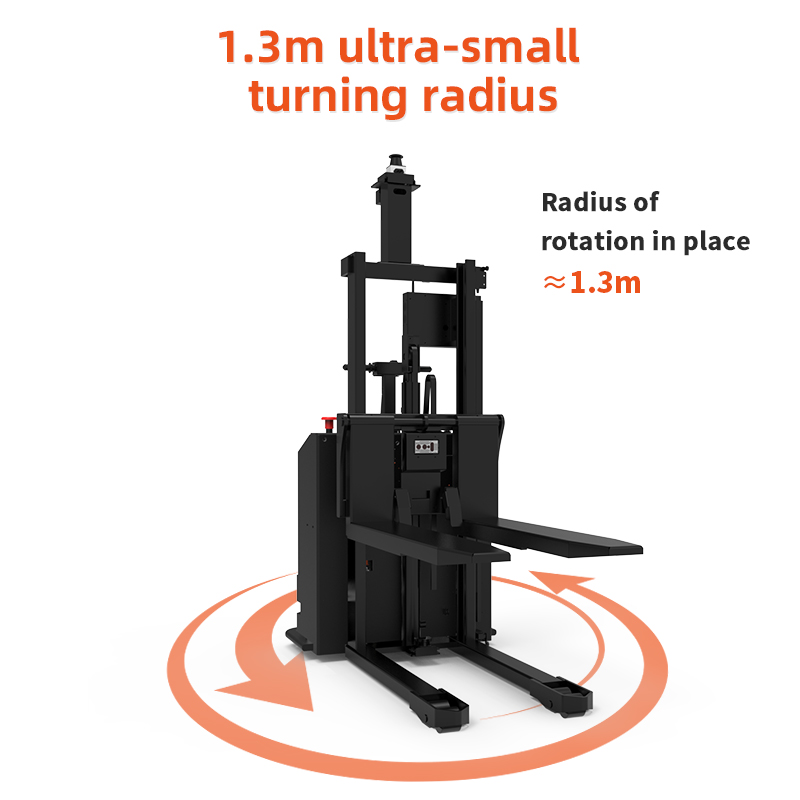
1000kg Forklift AGV Laser SLAM Navigation Pallet Transport Robot 1.3m Turning Radius Auto Charging for Factory Logistics
A practical choice for back-of-house pallet shuttling where turning space is limited. The 1.3 m turning radius and auto charging logic help keep material flows stable across shifts.
View product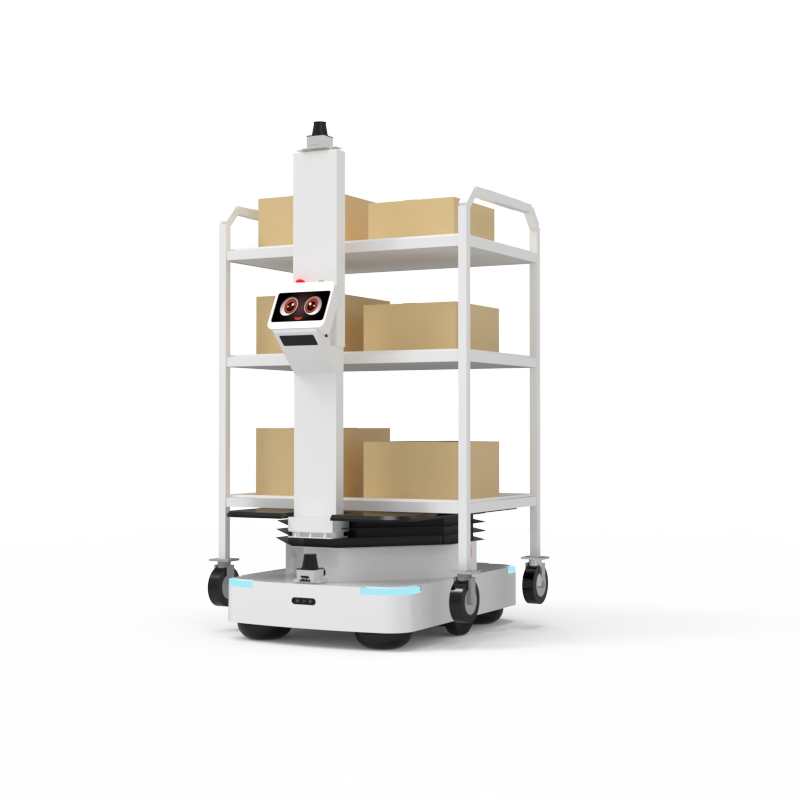
600kg Payload Autonomous AMR Robot Multi Sensor Mobile Material Handling Cart for Production Line
The most relevant platform for a hotel back-of-house pilot: linen, amenity, minibar, and tray-supply transport. For true in-room delivery, a custom top module and lift/PMS integration must be engineering-reviewed.
View product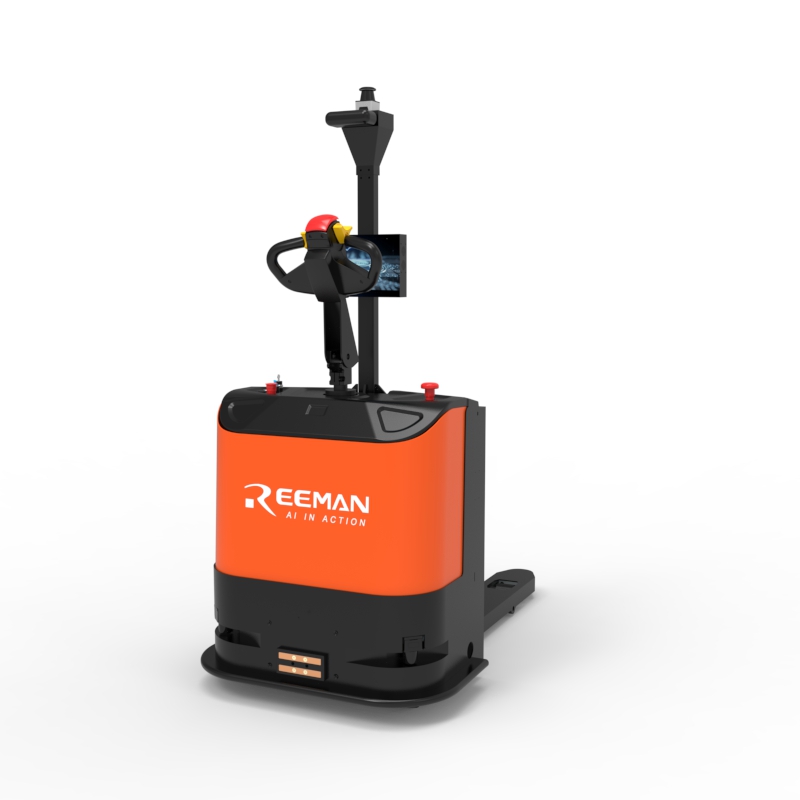
CE Certified 1500kg Driverless AGV Forklift Laser SLAM Navigation Automatic Pallet Loading Unloading Robot 1-2H Working Time
Designed for automatic pallet loading and unloading in short-duty cycles. Confirm the final CE declaration, risk assessment, and operating-zone safeguards for your Munich site.
View product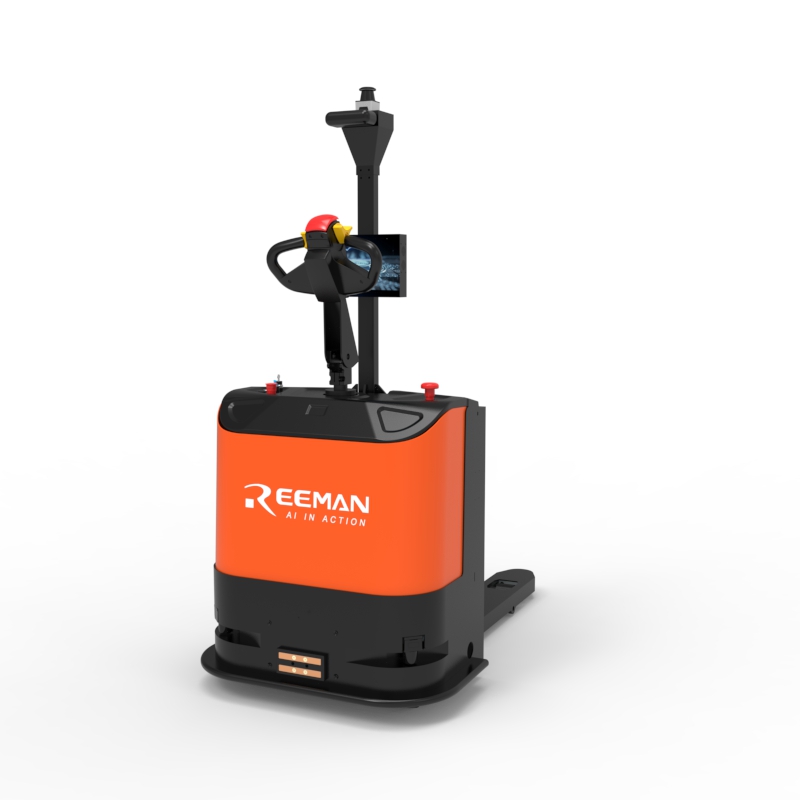
1500kg Laser SLAM AGV Forklift Single Line Lidar 30mm Navigation Accuracy 1019mm Forks 570mm Width Industrial Handling
For Munich industrial suppliers, breweries, and retail distribution centers. Single-line LiDAR, 30 mm navigation accuracy, and 570 mm fork width should be matched to your actual pallet and aisle profile.
View product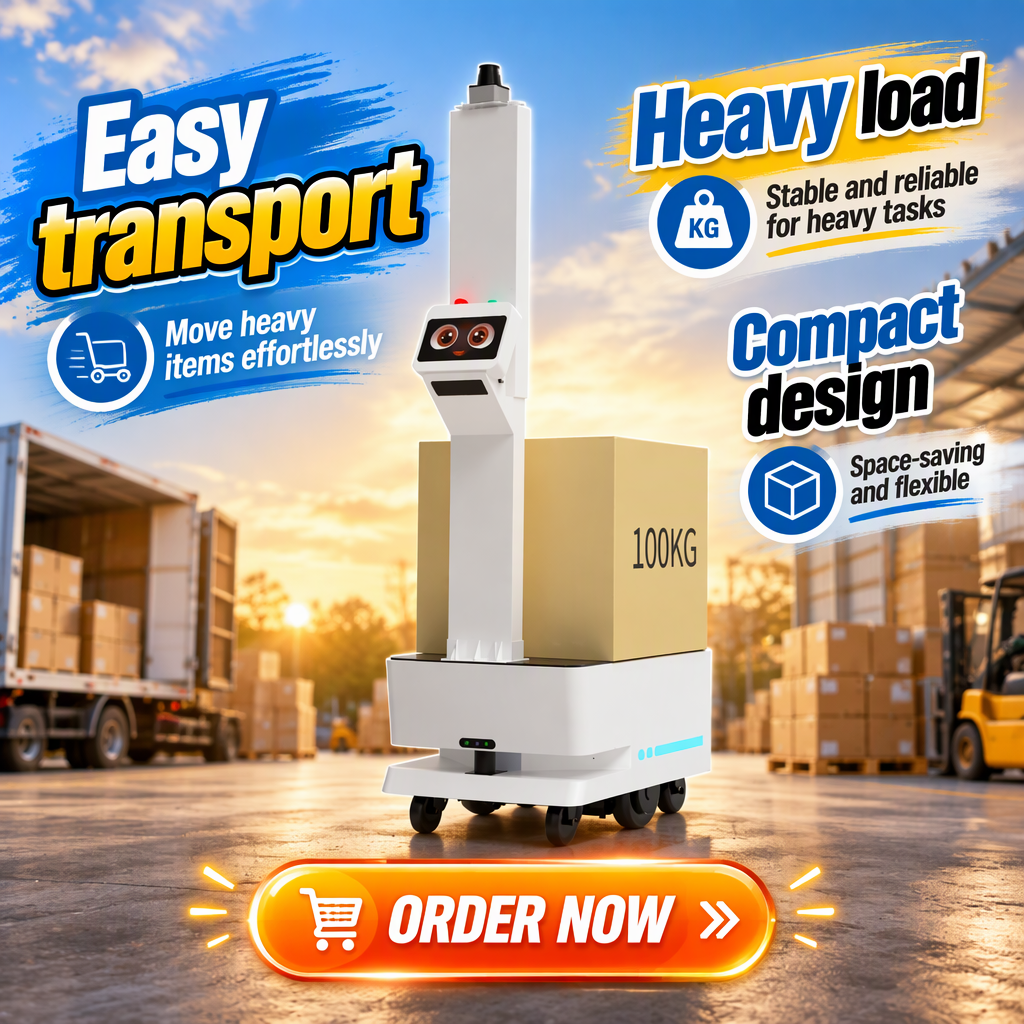
Reeman Autonomous Mobile Robot Slam Navigation PLC Core Components Warehouse Logistics
PLC-based control architecture for warehouse and production logistics. A strong fit when the project requires conveyor handshakes, WMS task dispatch, or integration with existing material-flow controls.
View product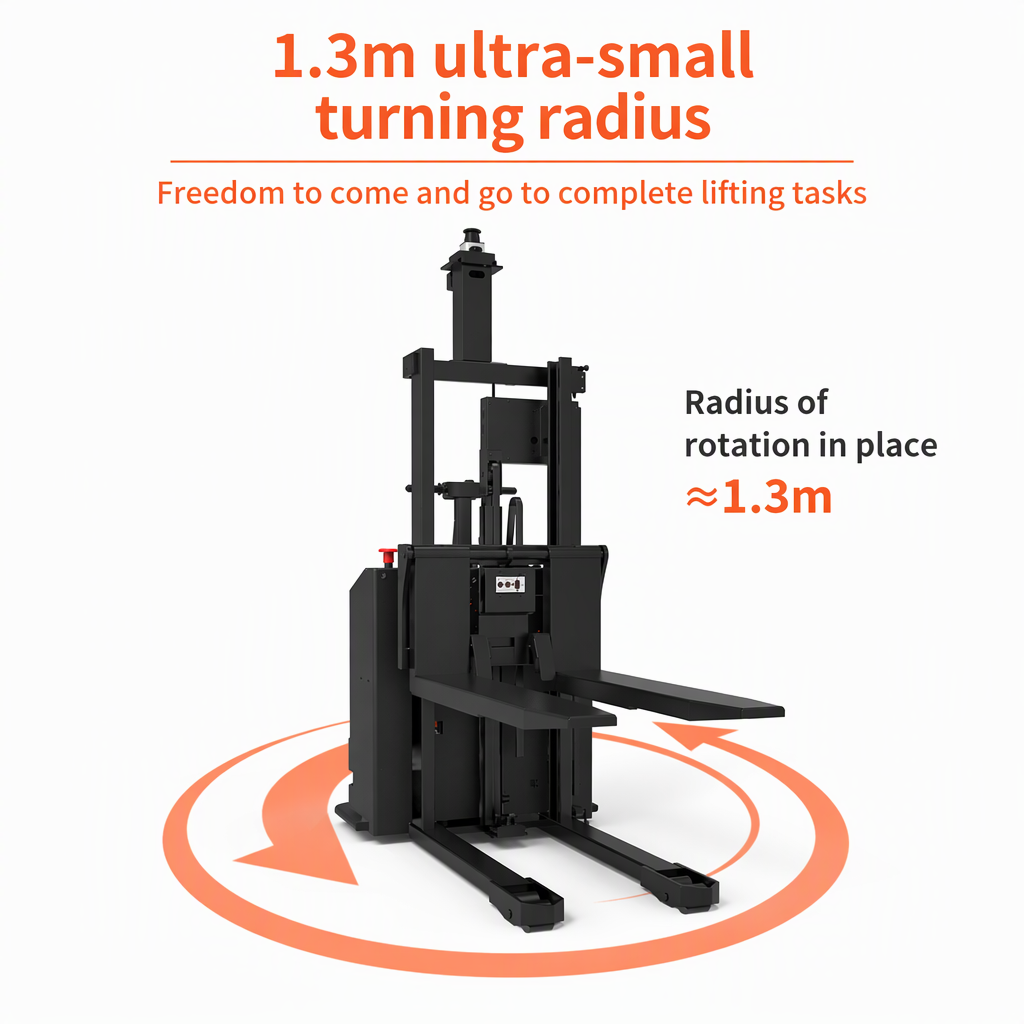
REEMAN Autonomous Electric Forklift 1T Payload 48V 30Ah LiFePO4 Battery Indoor Material Handling AGV
Compact electric forklift AGV for indoor material handling. The 48V 30Ah LiFePO4 battery and 1-ton payload fit repetitive pallet moves in warehouses and service corridors with controlled access.
View productProduct URLs are preserved from the supplied product list. For a room-service configuration, final payload, compartment design, lift control, and software integration are confirmed only after a site survey.
Munich context
What Munich Buyers Actually Need From Room Service Automation
Munich is not a market where a generic robot demonstration is enough. Hotel groups, clinic operators, exhibition venues, and facility-management teams evaluate room service robots against guest experience, staff workflow, fire safety, data protection, and maintenance access. A robot that cannot cross a threshold, call a lift, or hand over a tray without blocking a corridor will quickly become a showroom exhibit rather than a productive asset.
The strongest early use cases are usually back-of-house: moving linen, amenities, minibar stock, meeting-room supplies, and cleaning materials between service cores. Once those flows are stable, guest-facing delivery can be introduced with clear rules for guest privacy, food safety, lift priority, and human handover. This staged approach is often more credible than promising a fully autonomous hotel from day one.
Historic building fabric, narrow service lifts, fire doors, glass partitions, polished stone floors, and mixed pedestrian traffic all affect the business case. The supplier should document navigation assumptions, emergency-stop behavior, and integration boundaries before quoting a fleet.
Use a paid or structured pilot to validate routes, lift handshakes, and staff SOPs before scaling.Factory facts referenced from Elvorn company profile. Onsite verification by SGS Group; ISO 9001 and ISO 14001 management systems; selected models with CE, FCC, or PSE marks. Final certification scope must be confirmed in the quotation.
Localized applications
Where Room Service Robots Fit in Munich Operations
Use the robot where the workflow is repetitive, measurable, and supported by staff. These are the scenarios we review most often with hospitality and facility teams serving Munich and nearby Bavaria.
City-center hotels & boutique stays
Start with linen, amenity, and minibar replenishment between service cores. In-room tray delivery is possible only after lift dimensions, fire-door rules, guest privacy, and human handover are agreed.
Messe München event hotels
During trade fairs, robots can move catering supplies, marketing collateral, and luggage between service corridors and meeting rooms. Peak-load reliability and charging discipline matter more than top speed.
Clinics & care facilities
Meal trays, linen, and sterile supplies require traceable, sanitizable transport. Closed compartments and audit logs are usually more important than a consumer-style touchscreen.
Corporate campuses & airport lounges
Quiet operation, multilingual guest prompts, and predictable route behavior are essential. Provide a manual override and a clear staff escalation path for spills, blocked lifts, and guest questions.
Retail & mixed-use venues
Pair a mobile digital poster with after-hours stock replenishment. For Munich shopping streets, keep the robot in staff-only zones during peak pedestrian periods and define a public-route risk assessment.
Breweries & food production
Autonomous forklifts and AMR carts can support pallet handling where washdown, chemical resistance, and floor gradients are controlled. Confirm IP rating, fork dimensions, and safety zoning before selection.
Market trends
Munich Market Trends That Shape a Room Service Robot Purchase
The local business case is driven less by novelty and more by labor resilience, compliance, and integration quality. These are the themes that repeatedly appear when Munich buyers move from curiosity to procurement.
Labour pressure and service standards
Night shifts, repetitive tray runs, and peak-season overtime are costly to cover. A robot should remove walking time and repetitive carrying while freeing staff for guest-facing service, not add another dashboard to manage.
EU conformity and site safety
CE marking alone does not complete a site risk assessment. Munich buyers should request the declaration of conformity, safety functions, emergency-stop logic, speed zoning, and validation records for the exact configuration offered.
GDPR and guest privacy
Minimize camera data, use pseudonymized person detection where possible, and define retention. A room-service robot should not create an always-on surveillance surface in corridors or guest areas.
Interoperability with building systems
Lift control, fire-alarm interfaces, PMS/POS tasks, WMS handshakes, and door access often determine the real deployment cost. Ask for documented APIs and a clear division of responsibility between robot, integrator, and building operator.
Illustrative Munich buyer priority index
Based on common discovery questions from hospitality and logistics buyers; not a statistically representative survey.Procurement path
What Munich Procurement Teams Should Verify Before Shortlisting a Supplier
A credible room-service robot supplier should welcome engineering scrutiny. Use this five-step review to separate a viable deployment from a polished but fragile demo.
Map the real route
Measure lift openings, thresholds, door widths, floor gradients, Wi-Fi coverage, charging locations, and pedestrian density. Confirm who opens doors and who handles exceptions.
Define the handover
Decide whether staff load and unload the robot, whether compartments lock, and how food safety or linen contamination is controlled. Human handover is part of the product.
Test integration boundaries
Validate lift dry contacts, PMS/POS APIs, WMS task dispatch, fire-alarm rules, and network segmentation. Get written responsibility matrices from every vendor involved.
Audit compliance evidence
Request CE declarations, risk assessments, emergency-stop test records, battery transport documents, and cybersecurity or data-flow notes for the exact model and feature set.
Model the total cost
Include hardware, integration, staff training, spare parts, connectivity, insurance, maintenance, customs, and VAT. Compare three-year total cost against the workflow actually removed.
Enterprise advantages
Elvorn Advantages Built for Integrators, Hotels, and Facility Operators
Shenzhen Elvorn Intelligent Equipment Co., Ltd. is a national high-tech enterprise founded in 2015, focused on robotic platform technology and autonomous driving. The company operates two production bases in Shenzhen and Ningbo and supplies OEM/ODM buyers across North America, Western Europe, Eastern Asia, Southeast Asia, and the Middle East.
Laser SLAM without floor tape
Map the site in hours and navigate without magnetic tape, QR codes, or reflectors. Layout changes can be handled in software rather than by closing the corridor for floor works.
Open SDK & API
AMRs and chassis support secondary development for task dispatch and status feedback. Integrators can connect robots to WMS, MES, PMS, doors, elevators, and custom dashboards.
Modular payload platforms
From 60 kg delivery platforms to 2-ton autonomous forklifts, shared control architecture reduces training and maintenance complexity across a mixed fleet.
Multi-layer safety
LiDAR, obstacle sensors, emergency stops, and speed zoning help protect pedestrians, racking, and service staff. Final safety validation must always reflect the actual site.
Own production capacity
Two production bases and in-house R&D cover navigation, motion control, fleet scheduling, and hardware. Supplier assessment and material inspection procedures are part of the factory routine.
Export-ready support
English documentation, remote commissioning, spare-part supply, and transparent trade terms: FOB, T/T payment in USD or CNY. OEM, design service, and buyer-label options are available.

Verified factory facts, not vague claims
For Munich buyers, supplier due diligence should be traceable. Elvorn’s factory has been verified onsite by SGS Group, covering business licensing, production capability, and quality control. Management systems are certified to ISO 9001 and ISO 14001, and selected robots carry CE, FCC, or PSE marks depending on model and target market.
- Founded 2015; two production bases in Shenzhen and Ningbo
- 5200㎡ total floorspace; 200+ team members; 39 patents
- OEM, ODM, design service, and buyer-label customization
- Laser SLAM navigation, open SDK, fleet scheduling, and hardware in-house
Buyer FAQ
Room Service Robot Buyer FAQ for Munich
Direct answers for hotel operators, integrators, and facility teams comparing suppliers for Munich projects.
Can the eight listed products actually deliver room service?
Not as standalone catalogue items. A true room-service robot requires a mobile platform, secure compartment, lift/door integration, task software, and handover SOP. The 600 kg AMR is the most relevant platform for a custom build; the digital poster supports guest-facing service menus and wayfinding. Final feasibility must be confirmed by engineering after a site survey.
Which certifications matter for Munich?
Ask for the EU declaration of conformity, CE marking for the exact configuration, risk assessment, emergency-stop validation, and battery transport documentation. ISO 9001 and ISO 14001 support supplier quality review. FCC is relevant to the United States; PSE is relevant to Japan. Neither replaces EU compliance evidence for Munich.
How long does a pilot take?
Allow several weeks for route mapping, lift and door tests, staff training, and exception handling before a meaningful pilot. Production lead time depends on the model, customization, and certification scope. Confirm all dates in the quotation; do not rely on catalogue lead-time claims alone.
Can the robot integrate with lifts, PMS, POS, or WMS?
Integration is project-specific. Typical approaches include dry contacts for lift control, APIs for task dispatch, and middleware for PMS/POS/WMS connectivity. Fire-alarm interfaces must be approved by the building operator. Get a written responsibility matrix covering robot, integrator, network, and building systems.
How should GDPR and guest privacy be handled?
Use data minimization, avoid unnecessary camera recording, and define retention. For person detection, prefer pseudonymized processing. A data processing agreement and a clear camera/privacy notice should be reviewed by legal counsel. Guest-facing robots should not create uncontrolled surveillance in corridors.
What support is available for Munich buyers?
Elvorn supports export buyers with English documentation, remote commissioning, and spare-part planning. On-site support can be arranged through qualified local partners or service providers, subject to project scope. Trade terms are typically FOB with T/T payment in USD or CNY; final terms are confirmed in the commercial offer.
Shortlist guide
Which Platform Should a Munich Project Start With?
Use this directional shortlist to prepare a supplier conversation. The final selection must follow a site survey, load calculation, and safety review.
Digital concierge & wayfinding
Start with the 75-inch touch digital poster for lobby service menus, event wayfinding, and multilingual guest prompts. Pair with staff SOPs for accessibility and queue management.
Room-service material platform
Review the 600 kg AMR or open-SDK AMR platform for linen, amenities, minibar stock, and tray-supply routes. A custom top module, lift control, and software integration are required for guest-room delivery.
1–2 ton autonomous forklifts
Use the 1-ton, 1.5-ton, or 2-ton AGV forklifts for central warehouses, event logistics, and retail distribution. Confirm pallet type, aisle width, floor condition, and charging strategy.
PLC / WMS-connected AMR
Choose the Reeman AMR with PLC core components when conveyor handshakes, WMS dispatch, or production-line material flow are central to the project.
Plan a Munich Room-Service Robot Pilot With Elvorn
Send your building layout, lift dimensions, target routes, load weight, guest-area restrictions, and integration requirements. Our application engineers will review the feasible product platform, certification scope, and next steps for a Munich-market deployment.
Contact Us