Room Service Robot Suppliers & Wholesaler for Philadelphia
Elvorn is a laser SLAM robot manufacturer and wholesale supplier supporting Philadelphia hotels, hospitals, restaurants, senior living communities, campuses, and logistics operations. This buyer's guide covers room service robot selection, localized deployment scenarios, procurement trends, factory-backed advantages, and export logistics for Greater Philadelphia.
Philadelphia Room Service Robot Procurement: What Wholesale Buyers Should Know
Philadelphia's hospitality market is not a single use case. A 120-room independent hotel in Center City, a hospital food-service team in University City, a senior living community in Montgomery County, and a 3PL near Philadelphia International Airport may all ask for a "room service robot," but they need different payloads, door and elevator integrations, cleaning protocols, and service levels. A credible supplier should help you separate a reliable, maintainable fleet from a demo robot.
Shenzhen Elvorn Intelligent Equipment Co., Ltd. was founded in 2015 and manufactures laser SLAM autonomous forklifts, industrial AMRs, robot chassis, delivery robots, cleaning robots, and disinfection robots. For Philadelphia buyers, the most relevant supply model is direct factory OEM/ODM plus wholesale support: the same engineering team that builds the navigation stack can adapt top modules, tray cabinets, API integration, and branding.
Quick answer for procurement teams
- Best-fit start: one or two laser SLAM AMRs for repetitive room-service, meal, or amenity runs, then expand after measuring elevator wait time, route length, and staff handoff.
- Local sites: Center City hotels, University City hospitals, Philadelphia International Airport, Navy Yard, senior living communities, universities, food halls, and South Jersey logistics centers.
- Wholesale program: OEM/ODM, buyer label, open SDK/API, CE/FCC model options, ISO 9001 & ISO 14001 management, and SGS-verified factory assessment.
- Must verify: Wi-Fi survey, elevator recall interface, door widths, floor transitions, ADA public path, fire code, charging location, local integrator support, and spare-parts response.
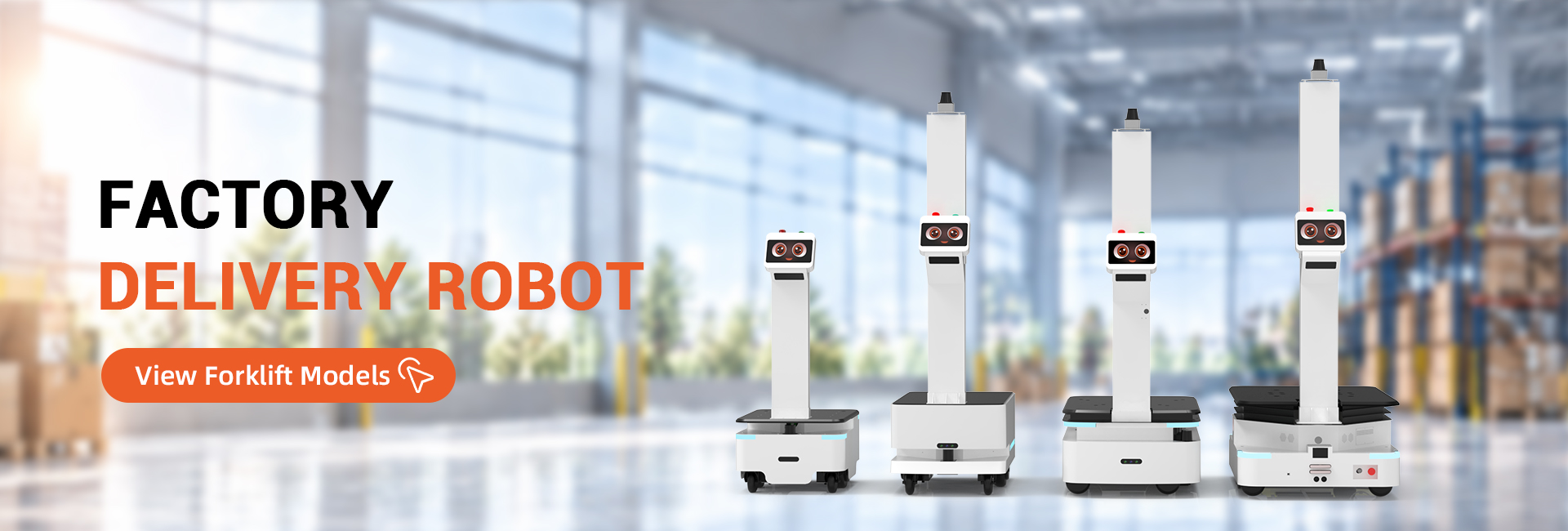
Eight Autonomous Platforms for Philadelphia Robot Programs
The following platforms form part of Elvorn's core autonomous robot catalog used by distributors and integrators. They cover room-service support, cart movement, pallet handling, and back-of-house material flow. For a hotel or hospital delivery project, Elvorn can combine a standard AMR chassis with trays, locked compartments, or a custom service top module. Product URLs are preserved from the original catalog.
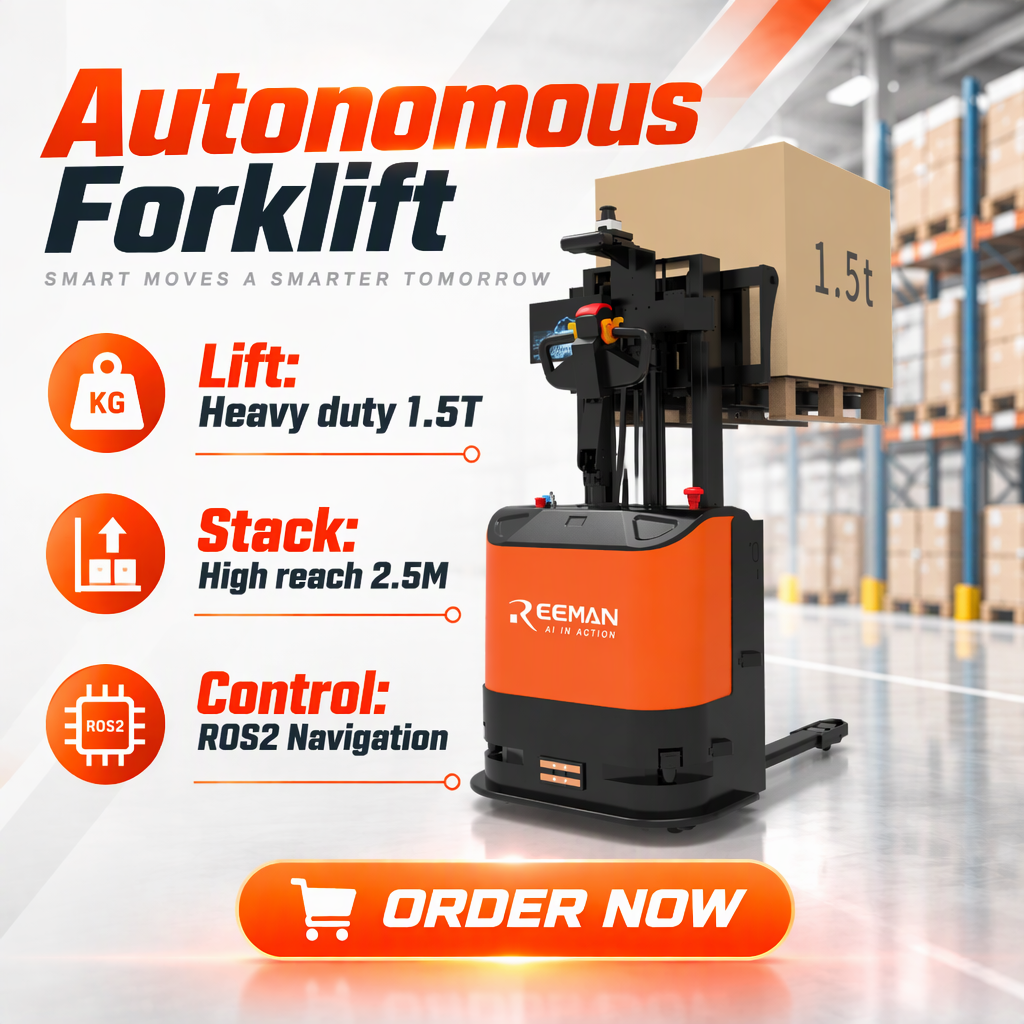
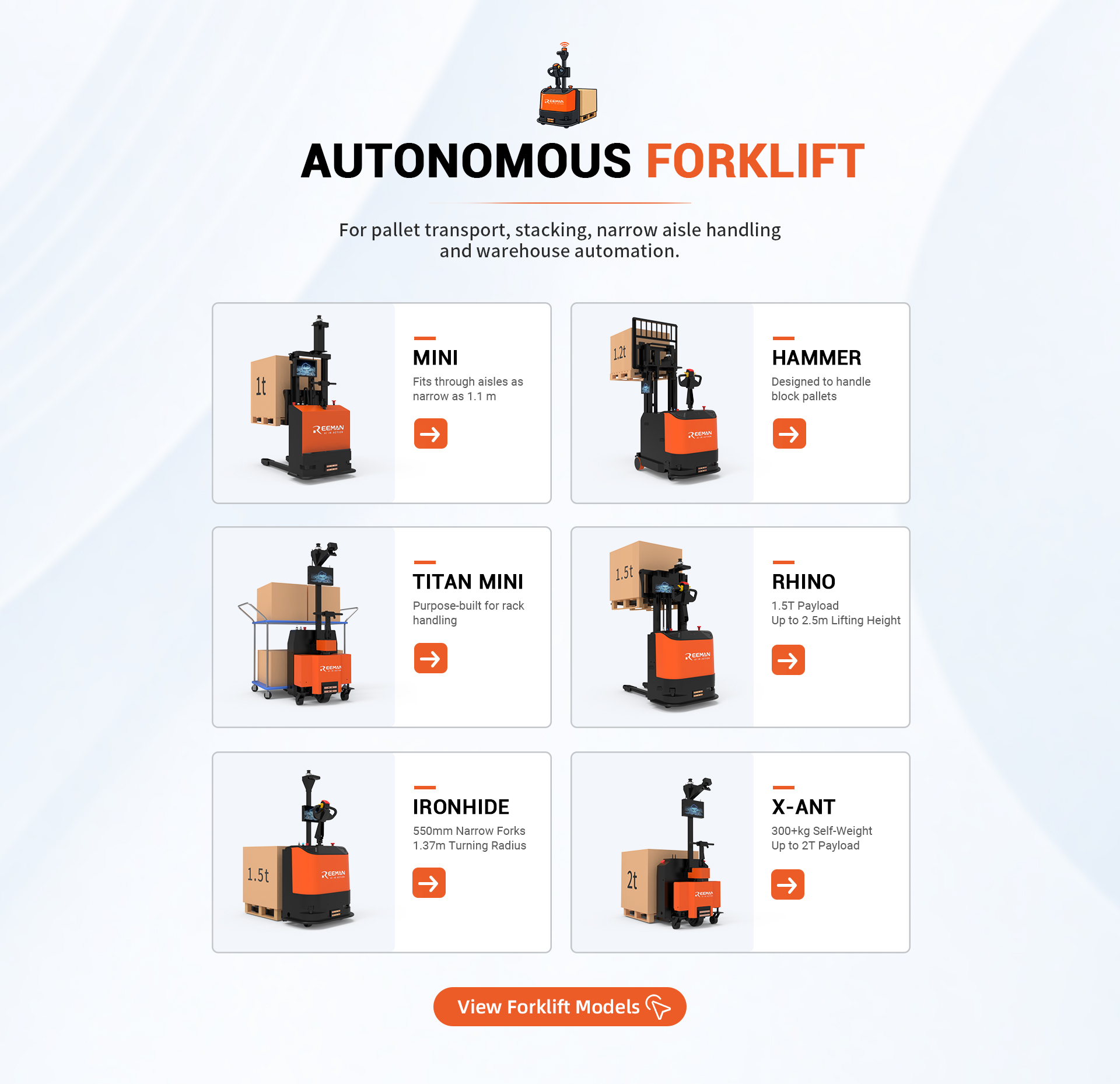
Autonomous Electric Forklift AGV 1500kg Load Capacity 2.5M Lift ROS2 Navigation 4WD Lithium-Ion Battery Indoor Material Handling
A high-capacity indoor AGV forklift for back-of-house pallet moves, dock-to-storage transfer, and repetitive material handling.
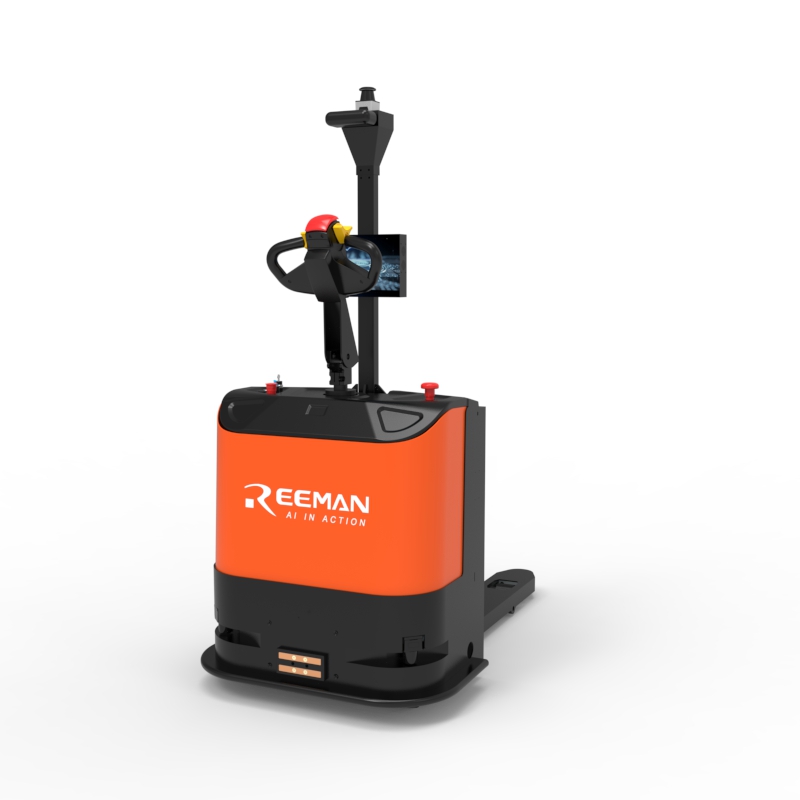
CE Certified 1500kg Driverless AGV Forklift Laser SLAM Navigation Automatic Pallet Loading Unloading Robot 1-2H Working Time
Driverless pallet loading and unloading for warehouses that need automated lifting without fixed floor infrastructure.
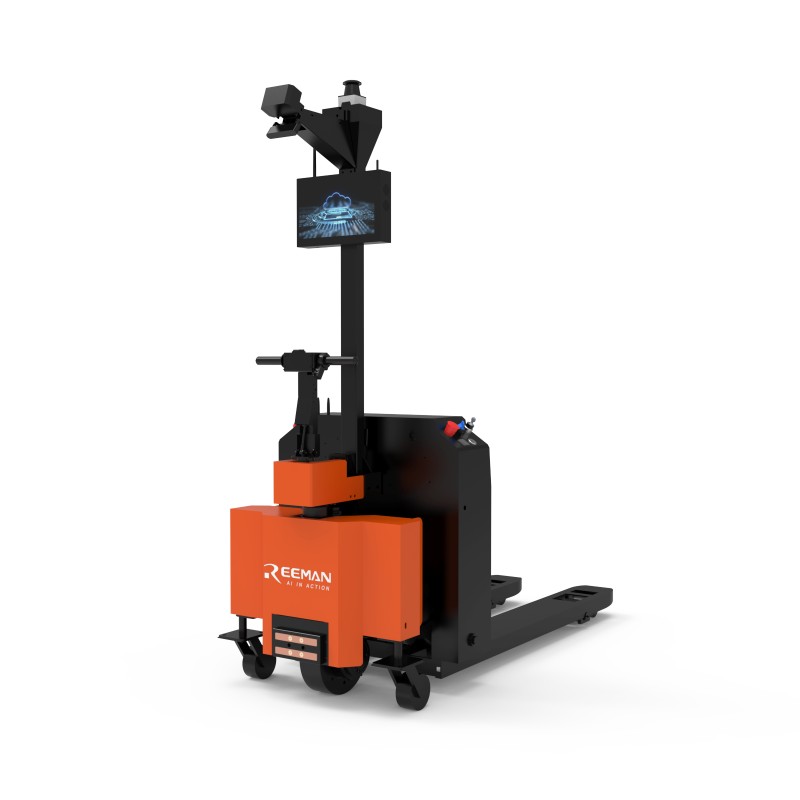
Reeman 2 Ton Autonomous Forklift AGV Laser SLAM Unmanned Pallet Truck 1085mm Fork 10mm Position Accuracy
Unmanned pallet truck with 1085 mm fork and 10 mm positioning accuracy for repeatable high-load handling.
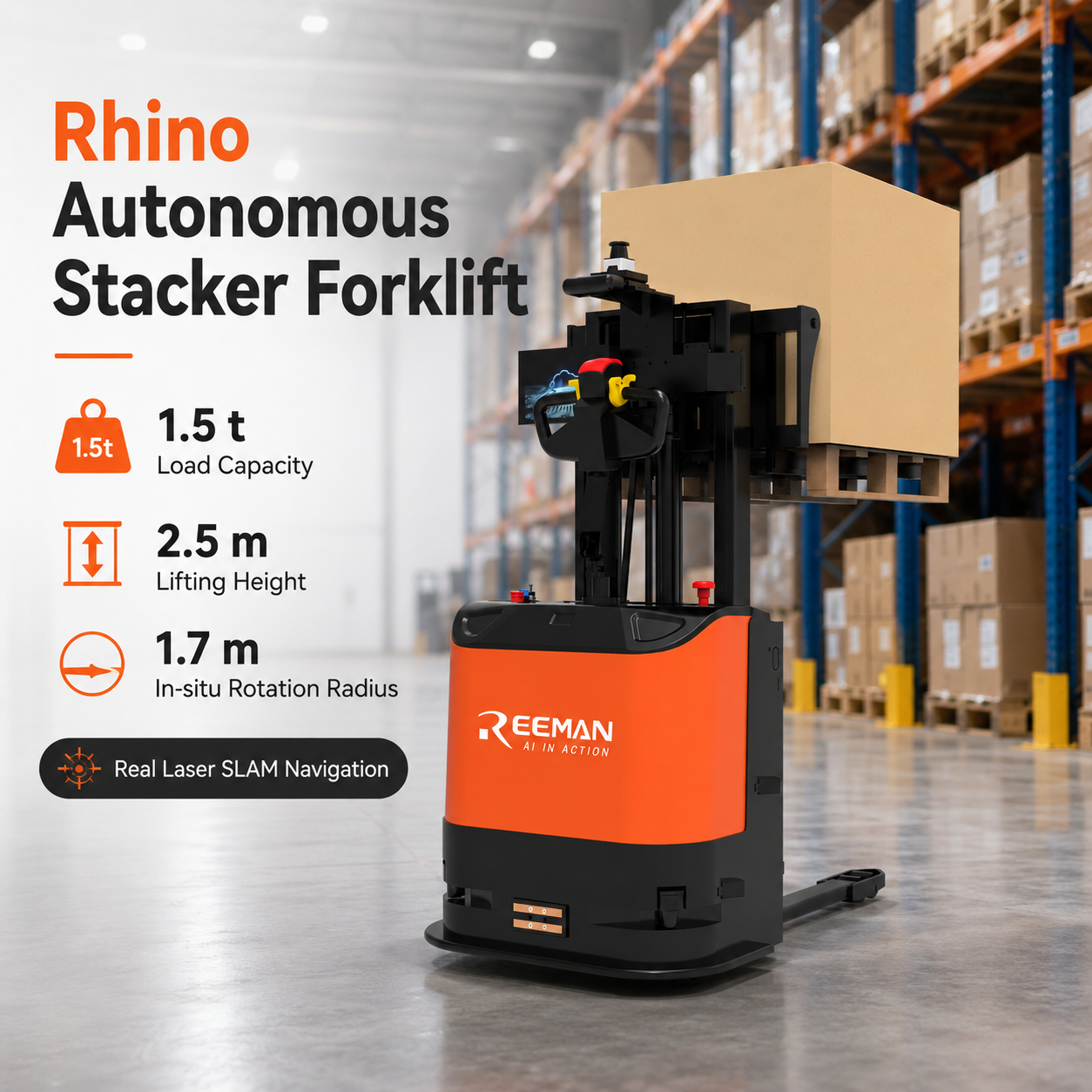
Laser SLAM Autonomous Stacker Forklift 1500 kg Load AGV Pallet Handling Robot Laser Obstacle Avoidance Warehouse
A laser SLAM stacker for warehouse pallet handling, low-rack storage, and integration with other AMR workflows.
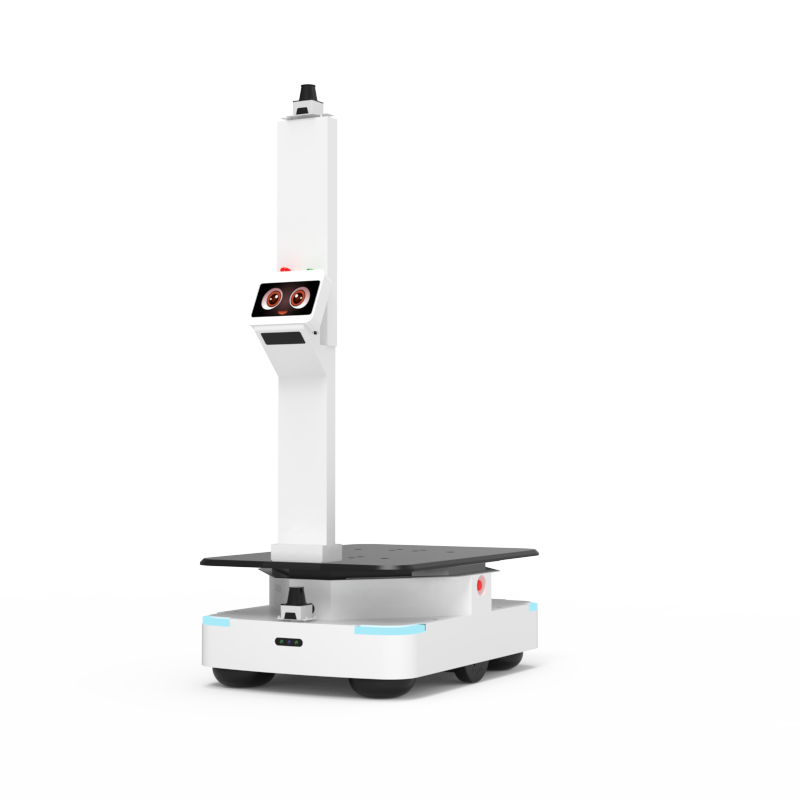
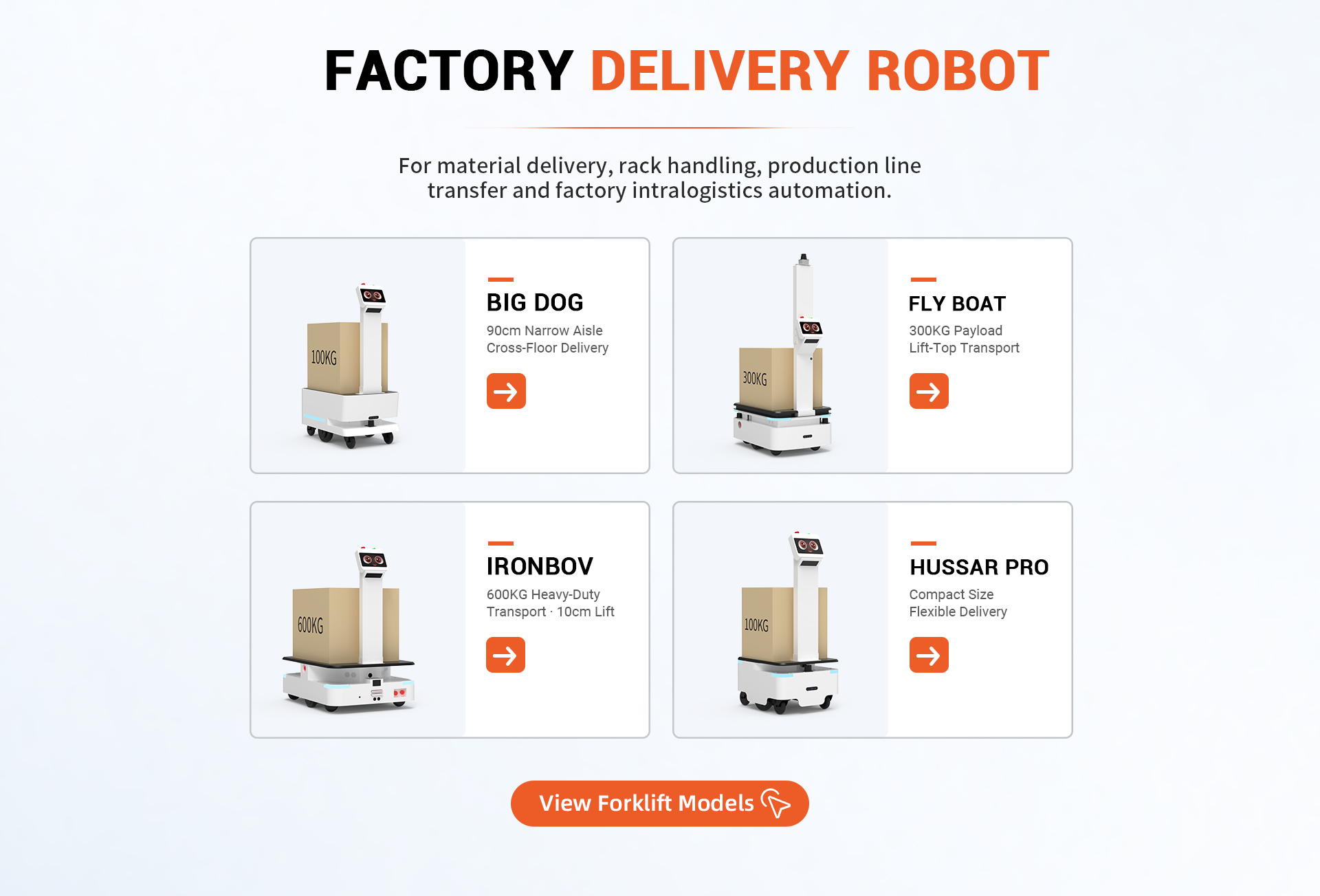
600kg Payload Laser Navigation AMR Robot Autonomous Lifting Warehouse Transfer Equipment
Autonomous lifting AMR for warehouse transfer and line-side replenishment where carts or shelves must be moved.
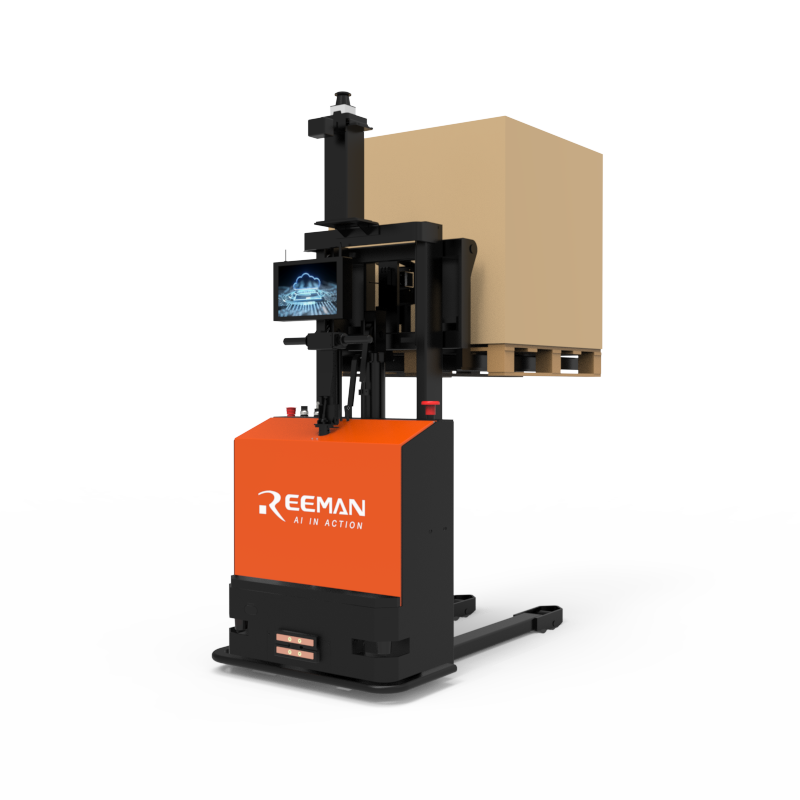
1000 kg Laser SLAM Forklift AGV Unmanned Pallet Stacker Single Line Lidar Obstacle Avoidance Factory Logistics
Unmanned pallet stacker designed for factory logistics, obstacle avoidance, and repeated stack-and-move tasks.
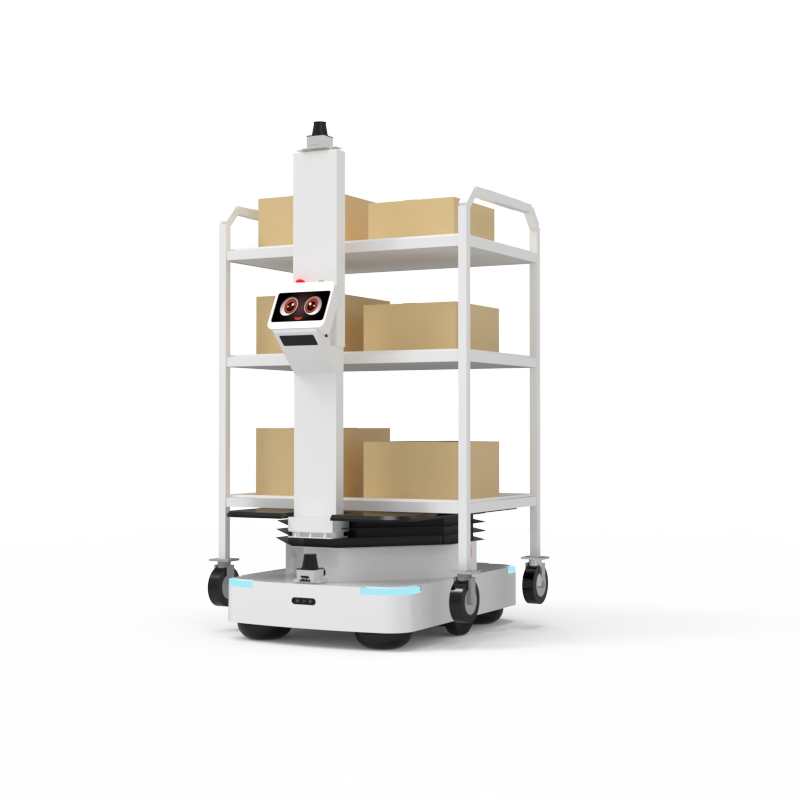
600kg Payload Autonomous AMR Robot Multi Sensor Mobile Material Handling Cart for Production Line
Multi-sensor AMR cart for material handling in production areas, with a modular platform for custom tops.

REEMAN X-ant JBOT20F 2 Ton Autonomous Forklift AGV Laser SLAM Pallet Handling Robot for Warehouse Logistics
Laser SLAM pallet handling robot for warehouse logistics, built for high-load autonomous forklift projects.
Why Philadelphia Buyers Shortlist Elvorn as a Robot Supplier
Procurement teams in Philadelphia need more than a robot specification sheet. They need a supplier who can answer integration questions, support branded wholesale programs, and stand behind the fleet after installation.
Laser SLAM Without Floor Infrastructure
No magnetic tape, QR codes, or reflectors are required. This matters in historic Philadelphia properties where owners resist drilling or closing service corridors. Remapping supports renovations, seasonal layouts, and event setups.
Open SDK & API Integration
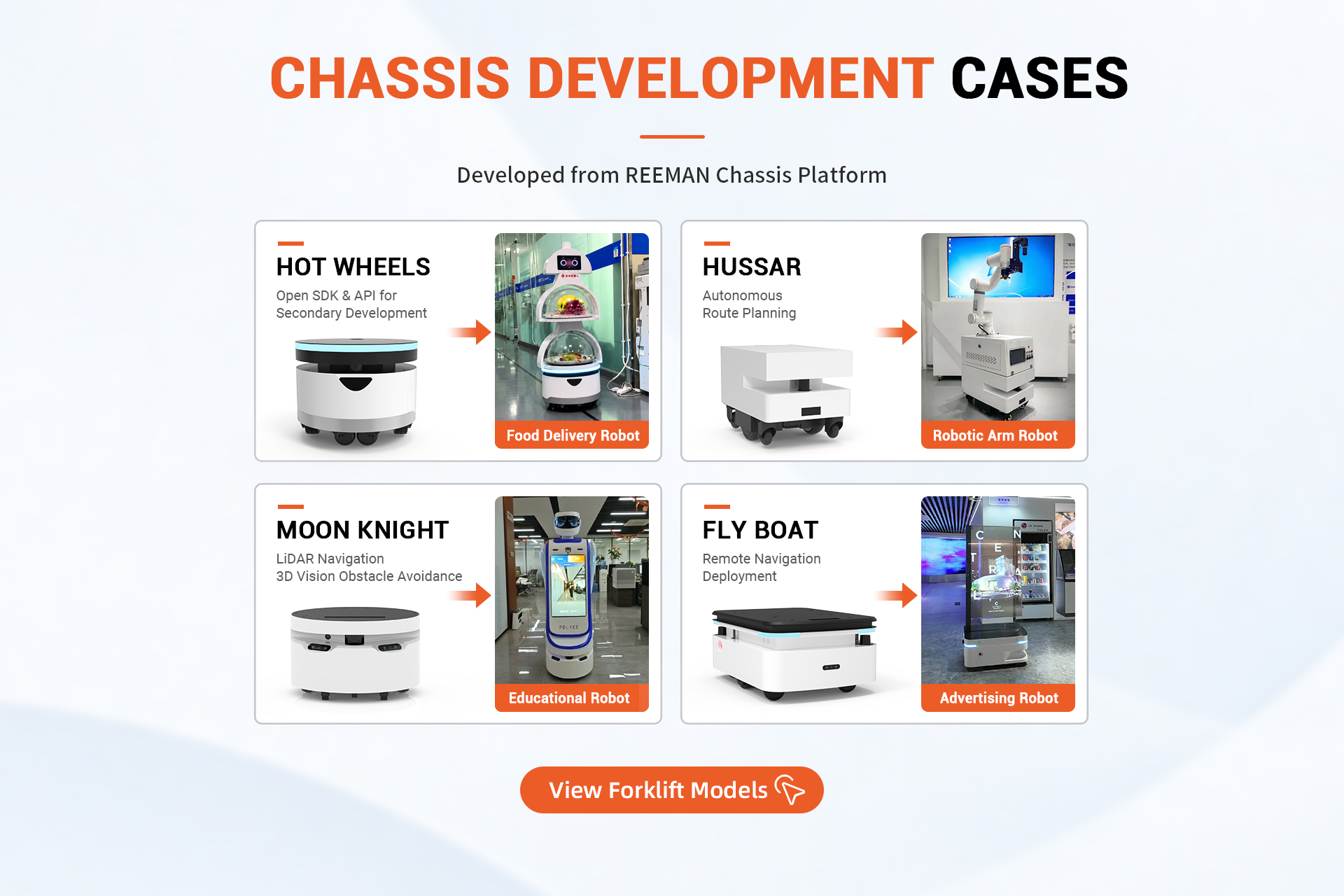
Elvorn AMRs and robot chassis provide an open SDK/API for secondary development. Your integrator can connect task dispatch to PMS, POS, WMS, MES, elevator controls, doors, or custom dashboards.
Modular Payload and Top-Module Engineering
From 600 kg AMRs to 2-ton autonomous forklifts, the portfolio shares control architecture. For room service, Elvorn can engineer tray shelves, lockable compartments, and branded housings on a stable chassis.
Multi-Layer Safety for Mixed Traffic
LiDAR, obstacle sensors, emergency stops, speed zones, and audible or visual alerts help robots operate around guests, staff, carts, and forklifts. Final risk assessment remains site-specific and should include your safety team.
Factory Capacity and Supplier Verification
Founded in 2015 with two production bases in Shenzhen and Ningbo, ISO 9001 and ISO 14001 management, CE/FCC/PSE model options, and SGS onsite verification. Buyers can request assessment reports and test records.
Export-Ready Support for US Buyers
English documentation, remote commissioning, spare-part planning, and FOB/T/T trade terms. For Philadelphia, Elvorn can support air freight into PHL or sea freight via the Port of Philadelphia, with your customs broker handling duties and entry.
Room Service Robot Use Cases Across Greater Philadelphia
Philadelphia's mix of historic hotels, major hospitals, universities, food halls, and logistics corridors creates distinct robot deployment patterns. The right configuration depends on route length, elevator availability, floor surfaces, and staff handoff rules.
Center City and Rittenhouse Hotels
Room service, amenity drops, laundry returns, and late-night F&B runs. Historic service elevators and narrow back corridors require a site survey before choosing footprint and turning radius. A robot should hand off at the door or service landing unless the property has a secure in-room delivery process.
University City Hospitals and Campuses
Scheduled meal delivery, linen transport, supply replenishment, and staff-only material runs. Use cleanable surfaces, secure compartments, and route separation from clinical waste where appropriate. Elvorn can support elevator and door integration planning through the AMR API.
PHL, Navy Yard, and Industrial Corridors
After-hours parts, documents, and supplies; long corridors; Wi-Fi handover; and security screening. Autonomous forklifts and AMRs can also handle pallet movement, with safety zones around passengers, dock traffic, and restricted areas.

Montgomery, Bucks, and Delaware Counties
Meal delivery, amenity kits, mail, and housekeeping supplies in communities with carpet transitions and elevator use. Operators value quiet operation, simple staff interface, remote fleet monitoring, and clear escalation procedures when a resident needs assistance.
Fishtown, Chinatown, and Food Halls
Food runners, bussing, and back-of-house supply moves in narrow aisles with unpredictable guests. Speed limits, sensor coverage, and staff override are more important than top speed. Plan docking space and cleaning routines before a pilot.
South Jersey and Lehigh Valley Warehouses
Autonomous forklifts and stackers handle pallet moves, dock-to-storage, and line-side feeding. This is where the larger Elvorn portfolio strengthens a room-service supplier relationship: one manufacturer can support front-of-house service robots and back-of-house material handling.
Philadelphia Room-Service Robotics Trends That Matter
Buyers in Greater Philadelphia are moving from isolated demos to practical fleets that connect with existing building systems and service standards. These trends affect supplier selection and total cost of ownership.
Hybrid Fleets Replace Single-Purpose Pilots
Philadelphia operators are moving from one demo robot to mixed fleets: room-service AMRs, cleaning robots, and back-of-house forklifts share maps and support. Buyers should ask about fleet scheduling and one service contact.
Building Integration Is Part of Procurement
Elevator APIs, automatic doors, PMS/POS triggers, and cyber reviews are no longer optional. A supplier that only provides a standalone robot creates hidden integration cost for hotels and hospitals.
Labor Augmentation and Service Standards
Hotels and hospitals want robots to remove repetitive walking, not bypass service standards. Successful projects define handoff points, cleanliness checks, and escalation rules with staff before deployment.
Total Cost of Ownership and Local Spares
Buyers compare battery cycle life, remote support, spare-part lead times, and training. For Philadelphia, a clear plan for PHL air freight or Port of Philadelphia sea freight reduces downtime risk.
Specifying a Room Service Robot for Philadelphia Buildings
Use this checklist during supplier evaluation. A room service robot is a building-integrated asset; the purchase decision should include operations, IT, security, facilities, and safety teams.
| Specification Area | What to Confirm in Philadelphia | Elvorn Supply Note |
|---|---|---|
| Payload and top module | Meal trays, linens, parcels, amenity kits, locked compartments, cleaning protocol, and brand finish. Confirm the heaviest single load and daily trip count. | Custom top modules can be engineered on AMR and chassis platforms, with OEM/ODM and buyer-label options. |
| Navigation and mapping | LiDAR performance in narrow corridors, reflective surfaces, carpet transitions, seasonal layouts, and Wi-Fi coverage. Avoid relying on tape or reflectors in historic buildings. | Laser SLAM navigation is available across the portfolio; remapping supports renovations and event setups. |
| Elevator, door, and network integration | Elevator recall and fire operation, automatic doors, access control, PMS/POS handoff, cyber review, and IT-approved network segmentation. | Open SDK/API supports secondary development by your integrator; final integration scope is confirmed in project design. |
| Safety, accessibility, and code | ADA public paths, guest areas, staff-only zones, speed limits, emergency stop access, audible alerts, and local fire code. Confirm whether UL/ETL or other local listing is required. | Models can carry CE, FCC, or PSE marks; factory management is ISO 9001 and ISO 14001 certified. Site-specific risk assessment remains essential. |
| Battery and charging | Shift length, charging location, opportunity charging, battery swap plan, electrical requirements, and fire separation from storage areas. | Lithium-ion platforms are available; runtime and charging strategy are matched to route data and duty cycle. |
| Shipping and after-sales | Incoterms, customs broker, HTS classification, duties, Pennsylvania tax, spare-parts kit, remote support hours, and local integrator availability. | Elvorn ships worldwide on FOB terms with T/T payment in USD or CNY; final terms depend on configuration and destination. |
- Wi-Fi heat map and roaming test along the intended route
- Elevator dimensions, wait time, recall behavior, and interface availability
- Door widths, threshold heights, floor transitions, and charging space
- Staff handoff rules, cleaning workflow, and guest-facing script
- Safety review with operations, security, and facilities teams
- Spare-parts plan, support escalation, and acceptance test criteria




A Verified Manufacturer for Wholesale Robot Programs
Elvorn is not a trading intermediary. The company was founded in 2015 as a national high-tech enterprise focused on robotic platform technology and autonomous driving. Its team designs laser SLAM navigation, motion control, fleet scheduling, and hardware in-house.
The factory footprint includes two production bases in Shenzhen and Ningbo, 5,200㎡ of floorspace, 200+ team members, and 39 patents. The management system is certified to ISO 9001 and ISO 14001, models can carry CE, FCC, or PSE marks, and the factory has been verified onsite by SGS Group.
Because the engineering team owns the full stack, Philadelphia buyers can get direct answers on navigation limits, elevator integration, battery runtime, and maintenance. OEM/ODM service includes custom top modules, payload structures, branding, packaging, and buyer-label options. Trade terms are typically FOB with T/T payment in USD or CNY; final terms depend on configuration and destination.
- Founded 2015
- 39 awarded patents
- ISO 9001 & ISO 14001
- SGS onsite verification
- CE / FCC / PSE model options
- OEM, ODM, buyer label
Frequently Asked Questions About Room Service Robot Suppliers
These are the questions most often raised by hotel operators, healthcare procurement teams, integrators, and wholesale buyers evaluating a Philadelphia deployment.
Are you a room service robot supplier or a wholesaler for Philadelphia?
Both. Elvorn is a manufacturer and wholesale supplier. Philadelphia buyers can purchase direct for single-property deployments or work through distributors and integrators for multi-site rollouts. Wholesale programs can include OEM/ODM, buyer-label branding, custom top modules, and software integration. MOQ, pricing, and lead time are configuration-specific, so an inquiry should include room count, route length, payload, elevator count, and target go-live date.
Can Elvorn customize a room service robot for my hotel brand?
Yes. Customization can cover tray shelves, lockable compartments, branding, user interface, charging strategy, and API integration. Elvorn's AMR and robot chassis lines provide an open SDK/API for secondary development, so your integrator can connect task dispatch to PMS, POS, WMS, or a custom dashboard. For hotel projects, define handoff rules, cleaning protocol, and who owns robot-to-guest interactions before design freeze.
Which robot should a Philadelphia hotel choose first?
Start with the narrowest repetitive route, not the most visible demo. A room-service AMR with tray or parcel compartments is often appropriate for amenity delivery, late-night F&B, and laundry returns. If the property also moves pallets, choose a supplier with forklift AGVs and pallet stackers on the same SLAM stack. Measure elevator wait time, route distance, door widths, and staff handoff time before deciding fleet size.
How do you handle shipping, duties, and delivery to Philadelphia?
Elvorn ships worldwide, typically on FOB terms, with T/T payment in USD or CNY. Air freight into Philadelphia International Airport (PHL) is common for urgent pilots; sea freight via the Port of Philadelphia can be cost-effective for larger orders. A licensed customs broker should handle HTS classification, duties, entry, and any applicable Pennsylvania tax. Confirm Incoterms, packaging, and spare-parts shipment in the quotation.
What local building checks are required before deployment?
A site survey should confirm Wi-Fi coverage and roaming, elevator recall or fire operation, door and corridor widths, floor transitions, charging location, public accessibility, and emergency procedures. Historic buildings may have narrow service corridors or reflective surfaces that affect LiDAR performance. Final safety validation should involve the facility's operations, IT, security, and safety teams. Elvorn can review drawings and support remote mapping, but local code compliance remains site-specific.
What after-sales support and spare parts are available?
Support typically includes English documentation, remote commissioning, operator training, firmware guidance, and a recommended spare-parts kit. For Philadelphia buyers, plan for response-time expectations, local integrator support, and a small buffer of high-wear parts. The original factory's export support covers North America, and buyers can request test records, certification documents, and SGS assessment information during due diligence.
Request a Philadelphia Wholesale Configuration
Send your room count, route map, elevator details, payload requirement, software integration scope, and target date. Elvorn's engineering team will respond with a configuration recommendation and wholesale next steps for your Philadelphia or Greater Delaware Valley project.
info@elvornbot.com