Room Service Robot Wholesaler & Wholesalers Serving the Yokohama Market
Procurement-ready room service robots, autonomous delivery platforms, and service-robot supply programs for Yokohama hotels, restaurants, hospitals, retailers, integrators, and wholesale distributors.
Eight Robot Platforms for Yokohama Wholesale and Project Supply
This recommended range covers guest-facing room service, indoor-outdoor amenity delivery, advertising and wayfinding, material handling, and heavy pallet transport. It helps Yokohama wholesalers bundle one supplier conversation across hotel, retail, healthcare, and logistics projects.
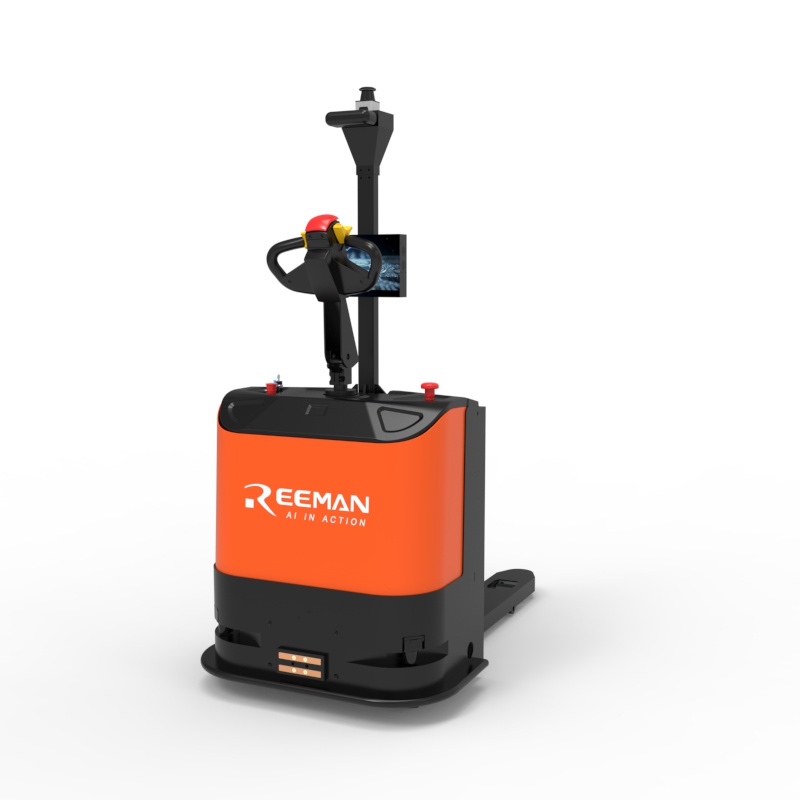
Reeman BBOT30F 1500 kg Laser SLAM Forklift AGV LiDAR Navigation Pallet Handling Warehouse
Heavy pallet and linen-cart movement for hotel back-of-house, banquet logistics, and warehouse zones.
View product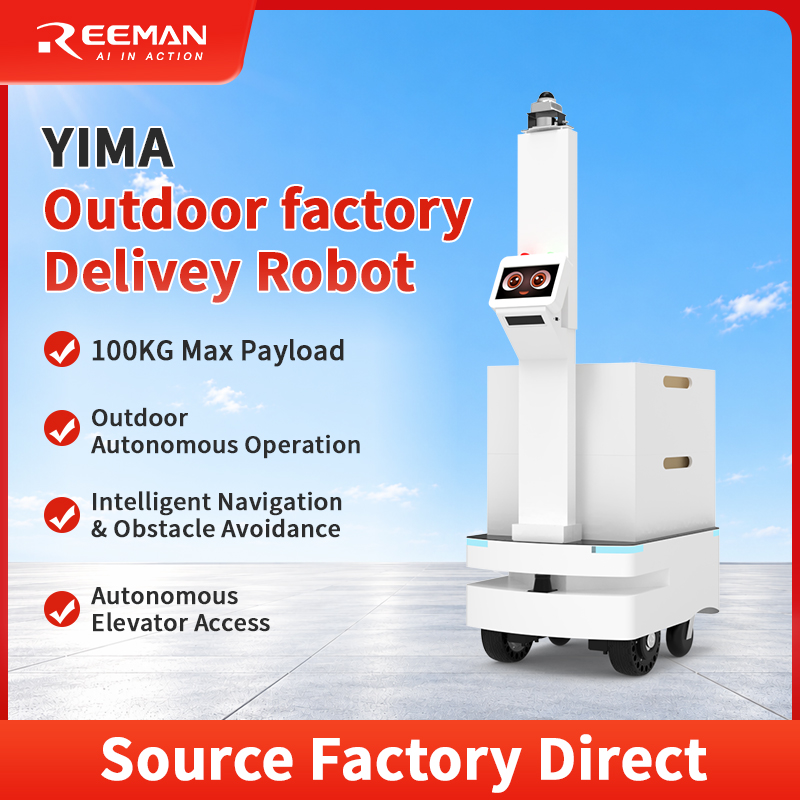
REEMAN Outdoor Delivery Robot 100kg Payload Autonomous Navigation Obstacle Avoidance Elevator Access Warehouse Logistics
Ideal for waterfront hotels, event campuses, and amenity runs that cross indoor and outdoor paths.
View product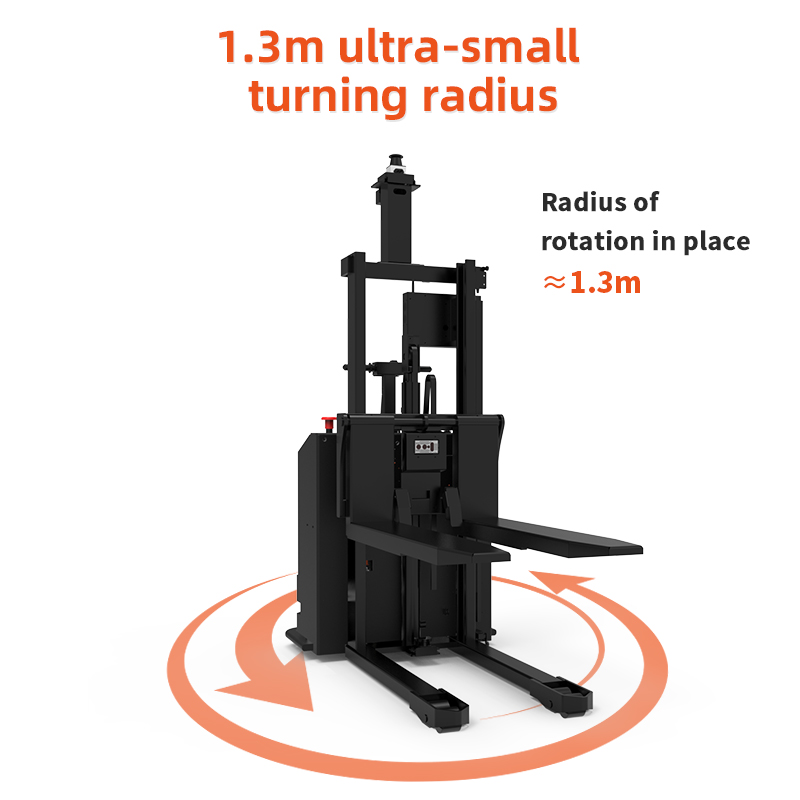
1000kg Forklift AGV Laser SLAM Navigation Pallet Transport Robot 1.3m Turning Radius Auto Charging for Factory Logistics
Pallet transport for central kitchens, laundry hubs, and factory logistics with compact turning capability.
View product
Reeman BBOT30F 1500kg Laser SLAM Autonomous Pallet Stacker AGV Single Line Lidar Obstacle Avoidance Warehouse Transport
Stacking and low-rack storage for high-throughput back-of-house and distribution operations.
View product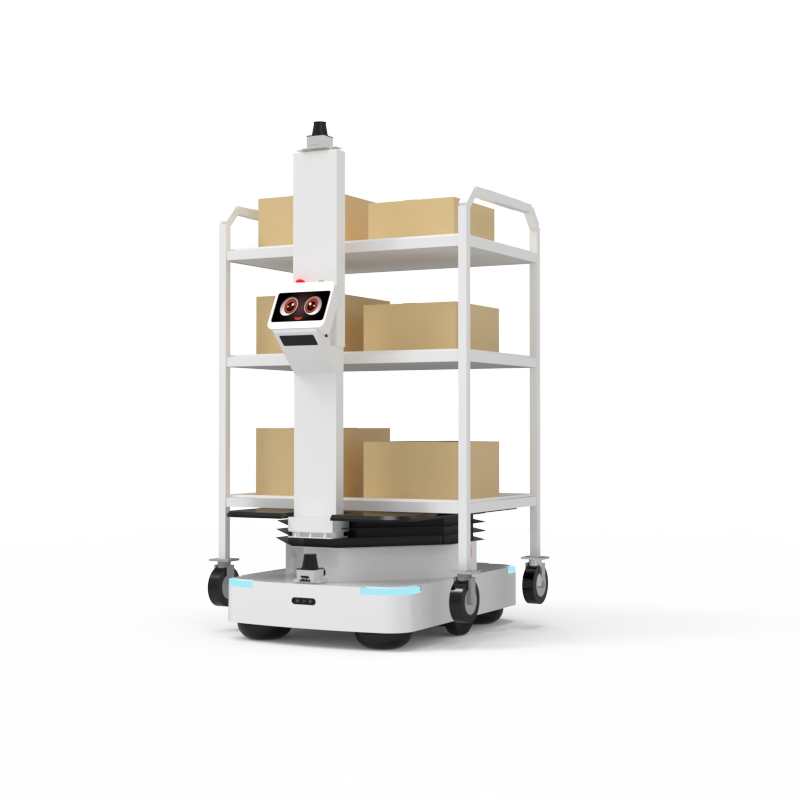
600kg Payload Autonomous AMR Robot Multi Sensor Mobile Material Handling Cart for Production Line
Mobile material handling for convention centers, hospitals, and production lines needing flexible cart transport.
View product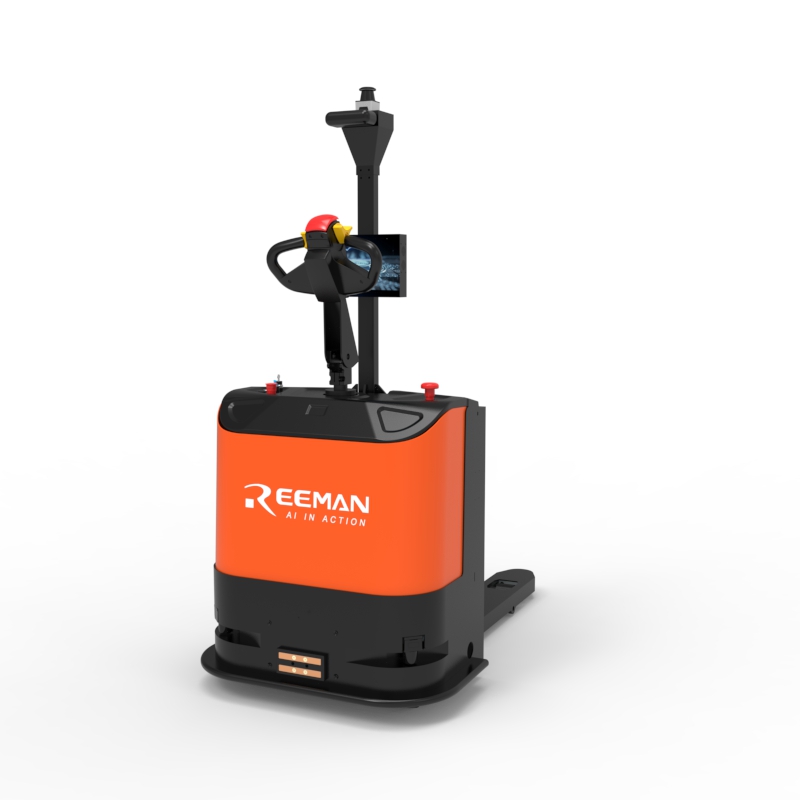
1500kg Laser SLAM AGV Forklift Single Line Lidar 30mm Navigation Accuracy 1019mm Forks 570mm Width Industrial Handling
Heavy industrial handling when a Yokohama project requires 1.5-ton pallet capacity and repeatable accuracy.
View product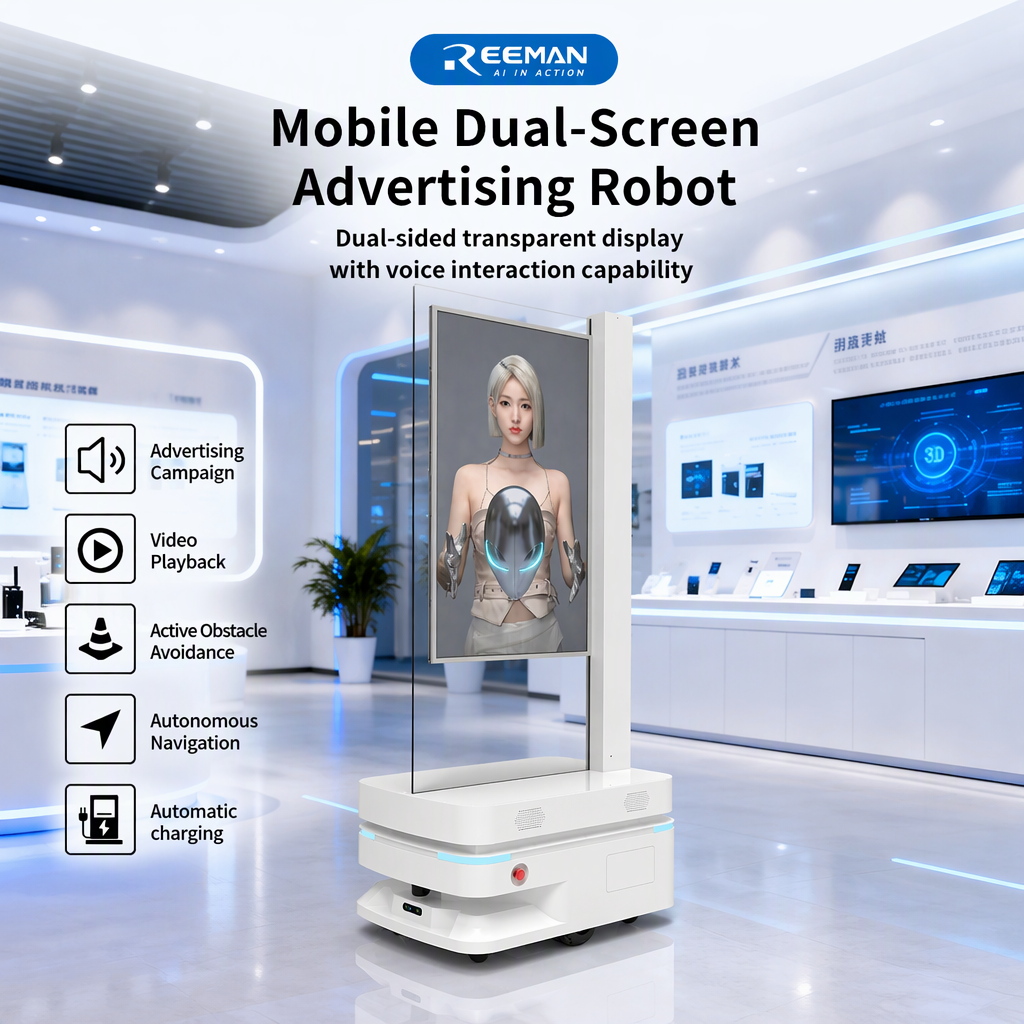
Reeman Mobile Dual Screen Advertising Robot LCD Display Voice Interaction Autonomous Navigation Indoor Commercial Use
Guest-facing lobby advertising, wayfinding, and multilingual promotion for hotels, malls, and exhibitions.
View product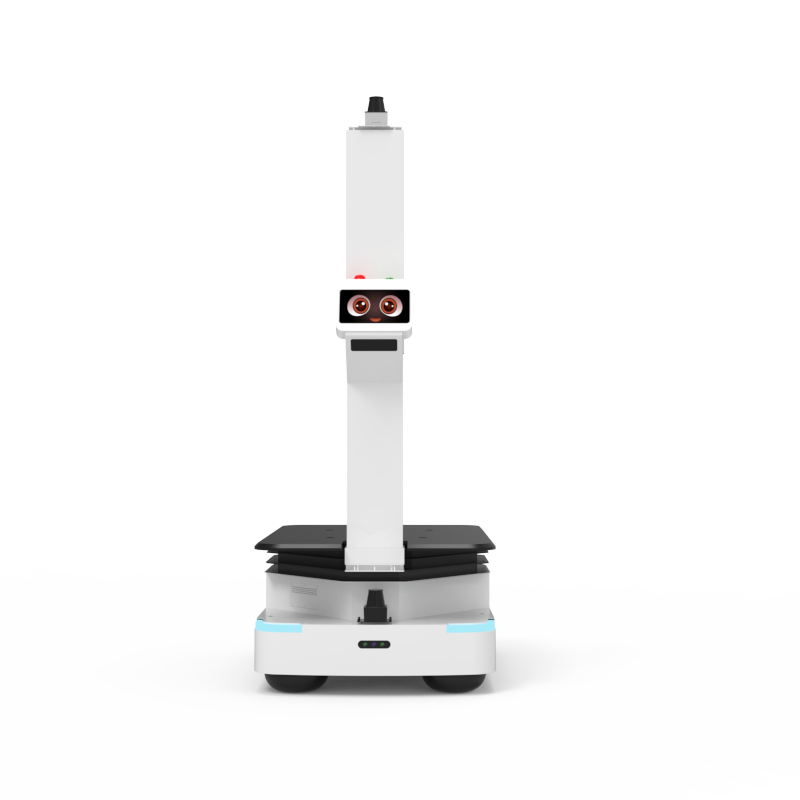
600kg Industrial AMR AGV Robot Laser SLAM Navigation QR Code-Free Factory Logistics
QR-code-free AMR transport for factory and logistics teams that need faster route changes and clean floors.
View productProduct links are preserved as supplied. Final configuration depends on corridor width, elevator interface, floor surface, payload, and Japanese import requirements. For models or custom top modules not listed, use the quote button and request a project-specific recommendation.
Manufacturing Depth Behind Yokohama Wholesale Programs
Wholesalers need more than a product photo. They need a manufacturer with repeatable production, engineering support, export documentation, and a long-term spare-parts path.
Factory data verified onsite by independent inspector SGS Group. Management systems certified to ISO 9001 and ISO 14001; individual models carry CE, FCC, or PSE marks depending on configuration.
Why Yokohama Is a Distinct Market for Room Service Robot Wholesalers
Yokohama is not one uniform procurement market. Minato Mirai hotels, Kannai business hotels, Yokohama Station retail complexes, Shin-Yokohama conference traffic, Chinatown restaurants, waterfront event venues, hospitals, and senior-living facilities each create different robot requirements. A room service robot that works well in a new waterfront hotel may be the wrong choice for a compact existing property with narrow service corridors and older elevator controls.
That is why a specialist wholesaler adds value before price. The right wholesale partner helps the buyer translate guest-service intent into payload, compartment design, door and elevator integration, battery strategy, cleaning routine, safety zoning, and after-sales coverage. For Yokohama distributors and integrators, the winning model is usually a configurable platform plus local first-line service — not a single catalog item sold without commissioning support.
- Guest-facing room service and amenity delivery in compact hotel floors
- Back-of-house linen, laundry, banquet, and restaurant tray logistics
- Hospital, clinic, and senior-living supply runs with privacy controls
- Retail, mall, and exhibition wayfinding with multilingual guest prompts
Typical Yokohama Procurement Weighting
Elvorn application-engineering discussion framework. Adjust with the client’s own risk and operations team.
Room Service Robot Use Cases Across Yokohama
Successful robot procurement starts with the workflow, not the model name. These local application scenarios help wholesalers qualify buyer intent quickly.
Minato Mirai City Hotels
Guest-room amenity and room service delivery with elevator access, branded voice prompts, and discreet tray return.
Yokohama Station Business Hotels
Compact robots for high-turnover floors, limited storage, and fast delivery windows during check-in peaks.
Banquet & MICE Venues
Support for event logistics, meeting-room deliveries, and temporary wayfinding around large conference groups.
Chinatown & Restaurant Service
Tray, menu, and takeaway support for multi-floor food service where staff walking time is a daily bottleneck.
Hospitals & Clinics
Delivery of supplies, meals, and documents with controlled routes, scheduled tasks, and quiet operation.
Senior Living & Care
Respectful delivery support for meals, amenities, and staff replenishment without adding noise or complexity.
Retail & Shopping Complexes
Mobile advertising, wayfinding, and customer engagement in lobbies, promotions, and exhibition zones.
Cruise Terminal & Waterfront Events
Indoor-outdoor delivery and guest guidance for temporary events, waterfront venues, and mixed pedestrian areas.
What Yokohama Buyers Are Asking for in 2025–2026
These trends influence specification, tender scoring, and wholesale stock planning for service robots in the Yokohama market.
Compact, Elevator-First Design
Hotels are prioritizing robots that fit existing service elevators, pass narrow corridors, and avoid disruptive building works.
PMS, POS & API Integration
Buyers want robot tasks triggered by front-desk, restaurant, or service systems rather than isolated manual commands.
Japanese-Language Guest Experience
Voice, screen prompts, safety signage, and operator training must match local staff and guest expectations.
Indoor-Outdoor Flexibility
Waterfront venues and mixed-use campuses want one platform for indoor amenity runs and outdoor path delivery.
Service SLA & Spare-Parts Localization
Wholesalers are evaluated on first-line response, spare-part kits, remote diagnostics, and predictable maintenance.
Safety & Privacy in Public Spaces
Hotels and hospitals require clear speed zoning, obstacle handling, emergency stops, and privacy-aware delivery flows.


Why Choose Elvorn as a Robot Supply Partner for Yokohama
Shenzhen Elvorn Intelligent Equipment Co., Ltd. was founded in 2015 and is a national high-tech enterprise focused on robotic platform technology and autonomous driving. The company designs and manufactures laser SLAM autonomous forklifts, industrial AMRs, robot chassis, delivery robots, cleaning robots, and disinfection robots. Its in-house R&D team covers navigation, motion control, fleet scheduling, and hardware — a practical advantage when a Yokohama distributor needs a custom top module or a software interface.
Factory verification by SGS Group, ISO 9001 and ISO 14001 management systems, and CE, FCC, or PSE marks on applicable models support buyer due diligence. Elvorn supports OEM, design service, and buyer-label options, and ships worldwide on FOB terms with T/T payment in USD or CNY. English documentation, remote commissioning, and spare-part supply help local partners serve end users after installation.



Laser SLAM Navigation
Maps a site in hours and navigates without magnetic tape, QR codes, or floor reflectors — an advantage in existing buildings.
Open SDK & API
Secondary development lets integrators connect robots to WMS, MES, elevators, doors, and custom dashboards.
Modular Payload Platforms
From 60 kg delivery robots to 2-ton autonomous forklifts on shared control architecture, simplifying fleet training.
Multi-Layer Safety
Lidar, obstacle sensors, emergency stops, and speed zoning keep robots safer around guests, staff, and vehicles.
Own Production Capacity
Two production bases in Shenzhen and Ningbo with material inspection and supplier assessment procedures.
Export-Ready Support
English documentation, remote commissioning, and spare-part supply for buyers across Asia, Europe, North America, and the Middle East.
From Yokohama Site Survey to Stable Operation
A practical five-step path for wholesalers, integrators, and end users who need a predictable deployment instead of an isolated product shipment.
Requirement Review
Share layout drawings, load data, elevator type, floor surface, guest flow, and target throughput.
Solution Design
Engineers recommend models, fleet size, charging plan, safety zoning, and integration scope.
Customization & Build
OEM branding, top modules, screens, voice prompts, and software interfaces built to the project brief.
Factory Testing
Function and load tests before shipment, with test records available for buyer review.
Deploy & Support
Remote mapping support, operator training, spare-part kits, and long-term technical assistance through local partners.
Local Procurement Questions for Room Service Robot Wholesalers
These are the questions hotels, distributors, integrators, and facility operators commonly ask before shortlisting an autonomous service robot supplier for the Yokohama market.
What does a room service robot wholesaler in Yokohama actually provide?
A specialist wholesaler should provide more than inventory. It should help with model selection, layout review, elevator and door integration, Japanese-language user experience, spare-parts planning, import documentation, and first-line service through local partners. For project buyers, the wholesaler is the bridge between the robot manufacturer and the hotel engineering, IT, and operations teams.
Can room service robots work in compact Japanese hotel corridors and elevators?
Yes, but the project must start with measured aisles, door widths, elevator cabin dimensions, threshold heights, and turning space. Compact AMR and delivery platforms can be configured with smaller footprints, lower speeds, and precise obstacle handling. For older buildings, elevator interface availability and Wi-Fi coverage should be checked before final model selection.
Do the robots support Japanese-language prompts and PMS or POS integration?
OEM and customization programs can support branded screens, voice prompts, and local language content. Integration depends on the chosen platform and the property’s PMS, POS, or service workflow. Elvorn AMRs and chassis provide an open SDK and API for secondary development, while the final Japanese-language interface and local system integration should be confirmed with the distributor and the end user’s IT team.
Which certifications and import points matter for Yokohama buyers?
Depending on the model, Elvorn robots may carry CE, FCC, or PSE marks. ISO 9001 and ISO 14001 cover the management system, and the factory has been verified onsite by SGS Group. For Japan-bound projects, the importer should confirm PSE applicability, radio equipment requirements, lithium-battery shipping rules, labeling, and customs documentation for the exact configuration before order placement.
What are typical trade terms, payment terms, and lead-time expectations?
Elvorn commonly ships worldwide on FOB terms and accepts T/T payment in USD or CNY. Lead time depends on model, customization, quantity, and testing scope. A realistic project schedule should include requirement review, solution design, build, factory testing, international shipping, local installation, mapping, and operator training. The distributor should request a written configuration and delivery schedule with the quotation.
How should a Yokohama hotel measure ROI before buying?
Use a practical formula: annual labor hours avoided + reduced tray-return delays + fewer amenity walks + improved guest response time + safer repetitive handling, minus robot lease or purchase cost, charging, maintenance, and integration. A pilot in one tower or one F&B zone usually gives better data than a building-wide estimate. Track delivery count, average round-trip time, exception rate, and staff intervention rate.
What is the best first pilot for a Yokohama property?
Start with a high-frequency, low-risk route: amenity delivery to guest floors, towel or linen replenishment, restaurant tray return, or meeting-room supply delivery. Avoid launching with the most complex route first. A 30- to 60-day pilot with clear safety rules, named operators, and weekly data review usually reveals whether the workflow is ready for wider deployment.
Plan Your Yokohama Room Service Robot Supply Program
Send your hotel or facility layout, payload requirement, elevator interface, target routes, and estimated annual delivery volume. Our application engineers will help wholesalers and integrators shortlist the right autonomous delivery robot or AMR platform.
Get a Quote info@elvornbot.com