Eight robot platforms shortlisted for Baguio service and automation projects
These platforms cover the product families most often reviewed by Baguio hotels, restaurants, clinics, campuses, retailers, warehouses and integrators. Product URLs are preserved exactly. Do not choose a robot from payload alone: aisle width, route slope, lift control, software integration and spare-part planning determine the right configuration.
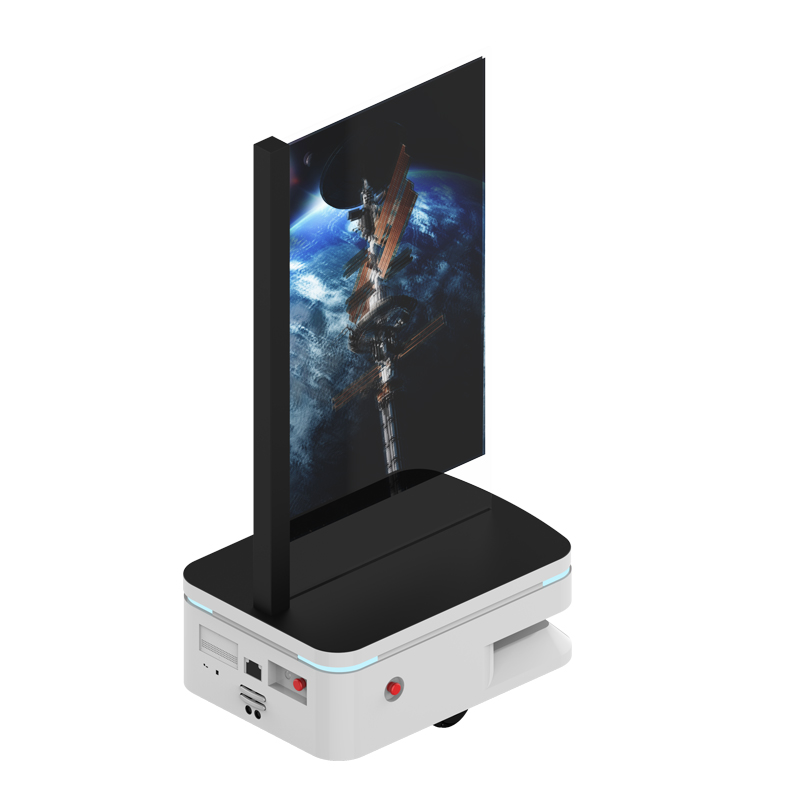
75 Inch Indoor LED Digital Poster Touch Screen Display SDK OEM ODM Black Signage for Retail Store Elevator Airport
A slim touch display for hotel lobbies, malls, elevators and visitor information points. The open SDK helps local integrators add multilingual menus, event schedules and directory content; OEM/ODM finishing suits hospitality and retail brands.
View product →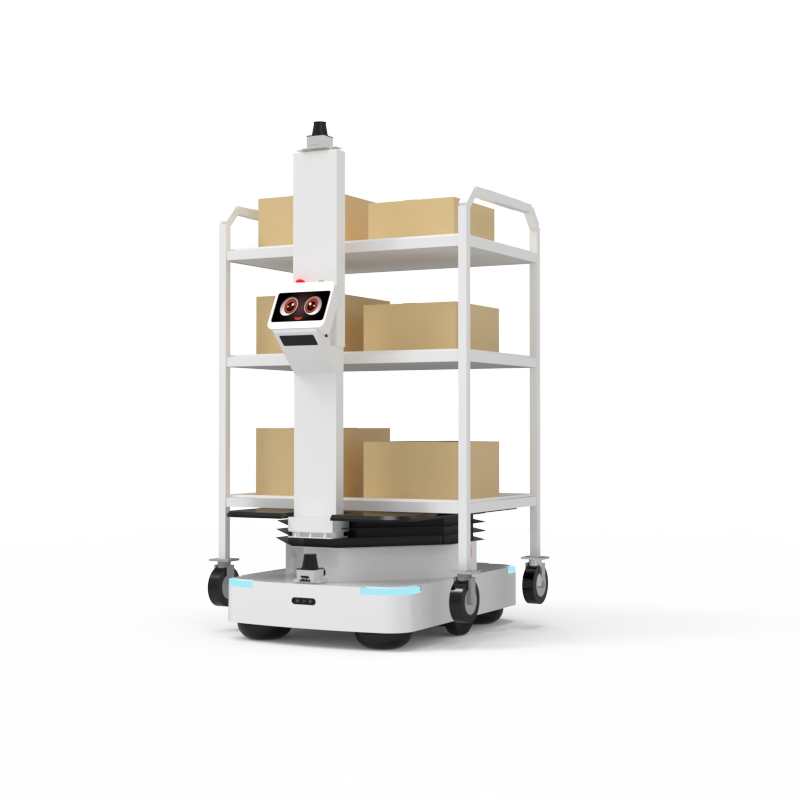
600kg Payload Autonomous AMR Robot Multi Sensor Mobile Material Handling Cart for Production Line
A 600 kg autonomous mobile robot with multi-sensor safety for production-line and back-of-house material movement. Relevant for Baguio food processors, light manufacturing, retail distribution and workshops moving carts between workstations.
View product →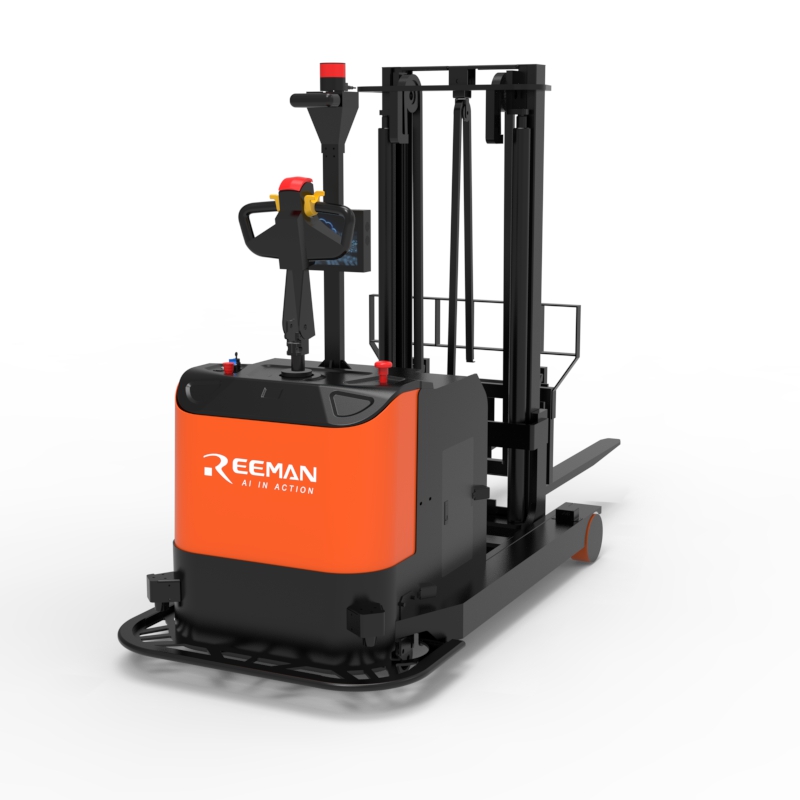
Reeman Autonomous Electric Stacker Forklift 1.2 Ton Li-Ion 48V 30Ah 2500mm Lift Laser Navigation 3m Aisle
A 1.2-ton autonomous stacker with Li-ion battery and laser navigation for compact aisles up to 3 m. It supports pallet lifting to 2,500 mm, making it relevant for wholesale, cold storage and warehouse operations serving Baguio traders.
View product →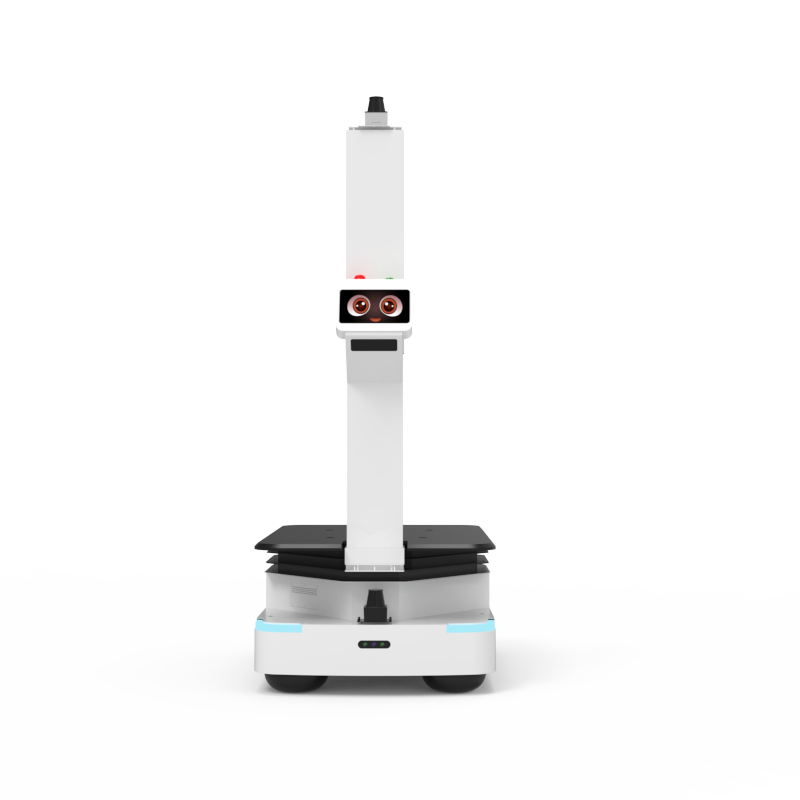
600kg Industrial AMR AGV Robot Laser SLAM Navigation QR Code-Free Factory Logistics
A 600 kg industrial AMR/AGV with laser SLAM and QR code-free navigation. A strong fit for factories and logistics centers that need flexible routes without floor tape; open APIs can support WMS/MES integration after technical review.
View product →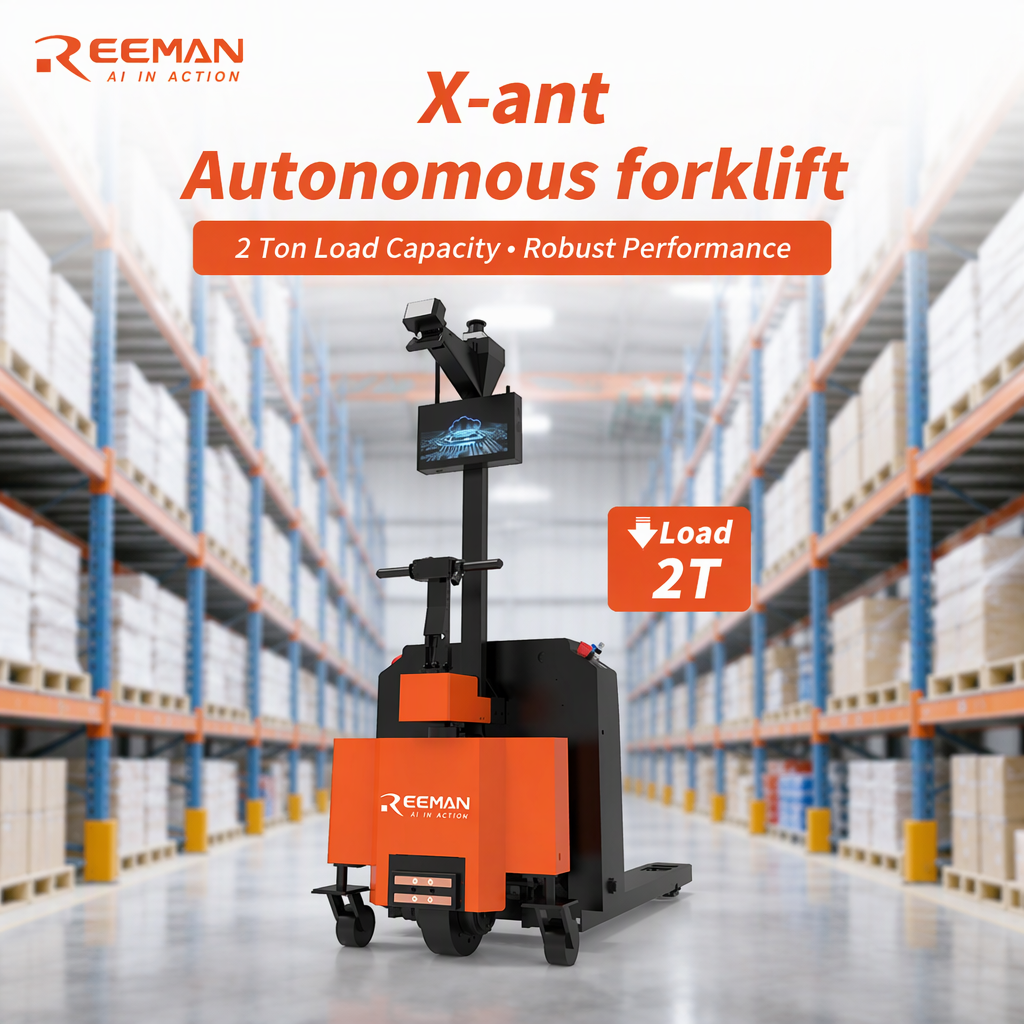
2 Ton Autonomous 4WD AGV Forklift Laser SLAM Navigation Multi-Line LiDAR 10mm Position Accuracy Warehouse Handling
A 2-ton 4WD autonomous forklift AGV with multi-line LiDAR and 10 mm positioning accuracy for demanding warehouse handling. A heavy-duty option for distributors, construction suppliers and highland produce consolidation points with palletized loads.
View product →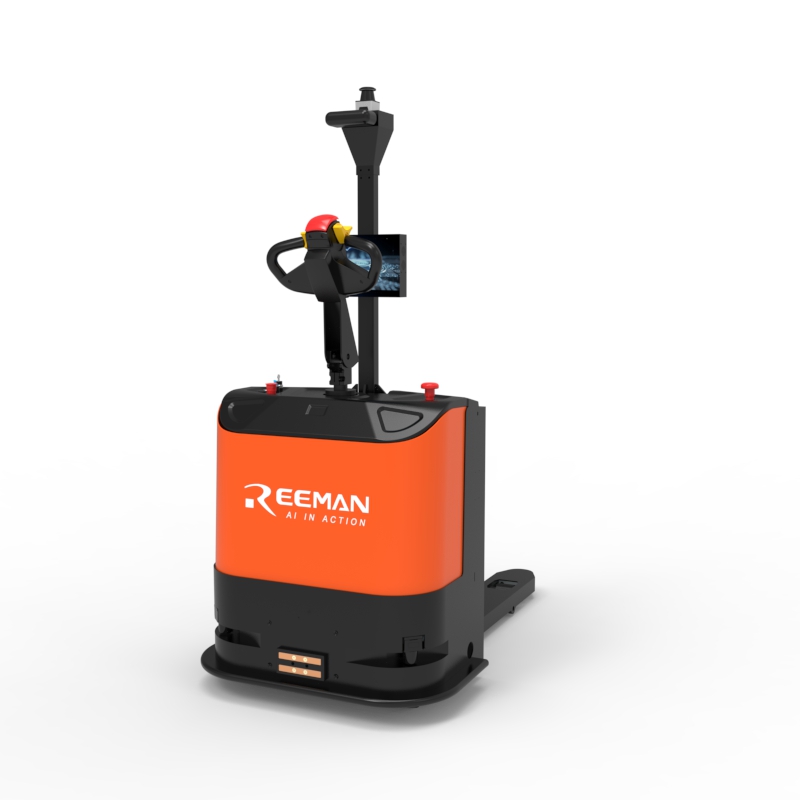
1500kg Laser SLAM AGV Forklift Single Line Lidar 30mm Navigation Accuracy 1019mm Forks 570mm Width Industrial Handling
A 1,500 kg laser SLAM AGV forklift with single-line LiDAR and 1,019 mm forks. Ideal for warehouses with standard pallets and repetitive floor-to-rack movement; fork width, mast height and safety zones are confirmed against actual pallet dimensions.
View product →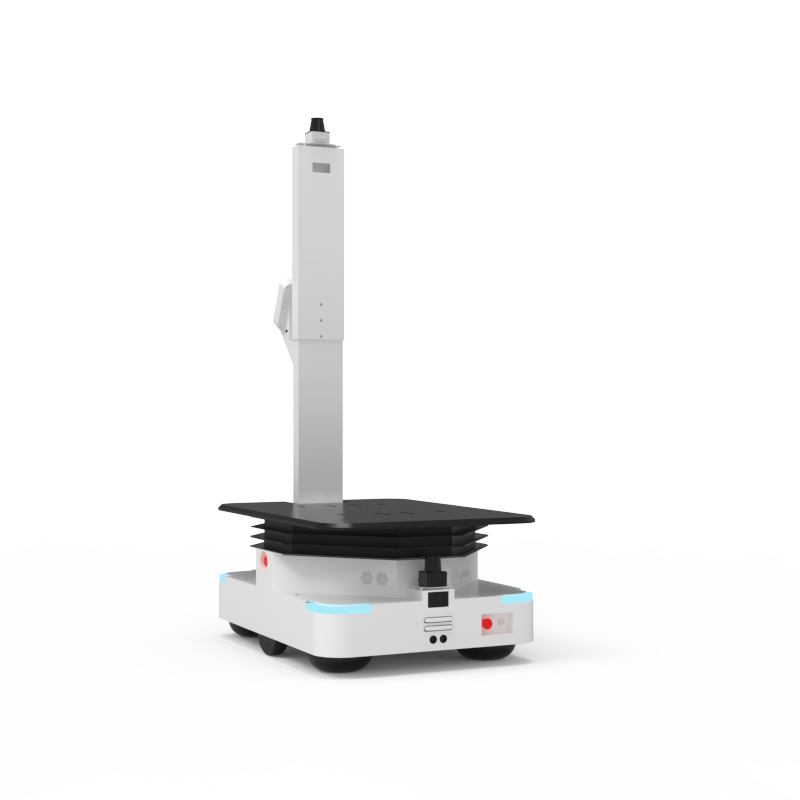
REEMAN Autonomous Mobile Robot AGV AMR 600kg Payload Sheet Metal Material Handling for Production Line
A 600 kg REEMAN AMR for sheet-metal and production-line handling. Its stable platform and customizable top module make it useful for metal fabrication, appliance assembly and industrial service companies around Baguio and nearby economic zones.
View product →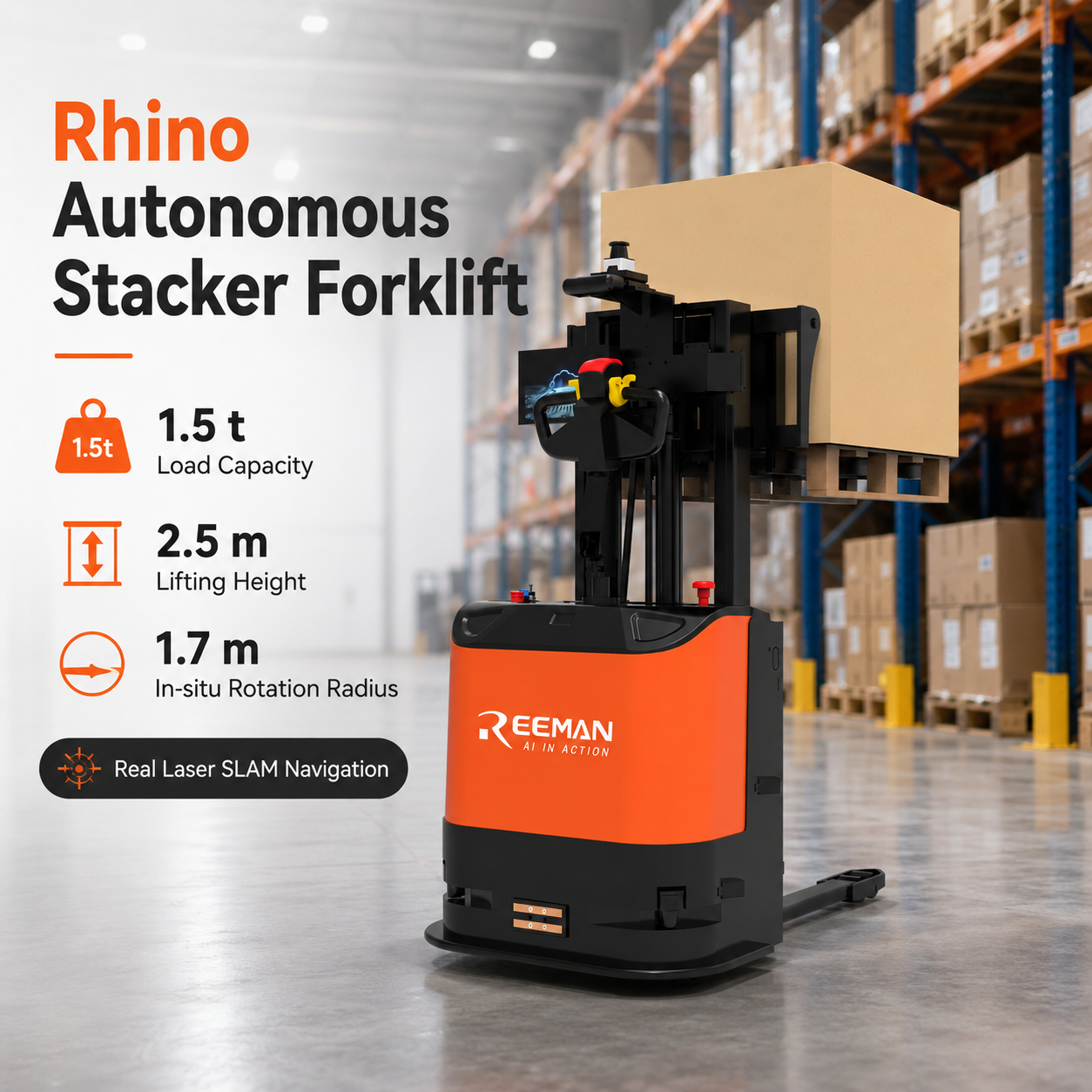
Laser SLAM Autonomous Stacker Forklift 1500 kg Load AGV Pallet Handling Robot Laser Obstacle Avoidance Warehouse
A 1,500 kg laser SLAM autonomous stacker forklift for pallet handling with obstacle avoidance. It can support night-shift warehouse movement, trailer loading and staging where a compact navigation-based stacker is more practical than a manual unit.
View product →Service Robot Supplier & Exporters in Baguio: what local buyers should expect
Baguio City is the commercial, education, healthcare and tourism hub of the Cordillera Administrative Region. The buying problem is not simply “find a robot”; it is finding a supplier that can configure, document, ship and support a service robot program for a highland city with mixed indoor traffic, tiered buildings and a mid-sized import market.
Baguio’s economy mixes hotels, restaurants, schools, hospitals, public markets, retail centers, transport terminals and highland agricultural trading. That mix creates repetitive service tasks: food and document delivery, floor cleaning, disinfection, visitor guidance and short-distance material movement. A credible supplier should map these tasks to a robot platform without overpromising autonomous operation on public roads or inside heritage-sensitive areas.
Three local realities shape procurement. First, Baguio’s walkable core and tourist footfall concentrate demand in mixed indoor spaces, from Session Road and Burnham Park to Camp John Hay and adjacent commercial districts. Second, many buildings are older or tiered, with ramps, lifts and service corridors that require careful site measurement. Third, local importers need a supplier that can provide English documentation, spare-part planning and integration support rather than only a low-cost unit.
Most catalog pages stop at payload and battery. For Baguio, ask deployment questions earlier: Can the robot map a route across cool, busy corridors where sunlight, glass and crowds change the scene? Does it support lift or door integration? What is the stopping distance on a descending ramp? How will spare parts arrive after customs? Which local team will handle first-line troubleshooting? These questions separate a robot catalog from a deployable service robot program.
Elvorn is based in Shenzhen with two production bases, not a local retail storefront in Baguio. We serve Baguio importers through factory-direct export and remote engineering support. That distinction should be clear during due diligence: the advantage is customization and direct access to the technical team; the trade-off is that physical site work may need a qualified local integrator, electrical contractor or freight forwarder.
Where service robots fit Baguio workflows
Robots work best when assigned a narrow, measurable job. These local scenarios show where a pilot can create evidence before a buyer commits to a larger fleet.
Hotels and resorts
Properties in and around Camp John Hay, Burnham Park and Mines View can use delivery robots for towels, amenities, room-service trays and internal documents. A robot does not replace front-desk staff; it removes repeated trips that pull people away from guests. For multi-wing properties, define lift control, drop-off zones and night schedules before the pilot.
Restaurants and cafés
Restaurants near Session Road, malls and tourist clusters face peak-hour congestion. A delivery robot can carry trays from kitchen pass to table zones or from prep areas to pickup counters while staff handle exceptions. Baguio operators should test aisle width, floor thresholds, menu-card placement and guest-traffic flows before choosing a model.
Hospitals and clinics
For hospitals, clinics and diagnostic centers, delivery and disinfection robots reduce repetitive movement in corridors, wards, waiting areas and administrative sections. Procurement should involve infection-control staff before choosing routes and cleaning schedules. Robots supplement — not replace — clinical cleaning protocols and staff supervision.
Malls and retail
SM Baguio, Porta Vaga and surrounding retail areas combine high footfall with limited back-of-house space. Cleaning robots can cover hard floors during off-peak hours, while mobile digital posters and guidance robots engage visitors at entrances or event zones. A strong pilot may combine one cleaning platform with one interactive signage unit.
Universities and campuses
Universities such as UP Baguio, Saint Louis University and University of Baguio manage documents, parcels, laboratory supplies and visitor guidance across buildings. A service robot can move small loads between offices or support open-day wayfinding. Separate indoor pilot routes from any outdoor route, because public roads, stairs and weather exposure change the risk profile.
Warehouses and agri-logistics
Baguio is also a trading point for highland vegetables and retail distribution. Warehouses, cold rooms and trading depots can use AMRs, stacker forklifts and autonomous forklifts to move pallets and carts. Narrow aisles, floor condition, pallet quality and charging location matter more than advertised top speed.
Baguio procurement trends shaping service robot adoption
Local demand is moving from novelty demonstrations to measurable operating pilots. The strongest projects combine guest experience, staff productivity and export-ready support.
01Experience-first tourism and hospitality
Baguio’s visitor economy is built on hospitality, food, culture and walkable districts. Robots should feel like part of service, not a barrier. Hotels and restaurants are more likely to adopt units that are quiet, easy to sanitize, and able to display menus, promotions or directions. The best pilot pairs a clear staff task with a guest-facing benefit, such as a delivery robot that also acts as a moving information point during off-peak hours.
02Productivity pressure in healthcare and education
Hospitals, clinics and universities operate long shifts with repetitive internal movement. Delivery robots can move supplies, documents and linens; cleaning and disinfection robots can cover scheduled floor care. Buyers should design new workflows around the robot rather than simply adding it to an existing route. Staff training, emergency procedures and a single accountable owner are more important than maximum speed.
03API-first integration with local systems
Baguio businesses increasingly use property management, point-of-sale, clinic, campus and warehouse systems. An open SDK/API allows local integrators to connect robot tasks with those systems. However, integration is a project, not a checkbox. Ask for API documentation, test accounts, data fields and escalation support before committing to fleet scale.
04Inland logistics and spare-part discipline
Most imports enter the Philippines through major gateways and move to Baguio by truck. Freight consolidation, battery documentation and customs classification should be confirmed early. A spare-part kit sized for the first 6–12 months may be more valuable than a small discount on the unit. For multi-unit buyers, a planned annual service review or local partner arrangement can reduce downtime.
Baguio site readiness: what our engineers check before recommending a model
A robot that looks ideal on a specification sheet can fail in a real building. Before quoting a Baguio project, we ask for a floor plan, aisle widths, ramp gradient, floor transitions, Wi-Fi coverage, charging-power location, operating schedule and pedestrian policy. For outdoor-adjacent routes, we distinguish private service lanes from public roads.
The chart is a qualitative attention map, not a public benchmark or site score. It helps buyers prepare a more accurate brief and reduce repeated questions before the first technical call.
- Floor plan with door widths, lift dimensions and turning points
- Short route video showing floor surface, ramps and pedestrian density
- Expected payload, pallet or tray type, and operating hours
- Wi-Fi heatmap, access points and cybersecurity requirements
- Charging location, voltage and emergency-stop plan
- Pilot KPI, internal owner and escalation contact
A lower-risk buying path for Baguio importers
A successful project starts before the purchase order. These four steps keep engineering, logistics and local operations aligned.
Workflow brief
Define the task, operating hours, load type, route, staff owner and success metric. Separate a guest-facing pilot from a public-road or multi-building scale-up.
Site evidence pack
Share floor plans, videos, ramp details, lift control, Wi-Fi coverage and charging location. Our engineers convert this into model options and safety questions.
Configuration and factory test
Confirm payload, top module, battery, software interface and branding. Factory functional and load testing is documented before export packing.
Export and commissioning
Plan shipping to the Philippines, inland trucking to Baguio, remote mapping, operator training and spare-part stocking before go-live.
Why Elvorn is a credible service robot export partner
Baguio buyers should shortlist suppliers that can prove engineering depth, export documentation and long-term support — not only a product photograph and a payload figure.
Laser SLAM navigation
Maps a site in hours and navigates without magnetic tape, QR codes or reflectors — so layout changes do not require major floor work.
Open SDK and API
AMRs and chassis support secondary development for WMS, MES, PMS, elevators, doors and custom dashboards, subject to technical review.
Modular payload platforms
From compact delivery robots to 2-ton autonomous forklifts on shared control architecture, simplifying fleet training and maintenance planning.
Multi-layer safety
Lidar, obstacle sensors, emergency stops and speed zoning can help protect pedestrians, staff, racking and mixed traffic when configured correctly.
Own production capacity
Two production bases in Shenzhen and Ningbo support assembly, testing and customization, with supplier assessment and material inspection procedures.
OEM / ODM and buyer label
Custom top modules, payload structures, branding, packaging and buyer-label options help Baguio distributors and integrators build local offers.
Certifications and audit trail
ISO 9001 and ISO 14001 management systems, SGS onsite verification, and CE, FCC or PSE marks depending on the model and target market.
Export-ready support
FOB terms, T/T payment in USD or CNY, English documentation, remote commissioning and spare-part supply for overseas buyers.
Factory evidence, not just a catalogue promise
Baguio buyers can request current test records, certification scope and spare-part lists during supplier evaluation. The images below reflect Elvorn’s production, engineering and quality-control environment.

Headquarters and R&D
Engineering, software and hardware teams work together on robot platforms, navigation and integration requirements.

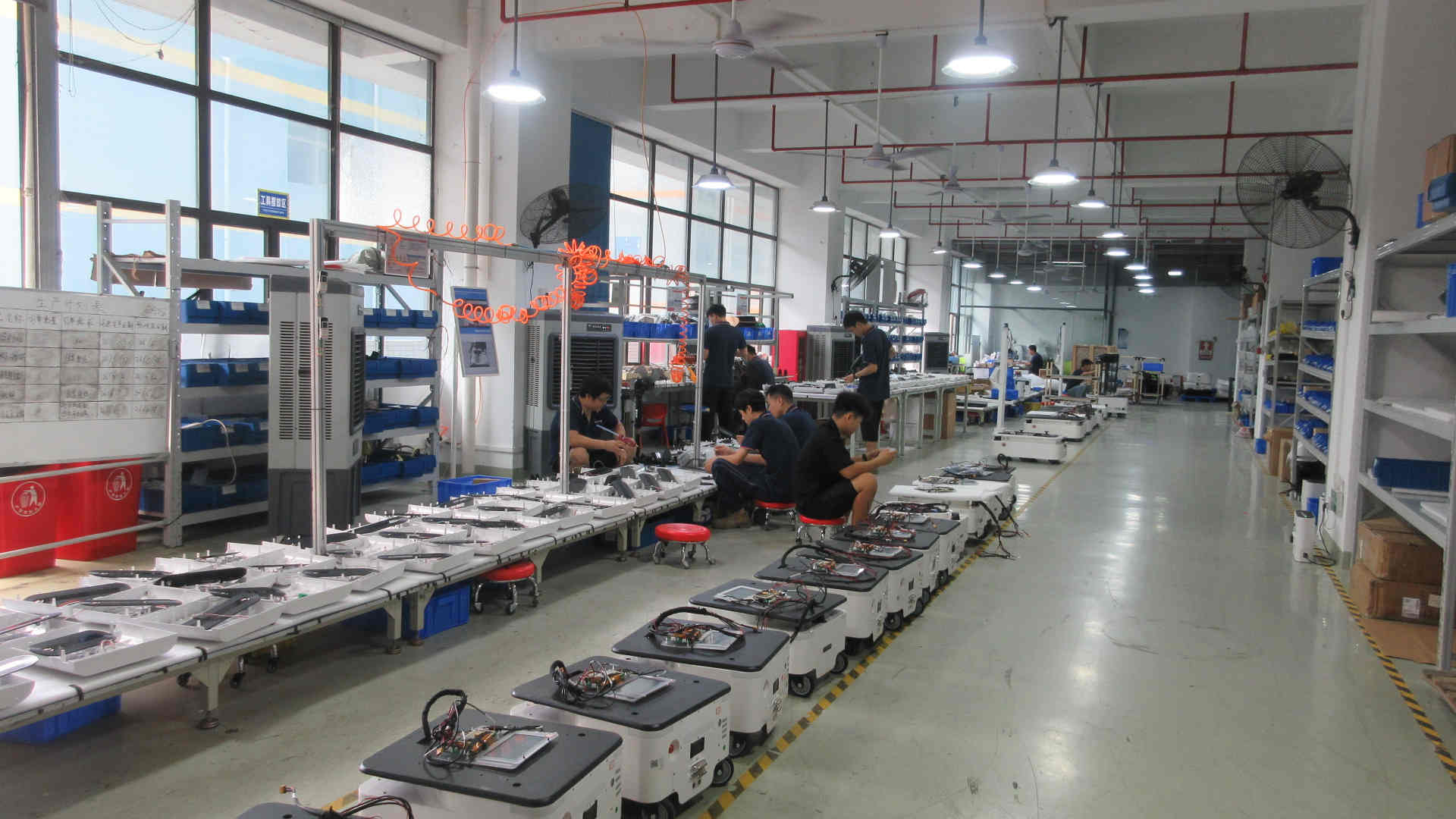
Assembly line
Standard and customized units move through assembly with documented build steps and component checks.
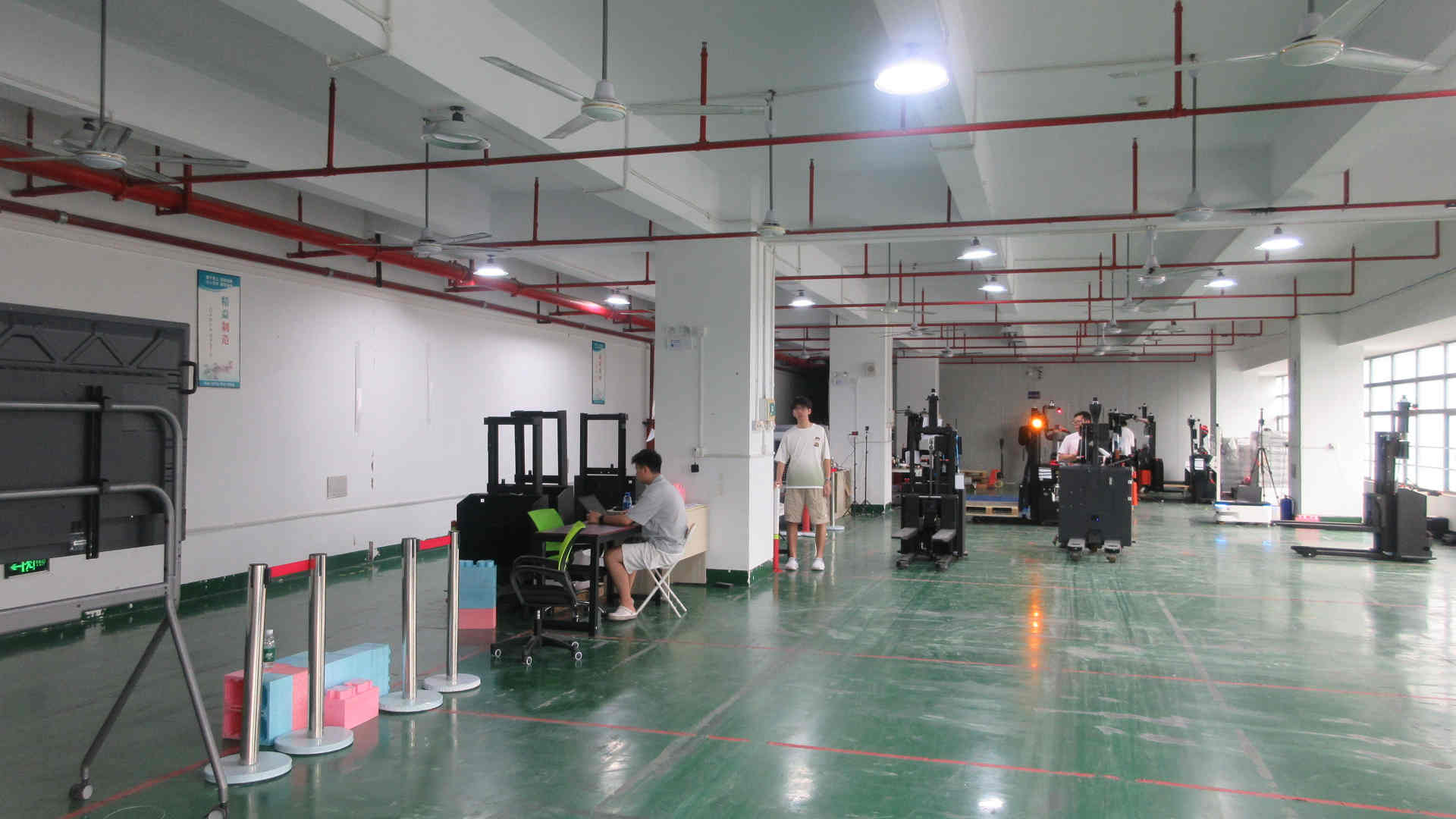
Quality inspection
Functional and load testing can be recorded before export packing, supporting buyer due diligence.
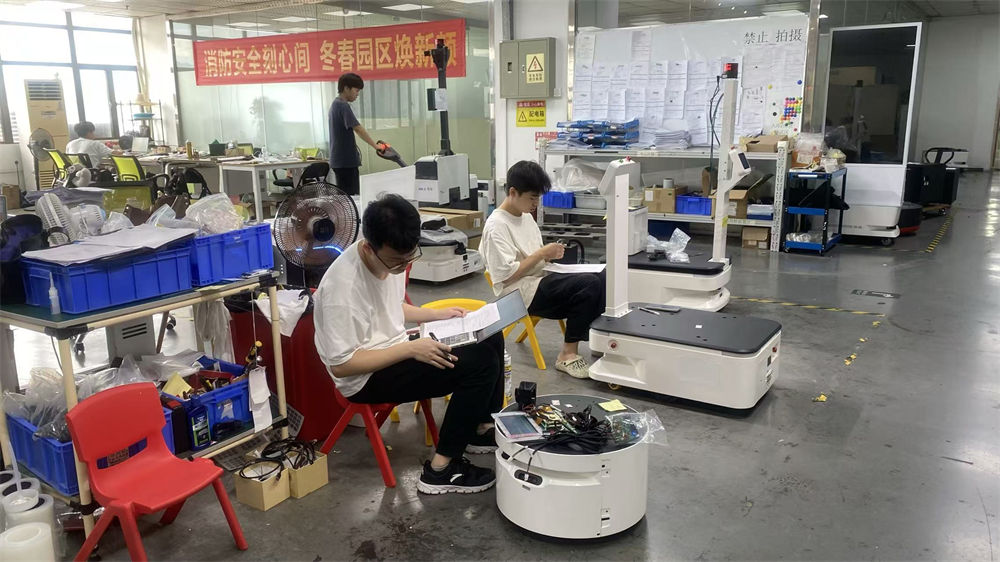
R&D laboratory
Navigation, motion control and fleet scheduling are developed in-house for faster customization and technical answers.
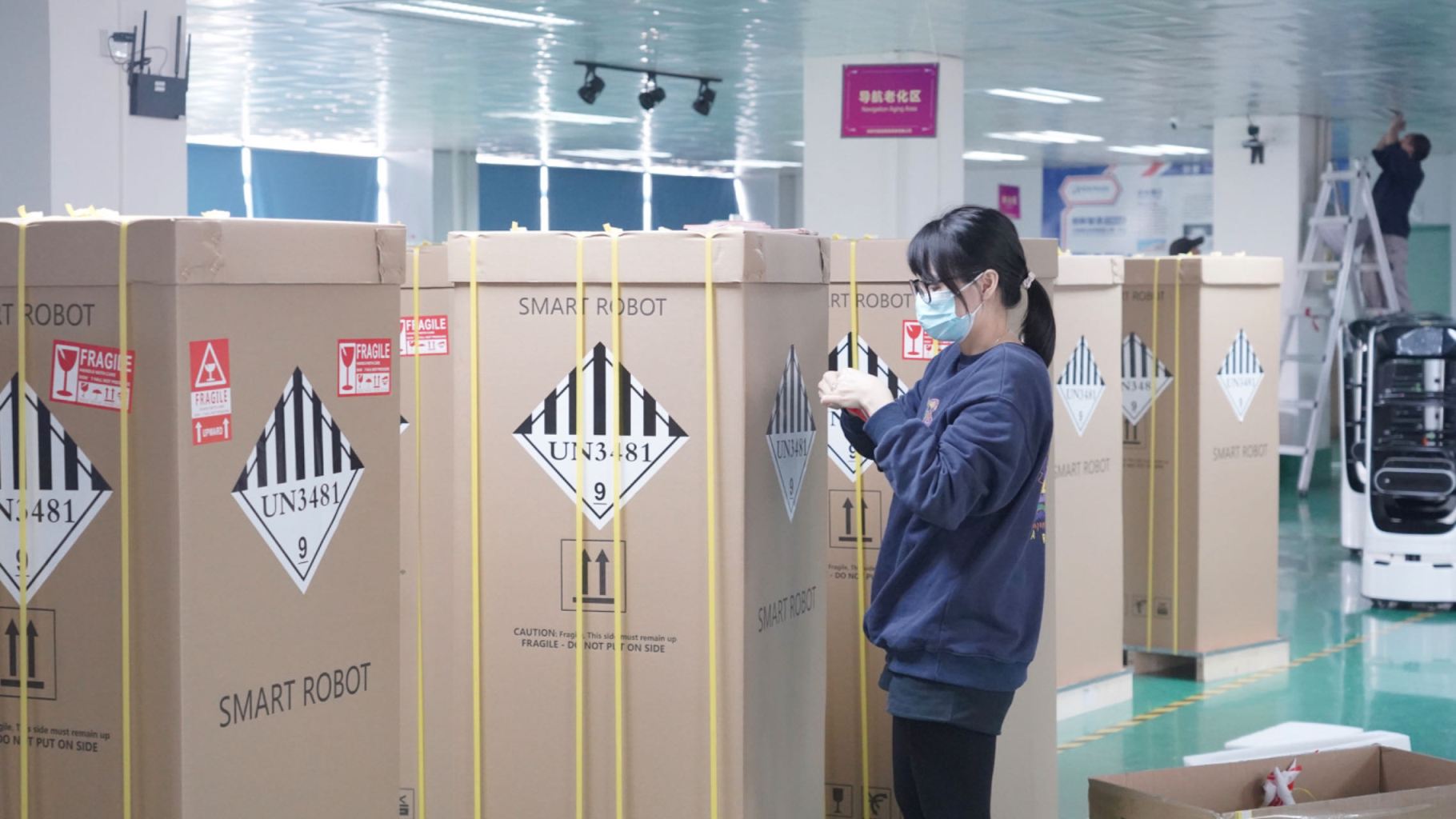
Export packing
Packing, battery documentation and shipping marks are prepared for international freight and inland delivery.
Certificates and honors
Management-system and product certifications should be checked against the exact model, voltage and destination market.
How to build a due-diligence file for a Baguio robot purchase
Use a 12-month pilot budget rather than only a unit price. Include landed cost to Baguio, import clearance, inland trucking, installation, training, spare parts, connectivity, charging changes and internal staff time. Estimate benefits in hours and service quality: trips avoided, cleaning area covered, response time improved, staff overtime reduced and incidents avoided.
For public areas, include the cost of barriers and signage. For a hotel, include property-management integration; for a warehouse, WMS/MES integration; for a hospital, infection-control training. A lower unit price can create higher total cost if the robot lacks documentation, spare-part planning or escalation support.
Start with one route or one shift. Define a go/no-go review after 30, 60 and 90 days. Scale only when uptime, staff adoption and the agreed KPI are stable. This approach protects capital and gives Baguio decision-makers real operating evidence.
Buyer checklist before deposit
Ask for these items in writing. It is a sign of supplier maturity, not a lack of trust.
- Model and certification scope for the target voltage
- Spare-parts list with recommended first-year stock
- API/SDK documentation and integration responsibility
- Factory test report and packing dimensions
- Battery and shipping documents for freight review
- Local support, escalation and training plan
- Pilot KPI, reporting format and exit plan
Common questions from Baguio buyers
These answers reflect the questions normally raised by overseas importers reviewing service robots, AMRs, AGVs and autonomous forklifts for Philippine projects.
Q1Can you ship a service robot from Shenzhen to Baguio City?
Yes. Export shipments can be arranged from Shenzhen to a Philippine gateway and then by truck to Baguio. Typical routing is discussed with the buyer’s freight forwarder; Manila, Subic or Clark may be evaluated depending on the shipment. We prepare export packing and commercial documents, while import clearance, duties and local taxes are handled by the importer or a licensed customs broker.
Q2What lead time is realistic for a Baguio order?
Lead time depends on whether the robot is a standard configuration or an OEM/ODM build. Production time should be quoted separately from sea freight, customs clearance and inland trucking to Baguio. Buyers should avoid promising a launch date before the shipping schedule is confirmed. A small spare-part and consumable order placed with the main shipment can reduce later downtime.
Q3Can robots handle Baguio’s slopes and cool climate?
Within rated operating limits, yes — but the route must be measured. Baguio’s mild highland climate is different from freezing environments, yet cool storage, humidity, floor transitions and ramps still matter. Share route videos and ramp gradients. Outdoor or public-road operation is a separate risk category and should not be assumed from an indoor service robot demonstration.
Q4Which robots fit Baguio hotels and restaurants best?
Delivery and guidance robots are common for tray, amenity or information tasks, while cleaning robots cover scheduled floor care and interactive digital posters support lobby or event communication. Selection depends on corridor width, lift use, floor thresholds and peak-hour traffic. A pilot on one fixed route is usually more useful than buying several units before staff workflows are tested.
Q5Do you provide local installation and after-sales in Baguio?
Remote commissioning, English documentation and online technical support can be provided. For physical installation, electrical work or local first-line service, we may recommend working with a qualified Philippine integrator or contractor. For larger fleet projects, travel and onsite support can be quoted separately. The support model should be agreed before the purchase order.
Q6What trade terms and customization options are available?
Elvorn supports FOB terms generally, with T/T payment in USD or CNY. OEM service, design service and buyer-label options can include custom top modules, payload structures, branding and packaging. Final trade terms, warranty scope and certification requirements are confirmed in the quotation and order documents.
Q7What quality and certification evidence can we request?
Depending on the model, buyers can review CE, FCC or PSE documentation, ISO 9001 and ISO 14001 management-system information, SGS onsite verification records, factory test reports and packing details. Certifications must be checked against the exact robot configuration, voltage and destination market. Do not rely on a generic certificate image alone.
Q8How should a Baguio buyer calculate ROI before scaling?
Run a pilot with agreed KPIs: labor hours displaced, floor area covered, response time, guest or patient satisfaction, uptime and maintenance hours. Include landed cost, spare parts, training, integration and charging changes. Use the pilot to compare promised performance with actual performance. Scale only after the robot proves stable on one route or one shift.
Request a Baguio-ready service robot catalog and configuration review
Send your floor plan, route video, payload, operating hours and target application. Our engineers will return a shortlist, site-readiness questions and an export checklist for shipping to Baguio.
Get CatalogOEM/ODM available · Export terms: FOB · Payment: T/T in USD or CNY · Model-specific certifications confirmed during RFQ