8 SLAM AMR Robot Chassis and Autonomous Handling Models for Quezon City Buyers
These are not generic catalog placeholders. Each model below is positioned by workflow, payload, navigation behavior, and integration value for Quezon City facilities that must operate inside dense mixed-use districts, constrained warehouses, factories, hospitals, and commercial buildings. For wholesalers and integrators, the open-SDK chassis and forklift platforms can be bundled with local installation, mapping, training, and spare-parts programs.
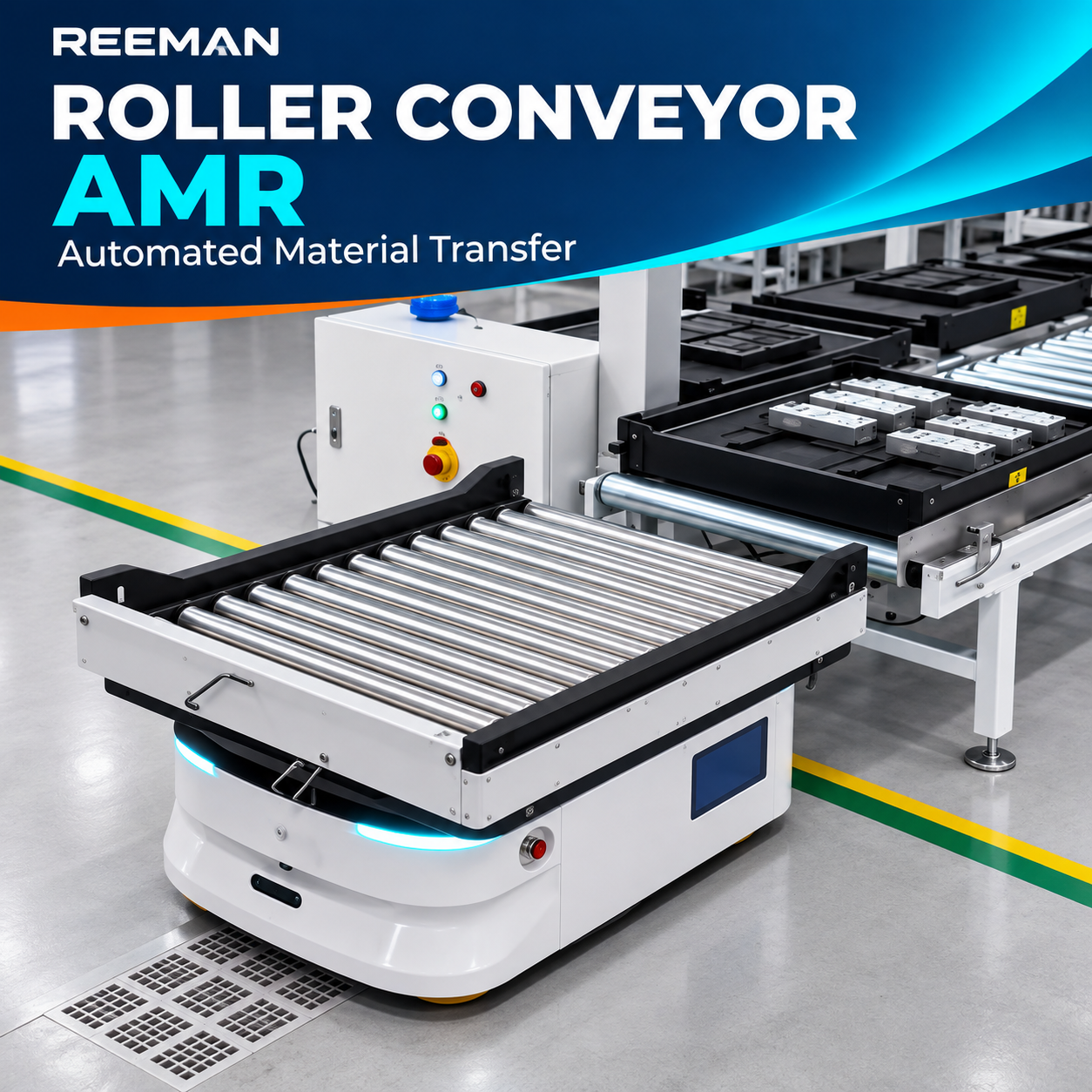
Roller Conveyor AMR Robot with SDK and API for Custom Development and System Integration
Recommended for Quezon City integrators that need conveyor-to-robot transfer, custom top modules, and software handoffs with WMS, MES, or local control systems.
- Custom development ready
- API-based system integration
- Ideal for conveyor-linked cells
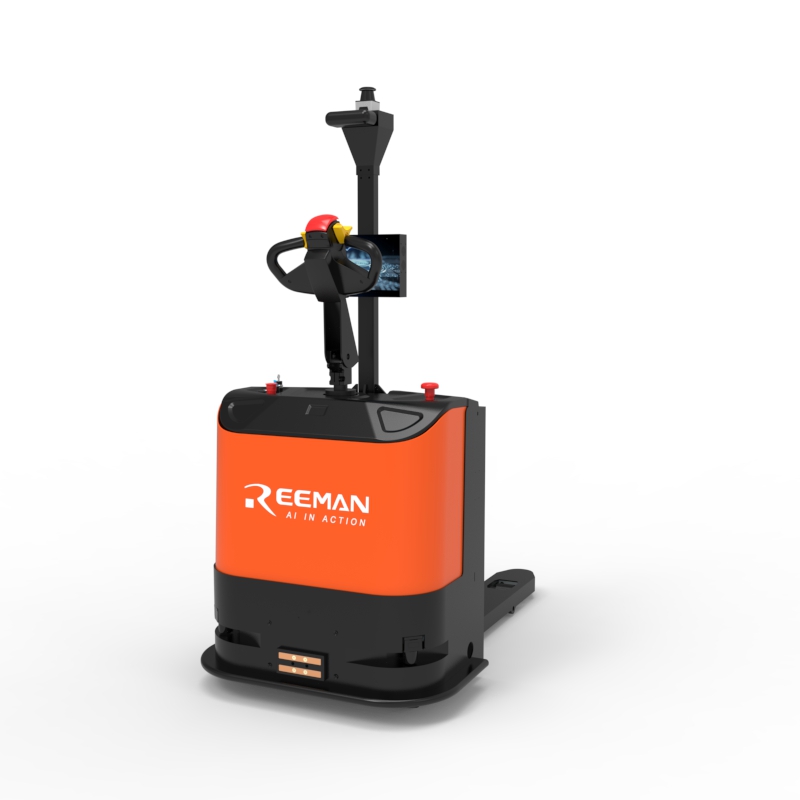
Reeman BBOT30F 1500kg Laser SLAM Autonomous Pallet Stacker AGV Single Line Lidar Obstacle Avoidance Warehouse Transport
For pallet stacking and retrieval where a Quezon City warehouse needs flexible routes without magnetic tape, floor reflectors, or fixed guide paths.
- Laser SLAM navigation
- Single-line lidar avoidance
- Pallet stacking workflow
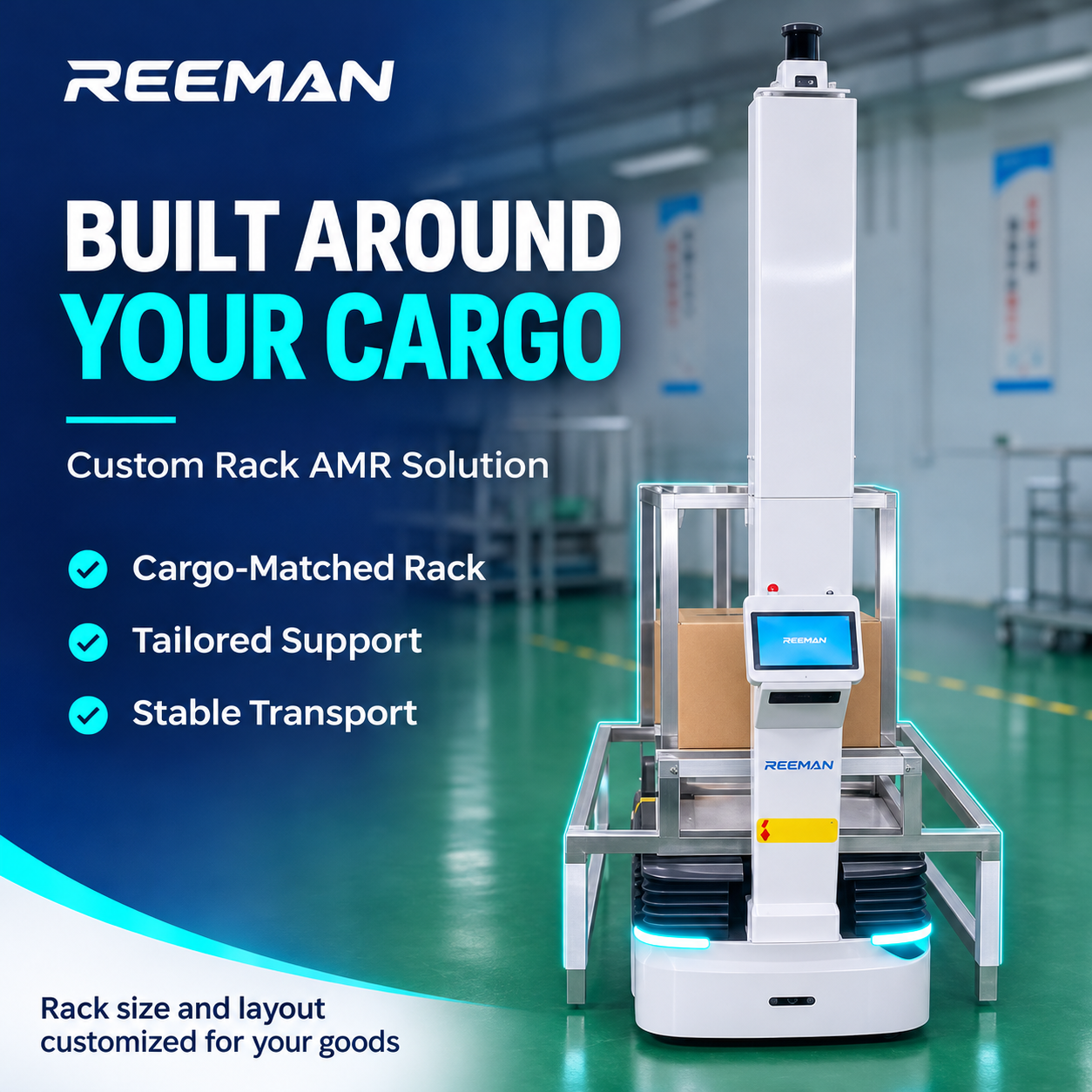
Dual Laser AMR 300KG AGV Lifting Mobile Robot with Slam LiDAR Navigation for Manufacturing Plants
A good fit for electronics, assembly, and light manufacturing sites in Quezon City where narrow aisles and dynamic pedestrian traffic require stronger perception.
- 300 kg payload class
- Dual laser SLAM perception
- Lifting mobile platform
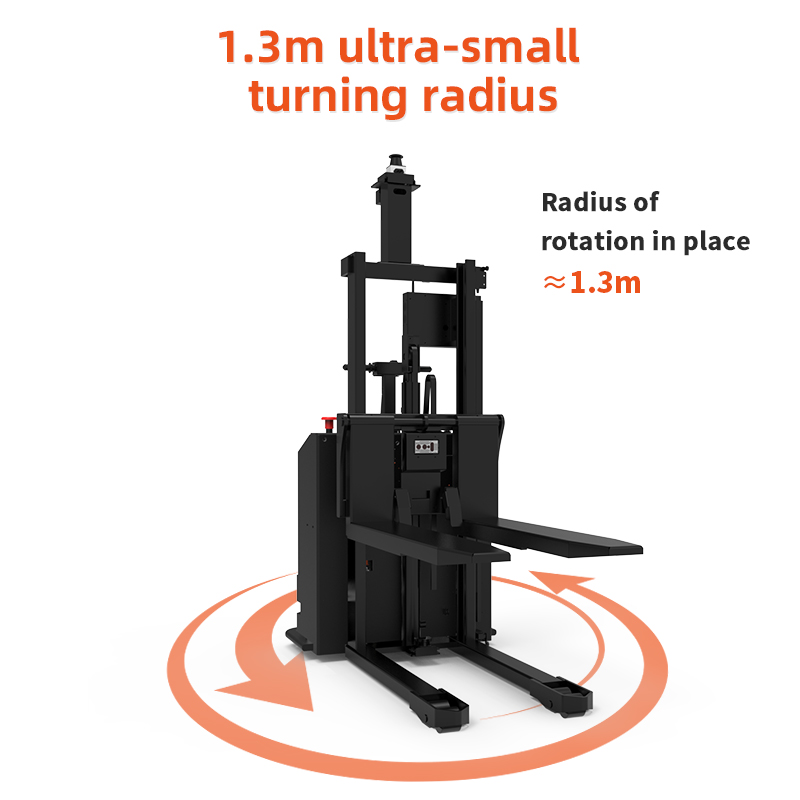
1000kg Forklift AGV Laser SLAM Navigation Pallet Transport Robot 1.3m Turning Radius Auto Charging for Factory Logistics
Suited to Quezon City factories and warehouses with limited turning space, offering pallet transport, automatic charging, and a compact 1.3 m turning radius.
- 1,000 kg load capacity
- 1.3 m turning radius
- Auto charging support
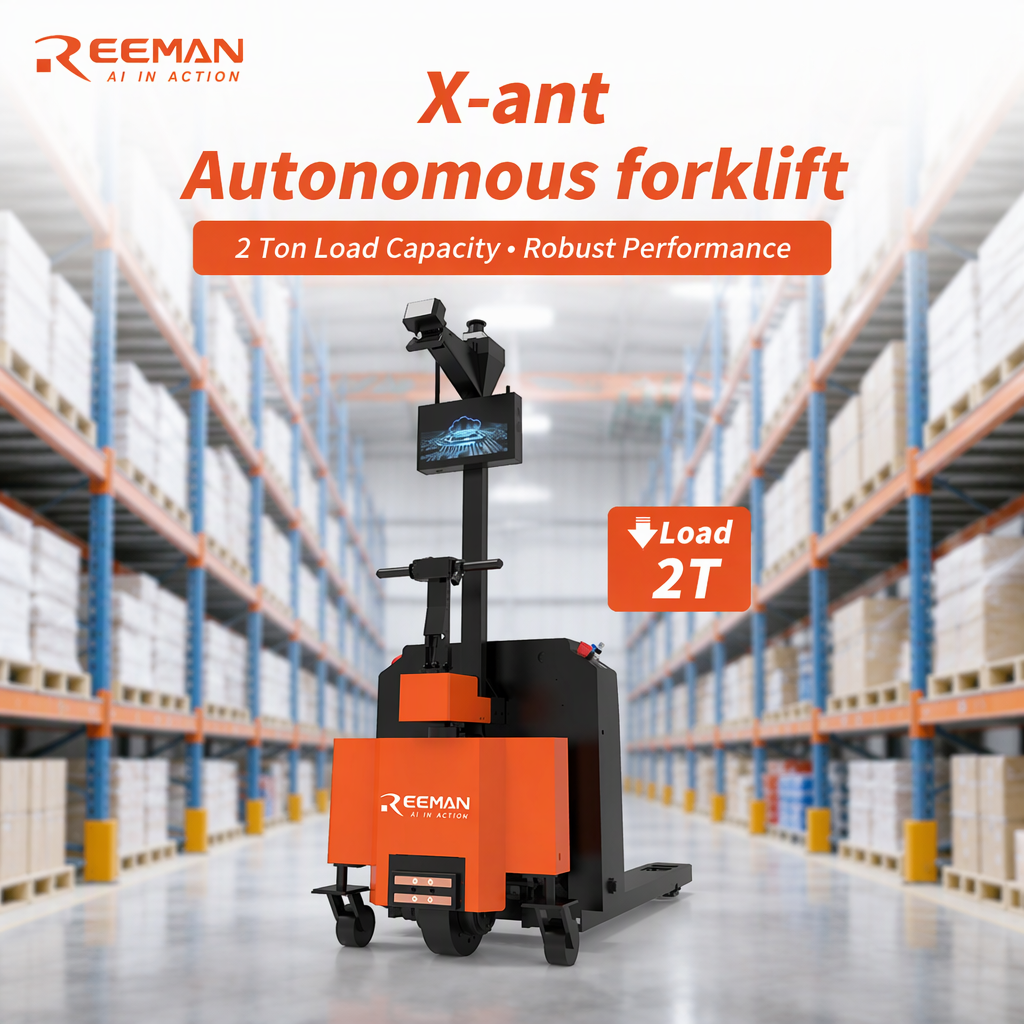
2 Ton Autonomous 4WD AGV Forklift Laser SLAM Navigation Multi-Line LiDAR 10mm Position Accuracy Warehouse Handling
For heavier pallet flows and higher accuracy requirements. Multi-line LiDAR and 10 mm positioning accuracy support repetitive warehouse handling tasks.
- 2,000 kg load class
- Multi-line LiDAR
- 10 mm position accuracy
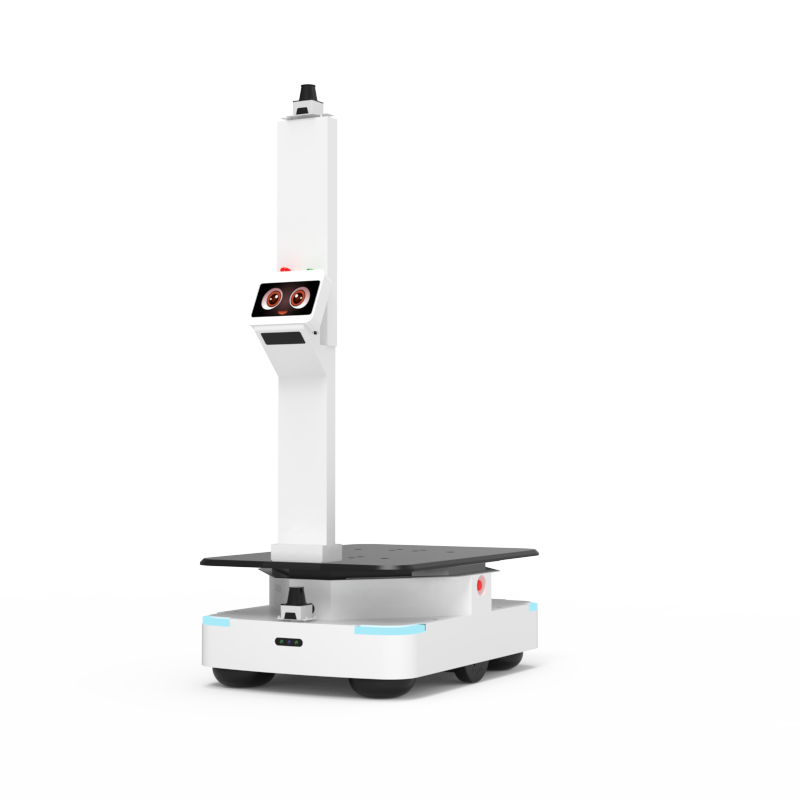
600kg Payload Laser Navigation AMR Robot Autonomous Lifting Warehouse Transfer Equipment
Balances payload and maneuverability for Quezon City distribution centers, e-commerce fulfillment areas, and line-side material transfer.
- 600 kg rated payload
- Laser navigation
- Autonomous lifting transfer
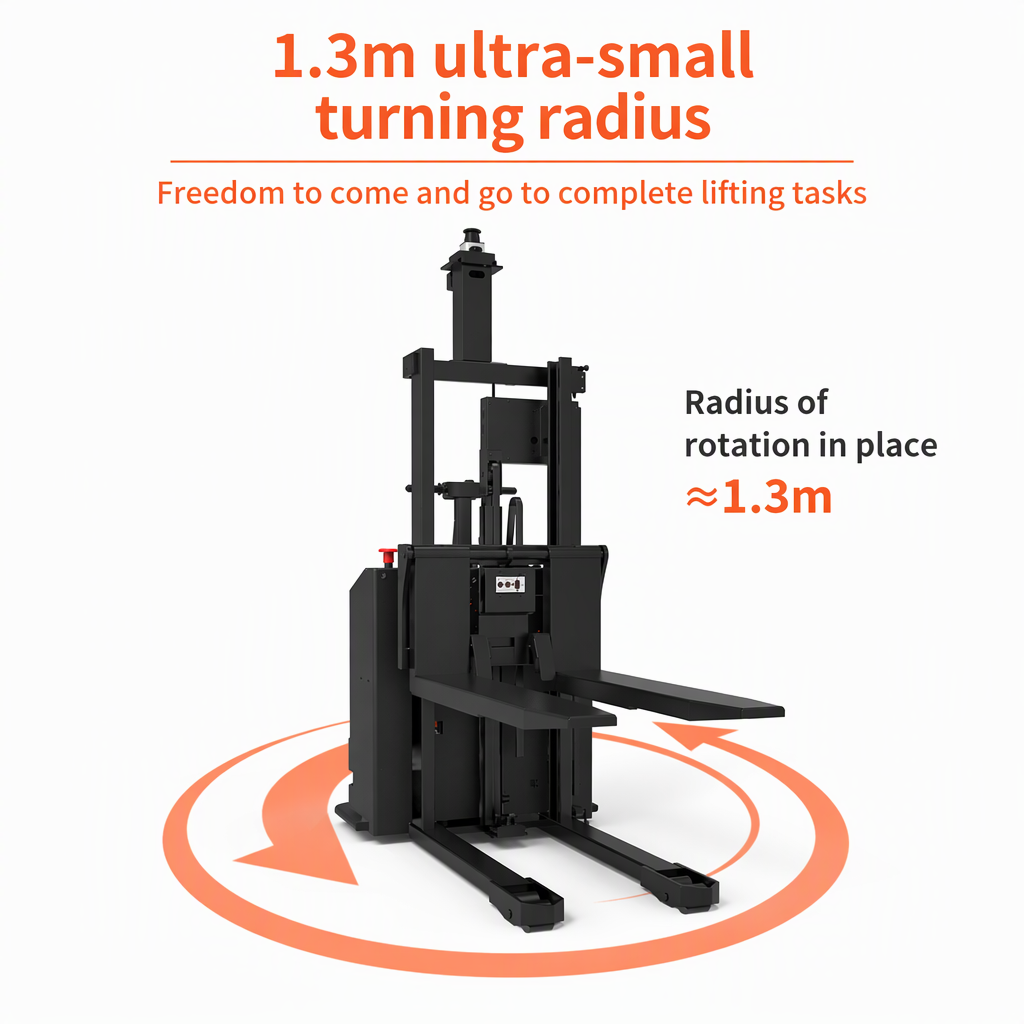
REEMAN Autonomous Electric Forklift 1T Payload 48V 30Ah LiFePO4 Battery Indoor Material Handling AGV
An indoor handling option where Quezon City operators want a compact autonomous electric forklift with lithium battery support and repeatable pallet movement.
- 1T payload class
- 48V LiFePO4 battery
- Indoor material handling
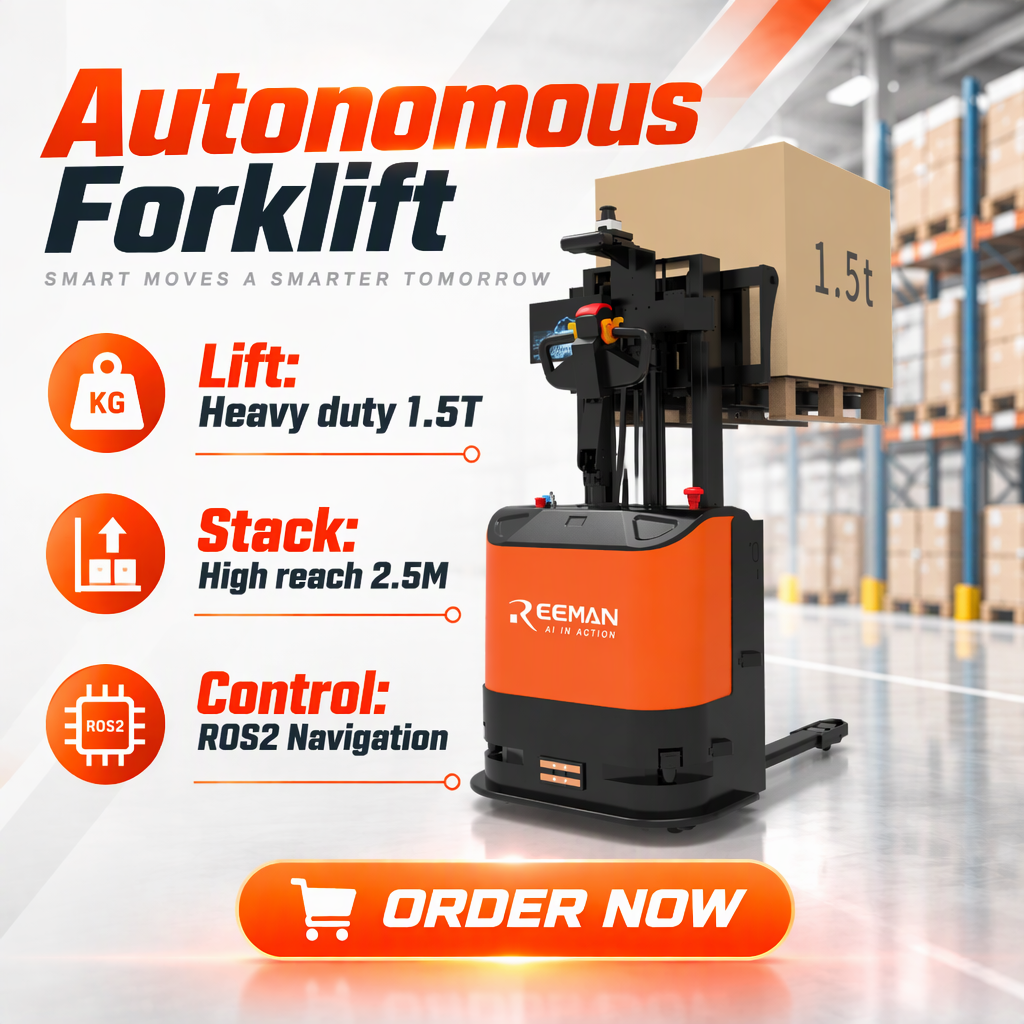
Autonomous Electric Forklift AGV 1500kg Load Capacity 2.5M Lift ROS2 Navigation 4WD Lithium-Ion Battery Indoor Material Handling
For Quezon City facilities that require a 2.5 m lift, ROS2 navigation architecture, 4WD traction, and lithium-ion power for indoor handling.
- 1,500 kg load capacity
- 2.5 m lift height
- ROS2 navigation / 4WD
Need wholesale pricing for a Quezon City automation project?
Share your layout, pallet dimensions, throughput target, and preferred local integrator. Our engineers will map the right chassis and forklift mix.
Factory data verified onsite by independent inspector SGS Group · ISO 9001 · ISO 14001 · CE / FCC / PSE model options
Why Quezon City Is a High-Intent Market for SLAM Navigation AMR Robot Chassis
Quezon City is not a generic “Metro Manila” search term. It is a dense, mixed-use city with logistics corridors, e-commerce fulfillment sites, food and pharmaceutical distributors, electronics workshops, hospital campuses, malls, BPO offices, and smaller factories that need flexible automation without major floor reconstruction.
For buyers around Balintawak, Cubao, Novaliches, Commonwealth, Eastwood, and the UP-Ayala Technohub area, the challenge is rarely a lack of warehouse space alone. The real constraint is the combination of high land value, mixed pedestrian and vehicle traffic, loading-dock congestion, limited aisle width, and the need to keep operations running while new automation is introduced. This is where laser SLAM navigation creates practical value: robots can be mapped to the existing site, routes can be adjusted as storage zones change, and magnetic tape or fixed reflectors are not required for daily operation.
Quezon City procurement teams also compare total deployment cost, not only the robot price. They ask who will perform site mapping, how spare parts will be stocked, whether the platform supports English documentation, whether chargers can work with local 220V/60Hz power conditions, and how the robot will communicate with WMS, MES, ERP, elevators, or third-party integrator software. A manufacturer with in-house navigation, motion control, fleet scheduling, and hardware capability can answer these questions faster than a trading-only wholesaler.
At the same time, the Quezon City market rewards suppliers that support wholesalers, integrators, and OEM buyers. Local integrators often need a reliable chassis, SDK/API access, configuration documentation, and responsive engineering feedback so they can deliver a complete automation package to the end customer. That is why this page focuses on both end-user applications and wholesale/OEM supply capability.
QC project planning weights
Quezon City Automation Trends Reshaping AMR and AGV Procurement
These trends help wholesalers and end users choose platforms that will remain useful after the first deployment.
Micro-fulfillment and same-day delivery
Quezon City e-commerce and 3PL teams are moving toward smaller fulfillment cells near demand centers. A 300–600 kg lifting AMR or compact 1,000 kg forklift AGV can often move more value than a large fixed conveyor upgrade.
Mixed-use buildings and shared loading zones
Robots must cooperate with pedestrians, service elevators, delivery vans, and scheduled dock use. Open-API fleet control and programmable speed zones are becoming more important than a single high-speed claim.
Labor productivity and safety pressure
Factories and distributors are evaluating automation to reduce repetitive pallet moves, improve traceability, and keep workers away from high-traffic forklift zones. Safety zoning, lidar coverage, and emergency-stop design should be part of the quotation.
Integrator-led procurement
QC integrators increasingly package the robot, mapping, training, network setup, and after-sales service. A factory that supplies open SDK/API documentation and OEM support helps the integrator shorten project delivery time.
Where SLAM AMR Chassis and Autonomous Forklifts Fit in Quezon City
Application fit should be decided by material flow, aisle geometry, safety rules, and integration needs — not by product category alone.
Receiving, put-away, and dispatch near Balintawak
Use compact lifting AMRs or 1,000 kg forklift AGVs for pallet movement between receiving, staging, and dispatch. Laser SLAM allows routes to change as seasonal SKUs and staging lanes move.
Line-side material transfer in Cubao and Eastwood
Dual-laser 300 kg AMRs and 600 kg lifting robots can support WIP transfer, component delivery, and finished-goods collection where workers and equipment share the same floor.
Hygienic, repeatable pallet handling
For distribution centers handling cartons, pallets, and scheduled route work, a 1T or 1.5T autonomous electric forklift can reduce repeated travel while keeping handling records consistent.
Internal logistics and facility support
AMR chassis can be adapted for scheduled internal deliveries, linen or supply movement, and facility support where quiet, low-speed navigation and safe pedestrian interaction are essential.
Back-of-house material movement
Malls and mixed-use buildings can use compact AMR platforms for stock movement, waste-route support, or after-hours logistics when public foot traffic is low and route planning is stable.
Open-SDK chassis for customized robot products
QC integrators can start from Elvorn chassis platforms and add custom top modules, branding, software interfaces, and service packages for local end users.
Match the Robot to Quezon City Load, Aisle, and Integration Needs
A fast reference for procurement teams comparing factory-direct models with local wholesaler proposals.
| Model Family | Load / Navigation | Best Quezon City Use Case | Why It Fits |
|---|---|---|---|
| Roller Conveyor AMR with SDK | Open API SLAM-ready | Conveyor-linked cells, custom system integration | Flexible development path for integrators and OEM buyers. |
| BBOT30F Pallet Stacker AGV | 1,500 kg Laser SLAM | Pallet stacking and retrieval | No tape or reflectors; suited to changing storage layouts. |
| Dual Laser AMR 300 kg | 300 kg Dual laser | Electronics, assembly, light manufacturing | Enhanced perception for busy indoor environments. |
| 1,000 kg Forklift AGV | 1,000 kg Laser SLAM | Factory logistics, compact pallet routes | 1.3 m turning radius and auto-charging support. |
| 2 Ton 4WD AGV Forklift | 2,000 kg Multi-line LiDAR | Heavy pallet handling, warehouse transport | 10 mm position accuracy and 4WD traction. |
| 600 kg Lifting AMR | 600 kg Laser navigation | E-commerce fulfillment, line-side transfer | Balanced payload and maneuverability. |
| REEMAN 1T Electric Forklift | 1T 48V LiFePO4 | Indoor material handling | Compact battery-electric platform for repetitive moves. |
| 1,500 kg ROS2 Forklift AGV | 1,500 kg ROS2 / 4WD | Indoor handling with 2.5 m lift | ROS2 navigation and higher lift capability. |



What Elvorn Brings to Quezon City Wholesalers and Integrators
Founded in 2015, Shenzhen Elvorn Intelligent Equipment Co., Ltd. is a national high-tech enterprise focused on robotic platform technology and autonomous driving. The company designs, builds, and supports autonomous forklifts, industrial AMRs, robot chassis, delivery robots, cleaning robots, and related service platforms for buyers across multiple regional markets.
For Quezon City buyers, the practical advantage is control over the full stack: laser SLAM navigation, motion control, fleet scheduling, hardware design, production, and export support. That control helps reduce finger-pointing when a project needs custom top modules, SDK integration, packaging changes, or long-term spare-part planning.
- Verified custom manufacturer
- ISO 9001 & ISO 14001
- CE / FCC / PSE model options
- OEM, ODM, and buyer-label service
- SGS onsite verification
- Open SDK and API support
Laser SLAM without floor reconstruction
Maps the site and navigates without magnetic tape, QR codes, or reflectors, making it easier to reconfigure Quezon City warehouses with limited downtime.
Open SDK and API for local integrators
Supports WMS, MES, ERP, elevator, door, and custom dashboard integration planning so QC integrators can deliver complete automation solutions.
Modular payload platforms
From 300 kg AMRs to 2-ton autonomous forklifts on a shared engineering approach, simplifying fleet training and maintenance planning.
Multi-layer safety engineering
Lidar, obstacle sensors, emergency stops, and speed zoning help robots operate around pedestrians, forklifts, and racking in mixed-traffic sites.
Two production bases and in-house testing
Shenzhen and Ningbo production bases support factory testing, material inspection, and custom builds before export to Philippine buyers.
Export-ready support
English documentation, remote commissioning, spare-part planning, and FOB export terms give Quezon City buyers a clear path from inquiry to deployment.
Information Gain: How Quezon City Buyers Should Compare AMR and AGV Suppliers
Use this scorecard to expose hidden deployment costs before choosing a manufacturer or wholesale partner.
1. Calculate effective trips, not headline speed
A robot’s real throughput depends on pick time, travel distance, drop time, turning, door or lift waiting, charging windows, and safety pauses. Ask every supplier to model the same Quezon City route with the same pallet count and traffic assumptions.
2. Audit site readiness before signing
Check floor flatness, expansion joints, ramp grade, aisle width, rack beam height, fire exits, charging-room location, Wi-Fi coverage, lighting, and pedestrian crossings. A laser SLAM robot is flexible, but it still needs a properly surveyed operating environment.
3. Compare total cost of ownership
Include the robot, charger, battery strategy, spares, integration, mapping, training, warranty, freight, insurance, duties, local handling, and annual support. A lower unit price can become more expensive if the spare-parts plan or integration support is weak.
4. Verify the manufacturer behind the wholesaler
Quezon City buyers should ask who owns the navigation stack, who performs factory testing, who provides firmware updates, and who supplies spare parts. Trading-only suppliers may not control these answers. Elvorn’s factory verification, patents, production bases, and open-SDK platforms give procurement teams concrete points to check.
Layout drawing, pallet dimensions, load weight, rack height, aisle width, throughput target, and shift pattern.
WMS/MES/ERP API scope, elevator or door control, Wi-Fi map, and site cybersecurity rules.
Pedestrian zones, forklift crossings, speed limits, emergency stops, warning lights, and operator training.
Recommended spare parts, remote support window, local integrator role, and warranty response process.
Preparing a QC tender?
Send your site data for a model shortlist and factory-direct wholesale discussion.
Common Local Procurement Questions About SLAM AMR Chassis and AGV Forklifts
These are the questions most often raised by Quezon City distributors, end users, and system integrators during early supplier review.
Are you a manufacturer or a Quezon City-based wholesaler?
Which models are most suitable for Quezon City warehouses with narrow aisles?
Can the robots work with Philippine 220V/60Hz power and local Wi-Fi?
How are installation, mapping, and operator training handled in Quezon City?
What certifications and due-diligence documents are available?
What are the typical trade terms for Quezon City orders?
What spare parts should a Quezon City buyer consider stocking?
How should we calculate ROI for an AMR or autonomous forklift?
Can Elvorn customize forks, top modules, mast height, branding, or packaging?
How do I request a Quezon City wholesale or project quotation?
Build a Quieter, Safer, and More Predictable Material Flow in Quezon City
Send your site layout, pallet data, throughput target, and local support requirements. We will help you shortlist the right SLAM AMR chassis, autonomous forklift, or OEM platform for your project.
Factory-direct · OEM/ODM · SGS-verified · Open SDK/API