SLAM Navigation Robot Supplier & Wholesalers serving Phoenix
A procurement-ready guide to laser SLAM forklifts, autonomous mobile robots, robot chassis and service robots for Phoenix warehouses, factories, 3PLs, retail venues and hospitality teams.
8 SLAM Navigation Robots for Phoenix Material Flow
These eight platforms are the practical starting point for Phoenix buyers who need driverless pallet handling, high-precision racking, conveyor integration, line-side transfer or customer-facing mobile advertising. Product URLs are preserved from the live catalog; for wholesale pricing, fleet sizing or a custom top module, use the Contact Us button.
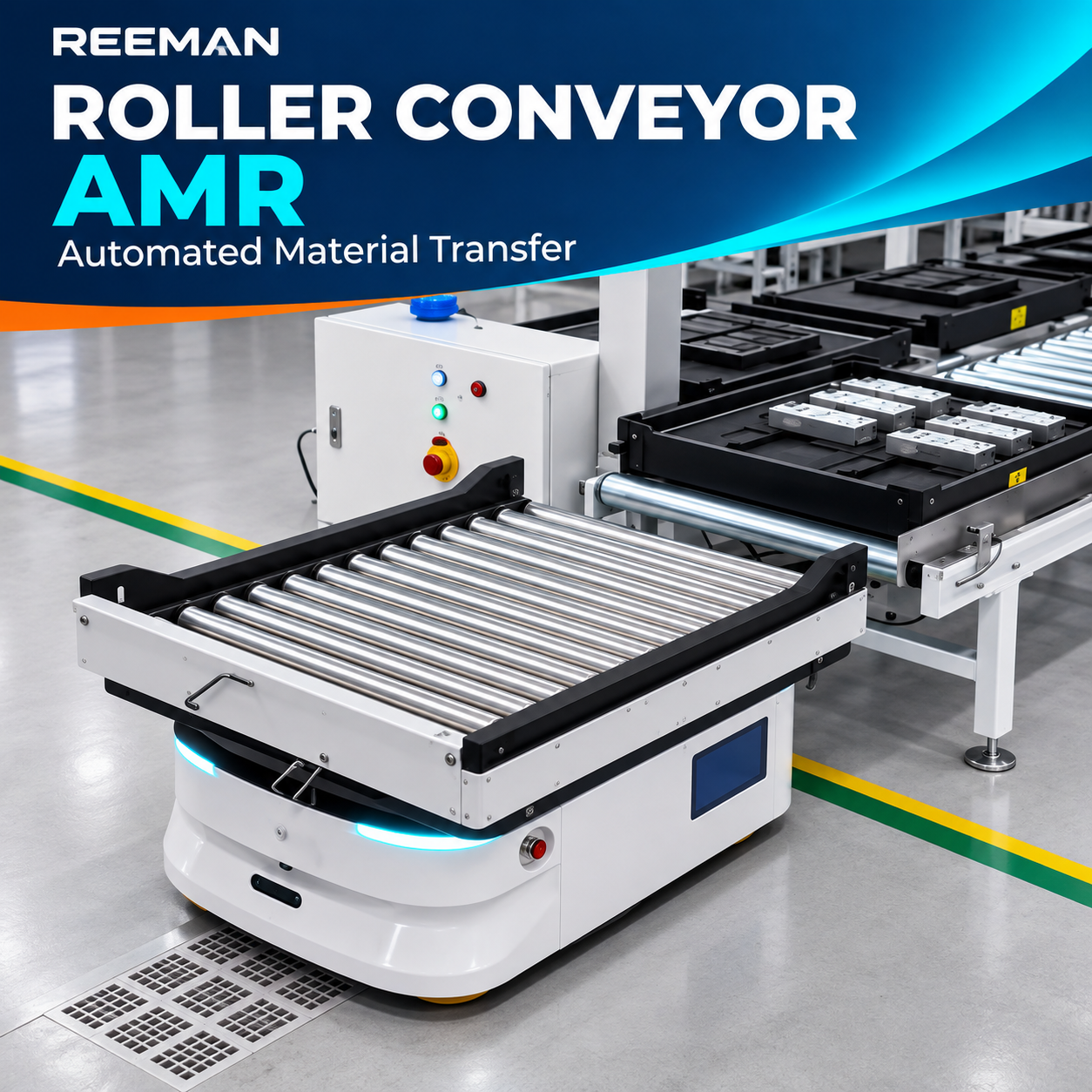
Roller Conveyor AMR Robot with SDK and API for Custom Development and System Integration
For Phoenix 3PLs and cross-dock operations that already run conveyors, this roller-top AMR bridges fixed automation and mobile robotics. The open SDK/API supports WMS, MES or custom dispatch logic where conveyor extensions are expensive or temporary.
- Conveyor-to-door transfer
- Custom development ready
- Cross-docking and returns
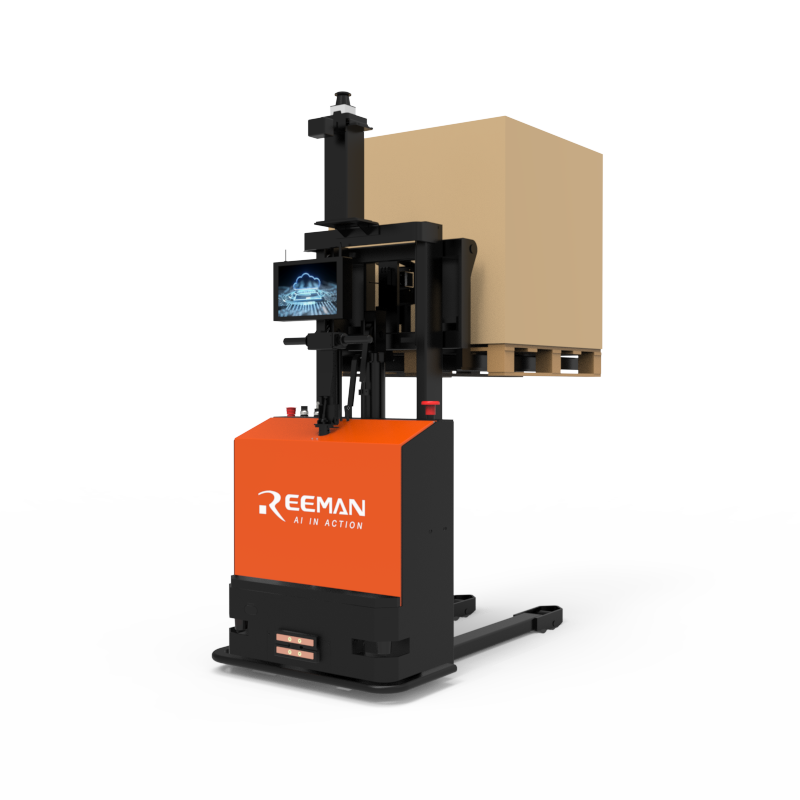
1000 kg Laser SLAM Forklift AGV Unmanned Pallet Stacker Single Line Lidar Obstacle Avoidance Factory Logistics
A single-line lidar pallet stacker for repeated put-away and replenishment. The 1,000 kg capacity suits mixed-case and palletized goods, while laser SLAM avoids floor tape in leased Phoenix buildings where landlords restrict floor modifications.
- 1,000 kg load class
- Obstacle avoidance
- No magnetic tape required

REEMAN X-ant JBOT20F 2 Ton Autonomous Forklift AGV Laser SLAM Pallet Handling Robot for Warehouse Logistics
A 2-ton autonomous forklift for warehouse logistics with laser SLAM pallet handling. It is a practical choice for high-throughput distribution centers in Tolleson, Goodyear and South Phoenix where pallet flow runs across long shifts.
- 2,000 kg handling class
- Pallet pick-and-drop cycles
- Warehouse fleet scheduling
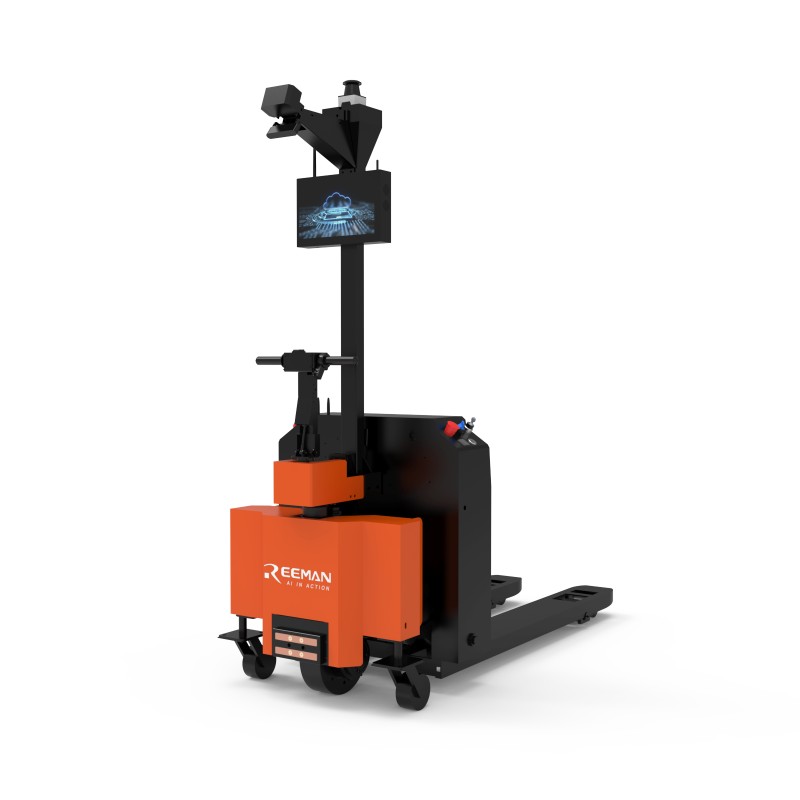
Reeman 2 Ton Autonomous Forklift AGV Laser SLAM Unmanned Pallet Truck 1085mm Fork 10mm Position Accuracy
The 1,085 mm fork and 10 mm positioning accuracy support racking and precision drop-off. Suitable for Phoenix operations that need repeatable pallet placement rather than only horizontal transport.
- 10 mm positioning accuracy
- 1085 mm fork
- Racking and drop-off work
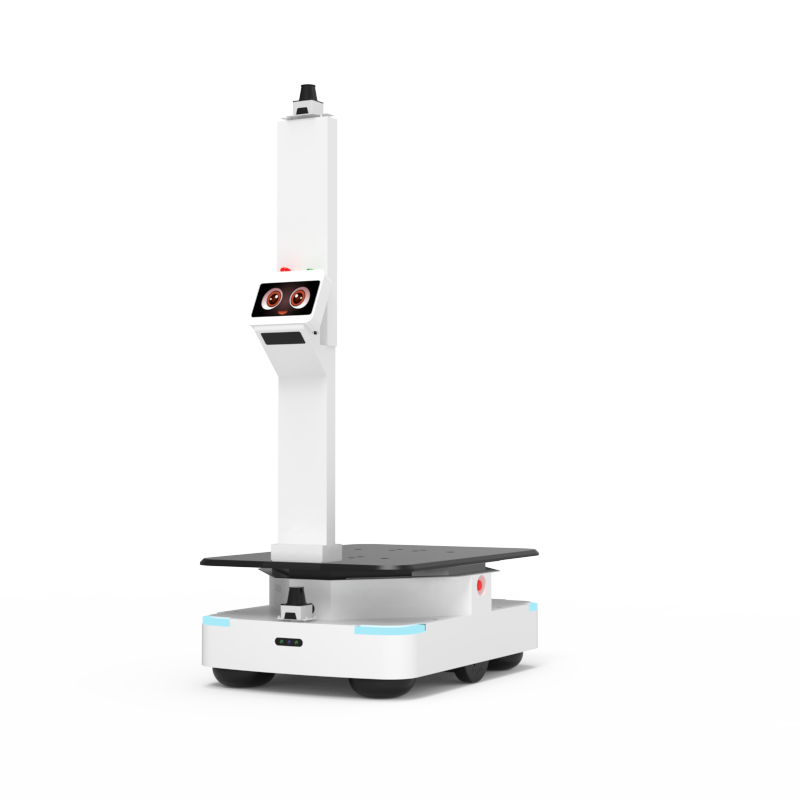
600kg Payload Laser Navigation AMR Robot Autonomous Lifting Warehouse Transfer Equipment
A lighter autonomous lifting AMR for e-commerce, electronics and line-side transfer. It reduces manual cart pushing in spaces where a full forklift is unnecessary and provides a right-sized option for Phoenix fulfillment teams.
- 600 kg payload
- Lifting and transfer
- E-commerce and line-side use
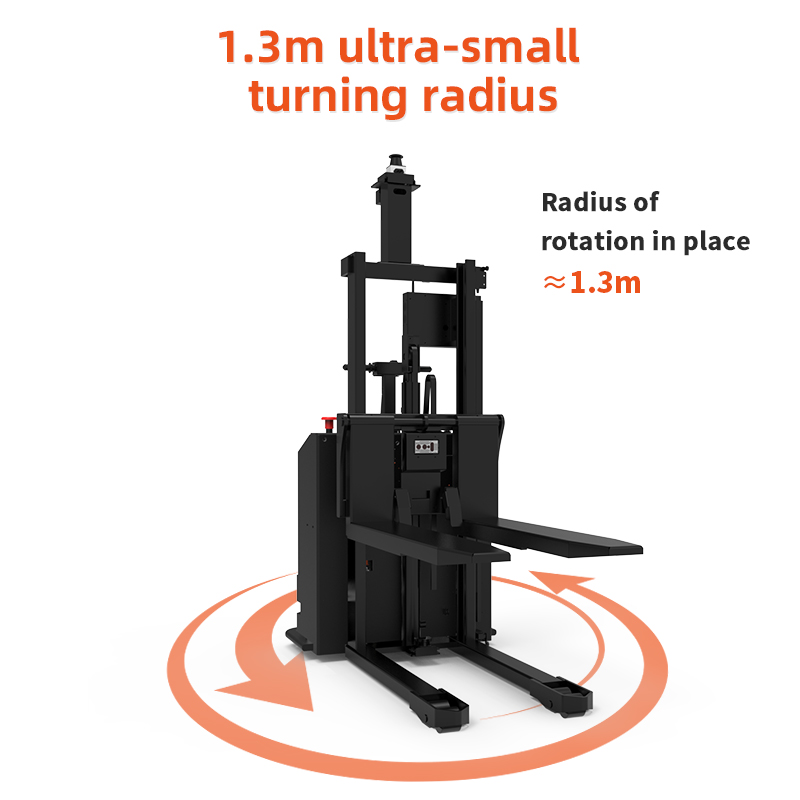
1000kg Forklift AGV Laser SLAM Navigation Pallet Transport Robot 1.3m Turning Radius Auto Charging for Factory Logistics
The 1.3 m turning radius and auto-charging logic are useful in compact Phoenix warehouses and older industrial buildings with tighter aisles. It fits 24/7 pallet transport where charging time must be planned into the operating window.
- 1.3 m turning radius
- Auto charging
- Factory and warehouse flow
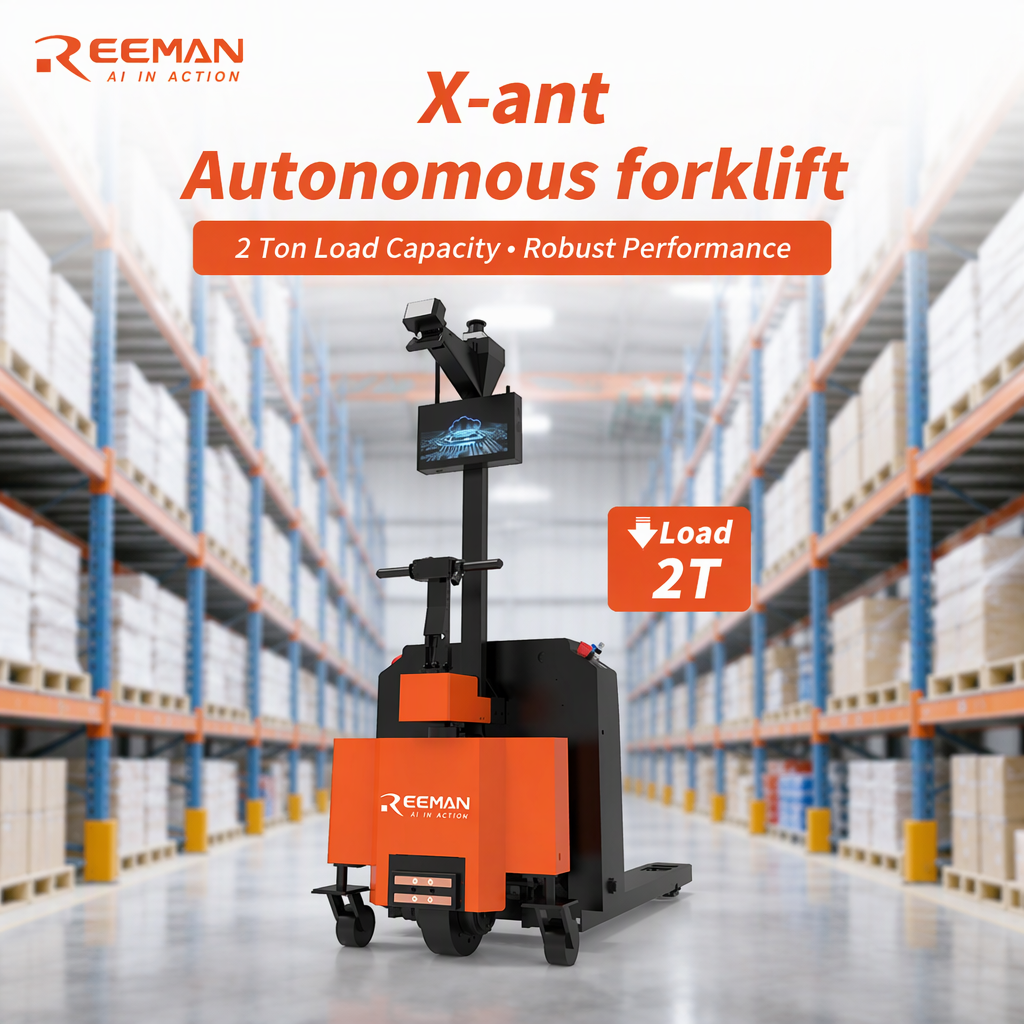
2 Ton Autonomous 4WD AGV Forklift Laser SLAM Navigation Multi-Line LiDAR 10mm Position Accuracy Warehouse Handling
Multi-line lidar and 4WD address mixed indoor/outdoor yards, ramps and changing light conditions. Useful for Phoenix facilities with canopy-to-yard transitions, dust exposure and multiple traffic zones.
- 4WD and multi-line lidar
- 10 mm positioning accuracy
- Indoor/outdoor transition zones
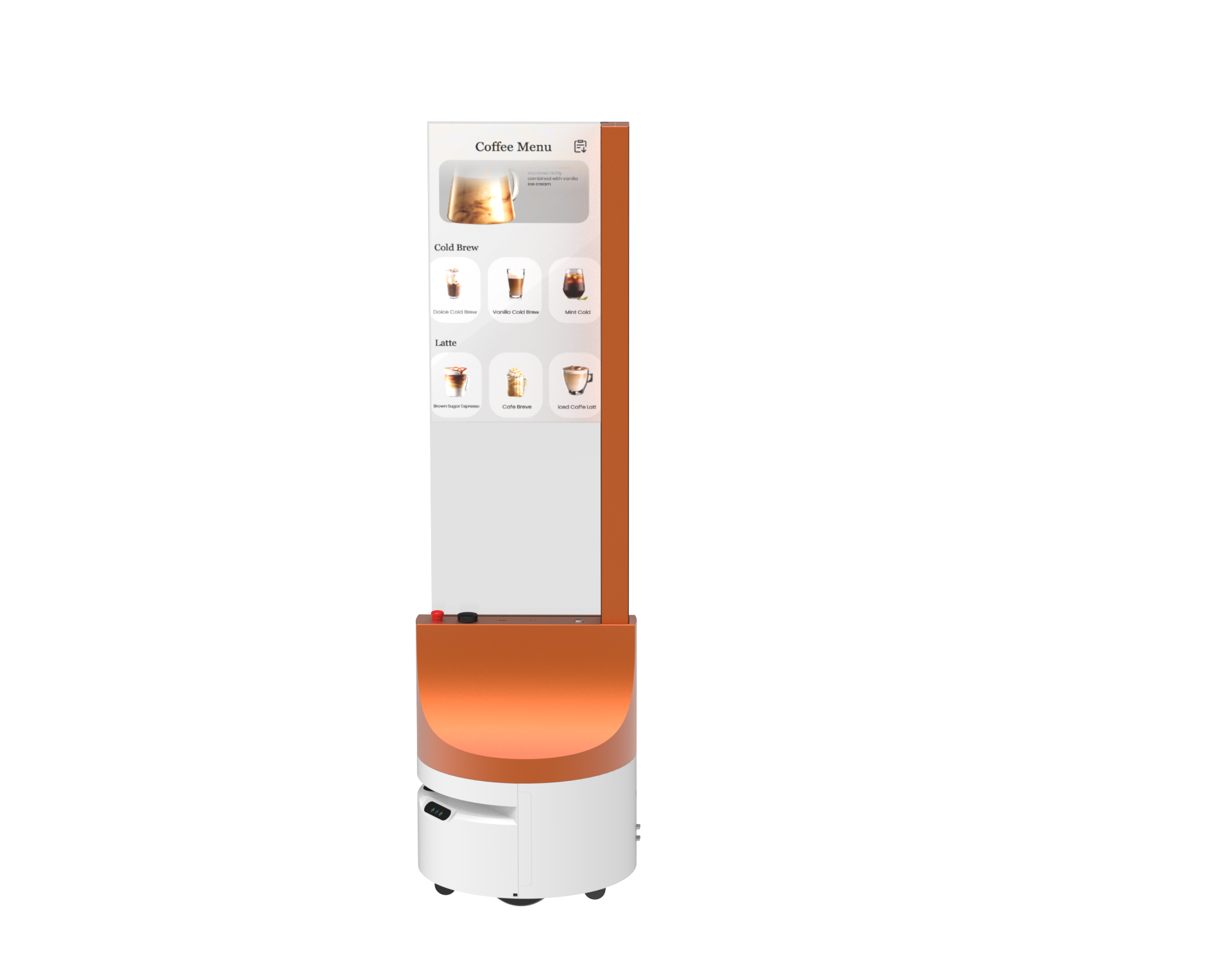
REEMAN 30 Inch OLED Transparent Screen Mobile Advertising Robot 1080 x 1920 FHD 9:16 Wi-Fi App Remote Control
A customer-facing mobile display robot for malls, hotels, convention spaces and retail. The transparent OLED screen and remote app control support promotions, wayfinding and brand experiences without permanent installation.
- 30-inch transparent OLED
- 1080 x 1920 FHD display
- Retail, hotel and event use
For a Phoenix-specific layout review, share pallet type, rack height, aisle width, floor condition, charging location and target pallet moves per hour. Our engineers will recommend the right model and fleet size.
Factory data verified onsite by independent inspector SGS Group; ISO 9001 and ISO 14001 management systems support repeatable export orders.
Phoenix SLAM Navigation Robot Market Brief
Phoenix is not a generic automation market. Heat, dust, leased buildings, long shifts and mixed pedestrian traffic make some robot specifications more valuable than others.



Shenzhen & Ningbo
Phoenix has become a major distribution and advanced manufacturing gateway for the southwestern United States. The metro’s access to I-10, Loop 101, Loop 202 and US-60 supports regional 3PLs, e-commerce fulfillment, food and beverage distribution, aerospace suppliers, semiconductor-related manufacturing and construction-material yards. For procurement teams, the question is no longer whether autonomous material handling is viable; it is how to choose a supplier whose robots can survive the local operating envelope.
Laser SLAM navigation is especially relevant in Phoenix because many warehouses are leased, expanded in phases or reconfigured around seasonal demand. Unlike magnetic tape, wire-guided or reflector-dependent systems, laser SLAM builds and updates a map of the actual site. That reduces floor work, shortens reconfiguration time and lowers the risk of disruption when pallet locations change.
The Phoenix heat profile adds another layer. Robots working near dock doors, in non-conditioned aisles or in buildings with uneven HVAC coverage need validated battery thermal management, charge-room ventilation, lidar cleaning procedures and realistic duty-cycle planning. A supplier that only quotes payload and speed is not giving a Phoenix-ready answer. Ask for heat-derating guidance, maintenance intervals, spare-part recommendations and a pilot plan that measures interventions per 1,000 pallet moves.
For local buyers, the strongest procurement file combines a site survey, safety review, WMS/MES integration test, energy plan and spare-parts commitment. A robot that performs well in a showroom but creates bottlenecks at a Phoenix dock is not a successful deployment. The right supplier treats the robot, charging strategy, traffic rules and software interface as one operating system.
Where Phoenix Teams Use SLAM Navigation Robots
The same robot platform can solve very different problems depending on facility type, load profile and labor model.
3PL and Distribution Centers
Autonomous forklifts and pallet transport robots support receiving, put-away, replenishment and dock loading in fast-turnover Phoenix 3PLs. Laser SLAM reduces dependence on floor markers when racking or staging lanes change.
Manufacturing and Aerospace Suppliers
Line-side AMRs and 4WD forklift AGVs move WIP, fixtures and palletized components in Chandler, Mesa, Tempe and north Phoenix facilities where traceability and repeatable delivery windows matter.
E-commerce and Retail Fulfillment
600 kg lifting AMRs and roller-conveyor AMRs reduce walking and cart pushing in returns processing, packing lines and outbound staging. Right-sized robots can be more practical than a full forklift fleet.
Cold Chain and Food Distribution
Phoenix food distributors often operate chilled, frozen and ambient zones. Buyers should confirm battery behavior, condensation management, washdown limits, safety zoning and transfer procedures between temperature zones.
Construction Materials and Yards
Multi-line lidar and 4WD platforms can support mixed indoor/outdoor yards, canopy transitions and dusty loading areas where conventional navigation may struggle with changing light and floor texture.
Hospitality, Retail and Events
Phoenix hotels, convention spaces, malls and showrooms can deploy transparent OLED mobile advertising robots for promotions, wayfinding and brand engagement without permanent signage construction.
Localized Development Trends Shaping Robot Procurement
Phoenix buyers are not only comparing payload and price. They are evaluating whether a robot program can survive heat, growth, labor volatility and integration demands.
Heat-Resilient Automation Planning
With summer temperatures regularly above 100°F, Phoenix projects need battery derating, charge-room airflow, lidar maintenance and realistic operating windows. Suppliers should provide thermal guidance, not just catalog speed.
Leased Buildings and No-Tape Deployment
Laser SLAM allows mapping and route changes without magnetic tape, reflectors or major floor modifications. That is important for tenants who need landlord approval for floor work or expect to reconfigure in 12 to 24 months.
Integration with WMS, MES and ERP
Robots are becoming part of the software workflow. Open SDK/API access for task dispatch, status feedback, elevator or door control and custom dashboards is moving from a nice-to-have to a procurement requirement.
Labor Retention, Safety and Heat Stress
Repetitive pallet moves and long walking routes are difficult to staff in a tight labor market. Autonomous transport can reduce non-value-added travel while keeping workers focused on exceptions, quality and customer service.
Right-Sized and Mixed Fleets
A Phoenix operation may combine 2-ton forklift AGVs for racking, 600 kg AMRs for line-side carts and a roller-conveyor AMR for cross-docking. Mixed fleets need common traffic rules and a clear charging plan.
Nearshoring and 24/7 Fulfillment
As distribution networks expand across the Sun Corridor, buyers want faster ROI, remote commissioning and spare-part availability. Wholesalers and integrators that can support multiple sites become more valuable than single-unit sellers.
Why Phoenix Buyers Shortlist Elvorn as a SLAM Navigation Robot Supplier
Based on the company’s published profile, the supplier combines in-house SLAM engineering, two production bases, export processes and OEM/ODM support that distributors and integrators can build on.
Full-Stack Laser SLAM Engineering
The supplier states that its in-house R&D team covers laser SLAM navigation, motion control, fleet scheduling and hardware. This reduces the gap between catalog specifications and Phoenix-specific customization requests.
Two Production Bases and 5,200㎡ Floorspace
Founded in 2015, Shenzhen Elvorn Intelligent Equipment Co., Ltd. operates production capacity in Shenzhen and Ningbo. The company profile lists 5,200㎡ of floorspace, 200+ team members and 39 patents.
OEM, ODM and Wholesale Support
For distributors and integrators serving Phoenix, the supplier offers OEM service, design service and buyer-label options. Potential customization includes top modules, payload structures, branding and packaging.
Open SDK and API Integration
AMRs and robot chassis provide open SDK/API access for secondary development, task dispatch and status feedback from WMS, MES, ERP or custom software. That is critical for Phoenix sites with existing warehouse controls.
Safety and Compliance Evidence
Depending on the model, robots carry CE, FCC or PSE marks. The management system is certified to ISO 9001 and ISO 14001, and the factory has been verified onsite by SGS Group for buyer due diligence.
Export-Ready Delivery and Support
English documentation, remote commissioning guidance, spare-part supply and export terms support buyers across North America, Western Europe, Asia and the Middle East. Main trade terms include FOB with T/T payment in USD or CNY.
Match the Robot to the Phoenix Workflow
A useful first step is to separate pallet handling, cart or tote movement, conveyor transfer and customer engagement.
Forklift AGV
Best for pallet pick-and-place, racking, dock loading and floor-to-floor transport. Evaluate fork length, lift height, aisle width, floor flatness and traffic rules before choosing 1-ton or 2-ton models.
Roller-Conveyor AMR
Best for conveyor-to-door transfer, cross-docking and integration with fixed automation. The open SDK/API matters when the robot must receive tasks from a WMS or conveyor controller.
Lifting AMR
Best for 600 kg-class carts, totes and line-side replenishment. It is often a better fit than a forklift when the load is light and the route includes people or compact staging areas.
Mobile Service Robot
Best for hotels, retail, malls and event spaces. Transparent OLED displays can support wayfinding, promotions and brand engagement without permanent construction or fixed signage.
Wholesalers and system integrators can combine these platforms into a single fleet plan. Keep charging locations, fire-code clearances and pedestrian zones consistent across every robot type.
What Local Procurement Teams Ask Before Ordering
What is laser SLAM navigation, and why does it matter in Phoenix?
Are these robots suitable for Phoenix summer heat and dust?
Can an autonomous forklift work in a leased Phoenix warehouse without tape or reflectors?
What load capacity should a Phoenix 3PL choose?
Can the robots integrate with WMS, MES or ERP platforms?
Do you offer wholesale, distributor or OEM/ODM terms?
What certifications and due-diligence evidence can a Phoenix buyer review?
What does a typical deployment process look like?
How should we plan charging and battery strategy for 24/7 operations?
What trade terms and payment methods apply?
Request a Phoenix-Specific Robot Recommendation
Send your layout drawing, pallet type, rack height, aisle width, floor condition, charging plan and target throughput. Our engineers will help you compare forklift AGVs, lifting AMRs, conveyor robots and service robots for your exact site.