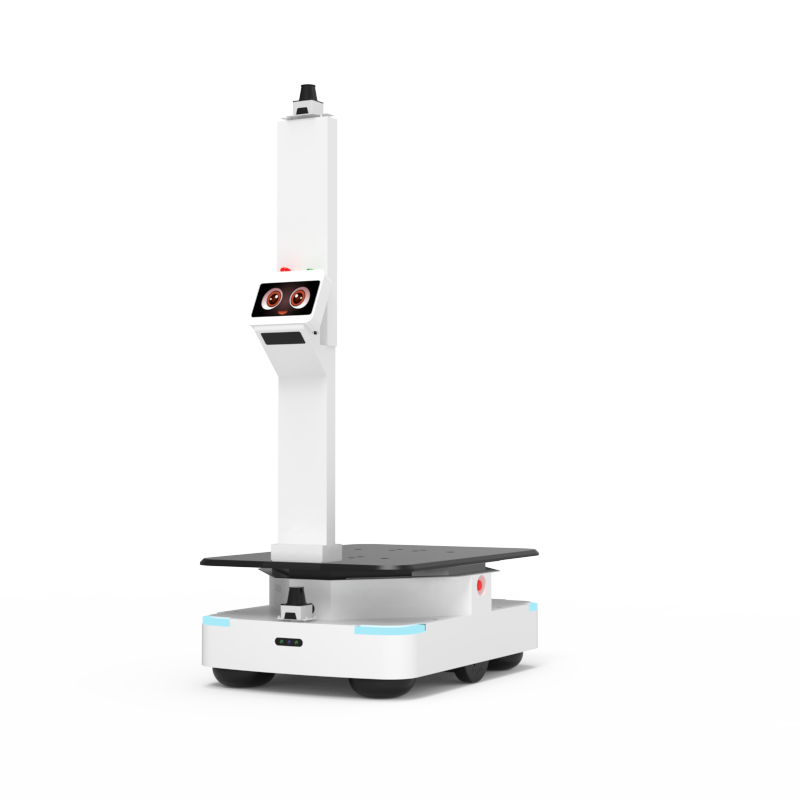
600kg Payload Laser Navigation AMR Robot Autonomous Lifting Warehouse Transfer Equipment
A strong fit for logistics-center replenishment, shelf transfer, and cart movement where a compact laser-navigation platform is preferred over fixed conveyors.
Factory-direct laser SLAM AGV forklifts, lifting AMRs, autonomous stackers, and open-SDK robot chassis for border logistics, maquiladora line-side supply, 3PL warehouses, and commercial automation in El Paso, Texas and the Ciudad Juárez manufacturing corridor.
El Paso is not a generic warehouse market. It is a border-operations market where warehouse automation must work beside cross-dock planning, bilingual teams, customs schedules, and manufacturing flows that extend into Ciudad Juárez.
El Paso sits at a practical intersection of I-10, Loop 375, the Ysleta-Zaragoza International Bridge, and the Santa Teresa Port of Entry. For distribution centers, 3PL operators, and manufacturers, that geography creates a specific automation problem: material must move efficiently between receiving docks, staging lanes, quality checks, cross-dock doors, production lines, and outbound trailers without adding labor risk or congestion. A robot chassis sourced for this environment should be evaluated as part of the material flow, not as a standalone gadget.
A smart mobile robot chassis is the self-contained drive platform underneath an AGV or AMR. Depending on the model, it includes the structural frame, lithium-ion battery, servo drive system, steering and braking controls, safety LiDAR, obstacle sensors, IMU, wheel encoders, SLAM localization, onboard controller, and an open API for the top module. The chassis determines the payload, navigation stability, safety envelope, charging strategy, and integration effort. The top module determines whether the machine carries totes, lifts shelves, moves pallets, tows carts, displays advertising, or performs another task.
As an exporter and wholesale supplier serving El Paso, Elvorn is transparent about where production happens. Our manufacturing and engineering base is in Shenzhen, China, with a second production base in Ningbo. We support El Paso buyers through factory-direct engineering, OEM/ODM development, export documentation, and remote commissioning. We do not present a local warehouse as a factory. Instead, we give distributors, integrators, and industrial buyers access to the source of customization: drive modules, payload structures, mast and fork design, battery configuration, sensor placement, software interfaces, and branded enclosure details.
This distinction matters for E-E-A-T and for procurement. Buyers searching for a “smart mobile robot chassis exporter,” “autonomous forklift supplier in El Paso,” or “AGV robot chassis wholesaler” often need different things. A 3PL may need a proven pallet-handling robot with fast spare-part support. A systems integrator may need an open-SDK chassis for a custom top module. A plant engineer may need a compact AMR for line-side replenishment. A commercial venue may need an autonomous advertising or delivery platform. The right answer depends on the work, the floor, the load, and the integration plan.
Procurement teams in El Paso compare more than price. They compare engineering depth, export reliability, integration support, safety documentation, and long-term spare-part availability.
Our team owns navigation, motion control, fleet scheduling, and hardware development. That means fewer translation layers when an El Paso warehouse needs a layout change, a new dock route, or a higher throughput target.
AMR and chassis platforms can expose task interfaces for WMS, MES, ERP, door controls, elevator coordination, and custom dashboards. This is especially useful for El Paso systems integrators building a repeatable automation offer.
Choose from lightweight service platforms to 600 kg lifting AMRs, 1.2-ton and 1.5-ton stackers, and 2-ton autonomous forklifts. Shared control architecture can simplify operator training and maintenance planning.
Lidar, obstacle sensors, emergency stops, speed zones, and configurable safety fields help protect people and equipment. Final deployment should always include a site-specific risk assessment for forklift traffic and pedestrian routes.
Founded in 2015, Elvorn operates two production bases and has 39 patents. The factory has been verified onsite by SGS Group, and management systems are certified to ISO 9001 and ISO 14001.
English documentation, FOB terms, T/T payment in USD or CNY, remote commissioning guidance, and spare-part planning support buyers across North America, Western Europe, Asia, and the Middle East.
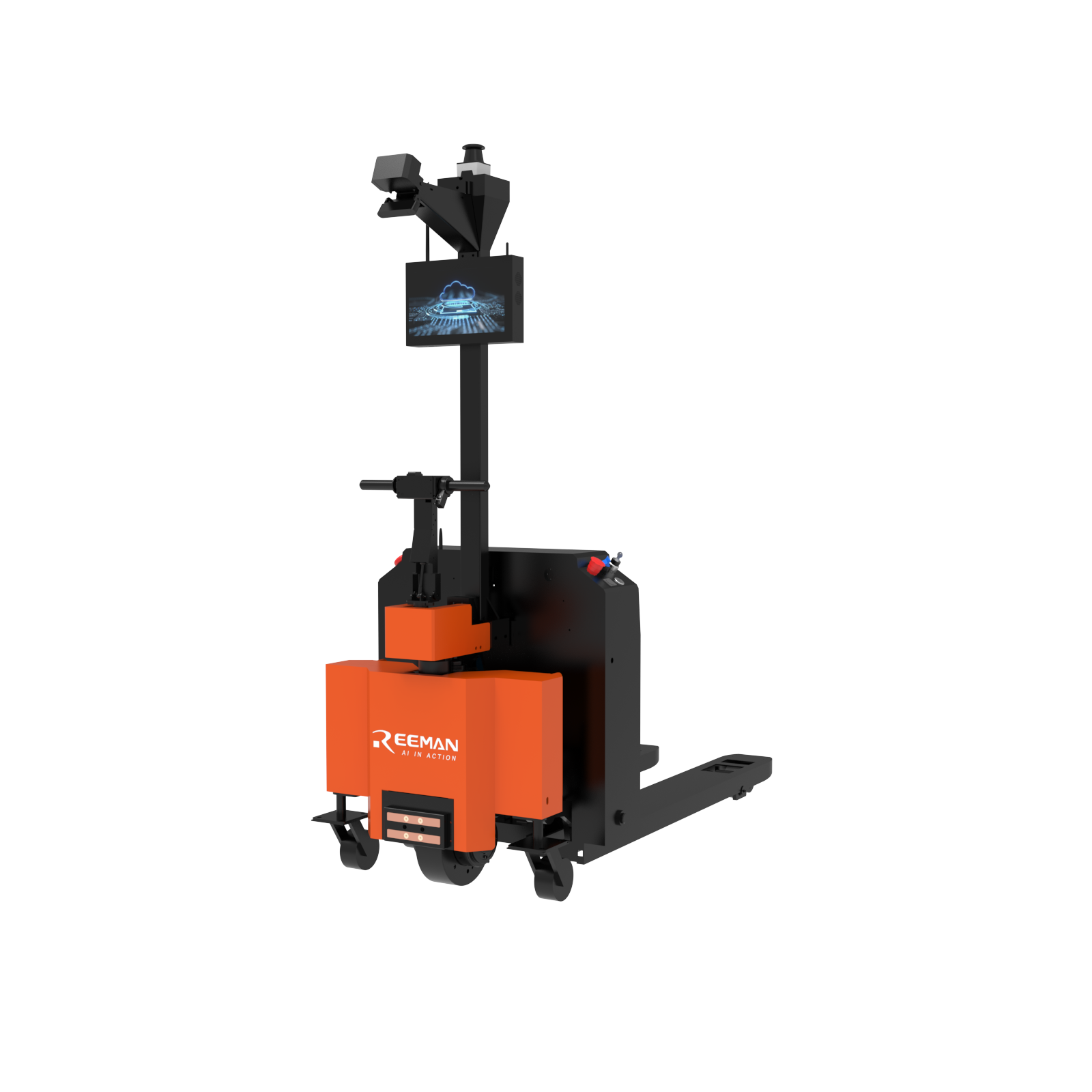
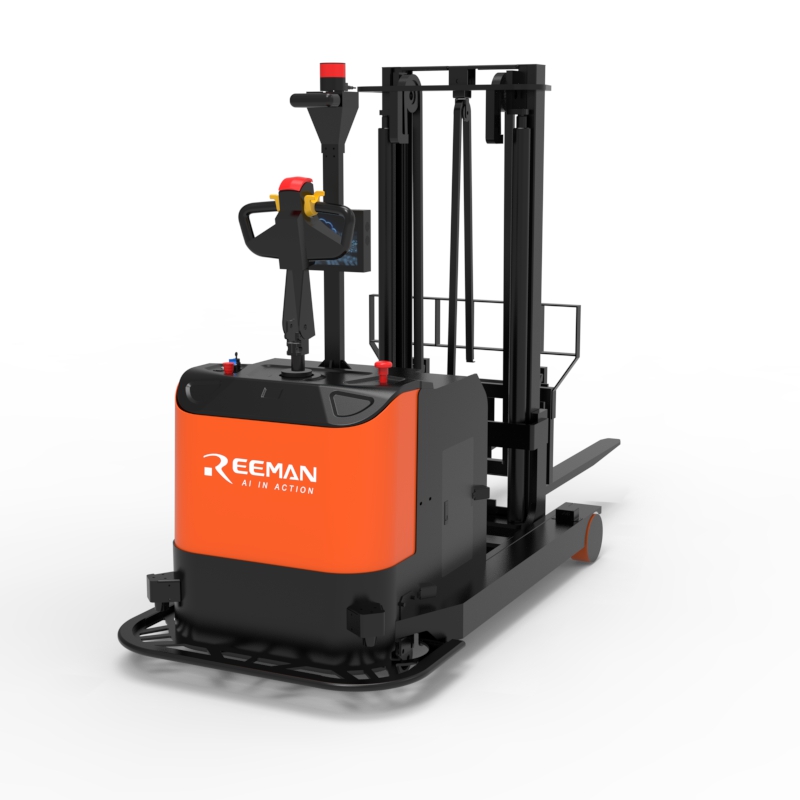
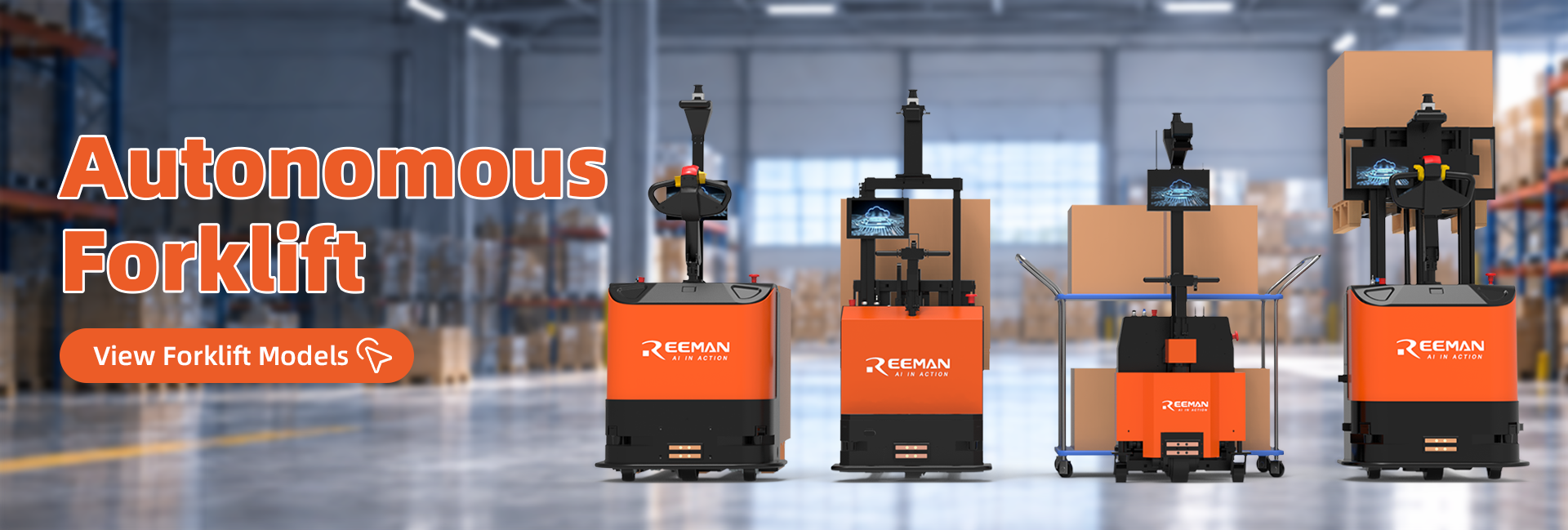
These factory-direct platforms cover pallet handling, shelf and cart transfer, narrow-aisle stacking, open-SDK robot development, and indoor commercial service. Product images and links are preserved from the Elvorn catalog.

A strong fit for logistics-center replenishment, shelf transfer, and cart movement where a compact laser-navigation platform is preferred over fixed conveyors.

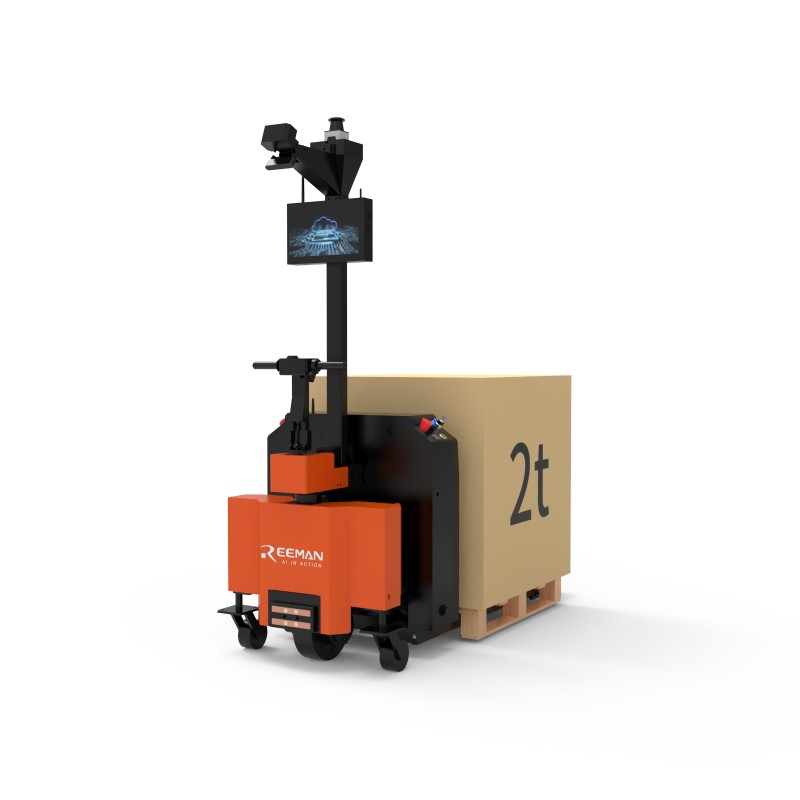
For heavy pallet moves, dock-to-storage transfers, and repetitive trailer loading support where 4WD traction and multi-line LiDAR positioning are valuable.

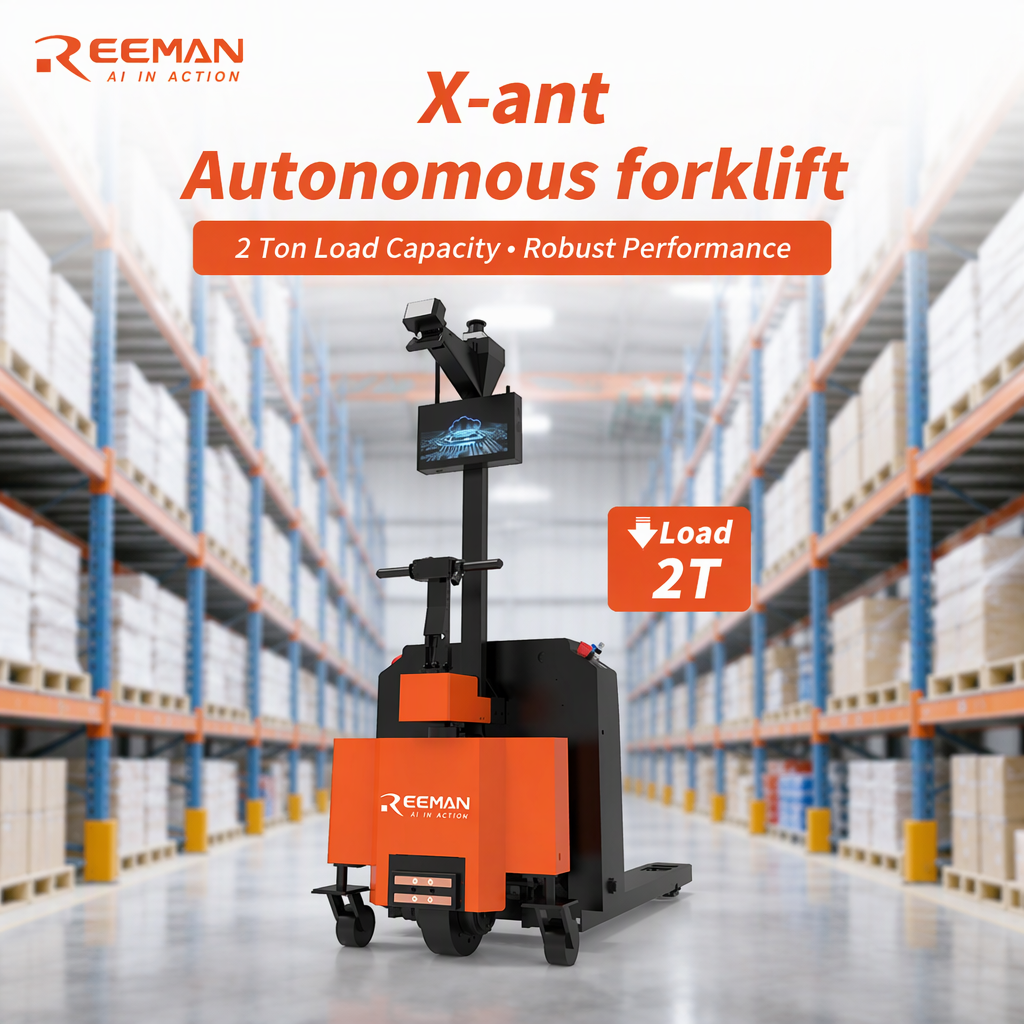
An alternate catalog view of the 2-ton autonomous forklift family for buyers comparing fork dimensions, battery strategy, and fleet integration scope.

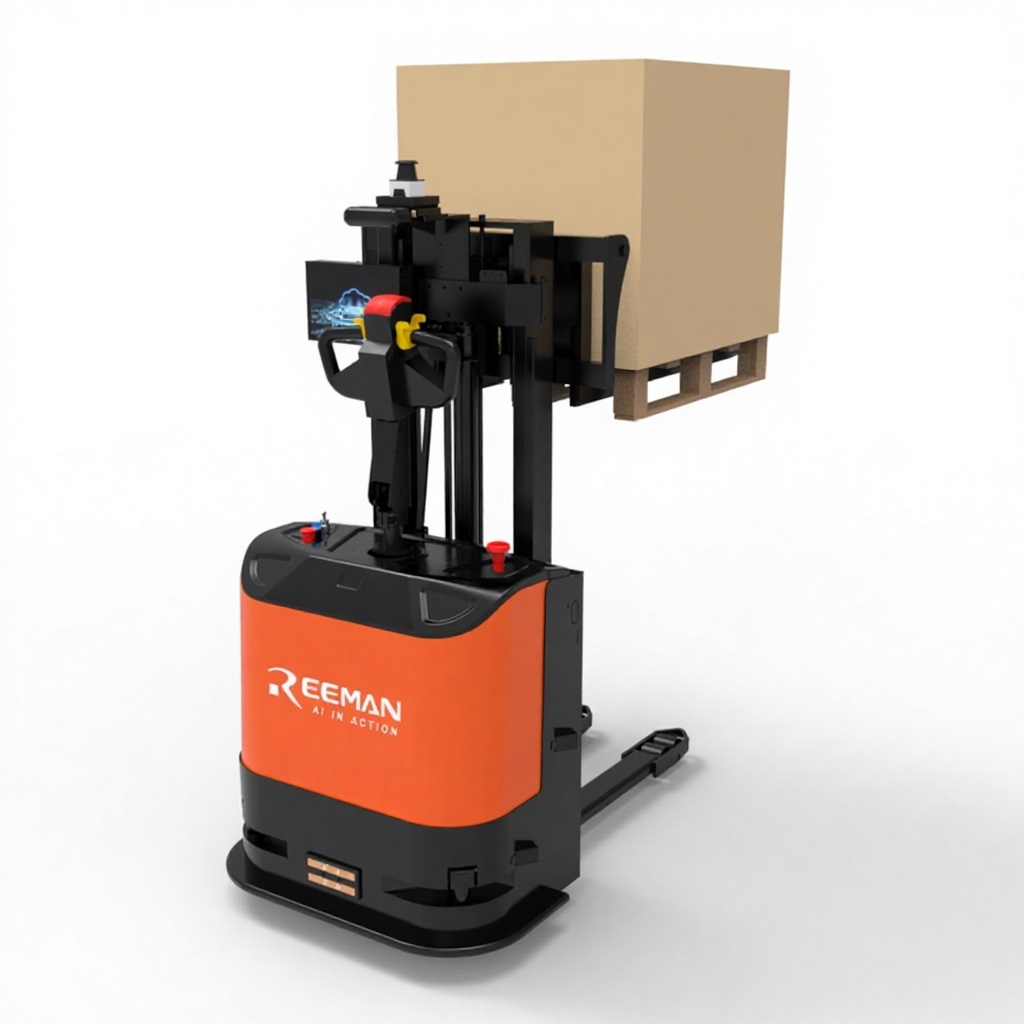
Useful for low-rack stacking and pallet handling where 3D vision obstacle avoidance and autonomous route execution improve repetitive warehouse work.

For warehouse logistics teams that need a 2-ton autonomous pallet handler with laser SLAM navigation and a clear path to fleet-level task dispatch.

A narrow-aisle option for low-rack storage and pallet shuttling where 2,500 mm lift height, lithium-ion power, and laser navigation suit compressed floor space.

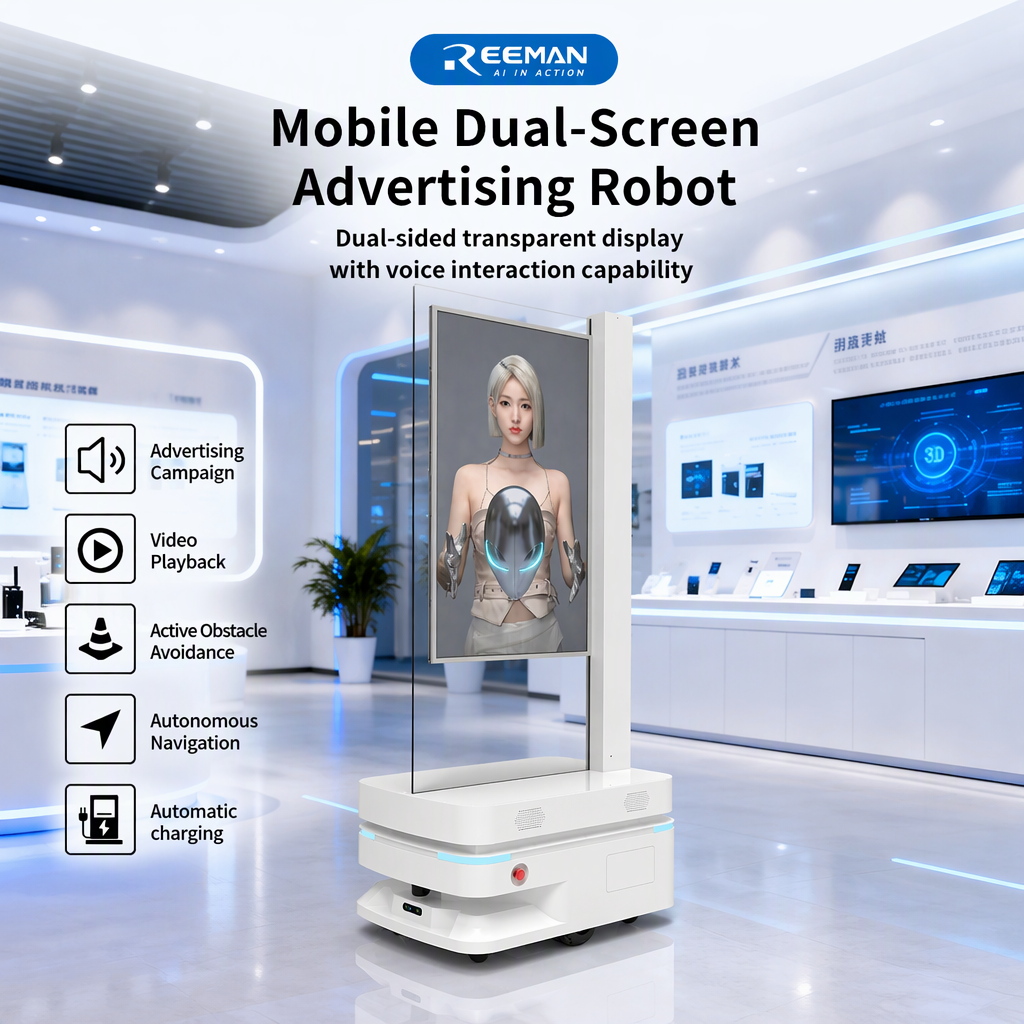
A commercial platform for malls, expos, hotels, and showrooms where autonomous navigation, dual-screen messaging, and voice interaction support visitor engagement.

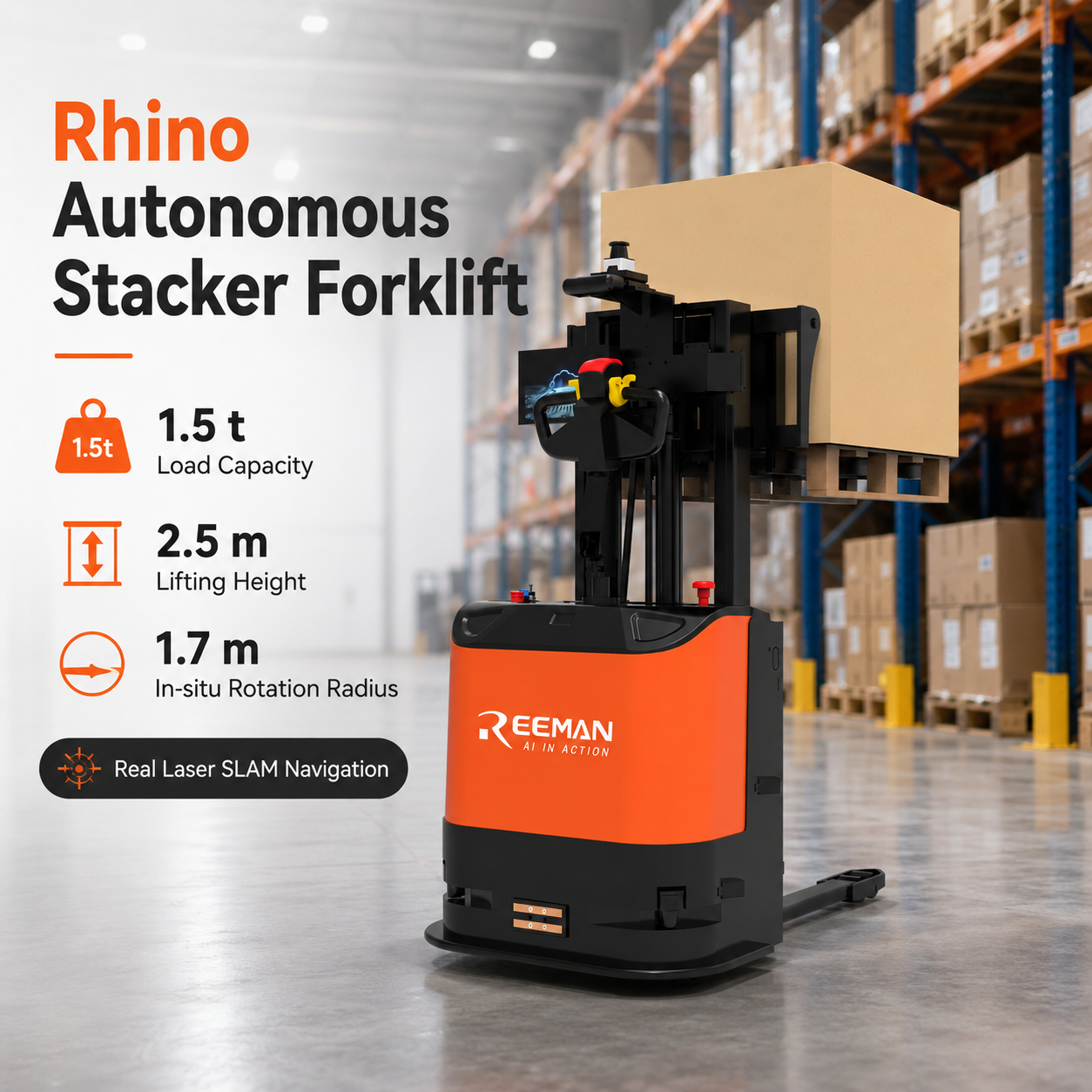
A mid-duty stacker platform for pallet handling, laser obstacle avoidance, and repetitive put-away tasks where 1.5-ton capacity matches the load profile.
From the I-10 corridor to Santa Teresa and the Juárez production cluster, the value of automation is measured in fewer empty travel minutes, safer handoffs, and more predictable throughput.
Autonomous pallet handlers can move loads from receiving to staging, inspection, and outbound doors while human forklift drivers focus on complex trailer interactions and bridge-related timing. Keep handoff zones clearly marked and document traffic rules.
For manufacturers in the El Paso–Ciudad Juárez corridor, an AMR chassis can move totes, carts, or work-in-process between warehouses and production cells. Open SDK integration helps align robot tasks with MES or custom production dashboards.
2-ton autonomous forklifts and 1.5-ton stackers are suited to repetitive put-away, replenishment, and dock-to-storage routes. Before deployment, confirm pallet condition, rack beam heights, aisle clearance, and floor flatness at each transition.
El Paso systems integrators and robotics OEMs can source an open-SDK mobile robot chassis, add a custom top module, and build a branded solution for local end users. This shortens development time while keeping control of the application layer.
Dual-screen advertising robots and indoor service platforms can support wayfinding, promotions, and guest interaction in venues along the El Paso convention and retail corridors. Content scheduling and floor mapping should be planned before launch.
A robot chassis is part of a safety system. Define speed zones near pedestrians, docking rules at chargers, emergency-stop response, and a preventive maintenance schedule. Desert heat and dock dust make filter checks and battery planning especially important.
Nearshoring, cross-border logistics, labor variability, and safety reviews are changing the way El Paso buyers specify autonomous mobile robot platforms.
As manufacturing and distribution activity grows around El Paso, Santa Teresa, and Ciudad Juárez, more facilities need flexible movement between receiving, staging, production support, and outbound areas. Robots must handle frequent route changes rather than a fixed conveyor layout.
Warehouse operators and insurers increasingly ask for a documented traffic plan, speed-zone strategy, pedestrian separation, and emergency-stop procedure. Reference standards such as ANSI/ITSDF B56.5 are often discussed for driverless industrial vehicles, but compliance is always site-specific.
Buyers want robots to exchange task status with WMS, MES, ERP, doors, and chargers. Open SDK and API capabilities can reduce integration cost for El Paso integrators, but Wi-Fi coverage, cybersecurity review, and data ownership must be clarified early.
El Paso’s climate and industrial dust can stress filters, sensors, and charging equipment. A realistic maintenance plan, spare-part kit, battery strategy, and bilingual operator training program often matter more than a headline speed specification.
Use this comparison as a first-round scoping tool. Final configuration depends on floor conditions, pallet type, aisle width, safety review, and integration requirements.
A structured process reduces risk when the engineering team, integrator, and end user are in different time zones.
Share the layout, load data, pallet type, target throughput, and current bottlenecks. We clarify whether the right solution is a complete AGV, an open chassis, or a mixed fleet.
Our team recommends model families, navigation configuration, top module, charging plan, and integration scope. El Paso buyers receive a clear list of assumptions and missing data.
For wholesale and integrator projects, we review branding, payload structure, sensor placement, software interface, packaging, and documentation requirements.
Function and load tests are completed before shipment, with test records available. Final acceptance criteria are agreed before production begins.
FOB terms, T/T payment in USD or CNY, export paperwork, packing details, and freight coordination are aligned with the buyer’s forwarder or customs broker.
Remote mapping guidance, operator training materials, spare-part planning, and engineering escalation help local teams stabilize the system after arrival.
Direct answers for procurement teams comparing an exporter, wholesaler, systems integrator, and local automation dealer.
Elvorn manufactures autonomous forklifts, AMRs, robot chassis, and service robots in Shenzhen, China, with a second production base in Ningbo. We serve El Paso buyers through an export and wholesale supply model. We do not claim a local factory in El Paso. This keeps customization close to the engineering source and avoids unnecessary reseller layers.
Yes, our export program supports buyers in the El Paso region, including nearby logistics areas around Santa Teresa and the Ciudad Juárez corridor. Shipments commonly use FOB terms and T/T payment in USD or CNY. The buyer’s customs broker and freight forwarder should confirm final entry, duties, and delivery arrangements.
Start with the 2-ton autonomous forklift family if the main task is pallet pickup and drop between docks, storage, and staging. If the route is more repetitive and lower-level, a 1.5-ton stacker may be sufficient. The final choice depends on fork dimensions, lift height, pallet condition, aisle clearance, and required throughput.
Most Elvorn AGV and AMR platforms use laser SLAM navigation. That means the robot builds and uses a map instead of relying on magnetic tape, floor reflectors, or QR markers. This is useful for El Paso facilities that change racking, staging lanes, or production zones, because the layout can be updated without major floor work.
Yes. Open-SDK robot chassis platforms are intended for secondary development. Integrators can add conveyors, rollers, lifting mechanisms, shelves, displays, or other payload structures. Electrical interfaces, mechanical mounting, software commands, safety limits, and warranty scope should be reviewed during project scoping.
Depending on the model, Elvorn robots may carry CE, FCC, or PSE marks. Management systems are certified to ISO 9001 and ISO 14001, and the factory has been verified onsite by SGS Group. For US deployment, a site-specific risk assessment is still required. Buyers should review speed limits, pedestrian zones, emergency stops, and traffic rules with their EHS team.
Desert heat, dock dust, and temperature swings can affect battery performance, sensor cleanliness, and charger reliability. Share the expected ambient conditions, charging location, and cleaning routine. A preventive maintenance plan should include sensor cleaning, filter checks, charger inspection, battery monitoring, and a spare-part strategy.
Yes. As a verified custom manufacturer, Elvorn offers OEM service, design service, and buyer-label options. We can discuss custom top modules, branding, packaging, documentation, and configuration changes. For El Paso distributors and integrators, a wholesale or repeat-order program can be scoped around forecast volume and service requirements.
Send your load data, floor layout, aisle widths, charging plan, and integration goals. We will help you shortlist the right smart mobile robot chassis, autonomous forklift, or open-SDK platform for the application.