8 Smart Mobile Robot Chassis & Autonomous Platforms for San Jose Projects
San Jose buying teams do not need a generic catalog; they need a platform that can be mapped, integrated, and supported. The eight platforms below cover mobile robot chassis for OEMs, 600 kg AMRs, 1.5-to-2-ton autonomous forklifts, and mobile service/signage robots. Product URLs are retained exactly from the existing catalog so procurement teams can review specifications without losing the original product path.
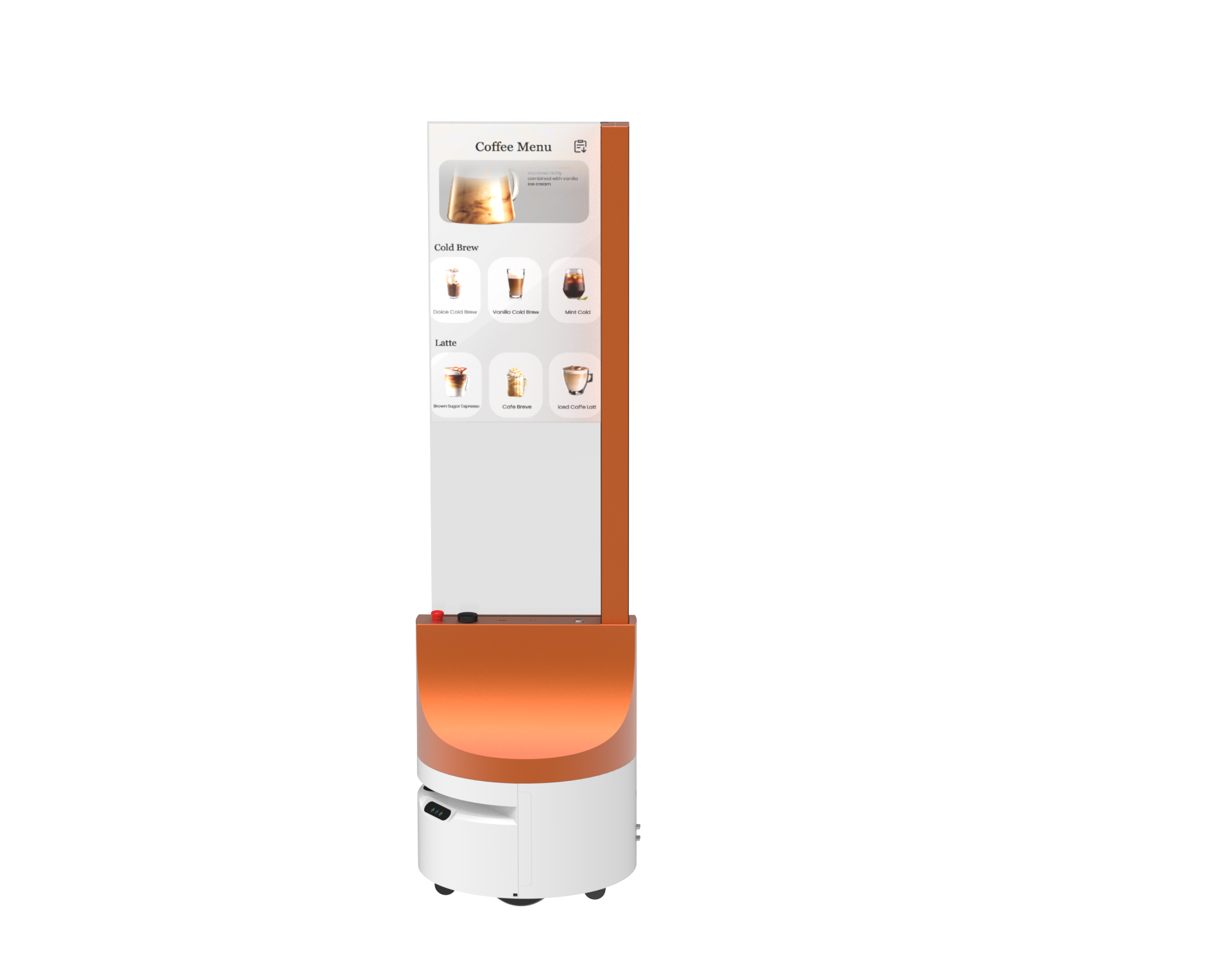
REEMAN 30 Inch OLED Transparent Screen Mobile Advertising Robot 1080 x 1920 FHD 9:16 Wi-Fi App Remote Control
A mobile transparent-screen platform for downtown San Jose retail, hotel lobbies, showrooms, conventions, and branded promotions. App-based content control supports campaign updates without redesigning the robot.
View product details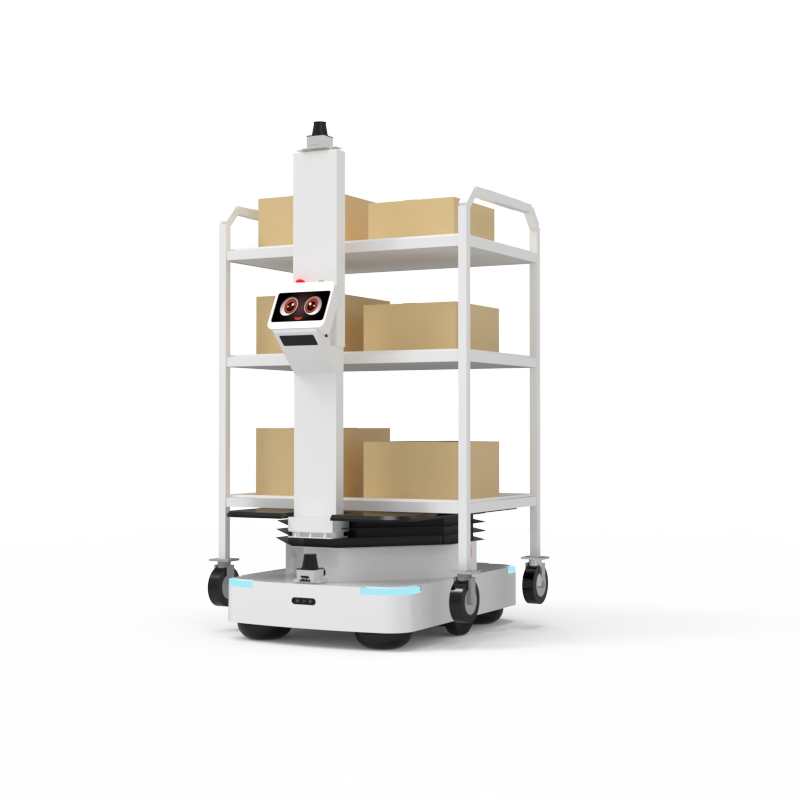
600kg Payload Autonomous AMR Robot Multi Sensor Mobile Material Handling Cart for Production Line
A practical AMR cart for electronics assembly, light manufacturing, and line-side replenishment in North San Jose. Multi-sensor navigation supports mixed human and equipment traffic.
View product details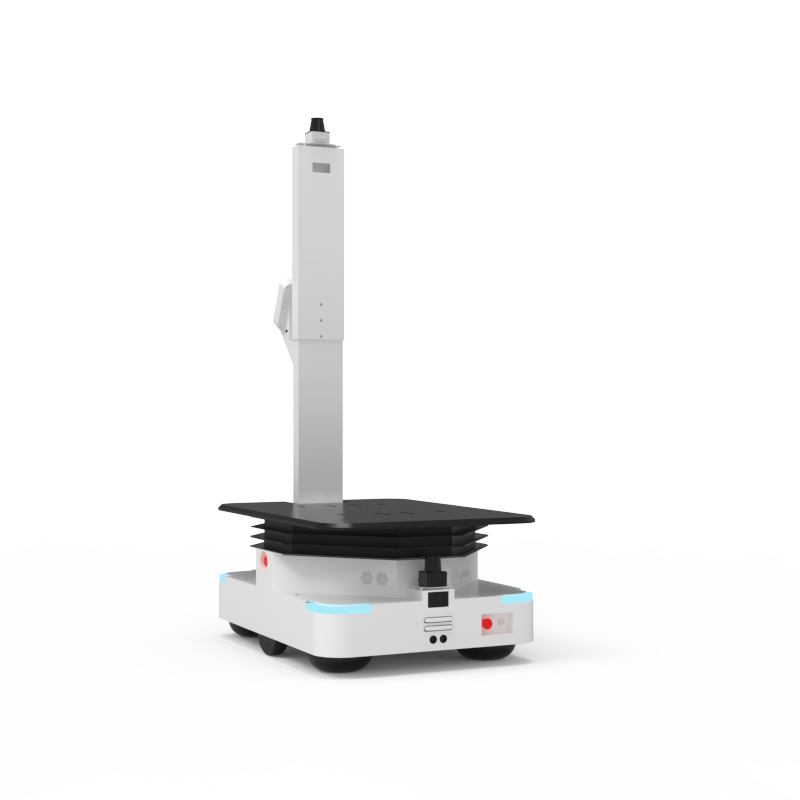
REEMAN Autonomous Mobile Robot AGV AMR 600kg Payload Sheet Metal Material Handling for Production Line
Designed around production-line material movement for fabrication, sheet-metal, and equipment-build workflows near Milpitas, Santa Clara, and San Jose.
View product details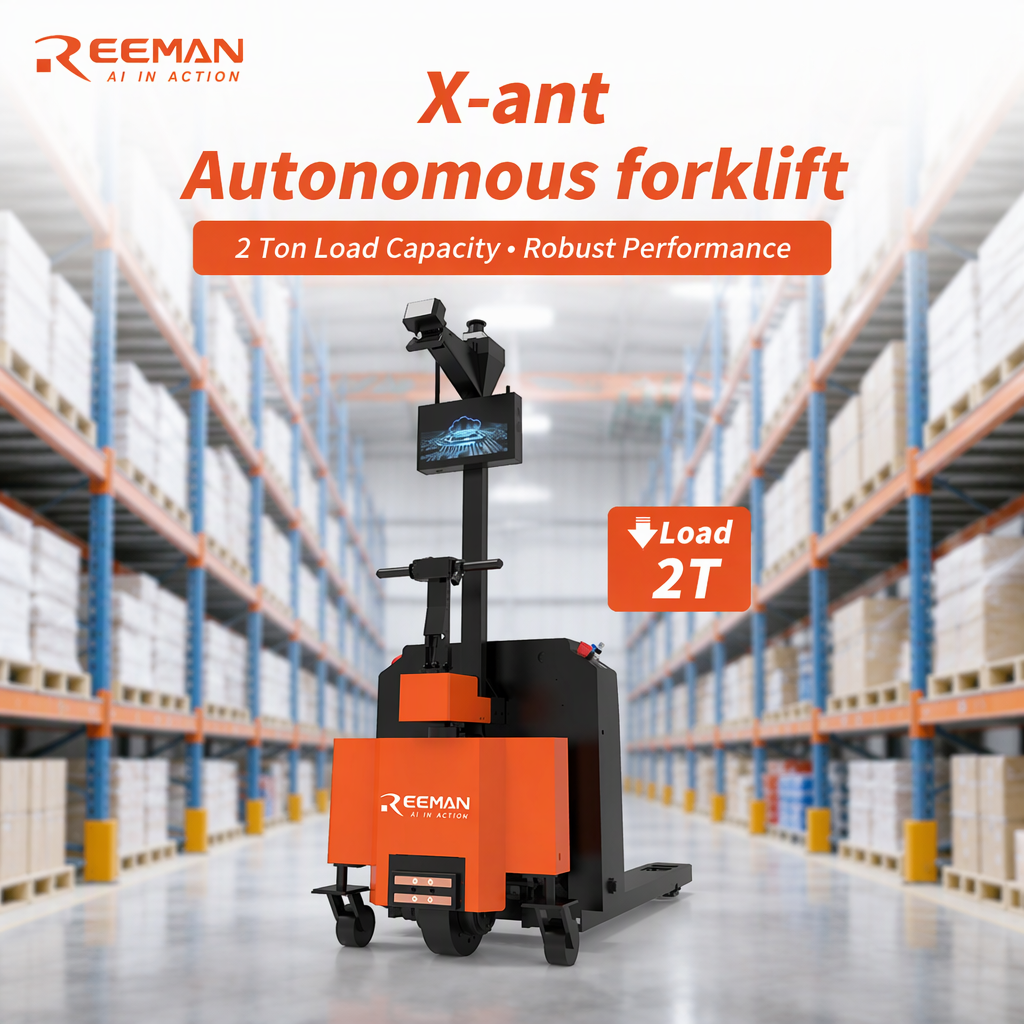
2 Ton Autonomous 4WD AGV Forklift Laser SLAM Navigation Multi-Line LiDAR 10mm Position Accuracy Warehouse Handling
For pallet movement, dock-to-storage transfer, and warehouse handling where Bay Area labor availability and repetitive travel are major planning issues.
View product details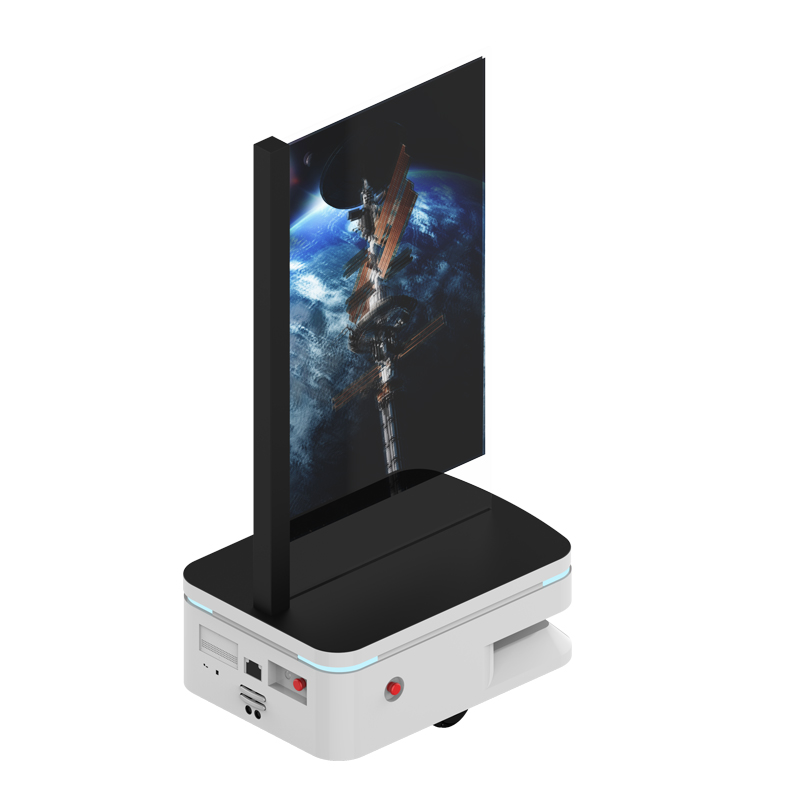
75 Inch Indoor LED Digital Poster Touch Screen Display SDK OEM ODM Black Signage for Retail Store Elevator Airport
A touch-screen signage platform for San Jose retail, elevator lobbies, airport-adjacent venues, and convention spaces, with SDK/OEM/ODM options for branded deployments.
View product details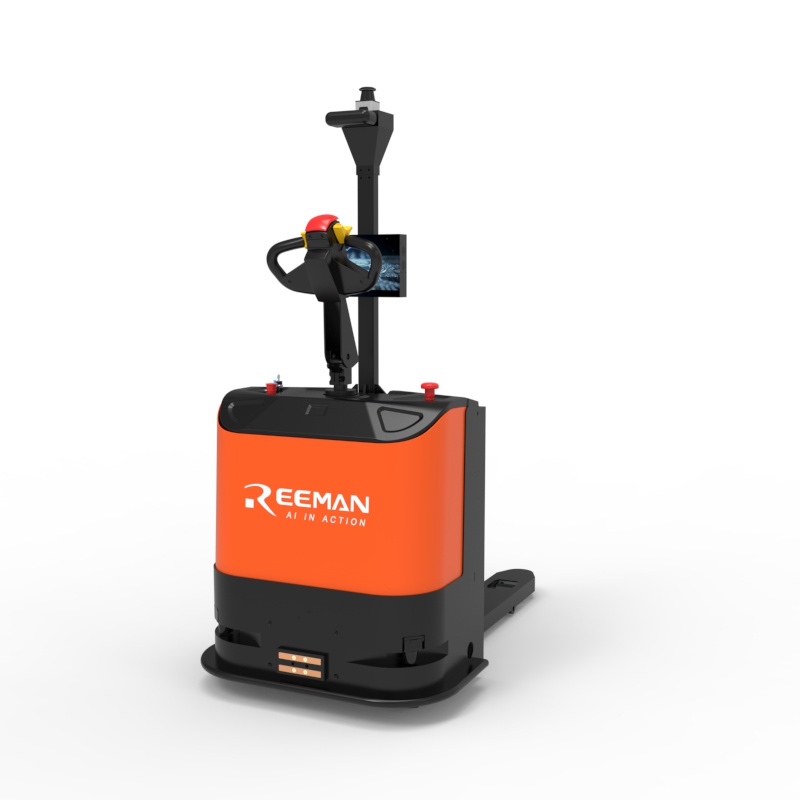
Reeman BBOT30F 1500 kg Laser SLAM Forklift AGV LiDAR Navigation Pallet Handling Warehouse
A 1.5-ton laser SLAM forklift for pallet handling, production feeding, and warehouse flows where standard forklift labor is difficult to schedule consistently.
View product details
2 Ton Autonomous 4WD AGV Forklift Laser SLAM Navigation Multi-Line LiDAR 10mm Position Accuracy 6-8H Warehouse Handling
A 2-ton configuration presented with a 6–8 hour operating window on the product listing, suitable for high-throughput warehouse and logistics reviews.
View product details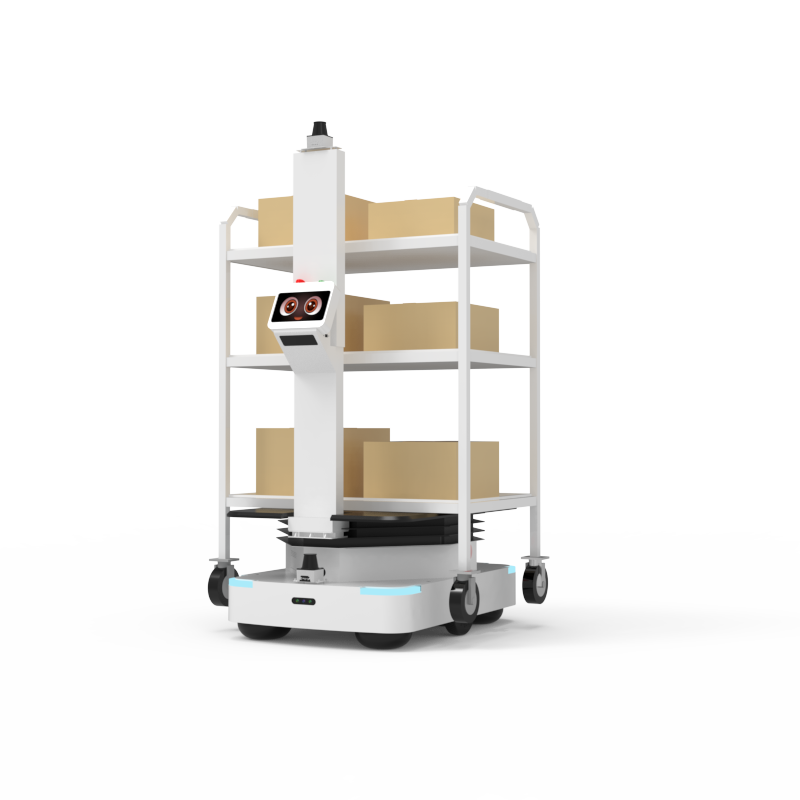
600KG Industrial Heavy Load AMR Robot Laser SLAM Auto Lifting Mobile Platform for in Plant Material Handling
An auto-lifting mobile platform for in-plant material handling where the goal is to move carts, fixtures, or modules without rebuilding fixed conveyor lines.
View product detailsFactory Data San Jose Buyers Can Review Before an RFQ
Elvorn is not a marketplace listing without engineering depth. The company profile and factory records provide concrete facts that procurement, integration, and service teams can evaluate.
Why a Smart Mobile Robot Chassis Decision in San Jose Is Different
San Jose sits inside a high-cost, high-mix innovation corridor. The buyer is often not simply comparing carts; they are reviewing an automation project across real estate constraints, labor availability, safety expectations, wireless coverage, and software integration. In North San Jose, downtown, and the surrounding Santa Clara County industrial submarkets, many facilities were not designed around autonomous equipment. Aisles may be tight. Pallet and cart sizes may change. Technicians, visitors, forklifts, and pallet jacks may share the same route. A laser SLAM robot chassis that can map an existing layout and be redeployed after a line change is often more valuable than a system that depends on fixed floor infrastructure.
This is where information gain matters in procurement. A vendor should explain the assumptions behind navigation, safety, charging, data flow, and service. Elvorn’s in-house engineering covers laser SLAM navigation, motion control, fleet scheduling, hardware, and customization. For San Jose buyers, that means the technical conversation can move beyond a product photo and into how the robot will behave in a live facility.
Map without tape or reflectors: laser SLAM can reduce floor work and allow re-mapping when racks or workcells move.
Integrate with local software: open SDK/API supports task dispatch and status feedback to WMS, MES, ERP, or custom dashboards.
Plan for mixed traffic: lidar, obstacle sensors, emergency stops, and speed zoning should be reviewed around people and forklifts.
Think beyond the pilot: charger placement, spare parts, operator training, and fleet expansion should be scoped before the first purchase order.
San Jose Project Fit Scoring Example
Example weightingUse this as a discussion starter, not as a fixed rule. Adjust weights to your facility, safety process, and integration load.
A strong RFQ should force these assumptions into writing: aisle width, pallet type, throughput per hour, charger location, Wi-Fi coverage, pedestrian zones, and the person who owns safety sign-off.
Which Smart Mobile Robot Platform Fits Your San Jose Workflow?
Product recommendation should start with the material flow, not the model number. These three starting points help shorten technical review before a formal quotation.
For line-side material transfer: start with a 600 kg AMR
The 600 kg autonomous AMR cart and 600 kg industrial lifting AMR are strong starting points for electronics assembly, test labs, and light manufacturing where carts, totes, or fixtures move between workstations. The engineering question is whether the load needs a cart interface, a lifting platform, or a custom top module.
Best-fit review data: load weight, cart dimensions, floor condition, pickup/drop height, and whether operators need call buttons or system-triggered tasks.
Review 600 kg AMR platformFor pallets and racking: compare 1.5T and 2T autonomous forklifts
If the load is a pallet and the destination is a rack, floor stack, or dock position, a forklift AGV is usually the more natural fit than an AMR cart. The 1.5-ton BBOT30F and 2-ton 4WD AGV forklift should be compared on pallet width, rack height, aisle clearance, shift length, and safety controls.
Do not choose by tonnage alone. The final configuration must match fork dimensions, load center, floor markings, and the site’s traffic rules.
Review 1.5T forklift AGVFor OEM builders and integrators: use an open chassis platform
San Jose robotics startups and integrators often need a reliable motion base rather than a finished application. An open SDK/API chassis can shorten development when the team already owns the top module, sensors, user interface, and customer workflow. The scope should define payload center of gravity, power budget, communication interface, and safety responsibility.
Elvorn supports OEM, design service, and buyer-label customization for robot chassis and AMR platforms.
Review heavy-load lifting AMRSan Jose Application Scenarios for Mobile Robot Chassis and AMRs
The same robot platform can behave very differently depending on the building, the people, and the software around it. These San Jose use cases help frame the technical review.
North San Jose electronics and semiconductor supply chain
Line-side transfer, WIP movement, fixture delivery, and clean-material handling between workcells. A 600 kg AMR or lifting platform can reduce repeated walking while keeping the material flow visible to MES or production dashboards.
Santa Clara, Milpitas, and Fremont fabrication support
Sheet metal, machined parts, and equipment-build workflows often involve heavy carts and changing jobs. A 600 kg AMR for sheet-metal material handling or a 1.5-ton forklift AGV can be evaluated around actual pallet and cart dimensions.
Warehouse and 3PL operations near the airport corridor
Repetitive dock-to-storage and pallet-transfer routes can be reviewed with 1.5T or 2T autonomous forklifts. The key is not only travel distance but also rack interface, charger location, and how manual forklifts will share the aisle.
Downtown San Jose retail, hotels, and convention spaces
Mobile advertising robots, transparent OLED displays, and touch-screen posters can support promotion, wayfinding, and guest engagement. For public spaces, route planning, accessibility, and staff override procedures should be defined before deployment.
Biotech, medical device, and laboratory support
Laboratory and medical-device environments may require careful review of cleaning procedures, wheel materials, ESD considerations, and access control. Elvorn can discuss top-module and integration constraints; the final acceptance criteria should be documented by the facility owner.
Robotics startups and system integrators
San Jose has a dense ecosystem of robotics developers and integrators. An open SDK/API chassis platform allows the team to focus on application software, sensors, and customer workflow while sourcing a tested mobility base with factory support.
What Is Changing in San Jose Robot Chassis Procurement
San Jose buyers are not only asking for a robot; they are asking for a repeatable automation capability that can survive layout changes, staff turnover, and IT review.
Labor cost and turnover push task-level automation
High-cost Bay Area labor makes repetitive transport, pallet movement, and material delivery prime candidates for automation. Buyers increasingly want measurable task coverage, not a demo.
High-mix production demands redeployable robots
When lines change, fixed infrastructure becomes a liability. Laser SLAM mapping and flexible route design help a robot chassis earn its place across more than one layout.
Phased capex and RaaS models are discussed earlier
Finance teams want a clear path from pilot to fleet. Whether the project uses capital purchase or a service model, the RFQ should separate hardware, integration, training, and support.
Safety documentation is part of the buying decision
Safety is not only an engineering concern; it is a procurement gate. Buyers should request risk-assessment support, operating limits, emergency-stop design, and site-specific validation records.
API-first integration and fleet visibility
Robots are becoming part of the facility data layer. Open SDK/API access, task status, error reporting, and fleet scheduling are increasingly reviewed by IT and operations together.
Smaller footprints and existing-building constraints
Many San Jose facilities cannot be rebuilt around automation. Compact AMRs, modular top plates, and autonomous forklifts that work within existing aisles can reduce deployment friction.
How to Compare a Smart Mobile Robot Chassis Before You Buy
A useful comparison table should keep the discussion on application fit. The matrix below is a practical starting point for San Jose engineering and procurement teams.
| Decision Area | What to Ask | Why It Matters in San Jose | Elvorn Discussion Point |
|---|---|---|---|
| Payload and top module | What is the actual load, center of gravity, cart or pallet interface, and pickup height? | High-mix facilities may change fixtures without changing the robot fleet. | 60 kg to 2 ton class platforms and customization discussion. |
| Navigation | Can the robot map the site without fixed tape or reflectors? How are dynamic obstacles handled? | Existing buildings often cannot be modified for fixed guidance infrastructure. | Laser SLAM navigation, multi-sensor layouts, and mapping review. |
| Software integration | Is there an open SDK/API? Can we send tasks and receive status from WMS, MES, or ERP? | San Jose operations teams expect automation to connect with existing data systems. | Open SDK/API and secondary development support on AMRs and chassis. |
| Safety and facility rules | Who owns the risk assessment? What are the pedestrian zones and speed limits? | Mixed traffic around people, forklifts, and visitors requires written operating rules. | Lidar, obstacle sensors, emergency stops, speed zoning, and site validation topics. |
| Service and spare parts | What remote support is available? Which parts should be stocked? Who can service the robot locally? | Bay Area downtime costs are high, so response planning matters as much as purchase price. | English documentation, remote commissioning, and long-term spare-part supply discussion. |
Information gain for your RFQ: ask each supplier to provide a site-readiness checklist, a written safety-responsibility matrix, and a sample integration sequence. A factory-direct manufacturer should be able to explain how mapping is validated, how tasks are dispatched, how exceptions are handled, and how spare parts are identified. That level of detail is more useful than a generic brochure because it exposes deployment risk before the purchase order.
Why Elvorn Is a Practical Manufacturing Partner for San Jose Buyers
The original company profile shows a manufacturer with in-house engineering, production capacity, export experience, and customization capability. These are the advantages that matter when a project moves from evaluation to deployment.
Full-stack in-house R&D
Shenzhen Elvorn Intelligent Equipment Co., Ltd. was founded in 2015 and works across robotic platform technology and autonomous driving. The team covers laser SLAM navigation, motion control, fleet scheduling, and hardware, which supports faster technical answers during customization.
Laser SLAM and modular platforms
Elvorn’s product lines include autonomous forklifts, industrial AMRs, robot chassis, delivery robots, cleaning robots, and disinfection robots. Shared control architecture helps simplify fleet training and maintenance as a buyer expands from one platform to another.
Open SDK/API for integrators
AMRs and robot chassis support secondary development. This is important for San Jose integrators that need task dispatch, status feedback, and custom dashboards connected to WMS, MES, ERP, or application software.
Two production bases and documented capacity
The company profile lists two production bases in Shenzhen and Ningbo, 5,200㎡ of total floorspace, 39 patents, and a team of more than 200 people. Factory data is supported by onsite verification from SGS Group.
Quality systems and export documentation
ISO 9001 and ISO 14001 management systems support quality and environmental processes. Depending on the model, Elvorn robots can carry CE, FCC, or PSE marks. Export terms include FOB, with T/T payment in USD or CNY.
OEM, ODM, design service, and buyer label
As a verified custom manufacturer, Elvorn offers OEM service, design service, and buyer-label options. Custom top modules, payload structures, branding, and packaging can be discussed as part of the project scope.
From San Jose Inquiry to Stable Robot Operation
A clear delivery process reduces the risk that a robot demo becomes an expensive science project. The sequence below reflects the information normally required to move from concept to shipment.
Requirement review
Share layout drawings, load details, pallet or cart type, target throughput, shift patterns, and the software systems that must connect to the robot.
Site and workflow mapping
Review aisle width, floor condition, charger location, pedestrian zones, Wi-Fi coverage, pickup/drop points, and any constraints specific to the San Jose facility.
Solution and commercial proposal
Engineers recommend the platform, fleet size, top module, safety scope, integration effort, and commercial terms. Final configuration is confirmed after the site data is reviewed.
Customization and factory build
OEM branding, top modules, software interfaces, battery plan, and packaging requirements are defined. Production is scheduled against the approved specification.
Factory testing and documentation
Function and load tests are completed before shipment, with test records available for buyer review. Export documents and shipping arrangements are coordinated under the agreed trade terms.
Export, commissioning, and support
Robots are shipped from China to the San Jose buyer, typically through a West Coast port and inland trucking. Remote commissioning, operator training, and spare-part planning support long-term operation.
Common Procurement Questions About Smart Robot Chassis and AMRs
These are the questions that usually surface when a San Jose team moves from browsing product pages to preparing an actual automation project.
Are you a San Jose-based manufacturer or an exporter serving San Jose?
Shenzhen Elvorn Intelligent Equipment Co., Ltd. manufactures in Shenzhen and Ningbo, China, and exports to San Jose and the wider Bay Area. We do not claim a San Jose factory. The advantage for buyers is factory-direct engineering and pricing; local installation, electrical work, and site integration may involve the buyer’s preferred contractor or integrator.
What is a smart mobile robot chassis compared with a complete AMR?
A robot chassis is the mobility platform: the drive base, navigation sensors, motion control, battery, and software interface. A complete AMR adds an application-specific top module, such as a cart, lifting platform, shelf carrier, or display. If you already have the top module or application software, a chassis can reduce development time; if you need a working material-handling solution, a complete AMR or forklift AGV is usually faster to evaluate.
Which platform should we start with for a San Jose production line?
Start with the load and the destination. For carts, totes, fixtures, and line-side transfer, review the 600 kg AMR cart or 600 kg lifting AMR. For pallets, racking, and dock movement, compare the 1.5-ton and 2-ton autonomous forklifts. For an OEM or integrator building a branded robot, start with an open SDK/API chassis. The final choice should be confirmed against aisle width, pickup height, load center, and safety rules.
Can the robot navigate without magnetic tape, QR codes, or reflectors?
Elvorn platforms are discussed around laser SLAM navigation, which maps the environment using lidar and navigation software rather than fixed floor tape or reflectors. The site still needs a mapping and validation process. Changes to racking, walls, or major traffic flows may require re-mapping or route adjustments. A pilot validation period is recommended before full deployment.
How do you integrate with WMS, MES, ERP, or custom software?
Elvorn AMRs and robot chassis provide an open SDK and API for secondary development. Integration typically covers task dispatch, robot status, error reporting, and fleet visibility. Before quoting, define the system owner, communication protocol, network rules, and cybersecurity review process. For San Jose teams, a short technical workshop between the integrator and Elvorn engineering is usually more productive than exchanging only product brochures.
What certifications and compliance documents are available?
Depending on the model, Elvorn robots can carry CE, FCC, or PSE marks. The company management system is certified to ISO 9001 and ISO 14001, and the factory has been verified onsite by SGS Group. Buyers should still review the specific model’s documentation against their own facility requirements, including electrical, fire-safety, and operational policies. If a project requires additional standards review, discuss it during the RFQ so the scope is documented clearly.
How is shipping to San Jose handled?
Elvorn ships worldwide on FOB terms and accepts T/T payment in USD or CNY. For San Jose, ocean freight commonly moves through a West Coast port such as Oakland or Los Angeles/Long Beach and then by truck to the facility; air freight can be considered for urgent evaluation units. Import duties, customs clearance, and final-mile delivery should be coordinated with the buyer’s freight forwarder unless different terms are agreed in the quotation.
What lead time and MOQ should we expect?
Lead time depends on the model, battery configuration, top module, customization, and factory production slot. MOQ can also change when OEM branding, custom structures, or buyer-label packaging are involved. The safest approach is to request a written schedule with the quotation and confirm which items are standard, which are customized, and which test records will be provided before shipment.
What local support is available in San Jose?
Elvorn supports English documentation, remote commissioning, operator training, and long-term spare-part supply. Some buyers choose a local San Jose or Bay Area integrator for electrical work, network configuration, and onsite service response. If local support is important, define the expected response time, spare-parts kit, and escalation path during the quotation stage rather than after delivery.
What information should a San Jose buyer include in the first RFQ?
Include a layout drawing or marked-up floor plan, maximum load weight, pallet or cart dimensions, pickup and drop heights, required throughput per hour, shift pattern, charger location, Wi-Fi coverage, pedestrian and forklift traffic, safety contacts, and the software systems that need task integration. Photos or short videos of the actual route are often more useful than a long written description because they reveal aisle constraints and traffic patterns.
Plan Your Smart Mobile Robot Chassis Project for San Jose
Send your layout, load data, pallet or cart details, throughput target, and integration requirements. Elvorn engineers can help shortlist a chassis, AMR, or autonomous forklift platform and define the next technical review step.