Sterilization Robot Factory & Wholesaler for Can Tho
Factory-direct UV-C disinfection, autonomous hygiene and sterile logistics robots for hospitals, laboratories, food plants, hotels and public facilities across Can Tho and the Mekong Delta.
Eight Autonomous Platforms Often Quoted with Sterilization Robot Projects in Can Tho
A sterilization robot program is rarely a single machine. Can Tho hospitals, food factories, hotels and logistics hubs also need autonomous movement of carts, pallets, supplies and waste. The eight platforms below support sterile logistics and material flow around UV-C disinfection robots. Product URLs are preserved exactly; for a sterilization-specific configuration, use the inquiry button.

2 Ton Autonomous 4WD AGV Forklift Laser SLAM Navigation Multi-Line LiDAR 10mm Position Accuracy 6-8H Warehouse Handling
Heavy pallet movement for distribution centers and production plants.

REEMAN X-ant JBOT20F 2 Ton Autonomous Forklift AGV Laser SLAM Pallet Handling Robot for Warehouse Logistics
Pallet handling with laser SLAM navigation and fleet-ready control.
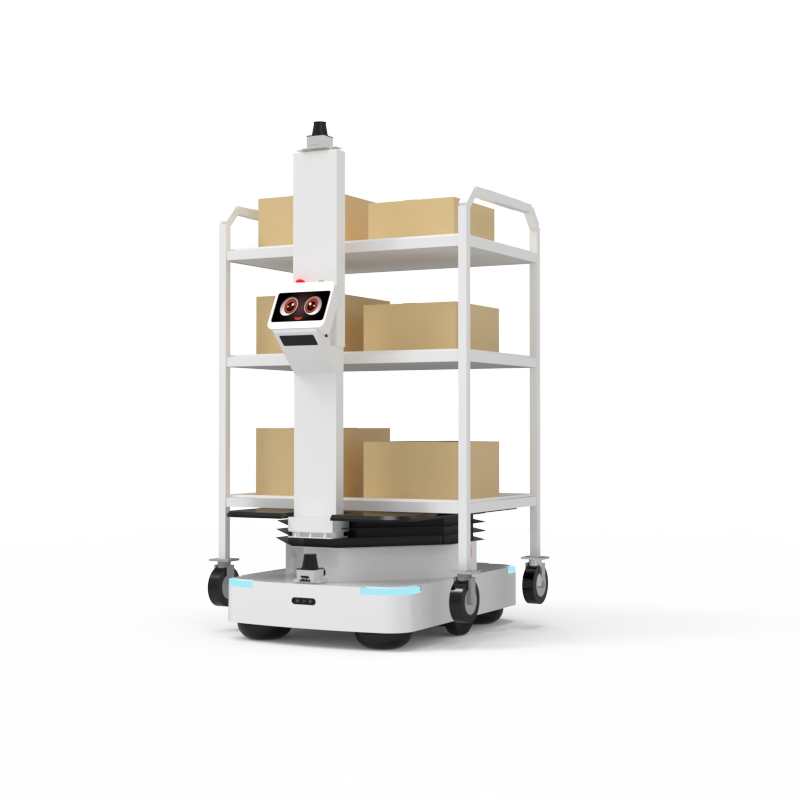
600kg Payload Autonomous AMR Robot Multi Sensor Mobile Material Handling Cart for Production Line
Mobile cart transport for clean rooms, packaging halls and workshops.

Reeman BBOT30F 1500kg Laser SLAM Autonomous Pallet Stacker AGV Single Line Lidar Obstacle Avoidance Warehouse Transport
Stacking, put-away and internal warehouse transport with safety sensing.
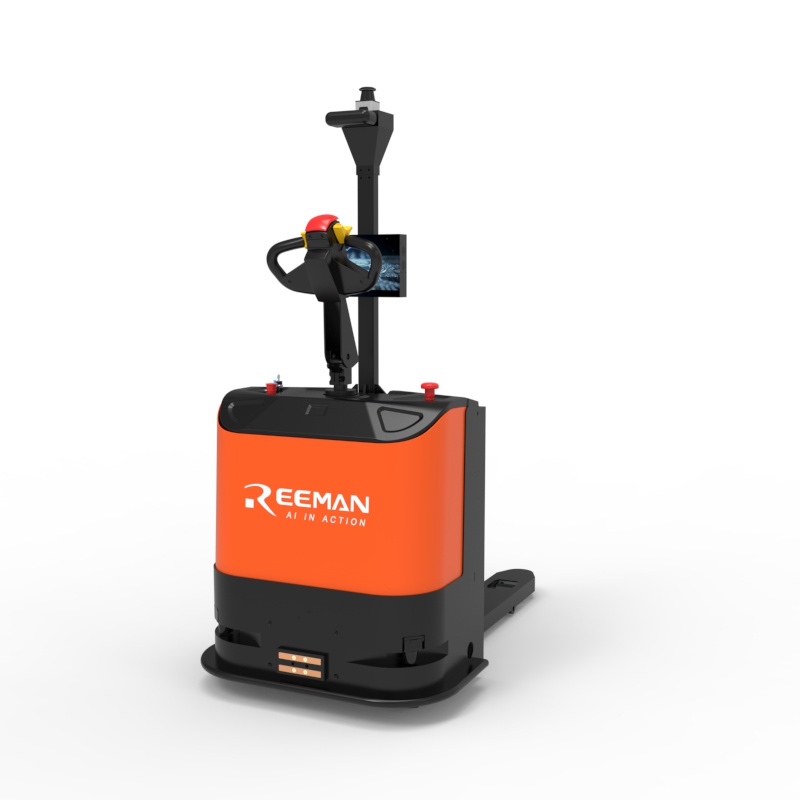
Reeman BBOT30F 1500 kg Laser SLAM Forklift AGV LiDAR Navigation Pallet Handling Warehouse
Driverless pallet handling for warehouses and factory logistics.
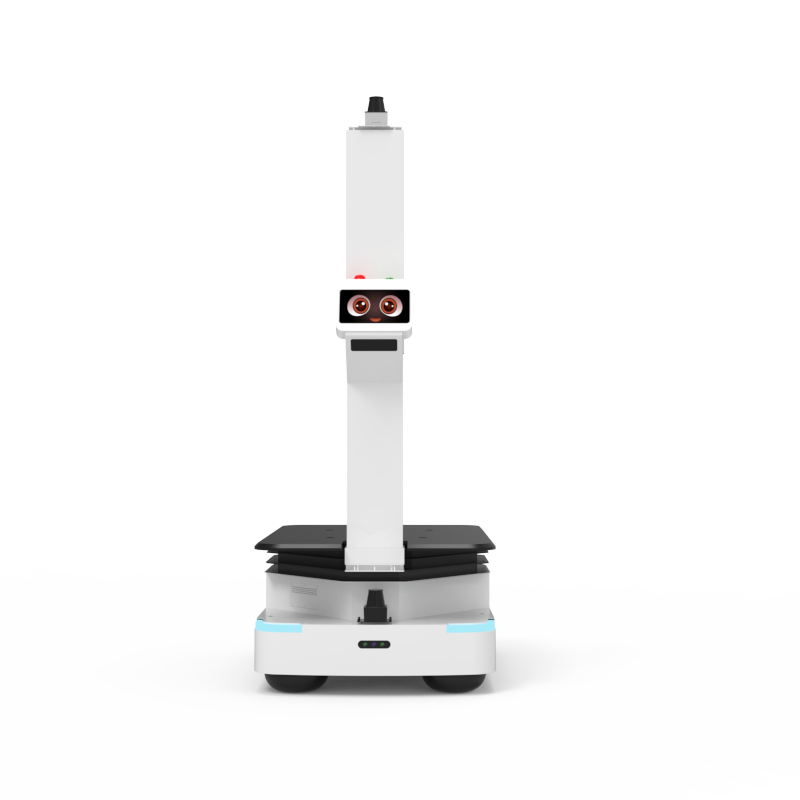
600kg Industrial AMR AGV Robot Laser SLAM Navigation QR Code-Free Factory Logistics
QR code-free navigation for fast layout changes and mixed workflows.
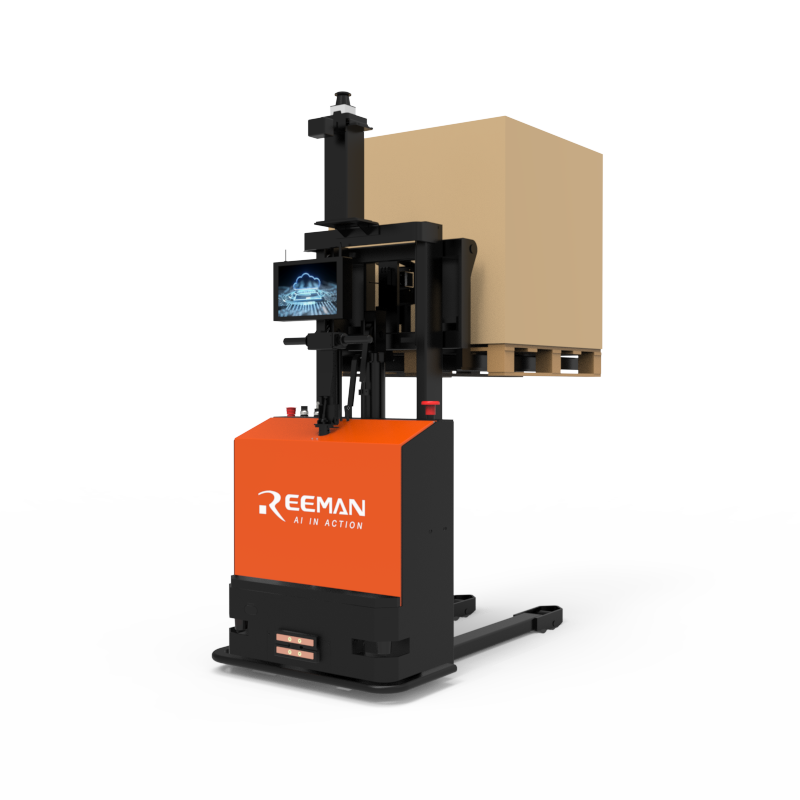
1000 kg Laser SLAM Forklift AGV Unmanned Pallet Stacker Single Line Lidar Obstacle Avoidance Factory Logistics
Mid-load pallet stacking with obstacle avoidance for production logistics.
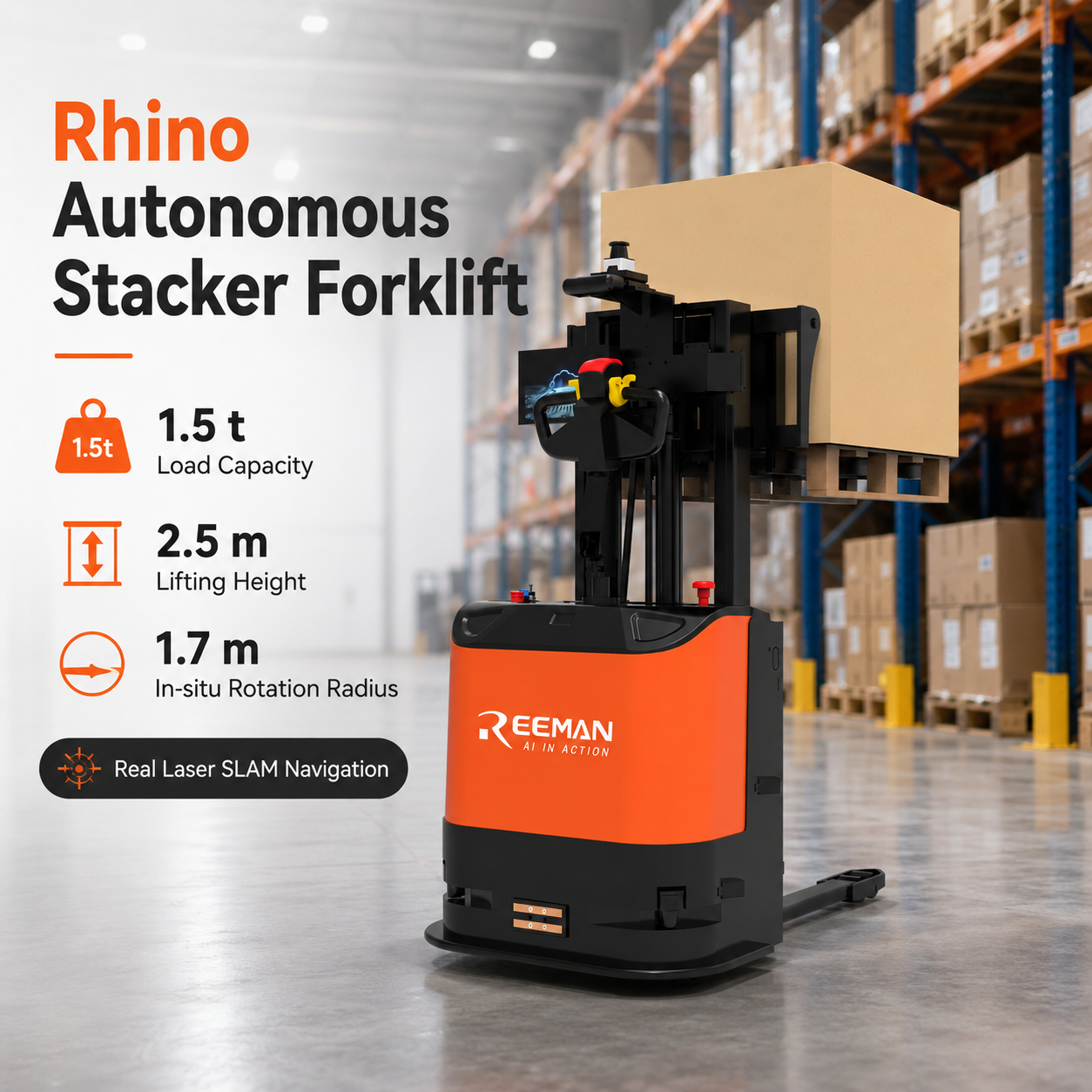
Laser SLAM Autonomous Stacker Forklift 1500 kg Load AGV Pallet Handling Robot Laser Obstacle Avoidance Warehouse
High-load warehouse handling with laser obstacle avoidance.
Need a UV-C sterilization robot, an autonomous disinfection unit or a mixed fleet for a Can Tho facility? Share your room layout, target throughput and material flow so our engineers can propose the right configuration.
Send an InquiryFactory Data That Helps Can Tho Buyers Reduce Procurement Risk
Elvorn is not a trading desk. It is a Shenzhen-based intelligent equipment manufacturer with in-house R&D, production bases, export documentation and service processes built for overseas buyers.
Why Can Tho Is a Practical Early Market for Sterilization Robots
Can Tho is the Mekong Delta’s administrative, healthcare, education, food-processing and logistics hub. The city concentrates hospitals, clinics, universities, hotels, food factories and distribution centers within a relatively compact urban and peri-urban area, making it suitable for repeatable robot deployment.
Healthcare Infection Control
Hospitals and private clinics in Ninh Kieu, Cai Rang and Binh Thuy need repeatable terminal disinfection for patient rooms, waiting areas, procedure rooms and staff zones. UV-C robots add a documented cycle after manual cleaning, especially in high-turnover departments.
Humidity-Aware Deployment
Can Tho’s tropical climate and rainy season make floor condition, ventilation and condensation important. Robot routes, charging areas and UV-C operating windows should be planned around humidity, slip risk and room turnover instead of generic factory defaults.
Food, Rice & Aquaculture
The Mekong Delta food chain includes rice milling, seafood, fruit processing, packaging, cold storage and feed production. Autonomous disinfection and sterile logistics reduce manual cross-over between dirty and clean zones while improving audit records.
Public Venues & Tourism
Hotels, restaurants, conference venues, schools and retail sites can schedule robots during low-traffic hours. This is a better fit than interrupting guests or students during peak periods, and it creates visible hygiene quality for local brands.
Localized Sterilization Robot Applications in Can Tho
Successful deployment starts with the workflow, not the robot alone. The following scenarios show where a factory-direct sterilization robot or sterile logistics platform can create measurable value.
Referral Hospitals & Private Clinics
Use autonomous UV-C disinfection for isolation rooms, dialysis areas, dental suites, operating rooms and patient wards after discharge cleaning. Logs help infection-control teams review cycles, room access and staff interaction records.
Food & Beverage Factories
In Cai Rang and surrounding industrial zones, food processors can deploy surface disinfection robots in change rooms, packaging halls and equipment areas. Pair with AMRs for moving ingredients, packaging materials and finished goods.
Hotels & Restaurants
Housekeeping teams can schedule disinfection of banquet halls, guest floors, service corridors and dining areas. Robots operating overnight reduce disruption and give hotel groups a consistent, repeatable hygiene standard across properties.
Laboratories & Pharmacies
Labs, pharmacies and training centers can use autonomous disinfection for benches, storage rooms and receiving areas. The robot’s task history supports chain-of-custody thinking and improves cleaning verification for sensitive spaces.
Schools & Universities
Can Tho’s education sector includes large campuses and training hospitals. Robots can clean corridors, classrooms and shared facilities during holidays or after hours, while operators keep safety zones clear and access controlled.
Warehouses & Cold Chain
Sterilization robots support hygiene in receiving, dispatch and staff areas. For goods movement, the eight AGV/AMR platforms above handle pallets, carts and production-line transfers without magnetic tape or floor markers.
What Can Tho Procurement Teams Should Track
Robot procurement is moving from “equipment purchase” to “validated workflow”. Buyers who ask better technical questions will get more reliable systems and lower lifecycle risk.
UV-C + Autonomous Navigation
Disinfection equipment is becoming mobile and data-driven. A robot that maps a hospital floor and repeats a validated route is easier to audit than manual lamps moved between rooms.
Audit Logs & Verification
Can Tho operators increasingly ask for cycle logs, room IDs, start/end times, alerts and access-control workflows. This information is essential for hospital quality teams, food safety officers and hotel group standards.
Humidity & Floor Safety
Rainy-season humidity, wet floors and mixed pedestrian traffic require careful route planning, speed zoning and emergency-stop procedures. Robots should be configured for local building conditions, not only technical specifications.
Wholesaler & Distributor Model
Factory wholesalers can support local partners with spare parts, training, technical documentation and project pricing. Can Tho distributors can bundle robots with installation, service and consumables for regional customers.
Sterile Logistics Integration
Disinfection robots are more valuable when paired with AMRs, forklift AGVs and material handling robots. Clean and dirty flows become easier to separate when movement is automated and logged.
Service-Level Planning
Buyers are comparing total lifecycle support, not only unit price. Spare-part availability, remote diagnostics, operator training and local response time are now part of the commercial evaluation.
Why Elvorn Is a Practical Factory & Wholesaler Partner for Can Tho
Elvorn designs, builds and supports autonomous robots with in-house control over SLAM navigation, motion control, scheduling and hardware. That matters when a Can Tho buyer needs customization, traceability and long-term spare-part support.

Shenzhen & Ningbo
Factory-Direct, Not a Trading Company
Founded in 2015, Shenzhen Elvorn Intelligent Equipment Co., Ltd. is a national high-tech enterprise focused on robotic platform technology and autonomous driving. The company has two production bases, more than 200 team members, 5,200㎡ of total floor space and 39 patents. For Can Tho distributors and facility owners, this means direct engineering answers, faster customization and better access to spare parts.
- Laser SLAM navigation without magnetic tape, reflectors or QR codes.
- Open SDK and API for WMS, MES, ERP and custom dashboard integration.
- OEM, ODM, design service and buyer-label options.
- CE, FCC or PSE marks depending on model; ISO 9001 and ISO 14001 systems.
- SGS-verified factory with export support to Southeast Asia and global markets.
Engineering Details That Matter in a Can Tho Sterile Environment
Autonomous robots are only useful when they work safely around people, carts, beds, pallets and wet floors. The following features are typically reviewed during technical due diligence.
Laser SLAM Navigation
Maps your site in hours and adapts to layout changes without floor modification. No magnetic tape or floor reflector maintenance in hospital corridors or food production zones.
Open SDK & API
Integrate task dispatch and status feedback with warehouse management, manufacturing execution, hospital asset systems or custom software.
Modular Payloads
From 60 kg delivery platforms to 2-ton autonomous forklifts, shared control architecture simplifies fleet training and maintenance.
Multi-Layer Safety
Lidar, obstacle sensors, emergency stops and speed zoning protect people and equipment in dynamic public and industrial spaces.
Customization Support
Custom top modules, payload structures, branding, packaging and software interfaces can be developed for local distributors and facility groups.
Factory Testing
Function and load tests before shipment, with test records available for buyer due diligence. Third-party assessment reports support procurement review.
Export-Ready Documentation
English documentation, remote commissioning and spare-part supply support buyers across North America, Europe, Asia and the Middle East.
Wholesaler Support
Distributor-friendly quotation, order planning and technical support help Can Tho partners serve hospitals, factories and hotels with predictable lead times.
Matching Autonomous Equipment to Can Tho Workflows
Use this matrix during first-round scoping. Final configuration — fork size, mast height, battery, top module, disinfection payload and safety zoning — is confirmed after a site survey.
| Platform | Typical Role | Key Spec | Can Tho Fit |
|---|---|---|---|
| 2 Ton Autonomous 4WD AGV Forklift | Heavy pallet transfer | 2,000 kg | Large warehouses, dock-to-storage flows, long shifts |
| REEMAN X-ant JBOT20F | Pallet handling | 2,000 kg | Logistics centers and production-line feeding |
| 600kg Autonomous AMR Cart | Cart / material transport | 600 kg | Packaging halls, clean-zone transfer, line-side delivery |
| Reeman BBOT30F Pallet Stacker | Stacking and put-away | 1,500 kg | Narrow aisles, storage zones, factory warehouses |
| Reeman BBOT30F Forklift AGV | Driverless pallet handling | 1,500 kg | Warehouse transfer and logistics hub support |
| 600kg Industrial AMR | QR code-free factory logistics | 600 kg | Fast layout changes, mixed production lines, intralogistics |
| 1000kg Laser SLAM Stacker | Unmanned pallet stacking | 1,000 kg | Mid-load factories, storage rooms, dispatch areas |
| 1500kg Autonomous Stacker Forklift | Warehouse pallet handling | 1,500 kg | High-load handling with laser obstacle avoidance |
Can Tho Project Checklist: From Site Survey to Validation
A sterilization robot purchase should be planned like a clinical or production process. Use the following checklist to structure internal review and supplier comparison.
Workflow & Site Survey
Map room sizes, floor transitions, lifts, Wi-Fi, power points, charging locations, humidity, pedestrian traffic and storage areas. Include dirty-to-clean flow, waste routes and emergency exits.
Validate the Cycle
Define manual cleaning first, then UV-C or disinfection cycle. Confirm room shadowing, dose requirements, signage, access control and dosimeter verification. The robot is not a replacement for manual cleaning.
Configure Navigation & Safety
Set SLAM mapping, speed zones, obstacle response, emergency stops and restricted areas. Plan staff training so people know how to enter a room during a disinfection cycle.
Integrate Data & Software
Decide what to log: room ID, cycle start/end, operator, alerts and completion. Review API/SDK support if the robot must connect to WMS, MES, ERP, hospital systems or a local dashboard.
Plan Import & Service
Confirm FOB terms, T/T payment in USD or CNY, shipping route to Can Tho, spare-parts list, training plan, remote troubleshooting and warranty responsibilities before placing a wholesale order.
Frequently Asked Questions from Can Tho Buyers
These questions are commonly raised by hospitals, distributors, food factories and hotel groups comparing sterilization robot factories and wholesalers.
Are sterilization robots available for wholesale in Can Tho?
Yes. Elvorn supports factory-direct and wholesaler cooperation. Can Tho distributors can request project pricing, OEM/ODM options, spare-parts planning and technical documentation for hospitals, factories and public venues.
Can the robot operate in Can Tho’s humid climate?
Humidity affects floor condition, charging areas and room preparation. We recommend a site survey and a trial plan that accounts for rainy-season operation, ventilation, wet-floor signage and appropriate speed limits.
What is the difference between a sterilization robot and the AMR products shown above?
A sterilization robot focuses on UV-C or disinfection payloads. The listed AGV/AMR products move pallets, carts and materials. Many Can Tho projects combine both: disinfection robots for hygiene and AMRs for sterile logistics.
Can Elvorn robots integrate with our WMS, MES or hospital software?
Yes. Elvorn AMRs and robot chassis provide an open SDK and API for secondary development. Integration scope should be confirmed during solution design, including task dispatch, status feedback and data logging.
Which certifications and quality documents are available?
Depending on model, Elvorn robots carry CE, FCC or PSE marks. The management system is certified to ISO 9001 and ISO 14001, and the factory has been verified onsite by SGS Group. Assessment reports can support buyer due diligence.
What is the minimum order and lead time?
MOQ and lead time depend on the model, customization level and whether the project includes a fleet. Share your room count, payload, route and target schedule so we can confirm production and shipping planning.
How can we verify disinfection performance?
Validation should be defined with your infection-control or food-safety team. Common steps include surface sampling, UV-C dosimeters, cycle logs, room access records and periodic audits. Robot deployment should follow local safety procedures.
What trade terms and payment methods are accepted?
Elvorn ships worldwide on FOB terms and accepts T/T payment in USD or CNY. Main export markets include North America, Western Europe, Eastern Asia, Southeast Asia and the Middle East. For Can Tho, our team can discuss shipping routes and documentation.
Request a Can Tho-Specific Sterilization Robot Proposal
Send your room layout, facility type, target throughput, existing cleaning procedure and material flow. Our engineering team can recommend sterilization robot configurations, selected AGV/AMR platforms, OEM/ODM options and a practical deployment plan for Can Tho.
Factory & wholesaler advantages: Shenzhen & Ningbo production bases, 11+ years in robotics, 39 patents, 5,200㎡ floor space, 200+ team members, SGS-verified factory, ISO 9001 / ISO 14001, CE/FCC/PSE models and export-ready support.
Send an Inquiry