Hamburg Search Intent
What Hamburg Buyers Actually Need from an Advertising Robot Supplier
Hamburg is not a generic German city for robotic advertising. It combines dense retail streets, destination venues, a globally connected port, exhibition traffic and high digital maturity. The search journey is therefore rarely just “buy a robot”. Buyers compare a mobile digital signage platform against fixed screens, interactive kiosks, exhibition staffing and traditional promotional agencies.
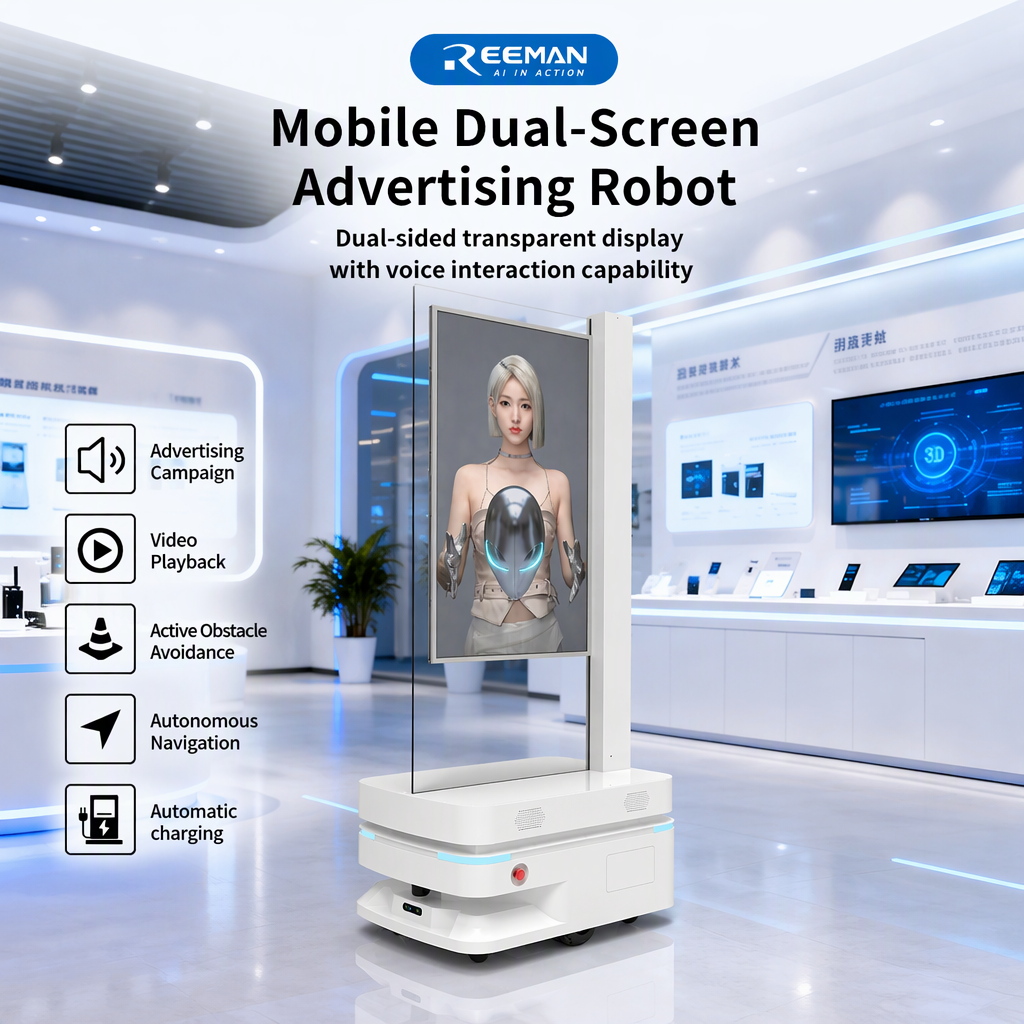
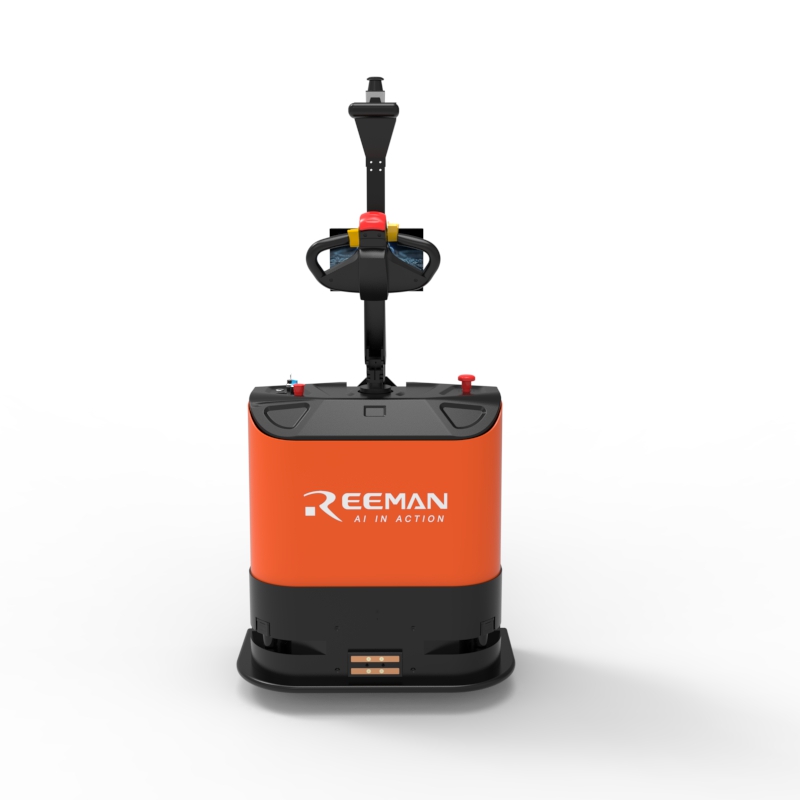
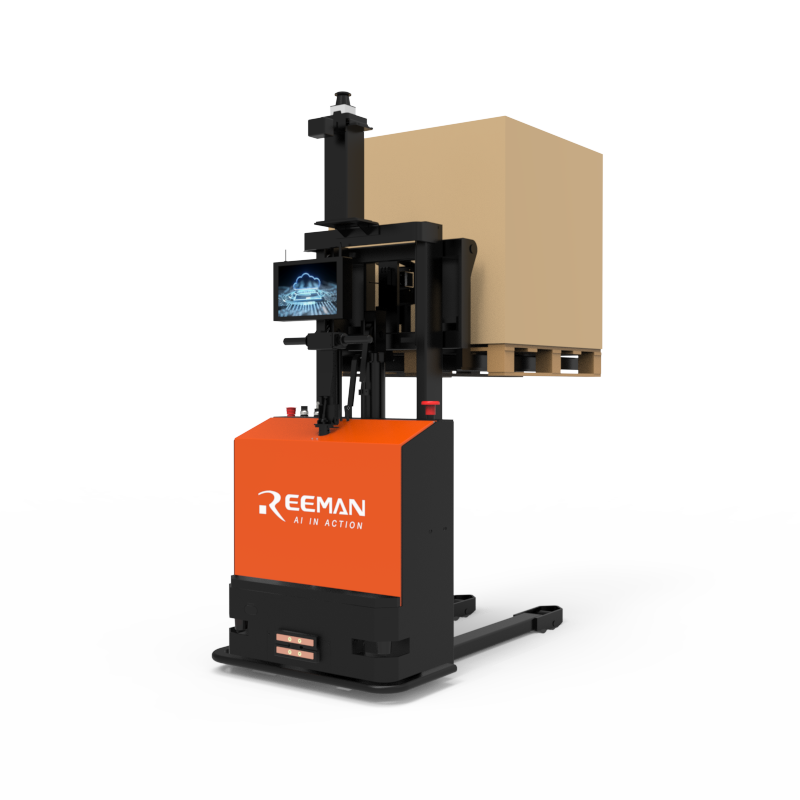
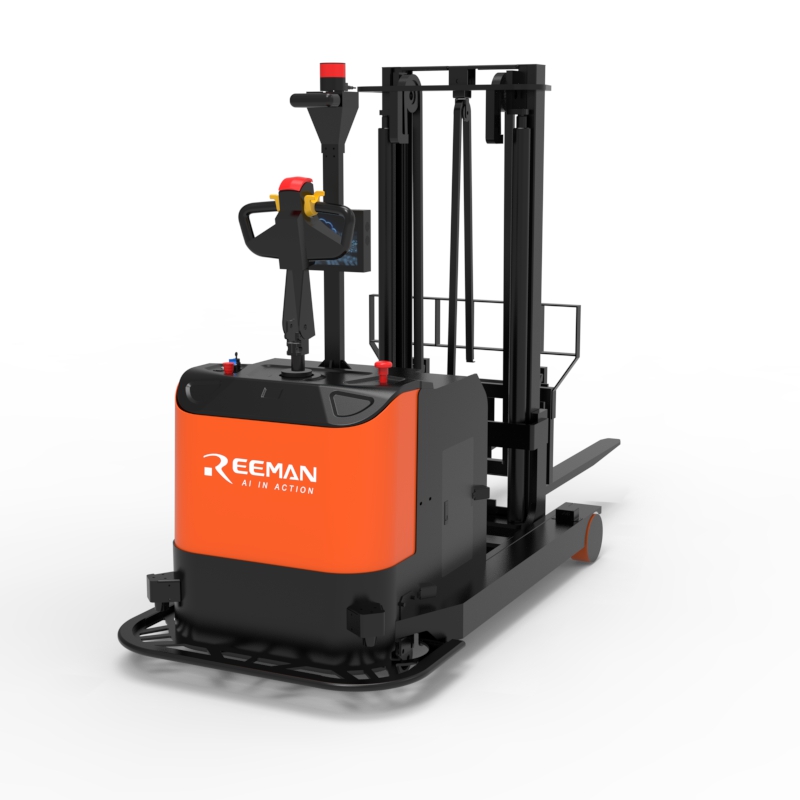
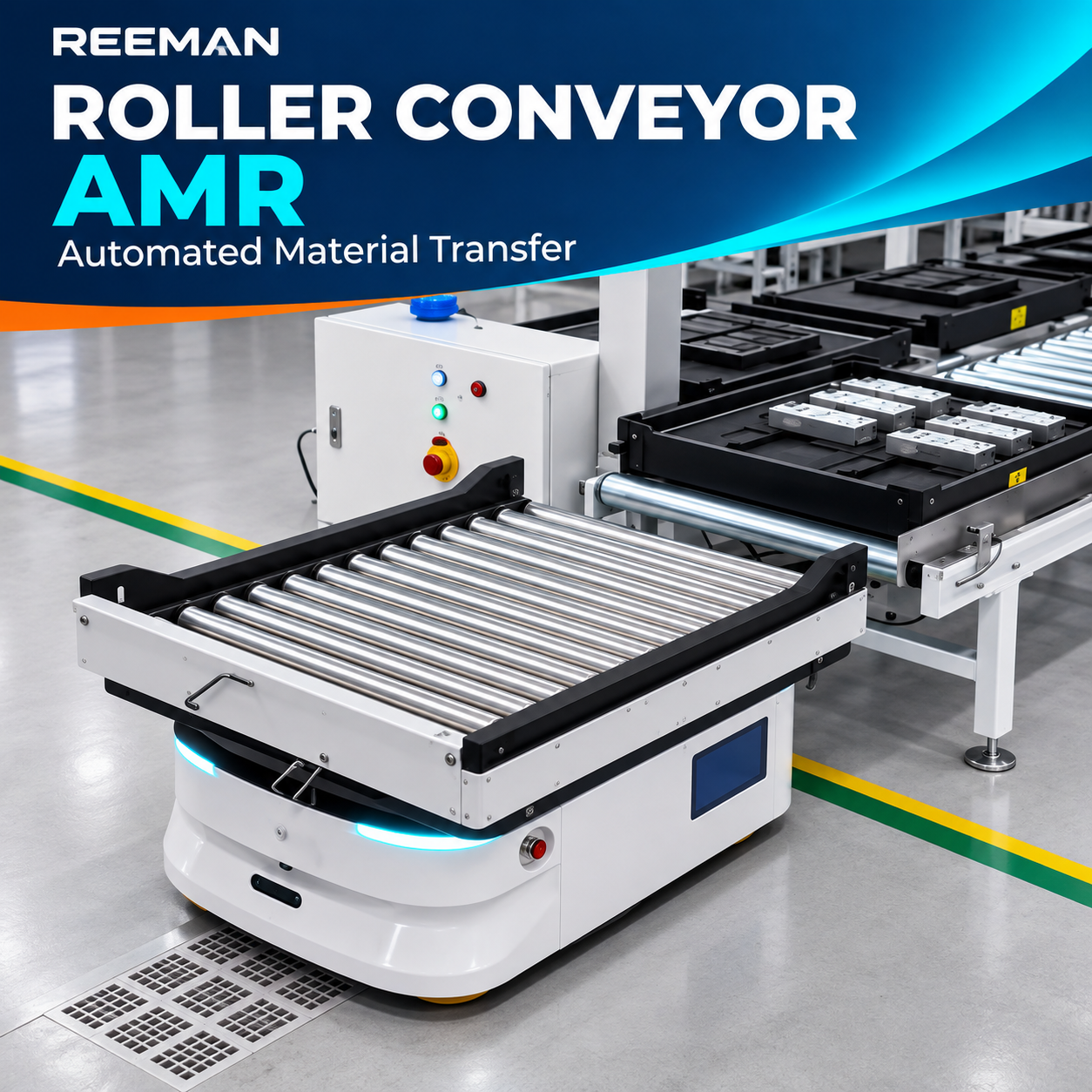
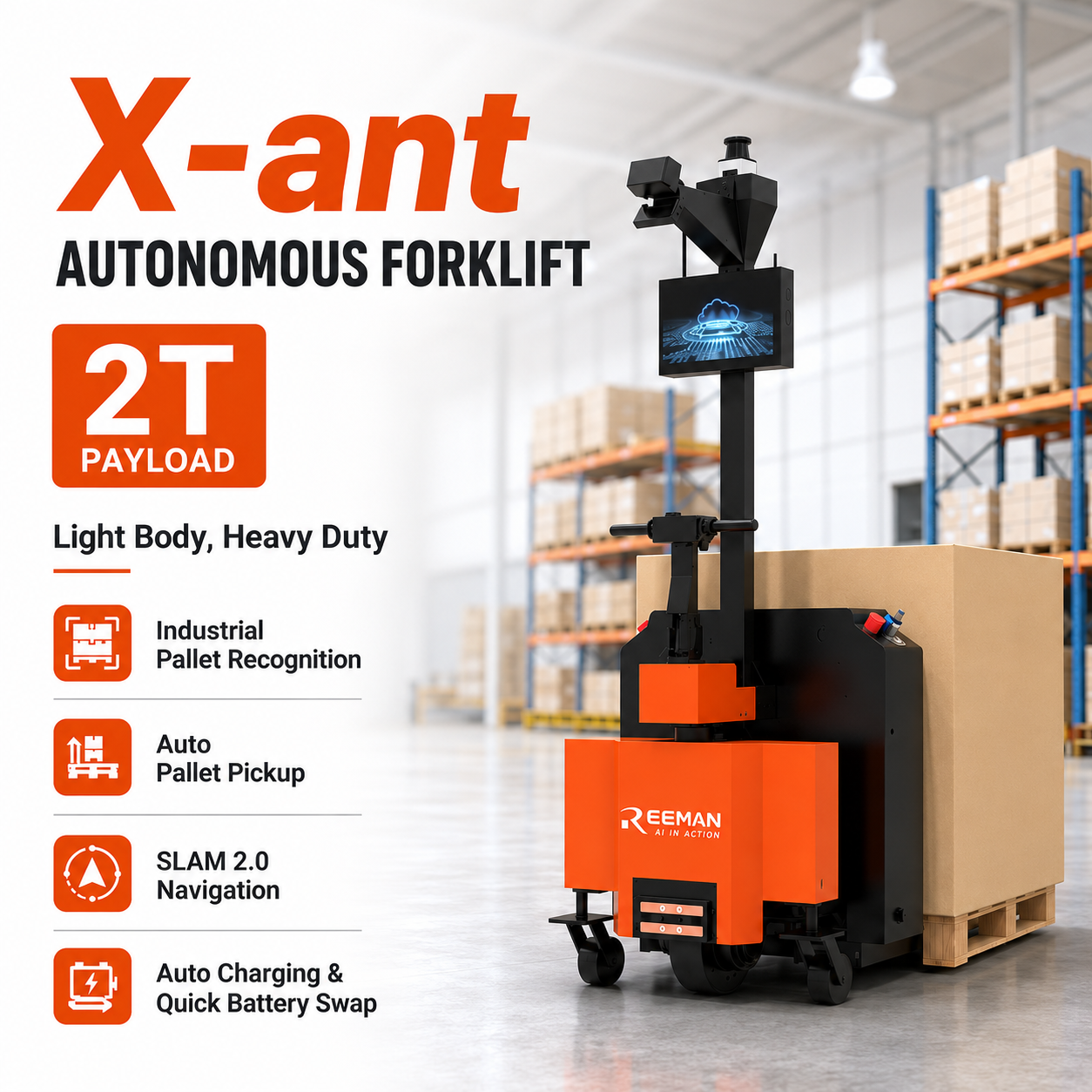
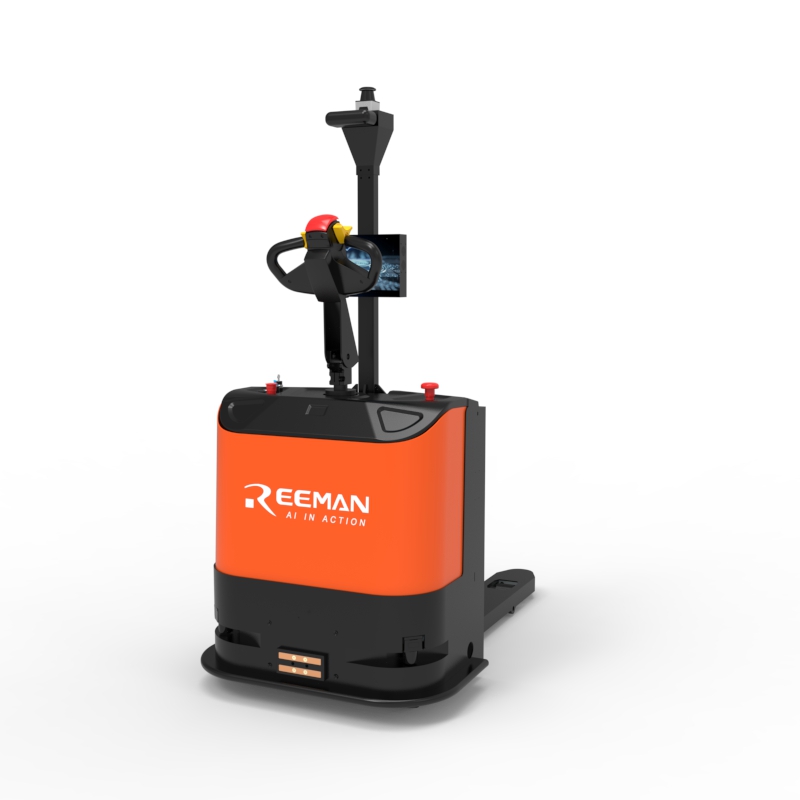
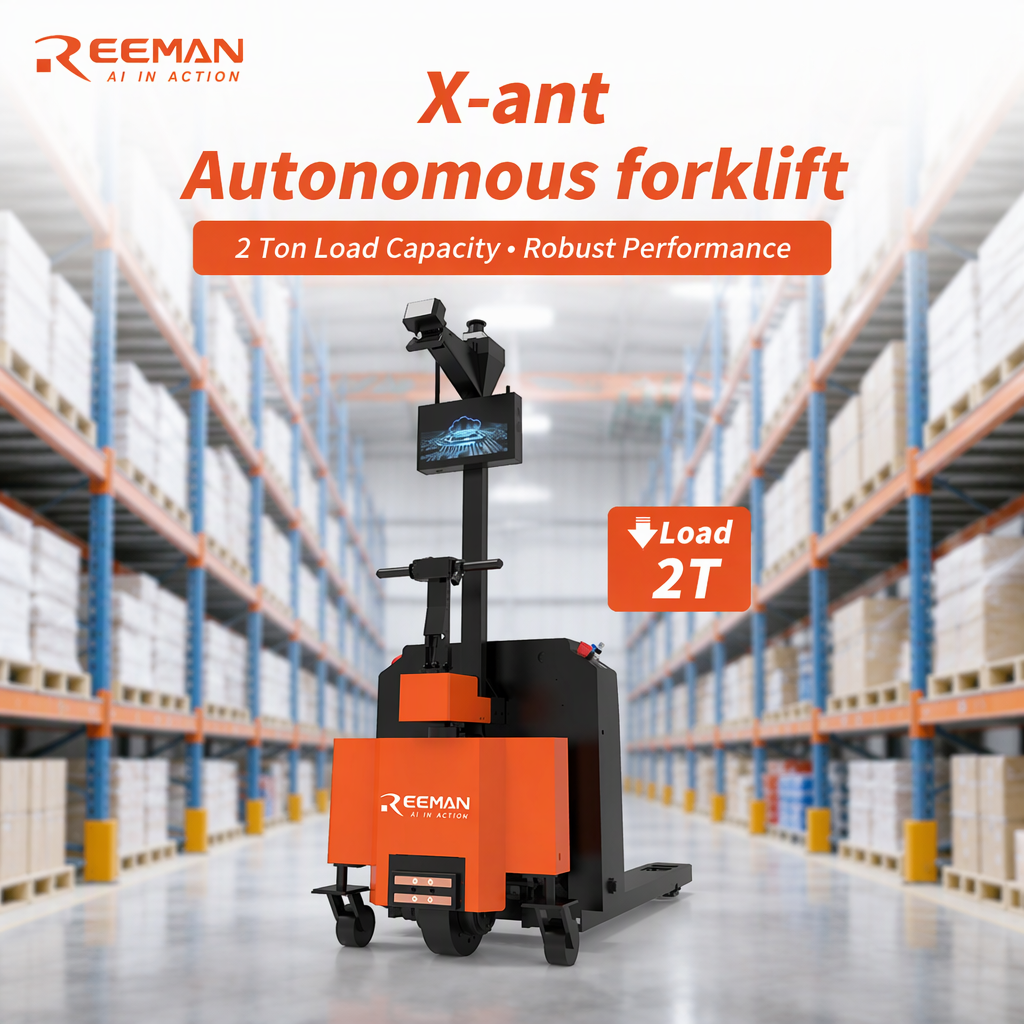
Intent splits into four practical clusters. First, retail and shopping-centre teams search for a dual-screen advertising robot that can move between entrances, promote seasonal offers and guide visitors without permanent floor works. Second, event teams want an indoor commercial robot that attracts attention at trade fairs, conferences and product launches. Third, hotels, cruise terminals and tourism venues look for multilingual welcome and wayfinding. Fourth, industrial buyers search for AMRs, conveyor robots and laser SLAM forklift AGVs that support the logistics behind Hamburg’s port, warehousing and manufacturing economy.
A serious supplier shortlist should separate the advertising payload from the mobile base. The advertising robot must be evaluated on screen brightness, content management, voice interaction, navigation reliability, privacy design and service access. The base platform must be evaluated on battery cycles, charging routine, safety sensors, floor thresholds, Wi-Fi coverage and emergency handling. This is where factory knowledge and real project data create information gain beyond a brochure.
For Hamburg specifically, buyers should ask how a factory supports EU conformity documentation, German-language content workflows, GDPR-aware sensing and spare-part response. A low unit price without those answers is not a lower total cost of ownership. The right supplier makes the deployment auditable before the first robot enters the venue.