8 Autonomous Platforms for a Layered Caloocan Hygiene Program
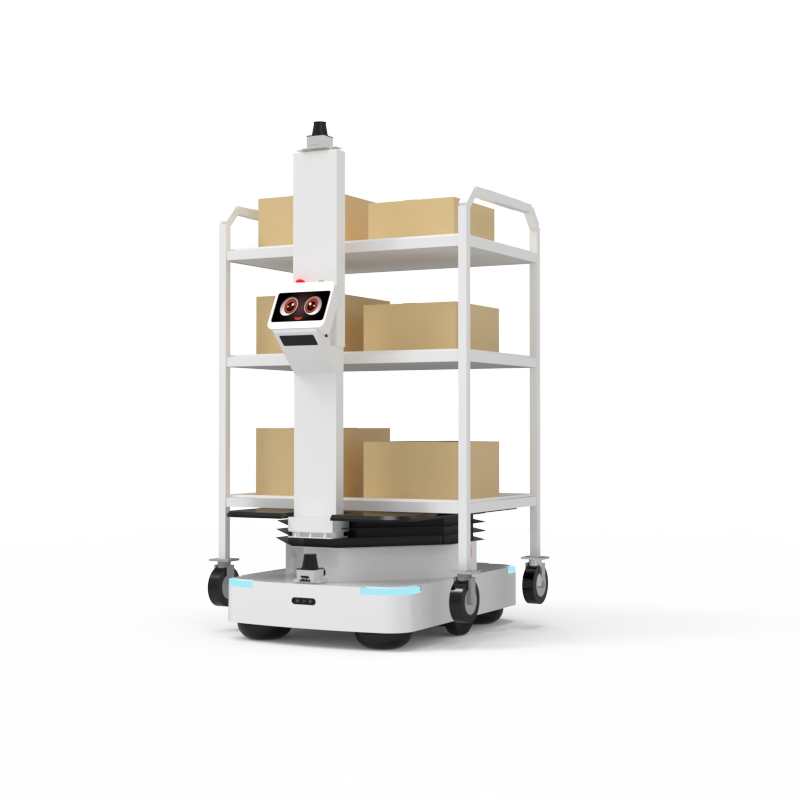
Elvorn’s autonomous disinfection robot projects are often evaluated with these eight platforms for clean-zone logistics, public guidance, controlled material movement and facility support. Click any model to inspect its original product page and specification.
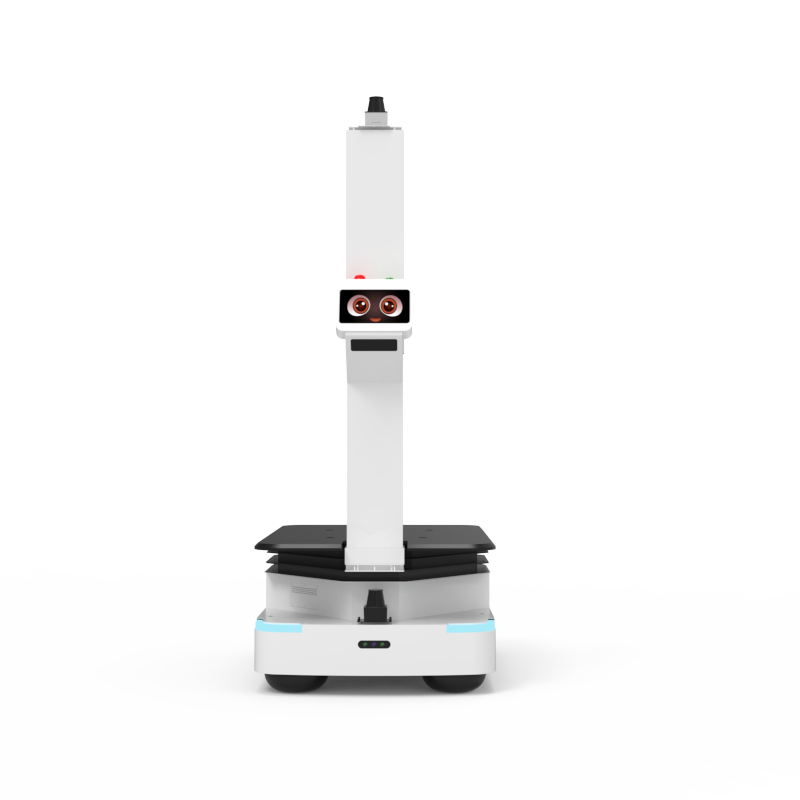

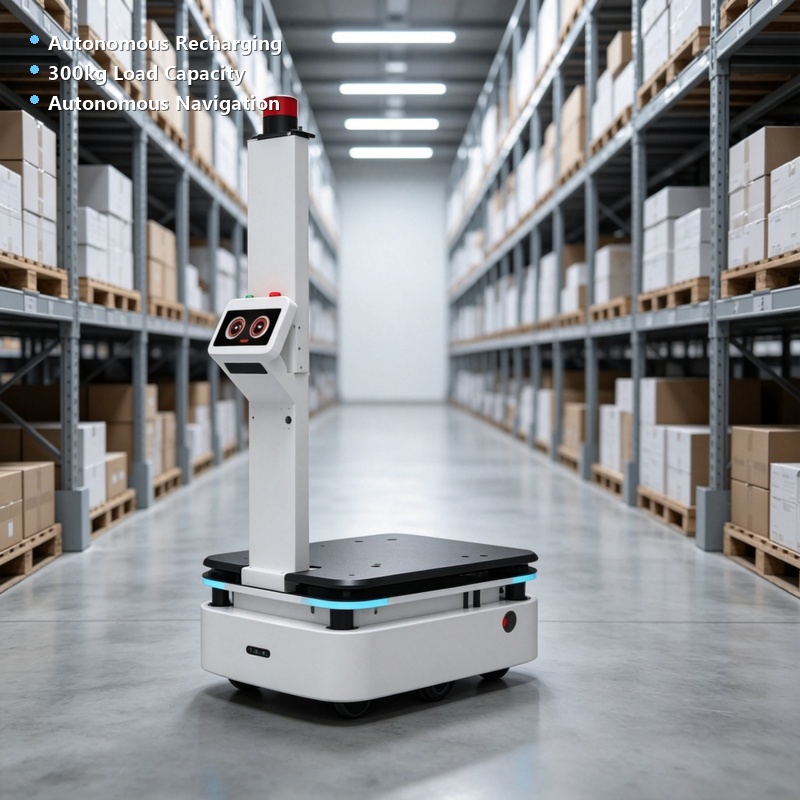

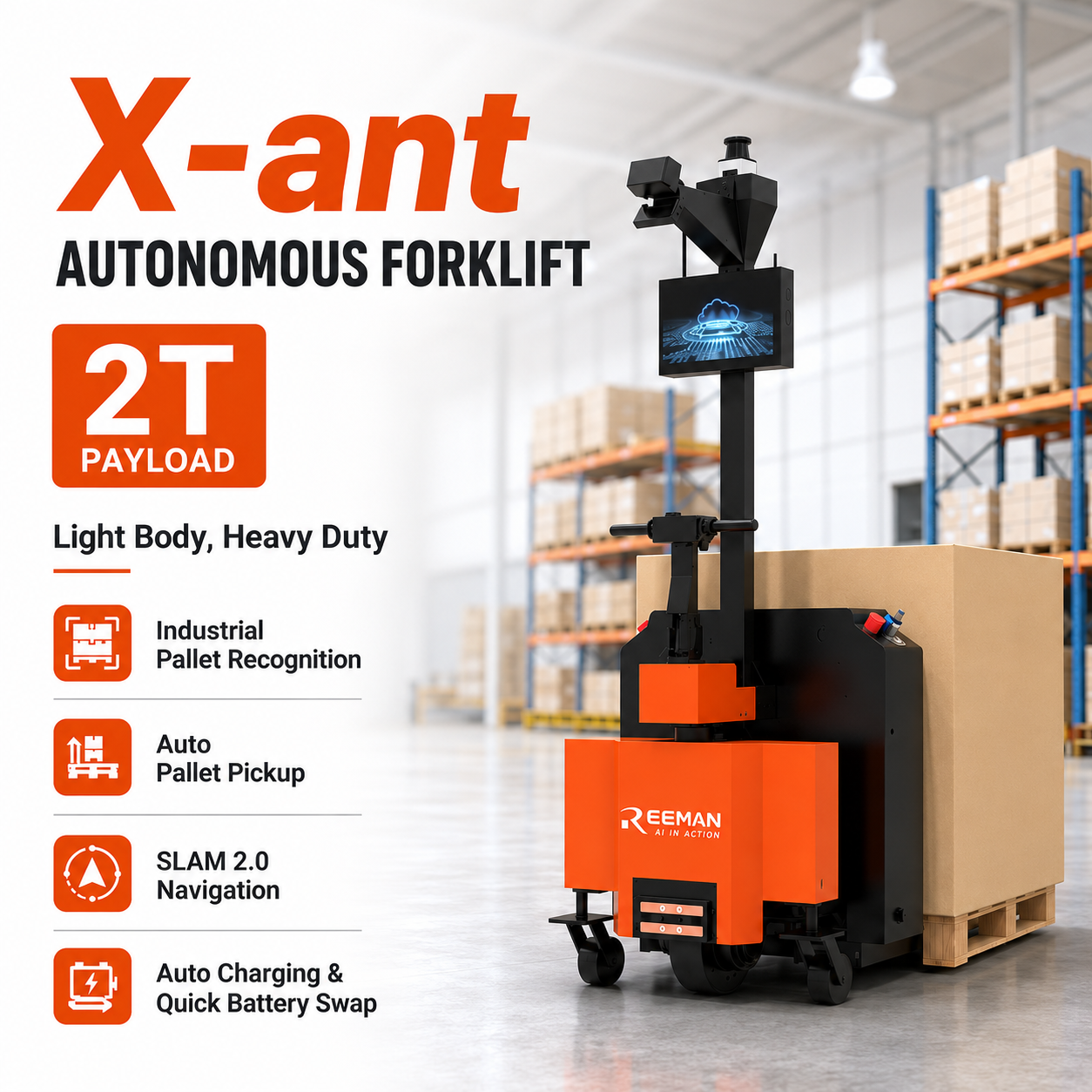
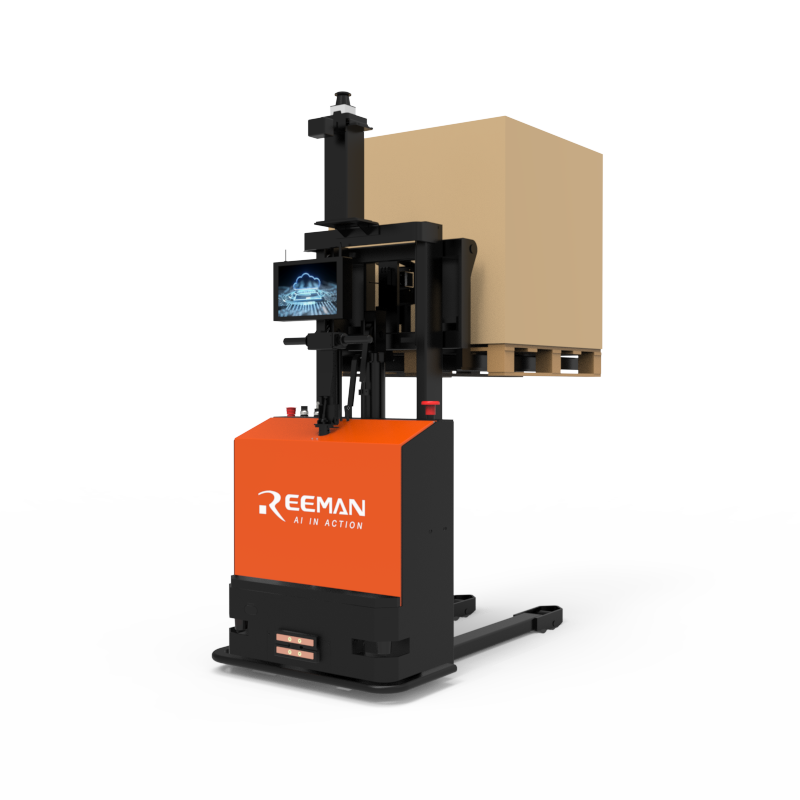

Factory data verified onsite by independent inspector SGS Group · ISO 9001 & ISO 14001 management systems · CE / FCC / PSE marks depending on model
Caloocan’s Disinfection Robot Opportunity Is a Procurement Problem, Not a Gadget Trend
The strongest autonomous disinfection robot manufacturer or wholesaler in Caloocan is not simply the vendor with the lowest unit price. It is the partner that can prove safety, map a mixed-use environment, document performance and support the unit after installation.
Caloocan is one of Metro Manila’s most operationally varied cities. A single service route can move from a hospital corridor to a public market lane, a mall back-of-house area, an LGU service counter, a school laboratory and a factory loading bay. That variety matters because autonomous disinfection works only when navigation, occupancy control, dwell time and disinfection dose are specified for the actual site—not for a showroom.
This white paper uses a top-10 screening framework rather than unverifiable popularity claims. A responsible buyer should treat any “top 10” list as a starting point for due diligence. Ask whether the Caloocan seller is the actual manufacturer, an authorized distributor, a systems integrator or a trading intermediary. Verify how the robot handles pedestrians, uneven floors, reflective surfaces, elevators, shift changes, cleaning chemicals and emergency access. Then require a documented method statement for UV-C, spray or hybrid disinfection.
Information gain for Caloocan buyers: the screening criteria below combine manufacturer evidence, autonomous navigation fundamentals, disinfection validation logic, Philippine deployment realities and a total-cost-of-ownership view. Elvorn’s manufacturing data—founded in 2015, 39 patents, 5,200㎡ of floorspace, 200+ team members, two production bases and SGS onsite verification—is included so procurement teams can compare claims against traceable capabilities.
How We Define a Top 10 Candidate in Caloocan
Use these ten checks to separate a credible autonomous disinfection robot manufacturer or wholesaler from a directory listing that cannot support safety, spare parts or performance validation.
Traceable Manufacturer Evidence
Look for factory verification, management-system certification and model-level marks. Elvorn’s factory has been verified onsite by SGS Group, and its systems are certified to ISO 9001 and ISO 14001. Depending on model, robots carry CE, FCC or PSE marks.
Laser SLAM in Real Corridors
A top candidate should map without magnetic tape, QR codes or floor reflectors. It must handle narrow service halls, glass walls, trolleys and dynamic pedestrian traffic. Ask for a route demonstration in a comparable Metro Manila environment.
Disinfection Modality Validation
UV-C dose, dwell time, shadowing and lamp aging must be documented. Spray or mist systems require chemical compatibility, ventilation and residue controls. Avoid vendors who promise “99.9%” without a written validation protocol.
Occupancy and Safety Engineering
UV-C should not be used in occupied spaces. Confirm occupancy sensors, interlocks, warning signage, emergency stop, remote monitoring, speed zoning and operator training. Safety is a design requirement, not a brochure feature.
Battery and Power Fit
For Philippine sites, confirm charger input compatibility, charging cycle, battery chemistry and backup power procedure. Do not assume that a 220V/60Hz facility can use any charger without verification during the RFQ.
Metro Manila Service Model
Ask who handles diagnostics, spare lamps, wheels, sensors and firmware. A Caloocan wholesaler may provide speed, but the manufacturer must remain accountable for software updates, safety bulletins and long-term parts availability.
Open Integration and SDK
Elvorn AMRs and robot chassis provide an open SDK and API for secondary development. This supports task dispatch, status feedback and integration with WMS, MES, ERP or custom facility dashboards.
Transparent Commercial Terms
Elvorn ships worldwide on FOB terms and accepts T/T payment in USD or CNY. A complete quote should separate robot, disinfection payload, freight, duties, mapping, training, spare parts and consumables.
Measurable Hygiene KPIs
Define room coverage, missed zones, cycle time, intervention rate, lamp hours, chemical usage and audit-log completeness. KPIs turn a robot purchase into a managed hygiene service with evidence.
Documentation Quality
Request method statements, risk assessments, training records, maintenance schedules and warranty terms. A top-tier supplier answers procurement questions in writing—not only through a sales presentation.
Why Elvorn Belongs on a Caloocan Shortlist
Shenzhen Elvorn Intelligent Equipment Co., Ltd. is a national high-tech enterprise focused on robotic platform technology and autonomous driving. For Caloocan buyers, the value is not only the robot—it is the engineering depth behind customization, integration and after-sales accountability.
Laser SLAM Heritage
Elvorn designs and builds autonomous forklifts, industrial AMRs, robot chassis, delivery robots, cleaning robots and disinfection robots. Shared SLAM architecture simplifies fleet training and maintenance.
Open SDK & API
Integrators can connect robots to WMS, MES, elevators, doors and custom dashboards. This is especially useful for multi-floor facilities and mixed-use Caloocan buildings that need task-level accountability.
Own Production Capacity
Two production bases in Shenzhen and Ningbo support on-site material inspection, supplier assessment and controlled assembly. The company has 5,200㎡ of floorspace and more than 200 team members.
Safety and Quality Culture
Multi-layer safety thinking covers lidar, obstacle sensors, emergency stops and speed zoning. Elvorn’s management systems are certified to ISO 9001 and ISO 14001, with SGS onsite verification.
OEM, ODM & Buyer Label
Custom top modules, payload structures, branding and packaging are available. Caloocan distributors and facility groups can build a differentiated offer without starting from a blank chassis.
Export-Ready Support
Elvorn serves North America, Western Europe, Eastern Asia, Southeast Asia and the Middle East, with English documentation, remote commissioning and spare-part support for overseas buyers.






Caloocan Scenarios: Where Autonomous Disinfection Creates Real Value
The best Caloocan deployment is not a single robot roaming the entire city. It is a defined route, in a defined zone, with a defined disinfection dose, safety boundary and measurable KPI.
Hospitals & Clinics
Use autonomous UV-C after hours in designated patient rooms, consultation areas and staff zones. Establish lamp-hour logs, room-exit verification and emergency access procedures. Spray or mist should be limited to compatible, well-ventilated areas with clear method statements.
LGU Offices & Service Counters
High-touch counters, queue rails and public waiting areas benefit from scheduled off-hour disinfection. Pair the robot with clear signage and an audit report so facility managers can show due diligence to department heads and the public.
Malls & Retail Back-of-House
In dense commercial areas such as Monumento and Grace Park, disinfection can be scheduled after closing or before opening. Focus on restrooms, staff corridors, food-court support areas and high-touch service counters—not occupied customer zones.
Schools & Universities
Classrooms, laboratories, libraries and faculty rooms can be treated after class hours. The procurement file should include operator training, room-clearance checklists, lamp disposal guidance and a maintenance schedule for high-frequency school terms.
Factories & Logistics Hubs
Separate clean and dirty material routes using AMRs or autonomous forklifts when moving PPE, sanitizer or production supplies. Elvorn’s open SDK and API support task dispatch and status feedback for WMS, MES or custom dashboards.
Transport & Public Venues
For covered courts, transport waiting areas and public halls, run disinfection in off-peak windows. Use physical barriers, staff marshals and occupancy sensors. The robot should stop immediately if a person enters a protected UV-C zone.
Caloocan-Specific Trends for 2025–2027
Autonomous disinfection is moving from one-off demonstrations to managed hygiene operations. Buyers are starting to ask for evidence, service levels and integration—not just a robot on wheels.
From Demo to Monthly Hygiene SLA
Facility teams increasingly prefer a service-level agreement covering uptime, response time, preventive maintenance and spare parts. The robot becomes part of a recurring hygiene program, not a one-time capital purchase.
Audit-Ready Digital Logs
Room coverage maps, run timestamps, lamp hours, operator ID and exception reports are becoming procurement requirements. Documentation helps managers verify completion and investigate missed zones.
Mixed Fleets, Shared Navigation
Disinfection robots, cleaning robots, delivery robots and material-handling AMRs increasingly share SLAM logic. Elvorn’s modular platform approach helps buyers train staff once and standardize charging and service routines.
Safety-First UV-C Governance
Occupancy sensors, door interlocks and clear risk assessments are non-negotiable. This is especially important in Caloocan buildings where service corridors, stairwells and storage areas may be shared by multiple tenants.
Local Spare Parts and Training
Caloocan wholesalers that stock common sensors, wheels, lamps and chargers create real differentiation. Buyers should ask for a recommended spare-parts kit and a named escalation path for technical support.
Total Cost of Ownership Discipline
A practical TCO formula is: labor hours saved × loaded labor rate + consumable reduction + risk-cost avoidance − (amortized capex or lease + maintenance + consumables + training + freight/duties). Request the inputs in writing.
Match Caloocan Spaces to Autonomous Disinfection Workflows
Use this matrix during pre-bid meetings to align infection-control, facilities, safety and procurement teams before the RFQ is issued.
| Caloocan Environment | Primary Risk Pattern | Recommended Workflow | Cadence Example | KPI to Require |
|---|---|---|---|---|
| Hospital or clinic | High-touch surfaces, patient-room turnover | After-hours UV-C with occupancy interlock; spray only in validated compatible zones | Daily terminal-room cycle plus weekly deep cycle | Room completion rate, dwell time, missed-zone report |
| LGU service office | Queues, counters, public waiting areas | Off-hour route with signage and staff marshal | Twice weekly or after large public events | Counter coverage, cycle time, incident-free runs |
| Mall or retail support area | Staff corridors, restrooms, food-court support | Pre-opening or post-closing scheduled disinfection | Daily high-touch route; weekly extended route | Route adherence, lamp-hour utilization |
| School or university | Classrooms, laboratories, shared faculty areas | After-hours room-by-room sequence with clear room-exit checklist | Weekday after class; weekends for laboratories | Rooms treated per shift, operator verification |
| Factory or warehouse | Clean/dirty material crossover, shared amenities | AMR or AGV for controlled material movement plus scheduled disinfection route | Per shift change or nightly | Material flow cycle, sanitation-window compliance |
| Public venue or transport waiting area | High footfall, limited closure windows | Off-peak disinfection with physical barriers and occupancy sensing | Nightly or event-based | Zero unauthorised entries, completion log, response time |
Important: UV-C disinfection should be conducted only in unoccupied spaces with suitable safety controls. Efficacy depends on dose, lamp condition, dwell time, shadowing and validated operating procedure. Local health, safety and regulatory guidance should always be followed.
From Inquiry to Audit-Ready Operation
A disciplined six-step process reduces deployment risk for Caloocan buyers and gives internal stakeholders clear decision gates.
Site and Task Review
Share floor plans, operating hours, target areas, floor surfaces, elevator access, network coverage and staff workflow. Clarify whether the goal is surface disinfection, air treatment, material movement or public guidance.
Risk and Safety Scope
Define occupied versus unoccupied zones, emergency access, chemical handling, UV-C exposure controls and escalation procedures. Safety documentation should be reviewed before commercial negotiation.
Route and Payload Validation
Confirm navigation accuracy in real corridors. Validate the disinfection payload, dose assumptions, lamp-hour tracking and cleaning workflow. For logistics support, map how AMRs or forklifts interact with people and pallets.
Customization and Integration
Elvorn offers OEM service, design service and buyer-label options. Where required, connect robots to WMS, MES, ERP or custom dashboards through the open SDK and API. Agree on acceptance tests in writing.
Factory Testing and Shipment
Function and load testing can be documented before shipment. Confirm packaging, voltage compatibility, spare-parts kit, FOB terms and T/T payment details in USD or CNY. Align import and duties responsibilities early.
Training and Aftercare
Commission on site or remotely, train operators and cleaners, set maintenance intervals and establish a response-time SLA. Review logs monthly and adjust routes based on missed zones and intervention rates.
What to Send Before You Ask for a Caloocan Quotation
A complete data pack shortens the engineering cycle and makes price comparison fair between manufacturers, wholesalers and integrators.
Floor Plan & Zones
Provide CAD or PDF layouts, room dimensions, door widths, lift dimensions, floor transitions and any restricted areas that the robot must avoid.
Operating Window
State whether disinfection occurs after hours, between shifts or in low-traffic windows. Include security procedures and staff availability for room clearance.
Disinfection Target
Clarify whether the requirement is UV-C, spray, mist, dry fog or a hybrid. Specify the validated protocol you intend to follow and any internal infection-control standards.
Power & Network
Share charger location, voltage, frequency, backup power availability and Wi-Fi coverage. Confirm whether remote monitoring must work through a client network or a separate access point.
Safety & Compliance File
Ask for risk assessment, method statement, operator training outline, certificate copies and emergency-stop test procedure. Require model-specific documentation.
KPI & Service Level
Define room coverage, cycle time, missed zones, uptime, response time and spare-parts availability. Include these KPIs in the quotation so performance is measurable.
Send your Caloocan floor plan, target areas and operating window to Elvorn’s export support team. Engineers can review product fit, discuss OEM/ODM options and outline documentation for your procurement file.
Inquire NowAutonomous Disinfection Robot Procurement FAQ for Caloocan
Practical answers for facility owners, purchasing officers, distributors and safety teams comparing manufacturers and wholesalers in Caloocan.
What should a Caloocan buyer look for in a top autonomous disinfection robot manufacturer or wholesaler?
Verify the manufacturer’s factory evidence, model certifications, disinfection validation logic, safety controls and after-sales plan. Then confirm whether the Caloocan seller is the manufacturer, an authorized distributor or a trading intermediary. A credible supplier will answer in writing and provide traceable documentation.
Are autonomous UV-C disinfection robots safe to use during business hours in malls or offices?
UV-C systems should be used only in unoccupied spaces with suitable safety controls. Occupancy sensors, interlocks, warning signage, staff training and emergency access procedures are essential. For occupied areas, use other validated cleaning methods or schedule the robot outside business hours.
How does laser SLAM navigation perform in crowded Caloocan buildings?
Laser SLAM performs well when the route is properly mapped and safety zones are configured. Reflective surfaces, glass walls, sudden crowds and temporary obstacles require careful commissioning. Ask for a live demonstration in a comparable corridor and require an obstacle-response test as part of acceptance.
Can a Caloocan wholesaler supply spare parts and service for a Shenzhen-made robot?
That depends on the wholesaler’s agreement with the manufacturer. Ask for a named service escalation path, recommended spare-parts kit, warranty terms and firmware-update process. Elvorn provides English documentation and remote support for overseas buyers, and OEM/ODM projects can include customized service planning.
What is a realistic project timeline for a disinfection robot deployment in Metro Manila?
Timelines vary by scope, but a disciplined project usually moves through site review, safety scoping, route validation, customization, factory testing, freight, commissioning and training. Build review gates into the schedule and do not treat shipping time as the only lead time.
Do I need one robot per floor or can one robot cover multiple zones?
One robot can cover multiple zones if lift access, door control, charging location and route timing are engineered correctly. For multi-tenant buildings, clarify who operates the robot, how rooms are cleared and how logs are shared. In some sites, two smaller robots are more practical than one large unit.
How should we compare UV-C, spray and mist disinfection robots?
Compare by intended surface or air target, room geometry, shadowing, materials compatibility, ventilation, residue, occupancy restrictions and validation method. UV-C is generally for unoccupied spaces; spray and mist require chemical-specific controls. Do not compare headline percentages without matching the test conditions.
What trade terms and documentation does Elvorn provide for Philippines-bound orders?
Elvorn ships worldwide on FOB terms and accepts T/T payment in USD or CNY. Depending on model, robots carry CE, FCC or PSE marks. The company is certified to ISO 9001 and ISO 14001 and has been verified onsite by SGS Group. Request a model-specific document pack for your Caloocan procurement file.
Request a Caloocan-Ready Autonomous Disinfection Robot Proposal
Send floor plans, target rooms, operating hours, preferred disinfection modality and service expectations. Elvorn’s engineering and export team can recommend a platform, outline OEM/ODM options, prepare safety documentation and define the next validation step for your Caloocan project.