Top 10 Counterbalance Forklift Manufacturer & Wholesalers for the Nagoya Market
A buyer-focused guide to laser SLAM autonomous forklifts, local procurement risk, and the application scenarios shaping Aichi warehouses, factories, and distribution centers.
8 Products Selected for Nagoya Pallet Handling
These models are relevant for Nagoya buyers comparing autonomous counterbalance forklifts, pallet trucks, and laser SLAM platforms for pallet transfer, line-side replenishment, and warehouse logistics. All product links are preserved for detailed specifications and inquiry.
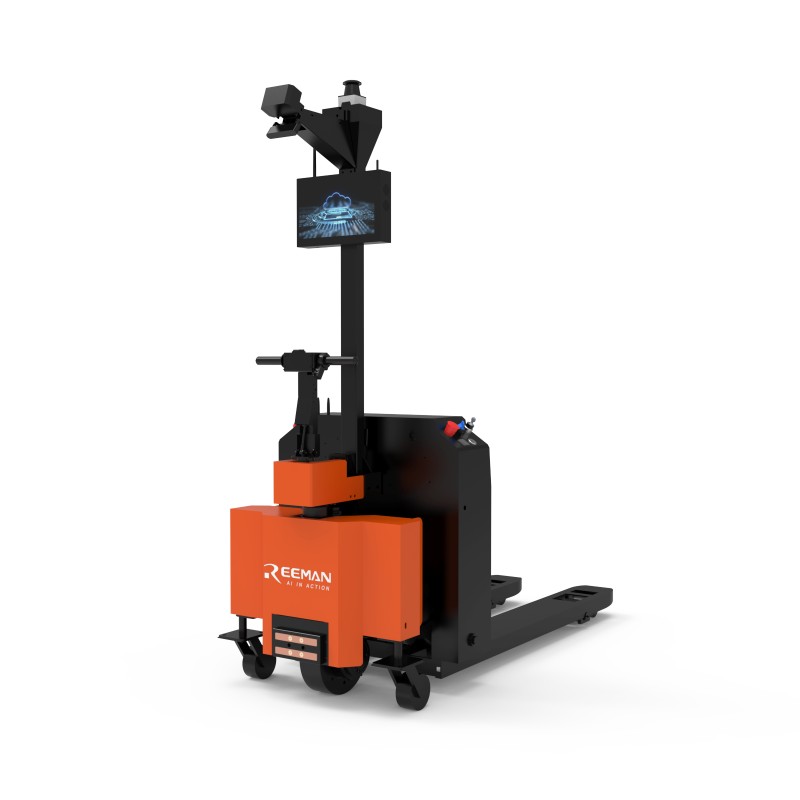
Reeman 2 Ton Autonomous Forklift AGV Laser SLAM Unmanned Pallet Truck 1085mm Fork 10mm Position Accuracy
Best for repetitive pallet transfer where precise docking and fork alignment matter in existing Nagoya warehouses.
View model details →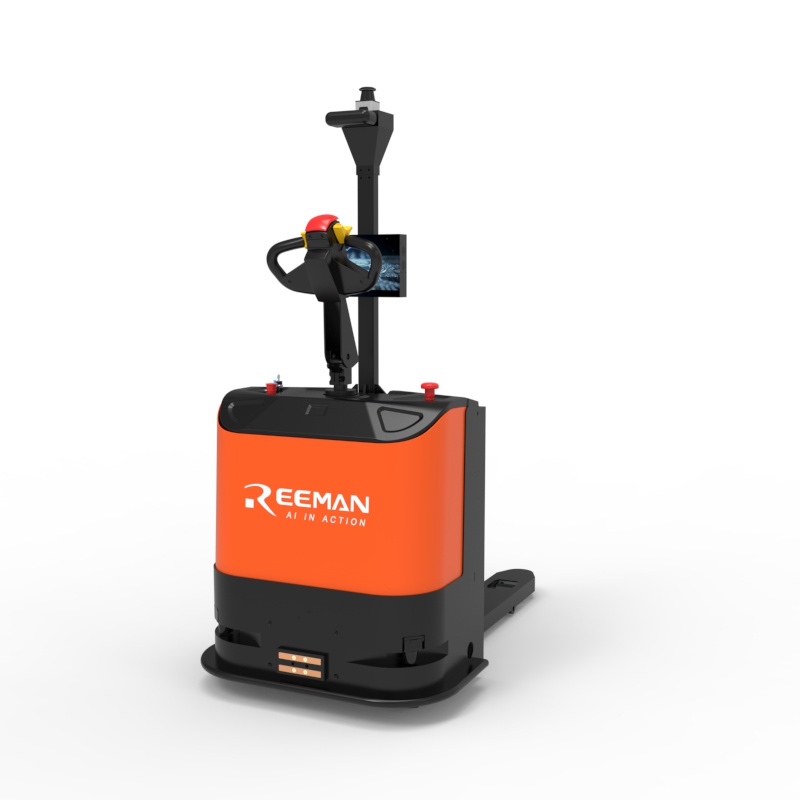
Reeman BBOT30F 1500 kg Laser SLAM Forklift AGV LiDAR Navigation Pallet Handling Warehouse
Suitable for 3PL, distribution, and manufacturing sites that need repeatable pallet handling without floor tape.
View model details →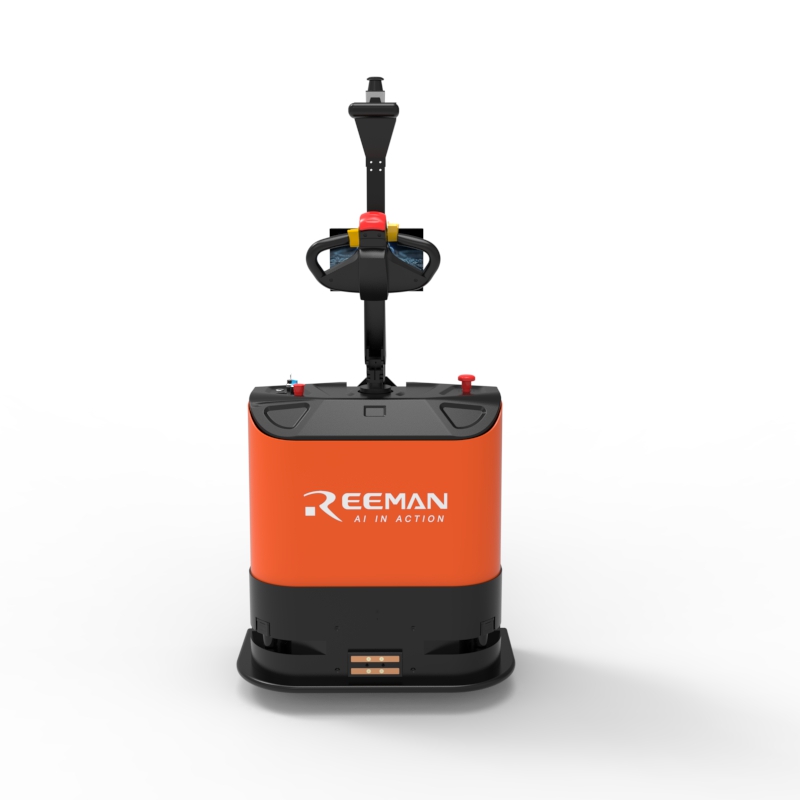
1500kg Laser SLAM Autonomous Forklift AGV Reflector-Free Point-to-Point Warehouse Material Handling
Useful for retrofitting older facilities where adding reflectors or magnetic tape would disrupt operations.
View model details →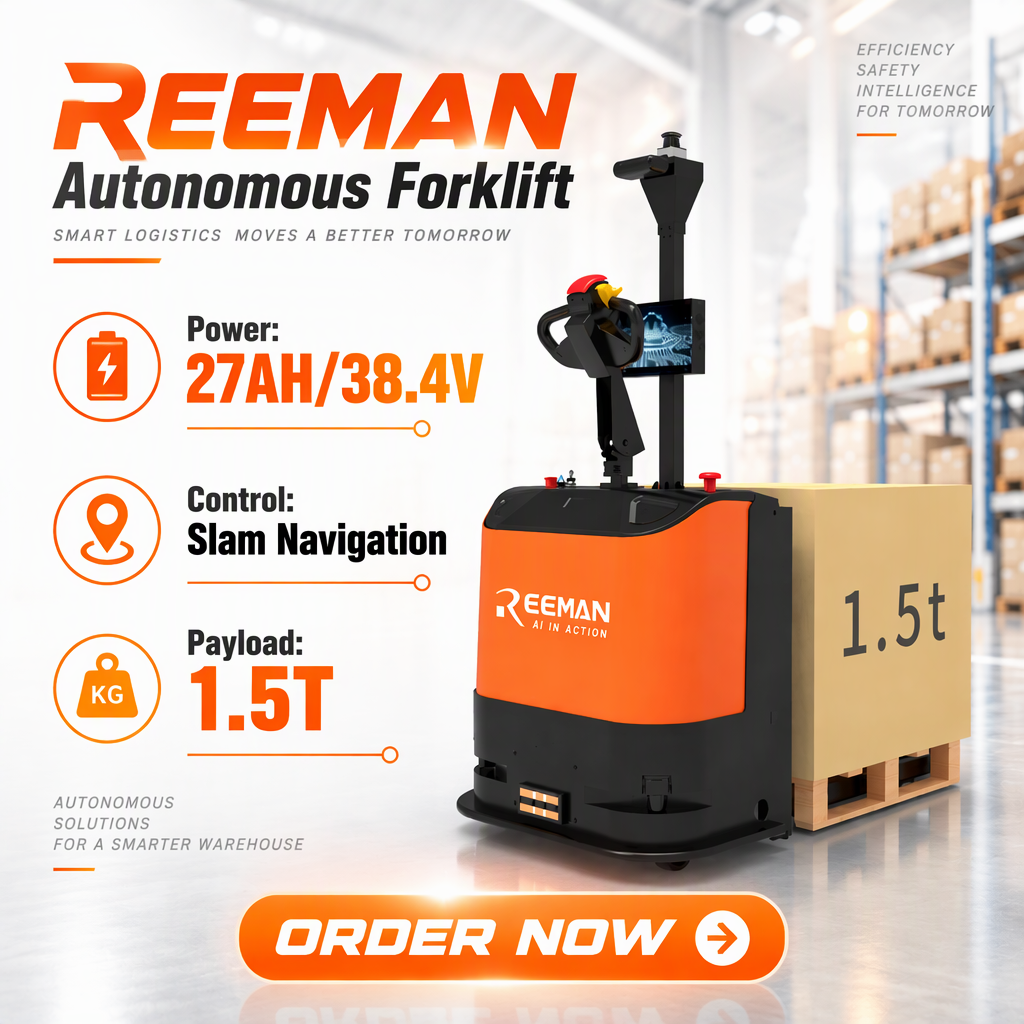
Reeman 1.5 Ton Autonomous Forklift AGV SLAM Navigation 3D Obstacle Avoidance Bidirectional Driving Indoor Warehouse
Best for mixed pedestrian and forklift traffic where bidirectional driving improves route efficiency.
View model details →
REEMAN X-ant JBOT20F 2 Ton Autonomous Forklift AGV Laser SLAM Pallet Handling Robot for Warehouse Logistics
Designed for warehouse logistics teams seeking a compact autonomous forklift platform for repetitive pallet moves.
View model details →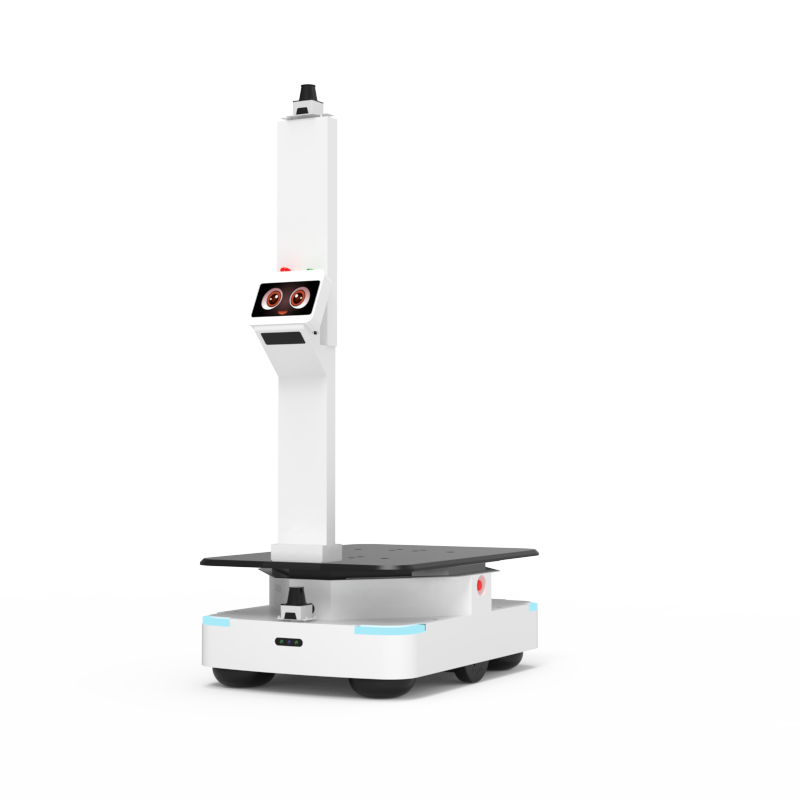
600kg Payload Laser Navigation AMR Robot Autonomous Lifting Warehouse Transfer Equipment
A lighter AMR option for transferring totes, carts, or fixtures where a full counterbalance forklift is unnecessary.
View model details →
2 Ton Autonomous 4WD AGV Forklift Laser SLAM Navigation Multi-Line LiDAR 10mm Position Accuracy 6-8H Warehouse Handling
Appropriate for demanding dock-to-line and line-to-storage routes where traction and navigation redundancy are important.
View model details →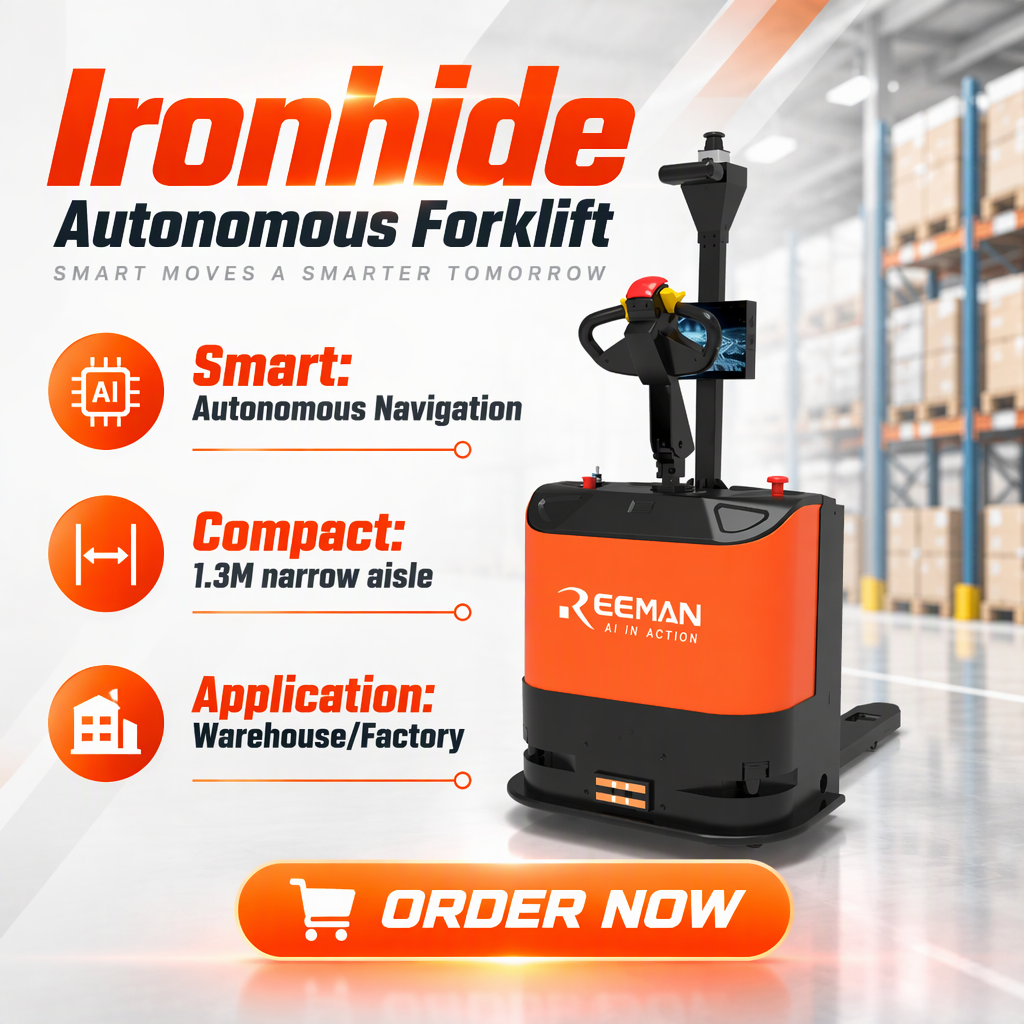
Reeman 1.5 Ton Autonomous Forklift AGV 3D Obstacle Avoidance Bidirectional Driving 48V 30AH Lithium-Ion Battery
Configured for indoor warehouse routes with lithium-ion power and obstacle avoidance for long-shift pallet movement.
View model details →Elvorn’s Manufacturing and Export Base
For Nagoya buyers, supplier due diligence should cover engineering depth, production capacity, certification, and spare-part support—not only unit price.
Why Counterbalance Forklift Procurement Is Changing in Aichi
Nagoya is not a generic warehouse market. The Aichi manufacturing belt—including Toyota City, Kariya, Anjo, and the Nagoya Port logistics zone—places a premium on uptime, safe pallet flow, and the ability to automate existing aisles without major floor works.
Labor availability and an aging driver pool
Finding experienced forklift operators is becoming harder for many Aichi employers. Autonomous pallet movement helps shift repetitive transport to robots while redeploying people to quality, exception handling, and value-added work.
Work-style reform and predictable shifts
Logistics and manufacturing teams need more predictable shift planning. A robot that repeats pallet routes with consistent speed and charging discipline can reduce overtime pressure and smooth peak-hour operations.
Constrained floor space and costly expansion
Urban and near-port warehouses face high land costs. Instead of expanding, more buyers are optimizing existing aisles with compact autonomous forklifts and AMRs that can share routes with people and manual equipment.
Safety, ESG, and traceable operations
Procurement teams increasingly ask for documented safety logic, speed zoning, obstacle detection, and maintenance records. Laser SLAM forklifts can provide route consistency and data visibility that manual fleets often lack.
How to Score Counterbalance Forklift Manufacturers and Wholesalers
A “top 10” list should not be a directory of unverified names. For Nagoya procurement, the useful shortlist is built by scoring each manufacturer or wholesaler against ten decision criteria. A low price with a low score can create hidden integration and downtime costs later.
Load and fork geometry
Confirm rated capacity, fork length, fork spacing, and pallet condition. A 1085 mm fork and 10 mm positioning accuracy can matter in repetitive docking.
Lift height and mast compatibility
Check whether the model handles floor-level transfer, low racking, or higher storage. Mast height affects aisle clearance and route planning.
Navigation and infrastructure
Laser SLAM and reflector-free navigation reduce floor works. Ask whether the supplier supports mapping, route optimization, and dynamic obstacle avoidance.
Safety architecture
Review LiDAR, 3D obstacle sensors, emergency stops, speed zones, pedestrian detection, and warning signals. Safety validation must match the actual site.
Battery and charging plan
Compare lithium-ion capacity, opportunity charging, charger voltage, and shift coverage. Japanese facility voltage and charging location should be confirmed early.
Fleet and software integration
Ask about open SDK/API access, WMS/MES/ERP integration, task dispatch, status feedback, and support for elevators or automatic doors.
Local service and spare parts
A wholesaler or integrator can add local responsiveness, but clarify first-line support, spare-part stocking, remote diagnostics, and escalation responsibility.
Certification and documentation
Check CE, FCC, or PSE where applicable, ISO 9001 and ISO 14001 management systems, SGS verification, manuals, and inspection records.
OEM/ODM flexibility
Buyer-label options, custom top modules, branding, packaging, and engineering changes can be valuable for distributors serving Nagoya clients.
Total cost and expansion path
Evaluate training, spare parts, software updates, charging infrastructure, maintenance access, and whether the platform can scale with additional robots.
Where Autonomous Counterbalance Forklifts Fit in Nagoya
The strongest business case usually appears where pallet movement is repetitive, distance is predictable, and manual driving time is high—not necessarily where the entire operation is automated at once.
Automotive tier suppliers
Line-side replenishment, finished-goods transfer, and dock-to-storage runs can be scheduled around production takt time. Repeatable docking and route consistency support high-mix production.
3PL and distribution centers
Pallet shuttling from receiving to put-away, cross-docking, and outbound staging can be assigned to autonomous forklifts during peak windows or night shifts.
Machinery and equipment manufacturing
Heavy components and subassemblies often require stable pallet movement between machining, assembly, and shipping zones. LiDAR navigation helps adapt to changing shop-floor layouts.
Nagoya Port and bonded logistics
Import/export warehouses can benefit from predictable pallet transfer between staging areas, inspection zones, and loading docks, especially when labor is tight.
Application Fit Index for Nagoya Workflows
This illustrative index compares typical workflow fit based on Elvorn model capabilities and common Nagoya procurement patterns. It is a planning aid, not a substitute for a site survey, pallet audit, or safety review.
Buyers should validate aisle width, floor flatness, Wi-Fi coverage, traffic density, and operator procedures before selecting a final fleet size.
Illustrative fit index. Final configuration depends on load, lift height, aisle dimensions, traffic rules, and local safety assessment.
A Manufacturer Built for OEM, ODM, and Export Support
Shenzhen Elvorn Intelligent Equipment Co., Ltd. is a national high-tech enterprise focused on robotic platform technology and autonomous driving. Founded in 2015, Elvorn designs, builds, and supports autonomous forklifts, industrial AMRs, robot chassis, delivery robots, and cleaning robots.



Full-Stack Engineering, In-House Production, and Verified Quality Control
Elvorn’s in-house R&D team covers laser SLAM navigation, motion control, fleet scheduling, and hardware. That full-stack ownership supports faster customization, transparent engineering answers, and long-term spare-part support for distributors and integrators.
The company operates two production bases in Shenzhen and Ningbo, with material inspection and supplier assessment procedures. The factory has been verified onsite by SGS Group, and management systems are certified to ISO 9001 and ISO 14001. Depending on the model, robots carry CE, FCC, or PSE marks.
- Verified custom manufacturer
- ISO 9001 & ISO 14001
- CE / FCC / PSE models
- OEM, ODM, buyer label
- Open SDK & API
- SGS onsite verification
Laser SLAM navigation
Maps a site without magnetic tape, QR codes, or floor reflectors. Layout changes do not automatically require floor works, which is valuable in leased Nagoya facilities.
Open SDK and API
Secondary development on AMRs and robot chassis supports integration with WMS, MES, ERP, doors, elevators, and custom dashboards for local system integrators.
Modular payload platforms
From service-oriented AMRs to 2-ton autonomous forklifts, shared control architecture can simplify fleet training, spare-part planning, and maintenance procedures.
Multi-layer safety design
LiDAR, obstacle sensors, emergency stops, and speed zoning help manage interaction with pedestrians, manual forklifts, and racking. Site-specific risk assessment remains essential.
In-house production capacity
Two production bases and internal engineering support help control customization, factory testing, and delivery communication for overseas buyers and wholesale partners.
Export-ready support
English documentation, remote commissioning, and spare-part supply support buyers in North America, Western Europe, East and Southeast Asia, and the Middle East. FOB terms and T/T payment in USD or CNY are accepted.
From Nagoya Site Survey to Stable Operation
A controlled pilot reduces risk. The goal is not to automate every route at once, but to prove safety, throughput, and support response before scaling.
Site and load audit
Share layout drawings, pallet type, load weight, aisle width, lift height, charging location, and target throughput.
Route and fleet design
Engineers recommend models, fleet size, charging strategy, traffic rules, and integration scope for the existing workflow.
Factory testing
Function and load tests are completed before shipment, with test records available for buyer review and pre-installation planning.
Remote commissioning
Mapping guidance, operator training, and long-term spare-part support help the Nagoya team stabilize daily operation.
Common Questions from Nagoya Buyers and Wholesalers
These answers focus on practical due diligence for imported autonomous forklifts and local deployment planning.
Are autonomous counterbalance forklifts suitable for existing Nagoya warehouses?
They can be suitable when the site is assessed properly. Laser SLAM reduces the need for magnetic tape or floor reflectors, but a survey should still cover pallet condition, aisle width, racking interface, floor flatness, Wi-Fi coverage, pedestrian zones, charging location, and traffic rules. A pilot route is the safest way to validate throughput and safety.
Should I buy from a manufacturer or a local wholesaler in Japan?
A manufacturer can offer engineering control, customization, and long-term platform support. A local wholesaler or integrator can add Japanese-language service, spare-part access, and first-line response. The best structure is usually a clear responsibility matrix: who maps the site, who commissions the robot, who handles maintenance, and who owns software updates.
Which Elvorn models fit automotive line-side and 3PL pallet handling?
For heavier pallet transfer, the 2-ton counterbalance-style models and the 1.5-ton autonomous forklifts are relevant. For lighter cart, tote, or fixture movement, the 600 kg AMR can reduce unnecessary forklift use. Final selection depends on load, fork geometry, lift height, and route constraints.
What should I check about charging and Japanese power supply?
Confirm charger input voltage, charging time, battery capacity, and whether opportunity charging is needed. Some 1.5-ton models use 48V lithium-ion batteries, but final charger specification must be reviewed for the actual facility. PSE-related requirements and on-site electrical work should be confirmed with the buyer’s local electrical contractor.
Can the robots integrate with WMS, MES, or ERP systems?
Yes. Elvorn AMRs and robot chassis provide an open SDK and API for secondary development. Integrators can connect task dispatch and status feedback to warehouse management, manufacturing execution, or custom software systems. Integration scope should be defined before order confirmation.
What are the trade terms, payment, and delivery steps for Nagoya?
Elvorn ships worldwide on FOB terms and accepts T/T payment in USD or CNY. Delivery timing depends on model, configuration, and order volume. A typical process includes requirement review, solution design, customization, factory testing, export packing, shipping, and remote commissioning support.
Plan a Nagoya Counterbalance Forklift Pilot
Send your layout, pallet type, load weight, aisle width, lift height, and target throughput. Elvorn engineers can recommend a practical fleet and provide factory information, certification details, and customization options for your Nagoya project.