Top 10 Mobile Robot Base Exporter & Wholesaler in the Hat Yai Market
An evidence-led sourcing guide for Hat Yai distributors, 3PL operators, seafood and rubber processors, hospitals, hotels and retail groups comparing autonomous forklift AGVs, industrial AMRs, delivery robots and OLED advertising robots. Use the 10-point exporter scorecard, local application map and buyer FAQ to shortlist a wholesale partner that can document safety, integration and after-sales support for Songkhla and the Thai–Malaysian border trade corridor.
8 Mobile Robot Bases Recommended for Hat Yai Warehouses, Factories and Service Operators
These eight platforms cover the payload bands most frequently requested in Hat Yai: 300 kg flexible delivery, 600 kg line-side AMR, 1,000 kg pallet transport and stacking, 1,500 kg to 2,000 kg autonomous forklift work, plus a transparent-screen service robot for retail and hospitality. Product URLs and images are preserved from the original catalogue; confirm final fork dimensions, mast height, battery and top module before purchase.
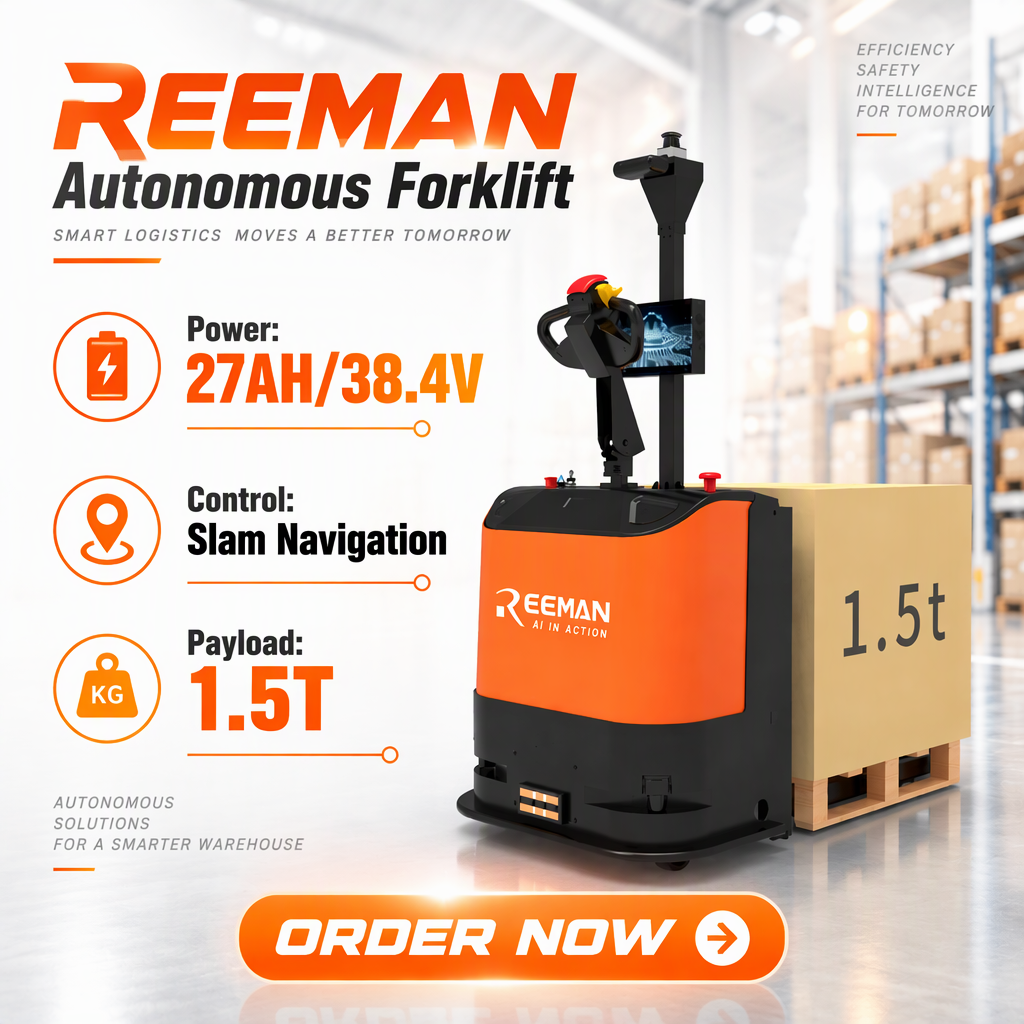
Reeman 1.5 Ton Autonomous Forklift AGV SLAM Navigation 3D Obstacle Avoidance Bidirectional Driving Indoor Warehouse
Best-fit Hat Yai use: indoor pallet transfer for 3PL, cold-chain staging and retail distribution centres where bidirectional driving reduces aisle reversals.
- 1,500 kg load class
- Laser SLAM + 3D avoidance
- Bidirectional indoor driving
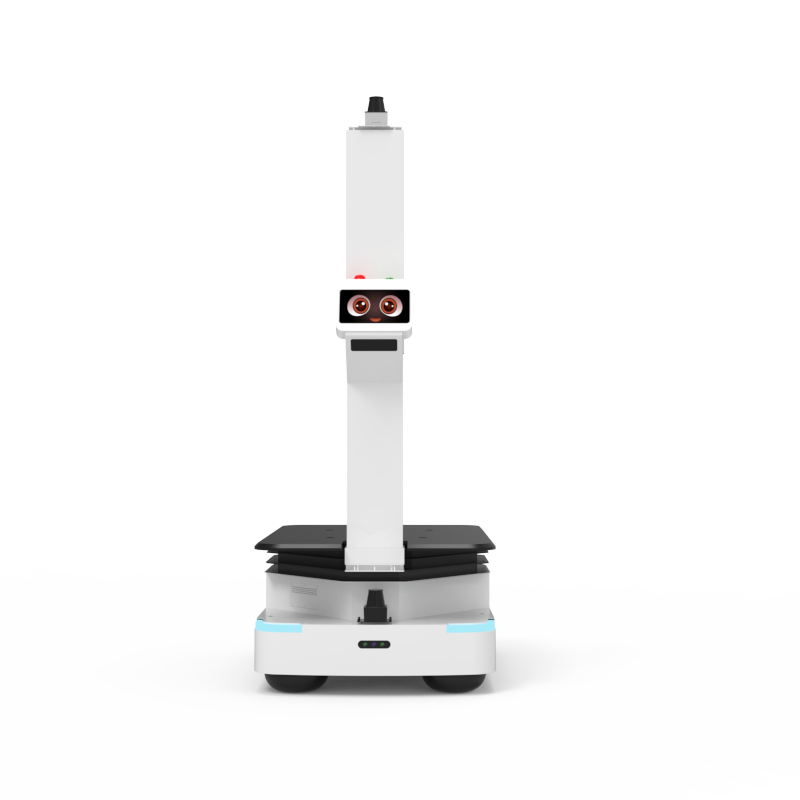
600kg Industrial AMR AGV Robot Laser SLAM Navigation QR Code-Free Factory Logistics
Best-fit Hat Yai use: line-side material supply in rubber, packaging and light manufacturing plants where fixed QR routes limit layout changes.
- 600 kg payload
- Laser SLAM, QR code-free
- Factory logistics platform
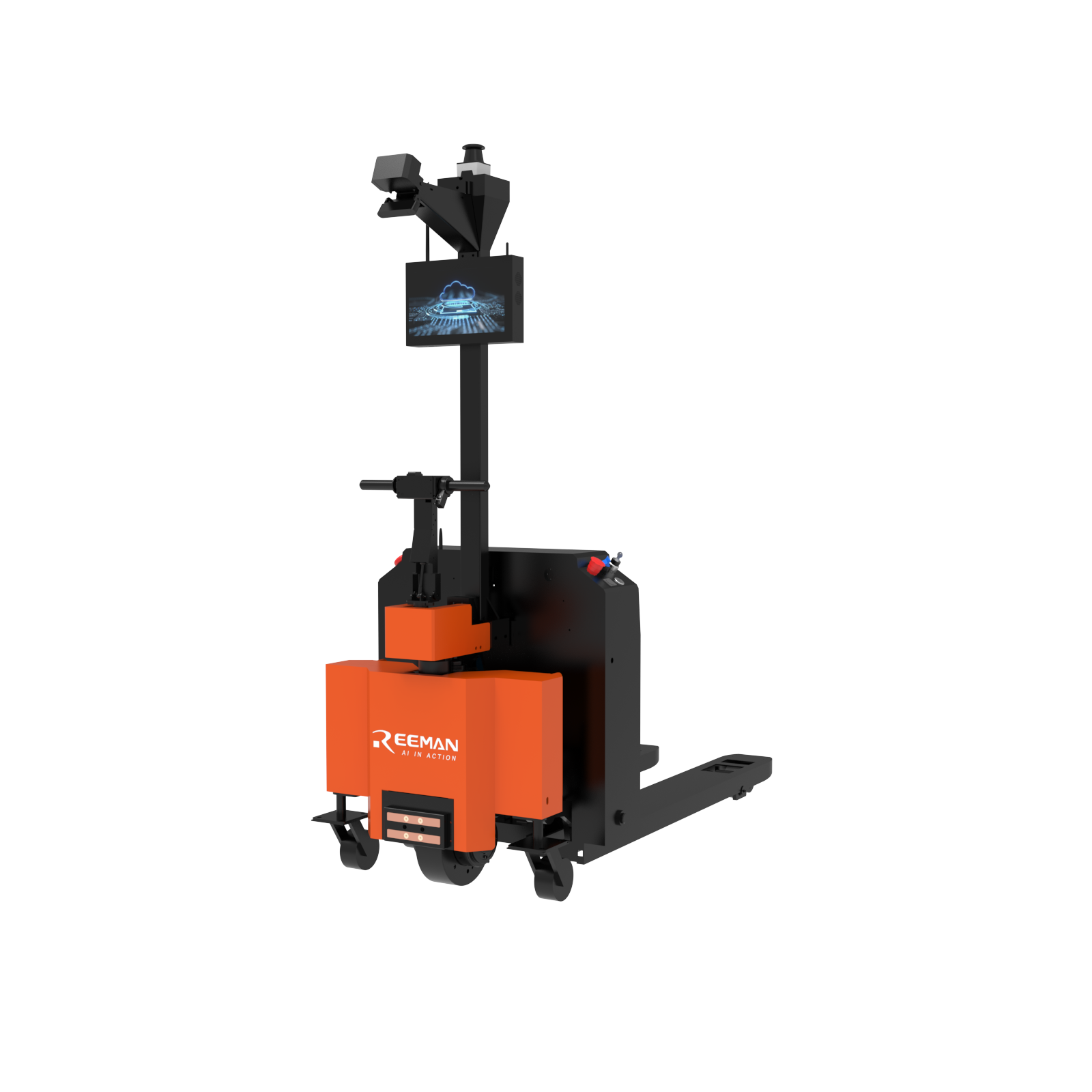
REEMAN X-ant JBOT20F 2 Ton Autonomous Forklift AGV Laser SLAM Pallet Handling Robot for Warehouse Logistics
Best-fit Hat Yai use: heavy pallet handling for distribution centres and cross-border staging yards with high daily pallet cycles.
- 2,000 kg load class
- Laser SLAM pallet handling
- Warehouse logistics duty
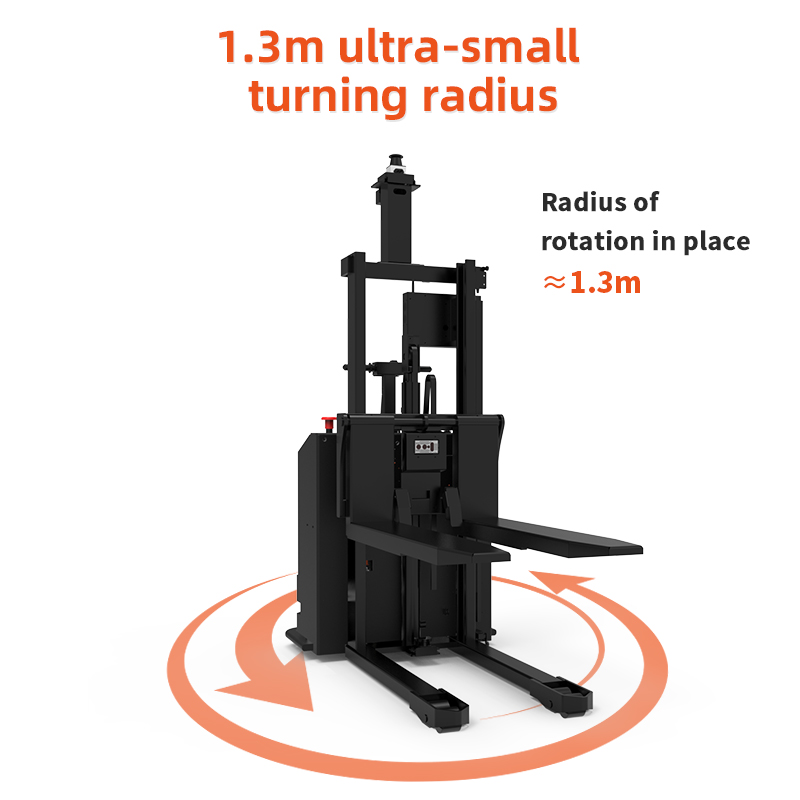
1000kg Forklift AGV Laser SLAM Navigation Pallet Transport Robot 1.3m Turning Radius Auto Charging for Factory Logistics
Best-fit Hat Yai use: existing warehouses with tighter turning zones; the 1.3 m turning radius suits retrofit projects where aisle changes are costly.
- 1,000 kg load class
- 1.3 m turning radius
- Automatic charging
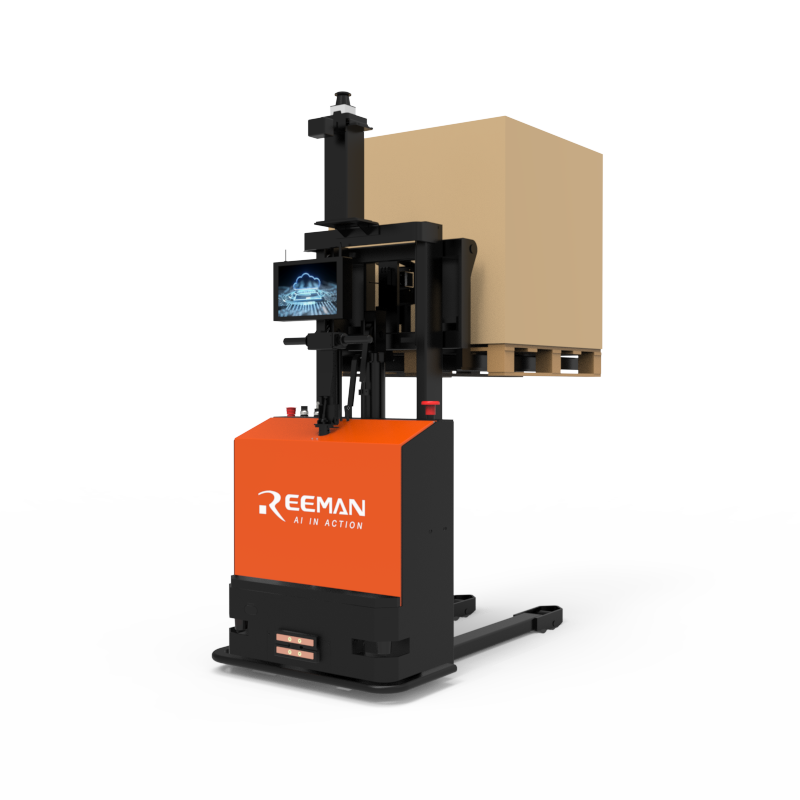
1000 kg Laser SLAM Forklift AGV Unmanned Pallet Stacker Single Line Lidar Obstacle Avoidance Factory Logistics
Best-fit Hat Yai use: put-away and low-rack stacking tasks in food, household goods and packaging warehouses using single-line lidar avoidance.
- 1,000 kg stacking duty
- Single-line lidar safety
- Factory logistics applications
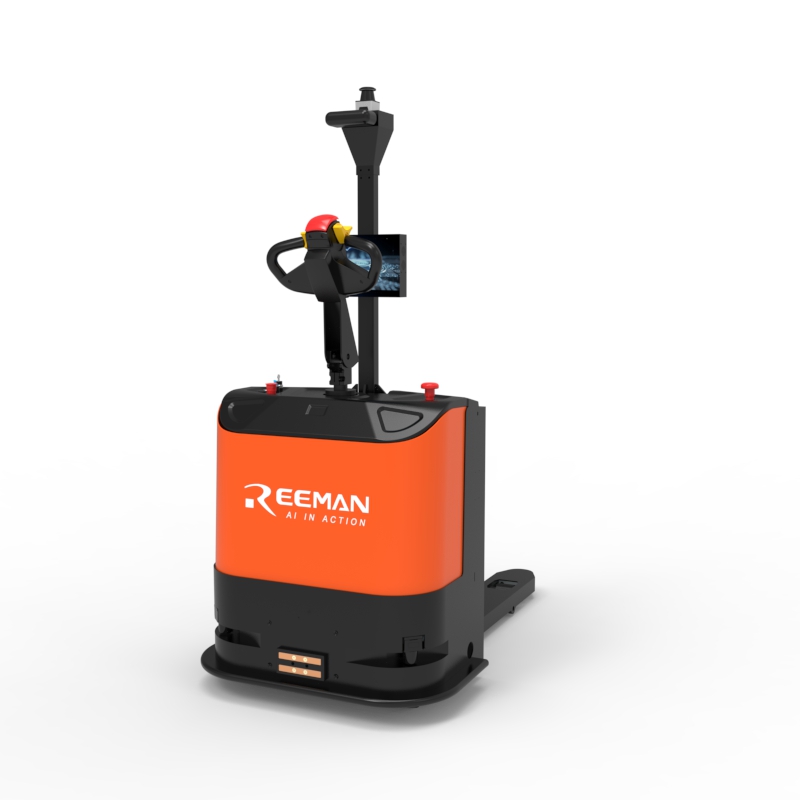
1500kg Laser SLAM AGV Forklift Single Line Lidar 30mm Navigation Accuracy 1019mm Forks 570mm Width Industrial Handling
Best-fit Hat Yai use: industrial handling where repeatable positioning matters, including production-line feeding and finished-goods transfer.
- 1,500 kg load class
- 30 mm navigation accuracy
- 1,019 mm forks, 570 mm width
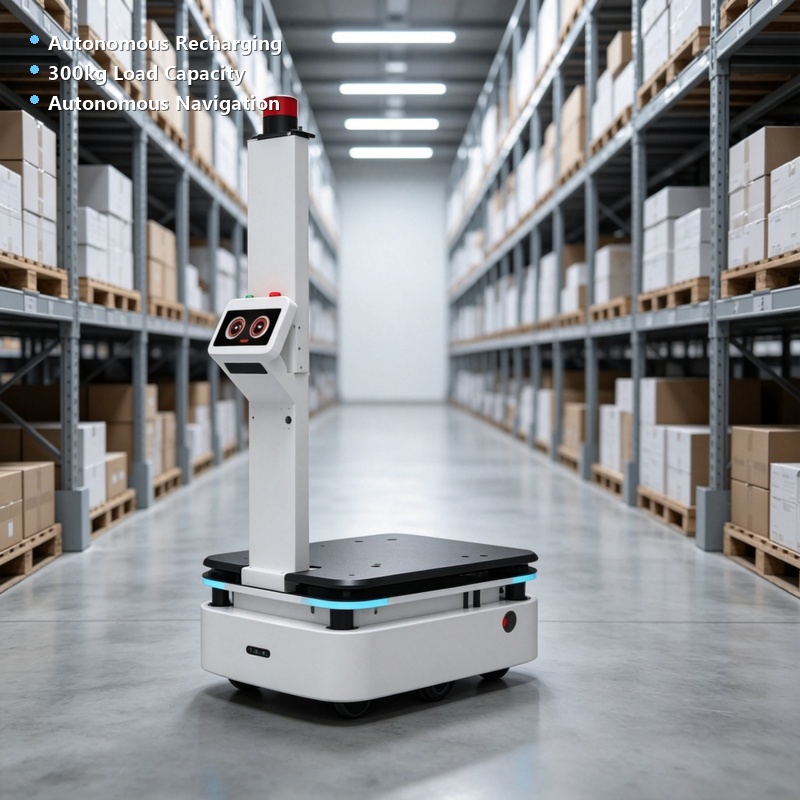
REEMAN Dual Laser Fly Boat MAX 300kg Industrial Delivery Robot for Manufacturing Plants and Factory Material Supply
Best-fit Hat Yai use: flexible material supply between stores, kitting areas and workstations, especially where carts and totes change frequently.
- 300 kg delivery payload
- Dual laser perception
- Factory material supply
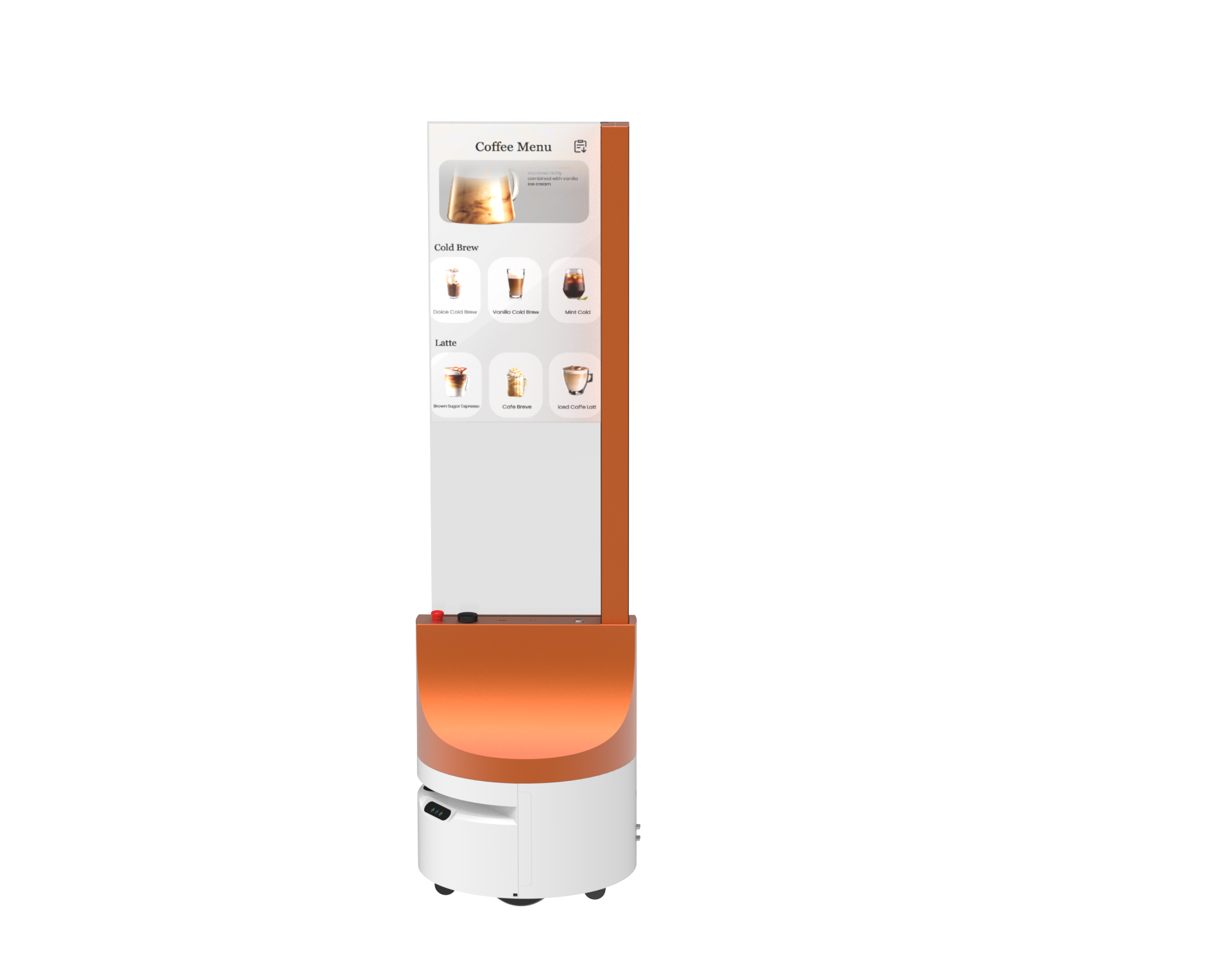
REEMAN 30 Inch OLED Transparent Screen Mobile Advertising Robot 1080 x 1920 FHD 9:16 Wi-Fi App Remote Control
Best-fit Hat Yai use: retail arcades, hotel lobbies, expos and convention spaces that need mobile digital signage with autonomous movement.
- 30-inch transparent OLED
- 1080 × 1920 FHD, 9:16
- Wi-Fi and app remote control
Source context: Shenzhen Elvorn Intelligent Equipment Co., Ltd. is a national high-tech enterprise founded in 2015, with two production bases in Shenzhen and Ningbo, 39 patents and a 200+ team. The supplier profile also cites 11+ years in robotics, 98.76% response rate, ISO 9001/ISO 14001 management systems and an SGS-verified factory. Buyers should request current certificates, model-specific test records and the latest spare-parts list before approving a Hat Yai project.
Why Hat Yai Buyers Now Ask for Evidence, Not Just Price
Hat Yai is not a generic tourist market for robots. It is the commercial hub of Songkhla Province and a practical gateway for goods moving between southern Thailand and northern Malaysia through Padang Besar and Sadao. The buyer mix includes wholesale distributors, cross-border 3PLs, seafood and frozen-food processors, rubber and packaging factories, private hospitals, hotels, shopping centres and event venues. Each has different constraints: pallet weight, aisle width, floor flatness, humidity, staff traffic, charging windows and the software system that issues tasks.
Procurement intent has shifted from “Can you sell a robot base?” to “Can you prove that this base will work in our building, pass our safety review, connect to our WMS or ERP, and remain supported after commissioning?” That shift favours exporters and wholesalers who can provide engineering data, certificates, spare-part lists, remote commissioning, English documentation and a clear escalation path. It also explains why the strongest supplier is rarely the one with the lowest initial quotation.
Elvorn is a Shenzhen-based manufacturer rather than a local Hat Yai retailer. For Hat Yai buyers, the working model is therefore an export project: site data is reviewed remotely, the model and safety configuration are confirmed, the robot is built and tested in the factory, and support is delivered through documentation, remote engineers and spare-part planning. Buyers who need local stock, Thai-language operators or on-site service should confirm those arrangements in the quotation rather than assuming them.
- Ask for the base configuration, top module and safety scope in writing.
- Confirm whether the quoted model is indoor-only or suitable for covered loading areas.
- Request a model-specific spare-parts list and remote support procedure.
- Test WMS, MES or ERP integration with a written acceptance protocol.
What Hat Yai Buyers Usually Need Before a Quote
A credible exporter should ask for these inputs before recommending a payload class. If a supplier quotes a mobile robot base without any site data, treat the price as indicative only.
What Separates a Top-10 Mobile Robot Base Exporter & Wholesaler for Hat Yai?
Use this scorecard during desktop research and supplier meetings. A true wholesale partner should be able to answer each point with documents, not adjectives.
Verified manufacturing depth
Factory audit, production bases, patents and quality procedures matter more than a marketplace badge. Confirm the supplier manufactures or controls the core chassis.
Model coverage by payload
A useful wholesaler offers forklift AGVs, AMRs, delivery robots and service platforms so the recommendation follows the use case, not a single stock model.
Navigation fit
Laser SLAM without tape, QR codes or reflectors reduces retrofit work. Ask how mapping, dynamic obstacle avoidance and route changes are handled.
Safety evidence
Request lidar layout, obstacle sensors, emergency stops, speed zoning and a practical risk-assessment checklist for mixed pedestrian traffic.
Integration capability
Open SDK and API support should be backed by a test plan for WMS, MES, ERP, doors, lifts or custom dashboards where those interfaces are required.
Localized configuration
Southern Thailand heat and humidity require an engineering review. Ask for duty cycle, IP protection, condensation controls and operator training scope.
Export documentation
Check CE, FCC or PSE marks where applicable, ISO certificates, commercial invoice, packing list, bill of lading, test reports and user manuals.
Spares and response path
A Hat Yai buyer needs a named service process: critical spare list, remote diagnostics, warranty terms, escalation contacts and shipping method.
OEM and wholesale support
For distributors, confirm private label, custom top modules, packaging, buyer-label documentation and minimum order expectations before committing.
TCO and ROI discipline
Compare battery cycle, charging strategy, maintenance, redeployed labour and throughput. A lower purchase price can lose on uptime and support cost.
Where Mobile Robot Bases Fit in Hat Yai, Songkhla and the Border Corridor
Localization is not a slogan. The same robot base can be a strong fit in one building and a poor fit in another because of floor condition, traffic, load profile and support expectations.
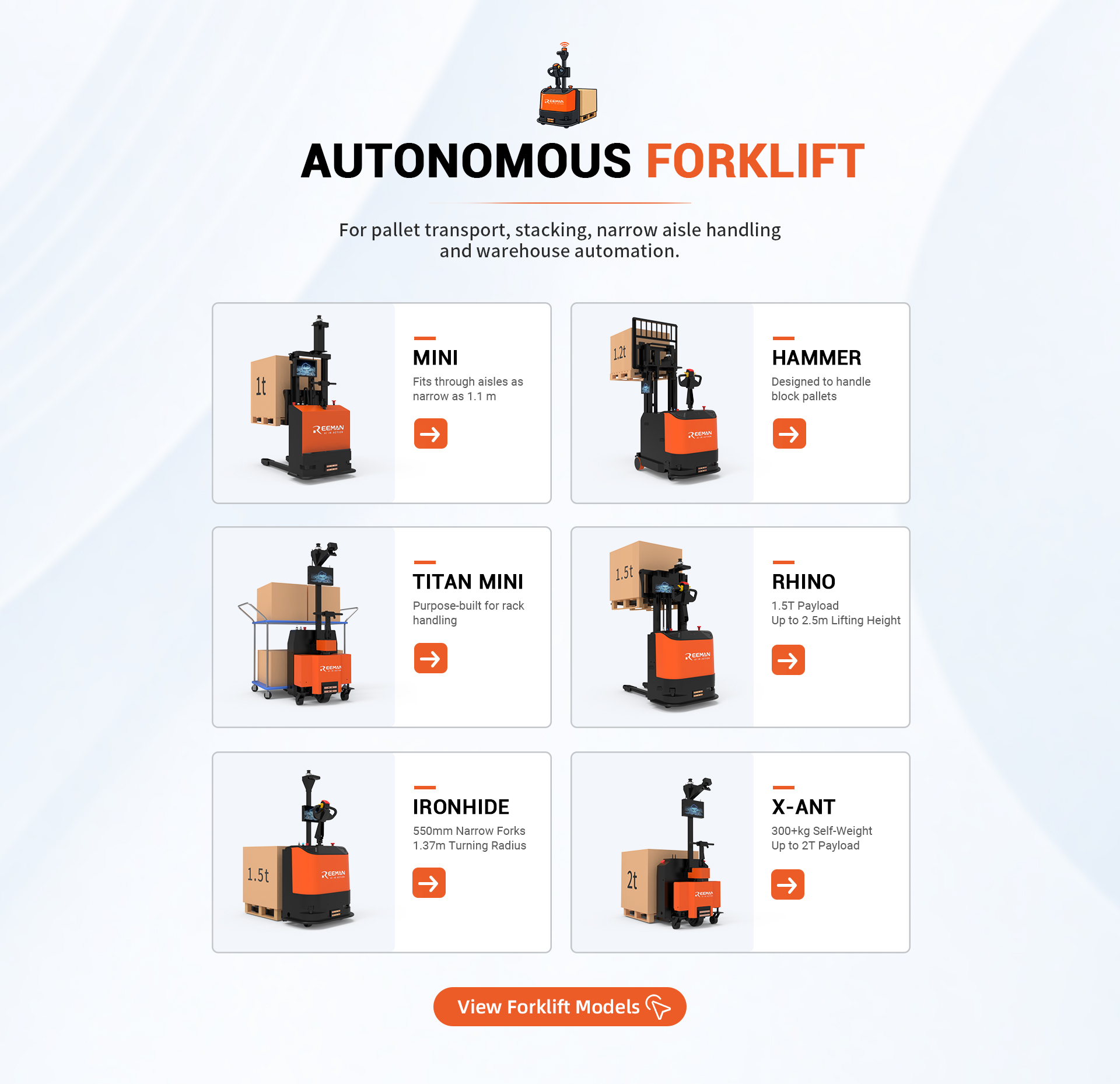
Cross-border 3PL and distribution
Use 1.5-ton or 2-ton autonomous forklifts for trailer unloading, receiving, staging and dispatch. In a Hat Yai 3PL, the value comes from repeatable pallet moves across shifts, not from replacing every manual forklift at once.
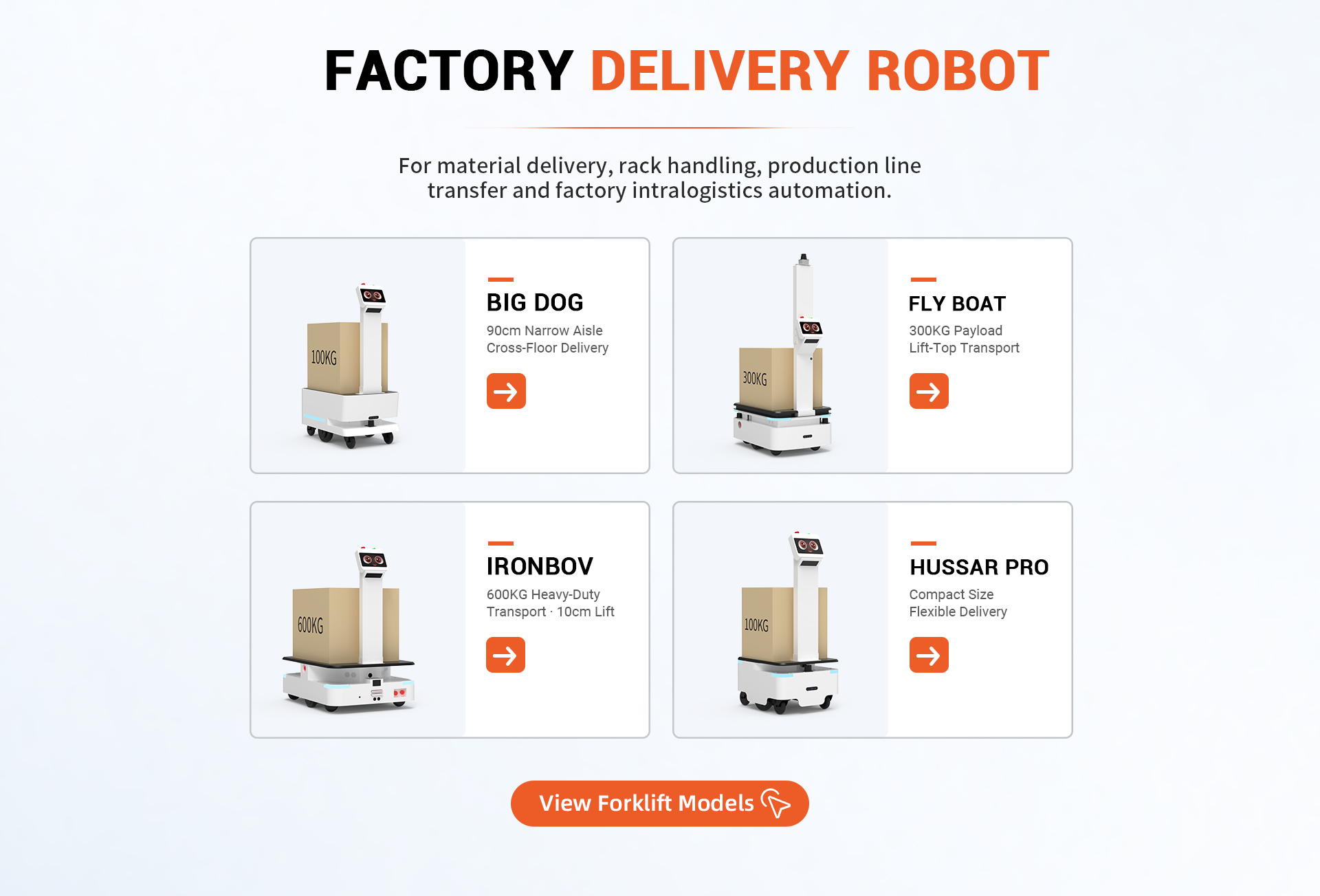
Rubber, packaging and light manufacturing
Deploy 600 kg AMRs or 300 kg dual-laser delivery robots for line-side material supply, WIP transfer and finished-goods collection. Program routes around fixed machinery and confirm floor transitions before ordering.
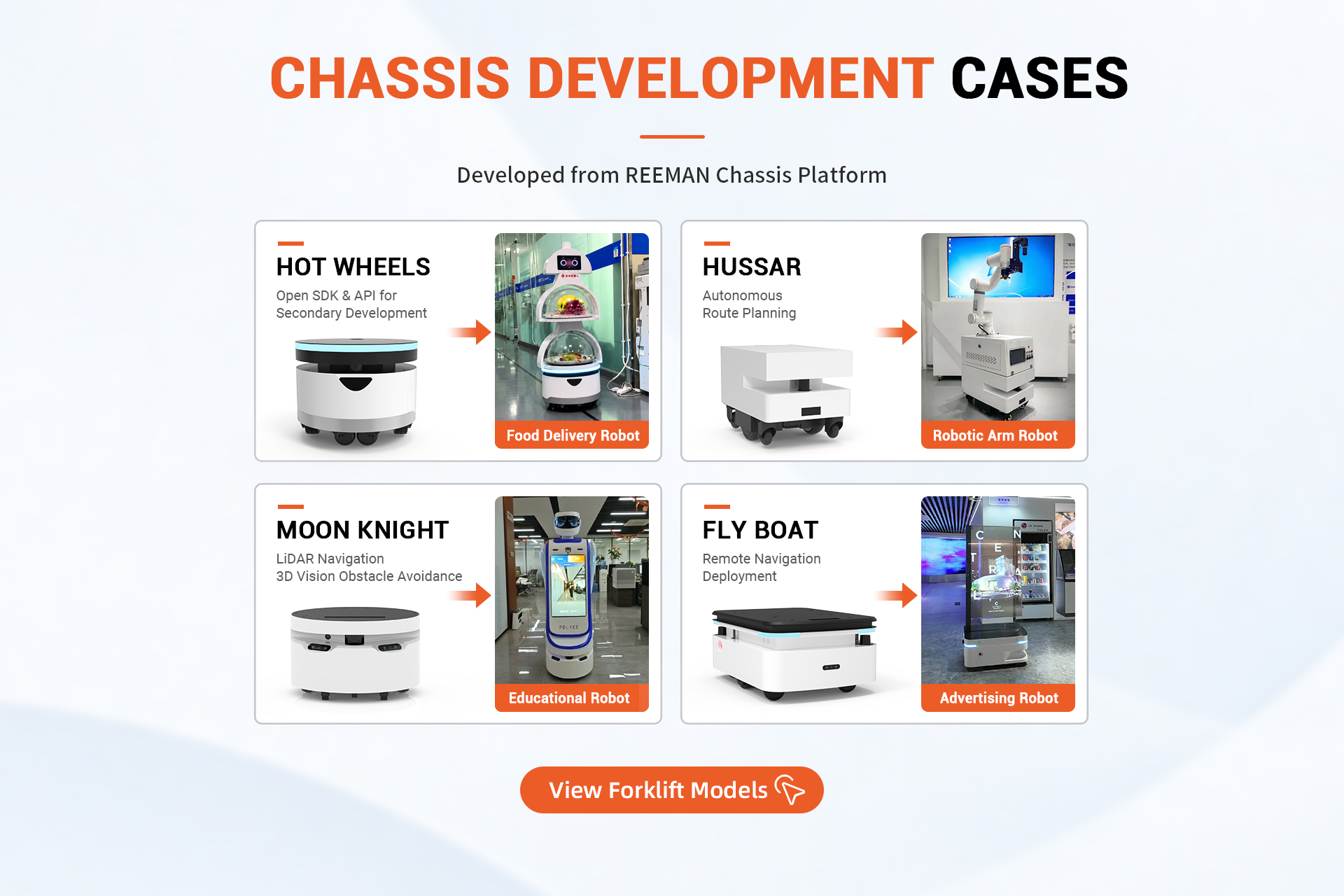
OEM and integrator projects
For Hat Yai system integrators, an open-SDK chassis shortens development time. The buyer can add a custom top module for local workflows while keeping proven SLAM navigation and safety architecture.

Hospitals, hotels and retail logistics
Delivery platforms can move linen, supplies, meals or promotional materials depending on the top module. In hospitality and healthcare, plan lift access, doorstep clearance and staff handover rules carefully.
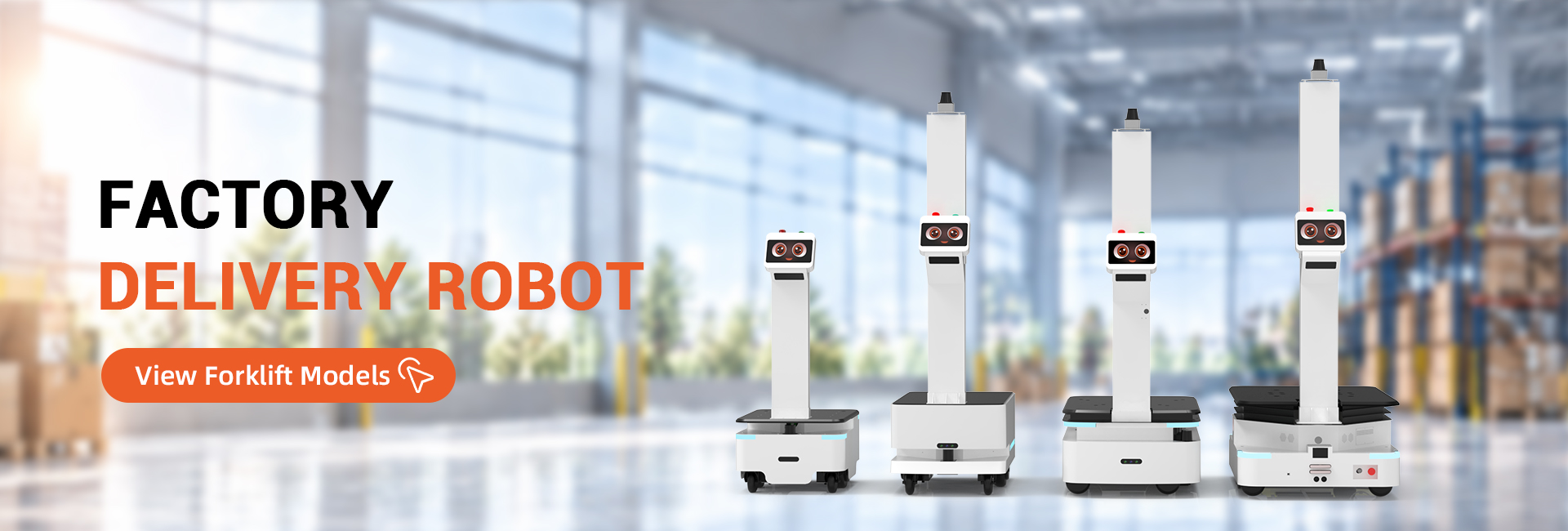
Retail, hotels and exhibition venues
The 30-inch transparent OLED robot is suited to mobile signage, product promotion and visitor engagement. Buyers should evaluate footfall, floor surface, screen brightness and content-management workflow.
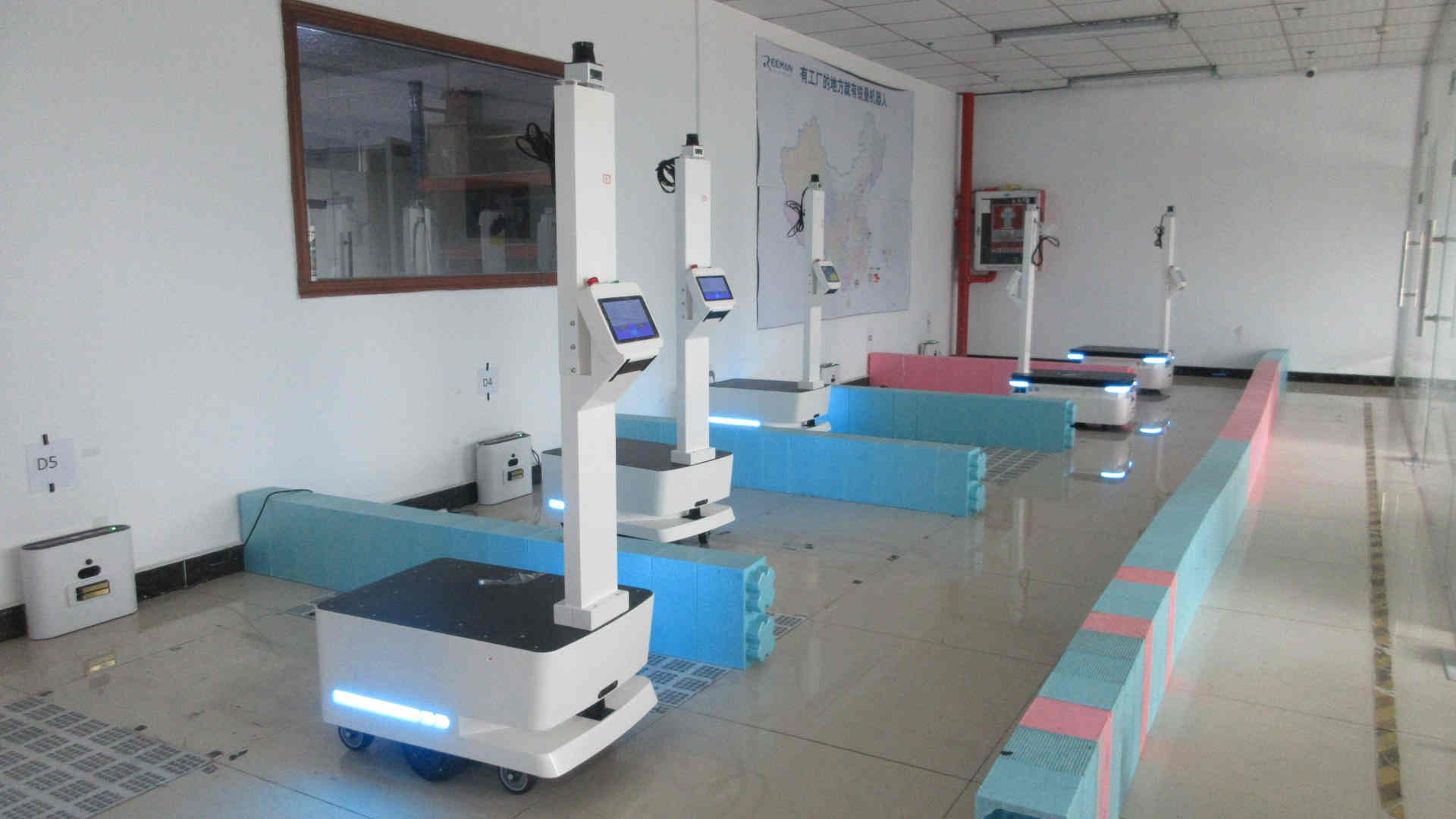
Seafood, frozen and cold-chain facilities
Pallet transport and stacking AGVs can reduce repetitive movement in cold or chilled staging areas, but condensation, floor ice and washdown must be reviewed. Request an environment-specific risk assessment before selecting IP and battery options.
Trends Reshaping the Hat Yai Mobile Robot Market
These trends explain why wholesale buyers are moving from single-unit trials to multi-role fleet planning.
Labour availability and shift continuity
Repetitive pallet movement and long material-supply routes remain difficult to staff consistently. Hat Yai operators increasingly value robots that can take over predictable loops while staff focus on quality, customer service and exception handling. The strongest business case is usually measured by redeployed hours and fewer delays, not by headcount alone.
Cross-border e-commerce and denser storage
More SKUs and shorter dispatch cycles push warehouses toward flexible automation. Laser SLAM mobile bases allow routes to be changed without rebuilding tape or QR infrastructure, which matters when racking, staging lanes and dispatch zones change with seasonal trade flows.
Safety and measurable ROI
Buyers increasingly request risk assessments, safety-zone drawings, incident-response procedures and integration acceptance tests. A “top 10” exporter for Hat Yai must support both engineering proof and commercial proof: documented safety, documented testing and a realistic total cost of ownership model.
Match the Robot Base to Your Hat Yai Workflow
Use this indicative map to narrow the shortlist before requesting a formal engineering proposal. It reflects product payload classes, not a performance ranking.
Payload class and typical workflow fit



What a Hat Yai Wholesale Buyer Can Verify
Shenzhen Elvorn Intelligent Equipment Co., Ltd. is a national high-tech enterprise focused on robotic platform technology and autonomous driving. Founded in 2015, the company designs, builds and supports autonomous forklifts, industrial AMRs, robot chassis, delivery robots, cleaning robots, disinfection robots and mobile advertising robots for buyers across North America, Western Europe, Eastern Asia, Southeast Asia and the Middle East.
For Hat Yai buyers, the practical value is not a list of slogans. It is a verification path: two production bases in Shenzhen and Ningbo, 39 patents, a 200+ team, an SGS-verified factory, ISO 9001 and ISO 14001 management systems, and CE, FCC or PSE marks on applicable models. Ask for the exact certificate set, serial-number traceability and test records that apply to your order.
Laser SLAM navigation
Maps a site and navigates without magnetic tape, QR codes or floor reflectors. That reduces retrofit cost when Hat Yai warehouses change layout or add seasonal staging areas.
Open SDK and API
AMRs and chassis support secondary development for WMS, MES, ERP, doors, lifts and custom dashboards. Integration scope should be documented and tested, not assumed.
Modular payload platforms
From 60 kg delivery robots to 2-ton autonomous forklifts, shared control architecture simplifies fleet training, spare-parts planning and service procedures.
Multi-layer safety
Lidar, obstacle sensors, emergency stops and speed zoning can be configured for mixed traffic. A site-specific risk assessment remains the buyer’s responsibility with supplier support.
Own production capacity
Two production bases, in-house R&D and supplier assessment procedures support faster customization and clearer engineering answers for export projects.
Export-ready support
English documentation, remote commissioning, spare-part supply, FOB terms and T/T payment in USD or CNY support wholesale buyers and integrators.
From Hat Yai Site Survey to Stable Operation
A disciplined export project reduces surprises. The exact timeline depends on model, customization and shipping schedule, so the steps below focus on acceptance gates rather than fixed promises.
Requirement review
Share layout drawings, load data, pallet type, floor condition, ambient environment and target throughput.
Solution design
Engineers recommend model, fleet size, charging plan, safety configuration and integration scope.
Factory testing
Function, load and interface tests are completed before shipment, with test records available for review.
Deployment support
Remote mapping guidance, operator training, documentation and spare-parts planning support stable operation.
Frequently Asked Questions from Hat Yai Wholesale Buyers
These answers are written for procurement, operations and engineering teams comparing an overseas mobile robot base exporter or wholesaler.
What is a mobile robot base, and is it different from an AGV or AMR?
+
In this guide, a mobile robot base is the autonomous platform underneath an autonomous forklift, AMR, delivery robot, robot chassis or service robot. It usually includes the drive system, SLAM navigation, safety sensors, control electronics and battery platform. An AGV historically follows more fixed routes, while an AMR uses mapping and onboard decision-making to handle more dynamic environments. For procurement, the important thing is to specify the exact base, top module and safety scope rather than rely on category labels.
How can a Hat Yai buyer verify an exporter or wholesaler before paying a deposit?
+
Ask for a business licence, factory verification report, ISO certificates, product certificates, model-specific test records, spare-parts list, warranty terms, bank details that match the legal entity, and references relevant to your application. For Elvorn, the published profile includes an SGS-verified factory, ISO 9001 and ISO 14001 management systems, 39 patents and CE, FCC or PSE marks on applicable models. Treat marketplace badges as a starting point, not a substitute for due diligence.
Can these robots operate in southern Thailand’s heat and humidity?
+
That requires a site-specific engineering review. Buyers should provide ambient temperature range, humidity, condensation risk, washdown practices, floor slope, dust and daily duty cycle. Ask the supplier to confirm IP protection, battery thermal strategy, condensation controls and maintenance intervals for the exact model. A responsible exporter should not answer “works anywhere” without reviewing the environment, especially for cold-chain, seafood and covered loading areas near Hat Yai.
Which certifications and import documents should we request for Thailand?
+
Depending on the model, request CE, FCC or PSE documentation where applicable, ISO 9001 and ISO 14001 certificates, commercial invoice, packing list, bill of lading, test reports, user manual, spare-parts list and warranty statement. Confirm the correct HS code and Thai import requirements with a local customs broker. The exporter can prepare export documents, but the buyer and broker should verify Thai import compliance for the final configuration.
Do you offer OEM, ODM and wholesale support for Hat Yai distributors?
+
Yes. The original supplier profile lists OEM service, design service and buyer-label options, including custom top modules, payload structures, branding and packaging. Open SDK and API support is also relevant for integrators building local solutions. Minimum order quantity, tooling cost, certification impact and lead time should be confirmed after the specification is fixed.
What trade terms and support should be agreed for a Hat Yai project?
+
The supplier profile cites FOB terms and T/T payment in USD or CNY. For a Hat Yai project, the quotation should also define the configuration, testing acceptance criteria, packaging, warranty, remote support channel, spare-parts recommendation and response path. Do not assume local Thai stock or on-site service unless it is written into the agreement. A clear support plan is especially important for first-time robot deployments.
Build a Defensible Shortlist for Your Hat Yai Automation Project
Send your layout, pallet data, load weight, environment notes and throughput target. The catalogue includes autonomous forklifts, industrial AMRs, robot chassis, delivery robots and mobile advertising platforms for wholesale and OEM evaluation.