Top 10 Restaurant Delivery Robot Suppliers & Exporters in Ho Chi Minh City
A white-paper style procurement guide for restaurant groups, cloud kitchens, hotels and food-supply chains—covering front-of-house delivery robots, back-of-house AMRs, autonomous forklifts, local deployment realities and export-ready supplier verification.
Why HCMC Restaurant Robot Buyers Need a Different Supplier Shortlist
Ho Chi Minh City’s food economy is not one market. It is a dense network of dine-in venues in District 1, cloud kitchens in Binh Thanh, hotel F&B in District 3, central kitchens in Thu Duc City, cold-chain warehouses near Cat Lai, and equipment suppliers serving all of them. A supplier that can deliver a front-of-house food runner is not automatically able to support a 24/7 central kitchen.
Front-of-House Service
Restaurant delivery robots must handle compact aisles, glass doors, lifts, guest traffic and multilingual voice prompts. The best local supplier combines robot hardware with on-site mapping, staff training and fast spare-part access.
Back-of-House Logistics
Central kitchens and commissaries need AMRs, autonomous forklifts and pallet stackers to move sauce, packaging, rice, frozen goods and equipment. This is where laser SLAM, load safety and WMS integration matter more than a friendly screen.
Cross-Border Export Support
HCMC buyers import through Cat Lai port, airports and regional distributors. Serious exporters provide English documentation, CE/FCC/PSE evidence, spare-part lists, remote commissioning and clear FOB terms.
Top 10 Restaurant Delivery Robot Supplier & Exporter Profiles to Compare
A credible top-10 review should not be a list of unverifiable names. It should map the ten supplier profiles that appear in serious HCMC tenders, then score each candidate against site surveys, safety, integration, service and total cost of ownership.
Export-Ready OEM with In-House SLAM
Elvorn is a reference example: founded in 2015, two production bases in Shenzhen and Ningbo, 39 patents, ISO 9001 and ISO 14001 systems, SGS onsite verification and CE/FCC/PSE models. This profile suits buyers who need factory-level customization and long-term spare parts.
HCMC Front-of-House Robot Distributor
Local distributors are valuable for same-week demos, Vietnamese-language training and first-line service. Ask whether they stock batteries, lidar units and wheel modules, or whether every repair becomes a cross-border shipment.
Central-Kitchen Automation Integrator
The strongest integrator understands food production flow: receiving, cold storage, preparation, packing and dispatch. They should provide layout simulation, throughput calculations and a risk assessment for wet floors and high-traffic zones.
Cold-Chain AGV & Forklift Supplier
Cold rooms, freezer staging and refrigerated docks demand battery derating review and condensation-safe navigation. A good supplier models travel distance, charging windows and pallet consistency before recommending a 1.5-ton or 2-ton autonomous forklift.
Hotel, Mall & Hospital Service Robot Supplier
Hospitality groups often buy delivery, guidance, cleaning and disinfection robots together. The supplier should support mixed fleets with shared dashboards, lift control and after-hours operation.
Robot-as-a-Service Leasing Operator
For seasonal restaurant groups, leasing can reduce upfront capital. Compare the cost per operating hour, maintenance inclusions, replacement-unit guarantee and data ownership terms, not only the monthly fee.
WMS, MES, POS & Elevator Integration Partner
Robots create value only when tasks arrive automatically. The integration partner should map APIs, PLC signals, call buttons and exception handling, then test the workflow before the robot enters production.
Import, Safety & Compliance Advisor
Vietnam import rules, electrical safety, food-premises hygiene and data protection can affect deployment. The advisor should confirm documents by model, not by company logo, and check charger compatibility with local 220 V supply.
Spare-Parts, Battery & Local Service Partner
The total cost of ownership is dominated by uptime. A strong local partner stocks emergency stops, drive wheels, lidar brackets, charger components and lithium batteries, with a documented escalation path to the factory.
OEM Chassis & Custom Top-Module Developer
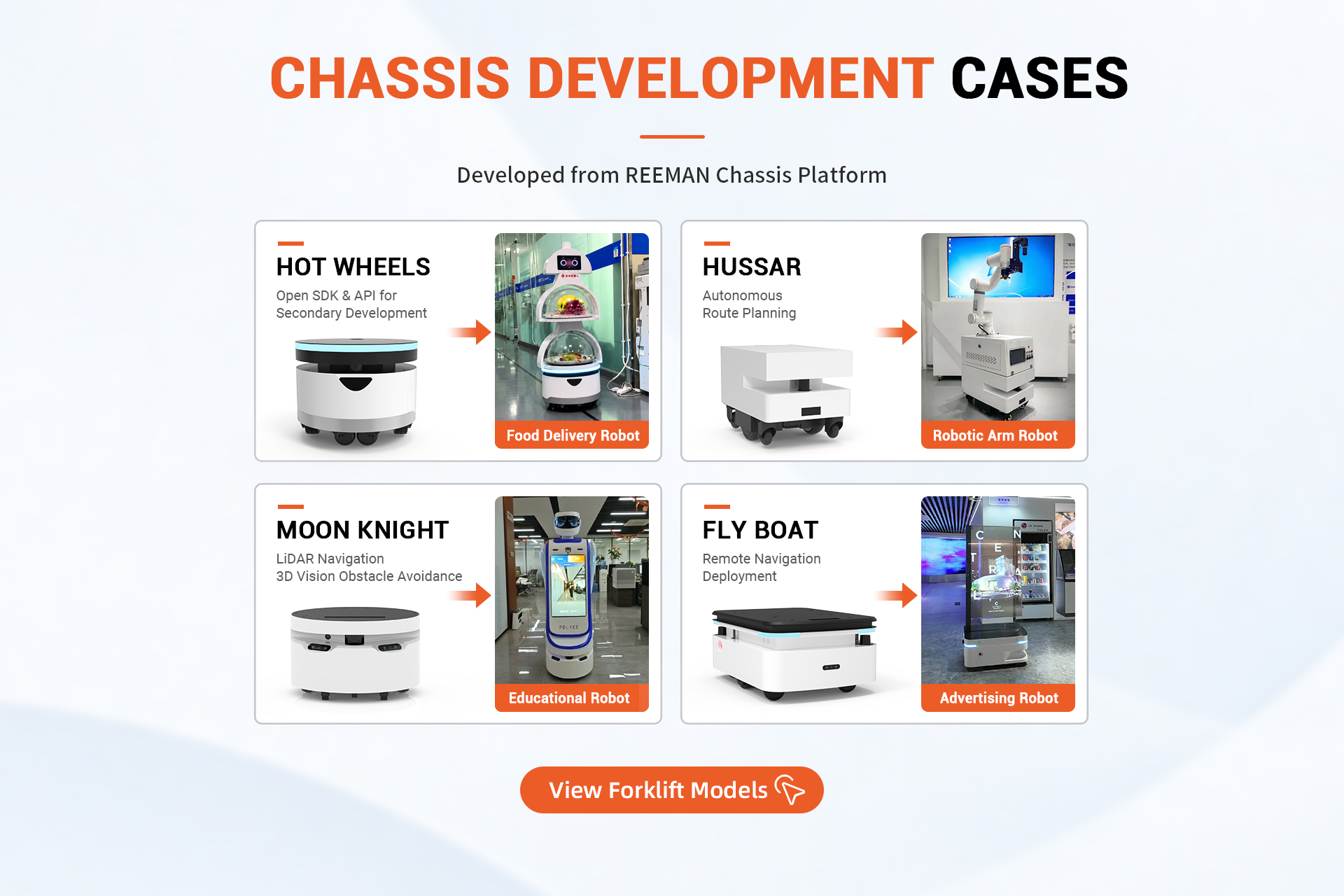
Foodservice groups with their own software team may prefer an open AMR chassis. Look for SDK access, payload structure drawings, electrical interfaces and engineering support for custom trays, cup holders or hot-food cabinets.
8 Robot Platforms to Benchmark During an HCMC Restaurant Robot Tender
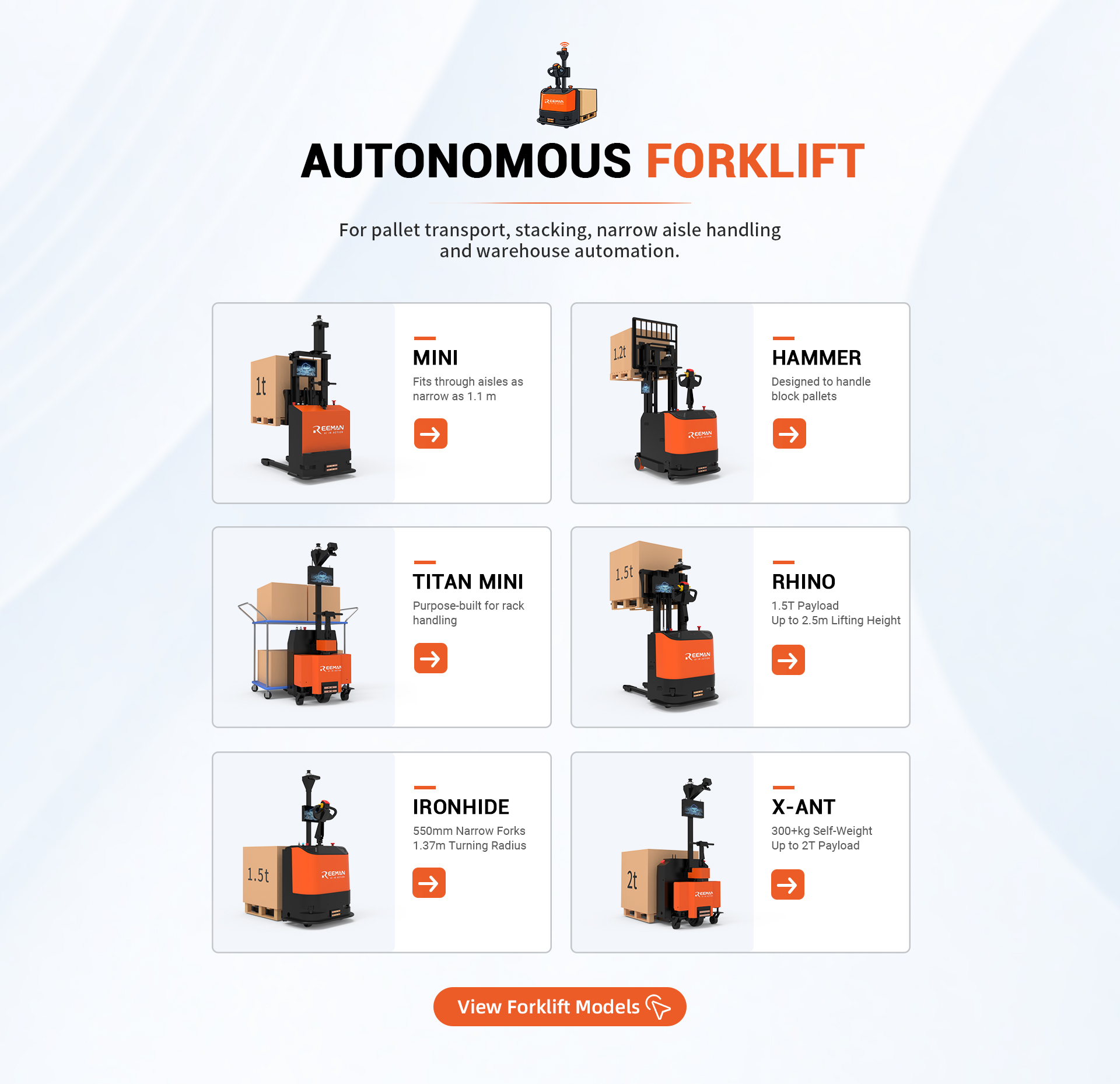
These eight platforms are not interchangeable front-of-house hosts. They are proven back-of-house and supply-chain systems for central kitchens, cold chain, equipment fabrication, narrow-aisle storage and dock-to-warehouse movement. If your project also needs a restaurant delivery robot for guest-facing service, request the complete catalog.
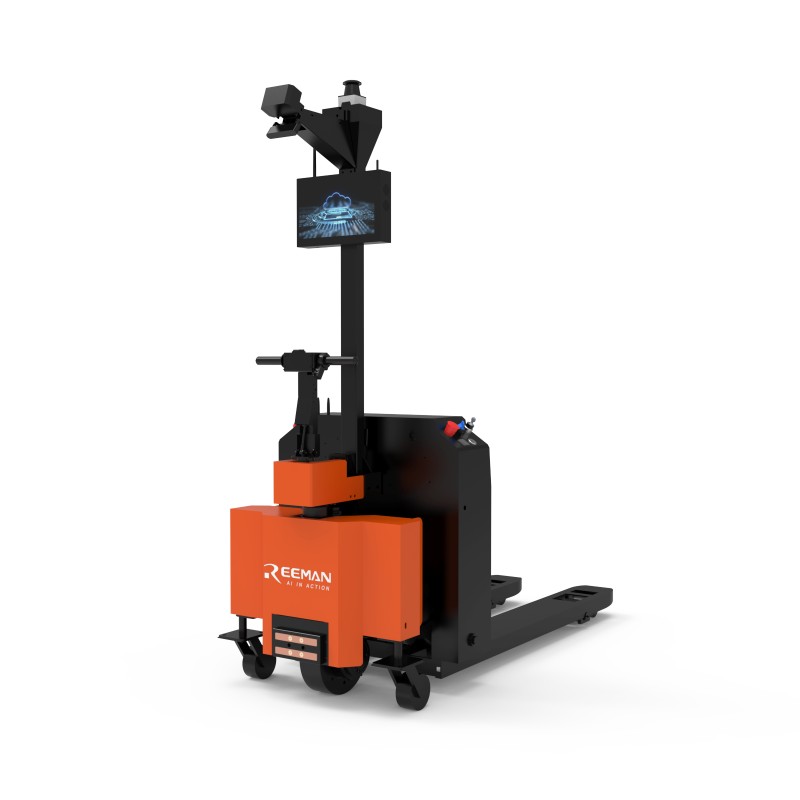
Reeman 2 Ton Autonomous Forklift AGV Laser SLAM Unmanned Pallet Truck 1085mm Fork 10mm Position Accuracy
Best for central kitchens receiving sauce, rice, packaging or frozen goods on pallets.
- 10 mm position accuracy
- 1,085 mm fork for standard pallets
- Laser SLAM without floor tape
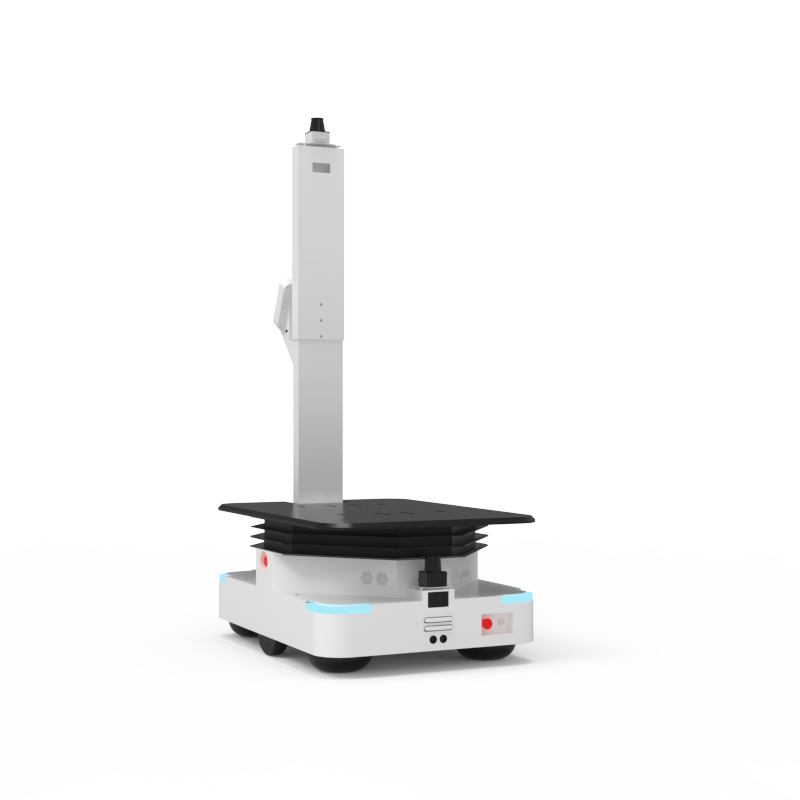
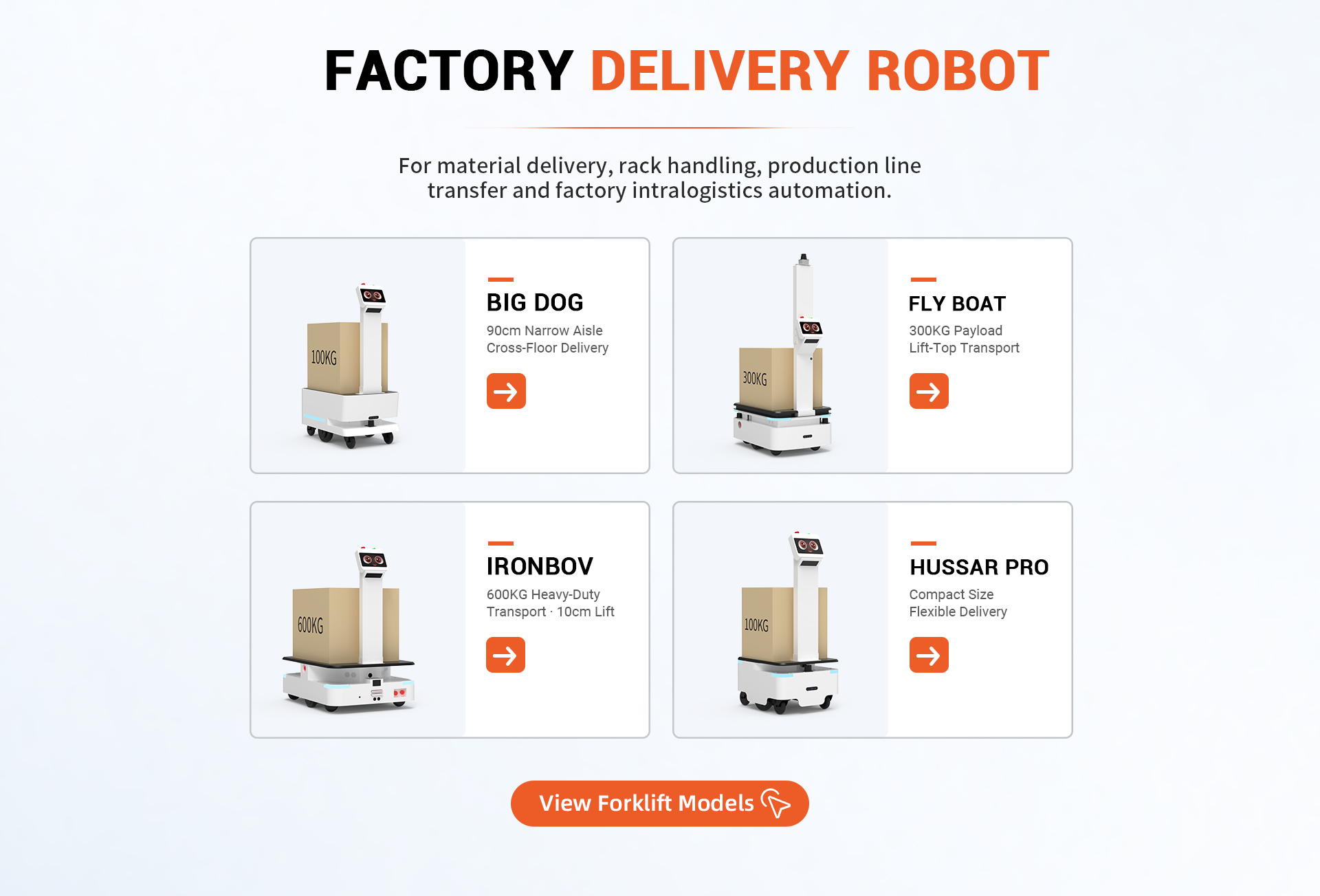
REEMAN Autonomous Mobile Robot AGV AMR 600kg Payload Sheet Metal Material Handling for Production Line
Useful for kitchen-equipment fabrication, metal trolleys and production-line feeding.
- 600 kg payload
- Production-line material handling
- Open integration potential
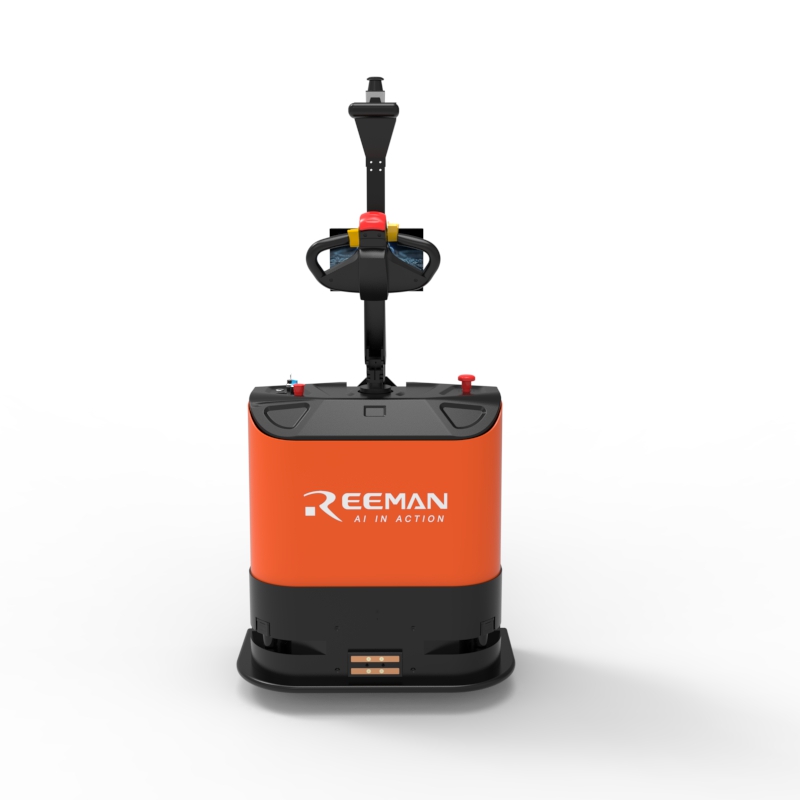
1500kg Laser SLAM Autonomous Forklift AGV Reflector-Free Point-to-Point Warehouse Material Handling
Reflector-free navigation is valuable in leased HCMC warehouses where floor drilling is restricted.
- Point-to-point movement
- Reflector-free mapping
- Warehouse material handling
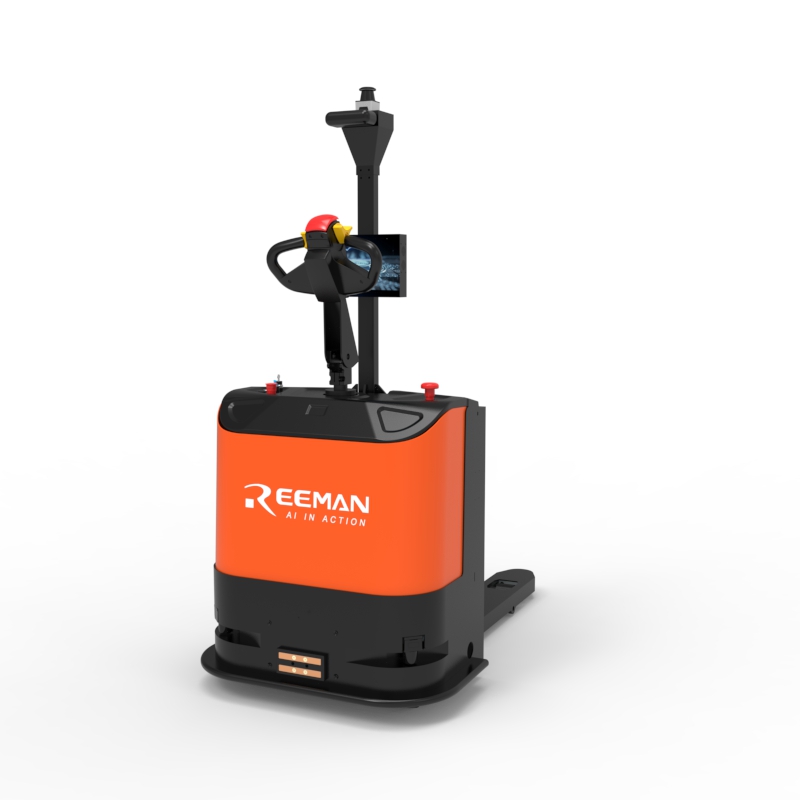
1500kg Laser SLAM AGV Forklift Single Line Lidar 30mm Navigation Accuracy 1019mm Forks 570mm Width Industrial Handling
Compact industrial handling for narrow aisles and repeated multi-stop routes.
- Single-line lidar
- 1,019 mm forks · 570 mm width
- 30 mm navigation accuracy

Reeman BBOT30F 1500kg Laser SLAM Autonomous Pallet Stacker AGV Single Line Lidar Obstacle Avoidance Warehouse Transport
Good for vertical storage where a central kitchen must stage stacks and replenish lines.
- 1,500 kg stacker platform
- Obstacle avoidance
- Warehouse transport
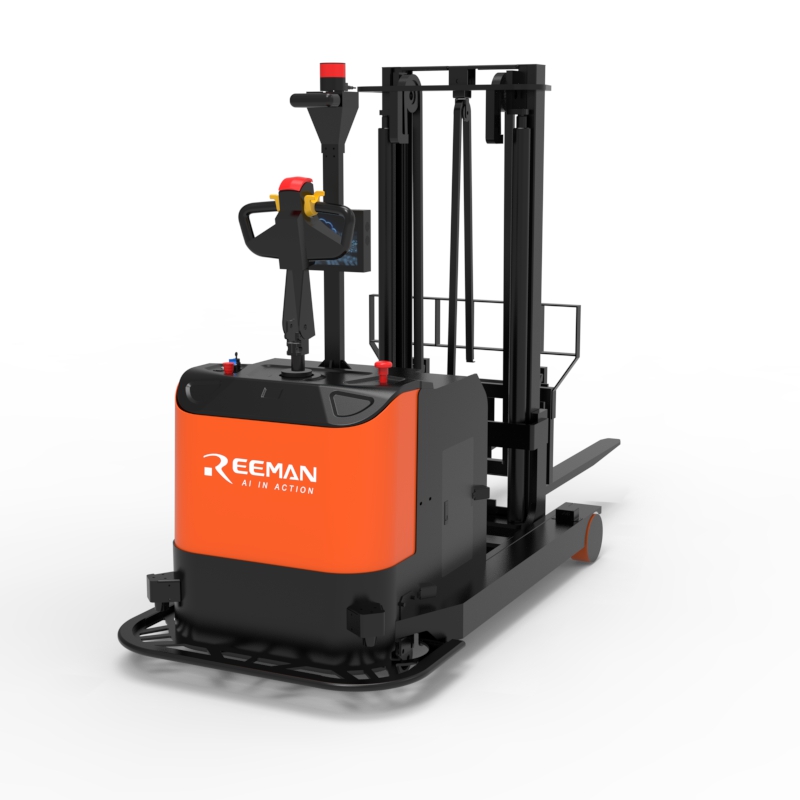
Reeman Autonomous Electric Stacker Forklift 1.2 Ton Li-Ion 48V 30Ah 2500mm Lift Laser Navigation 3m Aisle
A compact option for inner-city cold rooms with roughly three-metre aisles.
- 1.2-ton capacity
- 2,500 mm lift height
- 48 V 30 Ah lithium-ion
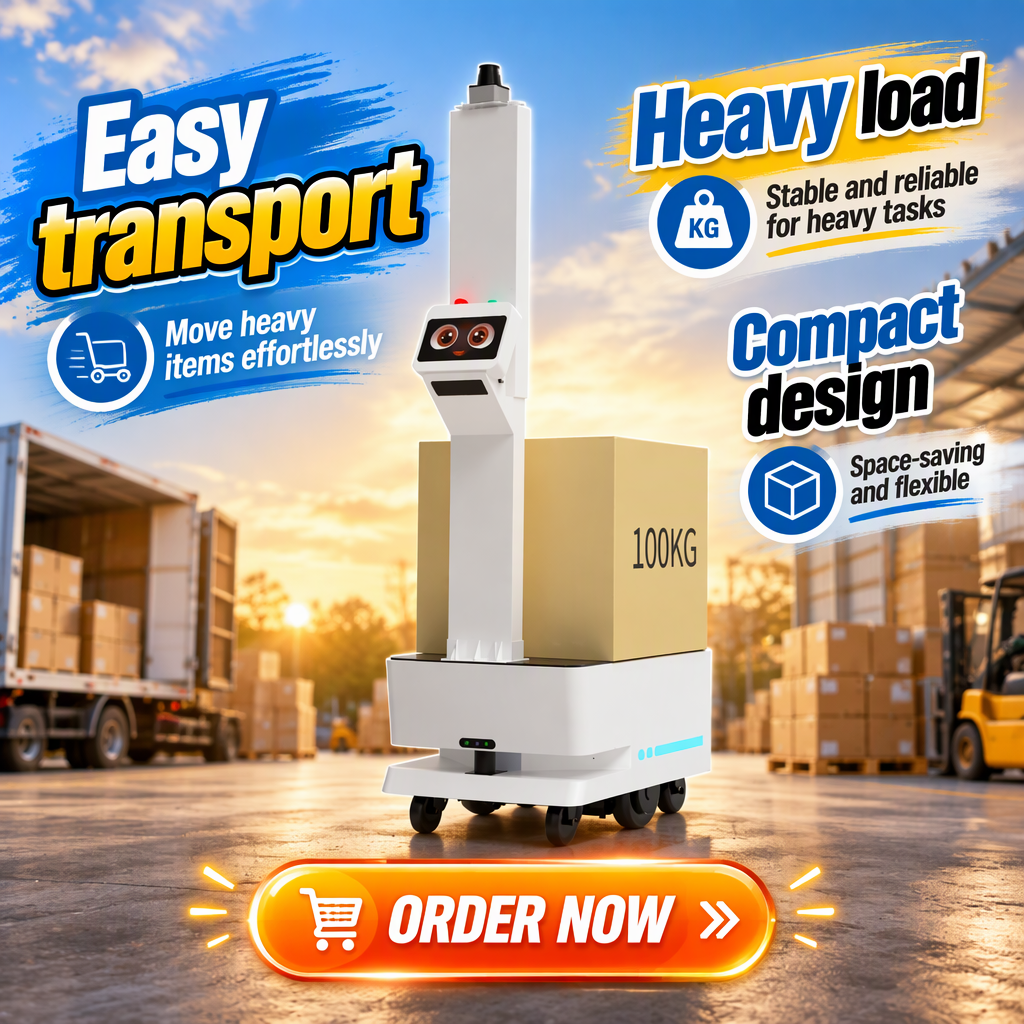
Reeman Autonomous Mobile Robot Slam Navigation PLC Core Components Warehouse Logistics
For integration with conveyors, doors, lifts and existing controls through PLC I/O mapping.
- PLC core components
- SLAM navigation
- Warehouse logistics workflow
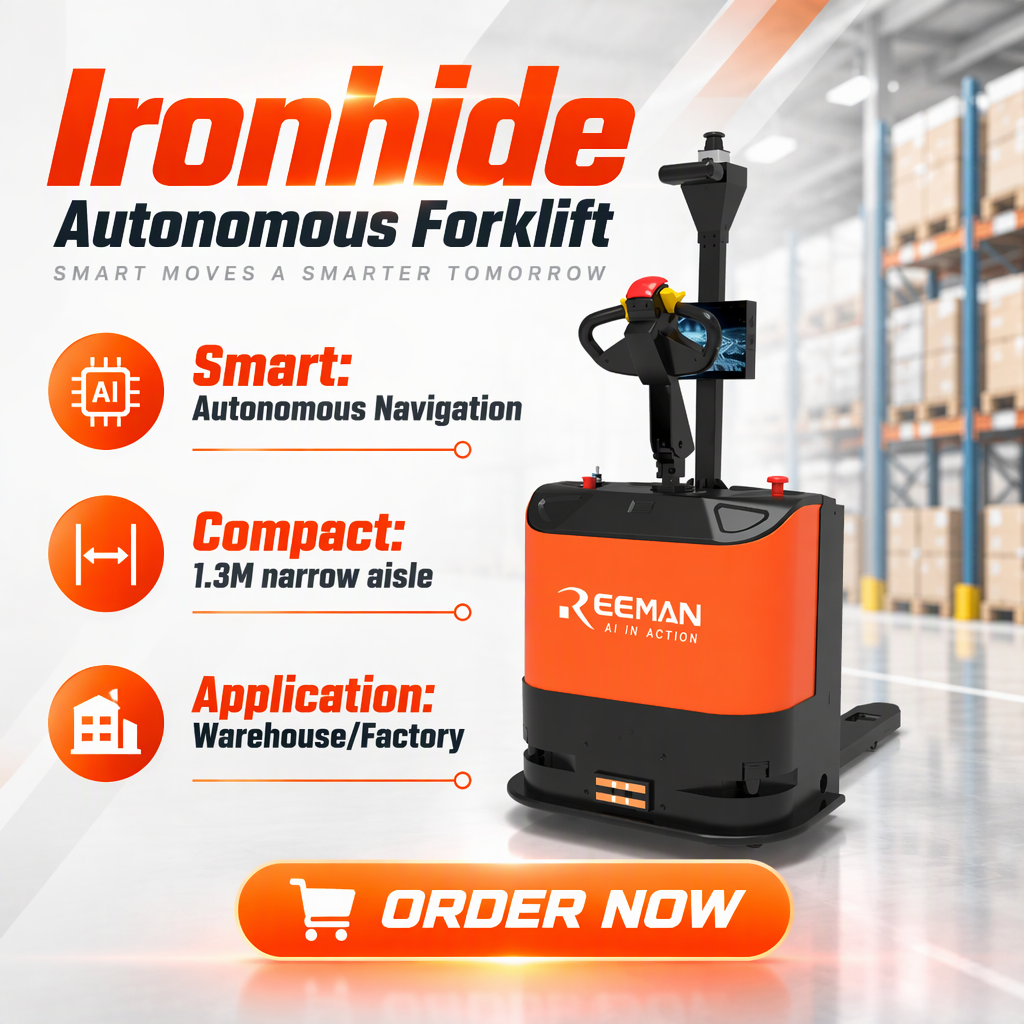
Reeman 1.5 Ton Autonomous Forklift AGV 3D Obstacle Avoidance Bidirectional Driving 48V 30AH Lithium-Ion Battery
Dock-to-warehouse transfer for HCMC food-supply operations with repeated routes.
- 3D obstacle avoidance
- Bidirectional driving
- 48 V 30 Ah lithium-ion
Where Restaurant Robots Actually Pay Back in Ho Chi Minh City
The right robot depends on the site. A shophouse in District 1, a cloud kitchen in Binh Thanh and a cold-chain warehouse near Cat Lai need different payloads, navigation modes and service plans.
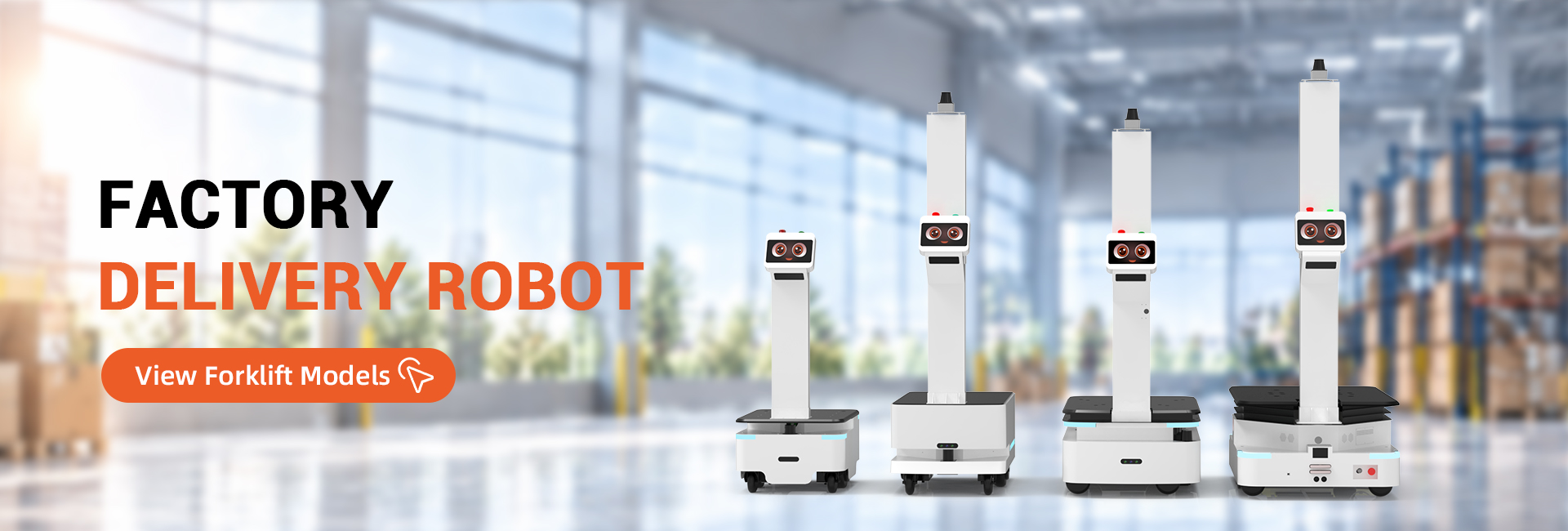
District 1 & District 3 Dining Rooms
Front-of-house delivery, bussing and multilingual greeting. The site survey must check ramp slope, aisle width, glass-door detection and guest safety during peak hours.
Thu Duc City Central Kitchens
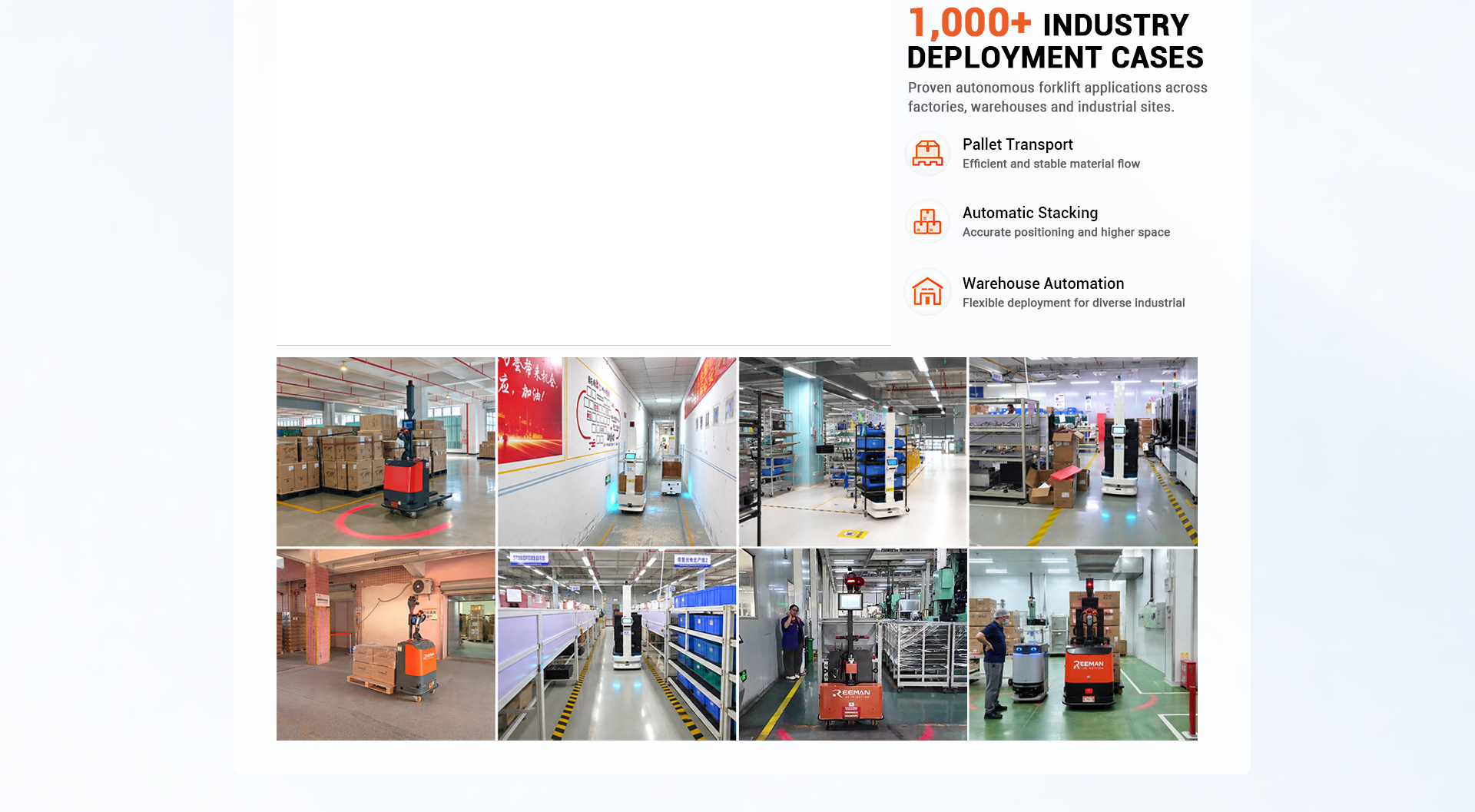
Pallet and tote movement between receiving, cold storage, preparation and dispatch. Autonomous forklifts reduce repeated pallet handling while operators focus on food safety and throughput.
Binh Thanh & Tan Binh Cloud Kitchens
A 600 kg AMR can move ingredient totes, packaging and equipment trolleys between compact production cells where a forklift cannot safely turn.
Saigon Hi-Tech Park Equipment Suppliers
Kitchen-equipment fabricators and food-service OEMs can use an open AMR chassis to build branded tray carriers, hot-food cabinets or custom delivery platforms.

Hotels, Malls & Hospitals
Delivery, guidance, cleaning and disinfection robots support 24/7 public areas. Mixed fleets should share lift control, scheduling and service reporting.
Retail & Food Halls
Mobile advertising and guidance robots can promote menus, collect queue data and guide guests in large food halls, exhibition centres and mixed-use complexes.
Six Local Trends Reshaping HCMC Restaurant Automation
Buyers should separate durable trends from exhibition hype. In HCMC, the strongest adoption signals come from labour economics, tourism recovery, food-delivery density and cold-chain investment.
Labour Cost & Turnover
High staff turnover makes simple, repeatable transport tasks attractive for automation. The business case is strongest when robots remove walking distance, not when they replace guest service.
Tourism & International Standards
Hotels and international restaurant chains increasingly expect hygiene records, multilingual service and consistent speed. Robots support these standards when they are integrated with staff workflows.
Food-Delivery App Density
Delivery-only brands and cloud kitchens need faster packing, handover and order staging. AMRs and conveyors can reduce congestion in compact pickup areas.
Cold-Chain & Food Safety
Central kitchens and food distributors are investing in temperature-controlled storage. Autonomous forklifts and stackers reduce unnecessary door openings and pallet touches.
48 V Lithium-Ion Platforms
Fast charging, opportunity charging and lower maintenance are becoming procurement requirements. Always ask for charger compatibility with Vietnam’s 220 V supply and site power quality.
Mixed Fleets & Open APIs
Restaurant groups rarely buy one robot. They combine delivery, cleaning, AMR and forklift platforms. Open SDK and API access reduces integration cost across the fleet.
A Transparent Weighting Model for HCMC Buyers
Use this illustrative scoring model during tender evaluation. Adjust the weights for your venue type, but keep safety, integration and service visible in the same scorecard.
Site Fit & Safety
30%Aisle width, floor flatness, lift dimensions, pedestrian traffic, emergency stops and risk assessment.
Integration & APIs
25%WMS, MES, POS, PLC, elevator, door control, task dispatch and exception reporting.
Service & Spare Parts
25%Local response time, battery warranty, critical stock, remote diagnostics and operator training.
Total Cost of Ownership
20%Purchase price, charging energy, consumables, downtime, spare parts and resale or expansion options.
Why Elvorn Is a Practical Export Partner for HCMC Restaurant & Logistics Buyers
The supplier profile matters as much as the machine. Elvorn combines in-house SLAM engineering, modular payload platforms, factory verification and export documentation for buyers who need a long-term automation partner.
Laser SLAM Navigation
Maps a site in hours and navigates without magnetic tape, QR codes or reflectors. This matters in leased HCMC facilities where floor modification is restricted.
Open SDK & API
AMRs and robot chassis support secondary development, allowing task dispatch and status feedback from WMS, MES, ERP, POS or custom software.
Modular Payload Platforms
From 60 kg delivery robots to 2-ton autonomous forklifts on a shared control architecture, simplifying fleet training, spare-part planning and maintenance.
Own Production Capacity
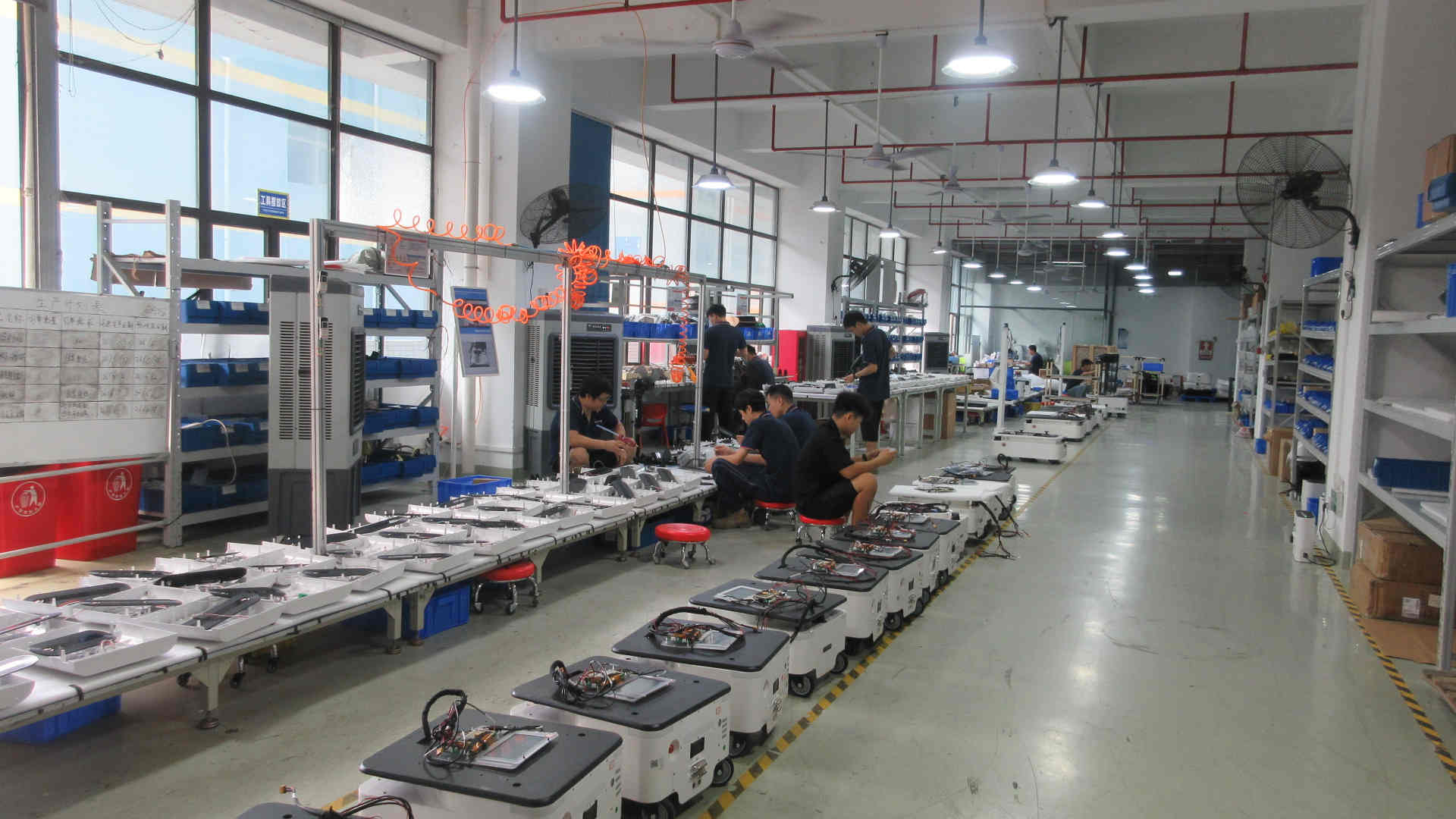
Two production bases in Shenzhen and Ningbo, with supplier assessment and on-site material inspection procedures. Factory data has been verified onsite by SGS Group.
Multi-Layer Safety
Lidar, obstacle sensors, emergency stops and speed zoning help protect pedestrians, staff, forklifts and racking in mixed-traffic environments.
Export-Ready Support
English documentation, remote commissioning and spare-part supply for buyers across Southeast Asia, North America, Western Europe and the Middle East.
Factory Verification, Certifications and Export Readiness
Certifications should be checked at model level. A supplier may hold ISO management-system certificates while a specific robot configuration requires a separate CE, FCC or PSE document and a charger declaration for the destination market.



Common Local Procurement Questions
These are the questions that separate a realistic deployment from a demo that never reaches daily operation.
What is the practical difference between a restaurant delivery robot, an AMR and an AGV forklift?
Can a delivery robot work in a narrow HCMC shophouse or older building?
What electrical and charging setup should we prepare in Vietnam?
Which certificates should an HCMC buyer request before importing?
How do we integrate a robot with a POS, WMS, MES or elevator?
What does after-sales support look like for an imported robot?
How should we calculate ROI for a restaurant delivery robot in HCMC?
What lead time and shipping terms should we expect from an exporter?
Request the HCMC Restaurant Robotics Catalog
Send your floor plan, daily covers or pallet volume, lift dimensions, voltage, aisle width and target throughput. The right supplier should respond with a model comparison, site-survey checklist and export timeline—not just a price list.
For front-of-house delivery robots, back-of-house AMRs, autonomous forklifts, robot chassis, cleaning robots and OEM projects.