8 Indoor Mobile Robot Configurations for Memphis Warehouses and Factories
Memphis procurement teams do not need another catalogue; they need a defensible shortlist. These eight configurations cover indoor pallet movement, heavy in-plant transfer, line-side replenishment, public-facing digital engagement, and service automation. Each card keeps the original product URL so engineering and sourcing teams can trace the specification back to the source page.
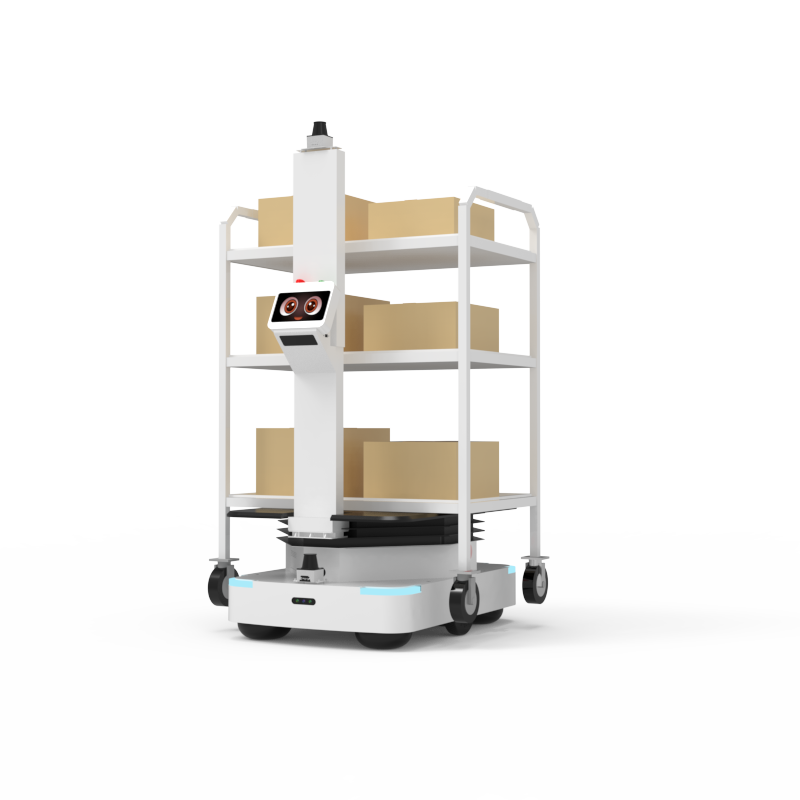
600KG Industrial Heavy Load AMR Robot Laser SLAM Auto Lifting Mobile Platform for in Plant Material Handling
A practical choice for Memphis 3PLs and manufacturers moving heavy fixtures, dies, or palletized components between indoor cells. The auto-lifting platform reduces conveyor handoff, while laser SLAM avoids floor tape so lanes can be reconfigured during peak season.
- 600 kg heavy-load indoor transfer
- Auto-lifting platform for in-plant flow
- No tape, QR codes, or reflectors
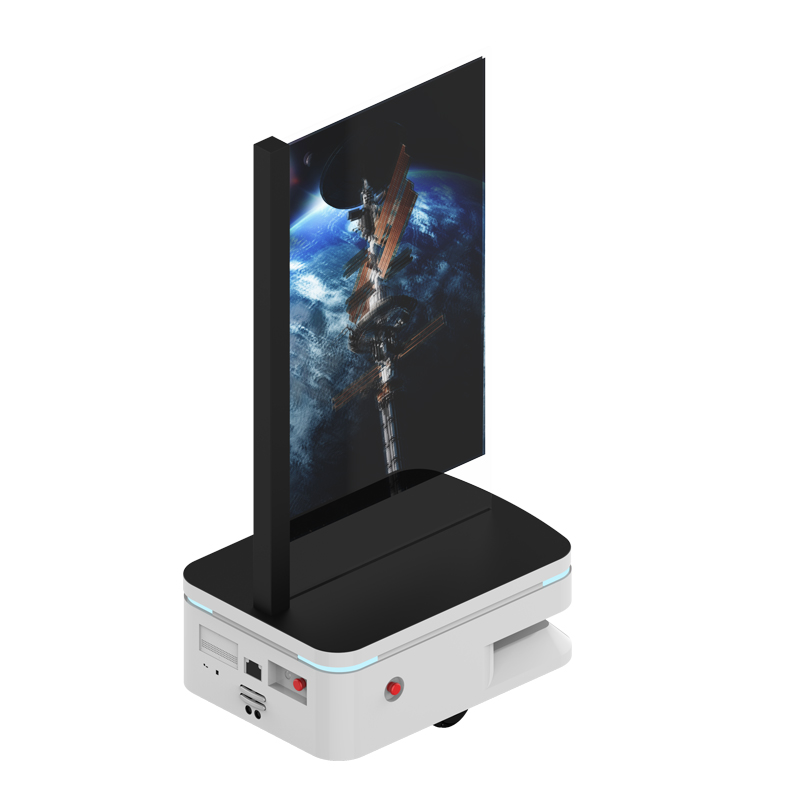
75 Inch Indoor LED Digital Poster Touch Screen Display SDK OEM ODM Black Signage for Retail Store Elevator Airport
For Memphis retail, hotel lobbies, airport concessions, and exhibition spaces, the 75-inch touch display creates an interactive information layer. OEM and ODM options allow brands to adapt content, housing, and software presentation before deployment.
- Interactive 75-inch indoor signage
- SDK / OEM / ODM presentation options
- Retail, elevator, airport, venue use
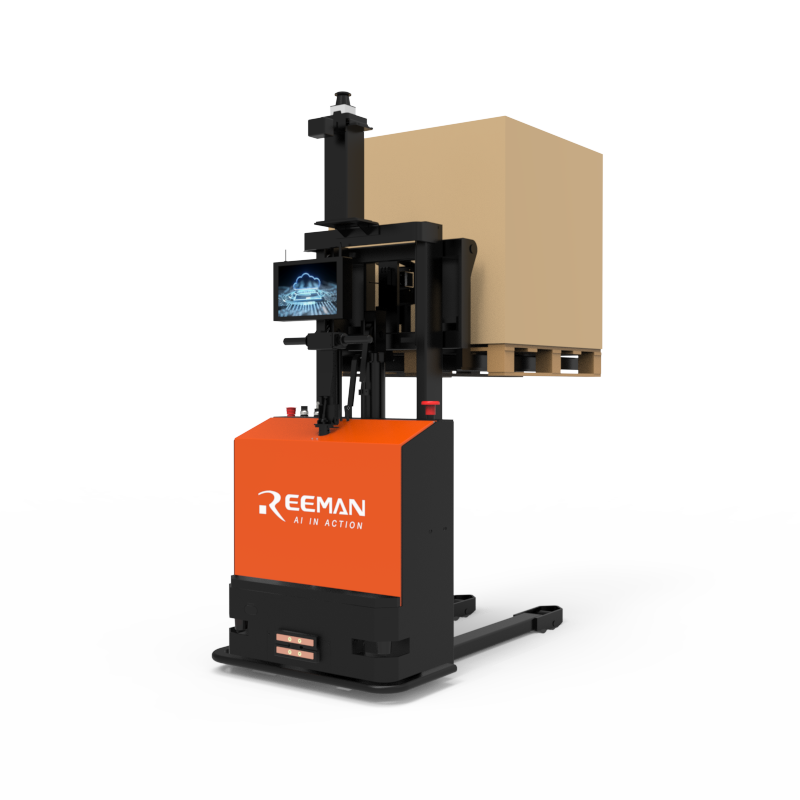
1000 kg Laser SLAM Forklift AGV Unmanned Pallet Stacker Single Line Lidar Obstacle Avoidance Factory Logistics
A strong fit for indoor pallet stacking, low-rack storage, and repetitive floor-to-rack movement in Memphis factories. Single-line lidar obstacle avoidance supports stable route execution where pallet quality and traffic patterns are controlled.
- 1,000 kg rated pallet handling
- Laser SLAM unmanned stacker logic
- Factory logistics and low-rack storage

Dual Laser AMR 300KG AGV Lifting Mobile Robot with Slam LiDAR Navigation for Manufacturing Plants
A compact platform for manufacturing plants and distribution support areas where carts, totes, and light shelves must move through mixed traffic. Dual laser SLAM improves perception in dynamic aisles and supports open SDK integration with WMS or MES tasks.
- 300 kg lifting AMR for plant logistics
- Dual laser SLAM navigation
- Open SDK for task dispatch
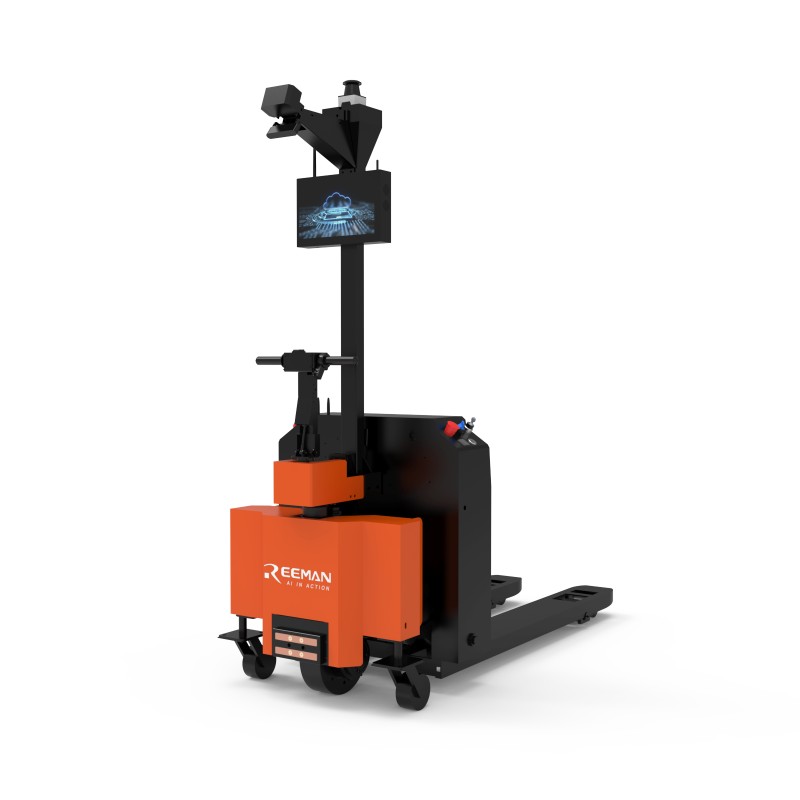
Reeman 2 Ton Autonomous Forklift AGV Laser SLAM Unmanned Pallet Truck 1085mm Fork 10mm Position Accuracy
A 2,000 kg class configuration with 1,085 mm fork and 10 mm position accuracy. For Memphis warehouses, it suits dock-to-rack transfer, replenishment, and repeated pallet moves where consistent placement matters to downstream operations.
- 2,000 kg autonomous forklift class
- 1,085 mm fork and 10 mm accuracy
- Laser SLAM pallet truck workflow
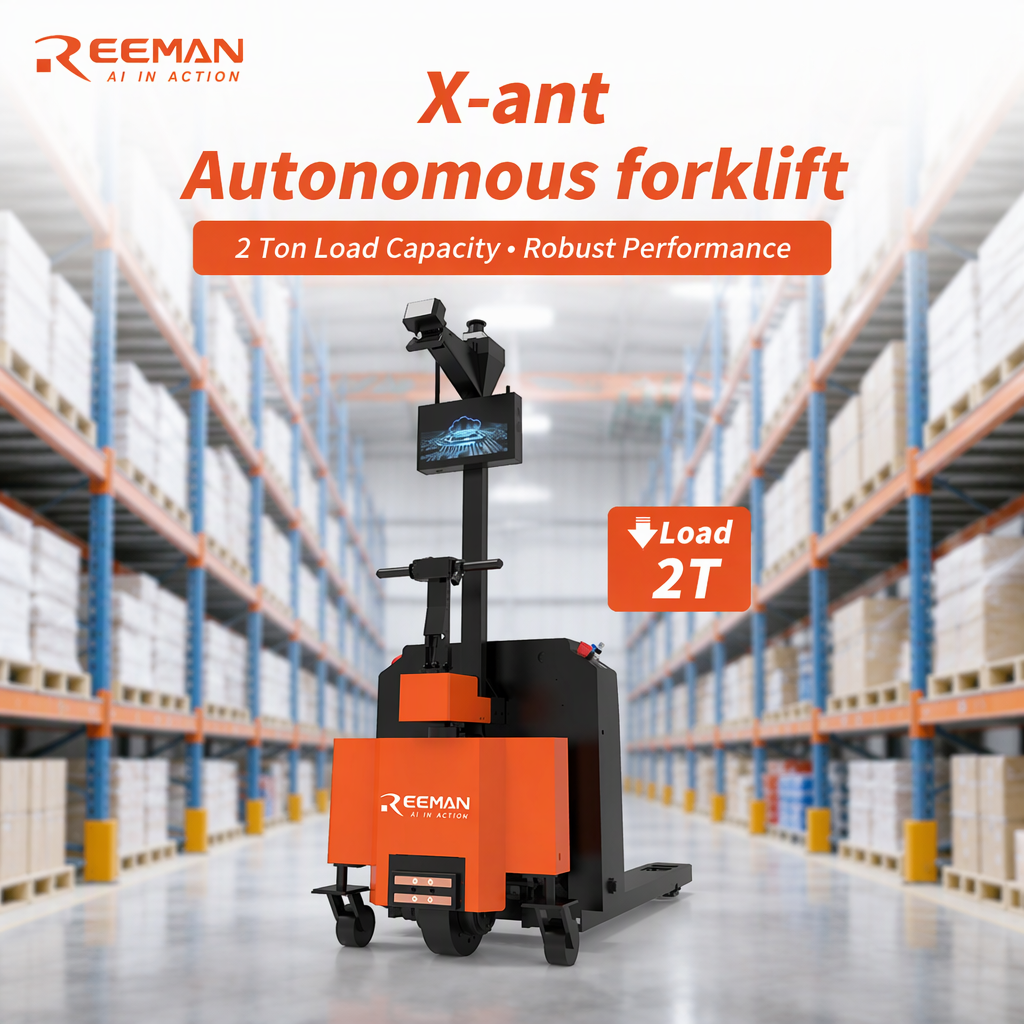
2 Ton Autonomous 4WD AGV Forklift Laser SLAM Navigation Multi-Line LiDAR 10mm Position Accuracy Warehouse Handling
Designed for more demanding indoor warehouse handling, this 2-ton 4WD configuration uses multi-line LiDAR and 10 mm positioning accuracy. It is relevant for Memphis operations that need stable pallet engagement across long shifts and varied dock conditions.
- 2,000 kg handling capacity
- 4WD AGV forklift architecture
- Multi-line LiDAR and 10 mm accuracy
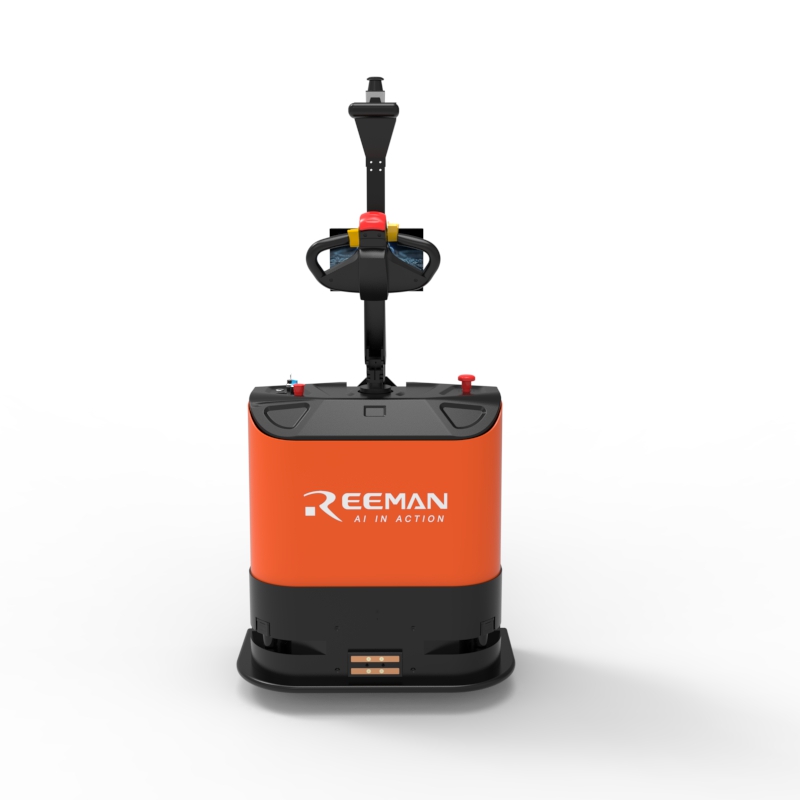
1500kg Laser SLAM Autonomous Forklift AGV Reflector-Free Point-to-Point Warehouse Material Handling
A 1,500 kg reflector-free configuration for point-to-point warehouse material handling. It helps Memphis buyers avoid reflector installation and floor modification when layouts change, making it suitable for leased facilities and evolving 3PL contracts.
- 1,500 kg autonomous pallet handling
- Reflector-free laser SLAM navigation
- Point-to-point warehouse transfer

2 Ton Autonomous 4WD AGV Forklift Laser SLAM Navigation Multi-Line LiDAR 10mm Position Accuracy 6-8H Warehouse Handling
A 6–8 hour shift-oriented configuration for multi-shift warehouse handling. Its value in Memphis is not only payload but repeatability: stable laser SLAM routes, high position accuracy, and a charging plan that keeps peak-volume pallet flow moving without adding driver coverage.
- 2,000 kg 4WD AGV forklift
- 6–8 hour warehouse handling window
- Multi-line LiDAR positioning
Need a Memphis-specific shortlist, load study, or custom OEM configuration?
Inquire NowFactory data verified onsite by independent inspector SGS Group; ISO 9001 and ISO 14001 management systems; selected models CE, FCC, or PSE marked.
Memphis Is a Distribution City Before It Is a Robot Market
Memphis sits at the intersection of major freight flows. The FedEx Express global hub, the Mississippi River corridor, and interstate access through I-40, I-55, and I-22 create a dense network of warehouses, cross-docks, 3PL operations, cold-chain facilities, and advanced manufacturing suppliers. For an indoor mobile robot supplier, that means the buying question is rarely just “Can the robot navigate?” The stronger question is: Can it keep navigating through seasonal peaks, mixed pallet quality, contractor traffic, WMS cutovers, and real labor turnover?
This buyer guide is structured as a mini white paper for Memphis procurement and engineering teams. It separates product recommendations from deployment evidence, then connects both to local application scenarios. The goal is information gain: a clearer way to compare autonomous forklifts, industrial AMRs, lifting platforms, and indoor service robots before an RFQ is issued.
Elvorn’s engineering approach starts with site evidence, not a generic demo. Before recommending a fleet, application engineers review aisle width, rack height, pallet condition, floor flatness, charging location, fire-door logic, WiFi coverage, dock interfaces, pedestrian zones, and the task schema inside the WMS, MES, or ERP. That is how a pilot becomes a repeatable deployment instead of a one-off showcase.
- Laser SLAM with no magnetic tape
- Open SDK and API integration
- OEM, ODM, and buyer-label support
- SGS-verified source factory



Where Indoor Mobile Robots Fit in the Memphis Operating Environment
The same robot can succeed in one facility and fail in another because of pallet quality, aisle discipline, traffic rules, or software integration. These six scenarios map the most common Memphis buying intents to practical robot configurations.
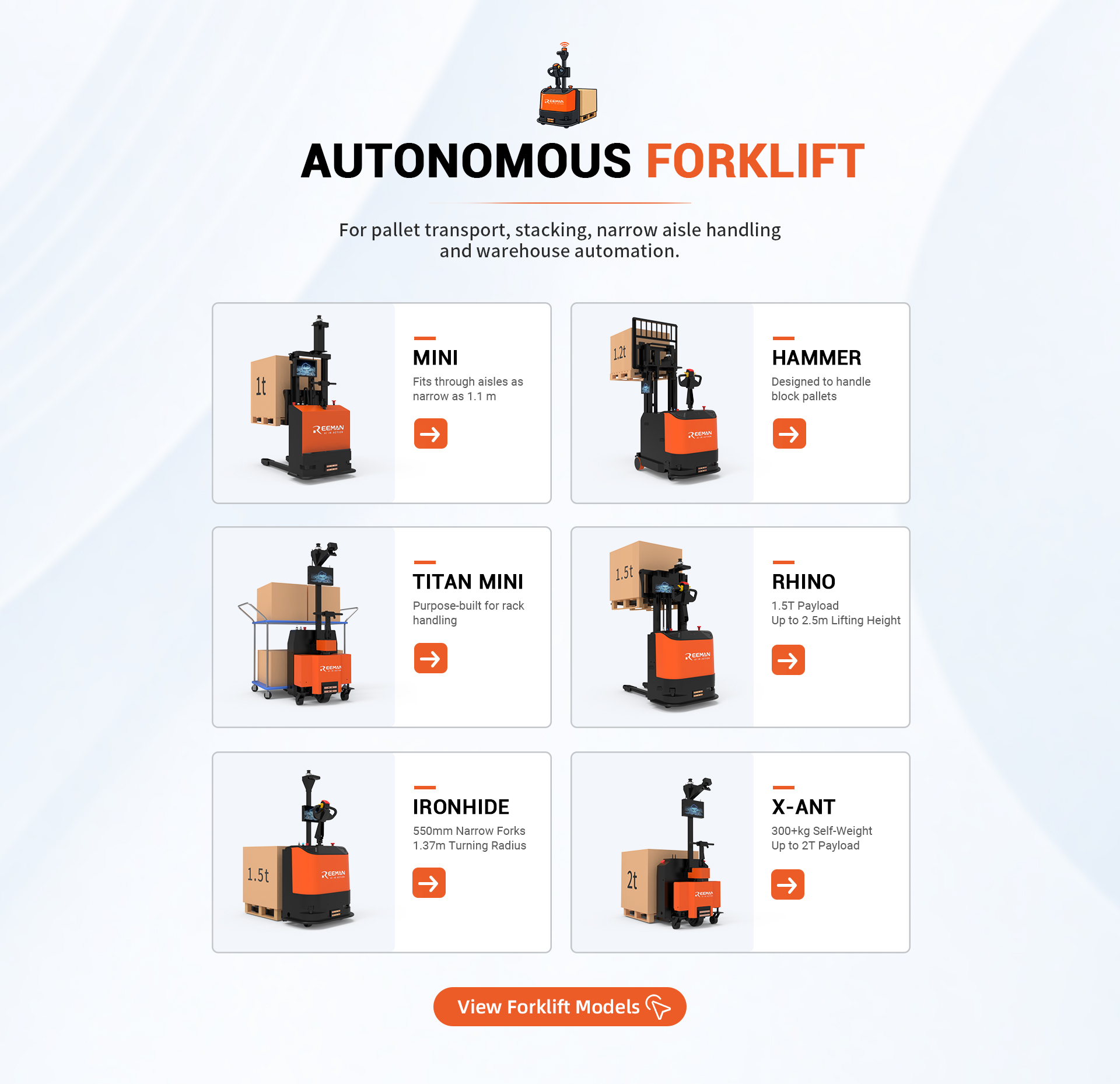
Pallet Flow Under Peak Pressure
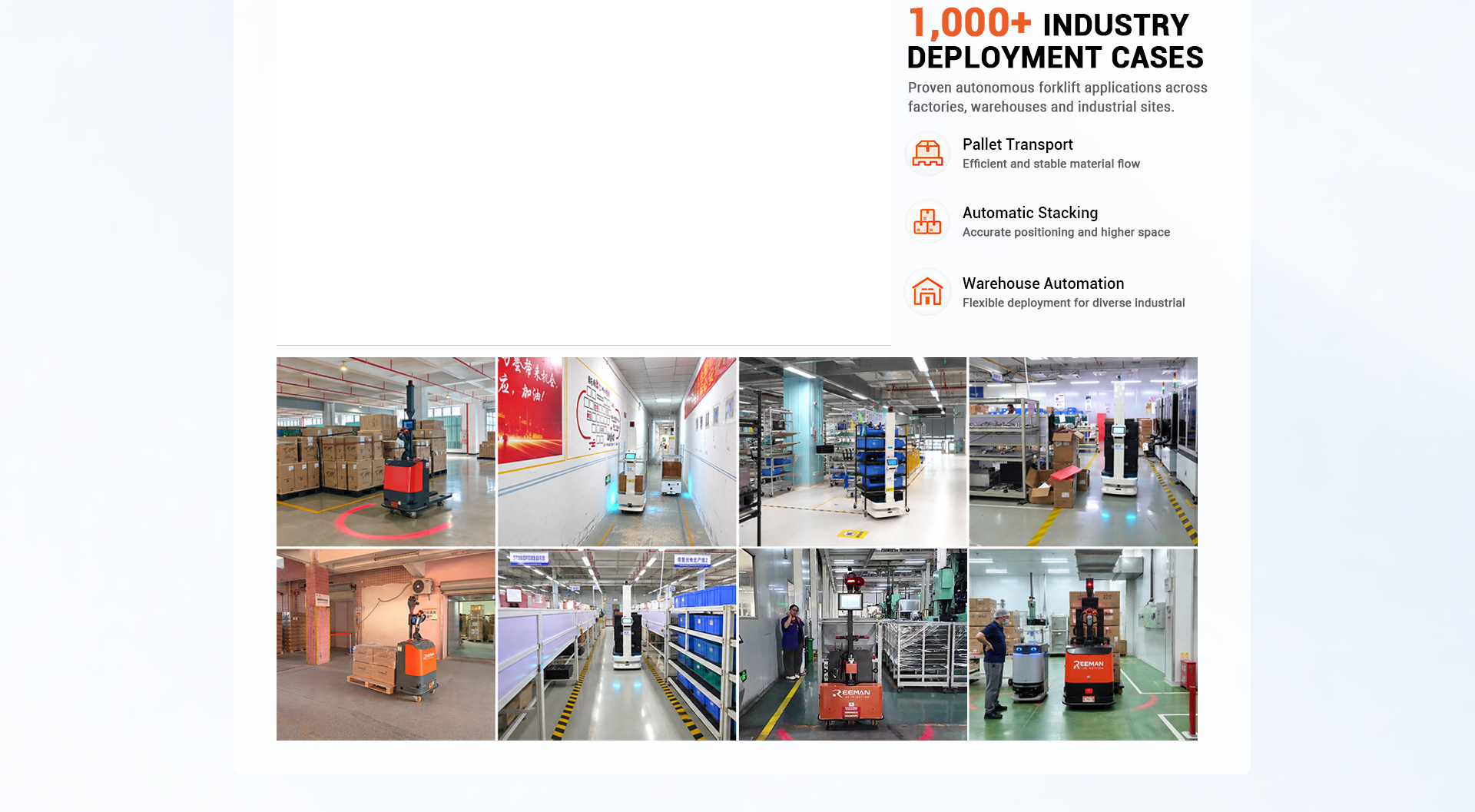
Memphis 3PLs often face mixed pallet heights, fast dock turns, and seasonal labor swings. Autonomous forklifts and lifting AMRs reduce empty travel and shift variability, while fleet software assigns tasks by zone, priority, and charging state.
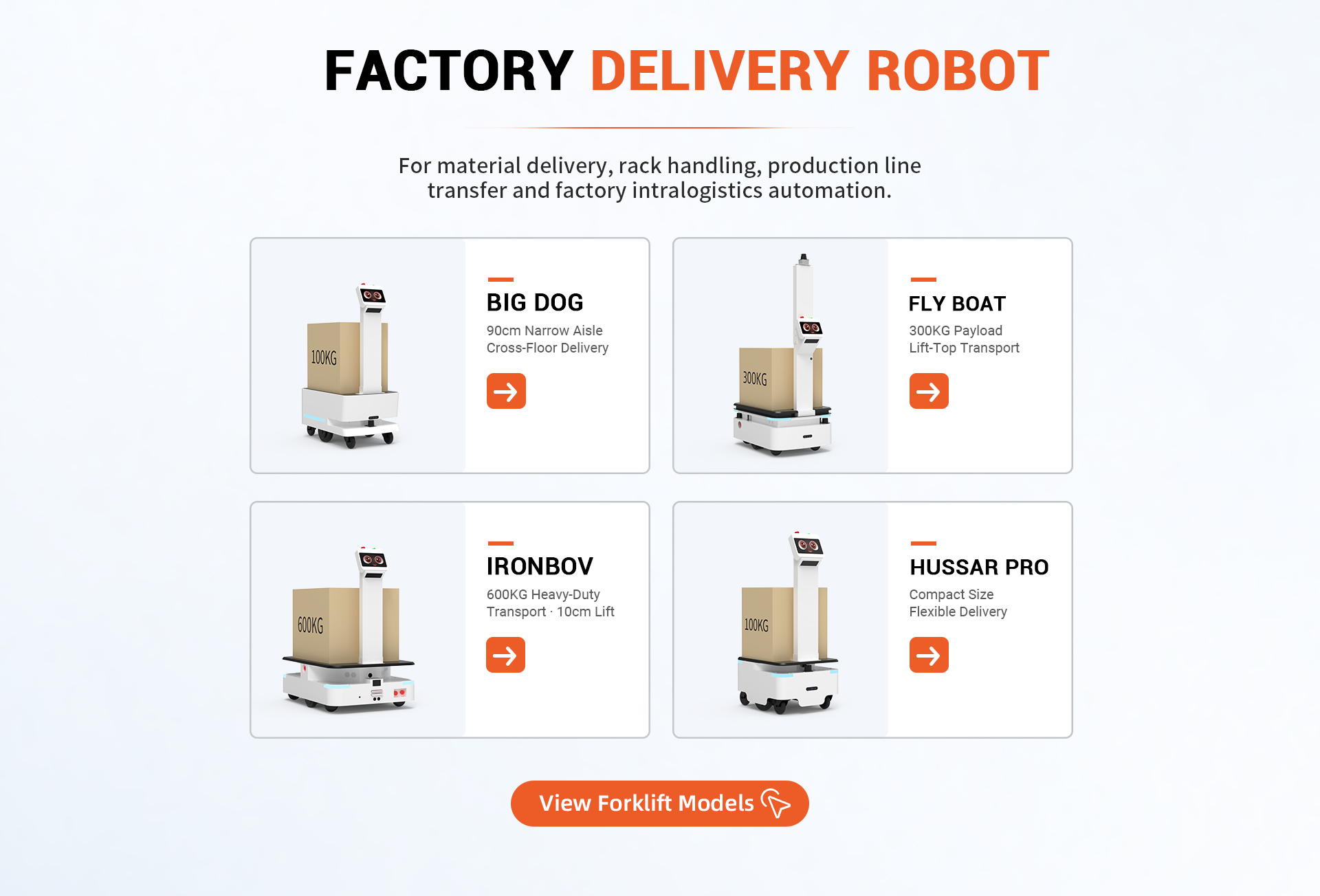
Line-Side Replenishment and WIP
For automotive suppliers, appliance manufacturers, and advanced manufacturing plants, AMRs feed workstations and collect finished goods. The key is not only payload but the handshake between robot, MES task, and operator confirmation at the line.
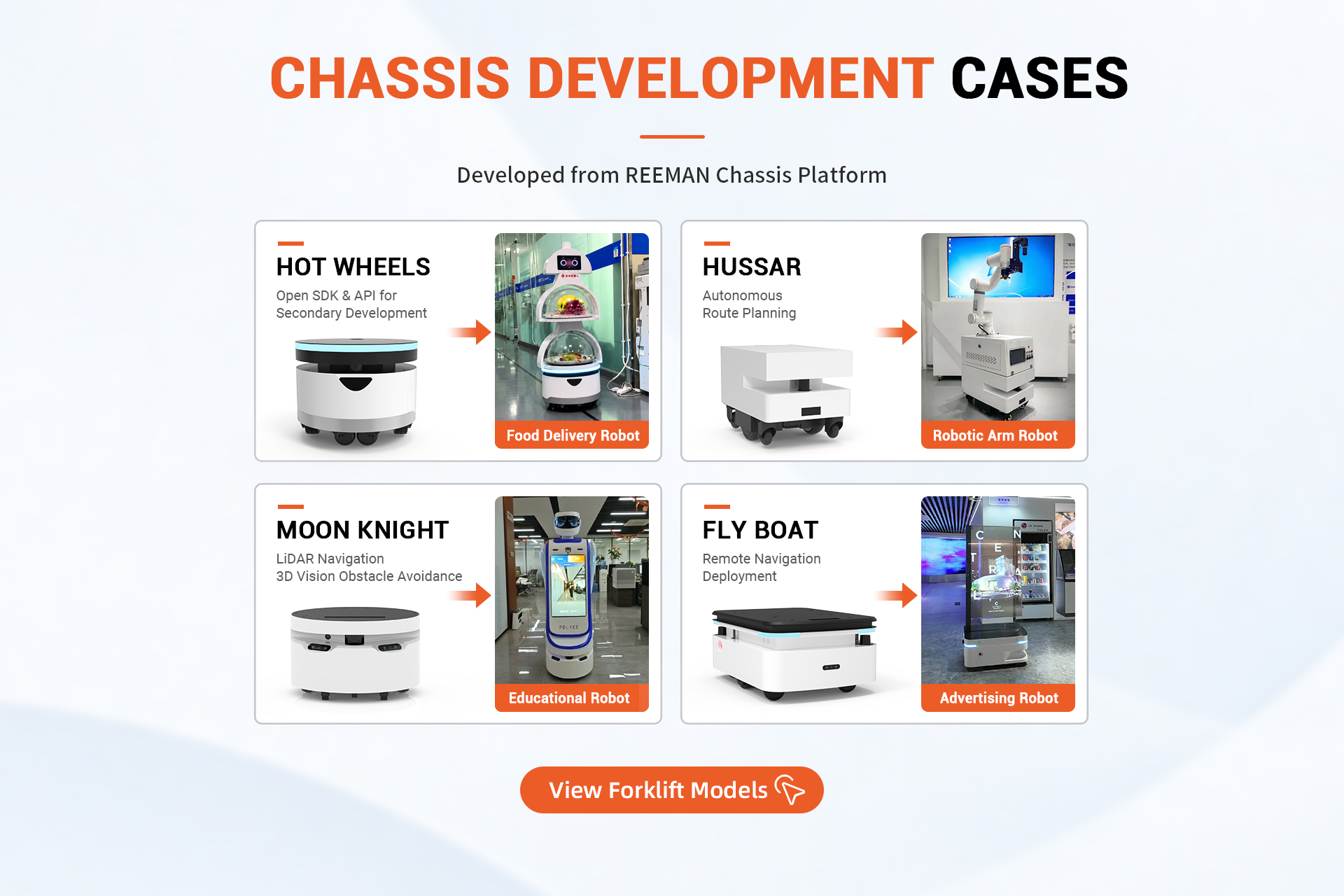
Custom Robot Development
Local integrators can use SLAM robot chassis with open SDK to launch branded robots faster. This is useful when a Memphis customer needs a specific top module, data interface, or service model that cannot be met by a standard catalogue unit.
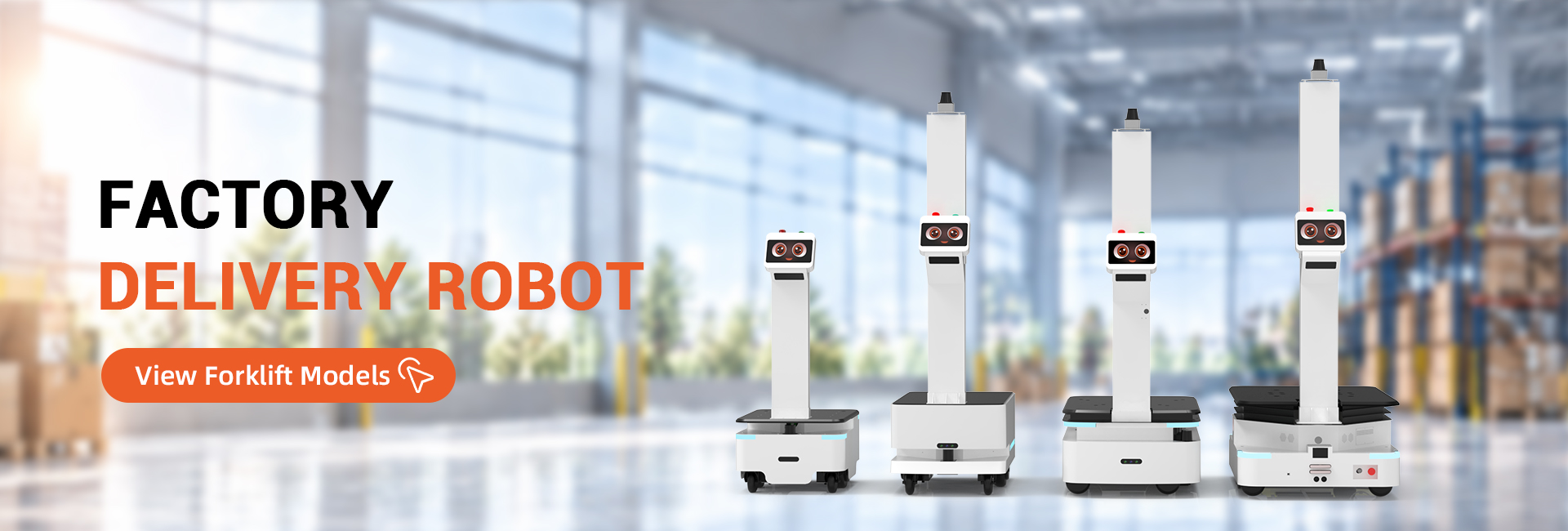
Service and Room Delivery
Hotels, restaurants, hospitals, and large venues can use indoor service robots to reduce walking time and repetitive delivery. Before deployment, define lift access, door control, sanitation routines, and employee escalation paths for exceptions.

Cleaning and Disinfection
Malls, airports, hospitals, and offices need repeatable floor care without interrupting public circulation. Mapping routes and operating windows are as important as brush width or tank size; cleaning robots should complement, not block, existing service teams.
Interactive Signage and Guidance
The 75-inch touch display and mobile advertising robots support product promotion, wayfinding, and guest engagement. Memphis retailers and venue operators should define content ownership, network security, and cleaning protocols before go-live.
Six Trends Shaping Indoor Robot Procurement in Memphis and the Mid-South
Memphis buyers are moving from single-robot trials to operational programs. The winning supplier is not necessarily the one with the loudest demo; it is the one that shortens the path from pilot to repeatable deployment.
1. Labor Volatility Becomes a Capacity Variable
Turnover and absenteeism make throughput planning harder. Robots add a predictable capacity layer for repetitive pallet moves, while associates move to exception handling, quality checks, and customer-facing tasks.
2. Peak Elasticity Drives Hybrid Automation
Fixed conveyors and AS/RS remain valuable, but Memphis 3PLs need elasticity for peak volume and changing customer contracts. Hybrid fleets of autonomous forklifts, AMRs, and manual forklifts are becoming the practical compromise.
3. Safety Documentation Becomes Part of the RFQ
Procurement teams increasingly ask for risk assessment, speed-zone logic, emergency-stop behavior, pedestrian detection fields, training records, and incident escalation. A robot that cannot support a safety file becomes a liability, not a productivity tool.
4. WMS / MES Integration Moves to the Center
Buyers want task dispatch, status feedback, battery state, error codes, and audit trails inside existing software. Open API and SDK support reduce integration cost and make fleet data useful for continuous improvement.
5. Opportunity Charging and Energy Planning
Multi-shift sites need charging strategy, not just battery capacity. Placement of charging stations, shift-change routines, battery diagnostics, and peak-demand control can influence total cost of ownership as much as the robot price.
6. OEM and Localized Support Matter More
Distributors and integrators need a manufacturer that can support buyer-label programs, custom top modules, packaging, documentation, spare parts, and remote commissioning. Localization is not only language; it is service architecture.
Match the Robot to Your Load, Navigation, and Memphis Workflow
This comparison is not a substitute for an engineering review, but it helps sourcing teams frame the first technical conversation with internal stakeholders.
| Memphis Use Case | Recommended Configuration | Why It Fits | First Data to Send |
|---|---|---|---|
| Dock-to-rack pallet transfer | 2 Ton Autonomous Forklift AGV or 1,500 kg Reflector-Free AGV | 10 mm positioning accuracy and laser SLAM support repeated pallet engagement without floor tape. | Pallet photos, rack heights, aisle width, throughput per hour. |
| Heavy in-plant fixture movement | 600 kg Heavy Load Lifting AMR | Auto-lifting platform reduces manual handoff and conveyor dependency. | Load dimensions, lift height, floor condition, safety zones. |
| Narrow-aisle cart and tote flow | Dual Laser 300 kg AMR | Compact footprint and dual-laser perception for mixed traffic. | Cart type, turning radius, WiFi map, operator handshake points. |
| Multi-shift warehouse handling | 2 Ton 4WD AGV Forklift 6–8H | 4WD architecture and shift-oriented operation support repeatable pallet cycles. | Shift pattern, charging location, peak windows, battery policy. |
| Pallet stacking and low-rack storage | 1,000 kg Laser SLAM Pallet Stacker | Stacker logic and lidar obstacle avoidance fit controlled factory logistics. | Stack height, pallet quality, rack layout, floor markings. |
| Retail, airport, and venue engagement | 75 Inch Touch Digital Poster | Interactive signage supports promotion, wayfinding, and guest information. | Content plan, network access, installation point, power and data. |
Why Elvorn Is a Credible China Source Factory for Memphis Buyers
Founded in 2015, Shenzhen Elvorn Intelligent Equipment Co., Ltd. is a national high-tech enterprise focused on robotic platform technology and autonomous driving. The company designs, builds, and supports autonomous forklifts, industrial AMRs, robot chassis, delivery robots, cleaning robots, and disinfection robots for buyers in North America, Western Europe, Eastern Asia, Southeast Asia, and the Middle East.
Laser SLAM Navigation Expertise
Elvorn maps sites in hours and navigates without magnetic tape, QR codes, or reflectors. This reduces floor work and makes layout changes easier for leased Memphis warehouses and evolving 3PL contracts.
Open SDK and API Integration
AMRs and robot chassis provide open SDK and API support for secondary development, enabling task dispatch and status feedback from WMS, MES, ERP, or custom software systems.
Modular Payload Platforms
From 60 kg delivery robots to 2-ton autonomous forklifts, Elvorn uses shared control architecture and modular top modules, simplifying fleet training, spare-part planning, and maintenance.
Multi-Layer Safety Design
Lidar, obstacle sensors, emergency stops, speed zoning, and traffic rules help keep robots safe around pedestrians, forklifts, racking, and dock doors. Safety remains a site-specific engineering responsibility.
Own Production Capacity
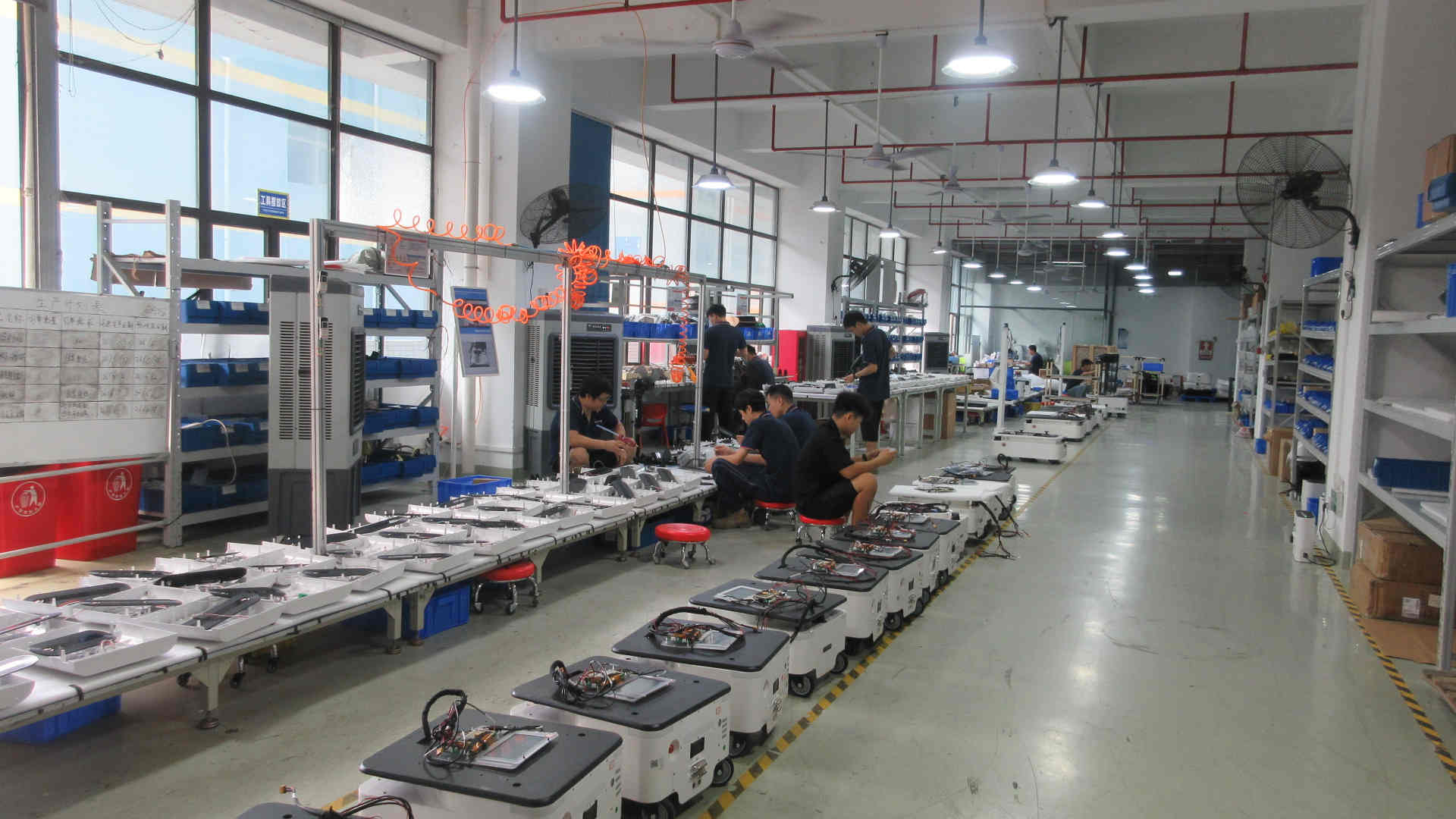
Two production bases in Shenzhen and Ningbo support on-site material inspection and supplier assessment. The factory has been verified onsite by SGS Group, and management systems are certified to ISO 9001 and ISO 14001.
Export-Ready OEM / ODM Support
Elvorn offers OEM service, design service, and buyer-label options, including custom top modules, payload structures, branding, and packaging. English documentation, remote commissioning, and spare-part supply support overseas buyers.
Factory Proof, Certifications, and Deployment Process
Under E-E-A-T principles, claims should be inspectable. Elvorn provides factory verification, management-system certifications, product certification options, patent history, and a documented project workflow so Memphis buyers can complete due diligence before committing capital.
 Factory Workshop
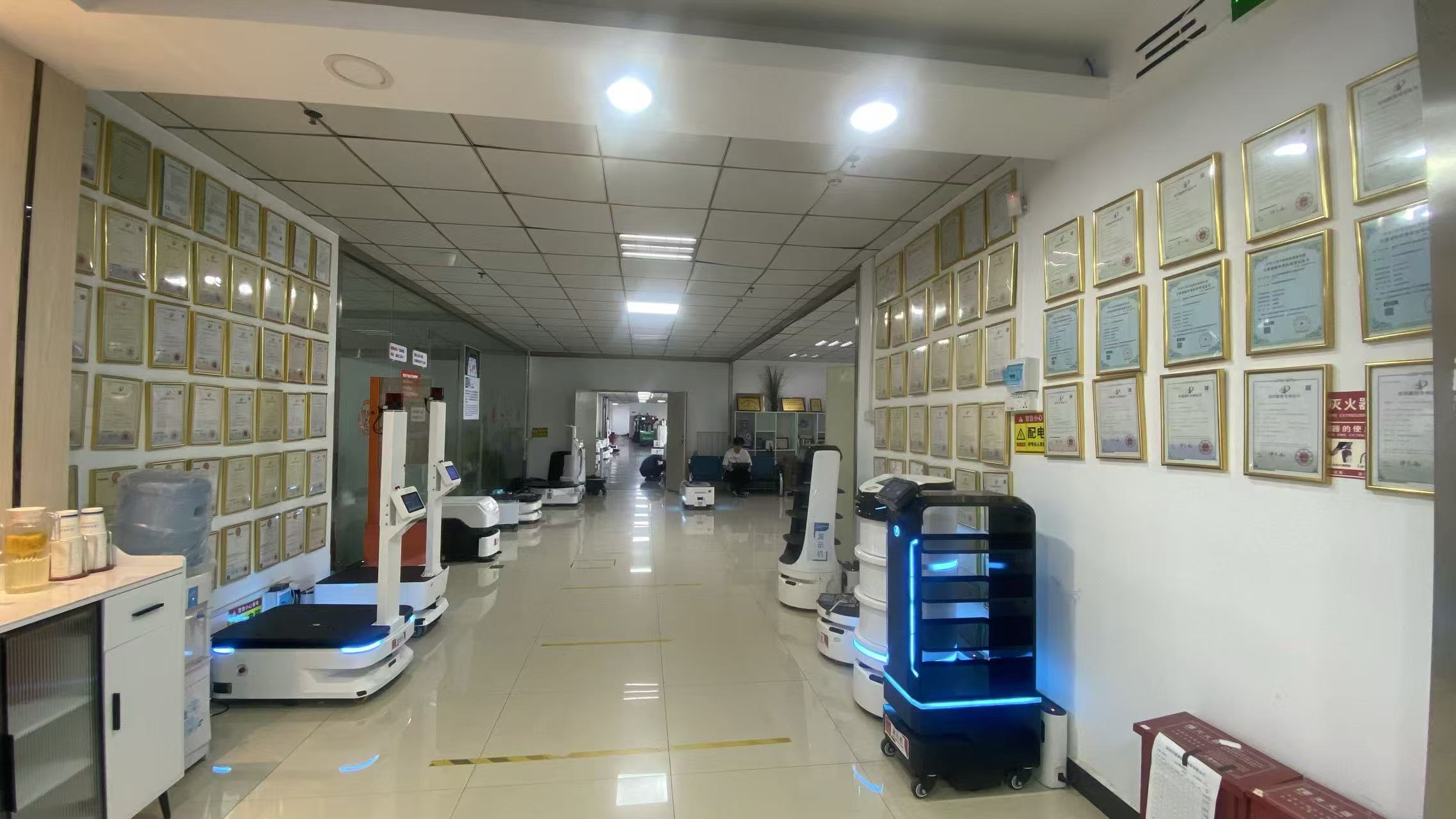 Assembly Line
 Quality Inspection
 R&D Laboratory
 Onsite VerifiedSGS Group
 Model DependentCE Marking
 Model DependentFCC
 Model DependentPSE
Requirement Review
Share layout drawings, load data, pallet type, shift pattern, and target throughput. Confirm whether the project is a pilot, a line-side deployment, or a fleet rollout.
Solution Design
Engineers recommend models, fleet size, charging plan, safety zones, and integration scope. The output should include assumptions so finance and operations can review the business case.
Simulation and Mapping
Site maps, traffic rules, and task routes are prepared before shipment where possible. Early mapping reduces commissioning time and exposes layout conflicts before the robot arrives.
Customization and Build
OEM branding, top modules, software interfaces, and packaging are built to specification. Change control should be documented for warranty and spare-part planning.
Factory Acceptance Testing
Function and load tests are completed before shipment, with test records available. Buyers should define acceptance criteria such as route completion, lift height, and error recovery.
Shipment, Commissioning, and Training
FOB shipment, remote commissioning, operator training, and long-term spare-part supply are planned together. A named support path matters more than a generic promise of service.
Common Questions from Local Buyers and Integrators
These answers combine Elvorn’s published company capabilities with practical due-diligence questions that Memphis buyers should ask before issuing a purchase order.
What is the difference between an AGV forklift and an AMR?
An autonomous forklift lifts and moves pallets between floor, dock, and rack positions. An AMR is a mobile platform that carries totes, carts, or shelves. Both Elvorn lines use laser SLAM navigation, so magnetic tape and floor reflectors are not required. Many Memphis projects combine both: forklifts for pallets, AMRs for line-side or cart flow.
Can Elvorn robots integrate with our WMS, MES, or ERP?
Yes. Elvorn AMRs and robot chassis provide open SDK and API support for secondary development. Task dispatch, status feedback, error codes, and battery state can be connected to warehouse management, manufacturing execution, or custom software. Define data ownership and failure handling before the pilot.
Does Elvorn offer OEM and ODM customization?
Yes. As a verified custom manufacturer, Elvorn offers OEM service, design service, and buyer-label options. Customization can include top modules, payload structures, branding, packaging, and software interfaces. This is useful for Memphis integrators building a local robot brand or a specialized application.
Which certifications should a Memphis buyer verify?
Depending on the model, Elvorn robots carry CE, FCC, or PSE marks. The management system is certified to ISO 9001 and ISO 14001, and the factory has been verified onsite by SGS Group. U.S. deployment still requires local safety review; discuss ANSI/ITSDF B56.5, OSHA obligations, NFPA, UL, insurance, and site risk assessment with your integrator.
What trade terms does Elvorn accept for export orders?
Elvorn ships worldwide on FOB terms and accepts T/T payment in USD or CNY. Main export markets include North America, Western Europe, Eastern Asia, Southeast Asia, and the Middle East. Memphis buyers should separately plan freight, insurance, customs clearance, unloading, and commissioning logistics.
What should we include in the first Memphis RFQ?
Send layout CAD or drawings, aisle width, rack height, pallet types and photos, load weight, throughput per hour, shift pattern, WiFi coverage, floor condition, dock doors, charging location, WMS or ERP details, pedestrian zones, and target go-live date. The more site evidence you provide, the faster the model shortlist becomes defensible.
How should we evaluate safety around people and forklifts?
Request a site-specific risk assessment, speed-zone plan, detection-field logic, emergency-stop behavior, pedestrian crossing rules, blind-corner controls, operator training, and incident escalation process. Test the robot in the actual traffic pattern, not only in a clear demo lane. Safety is a joint responsibility of supplier, integrator, and facility operator.
How are spare parts, training, and remote support handled?
Elvorn supports English documentation, remote commissioning, operator training, and spare-part supply. For Memphis projects, define warranty terms, critical spare parts, response-time expectations, firmware update policy, and whether a local integrator will provide first-line service. A clear service model protects uptime after the pilot phase.
Request a Memphis-Specific Robot Shortlist
Send your layout, load data, pallet photos, shift pattern, and target throughput. Elvorn application engineers will recommend a practical indoor robot configuration, outline integration questions, and identify the next data needed for a reliable quotation.
Email: info@elvornbot.com · FOB · T/T · USD / CNY · OEM / ODM available