Top China Scrubber Dryer Robot Manufacturers & Suppliers in Austin
A 2025 buyer’s guide for Austin warehouse, manufacturing, retail, healthcare and hospitality teams comparing autonomous scrubber dryer robots, LiDAR SLAM floor-care platforms, factory verification and real local deployment costs.
- SGS-Verified Factory
- ISO 9001 / ISO 14001
- CE / FCC / PSE Models
- OEM / ODM / Buyer Label
Why Austin Buyers Compare China Scrubber Dryer Robot Manufacturers
Austin, Texas is no longer only a technology and events market. It is a fast-expanding hub for e-commerce fulfilment, advanced manufacturing, medical facilities, grocery and retail, higher education, hospitality and large public venues. Each of those environments has hard floors that require daily cleaning, documented route coverage and predictable labour planning. That is why searches for China scrubber dryer robot manufacturers and suppliers in Austin now come from facility directors, cleaning contractors, integrators and procurement teams who want autonomous floor scrubbers without overpaying for a closed local package.
An autonomous scrubber dryer robot combines a scrub deck, squeegee and recovery tank with LiDAR SLAM navigation, obstacle avoidance, route scheduling and a charging dock. For a warehouse near SH-130, a manufacturing plant in Round Rock, a retail site near the Domain or a clinic in Central Austin, the robot’s value is not simply “no driver.” The real value is repeatable coverage: the same aisle sequence, the same water and detergent control, the same dwell times and the same digital report every shift.
Information gain for Austin procurement teams: compare price only after you compare floor type, aisle width, charger voltage, squeegee and brush consumables, remote diagnostics, spare-part lead time and who will perform acceptance testing in Travis County. A lower FOB quotation can become the most expensive option if the battery charger does not match the site, if the local integrator has no commission checklist or if replacement blades and squeegees are sourced one unit at a time.
Shenzhen Elvorn Intelligent Equipment Co., Ltd. is a China-based manufacturer, not an Austin storefront. That distinction matters. We build autonomous robots in Shenzhen and Ningbo, support OEM/ODM projects, and work with overseas buyers on integration documentation. For Austin projects, the practical model is to combine factory engineering from China with a local installation or service partner selected during project planning.
Austin Buyer Snapshot: What Makes a Floor-Care Robot “Ready”
The strongest RFQs do not start with a robot brand. They start with floor data. Before shortlisting any China scrubber dryer robot supplier, confirm these five points.
- Floor conditions: sealed concrete, epoxy, VCT, tile, polished concrete, food-safe washdown areas and mixed transitions.
- Traffic reality: forklifts, pallet jacks, shoppers, patients, students, event crowds and overnight security routes.
- Electrical fit: 120V accessories and 208–240V facility charging options, charger plug type, circuit capacity and docking space.
- Consumables: brush life, squeegee replacement interval, solution/recovery tank volume and detergent compatibility.
- Service map: remote diagnostics, spare-part list, commissioning time, operator training and local response coverage.
8 Autonomous Products from Elvorn’s Verified China Factory
The eight catalogue items below are part of Elvorn’s autonomous robot portfolio and are frequently evaluated alongside scrubber dryer and floor-cleaning automation projects. Product URLs are preserved from the original catalogue. For a scrubber dryer-specific model, use the quote request and share your floor plan, tank capacity preference, aisle width and shift pattern.
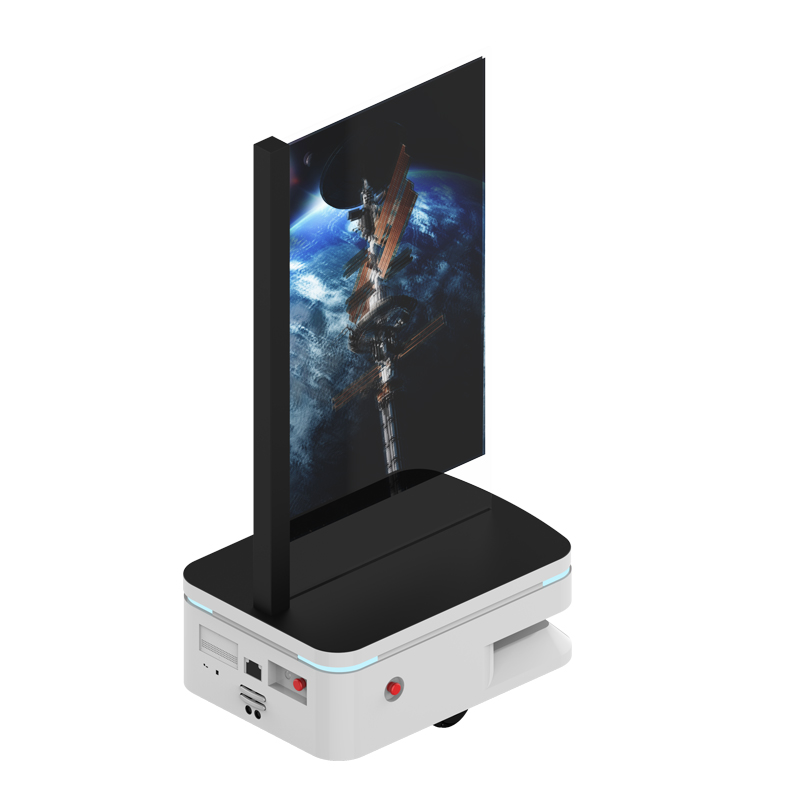
75 Inch Indoor LED Digital Poster Touch Screen Display SDK OEM ODM Black Signage for Retail Store Elevator Airport

REEMAN X-ant JBOT20F 2 Ton Autonomous Forklift AGV Laser SLAM Pallet Handling Robot for Warehouse Logistics

Dual Laser AMR 300KG AGV Lifting Mobile Robot with Slam LiDAR Navigation for Manufacturing Plants
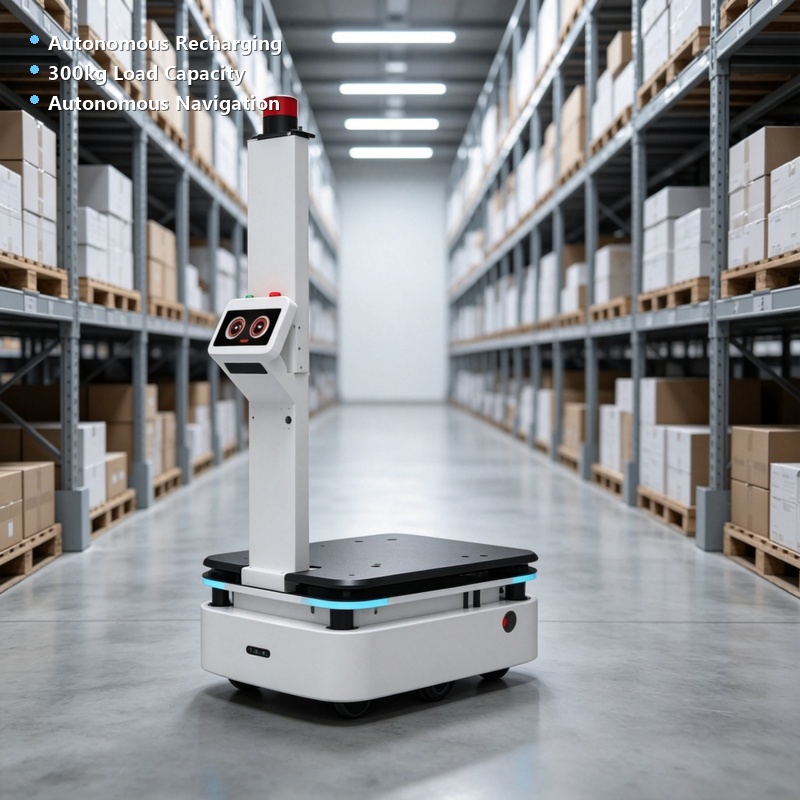
REEMAN Dual Laser Fly Boat MAX 300kg Industrial Delivery Robot for Manufacturing Plants and Factory Material Supply
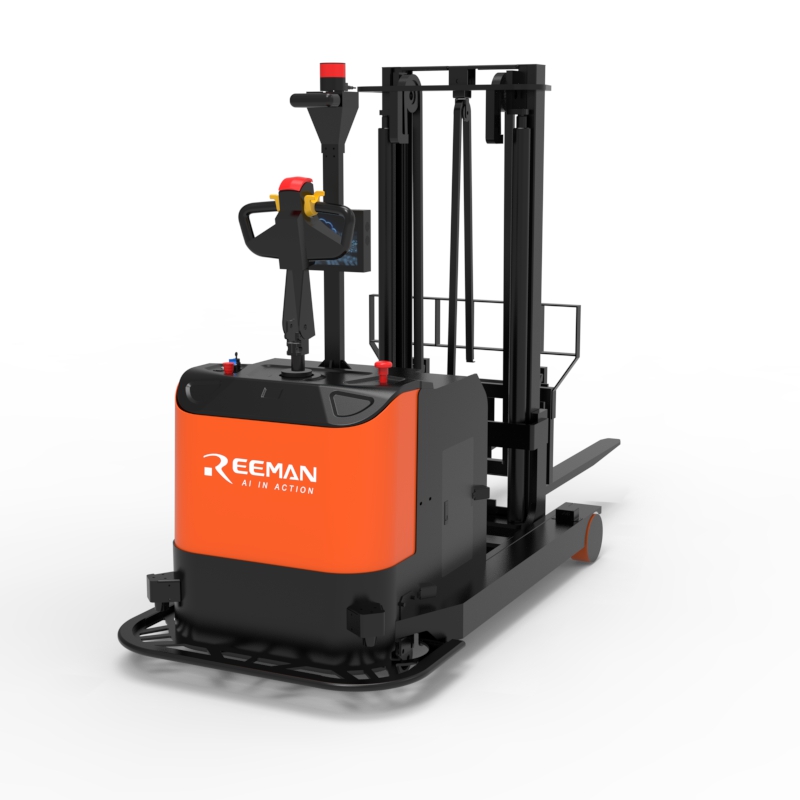
Reeman Autonomous Electric Stacker Forklift 1.2 Ton Li-Ion 48V 30Ah 2500mm Lift Laser Navigation 3m Aisle
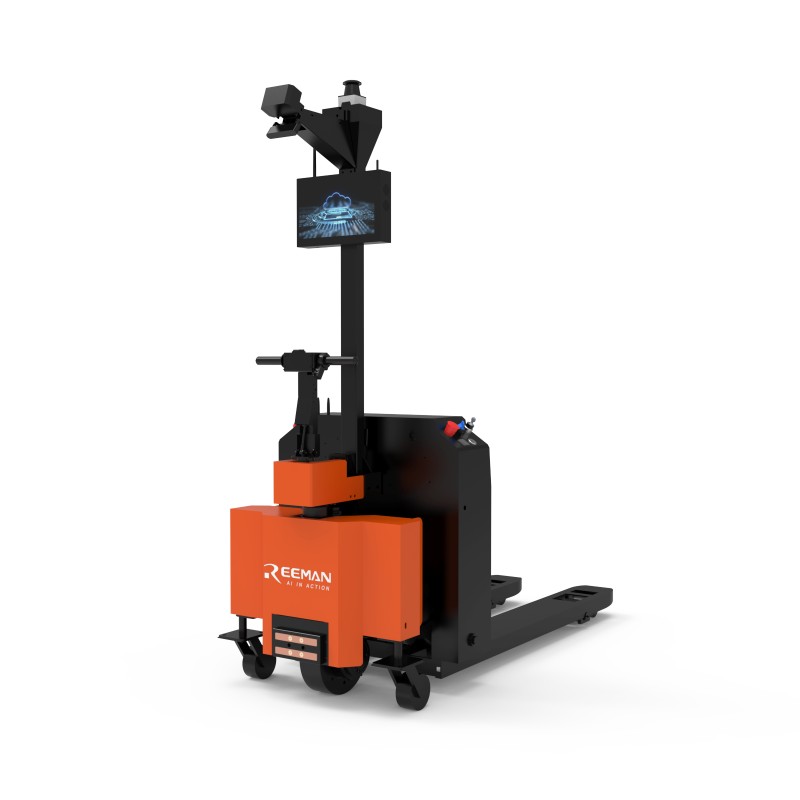
Reeman 2 Ton Autonomous Forklift AGV Laser SLAM Unmanned Pallet Truck 1085mm Fork 10mm Position Accuracy
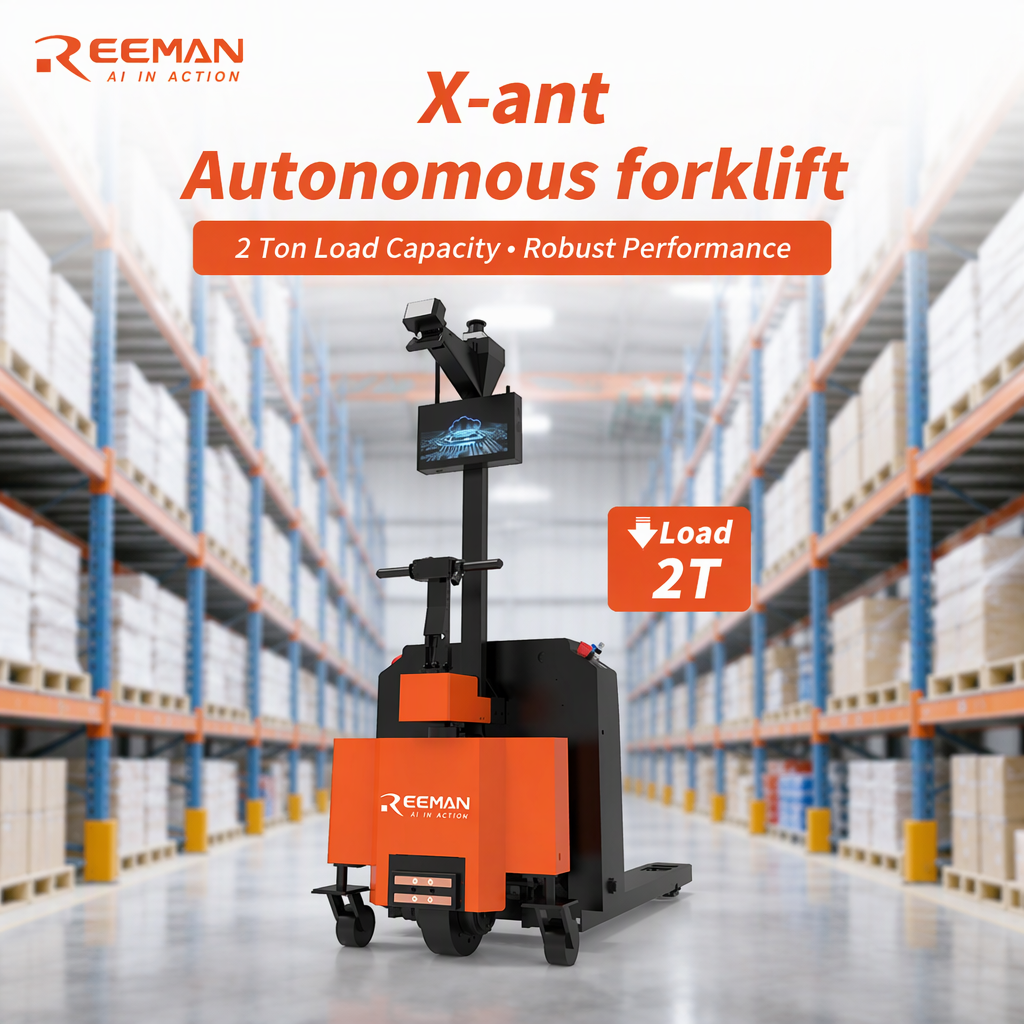
2 Ton Autonomous 4WD AGV Forklift Laser SLAM Navigation Multi-Line LiDAR 10mm Position Accuracy Warehouse Handling
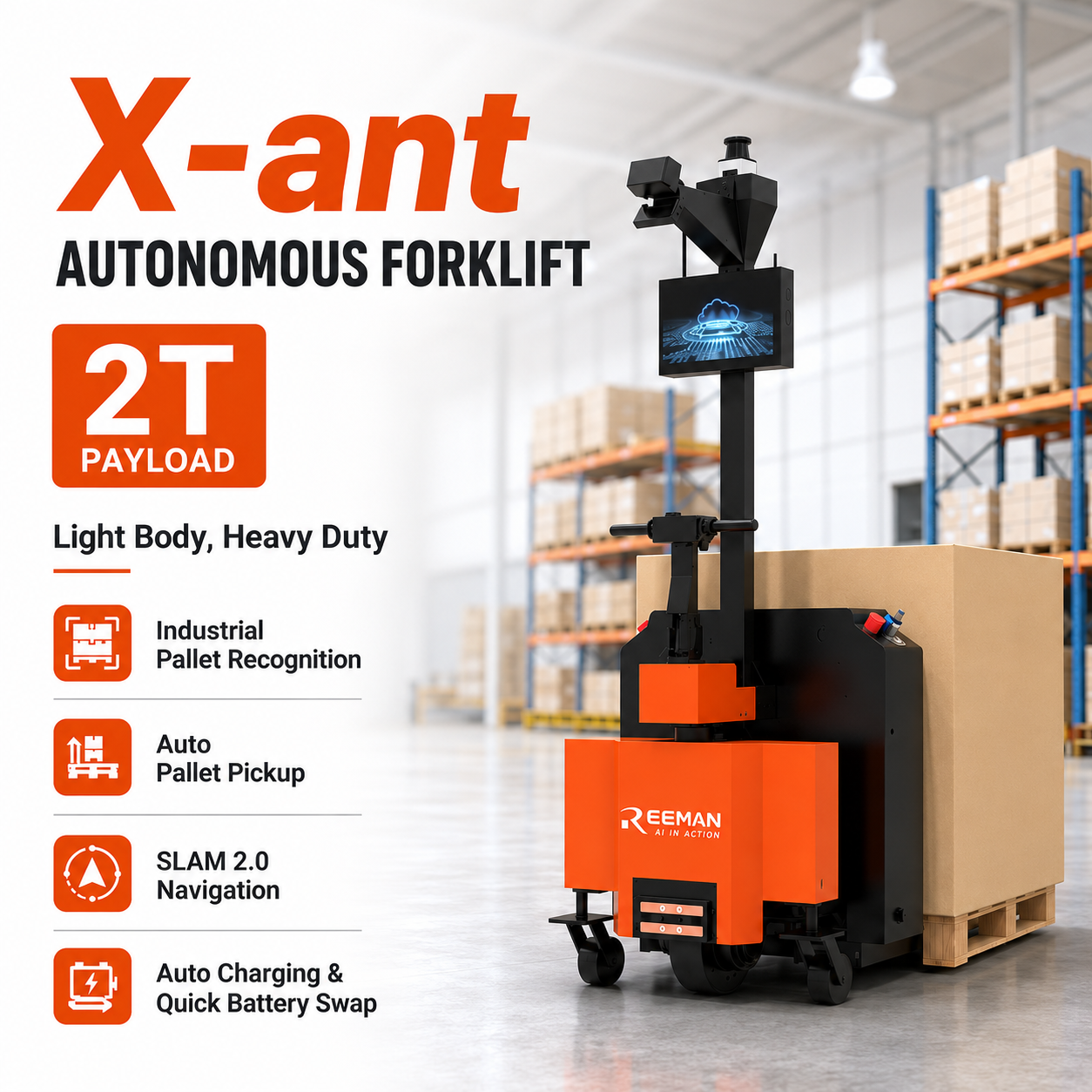
2 Ton Autonomous 4WD AGV Forklift Laser SLAM Navigation Multi-Line LiDAR 3D Obstacle Avoidance Warehouse Handling
How to Specify a Scrubber Dryer Robot for Austin Facilities
Cleaning requirements vary more than catalogue photographs suggest. Use these three configuration paths to brief a China manufacturer, an Austin integrator or an internal procurement committee.
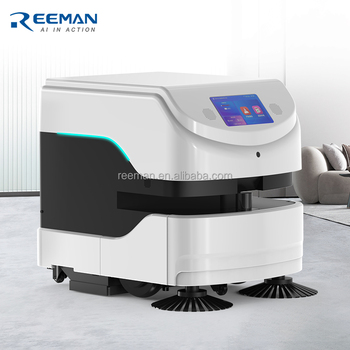
Retail, Clinic & Office Route Robot
- 500–650 mm path
- 20–40 L tanks
- Low-noise shifts
Best for the Domain, South Congress, downtown offices, clinics and showrooms where shoppers and staff share the floor. Request smooth obstacle avoidance, quiet operation, route scheduling and a docking area that does not block fire exits. Confirm detergent compatibility and squeegee replacement intervals before comparing quotes.
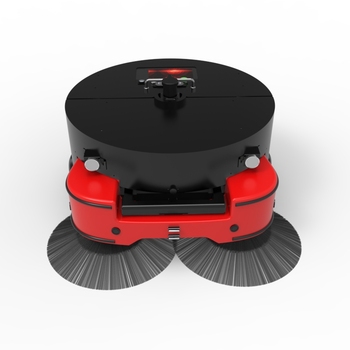
Warehouse & Plant Floor Robot
- 800–1,100 mm path
- 100–200 L tanks
- 3D obstacle sensors
Designed for larger footprints near SH-130, I-35 and the Austin-Bergstrom logistics corridor. Warehouses and manufacturing plants need strong recovery performance, manageable water refill cycles and route logic around forklift traffic. Ask for floor mapping during production hours, speed zoning near pedestrians and a service plan for brushes, hoses and squeegees.
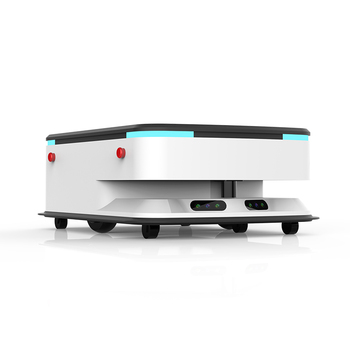
Branded Floor-Care Robot Platform
- Open SDK / API
- Custom top module
- Buyer-label support
For Austin integrators, cleaning contractors and distributors who want their own branded scrubber dryer robot. Elvorn’s modular control architecture supports OEM service, design service and buyer-label options. Typical project scope includes chassis adaptation, cleaning module integration, charging strategy, cloud dashboard requirements and English technical documentation.
Where Autonomous Scrubber Dryers Fit in Austin’s Built Environment
Austin’s mix of logistics, technology manufacturing, healthcare, education, hospitality and public events creates different floor-care problems in different ZIP codes. A single procurement template rarely fits all sites.
Warehouses & 3PL
Distribution centres along SH-130 and the I-35 corridor need large-area scrub coverage without tying up supervisors. Robotic scrubber dryers can run overnight routes, document completion and return to dock automatically. For Austin sites, test floor transitions, dock aprons, battery charging placement and connectivity in high-racking areas.
Advanced Manufacturing
Round Rock, Georgetown and north Austin manufacturing plants often need dust and coolant residue removed without disrupting production. Request brush pressure control, recovery tank monitoring and route scheduling around shift changes. Validate chemical compatibility with the plant’s EHS team and keep acceptable noise levels in shared areas.
Retail, Grocery & Malls
From the Domain to South Congress and neighbourhood groceries, cleaning must coexist with customers. Compact scrubber dryer robots with smooth route planning, quiet motors and shopper avoidance are a better fit than large ride-on units. Plan charging and tank refill away from customer sightlines and confirm the robot can handle entrance mats and threshold strips.
Healthcare & Senior Living
Clinics, surgery centres and senior-living communities require quiet operation, careful route definition and clear responsibility for infection-control procedures. A scrubber dryer robot should be introduced as part of a cleaning protocol, not as a replacement for every manual task. Confirm cleaning-validation expectations, emergency-stop accessibility and remote support procedures.
Education & Campuses
Around UT Austin and ACC campuses, cleaning windows are narrow and foot traffic is highly variable. A route robot can cover corridors and commons between class changes if the floor plan is stable. For procurement, ask for simple operator training, permission-based access to route data and fallback procedures when connectivity is intermittent.
Events & Hospitality
Austin’s convention calendar, SXSW and venue activity create short, intense cleaning cycles. Event sites need fast mapping, handover-friendly controls and the ability to exclude restricted areas. Mobile floor-care robots can support pre-event preparation and post-event reset, but only if the site team rehearses docking, tank refill and emergency removal.
Austin Floor-Care Automation Trends Shaping 2025 Procurement
Austin buyers are moving from “Can a robot clean?” to “Can this robot be measured, maintained and integrated without creating a new operating silo?”
Labour Planning Becomes Data Planning
Cleaning managers want route completion records, tank refill events, error logs and battery health. A scrubber dryer robot that cannot report its work creates extra administrative work. For Austin RFQs, request sample dashboards and data export formats before approving a trial.
Local Service Is Part of the Product
China manufacturing can deliver competitive hardware and fast customization, but Austin projects still need a service map. Buyers now ask who will install the docking station, who will replace squeegees, how remote diagnostics are handled and what response time is documented in the supply agreement.
Safety and Cybersecurity Evidence
Facility teams increasingly request emergency-stop design, obstacle-sensor layout, speed zoning, access management and network segmentation details. These questions are especially important for hospitals, campuses and manufacturers with controlled IT environments.
Indicative Austin buyer-priority index from typical floor-care automation discussions: safety evidence, uptime support, local service coverage and total cost of ownership.
How to Vet a China Scrubber Dryer Robot Supplier Before an Austin Demo
A compelling video is not a factory audit. Use this six-point checklist to separate a capable China exporter from a trading intermediary with limited engineering depth.
Verify the Factory Identity
Match the company name to the quotation, business licence, bank account and factory address. Ask for SGS or equivalent onsite verification, ISO 9001 and ISO 14001 evidence, and a video walk-through showing the production and testing area.
Match Electrical & Safety Requirements
Confirm charger input for Austin facilities, plug type, battery chemistry and emergency-stop logic. Request CE, FCC or PSE documentation where applicable and ask for a risk-assessment file covering LiDAR blind spots, floor transitions and pedestrian interactions.
Test Cleaning Performance, Not Just Navigation
Request test data for solution flow, brush pressure, recovery rate, turn radius and squeegee follow on uneven floors. A robot that maps perfectly but leaves streaks will not pass acceptance in a retail, hospital or manufacturing environment.
Review Software & Data Control
Ask how route data is stored, who can export reports, whether remote access can be disabled and how the robot connects to site Wi-Fi. For OEM projects, confirm SDK/API access, fleet scheduling and integration support for WMS, MES or building management systems.
Build a Spare-Parts & Service List
Request prices and lead times for squeegees, brushes, hoses, chargers, batteries, drive wheels and key sensors. Ask for recommended spare stock for an Austin deployment and confirm whether remote diagnostics require a local partner to be on site.
Document Shipping, Duties & Acceptance
China manufacturers may quote FOB with T/T payment in USD or CNY. For Austin delivery, clarify the port of entry, customs broker, HS code, liftgate requirement, insurance and final acceptance test. Put operator training, documentation language and warranty response into the purchase agreement.
Why Elvorn Is a Practical China Manufacturing Partner for Austin Buyers
Elvorn is a national high-tech enterprise founded in 2015, focused on robotic platform technology and autonomous driving. We design and build autonomous forklifts, industrial AMRs, robot chassis, delivery robots, cleaning robots and disinfection robots for buyers in North America, Western Europe, Eastern Asia, Southeast Asia and the Middle East.



Laser SLAM Navigation
Maps a site without magnetic tape, QR codes or floor reflectors. Layout changes can be handled through mapping and route updates, which is valuable for Austin facilities that reconfigure racks, displays or event spaces.
Open SDK & API
AMRs and chassis platforms support secondary development. Integrators can connect task dispatch, status feedback and route reporting to WMS, MES, ERP, elevator controls or custom dashboards.
Modular Payload Platforms
From 60 kg delivery robots to 2-ton autonomous forklifts, shared control architecture simplifies fleet training and maintenance. Scrubber dryer projects can reuse chassis, safety and fleet-management building blocks.
Multi-Layer Safety
LiDAR, obstacle sensors, speed zoning and emergency stops support safe coexistence with pedestrians, forklifts and racking. Safety documentation and acceptance criteria can be prepared before shipment.
Own Production Capacity
Two production bases in Shenzhen and Ningbo, 5,200㎡ total floorspace, 200+ team members and 39 patents. The factory has been verified onsite by SGS Group and operates under ISO 9001 and ISO 14001 systems.
Export-Ready Support
English documentation, remote commissioning, spare-part supply and OEM/ODM service support. Export terms include FOB, T/T payment in USD or CNY, and buyer-label options for distributors and integrators.
From Austin Site Survey to Stable Scrubber Dryer Operation
A disciplined project sequence reduces the risk of buying a robot that works in a demo room but not in an Austin facility.
Floor & Workflow Review
Share floor plans, photos, floor type, aisle widths, obstacles, cleaning windows, water access and charging locations. Define the required route coverage and reporting output.
Model & OEM Configuration
Engineers recommend the robot size, tank capacity, scrub width, battery and safety options. For OEM/ODM projects, confirm branding, top module, software interface and documentation.
Factory Testing & Export
Function, load and cleaning tests are performed before shipment. Confirm packaging, charger plug, spare-parts kit, test records and shipping terms before the unit leaves the factory.
Austin Commissioning & Support
Remote mapping, operator training and acceptance checks can be coordinated with a local partner. Long-term support should include consumables, diagnostics and a documented escalation path.
Certifications, Factory Evidence and Spare-Part Discipline
For overseas procurement, verification should be visible. Elvorn’s management system is certified to ISO 9001 and ISO 14001, and the factory has passed onsite verification by SGS Group. Depending on configuration and destination, robots can carry CE, FCC or PSE marks.
Every deployment should begin with a clean bill of materials: robot model, battery, charger, docking station, consumables starter kit, documentation language, software licence scope and warranty terms. For Austin, include the local electrical configuration and a site-specific risk assessment in the order review. This prevents surprises after the container arrives.
Elvorn’s factory documentation covers production capability, quality control and supplier assessment procedures. Test records and inspection documents can be discussed before shipment. We do not claim a local Austin warehouse; instead, we support a practical model where China engineering, export documentation and local service partners work together.
Project Information to Send
To speed up an Austin quotation, include floor plans or drone photos, total cleanable area, number of floors, elevator use, aisle widths, floor material, cleaning windows, water refill points, charging locations, Wi-Fi coverage, expected daily hours and target delivery date. If you need OEM branding, include logo files and preferred colour references.
China Scrubber Dryer Robot Purchasing Questions Answered
These are the questions most commonly raised by Austin facility teams, cleaning contractors and integrators when comparing China manufacturers and suppliers.
Are Chinese scrubber dryer robots suitable for Austin commercial floors?
How long does shipping from China to Austin usually take?
What voltage and charging setup should an Austin buyer request?
Can Elvorn provide local service and spare parts in Austin?
Do you offer OEM, ODM and software integration?
What should be included in an Austin RFQ for a scrubber dryer robot?
Request an Austin-Ready Scrubber Dryer Robot Quote
Send your floor plan, cleanable area, floor type, shift schedule, voltage, docking location and target delivery date. Our engineering and export team will recommend a scrubber dryer robot configuration or OEM/ODM path, then provide a quotation with documentation, spare-parts and shipping considerations for Austin.
Factory: Shenzhen Elvorn Intelligent Equipment Co., Ltd. · Email: info@elvornbot.com · Export markets include North America, Western Europe, Eastern Asia, Southeast Asia and the Middle East.