Top China Smart Manufacturing Robot Factory & Wholesaler for the Makassar Market
Autonomous forklifts, laser-navigation AMRs and smart service robots engineered in Shenzhen for Makassar port logistics, warehouses, factories, cold chain, retail and public facilities.
8 Robot Configurations for Makassar Buyers
These models cover the most common Makassar material flows: pallet transfer at ports and warehouses, line-side AMR movement, narrow-aisle stacking, cold-chain handling and smart retail signage.
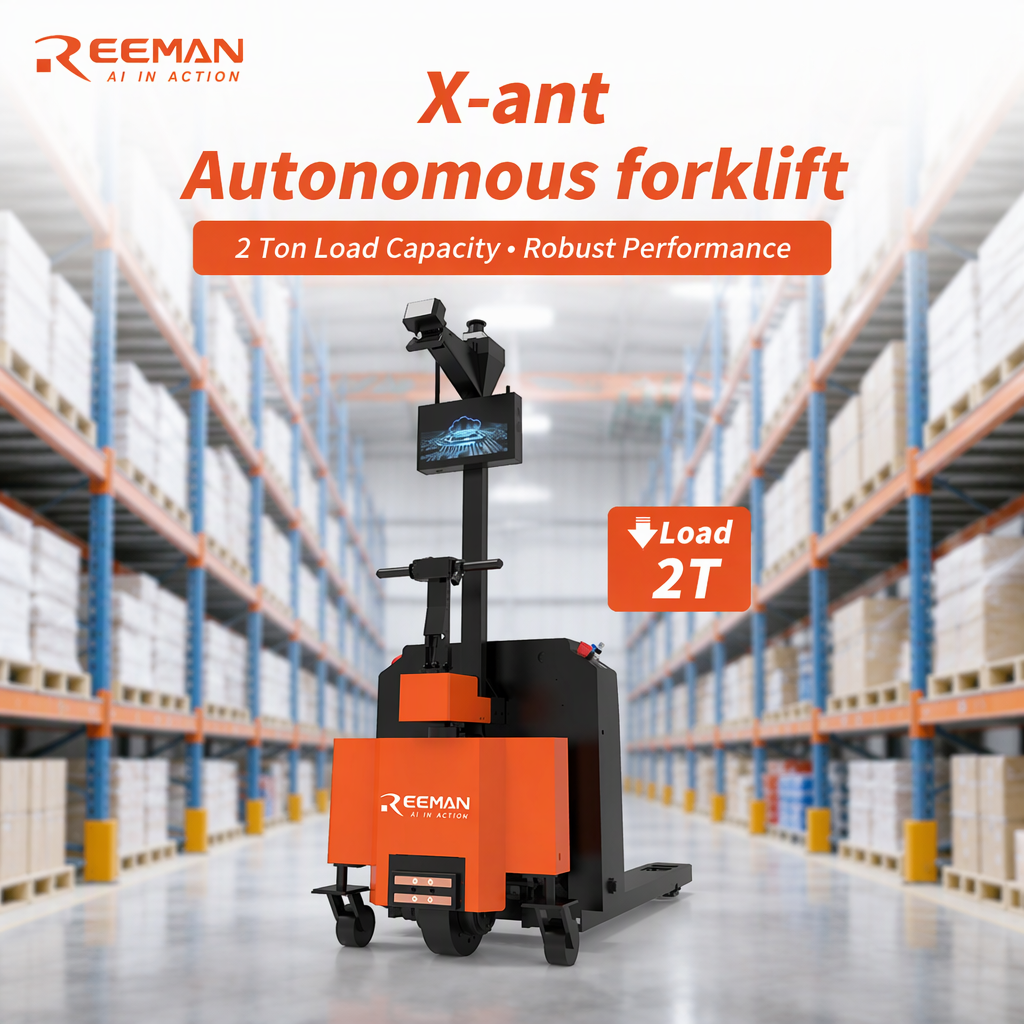
2 Ton Autonomous 4WD AGV Forklift — Multi-Line LiDAR
- 10mm position accuracy for repeatable pallet handling
- Laser SLAM navigation; no magnetic tape required
- Suited to warehouse and distribution-center transfer
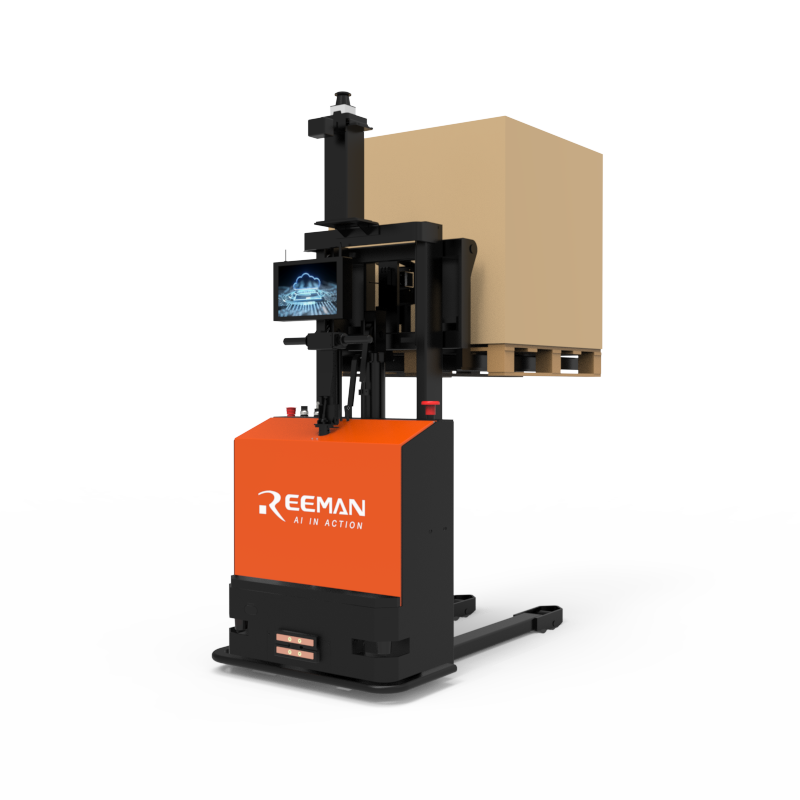
1000 kg Laser SLAM Forklift AGV Pallet Stacker
- Single-line lidar obstacle avoidance
- Unmanned stacking and factory logistics
- Useful where aisle space and pallet flow are fixed
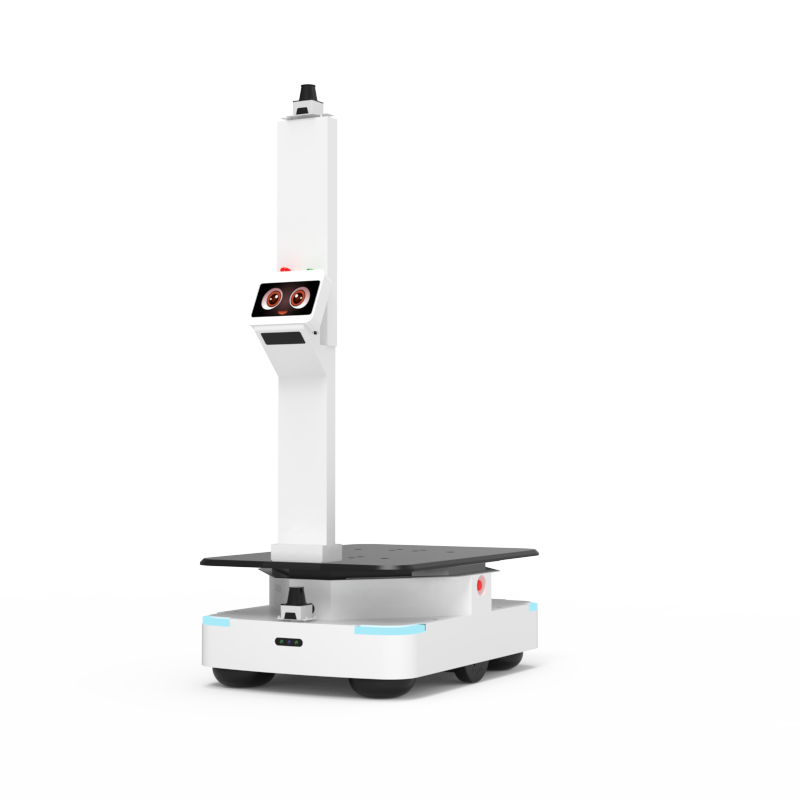
600 kg Laser Navigation AMR Lifting Robot
- Autonomous lifting and warehouse transfer
- Flexible routing for mixed SKU environments
- Good fit for distribution and logistics centers
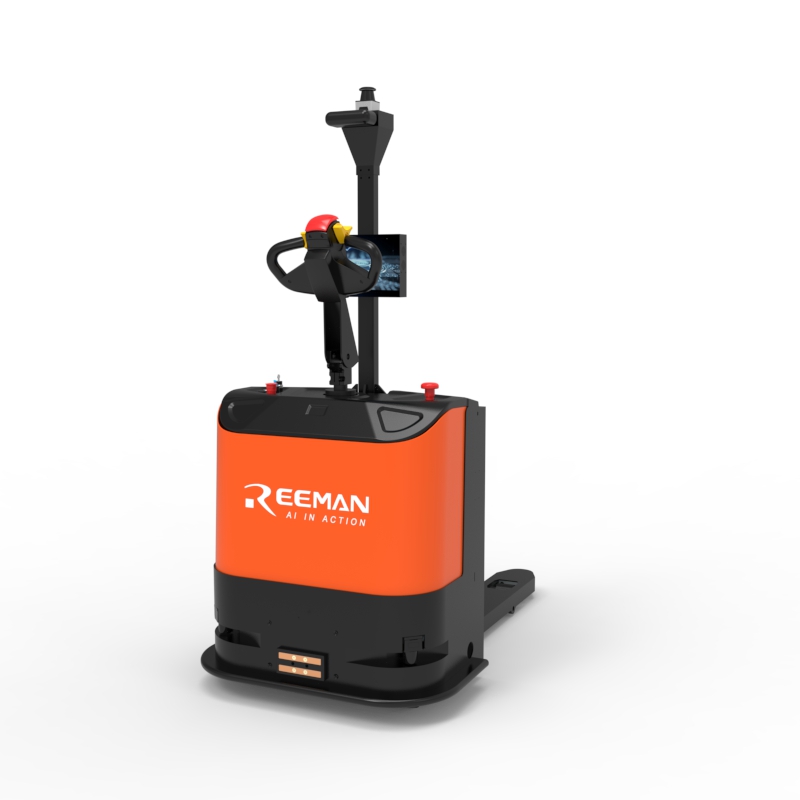
CE Certified 1500 kg Driverless AGV Forklift
- Automatic pallet loading and unloading
- Laser SLAM navigation for warehouse routes
- 1–2H working time; confirm battery plan for shift needs
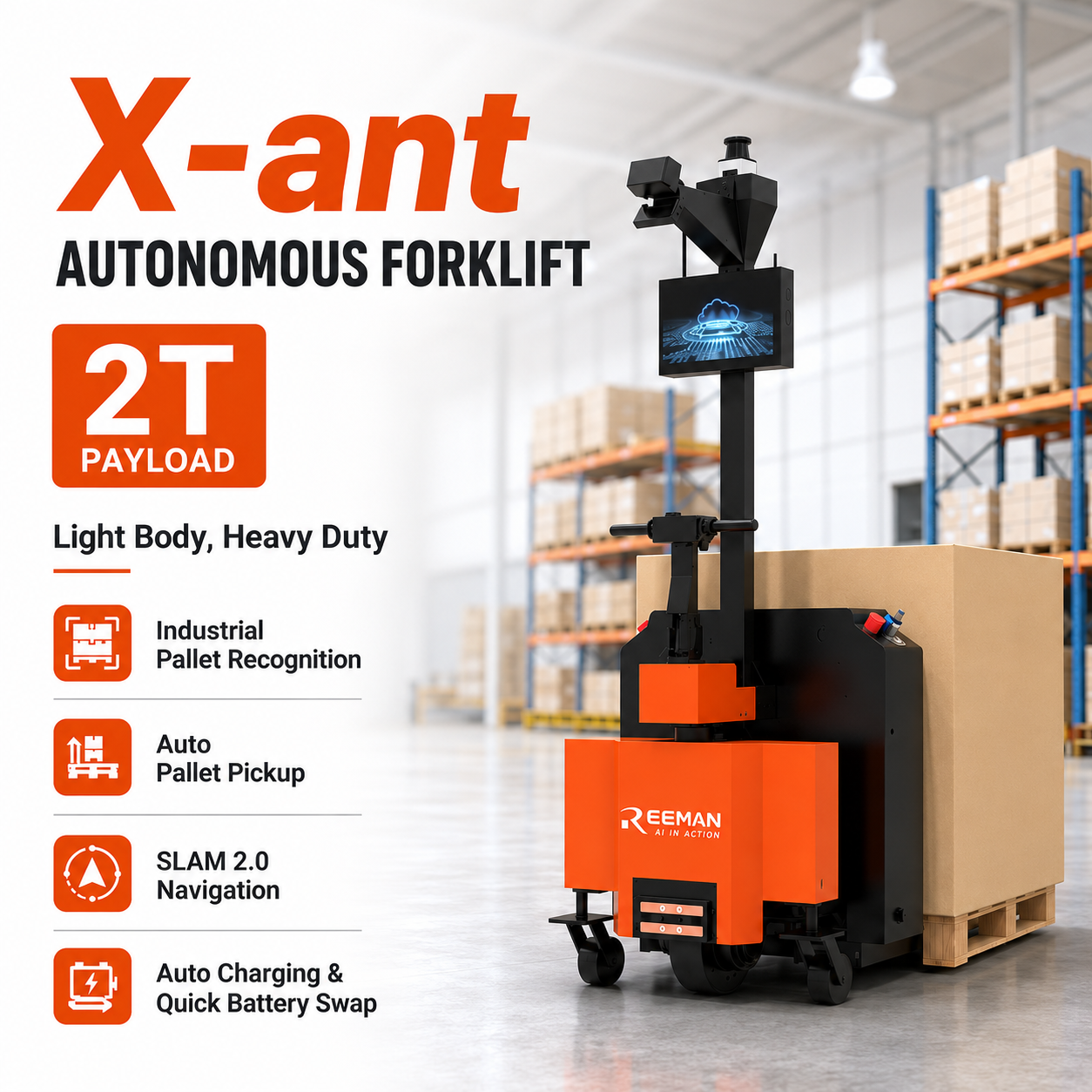
2 Ton Autonomous 4WD AGV Forklift — 3D Obstacle Avoidance
- Multi-line LiDAR with 3D obstacle avoidance
- Designed for mixed forklift and pedestrian traffic
- Useful for port-adjacent and busy warehouse sites
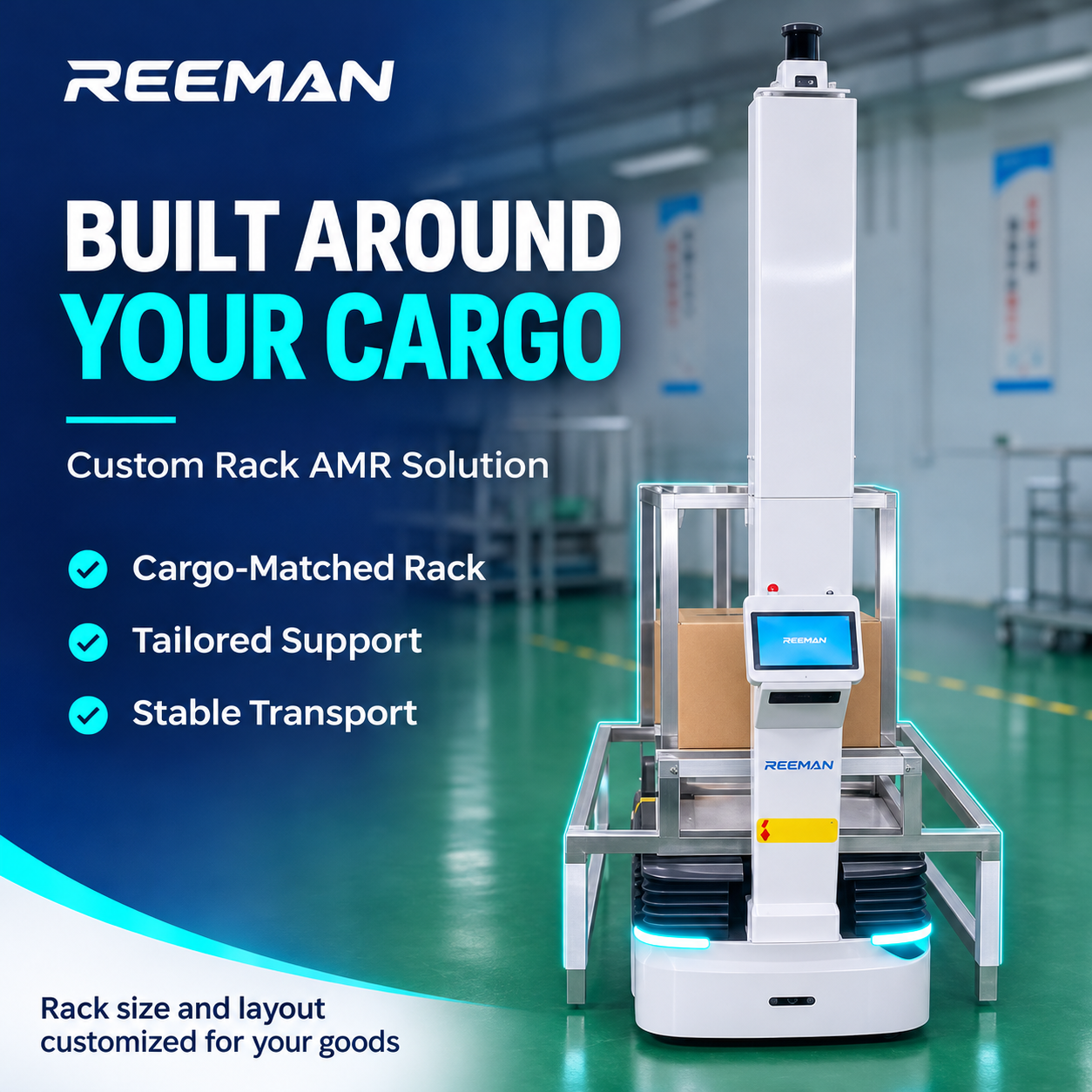
Dual Laser 300 kg AMR Lifting Mobile Robot
- SLAM LiDAR navigation for manufacturing plants
- Dual-laser sensing for dynamic production areas
- Supports line-side and workstation material flow
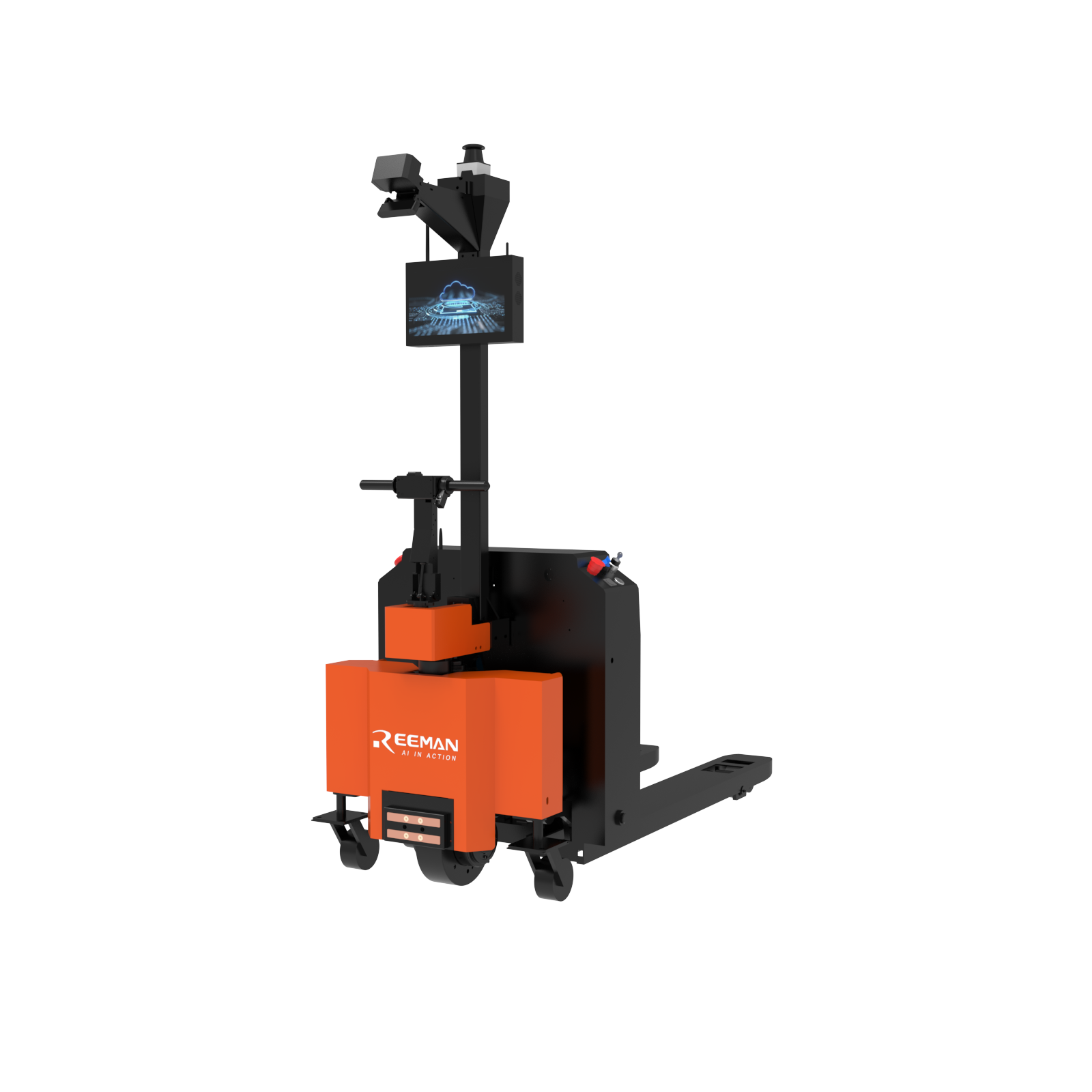
REEMAN X-ant JBOT20F 2 Ton Autonomous Forklift
- Laser SLAM pallet handling robot
- 2 tonne load class for warehouse logistics
- Configurable for repetitive dock-to-rack tasks
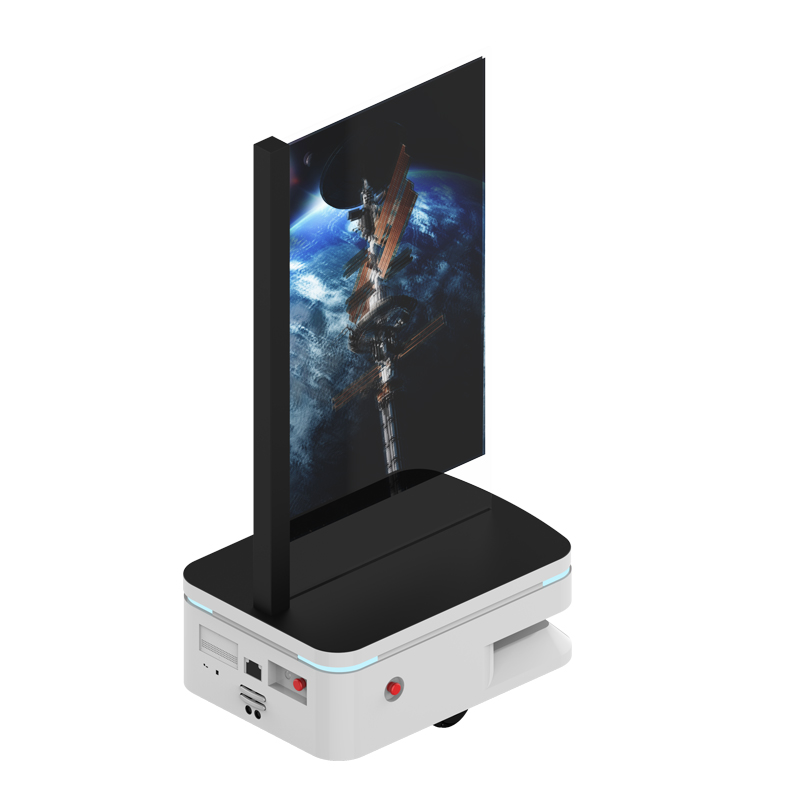
75 Inch Indoor LED Touch Digital Poster
- SDK, OEM and ODM support for local projects
- For retail, elevator lobbies, airports and showrooms
- Useful for Makassar mall and service-sector digitization
Need a model shortlist based on pallet size, aisle width, floor condition and daily throughput? Share your layout and our engineers will map the right configuration.
Get CatalogFactory data verified onsite by independent inspector SGS Group; model certifications vary by configuration.
China Manufacturing Depth, Local Application Logic
Makassar is more than a destination city; it is the gateway for distribution into South Sulawesi, Maluku, Papua and the wider Eastern Indonesia logistics chain. For warehouse operators around Makassar New Port, KIMA industrial estate and the city’s growing retail corridors, the real question is not simply “Who sells AGVs?” but “Which factory can configure a robot that survives a hot, humid, mixed-traffic operating environment and still support spare parts after shipment?”
Shenzhen Elvorn Intelligent Equipment Co., Ltd. was founded in 2015 and operates as a national high-tech enterprise focused on robotic platform technology and autonomous driving. Its product scope spans autonomous forklifts, industrial AMRs, robot chassis, delivery robots and cleaning robots. Because laser SLAM navigation, motion control, fleet scheduling and hardware are developed in-house, engineering answers can be traced to the people who designed the system — not passed through several trading layers.
For Makassar buyers, that matters when pallet dimensions change, Wi-Fi coverage is uneven, floor joints create navigation noise, or a local integrator needs an open SDK and API to connect robots with a WMS, MES or ERP. The factory’s Shenzhen and Ningbo production bases, ISO 9001 and ISO 14001 management systems, and SGS onsite verification give procurement teams concrete documents to review before placing a serious order.
- Verified custom manufacturer
- OEM, ODM and buyer-label support
- CE, FCC and PSE model options
- Remote commissioning and spare-part support
Built for Export and Distributor Dialogue
A practical supply-chain profile for Makassar warehouse owners, system integrators and equipment wholesalers evaluating a China robotics partner.
Four Local Trends Driving Robot Adoption
Makassar’s automation opportunity is specific. It is shaped by port throughput, inter-island distribution, food and commodity processing, labor availability and the city’s role as a service hub for Eastern Indonesia.
Port & Distribution Hub Growth
Makassar New Port and surrounding logistics nodes are increasing demand for faster container devanning, pallet staging and warehouse transfer. Repeatable horizontal movement is often the first automation target.
Labor Productivity & Safety Pressure
Forklift operators are difficult to schedule across shifts, especially for repetitive pallet moves. Driverless forklifts can take over predictable routes while staff focus on exception handling and quality checks.
Food, Cold Chain & Processing
Seafood, rice, cocoa, coffee, FMCG and food processing require clean, repeatable pallet flow. Robot routes can reduce unnecessary staff movement in cold rooms and high-traffic handling areas.
Smart Retail & Public Services
Malls, hotels, airports, hospitals and exhibitions are adopting digital signage and interactive displays. A 75-inch touch poster can support promotions, wayfinding and service information without complex construction.
Where the Robots Fit in Makassar Operations
A machine earns its place only when it solves a specific local bottleneck. These are the application scenarios that justify a deeper technical review.
Port Warehouse & CFS
Use a 2-ton autonomous forklift for pallet movement between devanning zones, staging lanes and storage blocks. Multi-line LiDAR and 3D obstacle avoidance are relevant where forklifts, carts and pedestrians share space.
Dock-to-storageFMCG Distribution Center
The 1000 kg stacker or 600 kg lifting AMR can handle repetitive replenishment and transfer tasks. For Makassar distributors serving Eastern Indonesia, route consistency matters more than peak speed.
Pallet replenishmentCold Storage & Seafood
Cold-chain facilities should review condensation, floor slope, battery temperature and door-transition logic. A 1500 kg CE model may suit short-cycle loading, while AMRs can reduce unnecessary staff walking.
Cold-room planningFactory Line-Side Logistics
The dual-laser 300 kg AMR is designed for manufacturing plants. It can move totes, fixtures or small pallets between workstations and support WIP flow when connected through the open SDK and API.
WIP transferBuilding Materials & Heavy Goods
For cement, tiles, packaged building materials and heavy pallet loads, the 2-ton REEMAN X-ant or multi-line LiDAR forklift should be evaluated against floor capacity, braking distance and safety zoning.
Heavy pallet flowMalls, Hotels & Airports
The 75-inch indoor LED touch poster supports retail promotion, elevator-lobby information and airport-style wayfinding. SDK and OEM options make it easier for Makassar integrators to adapt content systems.
Smart signageMap the Workflow Before Choosing the Robot Model
This practical matrix helps Makassar buyers align a robot type with real operating conditions. Final configuration still depends on a site survey, load test and safety review.
| Makassar Workflow | Recommended Starting Point | Why It Fits | Procurement Check |
|---|---|---|---|
| Container devanning to warehouse staging | 2 Ton AGV Forklift | Pallet handling with laser SLAM and high position accuracy. | Floor joints, dock levelers, pallet quality and pedestrian zones. |
| Narrow-aisle pallet stacking | 1000 kg Stacker AGV | Unmanned stacking with single-line lidar obstacle avoidance. | Aisle width, rack height, fork dimensions and charging position. |
| FMCG transfer and sorting support | 600 kg Lifting AMR | Flexible autonomous transfer without fixed floor tracks. | Cart or shelf interface, route changes, Wi-Fi access points. |
| Short-cycle loading and unloading | 1500 kg CE AGV Forklift | Automatic pallet loading and unloading with laser SLAM. | Confirmed 1–2H working time, battery swap plan and duty cycle. |
| Factory line-side material supply | 300 kg Dual Laser AMR | SLAM LiDAR navigation for manufacturing plants and workstations. | Integration with MES/WMS, lift interface and safety sensors. |
| Retail promotion and wayfinding | 75" Touch Poster | Indoor LED touch display with SDK, OEM and ODM options. | Content management, installation height and local power supply. |
What a Serious Robotics Wholesaler Should Prove
For Makassar distributors and project owners, E-E-A-T is not a slogan. It is the ability to document experience, engineering depth, factory authority and after-sales reliability.
Full-Stack Laser SLAM Expertise
In-house development covers navigation, motion control, fleet scheduling and hardware. That reduces the gap between a sales specification and a working Makassar deployment.
SGS-Verified Factory Discipline
Onsite verification by SGS Group, supplier assessment procedures and incoming material inspection provide procurement teams with auditable evidence beyond a website claim.
Certifications and Test Records
ISO 9001 and ISO 14001 management systems, with CE, FCC or PSE marks depending on model. Functional and load testing can be reviewed before shipment.
Open SDK and API for Integrators
Secondary development support allows Makassar integrators to connect robots to WMS, MES, ERP, elevators, doors and custom dashboards instead of forcing a closed workflow.
Factory-Direct Wholesale Support
OEM, ODM, design service and buyer-label options are available. Distributors can discuss mixed model selection, spare-parts planning and localized documentation.
Export Process and Remote Support
FOB shipment, T/T payment in USD or CNY, English documentation, remote commissioning guidance and long-term spare-part supply help reduce cross-border project risk.
A Makassar Site Readiness Model for Faster Quotation
Most quotation delays come from missing site data, not from robot manufacturing. The weighting below shows what engineering teams need to resolve first when configuring an autonomous forklift or AMR for Makassar.
Typical Pre-Quote Engineering Review
Illustrative weighting used by application engineers when defining robot type, safety zones, charging strategy and project scope.
Send These 8 Items With Your Inquiry
Complete data shortens the distance between an initial catalog request and a workable Makassar project proposal.
- Warehouse or factory layout drawing with dimensions
- Pallet size, material, weight and stacking height
- Required moves per hour and operating shifts
- Floor type, slope, joints, dock levelers and ramps
- Wi-Fi coverage map and IT/OT integration requirements
- Temperature, humidity, dust and cold-room conditions
- Local power supply and charging location
- Preferred delivery terms, target volume and spare-parts plan
Common Questions From Makassar Buyers
Practical answers for importers, warehouse owners, distributors and system integrators comparing a China robot factory with a local trading supplier.
Can a China robot factory ship autonomous forklifts directly to Makassar?
Is an AGV forklift or an AMR better for a Makassar warehouse?
What site data should be sent before requesting a quotation?
How are the robots adapted to Makassar’s heat, humidity and dust?
Can the robots connect to our WMS, MES or ERP system?
Does the factory support OEM, ODM and wholesale distribution?
What certifications and quality evidence are available?
How is after-sales support handled from China to Makassar?
Build a Makassar-Ready Robot Shortlist With the Factory
Send your pallet data, layout, throughput target and operating conditions. The engineering team can compare autonomous forklifts, AMRs and smart signage against your actual workflow — then issue a configuration proposal for your Makassar project.
Get Catalog