
Pallet Stacker AGV
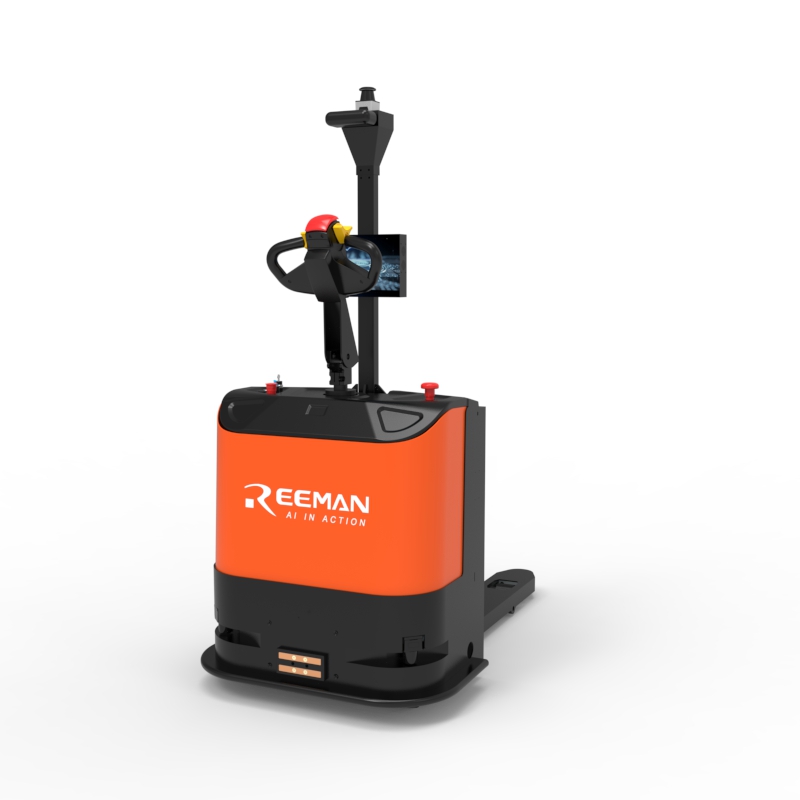
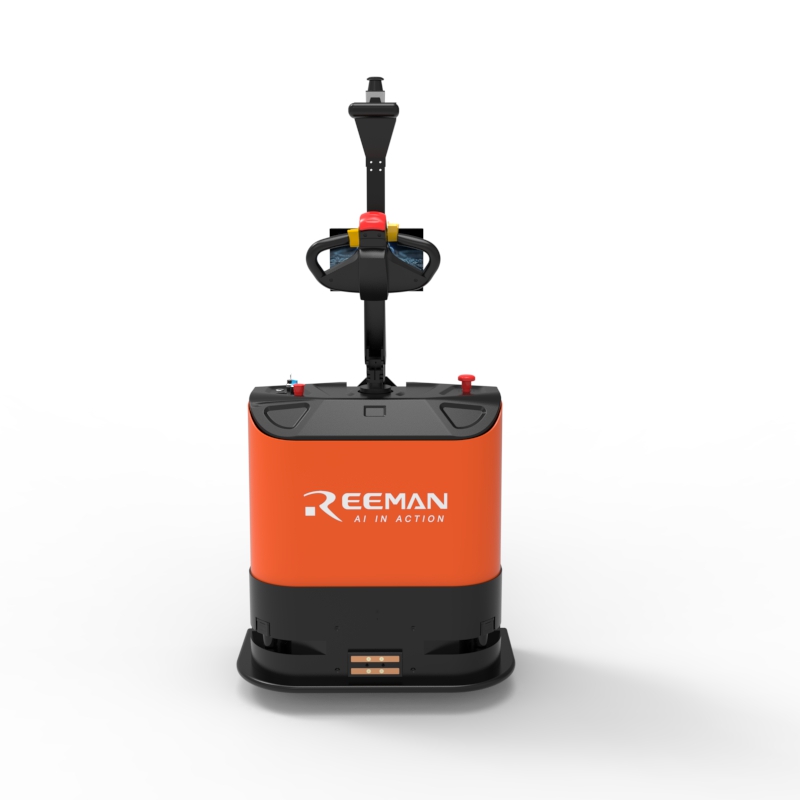
Reeman BBOT30F 1500kg Laser SLAM Autonomous Pallet Stacker AGV Single Line Lidar Obstacle Avoidance Warehouse Transport
- 1,500 kg pallet stacking platform
- Single-line lidar obstacle avoidance
- Suited to compact warehouse cells
This shortlist is built around real procurement questions from exporters, wholesalers, and local integrators: pallet size, aisle width, floor condition, shift pattern, battery strategy, and after-sales readiness. Each product link below is preserved so your team can move from research to technical validation without losing context.

Factory data and operational claims should be verified against current certificates, model datasheets, and your Manila project scope. Elvorn’s factory has been verified onsite by SGS Group according to the original company profile.
Manila buyers are not simply shopping for a robot. They are buying uptime, predictable spare-part supply, integration support, and a supplier who understands that a warehouse in Metro Manila may operate inside a multi-storey building, receive pallets from a congested port schedule, and run a mixed fleet alongside manual forklifts and pedestrians. That is why the strongest AGV AMR robot chassis procurement decisions begin with the application — not with a payload number copied from a brochure.
The buying journey for exporters and wholesalers in the Manila market usually involves two very different audiences. One group is the end user: a 3PL, cold-chain distributor, electronics factory, or retail fulfillment center that needs reliable pallet movement. The other group is the local distributor or systems integrator that needs a platform they can customize, brand, service, and integrate with warehouse management, manufacturing execution, or ERP systems. A credible supplier must support both conversations with engineering documentation, open interfaces, and a realistic commissioning plan.
This guide is written with the information gain expected from a technical supplier: local application context, model shortlisting logic, procurement checks, and commercial terms. Elvorn’s relevant advantages include laser SLAM navigation without magnetic tape or reflectors, open SDK/API development, modular payload platforms from service robots to 2-ton autonomous forklifts, multi-layer safety, two production bases in Shenzhen and Ningbo, ISO 9001 and ISO 14001 management systems, and CE/FCC/PSE-certified models depending on configuration. For Manila wholesalers, these proofs matter because they reduce the risk of importing a demo robot that cannot be serviced, integrated, or expanded.
Typical early-stage fit indicators for warehouse automation discussions. Final scores must be confirmed after a site survey, pallet audit, and safety review.
A generic “best AGV” list ignores how Manila sites actually operate. The following trends are the practical filters we recommend using before a wholesaler stocks inventory or a distributor commits to a demo fleet.
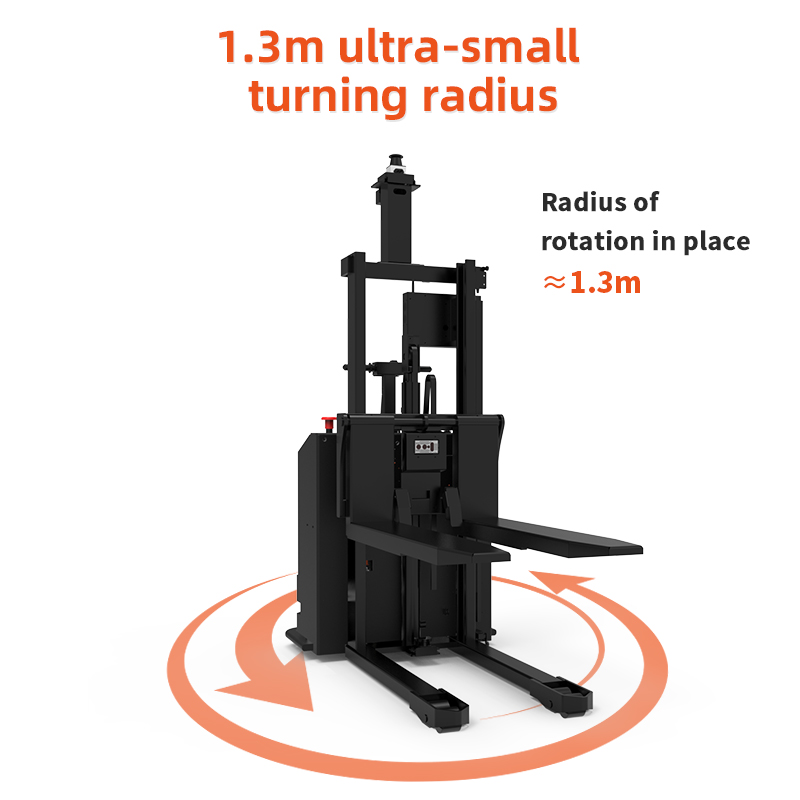
Metro Manila land costs and multi-storey facilities push many projects toward compact turning radii, accurate docking, and cautious speed zoning. Models such as the 1000 kg forklift AGV with a 1.3 m turning radius are often more relevant than a large generic platform if the aisle survey confirms clearance.
Manila fulfillment operations face promotional peaks, changing SKU layouts, and temporary overflow areas. Laser SLAM reduces dependence on floor tape or reflectors, so seasonal re-layout can happen faster — but Wi-Fi coverage, charging space, and traffic rules must still be planned.
Most Manila warehouses will not become fully unmanned overnight. Robots must coexist with manual forklifts, pallet jacks, and workers. Multi-line LiDAR, obstacle avoidance, emergency stops, and speed zoning are not “extras”; they are procurement requirements for a safer mixed fleet.
For wholesalers, the real cost of a robot includes spare parts, training, remote diagnostics, and documentation. A supplier with export experience, English manuals, and a clear commissioning workflow reduces the risk of a stranded unit in a Manila facility.
The same robot can be a good or poor fit depending on the building, workflow, and human traffic. These are the highest-value application patterns for Manila distributors and end users to evaluate.
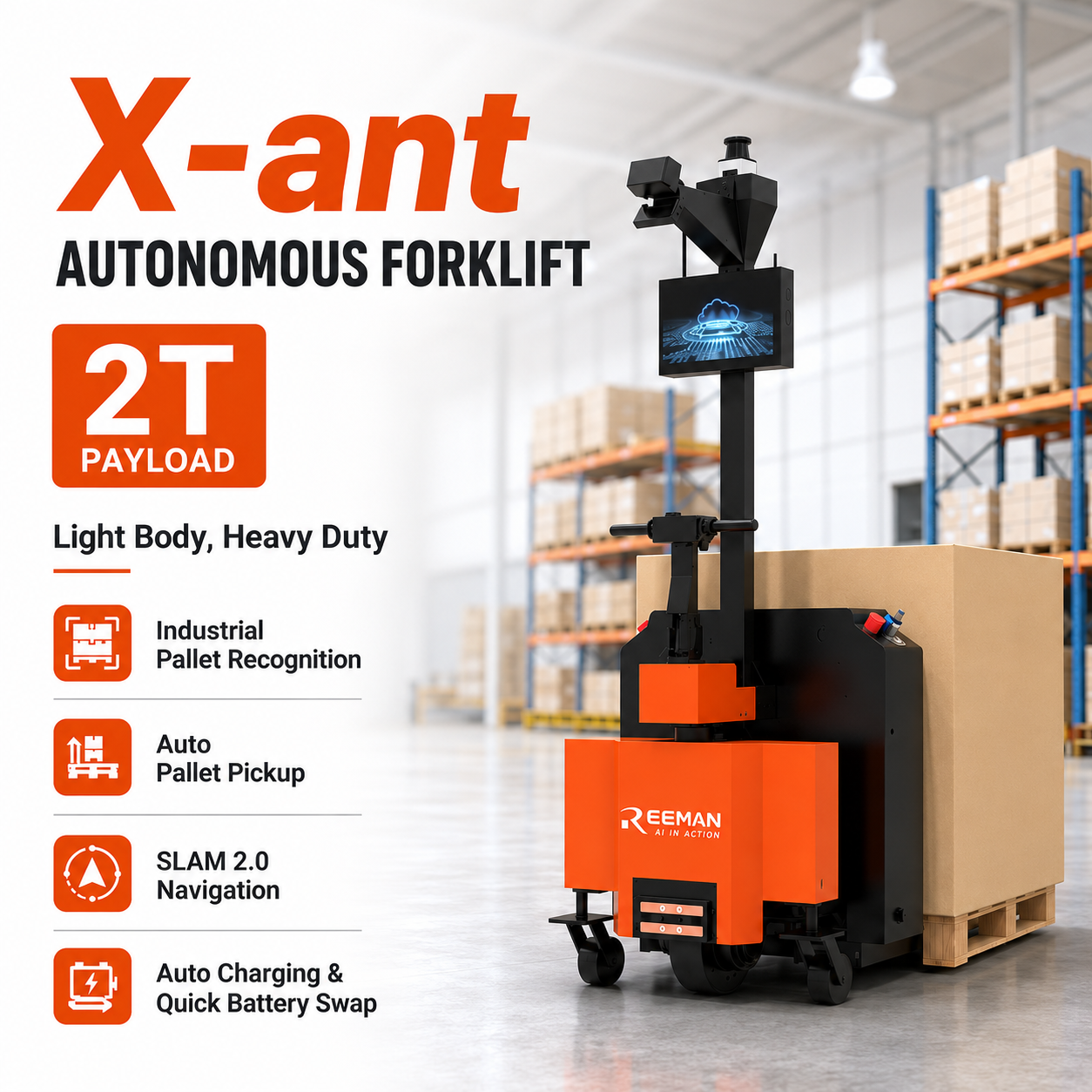
For warehouses near Manila’s port and logistics corridors, autonomous forklifts can run repeatable pallet routes from receiving to staging, reducing forklift travel and improving traceability. The 1.5-ton and 2-ton models are strong candidates when pallet weight, rack height, and floor flatness are confirmed.
Multi-storey facilities in Taguig, Pasig, Makati, and nearby industrial zones often need cross-floor movement. Open SDK/API support can allow integration with elevators, doors, and custom software, but each elevator interface requires a site-specific engineering review before quotation.
Factories in Laguna, Cavite, and Bulacan can use 100 kg to 600 kg AMR platforms to move WIP, totes, and components between workstations. The key is not only payload, but route repeatability, Wi-Fi stability, and safe handover at each station.
For trailer loading, unloaded pallet staging, and heavy product handling, the 2-ton 4WD AGV with multi-line LiDAR 3D obstacle avoidance is a more relevant discussion than a light service robot. Validate ramps, floor joints, and load stability under Filipino operating temperatures.
Manila wholesalers and integrators can position an open SDK chassis as their own solution for local retailers, factories, and logistics clients. Elvorn’s OEM, design service, and buyer-label options support custom top modules, branding, and packaging, subject to project scope.
The 75-inch indoor touch display can be used in a dealer showroom, mall activation, or demo center to explain fleet ROI, display warehouse maps, and collect leads. It is not a warehouse mobility product, but it can support the local sales experience for AGV AMR wholesalers.
| Manila project pattern | Recommended platform | Why it fits | Buyer verification point |
|---|---|---|---|
| Narrow-aisle pallet movement in an existing warehouse | 1000 kg Forklift AGV | 1.3 m turning radius and auto charging support compact layouts. | Measure aisle clearance, floor slope, pallet overhang, and safety distance. |
| Standard 1.5-ton pallet stacking and transport | BBOT30F / Reflector-Free AGV | Reflector-free and laser SLAM options reduce floor modification. | Confirm lift height, fork dimensions, pallet type, and charging location. |
| Heavy-duty 2-ton dock and yard handling | 2 Ton 4WD AGV | Multi-line LiDAR and 3D obstacle avoidance address dynamic sites. | Check ramp grade, outdoor-to-indoor transition, and battery shift plan. |
| OEM robot chassis for a Manila distributor | AMR / PLC Chassis | Open SDK/API supports local customization and software integration. | Define top module, interface protocol, branding, and spare-part list. |
| Showroom or dealer lead-generation area | 75-inch Display | Touch display supports product demos, fleet education, and lead capture. | Confirm installation environment, power, network, and content workflow. |
The final configuration — mast height, fork size, battery, top module, charging method, and safety zones — must be confirmed after reviewing your Manila site layout, pallet data, and throughput target.



Shenzhen Elvorn Intelligent Equipment Co., Ltd. was founded in 2015 and operates as a national high-tech enterprise focused on robotic platform technology and autonomous driving. The company designs, builds, and supports autonomous forklifts, industrial AMRs, robot chassis, delivery robots, cleaning robots, and related service robots. For a Manila wholesaler, this product breadth matters because you can source multiple automation categories from one engineering team instead of stitching together unrelated suppliers.
The in-house R&D team covers laser SLAM navigation, motion control, fleet scheduling, and hardware. That means faster customization, clearer answers during technical due diligence, and long-term spare-part support for distributors and integrators. Elvorn’s factory has been verified onsite by SGS Group, and its management systems are certified to ISO 9001 and ISO 14001. Depending on the model, robots carry CE, FCC, or PSE marks. These are the evidence points procurement teams should ask for before placing a first Manila stocking order.
Maps your site and navigates without magnetic tape, QR codes, or reflectors, so layout changes do not automatically require floor work. Validate mapping quality against lighting, glass, and high-traffic zones.
Secondary development on AMRs and chassis lets integrators connect robots to WMS, MES, elevators, doors, and custom dashboards. This is a major advantage for Manila distributors building repeatable local solutions.
From 60 kg delivery robots to 2-ton autonomous forklifts on shared control architecture, training and maintenance can be simplified across a mixed fleet when the interfaces are planned correctly.
Lidar, obstacle sensors, emergency stops, and speed zoning help robots operate around pedestrians and manual forklifts. A Manila site survey should define pedestrian crossings, blind corners, and docking zones.
Two production bases in Shenzhen and Ningbo support on-site material inspection and supplier assessment procedures. Factory capacity should be matched to your forecast, customization scope, and delivery window.
English documentation, remote commissioning, and spare-part supply support buyers across North America, Western Europe, Eastern Asia, Southeast Asia, and the Middle East.
A disciplined five-step workflow reduces deployment risk for overseas buyers. The process is intentionally front-loaded: better data before quotation is cheaper than rework after shipment.
Share layout drawings, load data, pallet type, aisle width, floor condition, power availability, and target throughput. For Manila projects, also clarify building access, elevator dimensions, and network coverage.
Engineers recommend models, fleet size, charging plan, safety zones, and integration scope. A wholesaler may also need a demo plan, spare-part list, and local training package.
OEM branding, top modules, payload structures, and software interfaces are built to your specification. Confirm battery strategy, documentation language, and packaging requirements early.
Function and load tests are performed before shipment, with test records available where applicable. Ask for photos, video verification, and packing details for your inspection process.
These are the recurring questions from distributors, 3PLs, factory owners, and integrators evaluating AGV AMR robot chassis for the Philippine market.
SLAM navigation can work in humid environments, but the correct specification matters. Buyers should disclose floor joints, slope, drainage, dust, temperature, and any washdown practice. Elvorn’s AMR and chassis platforms use laser SLAM and obstacle sensing, but final suitability must be confirmed through a site survey and configuration review.
An autonomous forklift lifts and moves pallets between floor, dock, and rack positions. An AMR is a mobile platform that carries totes, carts, shelves, or custom top modules. Both Elvorn product lines can use laser SLAM navigation, so the decision should be based on the load, handover point, and workflow rather than the label alone.
Elvorn AMRs and robot chassis provide an open SDK and API for secondary development, allowing task dispatch and status feedback from warehouse management, manufacturing execution, or custom software systems. Your local integrator should still review network architecture, cybersecurity, and interface responsibilities.
Yes. As a verified custom manufacturer, Elvorn offers OEM service, design service, and buyer-label options, including custom top modules, payload structures, branding, and packaging. Wholesalers should define forecast volume, local certification needs, and after-sales responsibilities before finalizing the OEM scope.
Depending on the model, Elvorn robots carry CE, FCC, or PSE marks. The company management system is certified to ISO 9001 and ISO 14001, and the factory has been verified onsite by SGS Group. Always request the exact certificate and model reference for your Manila import file.
Elvorn ships worldwide on FOB terms and accepts T/T payment in USD or CNY. Main export markets include North America, Western Europe, Eastern Asia, Southeast Asia, and the Middle East. Final terms, lead time, and Incoterms should be confirmed in the quotation.
A practical plan should include recommended spare parts, remote diagnostics, operator training, maintenance intervals, and escalation contacts. For first-time Manila buyers, we recommend starting with a small validation fleet and a clear acceptance checklist before scaling to multiple sites.
Send your warehouse layout, pallet dimensions, load weight, lift height, aisle width, floor condition, required throughput, shift pattern, charging location, network coverage, and target budget. If you are a wholesaler, also share forecast quantity, branding needs, and local support model so the proposal can reflect your reseller business.
Send your layout, load data, pallet type, aisle width, and throughput target. Our engineers can recommend the right AGV, AMR, or robot chassis configuration and prepare an export-ready quotation for your Manila distribution or end-user project.