Eight Autonomous Robots for Kobe Intralogistics
Banner-first product shortlist for Kobe procurement teams: each platform can be assessed together with an automatic charging station plan, fleet scheduling logic and local deployment requirements. Product URLs are preserved exactly for engineering review.
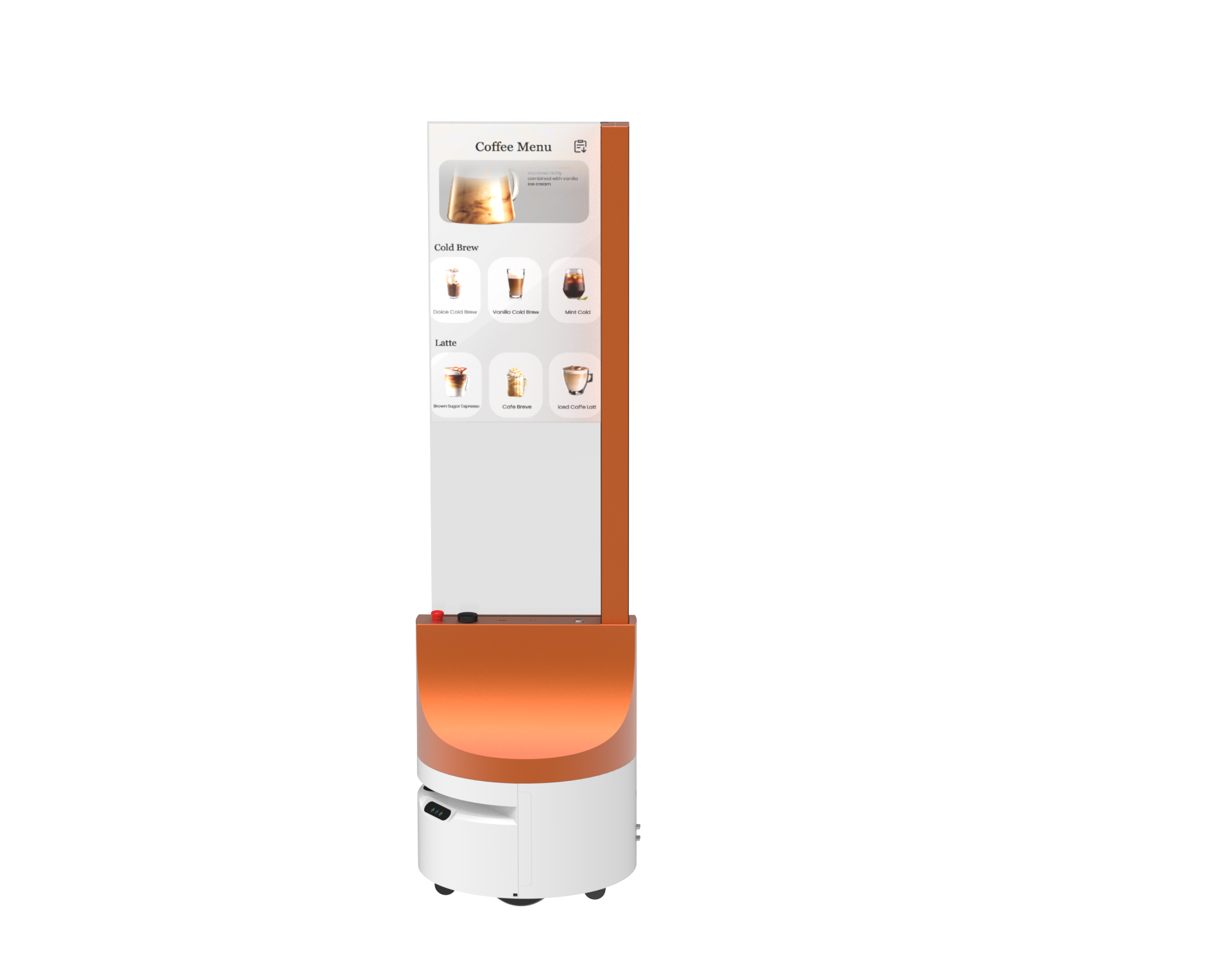
REEMAN 30 Inch OLED Transparent Screen Mobile Advertising Robot 1080 x 1920 FHD 9:16 Wi-Fi App Remote Control
Suitable for Sannomiya retail floors, exhibitions and hotel lobbies where guided signage and mobile promotion require periodic opportunity charging.
Review product →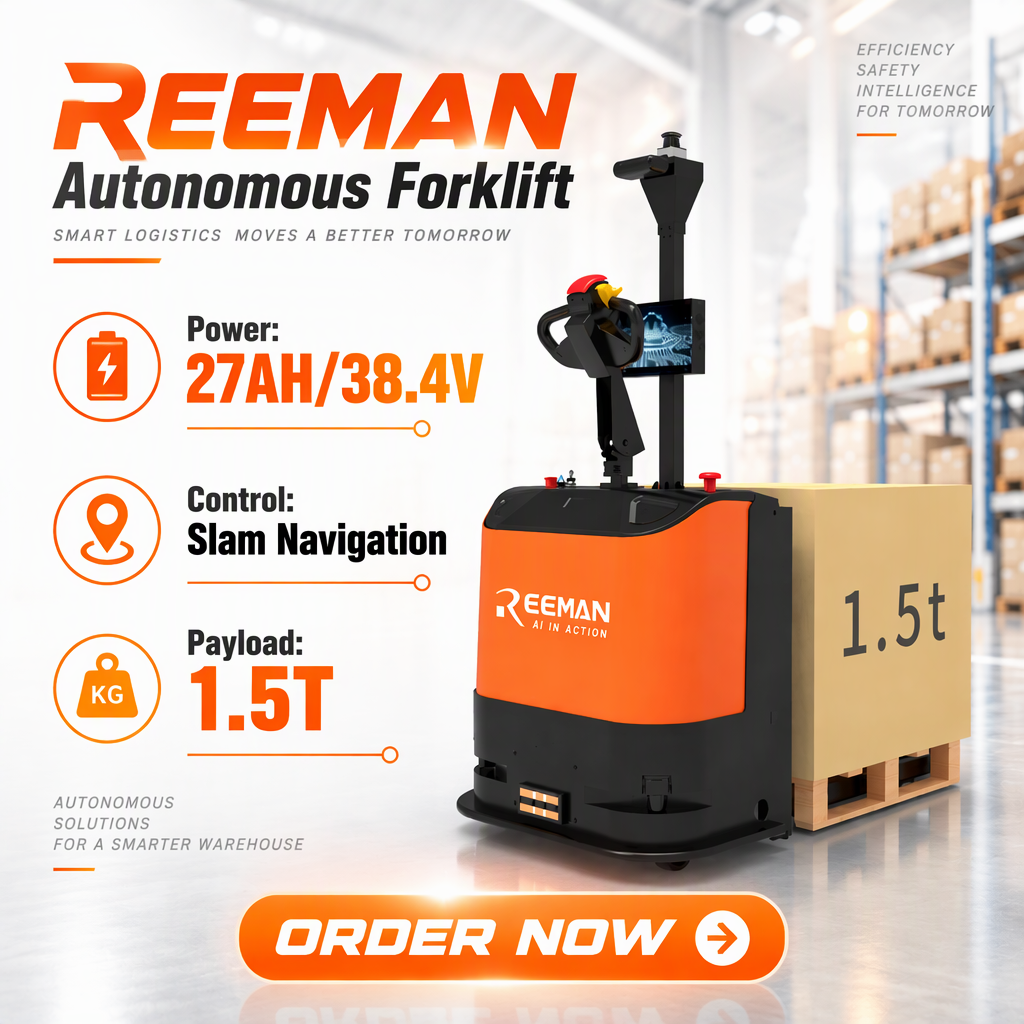
Reeman 1.5 Ton Autonomous Forklift AGV SLAM Navigation 3D Obstacle Avoidance Bidirectional Driving Indoor Warehouse
A practical fit for Port Island and Rokko Island warehouses moving pallets between staging lanes, racking and indoor transfer points.
Review product →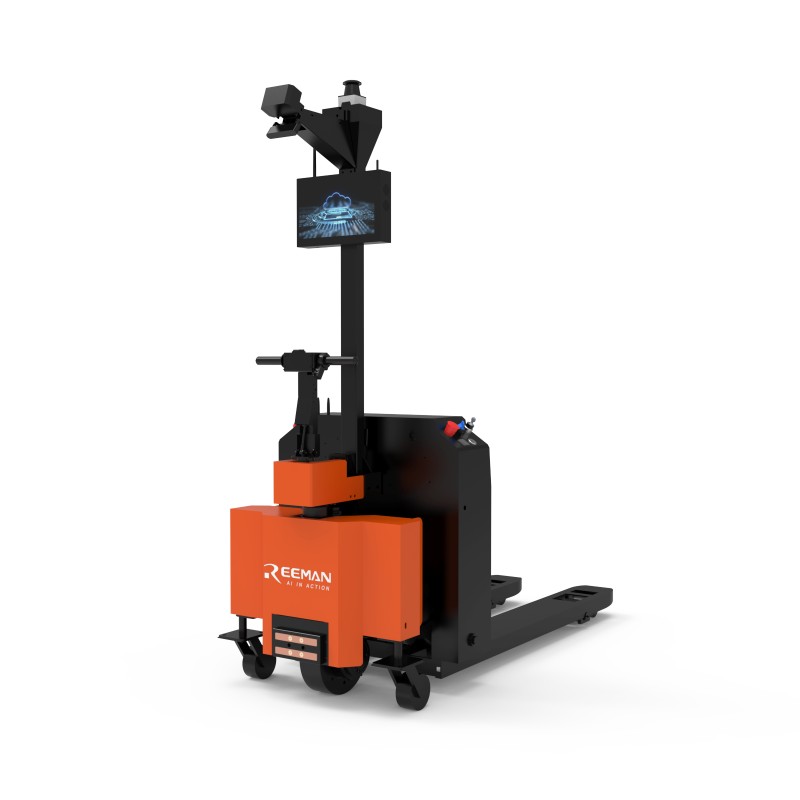
Reeman 2 Ton Autonomous Forklift AGV Laser SLAM Unmanned Pallet Truck 1085mm Fork 10mm Position Accuracy
Designed for repeatable pallet handling where 10 mm positioning accuracy and consistent fork alignment support high-cycle warehouse workflows.
Review product →
Reeman BBOT30F 1500kg Laser SLAM Autonomous Pallet Stacker AGV Single Line Lidar Obstacle Avoidance Warehouse Transport
A compact stacker option for Kobe facilities with constrained aisles, single-line LiDAR navigation and frequent pallet transfer duties.
Review product →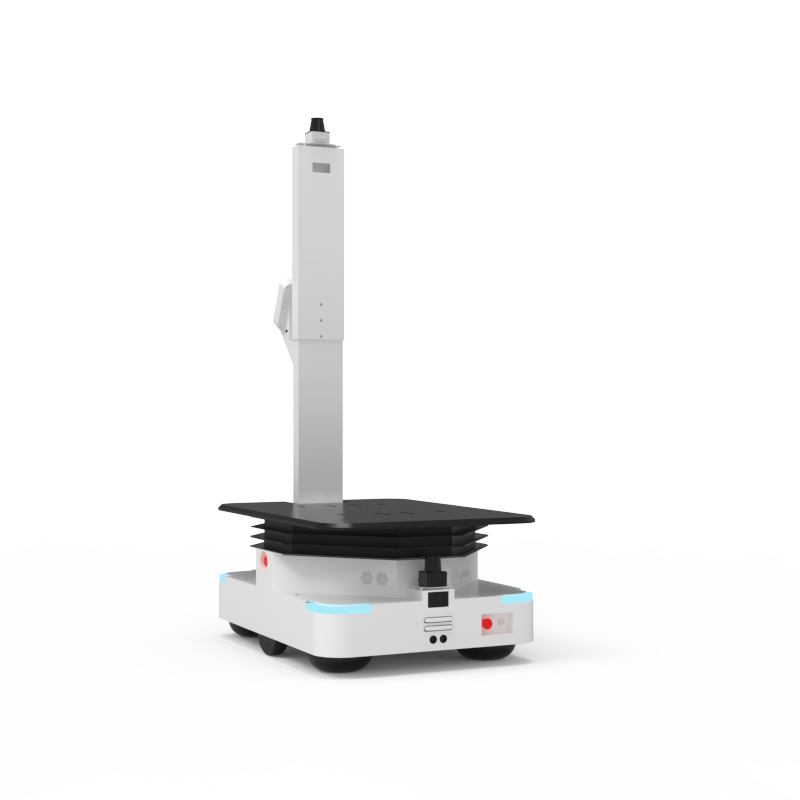
REEMAN Autonomous Mobile Robot AGV AMR 600kg Payload Sheet Metal Material Handling for Production Line
Well suited to Hanshin industrial zone factories moving sheet metal, WIP and line-side kits with open integration to production systems.
Review product →
REEMAN X-ant JBOT20F 2 Ton Autonomous Forklift AGV Laser SLAM Pallet Handling Robot for Warehouse Logistics
A 2-ton autonomous forklift for distribution centers, 3PL operations and manufacturing logistics requiring repeatable pallet movement.
Review product →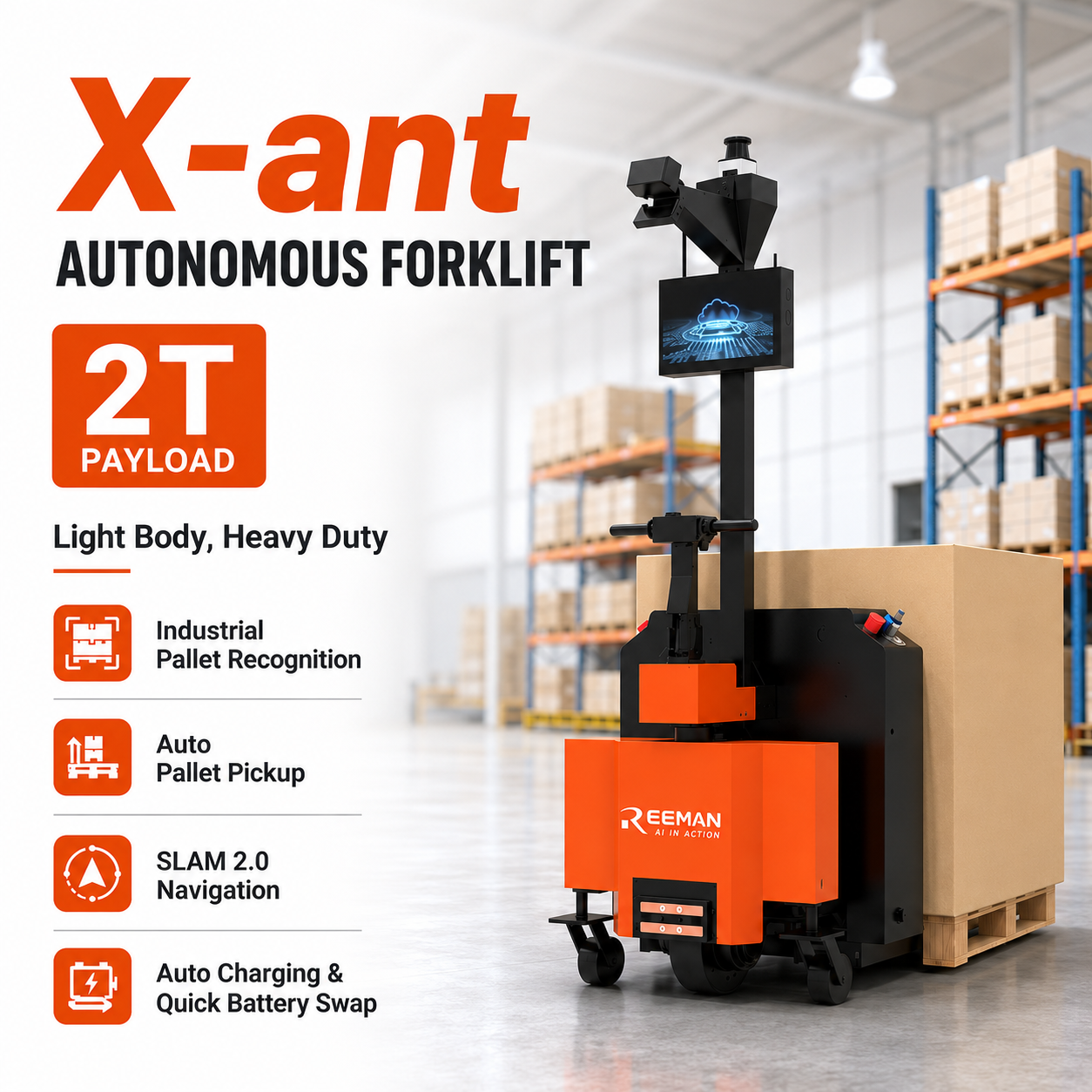
2 Ton Autonomous 4WD AGV Forklift Laser SLAM Navigation Multi-Line LiDAR 3D Obstacle Avoidance Warehouse Handling
Multi-line LiDAR and 3D obstacle avoidance make this model relevant for mixed-traffic sites where pedestrians and manual trucks share lanes.
Review product →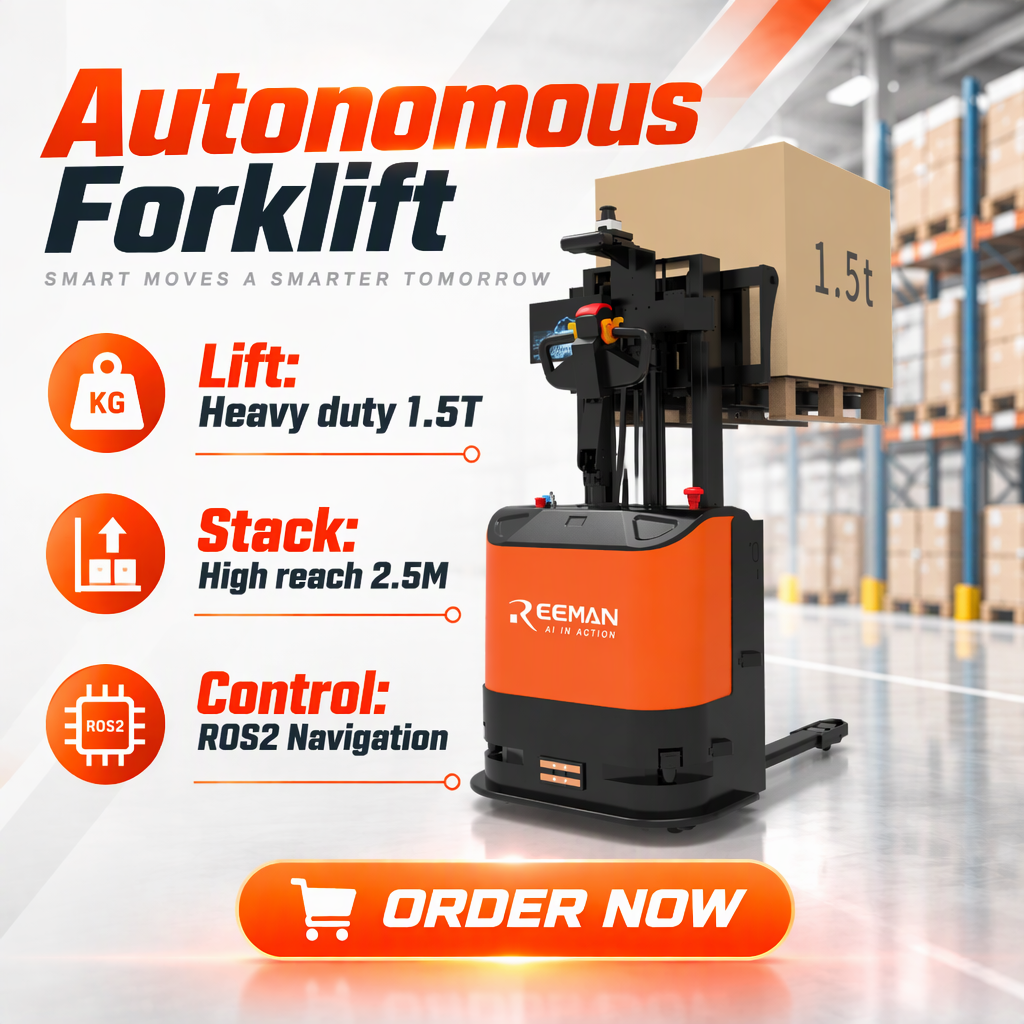
Autonomous Electric Forklift AGV 1500kg Load Capacity 2.5M Lift ROS2 Navigation 4WD Lithium-Ion Battery Indoor Material Handling
A 1,500 kg electric forklift AGV with 2.5 m lift and ROS2 navigation for indoor handling and project-level charging station integration.
Review product →Why Kobe Buyers Shortlist Elvorn for Autonomous Charging Projects
The evaluation should not stop at a robot datasheet. Kobe procurement teams need a manufacturer that can support charging layout, fleet scheduling, safety review, spare parts and long-term technical documentation.
A verified manufacturer, not only a trading intermediary
Shenzhen Elvorn Intelligent Equipment Co., Ltd. is a national high-tech enterprise focused on robotic platform technology and autonomous driving. The company operates two production bases in Shenzhen and Ningbo, maintains ISO 9001 and ISO 14001 management systems, and has been verified onsite by SGS Group. Depending on the model, robots carry CE, FCC or PSE marks, which matters for Kobe buyers preparing electrical safety and compliance reviews.
Why Automatic Charging Stations Matter in Kobe
Kobe is not a generic warehouse market. It combines a historic port gateway, compact industrial districts, high-value manufacturing, cold-chain demands and a service sector that expects reliable, quiet and safe automation.
Kobe sits within the Hanshin Industrial Zone and serves as a gateway for container, ro-ro, food, pharmaceutical and advanced manufacturing supply chains. For local buyers, the operational challenge is rarely a single robot task. The real question is whether the robot can keep working across shifts without creating battery-swap labor, charging congestion or safety conflicts in constrained floor space. This is where an automatic charging station strategy becomes part of the automation design, not an accessory purchased at the end.
In Kobe facilities—especially around Port Island, Rokko Island, HAT Kobe and the Kobe Biomedical Innovation Cluster—available space is valuable. A well-planned automatic charging station can support opportunity charging during natural idle windows, reducing the need for manual battery exchange and allowing lithium-ion-powered autonomous forklifts and AMRs to remain available across multiple shifts. The design must match docking tolerance, connector durability, charge power, floor flatness, traffic flow and fire-safety guidance for the specific building.
Local procurement teams also compare information gain, not only price. They ask whether the manufacturer can explain navigation behavior in mixed pedestrian zones, provide open APIs for WMS or MES integration, document safety logic and support spare parts after commissioning. Kobe's aging workforce and the broader Japanese labor shortage make ease of operation and remote diagnostics especially important. A robot that requires specialist intervention for every fault will not solve the labor problem.
Kobe site-survey checklist before selecting a charging layout
- Confirm floor flatness and docking approach distance at each charging point.
- Review electrical capacity, earthing, EMC and local contractor responsibilities.
- Map pedestrian, manual forklift and emergency exit routes near charging areas.
- Define opportunity-charging windows by fleet task schedule, not by guesswork.
- Check humidity, dust, temperature and cleaning routines in port or food zones.
- Confirm PSE, CE or other required documentation with the buyer's compliance team.
Elvorn approaches these projects with a full-stack engineering perspective: laser SLAM navigation, motion control, fleet scheduling and robot hardware are developed in-house. That means charging integration, top-module customization and interface questions can be handled by one technical team rather than being passed between unrelated suppliers.
Kobe Buyer Priority Index
Illustrative procurement weighting used during early project discussion; final weight depends on site and workflow.
Where Automatic Charging Station Projects Fit in Kobe Operations
The same autonomous platform can be configured for different workflows. These are the most common Kobe application clusters discussed during technical review.
Port & Warehouse Logistics
For Port of Kobe and Rokko Island operations, 1.5-ton and 2-ton autonomous forklifts can move pallets between receiving, staging and storage zones. Charging stations should be placed near natural dwell points to avoid long travel to power.
Precision Manufacturing
In Hanshin-area factories, 600 kg AMRs and forklift AGVs can feed production lines with sheet metal, components and WIP. Auto-charging should be scheduled around takt time and shift handovers.
Food & Cold-Chain
Temperature-controlled sites require charging plans that account for battery behavior, condensation and cleaning cycles. Robots should be specified with the right ingress protection and charging location review.
Pharma & Medical Logistics
Near the Kobe Biomedical Innovation Cluster, traceability and clean material flow are priorities. AMRs with open SDK/API can exchange task status with MES or WMS systems for auditability.
Retail & Exhibition Service
The 30-inch transparent OLED mobile advertising robot is relevant for Sannomiya retail, hotel lobbies, showrooms and event venues where mobile signage creates customer engagement.
Mixed-Traffic Safety Zones
Multi-line LiDAR and 3D obstacle avoidance help forklift AGVs operate around pedestrians, manual trucks and changing obstacles. Speed zoning and charging-area separation should be agreed at layout stage.
Local Development Trends Shaping Automatic Charging Procurement
Labor-Saving Investment
Kobe operators are responding to an aging workforce and driver shortages by selecting robots that reduce walking, lifting and repetitive pallet moves.
24/7 Uptime Planning
Automatic charging stations are increasingly evaluated as uptime infrastructure. Opportunity charging reduces battery-swap downtime and supports multi-shift operations.
Safety & Compliance Review
Kobe buyers increasingly ask for PSE-related documentation, CE or FCC evidence where applicable, ISO management certificates and SGS verification records.
Open Integration
WMS, MES and ERP connectivity is moving from a bonus to a requirement. Open SDK and API support helps local integrators build dashboards and task logic.
Compact Facility Design
As Kobe industrial and logistics space remains constrained, stacker AGVs and compact AMRs are favored where turning radius and charging footprint matter.
Service & Spare-Parts Quality
Procurement teams now score remote diagnostics, English documentation, commissioning support and long-term spare-parts supply as part of total cost of ownership.
Match the Platform to the Kobe Workflow
A practical shortlist for first-round technical discussions. Final configuration depends on pallet type, aisle width, throughput, charging windows and software integration scope.
| Workflow | Recommended Platform | Why It Fits | Charging Consideration |
|---|---|---|---|
| Port-side pallet transfer | 2 Ton Autonomous Forklift AGV | Pallet handling, laser SLAM and warehouse logistics suitability. | Position charging near staging lanes to reduce travel during peak windows. |
| Narrow-aisle stacking | BBOT30F 1500kg Pallet Stacker AGV | Single-line LiDAR and compact stacker format for constrained space. | Keep docking approach clear of pedestrian shortcuts and manual pallet stacks. |
| Production-line material flow | 600kg AMR for Sheet Metal Handling | 600 kg payload and production-line use with open integration potential. | Use shift handovers and line stoppages for opportunity charging. |
| Mixed-traffic warehouse | 2 Ton 4WD AGV Forklift | Multi-line LiDAR and 3D obstacle avoidance support dynamic environments. | Separate charging zones from emergency exits and high-footfall aisles. |
| Indoor 2.5 m lifting | 1500kg Electric Forklift AGV | ROS2 navigation, 4WD, lithium-ion battery and 2.5 m lift. | Review charging power, battery cycle strategy and indoor ventilation with local engineers. |
| Retail and event engagement | 30-inch OLED Mobile Advertising Robot | Transparent screen and remote content control for service environments. | Plan charging around event schedules and high-traffic display periods. |
Note: Elvorn supports OEM service, design service and buyer-label options. Custom top modules, payload structures, branding and packaging can be reviewed during project scoping.
Why Working With a Direct Manufacturer Matters
For Kobe projects, the supplier's engineering depth affects how quickly charging, navigation and integration issues are resolved after shipment.
Laser SLAM Navigation
Maps are built without magnetic tape, QR codes or floor reflectors. This is valuable in Kobe facilities where layout changes, leased space or shared zones make floor work disruptive.
Open SDK & API
AMRs and robot chassis support secondary development. Integrators can connect robots to WMS, MES, ERP, elevators, doors and custom dashboards.
Modular Payload Platforms
From service robots to 2-ton autonomous forklifts, shared control architecture simplifies fleet training, maintenance planning and spare-parts strategy.
Multi-Layer Safety Logic
Lidar, obstacle sensors, emergency stops and speed zoning help manage risk around pedestrians, manual forklifts and racking in mixed operations.
In-House Production
Two production bases in Shenzhen and Ningbo support design, assembly and testing. Supplier assessment procedures and on-site material inspection are part of factory management.
Export-Ready Support
English documentation, remote commissioning and spare-part supply support buyers in North America, Western Europe, East and Southeast Asia, and the Middle East.
From Kobe Site Survey to Stable Operation
01 · Requirement Review
Share layout drawings, load data, pallet type, shift pattern and target throughput. For Kobe sites, include charging room location and electrical constraints.
02 · Solution Design
Engineers recommend models, fleet size, charging plan, safety zones and integration scope. Automatic charging station placement is reviewed with traffic flow.
03 · Customization & Build
OEM branding, top modules, fork dimensions, software interfaces and packaging are confirmed to the buyer's specification.
04 · Factory Testing
Function and load tests are completed before shipment, with test records available for buyer review and internal sign-off.
05 · Shipment & Documentation
Export packing, English manuals, certification documents and spare-parts lists are prepared for smooth customs and site handover.
06 · Deploy & Support
Remote mapping support, operator training, charging routine guidance and long-term spare-part supply help stabilize Kobe operations.
Engineering, Production and Quality Control
Kobe buyers can request company profile documents, assessment records and model-specific certification information during due diligence.

Headquarters and R&D center supporting autonomous robot development.

Assembly operations and production workflow for robot platforms.
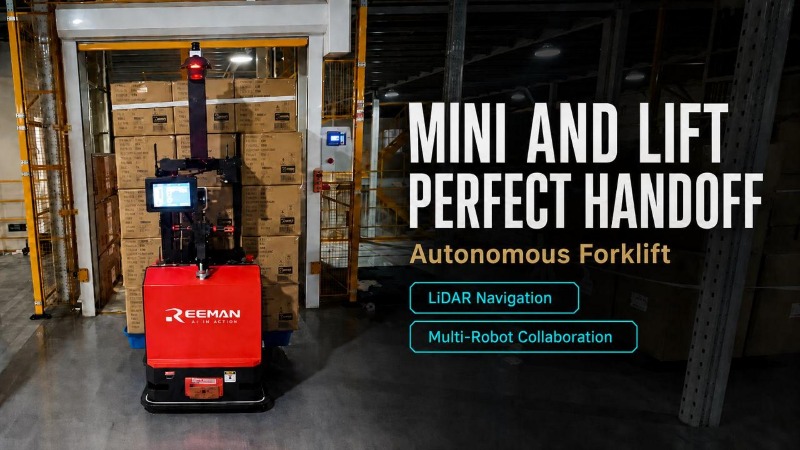
Autonomous forklift demonstration used during technical review.
Frequently Asked Questions by Kobe Procurement Teams
What is an automatic charging station for AGV and AMR fleets?
An automatic charging station allows an autonomous forklift or AMR to dock and recharge without manual plug-in work. The design should match the robot's charging connector, docking tolerance, battery strategy and fleet schedule. In Kobe facilities, the station location should be reviewed against traffic flow, pedestrian routes, floor flatness, electrical capacity and fire-safety guidance.
Which models are most relevant for Kobe warehouses and port logistics?
The 1.5-ton and 2-ton autonomous forklift AGVs are relevant for pallet transfer, while the 1500 kg pallet stacker AGV fits more constrained aisles. For production-line material handling, the 600 kg autonomous mobile robot can move sheet metal and WIP. Final selection depends on pallet type, rack height, aisle width, throughput and charging windows.
Can Elvorn robots integrate with our WMS, MES or ERP?
Yes. Elvorn AMRs and robot chassis provide an open SDK and API for secondary development. This allows task dispatch and status feedback from warehouse management, manufacturing execution or custom software systems. Kobe integrators can review interface requirements during the solution-design stage.
Which certifications and factory evidence should Kobe buyers request?
Depending on the model, Elvorn robots carry CE, FCC or PSE marks. The management system is certified to ISO 9001 and ISO 14001, and the factory has been verified onsite by SGS Group. Buyers should request the exact certificate, model list and scope for their intended configuration, then confirm local electrical and safety requirements with their compliance team.
How do you plan charging stations inside an existing Kobe building?
Start with a site survey covering floor condition, docking approach, power availability, earthing, EMC, ventilation and emergency access. Then align charging windows with the fleet task schedule. Elvorn can review robot-side requirements and project integration, while local electrical contractors and authorities should confirm installation compliance.
What trade terms, payment and support are available?
Elvorn ships worldwide on FOB terms and accepts T/T payment in USD or CNY. The company offers OEM service, design service and buyer-label options. Export markets include North America, Western Europe, East and Southeast Asia, and the Middle East. Spare-part lists, English documentation and remote commissioning support can be discussed during project planning.
Request a Kobe-Specific Charging and Robot Fleet Review
Send your layout, pallet data, shift pattern, throughput target and electrical constraints. The engineering team can recommend suitable autonomous platforms, automatic charging station integration points and a practical deployment sequence for Kobe operations.
Review the manufacturer profile →