Eight Autonomous Robot Platforms for Japan Market Deployment
These eight models are part of Elvorn’s proven autonomous robot portfolio. Japanese integrators, facility operators and wholesalers often purchase them alongside autonomous disinfection robots when they need one qualified manufacturing partner for material handling, delivery, advertising and hygiene automation. Product URLs are preserved below; for a disinfection-specific configuration, use the inquiry button.
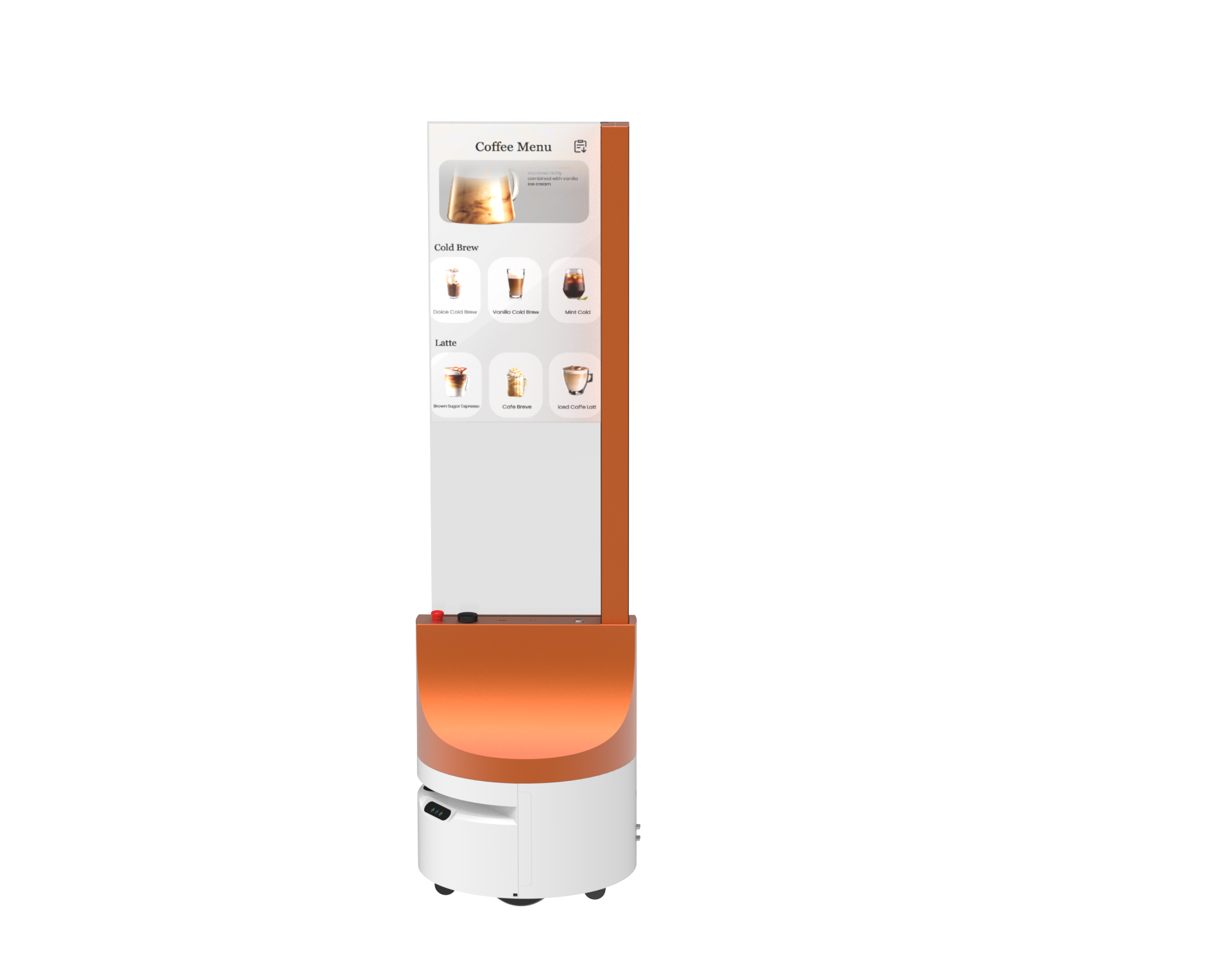
REEMAN 30 Inch OLED Transparent Screen Mobile Advertising Robot 1080 x 1920 FHD 9:16 Wi-Fi App Remote Control
A high-impact mobile signage platform for Japanese retail, hotel lobbies and Expo-related venues, with transparent OLED display and app-based content control.
- 1080 × 1920 FHD vertical display
- Wi-Fi app remote control
- Autonomous navigation for indoor routes
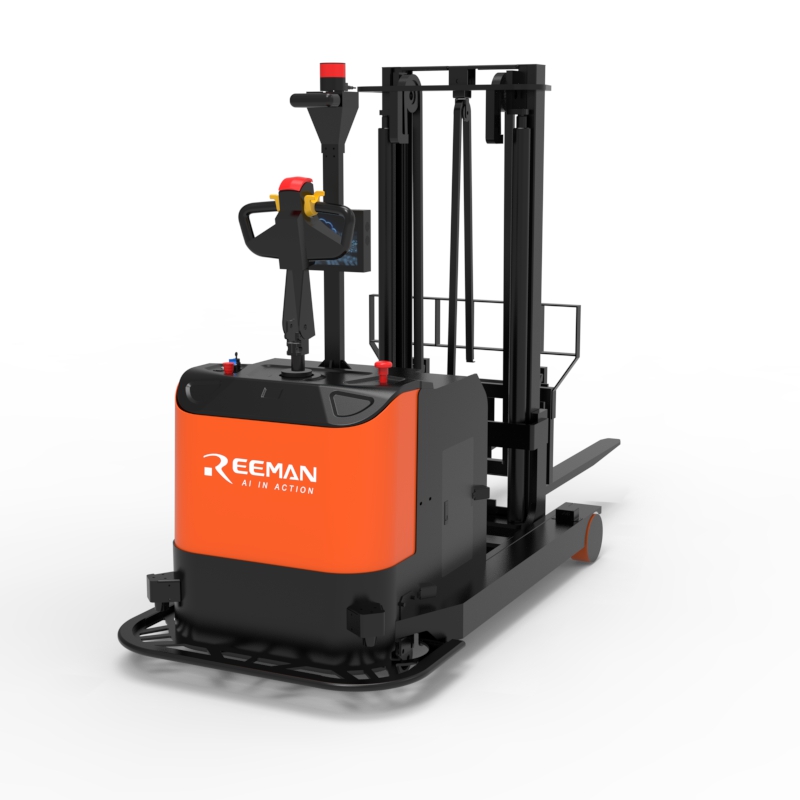
REEMAN Autonomous Electric Forklift 1T Payload 48V 30Ah LiFePO4 Battery Indoor Material Handling AGV
A compact driverless forklift for Japanese warehouses and production plants that need repeatable pallet movement without fixed floor infrastructure.
- 1,000 kg payload class
- 48V 30Ah LiFePO4 battery
- Indoor material handling AGV
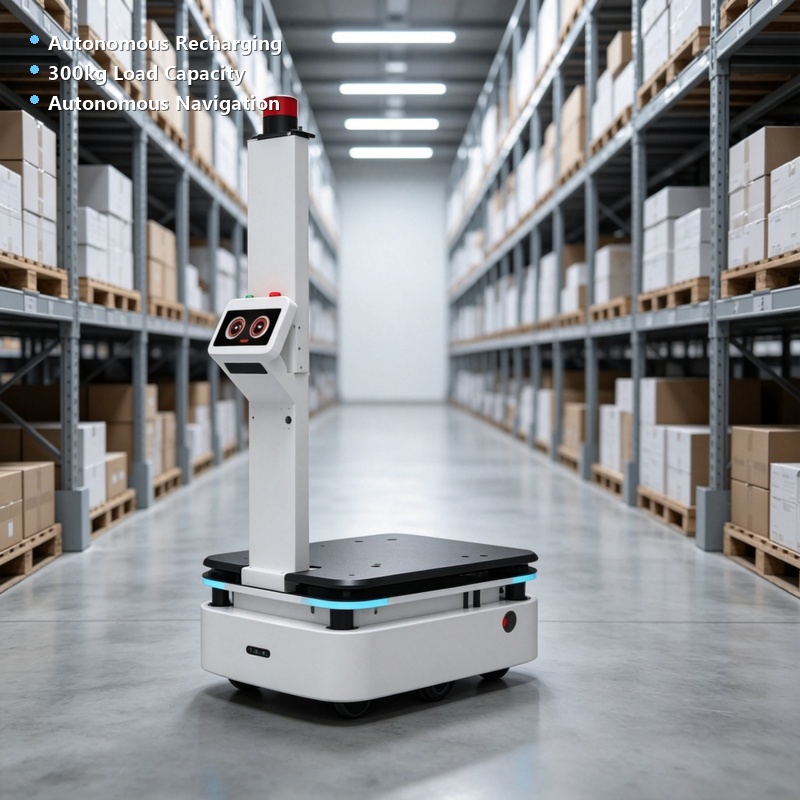
REEMAN Dual Laser Fly Boat MAX 300kg Industrial Delivery Robot for Manufacturing Plants and Factory Material Supply
A dual-laser delivery robot for plants and logistics centers that need stable movement in dynamic environments with people, carts and pallets.
- 300 kg payload
- Dual laser navigation
- Factory material supply routes
Reeman Autonomous Electric Stacker Forklift 1.2 Ton Li-Ion 48V 30Ah 2500mm Lift Laser Navigation 3m Aisle
A 1.2-ton autonomous stacker for Japanese warehouses with constrained aisles and repeated low-rack handling tasks.
- 2,500 mm lift height
- 3 m aisle operation target
- Li-ion 48V 30Ah battery
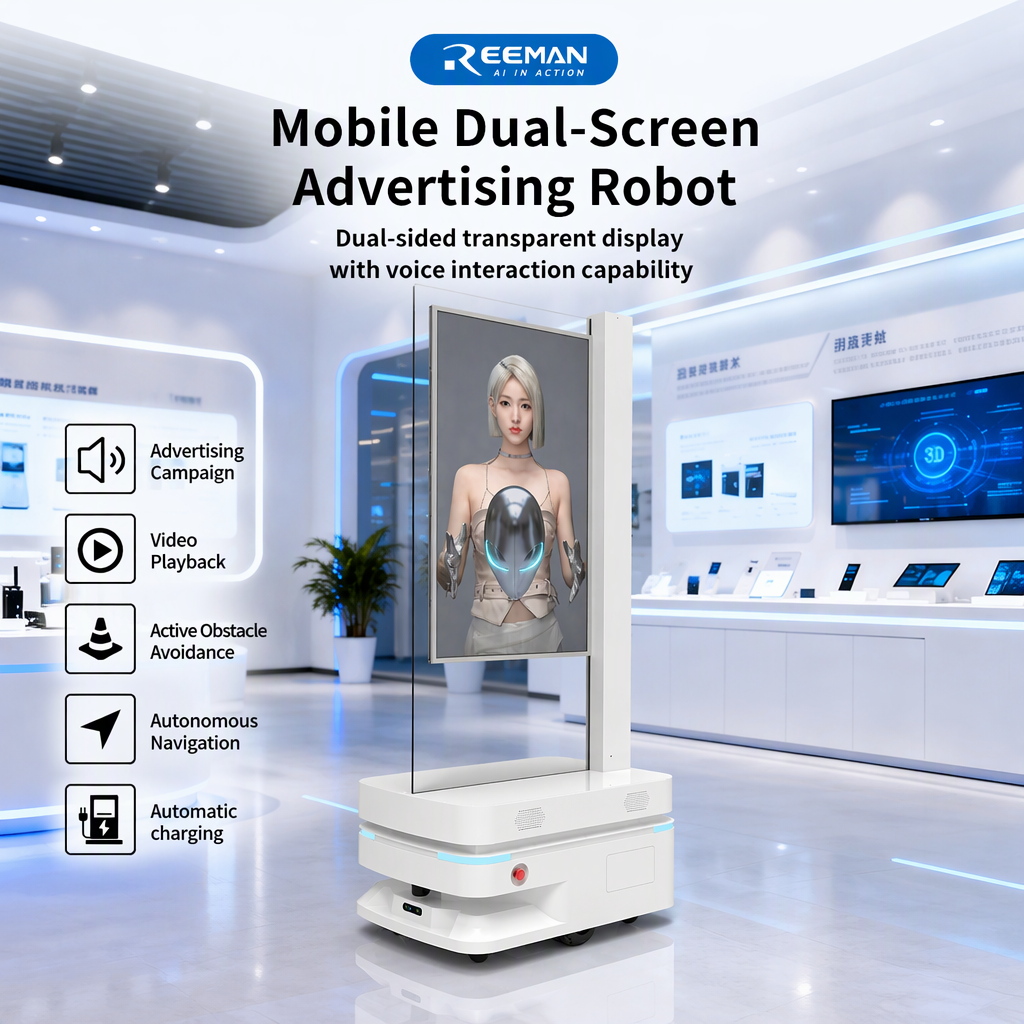
Reeman Mobile Dual Screen Advertising Robot LCD Display Voice Interaction Autonomous Navigation Indoor Commercial Use
Ideal for Japanese malls, hotels and exhibition spaces where brands need moving signage, voice interaction and autonomous indoor guidance.
- Dual LCD advertising screens
- Voice interaction module
- Indoor commercial navigation
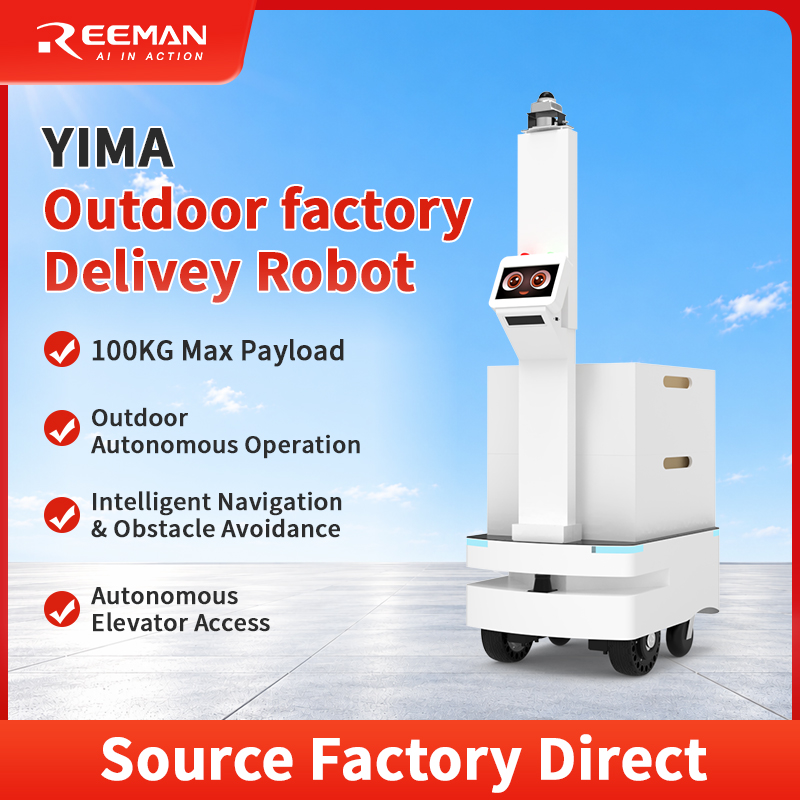
REEMAN Outdoor Delivery Robot 100kg Payload Autonomous Navigation Obstacle Avoidance Elevator Access Warehouse Logistics
A 100 kg outdoor delivery robot suited to campus, hospital and logistics-park routes where Japanese operators need weather-aware autonomous transport.
- 100 kg payload
- Obstacle avoidance and elevator access
- Outdoor warehouse logistics
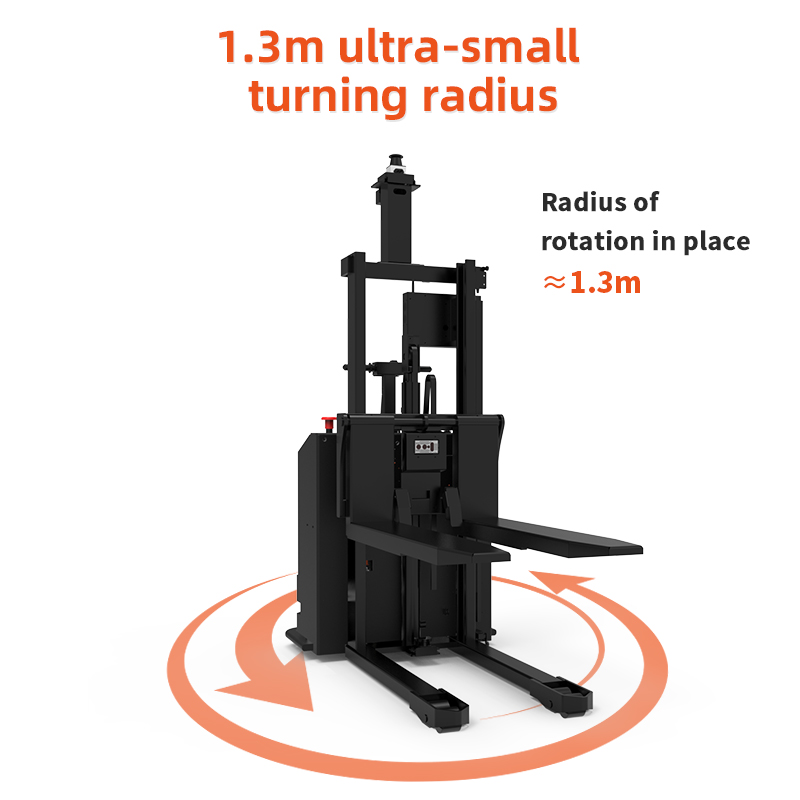
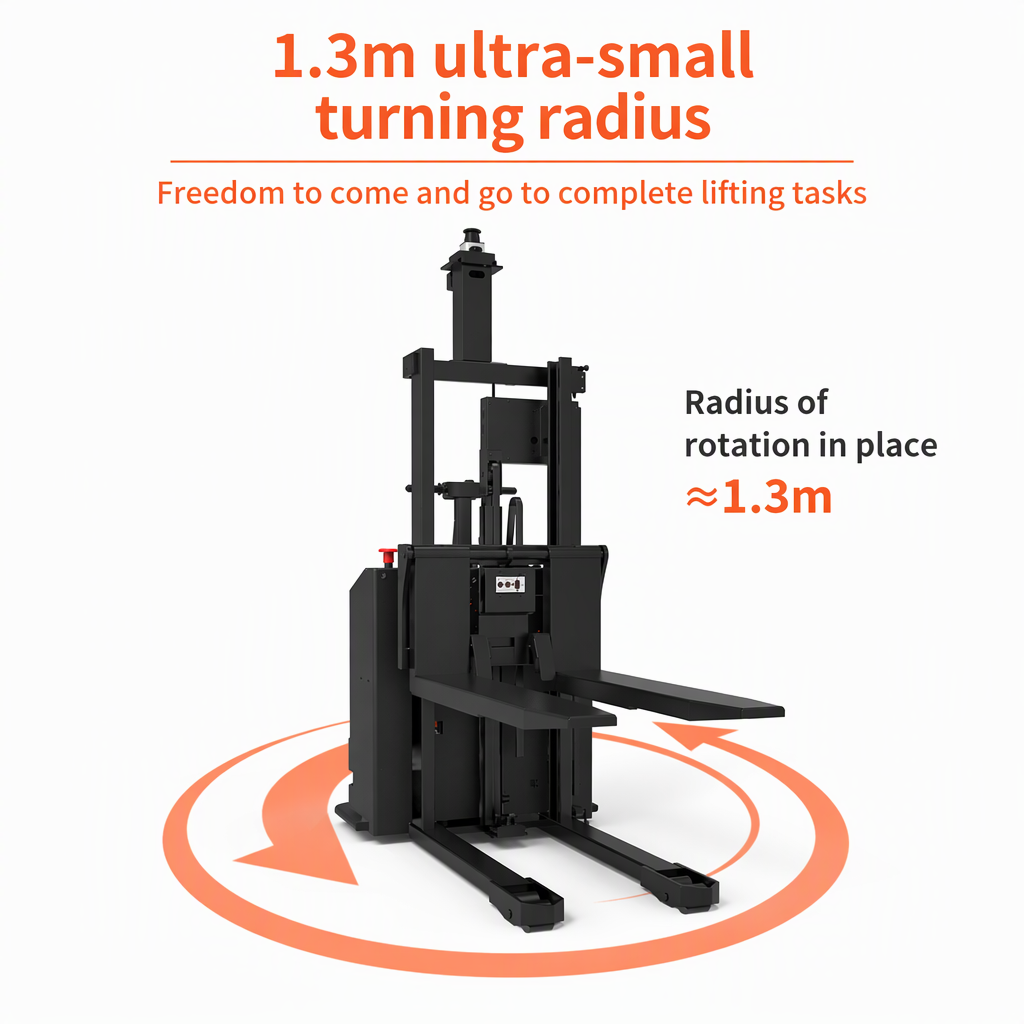
1000kg Forklift AGV Laser SLAM Navigation Pallet Transport Robot 1.3m Turning Radius Auto Charging for Factory Logistics
A 1-ton-class laser SLAM forklift AGV for Japanese factories that need tight turning, auto charging and repeatable pallet transport.
- 1,000 kg load class
- 1.3 m turning radius
- Auto charging support
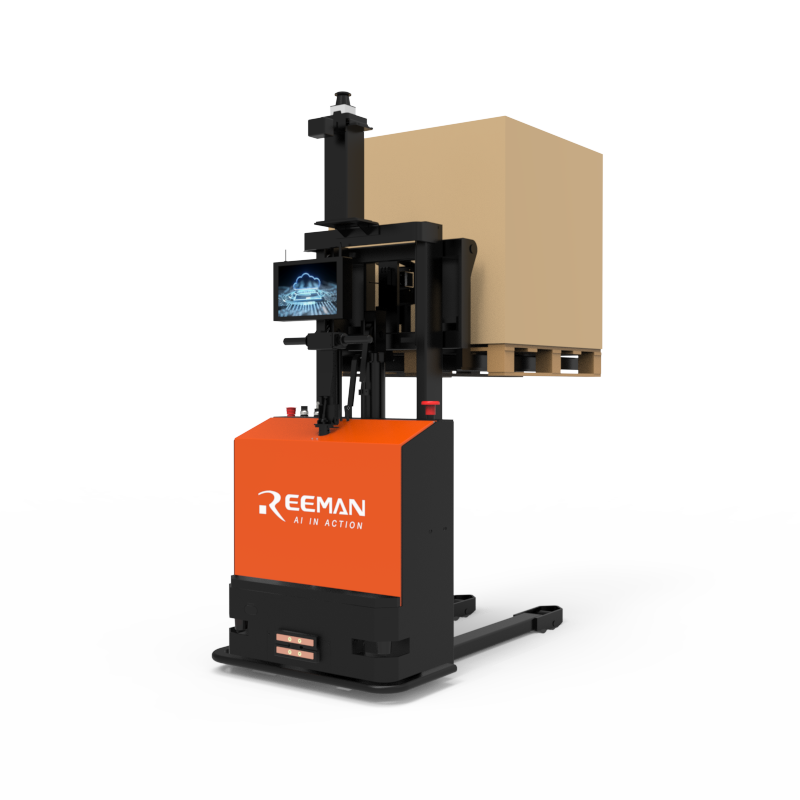
1000 kg Laser SLAM Forklift AGV Unmanned Pallet Stacker Single Line Lidar Obstacle Avoidance Factory Logistics
An unmanned pallet stacker for Japanese plants and distribution centers that want autonomous put-away and retrieval with simple fleet expansion.
- 1,000 kg pallet stacking
- Single-line lidar obstacle avoidance
- Factory logistics deployment
Elvorn at a Glance: Proof for Japan Procurement Review
Japanese buyers and wholesalers typically verify manufacturing depth, intellectual property, response discipline and third-party audit evidence before shortlisting a robotics supplier. These are the core facts behind Elvorn’s E-E-A-T position.
Manufacturer Strengths That Reduce Deployment Risk
For autonomous disinfection robots and adjacent AMR projects, the purchasing decision is rarely about one specification alone. Japanese buyers compare navigation stability, customization depth, safety logic, documentation and after-sales continuity.
Laser SLAM Navigation
Robots map a site in hours and navigate without magnetic tape, QR codes or floor reflectors. This matters in Japanese hospitals, hotels and factories where renovation work, infection-control zoning and layout changes must not disrupt daily operations.
Open SDK & API Integration
AMRs and robot chassis provide an open SDK and API for secondary development. Integrators can connect task dispatch, elevator access, door control, status feedback and dashboards to existing Japanese facility systems, WMS, MES or ERP environments.
Modular Payload Platforms
From 60 kg delivery robots to 1-ton and 2-ton autonomous forklift classes, Elvorn uses shared control architecture. This simplifies operator training, fleet supervision and spare-part planning for wholesalers serving multiple Japanese verticals.
Multi-Layer Safety Logic
Lidar, obstacle sensors, emergency stops and speed zoning help protect pedestrians, staff and racking. For Japan, safety documentation, warning labels and operating procedures can be scoped as part of the project dossier.
Own Production Capacity
Two production bases in Shenzhen and Ningbo support on-site material inspection and supplier assessment procedures. As a verified custom manufacturer, Elvorn offers OEM service, design service and buyer-label options for Japanese distributors.
Export-Ready Support
English documentation, remote commissioning and spare-part supply serve buyers across North America, Western Europe, East and Southeast Asia and the Middle East. Japan-specific voltage, language and manual localization can be reviewed during configuration.
Where Autonomous Disinfection and AMR Systems Create Measurable Value
Japan’s operating environment rewards quiet, reliable and well-documented automation. These application scenarios reflect the real questions asked by hospital groups, hotel operators, airport facility teams, shopping centers, care providers and logistics companies.
Hospitals & Clinics
Terminal disinfection of patient rooms, waiting areas and operating-theatre corridors can be scheduled around clinical workflows. Autonomous delivery robots can move linen, supplies or specimens on separate routes, reducing staff walking time while supporting infection-control protocols.
Hotels, Ryokan & Hospitality
Japanese hospitality requires quiet operation and discreet guest communication. After-hours disinfection can cover high-touch routes and banquet areas, while mobile advertising and delivery robots support guest service, wayfinding and brand presentation in lobbies and event spaces.
Airports, Stations & Transit Hubs
Large open spaces demand stable navigation around passengers, luggage carts and temporary barriers. Dual-laser SLAM and fleet scheduling can support scheduled hygiene routes, while delivery and guidance robots improve passenger flow and service visibility.
Shopping Malls & Retail
Mobile advertising robots with 30-inch transparent OLED or dual-screen LCD displays create moving brand touchpoints. For hygiene, operators can schedule autonomous disinfection in corridors, rest areas and after-hours zones without permanent floor markers or disruptive construction.
Schools, Care Facilities & Public Offices
Japan’s aging society and public-health awareness make continuous hygiene important in care homes, clinics, schools and government buildings. Simple operation, low noise and clear safety signage help staff adopt automation without adding complex IT overhead.
Food Factories & Logistics Centers
Autonomous forklifts, stacker AGVs and delivery robots handle repetitive pallet and material movement, while disinfection can be scoped for locker rooms, corridors and non-production zones. Separating hygiene routes from material flow reduces cross-contamination risk.
Four Localized Trends Shaping Autonomous Hygiene Procurement
The Japanese market is not simply replacing manual cleaning with robots. Buyers are re-engineering hygiene workflows, documentation and service-level expectations around automation.
From Terminal Cleaning to Continuous Hygiene
Hospitals, hotels and public venues increasingly ask for scheduled autonomous cycles between manual deep cleans. This shifts procurement from a one-time equipment purchase to an operating model with logs, route ownership and KPI review.
Labor Shortage and Logistics Reform
Japan’s chronic labor shortage and logistics efficiency reforms are pushing warehouses and factories to adopt AMRs and forklift AGVs. Buyers favor suppliers that can support multi-site rollouts, spare parts and operator training.
Local Compliance Becomes a Shortlist Gate
Japanese procurement teams ask about PSE, Radio Law technical conformity, IEC 62471 photobiological safety, Japanese manuals and local service escalation. Documentation quality can decide whether a supplier reaches the pilot stage.
Data-Driven Hygiene and ESG Reporting
Facility operators want route completion records, exception alerts and energy data. Autonomous robots can generate operational evidence for internal audits, ESG reporting and service-level reviews when the data layer is designed correctly.
Product Combinations for Japanese Use Cases
Use these starting points to structure a first inquiry. Final configuration depends on site layout, room turnover, payload, route width, charging location and integration scope.
Disinfection + Light Delivery Automation
Pair an autonomous disinfection robot with a 300 kg industrial delivery robot or 100 kg outdoor delivery robot for supplies, linen and internal logistics. This configuration supports separated clean and dirty routes.
Guest-Facing Signage + Autonomous Service
Use the transparent OLED mobile advertising robot or dual-screen commercial advertising robot for wayfinding, promotions and guest interaction. Disinfection cycles can be scheduled after hours on separate routes.
Forklift AGV + Stacker Pallet Flow
Combine 1-ton and 1.2-ton autonomous forklift platforms with a 1000 kg laser SLAM pallet stacker for receiving, put-away and line-side supply. This is suitable for Japanese sites replacing repetitive pallet movement.
Disinfection Configuration Matrix for Japanese Environments
A disinfection robot is not a generic floor-care machine. The effective configuration depends on room sensitivity, cycle time, residue tolerance, human exposure control and documentation requirements.
High-Risk Clinical Spaces
Recommended approach: closed-room terminal cycle with UV-C dosimetry, door/window interlocks, motion detection and cycle logs. Buyers should confirm wavelength, exposure limits and operator safety procedures against Japanese requirements and internal infection-control policy.
High-Traffic Public Areas
Recommended approach: autonomous route-based disinfection during low-occupancy hours, with obstacle avoidance, speed zoning and visible warning signage. Elevator and escalator access should be validated during site survey.
Guest-Sensitive Hospitality
Recommended approach: low-noise, low-residue cycles with discreet scheduling and clear guest communication. Avoid strong chemical residue in guest rooms unless the operator has verified material compatibility and ventilation.
Logistics & Food-Adjacent Zones
Recommended approach: separate material-handling robots from hygiene routes. Use autonomous disinfection for corridors, locker rooms and non-production zones after assessing humidity, temperature and surface compatibility.
What Japanese Buyers Commonly Ask Before Purchasing Autonomous Robots
These questions are designed for facility owners, importers, trading companies and wholesalers preparing a Japanese pilot or distributor agreement.
Which Japanese regulations should be checked first?
Electrical products typically require PSE compliance, wireless modules require Radio Law technical conformity, and UV-emitting equipment should be assessed for photobiological safety such as IEC 62471. If medical claims are made, the buyer must verify whether PMDA requirements apply. Elvorn can provide technical documents for the selected configuration; the importer should confirm final compliance with a Japanese authority.
Can you supply 100V / 200V and 50Hz / 60Hz configurations?
Japan’s grid varies by region. Charging systems, plugs and power supplies can be reviewed during quotation. Buyers should state the installation region, available voltage, charging location and whether overnight charging or opportunity charging is preferred.
Do you support Japanese-language interface and manuals?
As part of OEM/ODM scoping, Elvorn can discuss Japanese-language interface text, warning labels, operator manuals and training materials. For distributors, private-label packaging and buyer-label options are also available.
How is disinfection performance validated?
Validation should be based on the target organism, surface, distance, shadowing, cycle time and chosen technology. Japanese buyers often request third-party laboratory reports, UV dose maps or protocol documentation. Claims should be aligned with actual test conditions and local regulatory expectations.
What are the usual trade terms and lead times?
Elvorn ships worldwide on FOB terms and accepts T/T payment in USD or CNY. Lead time depends on model, customization, testing and certification documentation. Wholesalers should request a pilot-unit schedule separately from mass-production timing.
How do you protect uptime after import?
Elvorn supports remote diagnostics, commissioning guidance and spare-part planning. The factory is SGS-verified, management is certified to ISO 9001 and ISO 14001, and the published response rate is 98.76%. For Japan, local service partners, spare-part kits and escalation procedures should be agreed before rollout.
Why This Content Is Designed for Serious Japan Buyers
A high-value robotics purchase requires more than a product grid. The following evidence layers reflect the due-diligence questions that appear in real OEM/ODM and wholesale discussions.
Experience Since 2015
Founded in 2015, Shenzhen Elvorn Intelligent Equipment Co., Ltd. has grown into a national high-tech enterprise with more than 200 team members, 39 patents, 5,200㎡ of floorspace and two production bases. Its portfolio covers autonomous forklifts, industrial AMRs, robot chassis, delivery robots, cleaning robots and disinfection robots.
Engineering Depth
Elvorn owns full-stack capabilities across laser SLAM navigation, motion control, fleet scheduling and hardware design. For Japanese integrators, this means customization questions can be answered by the engineering team rather than passed through multiple intermediaries.
Verifiable Trust Signals
Buyers can review SGS onsite verification, ISO 9001 and ISO 14001 management certification, CE / FCC / PSE model marks, transaction records and assessment reports. These signals support procurement committees that need documented supplier credibility.
Ready to Specify a Japan-Ready Autonomous Disinfection Robot?
Share your facility layout, target zones, room turnover time, voltage requirement, language preference, integration scope and expected fleet size. Elvorn’s engineers can recommend a configuration that combines autonomous disinfection with AMR, forklift AGV or service robot platforms where appropriate.
Inquire NowOEM / ODM · Buyer label · SGS-verified factory · ISO 9001 & ISO 14001 · Export documentation support