Washington DC Is a Logistics Market of Constraints, Not Empty Floor Space
The Washington DC region is not one uniform warehouse market. It combines dense urban deliveries in the District, federal offices and contractors in Arlington and Alexandria, technology and data-center support facilities in Fairfax and Loudoun, life-science and medical campuses in Montgomery County, and infill logistics parks across Prince George’s County and the Baltimore-Washington corridor. The common thread is constraint: limited staging areas, mixed pedestrian traffic, tight loading windows, existing Wi-Fi and security policies, and a procurement process that expects documentation before a robot is allowed onto the floor.
That is why a credible industrial AMR robot exporter and wholesaler in the Washington DC market must do more than quote a payload and a price. A successful deployment starts with load data, aisle width, pallet quality, floor condition, charger placement, fire egress, network coverage, hand-off height, and a clear answer to a simple question: what manual movement will disappear when the robot starts working?
Shenzhen Elvorn Intelligent Equipment Co., Ltd. approaches DMV projects with laser SLAM navigation, in-house motion control, fleet scheduling, open SDK/API integration, and factory testing records. Our product range spans compact 600 kg lifting AMRs to 2-ton autonomous forklifts, plus dual-screen advertising robots and 75-inch touch-screen digital signage for customer-facing environments. For buyers comparing suppliers, that combination matters because it reduces the number of vendors responsible for navigation, lift control, safety configuration, and after-sales support.
We do not claim that every site is ready for automation. We do claim that the right starting point is an engineering review of the work, not a generic catalog download. That is why every inquiry begins with site data, operating assumptions, and a practical conversation about throughput, safety, integration, and total cost of ownership.
DMV procurement teams often evaluate AMRs against labor availability, shift continuity, employee safety, network security, spare-parts response, and the ability to integrate with a WMS, MES, ERP, elevator control, or access-control system. The winning proposal is usually the one that makes the deployment auditable, not the one with the loudest brochure.

Where Industrial AMRs Deliver Value in Washington DC, Virginia, and Maryland
The highest-return applications are repetitive, measurable, and close to a hand-off point. These six scenarios are common starting points for DMV buyers.
In-Plant Material Handling in Northern Virginia
Electronics, aerospace, defense-adjacent, and data-center support facilities in Fairfax, Loudoun, and Chantilly often move totes, fixtures, and heavy components between receiving, kitting, assembly, and test. A 600 kg lifting AMR or 600 kg heavy-load platform can reduce walking and cart traffic while keeping a digital record of task completion.
Pallet Flow in Prince George’s County and the I-95 Corridor
Infill warehouses around Landover, Capitol Heights, Hyattsville, and the Baltimore-Washington corridor face tight aisles and high dock pressure. Autonomous forklifts with 1-ton or 2-ton capacity are a better fit when the job is repeatable pallet movement from dock to storage or from storage to a line-side drop.
Secure Campus and Federal Contractor Logistics
Projects in the District, Arlington, and Alexandria frequently require escort procedures, asset lists, network segmentation, and clear safety documentation. Laser SLAM robots avoid floor tape and reflectors, which simplifies layout changes in leased space and helps site teams control where the robot can travel through map zoning.
Hospital, Laboratory, and Medical Campus Support
Medical and research campuses in Montgomery County and the District need predictable movement of supplies, specimens, linens, or equipment between departments. A 600 kg AMR with a custom cart or top module can automate scheduled runs while staff remain focused on patient care and compliance.
Museums, Hotels, Convention Venues, and Airports
Customer-facing environments need technology that is useful, safe, and on-brand. The Reeman dual-screen advertising robot combines LCD display, voice interaction, and autonomous indoor navigation for wayfinding, promotions, and guest engagement. It is a practical fit for hotel lobbies, exhibition halls, retail concourses, and transport hubs.
Retail Backrooms and Digital Signage Networks
Washington DC retail and mixed-use properties often combine backroom replenishment with public-facing communication. A 75-inch indoor touch-screen digital poster with SDK, OEM, and ODM support can serve retail stores, elevator lobbies, airports, and venue directories while the same site plans AMR-based replenishment.
Eight Industrial AMR and Autonomous Robot Models for Washington DC Buyers
These are not random catalog picks. Each model maps to a specific DMV workflow: heavy pallet transfer, narrow-aisle stacking, line-side delivery, public guidance, advertising, or touch-screen signage.
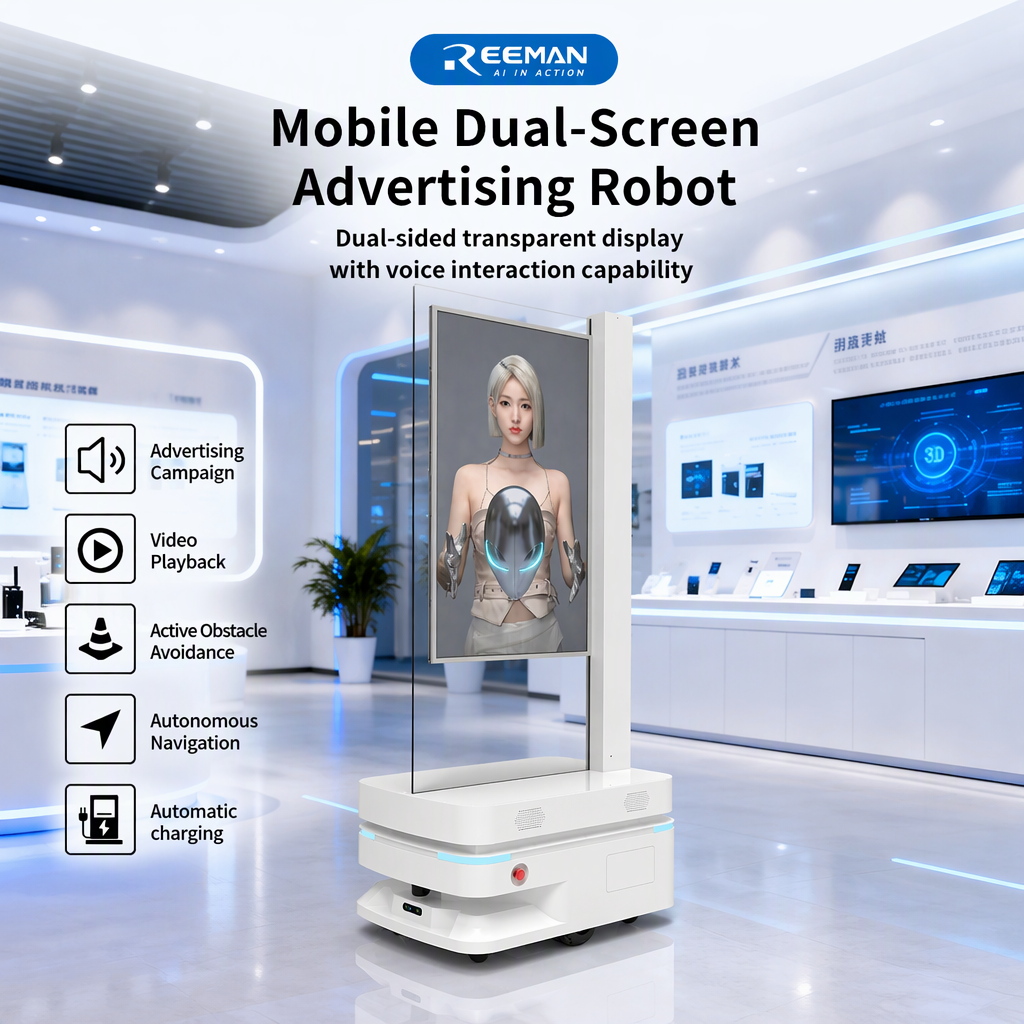
Reeman Mobile Dual Screen Advertising Robot LCD Display Voice Interaction Autonomous Navigation Indoor Commercial Use
Ideal for museums, convention hotels, retail concourses, and airports where static signage cannot respond to foot traffic. Dual screens support promotions and wayfinding while autonomous navigation keeps the unit moving through approved zones.
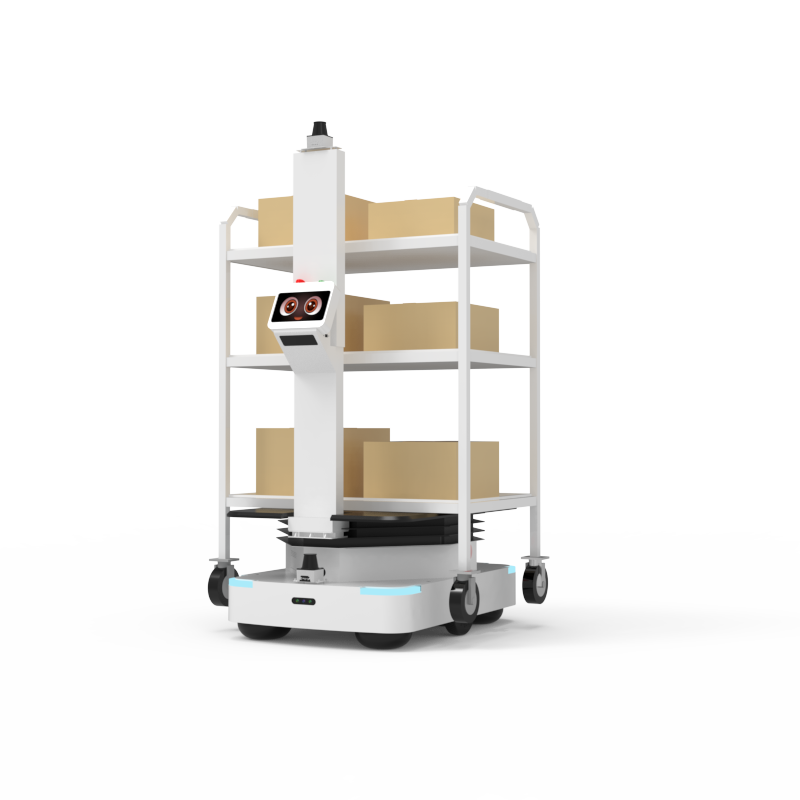
600KG Industrial Heavy Load AMR Robot Laser SLAM Auto Lifting Mobile Platform for in Plant Material Handling
A strong fit for Northern Virginia manufacturing and assembly sites that move heavy fixtures or components between workstations. Laser SLAM navigation and automatic lifting reduce dependence on floor markers and manual carts.
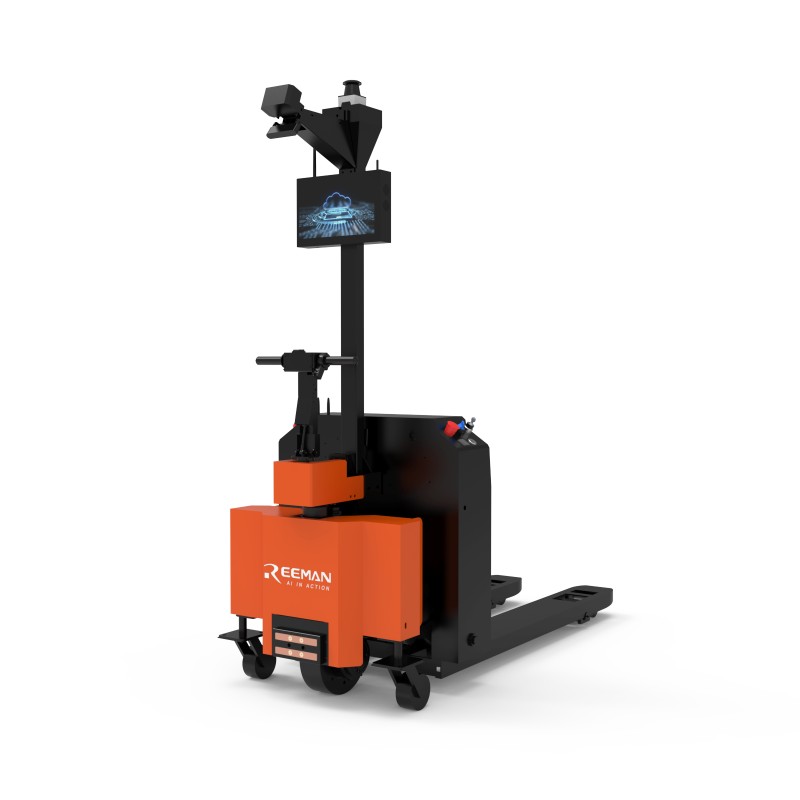
Reeman 2 Ton Autonomous Forklift AGV Laser SLAM Unmanned Pallet Truck 1085mm Fork 10mm Position Accuracy
Recommended for dock-to-storage and storage-to-line pallet moves where consistent positioning matters. The 1085 mm fork and 10 mm positioning accuracy target repeatable pallet handling in DMV warehouses with defined traffic lanes.
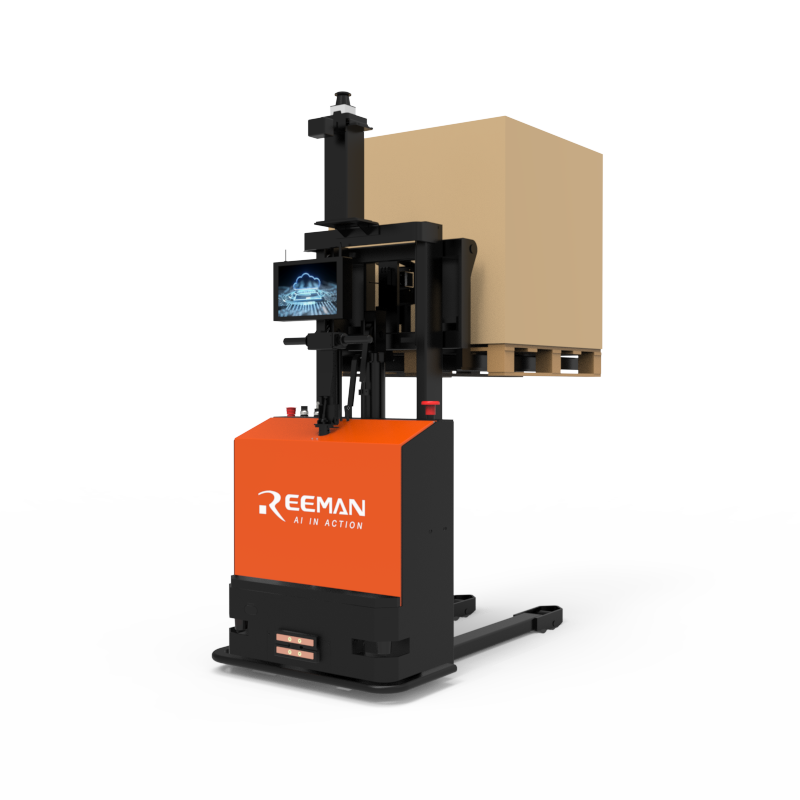
1000 kg Laser SLAM Forklift AGV Unmanned Pallet Stacker Single Line Lidar Obstacle Avoidance Factory Logistics
A practical option for factories and 3PLs that need automated stacking and low-rack storage without a full 2-ton platform. Single-line LiDAR obstacle avoidance supports routine pallet shuttling in controlled factory logistics areas.
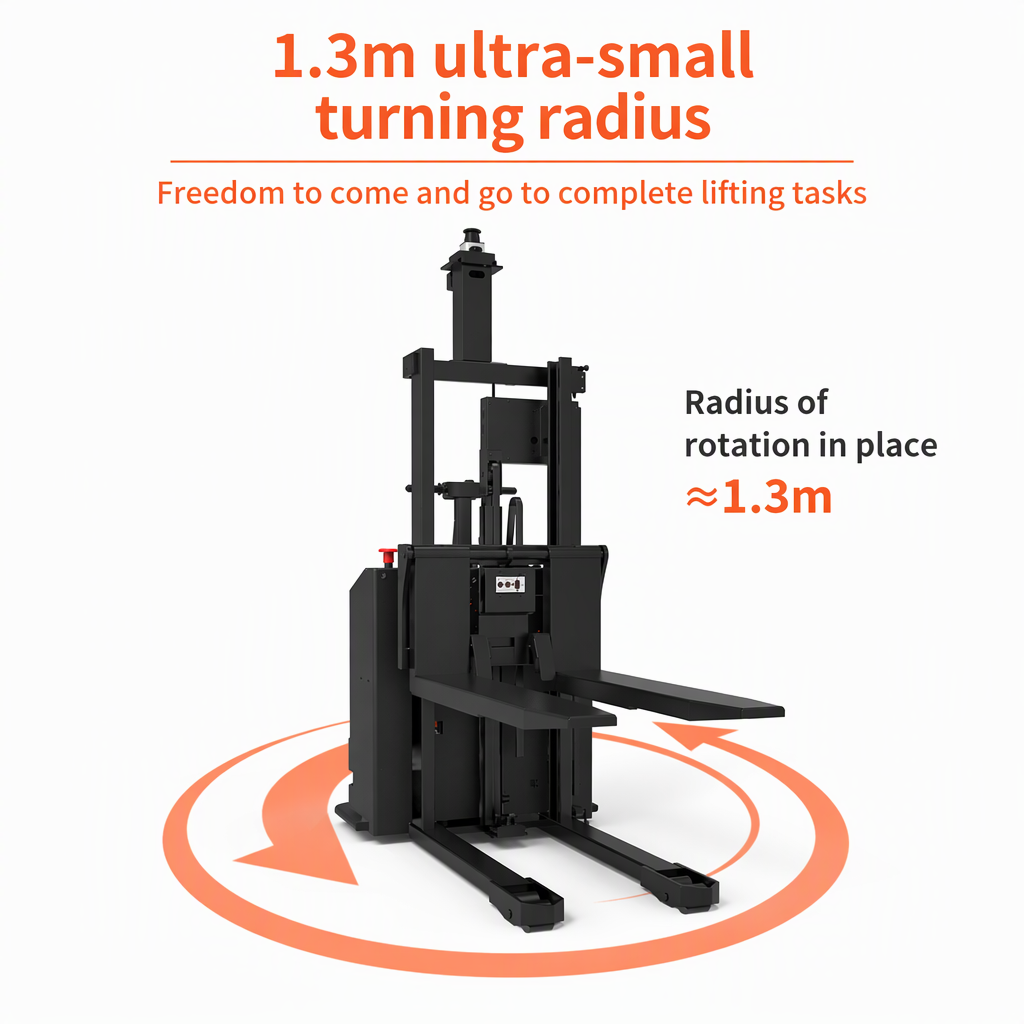
REEMAN Autonomous Electric Forklift 1T Payload 48V 30Ah LiFePO4 Battery Indoor Material Handling AGV
Best for indoor sites with moderate loads, limited aisle space, and a need for cleaner electric operation. The 48 V 30 Ah LiFePO4 battery platform supports scheduled shifts and charging routines planned around your facility’s electrical layout.
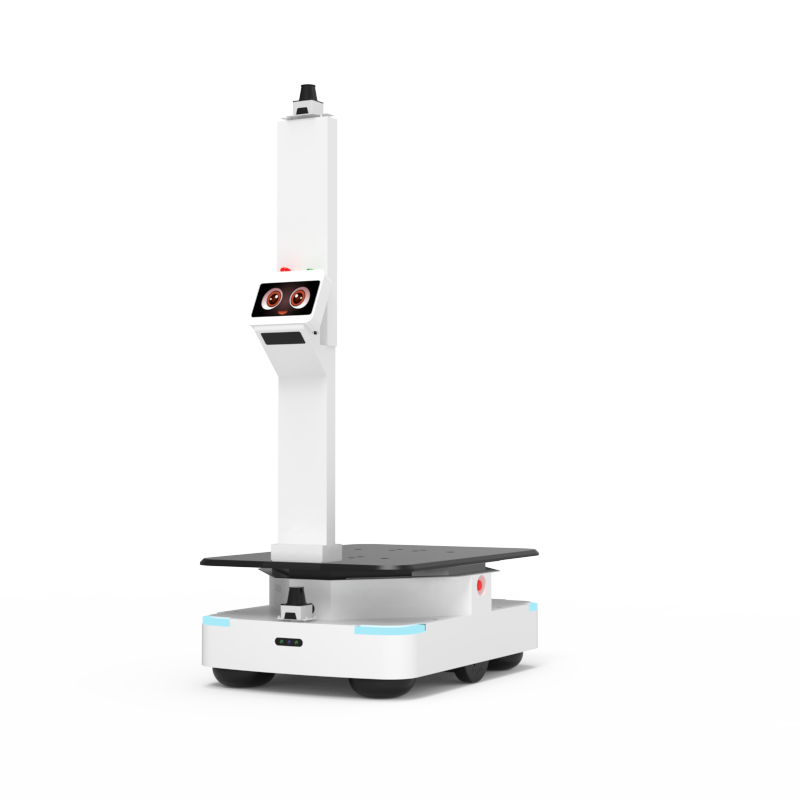
600kg Payload Laser Navigation AMR Robot Autonomous Lifting Warehouse Transfer Equipment
A flexible warehouse transfer platform for shelf, cart, or custom top-module handling. It suits distribution centers and hospital logistics where the robot must move between departments and hand off loads at defined stations.
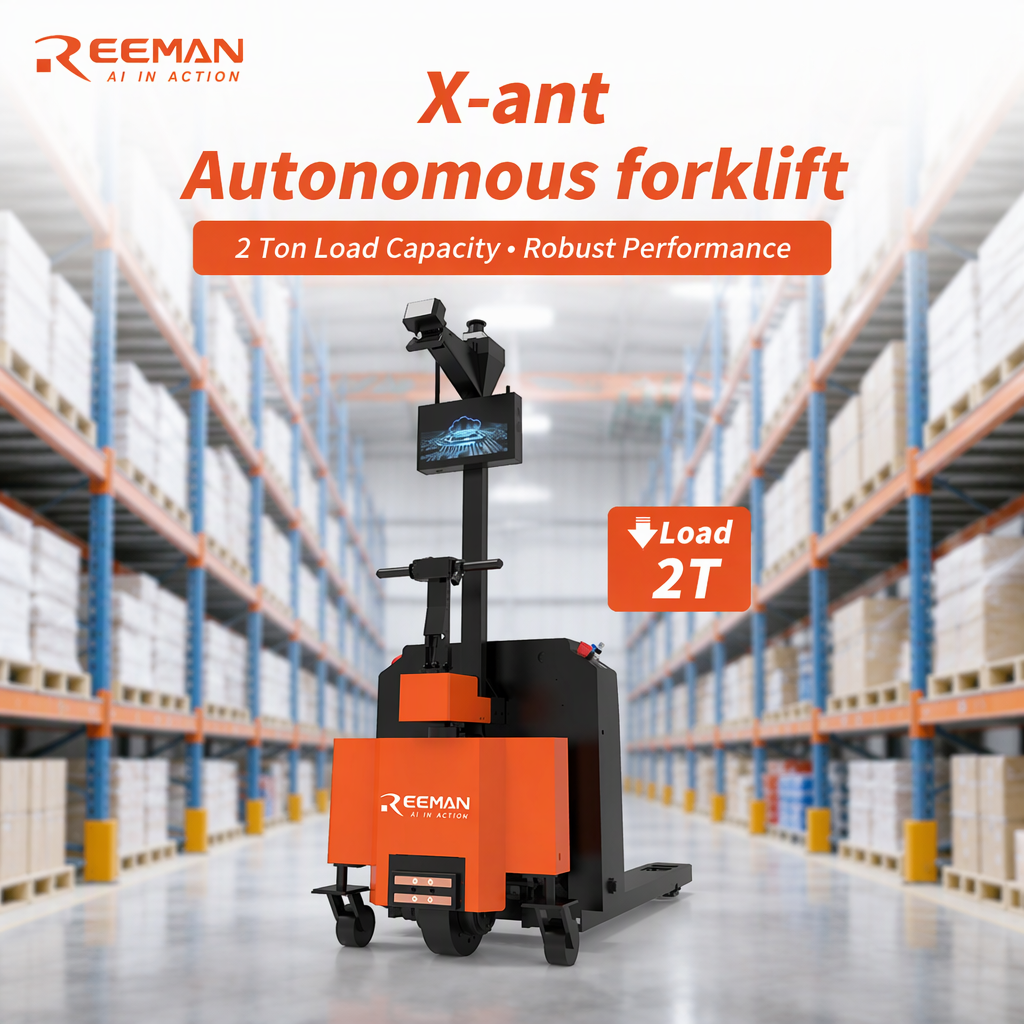
2 Ton Autonomous 4WD AGV Forklift Laser SLAM Navigation Multi-Line LiDAR 10mm Position Accuracy Warehouse Handling
Built for heavier warehouse handling and more demanding floor conditions. Multi-line LiDAR and 4WD traction support stable navigation, while 10 mm positioning accuracy targets repeatable pallet pickup and drop-off in high-throughput zones.
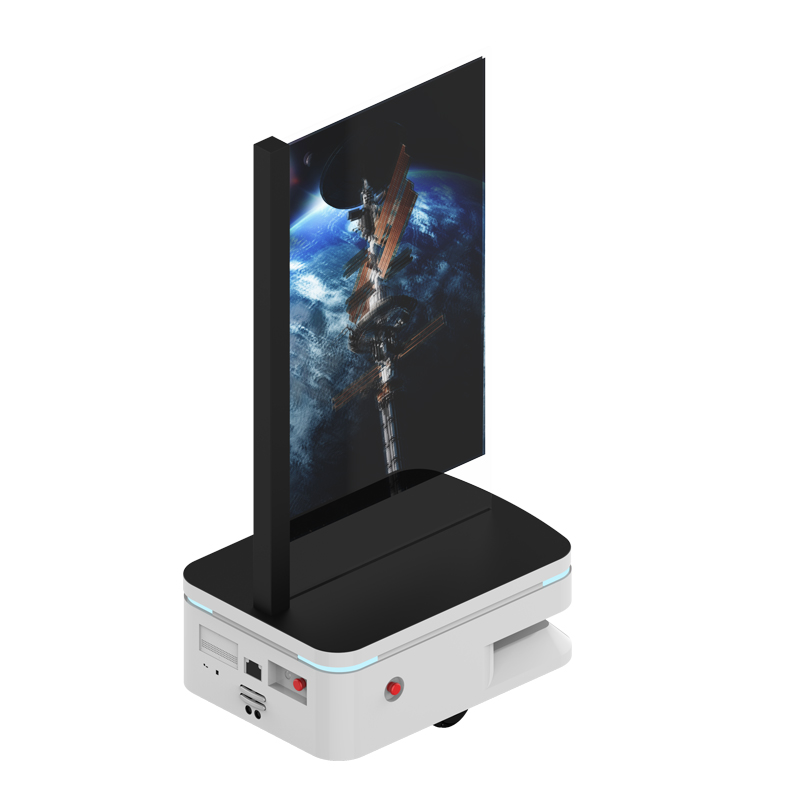
75 Inch Indoor LED Digital Poster Touch Screen Display SDK OEM ODM Black Signage for Retail Store Elevator Airport
For DC retail, elevator lobbies, airports, and exhibition spaces that need a large interactive display with SDK, OEM, and ODM options. It pairs well with autonomous service robots for a coordinated physical-digital customer experience.
Need help narrowing eight models to one deployment plan? Share your load, aisle, and hand-off data through the inquiry button and our application engineers will respond with a model shortlist.
Match the Robot to the Washington DC Workflow
A fast reference for procurement and operations teams comparing autonomous forklifts, lifting AMRs, and customer-facing robots.
| Recommended model | Rated load | Navigation | Best-fit DMV workflow | What to verify before RFQ |
|---|---|---|---|---|
| Reeman 2 Ton Autonomous Forklift AGV | 2,000 kg | Laser SLAM | Dock-to-storage pallet transfer, line feeding, long shifts | Pallet condition, fork entry clearance, aisle width, charger location |
| 2 Ton Autonomous 4WD AGV Forklift | 2,000 kg | Multi-line LiDAR SLAM | Heavy warehouse handling, mixed floor conditions, high-throughput zones | Floor transitions, ramp grade, obstacle density, safety scan zones |
| 1000 kg Laser SLAM Forklift AGV Pallet Stacker | 1,000 kg | Laser SLAM | Low-rack stacking, narrow-aisle pallet shuttling, factory logistics | Rack height, stack tolerance, overhead obstructions, load stability |
| 600kg Lifting AMR | 600 kg | Laser SLAM | Shelf, cart, and top-module transfer in warehouses and medical campuses | Hand-off height, cart design, elevator use, pedestrian traffic, WMS tasks |
| REEMAN 1T Autonomous Electric Forklift | 1,000 kg | Laser SLAM | Compact indoor material handling and lower-volume pallet moves | Battery/charging plan, duty cycle, floor flatness, aisle turning radius |
| Dual-Screen Advertising Robot | Service platform | Autonomous indoor navigation | Museum, hotel, retail, convention, and airport engagement | Route permissions, content management, lighting, acoustics, public safety |
Final configuration depends on the site survey, load test, safety zoning, and integration scope. For a formal recommendation, provide drawings, pallet photos, throughput targets, and shift patterns.
Four Automation Trends Shaping DMV Procurement Decisions
The Washington DC market rewards suppliers who can answer operational questions, not only product questions.
1. Infill Logistics and Tighter Aisles
Rising land values and limited industrial space push DC-area operators toward denser storage and smaller staging zones. Robots must navigate narrower aisles, share space with people, and work around existing racking rather than assuming a greenfield layout.
2. Federal-Adjacent Documentation
Contractors and regulated facilities ask for traceable test records, model-specific compliance documents, network segmentation plans, and clear maintenance procedures. A supplier that treats documentation as an afterthought creates schedule risk.
3. Labor Resilience and Uptime
Operations teams are designing around shift continuity, not only headcount reduction. Battery strategy, charger placement, remote diagnostics, spare-part availability, and operator training now carry as much weight as navigation accuracy.
4. Interoperability and Energy Planning
AMRs are becoming part of a broader data and energy plan. Buyers want task dispatch through WMS/MES/ERP systems, clear fleet status reporting, and charging schedules that fit electrical capacity and utility demand patterns.
Illustrative first-pass evaluation weights
Use this scorecard to structure an internal review. It is an application-engineering conversation tool, not a market statistic or a claim about any specific buyer.
Why Elvorn Is a Trusted Industrial AMR Robot Exporter and Wholesaler
E-E-A-T is not a slogan. For industrial robots, it is the evidence trail behind manufacturing depth, engineering ownership, safety review, and export support.
Manufacturing Depth Since 2015
Shenzhen Elvorn Intelligent Equipment Co., Ltd. is a national high-tech enterprise with two production bases in Shenzhen and Ningbo, 5,200 ㎡ of total floorspace, and a team of more than 200 people. This supports both repeatable batch production and customization for wholesale and OEM buyers.
Full-Stack Engineering and 39 Patents
Our team owns laser SLAM navigation, motion control, fleet scheduling, robot chassis design, and payload structures. With 39 patents awarded, the value to buyers is faster engineering answers when a project needs a custom top module, different hand-off height, or integration work.
Audited Quality and Model Certifications
The factory has passed onsite verification by SGS Group, covering business licensing, production capability, and quality control. Management systems are certified to ISO 9001 and ISO 14001, while individual robot models carry CE, FCC, or PSE marks depending on configuration and target market.
Open SDK and API Integration
AMRs and chassis platforms provide an open SDK and API for secondary development. Integrators can connect task dispatch and status feedback to WMS, MES, ERP, custom dashboards, elevators, or access-control systems, subject to a documented project scope.
Modular Payload Range from 60 kg to 2 Tons
From commercial delivery platforms to heavy-load lifting AMRs and 2-ton autonomous forklifts, our portfolio shares engineering disciplines across navigation, safety configuration, and fleet management. That simplifies supplier consolidation for wholesalers serving multiple verticals.
Export-Ready Commercial Support
Elvorn ships worldwide on FOB terms, accepts T/T payment in USD or CNY, and supports OEM, design service, and buyer-label options. English documentation, export packing, remote commissioning guidance, and spare-part planning help Washington DC buyers reduce deployment friction.
From Washington DC RFQ to Stable Daily Operation
A disciplined four-step process reduces the risk that an AMR works in a demo but struggles in a live facility.
Site Data and Use-Case Review
We ask for layout drawings, aisle widths, pallet or cart details, load weight, hand-off heights, floor conditions, elevator use, Wi-Fi coverage, charger locations, shift patterns, and safety requirements. This is the foundation for a realistic proposal.
Model Selection and Integration Scope
Application engineers recommend the robot type, fleet size, battery and charging strategy, safety zones, top module, and integration scope. If the project requires WMS/MES/ERP connectivity, the API and task-flow requirements are defined before production.
Build, Factory Test, and Export Packing
Custom branding, payload structures, and software interfaces are built to specification. Functional and load testing are completed before shipment, with test records available. Export packing and documentation are prepared for the buyer’s freight forwarder.
Mapping, Training, and After-Sales Support
Deployment support includes remote mapping guidance, operator training materials, and spare-part planning. For DMV sites, time-zone coordination and clear escalation paths matter as much as the robot’s navigation accuracy.
Washington DC AMR and Autonomous Forklift Procurement Questions
Direct answers for operations managers, integrators, distributors, and procurement teams evaluating an overseas robot supplier.
Can Elvorn ship an AMR or autonomous forklift to Washington DC, Virginia, or Maryland?
Yes. Elvorn ships worldwide on FOB terms from China. The buyer’s freight forwarder typically handles ocean or air freight, US customs clearance, duties, and final delivery to the DMV site. We prepare export documents, packing lists, and model-specific documentation to support the shipment. Final delivery arrangements should be confirmed with your forwarder before the order is placed.
How long does a typical project take from inquiry to delivery?
Lead time is model-dependent and is confirmed only after the specification is locked. Standard models, custom top modules, buyer-label branding, battery configuration, and integration requirements can each affect the schedule. Ask for a written production schedule with the quotation so your team can plan site preparation, network changes, and operator training.
Which certifications should a Washington DC buyer verify?
Depending on the model, Elvorn robots carry CE, FCC, or PSE marks. The company management system is certified to ISO 9001 and ISO 14001, and the factory has been verified onsite by SGS Group. These credentials support due diligence, but they do not replace a site-specific review by your AHJ, insurer, or safety team. If UL, ETL, or another local requirement applies, raise it during the RFQ so the exact model configuration can be clarified.
Can the robots integrate with our WMS, MES, ERP, elevators, and doors?
Elvorn AMRs and robot chassis provide an open SDK and API for secondary development. Integration can support task dispatch, status feedback, and connection to external systems, but the exact scope must be defined. Elevator, door, and access-control integration depends on the building systems and the integrator’s implementation. We recommend documenting every interface, data point, and acceptance test before production.
Do we need magnetic tape, QR codes, or reflectors on the floor?
Our autonomous forklifts and AMRs use laser SLAM navigation, so magnetic tape and floor reflectors are not required for normal route guidance. The robot maps the site and navigates against that map. This is useful in leased DC-area facilities where drilling or floor marking may be restricted. Final performance still depends on site features, lighting, traffic, and the safety configuration.
What should we include in the first inquiry?
Send a site plan or layout sketch, load weight and dimensions, pallet or cart type, aisle width, hand-off height, rack height, daily throughput, shift pattern, floor condition, elevator use, Wi-Fi coverage, charger location, target timeline, and any known compliance requirements. Photos or short videos of the current manual process are also useful. Email the information to info@elvornbot.com or use the inquiry button below.
Request a Washington DC AMR Feasibility Review
Tell us what moves, how often, how heavy it is, and where it must hand off. Our engineers will use that information to recommend a model, estimate fleet size, identify integration questions, and outline the next steps for a safe, supportable deployment.
Email: info@elvornbot.com