Top Trusted Obstacle Avoidance Robot Manufacturers & Factory Serving Düsseldorf
Elvorn engineers laser SLAM autonomous forklifts, AMRs, roller-conveyor platforms and service robots with multi-layer obstacle avoidance for warehouses, production halls, trade fairs and public venues in Düsseldorf and the Rhine-Ruhr region. Factory-direct OEM/ODM, SGS-verified production and export support for Western European buyers.
8 Obstacle Avoidance Robots for Düsseldorf Warehouses, Factories & Public Venues
These eight models are the most relevant starting points for Düsseldorf buyers evaluating pallet flow, line-side logistics, public-space advertising and system integration. The list deliberately mixes pallet-handling forklift AGVs, a roller-conveyor AMR and a mobile advertising robot because the Rhine-Ruhr market is not limited to one type of floor. A logistics hall in Neuss, a production cell in Ratingen and a visitor area at Messe Düsseldorf have different safety distances, floor surfaces and throughput patterns. Product URLs are preserved so engineering teams can review load, lift, navigation and integration details before requesting a shortlist.
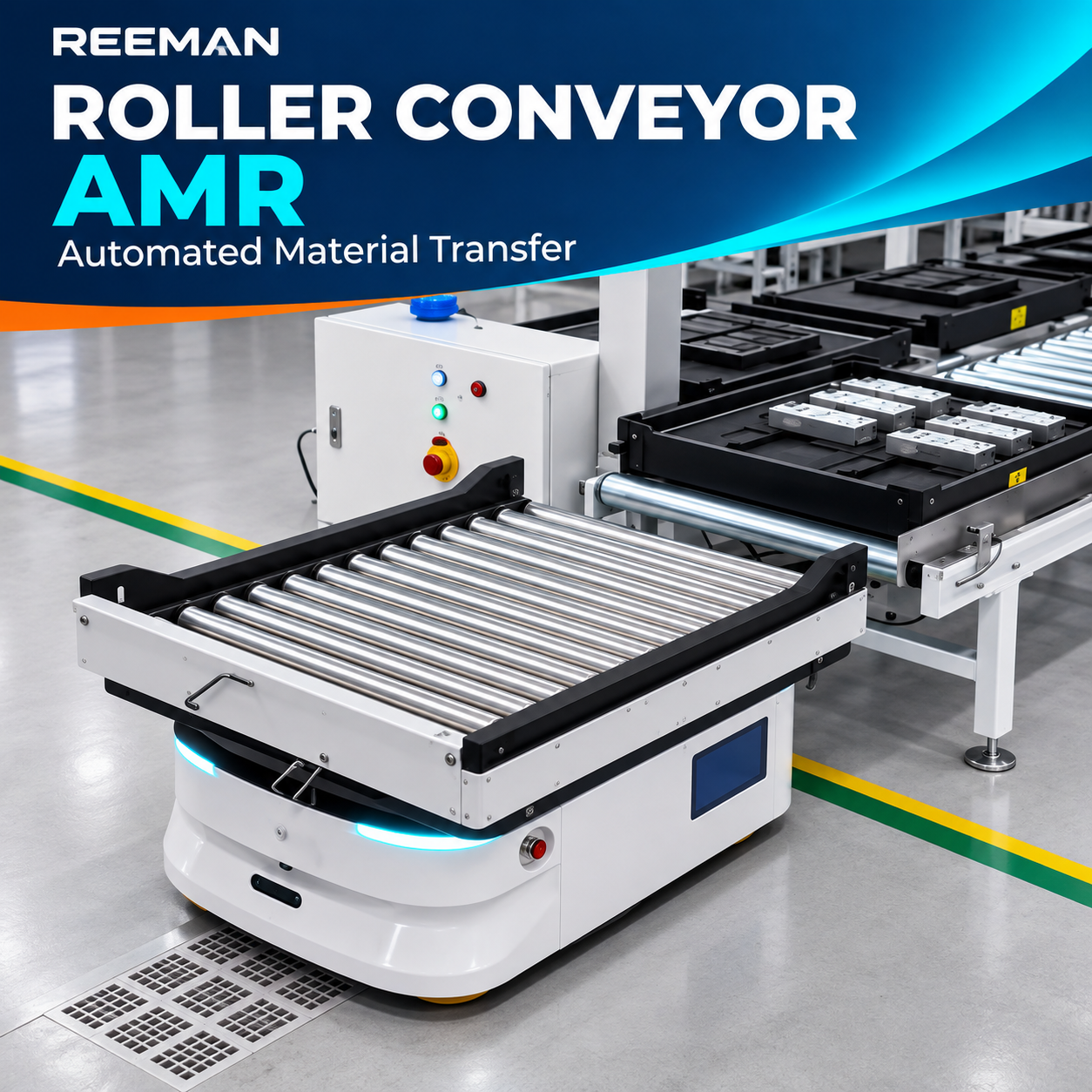
Roller Conveyor AMR Robot with SDK and API for Custom Development and System Integration
A conveyor-top autonomous platform for integrators, assembly lines and automated material transfer. Open SDK/API supports custom task flows, while laser-based obstacle avoidance allows coexistence with operators and carts.
- Roller conveyor top module
- Open SDK/API integration
- For system integration projects
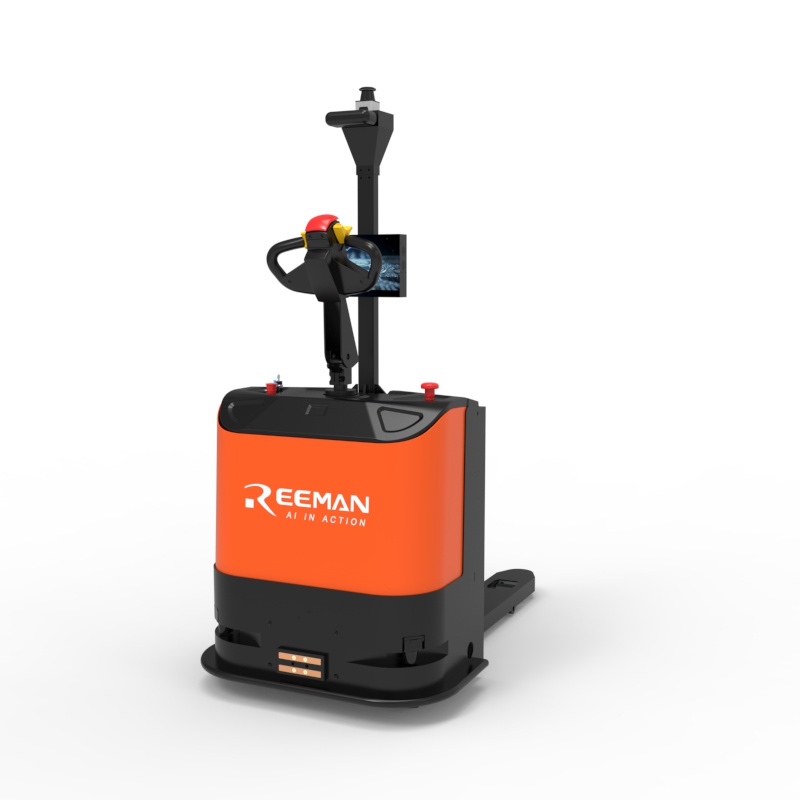
Reeman BBOT30F 1500 kg Laser SLAM Forklift AGV LiDAR Navigation Pallet Handling Warehouse
LiDAR navigation and pallet handling for warehouse logistics. A sensible starting point for Düsseldorf 3PLs and production halls that need automated dock-to-storage movements.
- 1,500 kg rated load
- Laser SLAM, no tape required
- Pallet handling in warehouse zones
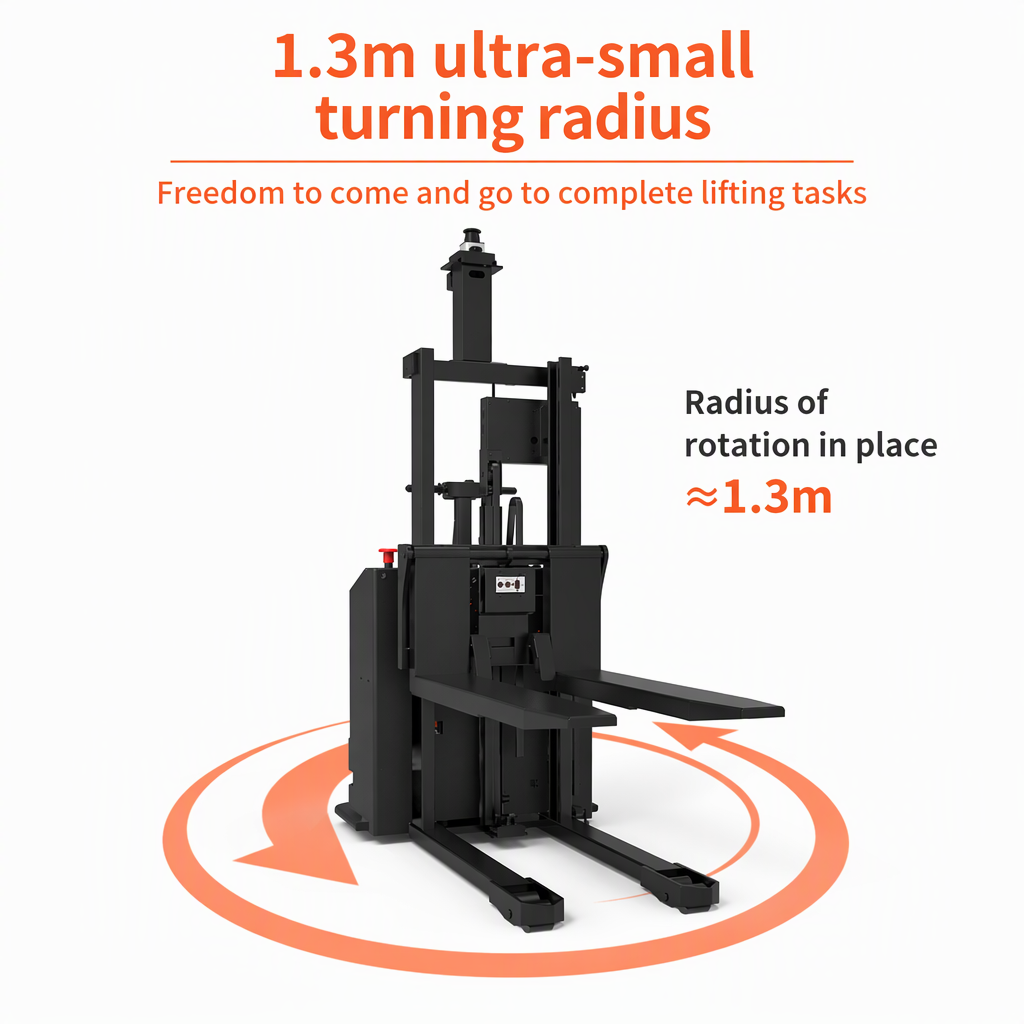
REEMAN Autonomous Electric Forklift 1T Payload 48V 30Ah LiFePO4 Battery Indoor Material Handling AGV
Indoor material handling AGV with 1-ton payload and 48V 30Ah LiFePO4 battery. Suitable for compact factories and line-side supply where fast route changes matter.
- 1T payload for indoor flows
- 48V 30Ah LiFePO4 battery
- Autonomous electric drive
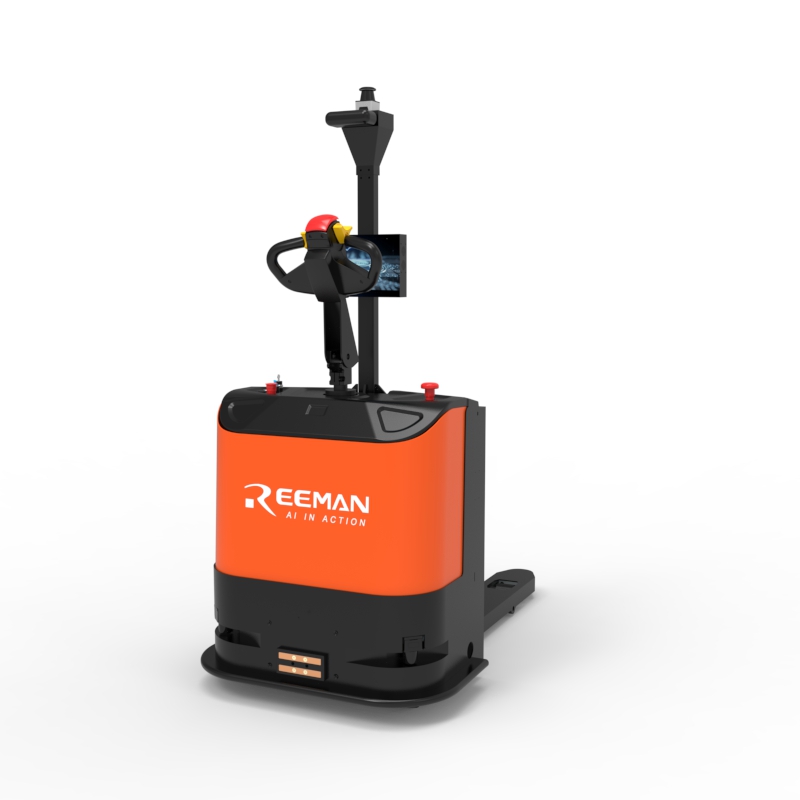
CE Certified 1500kg Driverless AGV Forklift Laser SLAM Navigation Automatic Pallet Loading Unloading Robot 1-2H Working Time
Driverless forklift with laser SLAM navigation, automatic pallet loading/unloading and 1–2 h working time per charge cycle. Good for repetitive pallet shuttle tasks with short routes.
- Automatic pallet loading/unloading
- 1–2 h working time
- CE model documentation option
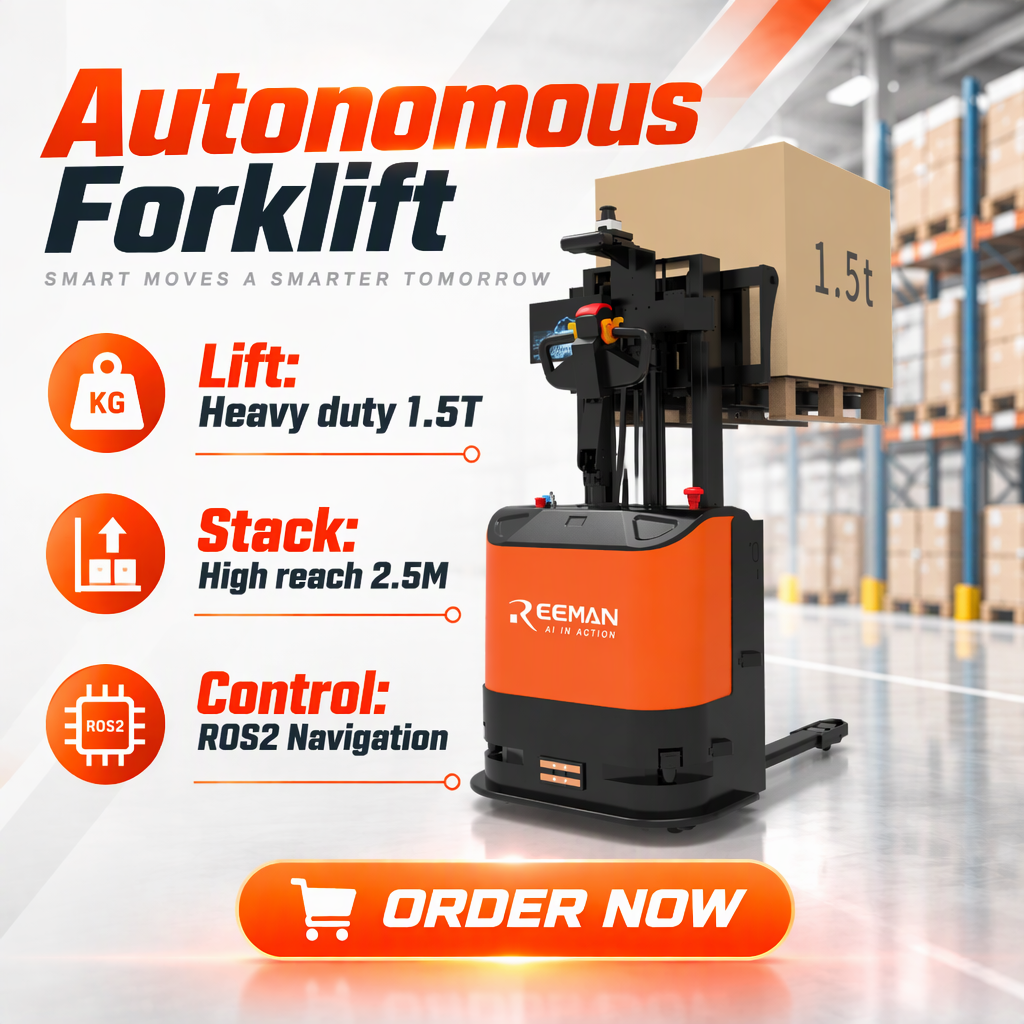
Autonomous Electric Forklift AGV 1500kg Load Capacity 2.5M Lift ROS2 Navigation 4WD Lithium-Ion Battery Indoor Material Handling
1,500 kg load, 2.5 m lift, 4WD and ROS2 navigation. Designed for indoor material handling where higher lift and software integration are required.
- 2.5 m lift height
- ROS2 navigation architecture
- 4WD lithium-ion platform
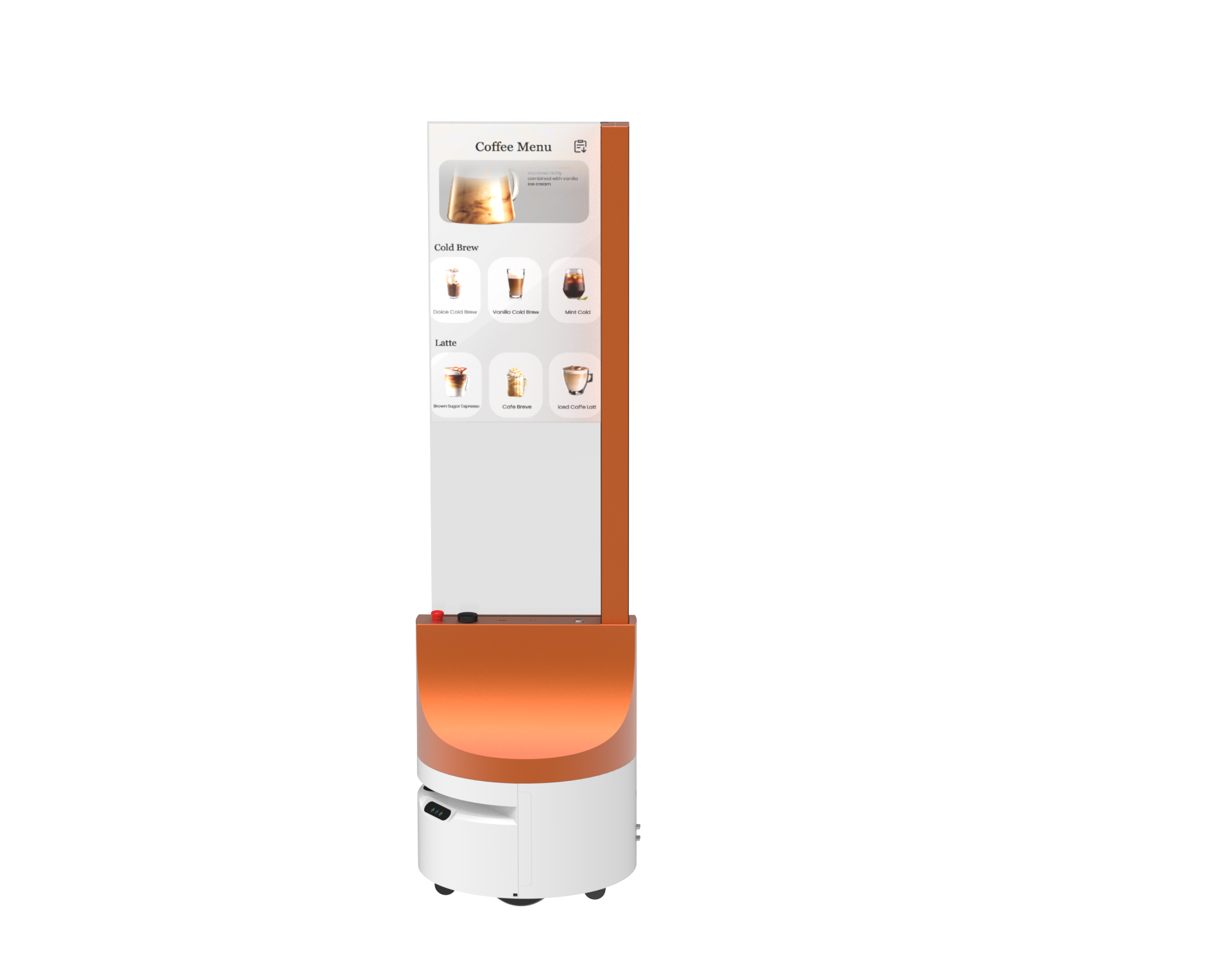
REEMAN 30 Inch OLED Transparent Screen Mobile Advertising Robot 1080 x 1920 FHD 9:16 Wi-Fi App Remote Control
Transparent OLED mobile advertising robot with FHD 9:16 display and Wi-Fi app control. It navigates public areas with obstacle avoidance and turns brand communication into a moving touchpoint.
- 1080 × 1920 FHD display
- Wi-Fi app remote control
- For retail, events and exhibitions
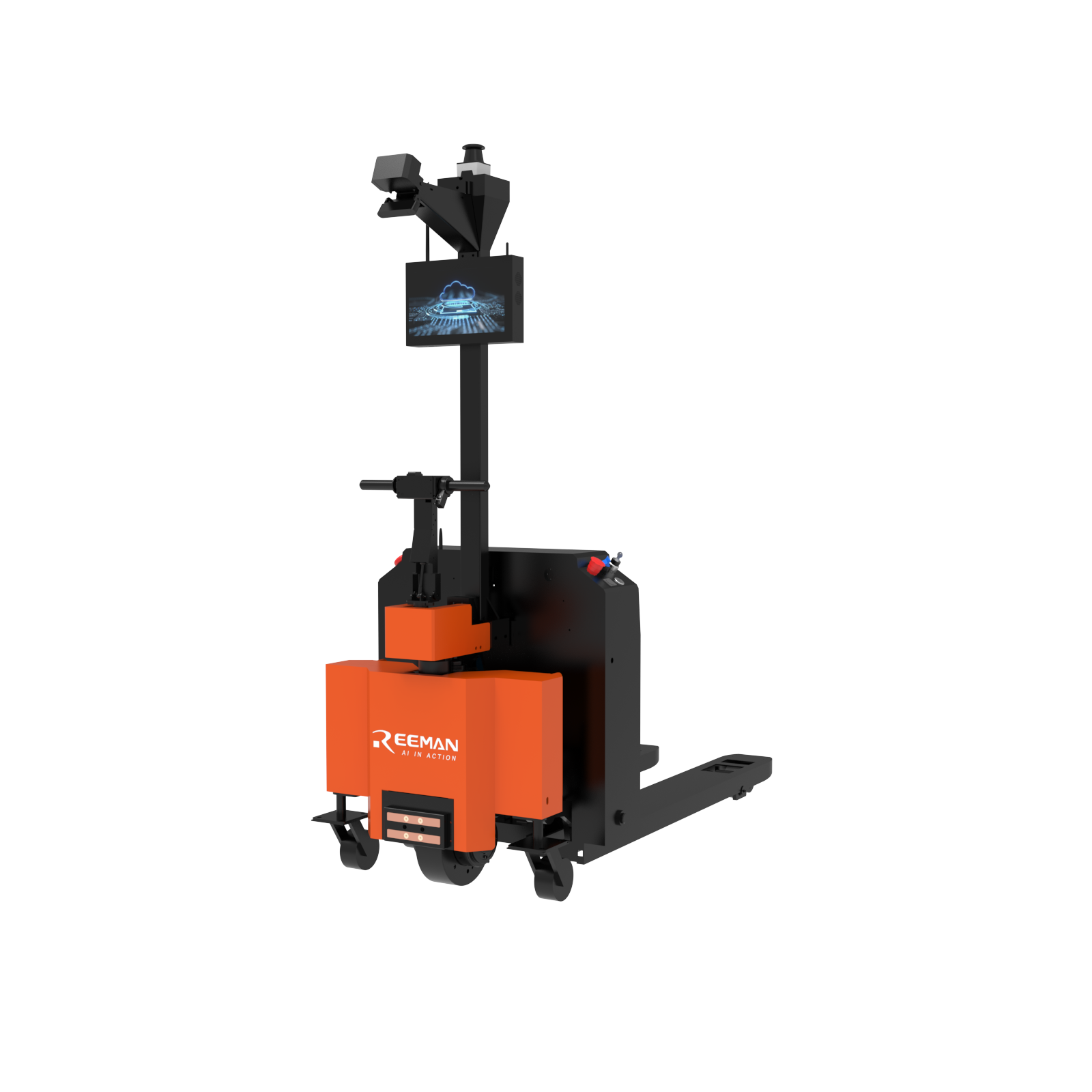
REEMAN X-ant JBOT20F 2 Ton Autonomous Forklift AGV Laser SLAM Pallet Handling Robot for Warehouse Logistics
REEMAN X-ant JBOT20F with laser SLAM and pallet handling capability for warehouse logistics. Choose when heavier unit loads justify a larger AGV platform.
- 2-ton autonomous forklift platform
- Laser SLAM pallet handling
- Warehouse and distribution logistics
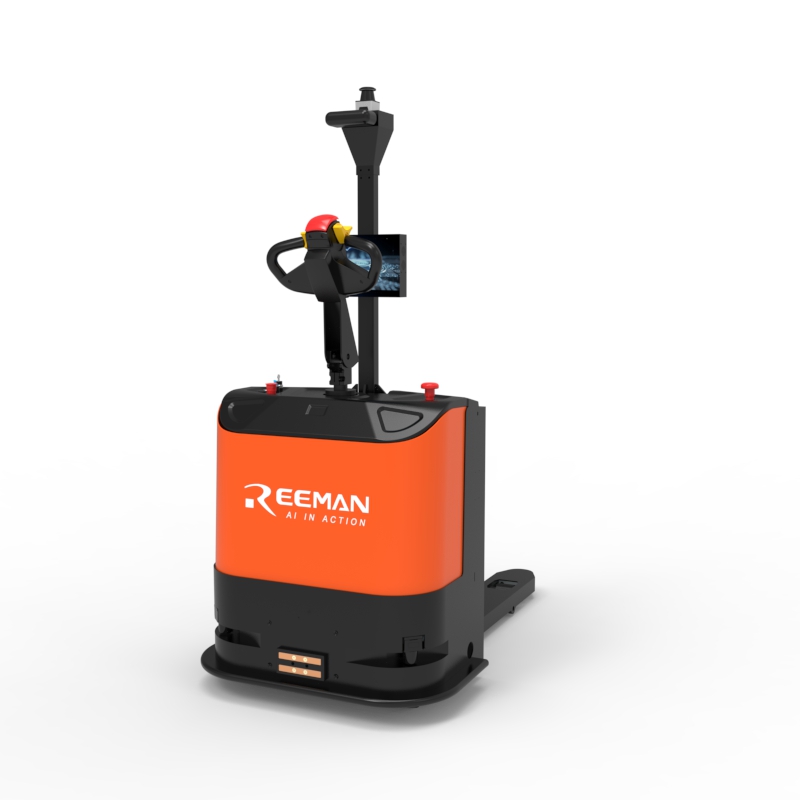
1500kg Laser SLAM AGV Forklift Single Line Lidar 30mm Navigation Accuracy 1019mm Forks 570mm Width Industrial Handling
Single-line LiDAR AGV forklift with 1,500 kg capacity, 1,019 mm forks and 570 mm width. Suited to industrial handling where aisle width and docking accuracy are tight.
- 30 mm navigation accuracy
- 1,019 mm forks / 570 mm width
- Single-line LiDAR configuration
Need help matching a model to your Düsseldorf floor plan, pallet type and shift pattern?
Send an InquiryVerification Metrics That Matter When Shortlisting a Düsseldorf Supplier
Procurement teams in Germany rarely buy only a robot. They buy a documented factory, a repeatable quality process and a support path that can be audited. These figures reflect the Elvorn manufacturing profile used during supplier review.
Factory data verified onsite by independent inspector SGS Group. Management systems certified to ISO 9001 and ISO 14001; individual models carry CE, FCC or PSE marks depending on configuration.

Why Düsseldorf Rewards a More Technical Obstacle Avoidance Conversation
Obstacle avoidance is often sold as a sensor list. In Düsseldorf, it is better treated as a system-level capability: perception, localization, braking, route logic, pedestrian behavior and fleet supervision. A warehouse near the Rhine may have polished concrete, glass partitions, high-bay racking and shared forklift traffic. A production hall in Hilden may have narrow aisles, metal racks that disturb LiDAR and operators crossing the route without warning. A public venue around Messe Düsseldorf or the Altstadt introduces crowds, changing furniture and visitor behavior that a pure pallet-handling calculation will miss.
Elvorn has built laser SLAM AMRs and autonomous forklifts since 2015. That experience shows the first useful question is not “How many LiDAR sensors?” but “How does the robot prove it will stop, re-route, request assistance or slow down in this specific Düsseldorf floor plan?” The strongest manufacturers provide information gain: speed zones linked to safety controls, dynamic path planning around temporary obstacles, API event models for WMS/MES, and a spare-part plan for European operations.
- Laser SLAM mapping with no magnetic tape, QR codes or floor reflectors
- Multi-layer safety: LiDAR, obstacle sensors, emergency stops and speed zoning
- Open SDK/API for WMS, MES, ERP, doors and elevators
- CE-ready configurations and export documentation reviewed at quotation stage
Where Obstacle Avoidance Robots Create Value Around Düsseldorf
Obstacle avoidance robots succeed when the application is matched to the floor, not when a generic model is forced into every site. These scenarios reflect how Düsseldorf and Rhine-Ruhr buyers commonly frame the first project.
Port Logistics & 3PL
Düsseldorf Port, Neuss and Duisburg operations need floor-level pallet shuttling, dock-to-storage and cross-docking. Review 1,500–2,000 kg laser SLAM forklifts for heavier pallet flow, with roller-conveyor AMRs for conveyor-linked transfer.
Fit: high payload · mixed trafficManufacturing in Ratingen, Hilden & Erkrath
Line-side material delivery, WIP transfer and finished-goods collection can reduce walking and waiting without rebuilding the hall. The 300 kg-class AMR and 1T autonomous forklift support WMS/MES task dispatch.
Fit: WMS/MES integrationMesse Düsseldorf & Events
Mobile advertising and guidance robots can operate in visitor zones, offering route planning and obstacle avoidance around temporary booths and crowds. The 30-inch transparent OLED robot keeps brand content visible while moving.
Fit: visitor engagement · remote contentRetail & Hospitality
In Altstadt, Carlstadt and around Königsallee, autonomous advertising robots attract attention, support multilingual promotion and reduce repetitive guidance work in high-footfall areas without blocking pedestrian routes.
Fit: brand communication · public safetyPharma, Food & Cold Chain
Facilities in Düsseldorf and Meerbusch often value stable docking and precise navigation more than maximum speed. Single-line LiDAR models with 30 mm navigation accuracy support tight, repetitive handling and controlled zoning.
Fit: accuracy · hygiene zoningE-commerce & Distribution
Peak demand and shift flexibility in Wuppertal, Krefeld and Mönchengladbach push 2-ton and 1.5-ton AGV forklifts into 24/7 pallet flow. Fleet scheduling, charging strategy and remote support reduce downtime.
Fit: fleet reliability · peak handlingDüsseldorf Intralogistics Trends That Favour Obstacle Avoidance Robots
The priority bars below are not market-size forecasts. They are Elvorn’s application-engineering view of the issues that most often decide whether a Düsseldorf robot project moves from interest to deployment.
Labour flexibility and shift continuity
Düsseldorf warehouses and production sites face pressure to keep shifts covered while maintaining skilled operators. Autonomous forklifts and AMRs absorb repetitive transport without removing process control from the team.
Mixed human–robot traffic
Rhine-Ruhr facilities are rarely greenfield. Robots share aisles with pedestrians, forklifts, pallet trucks and visitors. Multi-sensor obstacle avoidance and speed zoning become procurement requirements, not options.
EU compliance and documentation
German buyers expect model-level CE files, risk-assessment input and traceable factory quality. ISO 9001, ISO 14001 and SGS onsite verification shorten due diligence when the supplier can provide clear records.
E-commerce and same-day pressure
Düsseldorf’s position in the Rhine-Ruhr logistics corridor increases peak volume and cut-off pressure. Robot fleets help stabilise pallet movement when order profiles change faster than staffing plans.
Integration with WMS, MES and ERP
Automation is no longer a standalone machine purchase. Open SDK/API access, task status feedback and clear exception handling let Düsseldorf software teams connect robots to the existing process instead of adding manual handovers.
Energy, footprint and sustainability
Lithium-ion platforms, opportunity charging and compact turning envelopes help facilities reduce energy waste and avoid new aisles. The 48V LiFePO4 and 4WD indoor platforms suit multi-shift material handling.
Higher bar = more often raised in scoping calls for Düsseldorf and Rhine-Ruhr projects. Use the bars to frame internal discussion, then validate with your own site survey.
Inside the Factory Serving Düsseldorf: Elvorn’s Verifiable Advantages
Founded in 2015, Shenzhen Elvorn Intelligent Equipment Co., Ltd. is a national high-tech enterprise focused on robotic platform technology and autonomous driving. We design, build and support autonomous forklifts, industrial AMRs, robot chassis, delivery robots, cleaning robots and disinfection robots. The company operates two production bases in Shenzhen and Ningbo, with 5,200㎡ total floorspace, more than 200 team members and 39 patents. Elvorn offers OEM service, design service and buyer-label options for distributors, integrators and brand owners.
Factory verification is not a side note for European procurement. Our management system is certified to ISO 9001 and ISO 14001, and the factory has been verified onsite by SGS Group. Depending on the model, robots carry CE, FCC or PSE marks. For Düsseldorf buyers, that means documentation can be matched to the exact configuration during quotation rather than after purchase.

Laser SLAM & Multi-Layer Safety
No magnetic tape, QR codes or reflectors for the laser SLAM models. LiDAR, obstacle sensors, emergency stops, speed zoning and route logic work together to support safe movement around people and equipment.
Open SDK/API Integration
Connect robots to WMS, MES, ERP, doors and elevators. Task dispatch and status feedback are designed into AMRs and chassis so integration partners can own the long-term workflow.
In-House R&D, 39 Patents
Full-stack development covers navigation, motion control, fleet scheduling and hardware. This shortens customization cycles for OEMs that need application-specific top modules or software interfaces.
Two Production Bases
Shenzhen and Ningbo operations cover assembly, testing, supplier assessment and on-site material inspection. Verified capacity matters when a Düsseldorf project moves from pilot to repeat order.
Certified & Audited
ISO 9001 and ISO 14001 management systems, SGS onsite factory verification, and CE, FCC or PSE marks by model. Documentation can be aligned with the exact robot configuration under quotation.
EU Export Support
English documentation, remote commissioning, spare-part planning and OEM/ODM options for Western European buyers. Export terms include FOB and T/T in USD or CNY, with service across major regions.
Six Checks Düsseldorf Procurement Teams Should Apply to Obstacle Avoidance Robot Manufacturers
Use this matrix to compare suppliers beyond the datasheet. It reflects the questions that most often expose whether a robot is genuinely ready for a Düsseldorf site or simply ready for a demonstration.
Safety architecture, not sensor count
Ask how the robot detects people, calculates stopping distance, applies speed zones and recovers after an emergency stop. For EU sites, require a risk assessment that references applicable standards such as EN ISO 3691-4 where relevant.
Payload and fork geometry
A 1,500 kg rating means little if the fork length, width, lift height or pallet condition does not match the load. Confirm 1,019 mm forks, 570 mm width, 2.5 m lift or custom geometry against the real pallet.
Navigation accuracy and map maintenance
Check repeatable docking accuracy, mapping time and how the robot handles changed racking, temporary obstruction and Wi-Fi outages. The 30 mm navigation accuracy specification is useful only when tied to a defined docking task.
Software integration depth
Require API event models for task requests, exceptions, charging, door control and fleet status. Open SDK/API is a procurement advantage when your WMS or MES team must own the long-term process.
Factory verification
Review SGS onsite assessment, ISO certificates, model-level CE files and test records. Ask whether the exact battery, charger, fork and safety configuration you are buying has been tested before shipment.
Serviceability in Europe
Ask for spare-part kits, remote diagnostics, training materials and escalation times for Düsseldorf. A robot that stops without a clear recovery procedure creates a new bottleneck rather than removing one.
From Düsseldorf Inquiry to Stable Operation
A robot project becomes credible when the supplier can explain the route from site data to after-sales support. This six-step workflow is used to reduce deployment risk for overseas buyers.
Share site data
Send CAD layout, aisle widths, pallet types, load weight, shift pattern, Wi-Fi coverage and photos of the floor. Local details such as glass walls, floor gaps and docking tolerances should be included.
Application review
Elvorn engineers map the route, identify blind corners, pedestrian zones, charging locations and integration points. The goal is to define the safety and throughput assumptions before model selection.
Model shortlist
The right mix may be a 1.5-ton forklift, a 2-ton unit, a roller-conveyor AMR or a service robot. Payload, lift height, route length and software scope determine the shortlist.
Customization
OEM branding, top modules, fork geometry, battery and software interfaces are specified before build. Buyer-label and design-service options support distributors and integrators.
Factory testing
Function and load tests, safety checks and documentation review are completed before shipment. For Düsseldorf buyers, test records and configuration data help support internal approval.
Remote rollout
Mapping, operator training, fleet tuning and spare-part planning support the Düsseldorf go-live. English documentation and remote commissioning reduce travel dependence.
Düsseldorf Buyer FAQ on Obstacle Avoidance Robots, Factory Verification & Procurement
Are you a manufacturer or a trading company?
Can your robots avoid people and forklifts in mixed Düsseldorf traffic?
Which model should we review for 1,500 kg pallet handling in Neuss or Duisburg?
Do your robots require magnetic tape, QR codes or floor reflectors?
Can you integrate with our WMS, MES or ERP?
What certifications support procurement in Germany?
How do you support Düsseldorf buyers after delivery?
Can we customize forks, lift height, top modules and branding?
Are your robots suitable for Messe Düsseldorf or retail advertising?
Request a Düsseldorf-Ready Robot Recommendation
Send your layout drawing, load weight, pallet type, travel route, shift pattern and target throughput. Our application engineers will reply with a shortlist from the eight models above, the safety questions that need answers, and a scope for OEM/ODM customization.
Email: info@elvornbot.com · Trade terms: FOB · Payment: T/T in USD or CNY · Export markets include Western Europe, North America and the Middle East.