Top Trusted Robot Charging Station Factory & Exporters in Dortmund
OEM/ODM robotic charging infrastructure, AMR and AGV platforms, CE-ready engineering and export support for Dortmund warehouses, factories and logistics operators.
8 Charging-Compatible Robots for Dortmund Operations
Dortmund buyers rarely source a charging station in isolation. The station, robot battery, route design, fleet manager and local service plan must work as one system. These eight platforms from the supplied product range are suitable for intralogistics, production-line feeding, heavy pallet movement and commercial service scenarios where opportunity charging is part of the operating model.
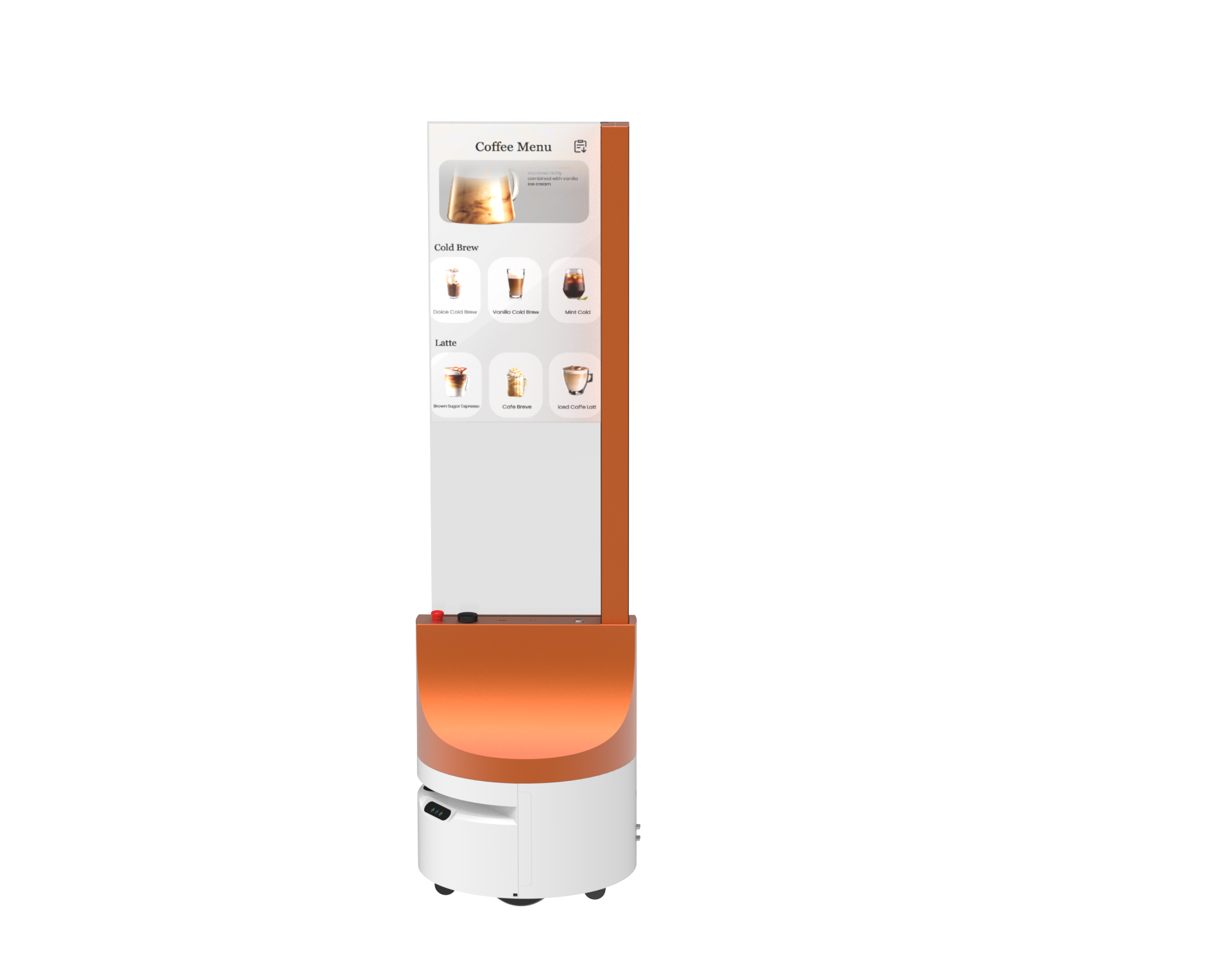
REEMAN 30 Inch OLED Transparent Screen Mobile Advertising Robot
A 1080 × 1920 FHD, 9:16 transparent OLED display platform with Wi-Fi and app remote control for retail, showroom and exhibition environments.
View product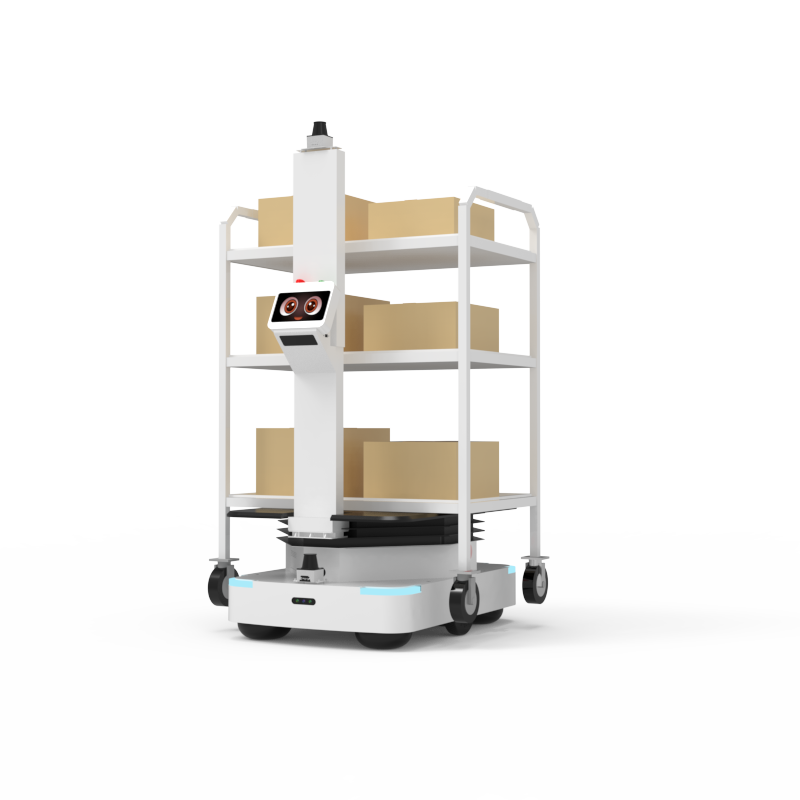
600 kg Industrial Heavy Load AMR Robot Laser SLAM Auto Lifting Platform
For in-plant material handling where stable docking, automatic lifting and charging-station routines reduce dependence on manual forklift moves.
View product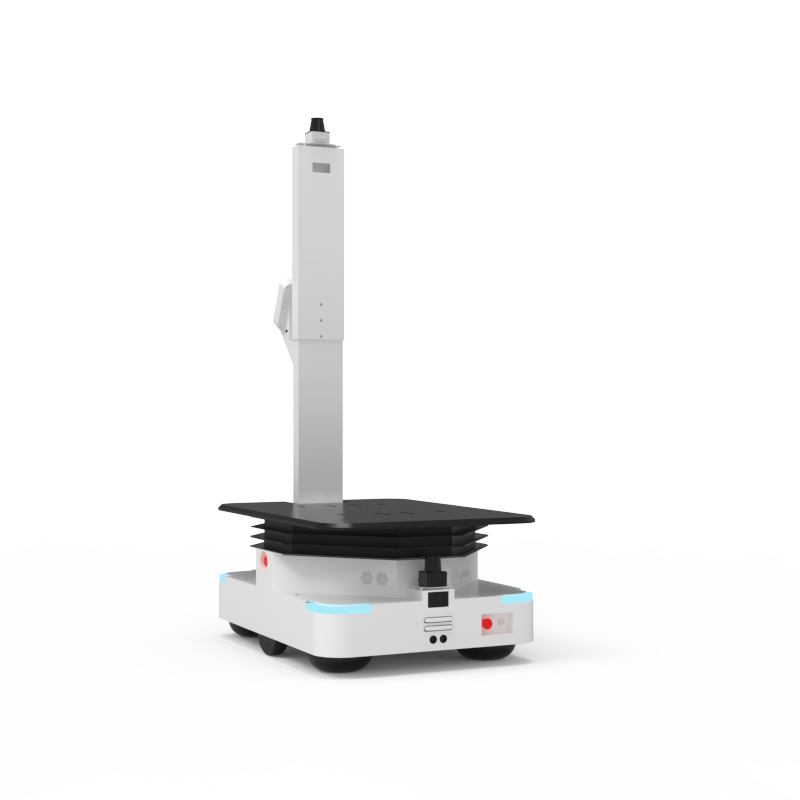
REEMAN Autonomous Mobile Robot AGV AMR 600 kg for Sheet Metal Material Handling
Suited to metalworking and production-line feeding, with mobile material handling that can be planned around line-side charging points.
View product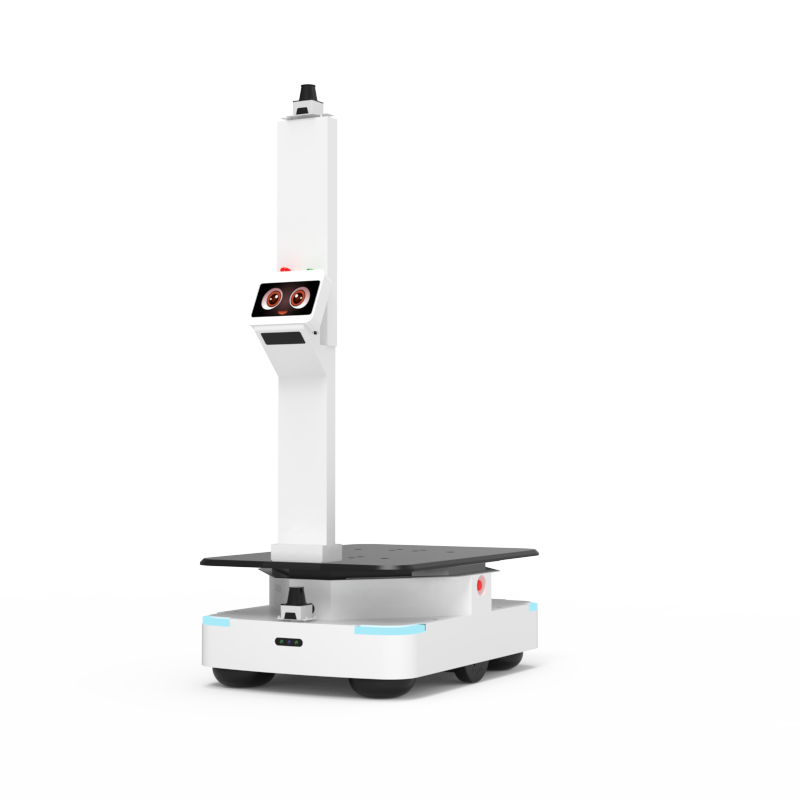
600 kg Payload Laser Navigation AMR Robot Autonomous Lifting Warehouse Transfer Equipment
Laser-navigation lifting AMR for warehouse transfer, staging and replenishment, with charging opportunities between inbound and outbound peaks.
View product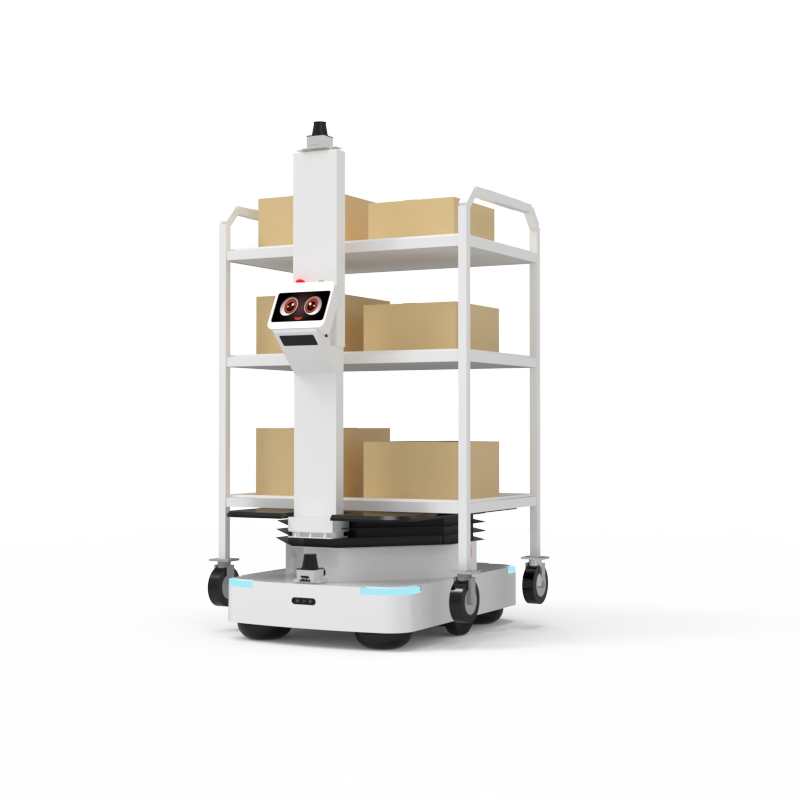
600 kg Payload Autonomous AMR Robot Multi Sensor Mobile Material Handling Cart
A production-line material handling cart for mixed-traffic areas where multi-sensor safety and predictable charging cycles matter.
View product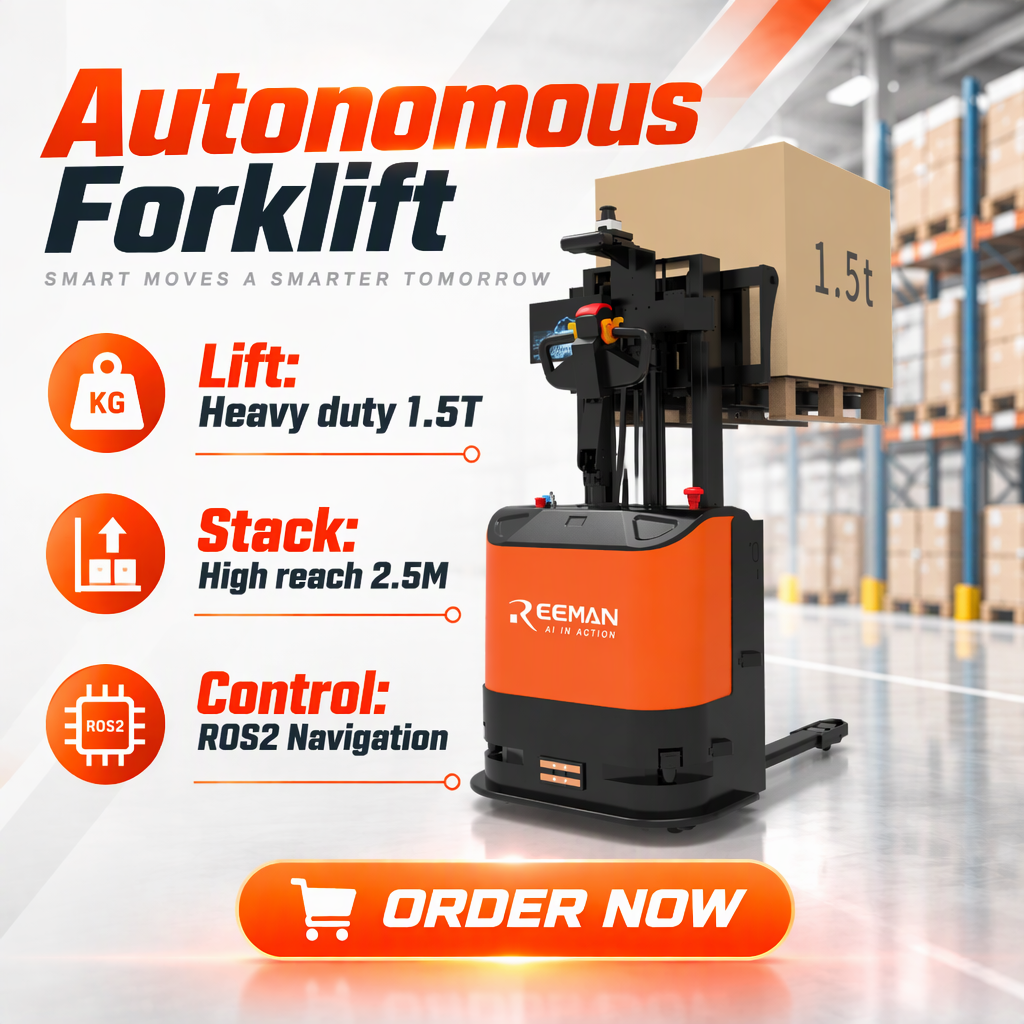
Autonomous Electric Forklift AGV 1,500 kg Load Capacity 2.5M Lift ROS2 Navigation 4WD
For dock-to-rack pallet movement and indoor material handling, with lithium-ion battery operation and high-capacity opportunity charging planning.
View product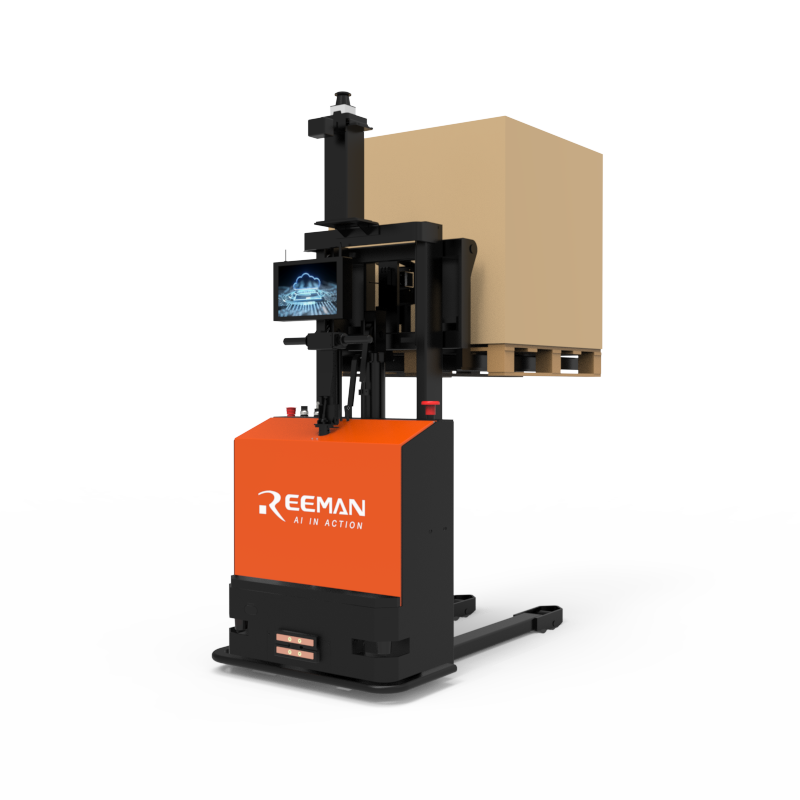
1,000 kg Laser SLAM Forklift AGV Unmanned Pallet Stacker Single Line Lidar Obstacle Avoidance
Unmanned pallet stacking and factory logistics with single-line lidar obstacle avoidance; charging can be scheduled between inbound and outbound peaks.
View product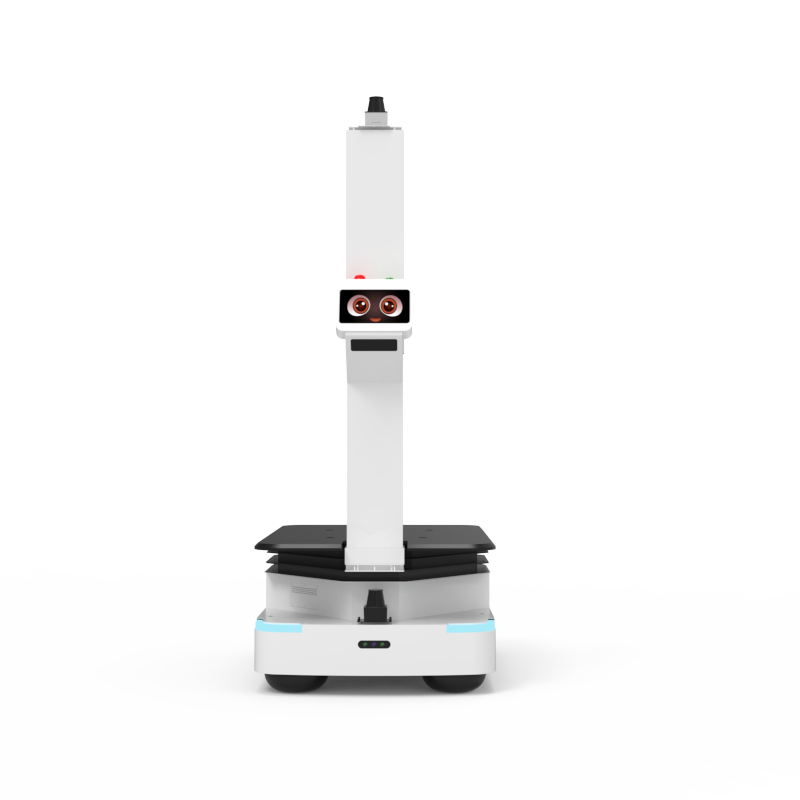
600 kg Industrial AMR AGV Robot Laser SLAM Navigation QR Code-Free Factory Logistics
QR-code-free navigation for agile factory layouts, making route changes simpler when charging stations or staging areas are relocated.
View productFactory data verified onsite by SGS Group; management systems certified to ISO 9001 and ISO 14001.
Why Dortmund Procurement Teams Need More Than a Charging Station Quote
When Dortmund buyers search for a trusted robot charging station factory and exporter, the real procurement question is not simply who can ship a dock. It is who can supply a charging system that matches the robot fleet, the battery management system, the site electrical design and the operating rhythm of a warehouse or production hall. Dortmund sits inside one of Europe’s dense industrial corridors, with logistics parks, automotive suppliers, metalworking companies, packaging operations and e-commerce fulfilment centres all competing for skilled labour and productive floor space.
In this environment, a robot that stops unexpectedly is not only a technical issue. It can block a line-side route, delay a pallet transfer or force staff back into repetitive manual handling. That is why the strongest export projects treat the charging station, autonomous platform and fleet software as one engineered package. Elvorn approaches this from a manufacturer’s perspective: define the material flow, confirm the battery and charging window, test the docking behaviour, and then support the fleet with documentation, spare parts and remote engineering after shipment.
- Charge strategy matched to shift patterns, not only battery capacity
- Docking tolerance checked against floor quality and route design
- CE documentation, test records and spare-part planning before export
- Local electrician and integrator involvement for final site works
What a Factory-Grade Charging Station Must Prove
For Dortmund projects, the charging station is part of the safety and uptime argument. The review should cover electrical protection, communication, connector wear, cleaning access and emergency behaviour.
The best charging station factory is one that can answer engineering questions about contact alignment, charge curves, thermal safety, floor tolerances and fleet scheduling, then document those answers for your integrator.
Why Elvorn Is a Credible Export Partner for Dortmund
Procurement teams in Dortmund and the Ruhr compare manufacturers on verifiable capability: patents, production space, quality systems, export experience, OEM flexibility and long-term support. These are the advantages documented in the original company profile.
Laser SLAM Navigation
No magnetic tape, QR codes or reflectors in the main navigation concept. Layout changes are easier to manage when charging points or staging areas move.
Open SDK & API
AMRs and robot chassis support secondary development, enabling task dispatch and status feedback with WMS, MES, ERP or custom fleet software.
Modular Payload Platforms
From light service robots to 1,500 kg forklift AGVs and 600 kg AMRs, shared engineering logic simplifies training, spare-part planning and fleet expansion.
Multi-Layer Safety
Lidar, obstacle sensors, emergency stops and speed zoning support safe coexistence with pedestrians, forklifts and racking in mixed-use sites.
Own Production Capacity
Two production bases in Shenzhen and Ningbo, with supplier assessment procedures and on-site material inspection supporting export volume and repeat orders.
Export-Ready Support
English documentation, remote commissioning, FOB terms, T/T payment in USD or CNY, and long-term spare-part supply for European distributors and integrators.
Where Charging Infrastructure and AMR Fleets Deliver Local Value
Dortmund’s industrial mix rewards automation that is flexible, safe and easy to integrate. These are practical scenarios for charging-station-supported robot fleets in and around the city.
Port-Linked Warehouse Transfer
Dortmund port and nearby distribution centres handle high volumes of palletised goods. Charging stations near transfer aisles allow AMRs to top up between waves instead of waiting for a full battery cycle.
Line-Side Replenishment
Automotive suppliers and metal processors need predictable material flow. A 600 kg AMR can move totes or fixtures while opportunity charging keeps the fleet available across shifts.
Sheet Metal and Heavy Parts
Sheet-metal handling demands stable loads and repeatable docking. Heavy-load AMRs and lifting platforms reduce manual transport between cutting, forming and assembly areas.
24/7 Fulfilment Uptime
E-commerce operations in the Ruhr corridor often run long shifts. Distributed charging points and a clear robot-to-charger ratio protect throughput during peak order windows.
Compact Factory Logistics
Smaller factories can start with one or two QR-code-free AMRs, then add charging docks as routes expand. Modular platforms reduce the risk of over-investing at the first stage.
Service, Guidance and Advertising
Mobile advertising robots and service platforms need discreet charging zones in showrooms, exhibition halls and public venues. Scheduled charging keeps displays available during visitor hours.
Dortmund Automation Trends Shaping Charging Station Demand
The buying logic in Dortmund is moving from isolated robot trials to fleet-level infrastructure. Procurement teams are asking harder questions about energy, safety, interoperability and service access.
From “Buy a Robot” to “Design a Charging Network”
In the Ruhr industrial belt, floor space is expensive and labour availability is tight. A single charging dock placed without route analysis can become a bottleneck. Best-practice projects map charging points to natural dwell locations: line-side staging areas, transfer buffers, dispatch lanes and overnight parking zones.
Dortmund buyers also operate under European machinery-safety expectations. Charging stations must be considered in risk assessment, emergency-stop logic, floor marking and pedestrian segregation. For lithium-ion fleets, thermal behaviour and charging-room ventilation may also require input from the site electrician and insurer.
Interoperability is another rising requirement. Mixed fleets, VDA 5050-style coordination and open APIs are increasingly discussed in tender documents, because buyers want charging infrastructure to serve more than one robot generation.
Match the Robot Platform to the Dortmund Workflow
Use this quick reference during first-round scoping. Final charger placement, power rating and docking design should be confirmed after a site survey.
| Robot Platform | Payload / Focus | Best Dortmund Use Case | Charging Planning Note |
|---|---|---|---|
| REEMAN 30" OLED Advertising Robot | Service / Retail | Showrooms, exhibitions and retail guidance | Plan discreet charging zones away from visitor traffic. |
| 600 kg Heavy-Load Lifting AMR | 600 kg | In-plant material handling and transfer buffers | Use opportunity charging near high-dwell transfer points. |
| REEMAN 600 kg Sheet Metal AMR | 600 kg | Metalworking and production-line feeding | Confirm floor flatness and docking tolerance for loaded moves. |
| 600 kg Laser Navigation Lifting AMR | 600 kg | Warehouse transfer, staging and replenishment | Charge between inbound and outbound peaks to protect throughput. |
| 600 kg Multi-Sensor AMR Cart | 600 kg | Mixed-traffic production lines | Include pedestrian zones in the site risk assessment. |
| 1,500 kg Autonomous Electric Forklift AGV | 1,500 kg | Dock-to-rack and indoor pallet handling | Verify lithium-ion charging capacity and peak electrical load. |
| 1,000 kg Laser SLAM Pallet Stacker | 1,000 kg | Factory logistics and pallet stacking | Keep charging docks clear of fork entry and racking zones. |
| 600 kg Industrial Laser SLAM AMR | 600 kg | QR-code-free factory logistics | Use charger placement to support layout changes without route rework. |
Inside a Verified Manufacturer with Export Experience
Elvorn is a Shenzhen-based manufacturer founded in 2015, with two production bases in Shenzhen and Ningbo and an in-house team covering laser SLAM navigation, motion control, fleet scheduling and hardware. For Dortmund buyers, that means engineering answers can be traced back to the factory rather than passed between trading layers.



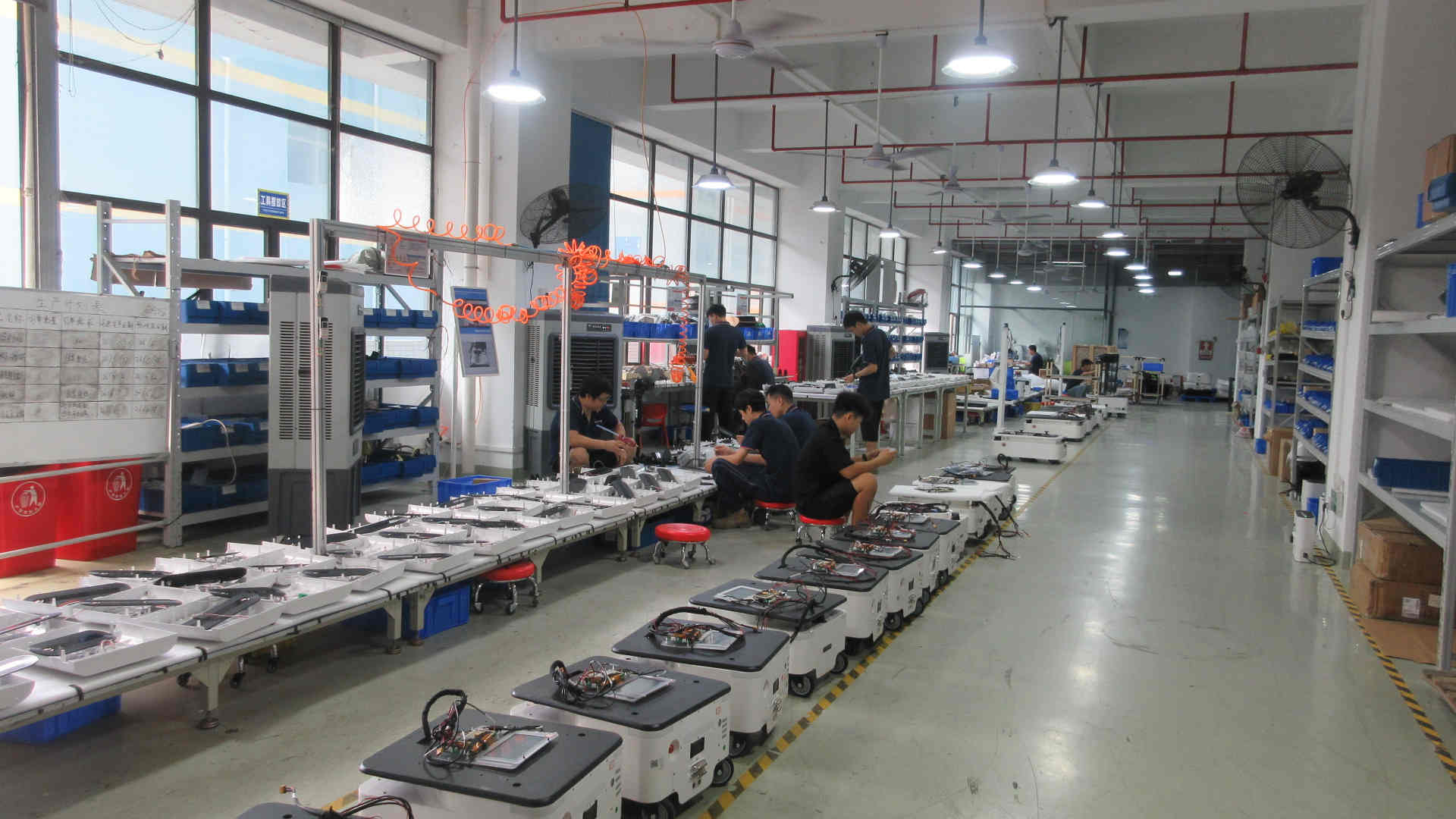
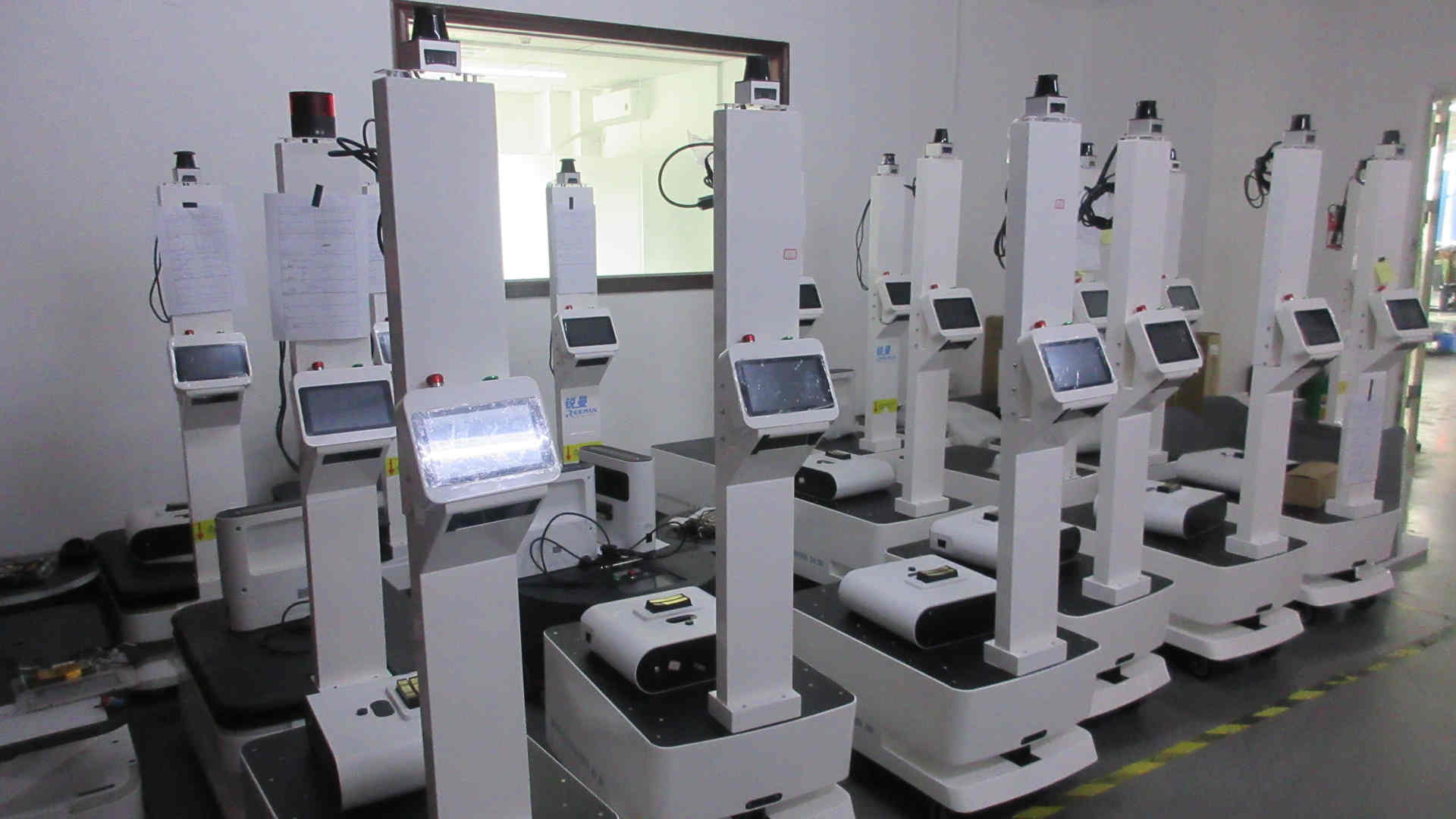

What Dortmund Buyers Can Verify
The factory has been verified onsite by SGS Group, covering business licensing, production capability and quality control. Management systems are certified to ISO 9001 and ISO 14001. Depending on the model, robots can carry CE, FCC or PSE marks. Every unit undergoes functional and load testing before shipment, and third-party assessment reports and transaction records support buyer due diligence.
For charging-station-related projects, the technical discussion should still be documented per site. Ask for the electrical schematic, charging logic, communication protocol, safety concept, floor tolerance and spare-part list. A serious exporter will welcome these questions because they reduce commissioning risk in Dortmund.
From Dortmund Site Data to Stable Fleet Operation
A straightforward delivery path reduces surprises for buyers who are sourcing a robot charging station factory and autonomous platforms from outside Germany.
Application and Site Review
Share layout drawings, load data, pallet or cart type, shift pattern, floor condition and target throughput. The review defines the robot model, charger placement and power requirements.
Engineering and Factory Validation
Confirm OEM/ODM scope, top module, battery strategy, safety configuration and integration interfaces. Factory testing and load checks are completed before shipment.
Export, Commissioning and Support
Elvorn supports FOB export, English documentation, remote commissioning, operator training and long-term spare-part planning. Local electrical works can be coordinated with your Dortmund contractor.
Frequently Asked Questions from Local Purchasing Teams
Practical questions raised when comparing charging station factories, exporters and AMR suppliers for Dortmund projects.
How do we verify a robot charging station factory or exporter for a Dortmund project?+
Which charging station configuration is best for a Dortmund warehouse?+
Can Elvorn deliver robots and charging infrastructure to Dortmund?+
What documents should accompany a Dortmund shipment?+
How do we calculate the charger-to-robot ratio?+
Plan Your Dortmund Robot Charging and AMR Project
Send your layout, load data, shift pattern and target throughput. Our team can recommend the right robot platform, charging strategy, OEM scope and export plan for your Dortmund or Ruhr operation.