Factory profile: founded in 2015, Shenzhen Elvorn Intelligent Equipment Co., Ltd. is a national high-tech enterprise; factory assessment and production capability have been independently verified by SGS Group.
Warehouse Transport Robots for Kawasaki: What Procurement Teams Actually Need
The search phrase “warehouse transport robot manufacturer and suppliers for Kawasaki” can signal several buying journeys: a Kawasaki warehouse operator replacing manual pallet movement, an integrator looking for an OEM robot platform, a 3PL preparing a cross-dock project near Tokyo Bay, or an industrial buyer comparing autonomous forklifts for a Keihin-area plant. Each journey requires different proof.
Kawasaki sits inside one of Japan’s most important industrial and logistics corridors, linking Tokyo, Yokohama, Kawasaki Port, and the wider Keihin industrial zone. For local buyers, a robot must do more than move a pallet from point A to point B. It must survive mixed pedestrian and forklift traffic, variable pallet quality, narrow aisles, elevator hand-offs, fire-door rules, shift patterns, and software expectations from WMS, MES, or ERP teams. This is why experienced procurement teams do not buy solely on payload or price; they evaluate the supplier’s engineering depth, safety architecture, spare-part discipline, documentation quality, and ability to support an integration partner.
Elvorn approaches these projects as a custom manufacturer of autonomous forklifts, industrial AMRs, robot chassis, delivery robots, and cleaning robots. Its technology stack covers laser SLAM navigation, motion control, fleet scheduling, hardware design, and open SDK/API development. For Kawasaki buyers, that matters because many projects are not “off-the-shelf robot” purchases. They are local automation programs that need a stable platform, an adaptable top module, traceable testing, export packaging, and a supplier who can answer technical questions directly rather than forwarding them through multiple trading layers.
A credible shortlist for Kawasaki should separate the physical transport task from the software task. Pallet transfer at a loading dock, for example, may require a forklift AGV with mast, fork, and lift-height control, while line-side material supply may be better served by a low-profile AMR with a conveyor, cart, or lifting platform. If the project involves OEM development, the buyer may need a robot chassis with an open interface and manageable integration risk. The eight products below are recommended because they cover these different layers of warehouse and factory transport rather than repeating one model type.
Because Kawasaki procurement teams often compare overseas manufacturers with Japanese integrators, information gain becomes decisive. A supplier should provide verifiable factory facts, certification scope, test process, SDK documentation, spare-part logic, and deployment assumptions. Elvorn publishes a profile supported by 39 patents, two production bases, 5,200㎡ of floorspace, a 200+ team, ISO 9001 and ISO 14001 management systems, and model-level CE, FCC, or PSE marks depending on configuration. These facts help Kawasaki buyers evaluate whether a supplier is a long-term automation partner or simply a catalogue seller.
8 Warehouse Transport Robots Shortlisted for Kawasaki Projects
The following models cover pallet handling, line-side replenishment, QR-code-free factory logistics, heavy-load lifting, dual-laser navigation, and SDK-based custom development. Product URLs are preserved for direct technical review.
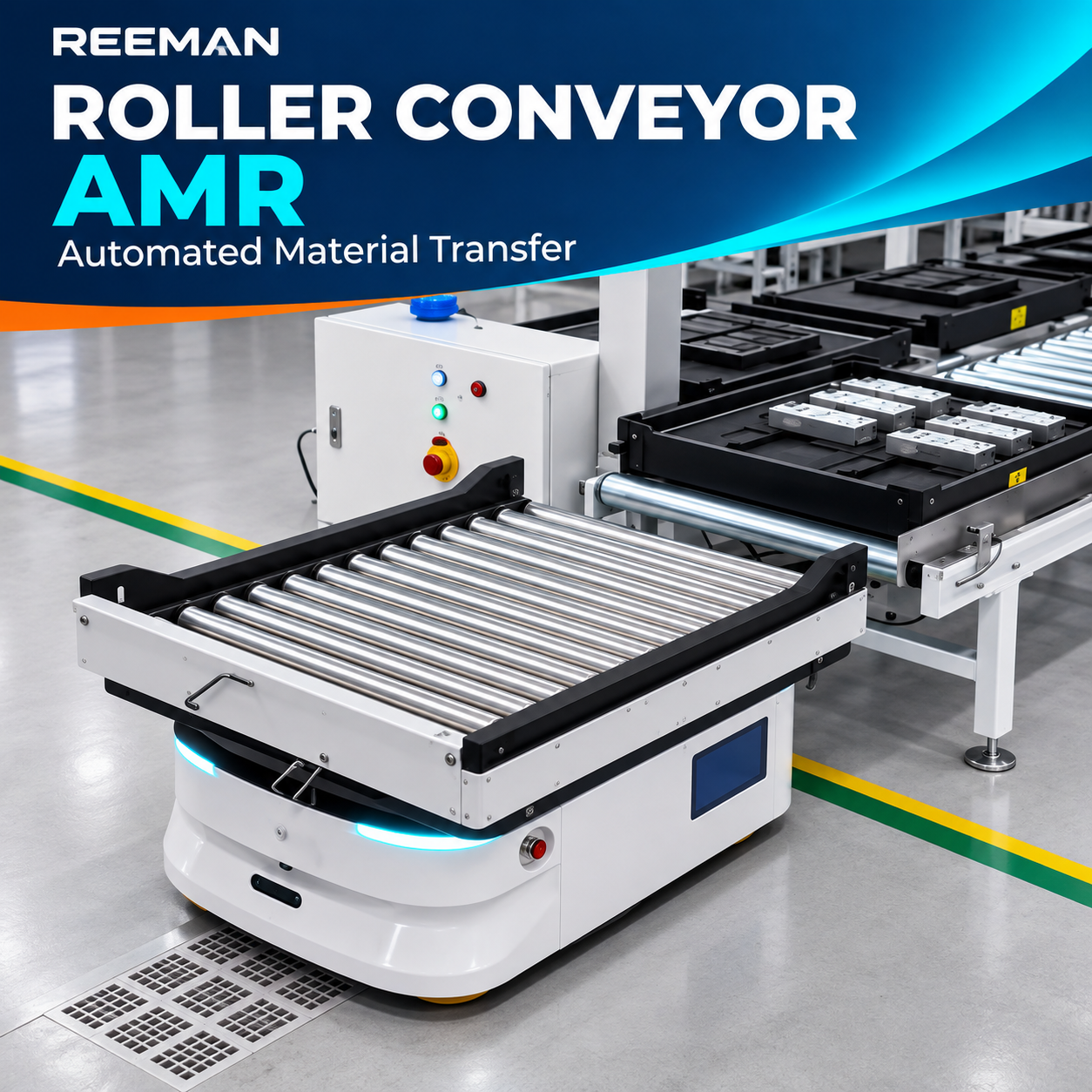
Roller Conveyor AMR Robot with SDK and API for Custom Development and System Integration
Best for Kawasaki systems integrators and OEM teams that need a conveyor-equipped mobile platform with software access for custom station hand-offs, task control, and WMS/MES logic.
- SDK and API for secondary development
- Roller top module for automated transfer
- Suited to custom production and warehouse flows
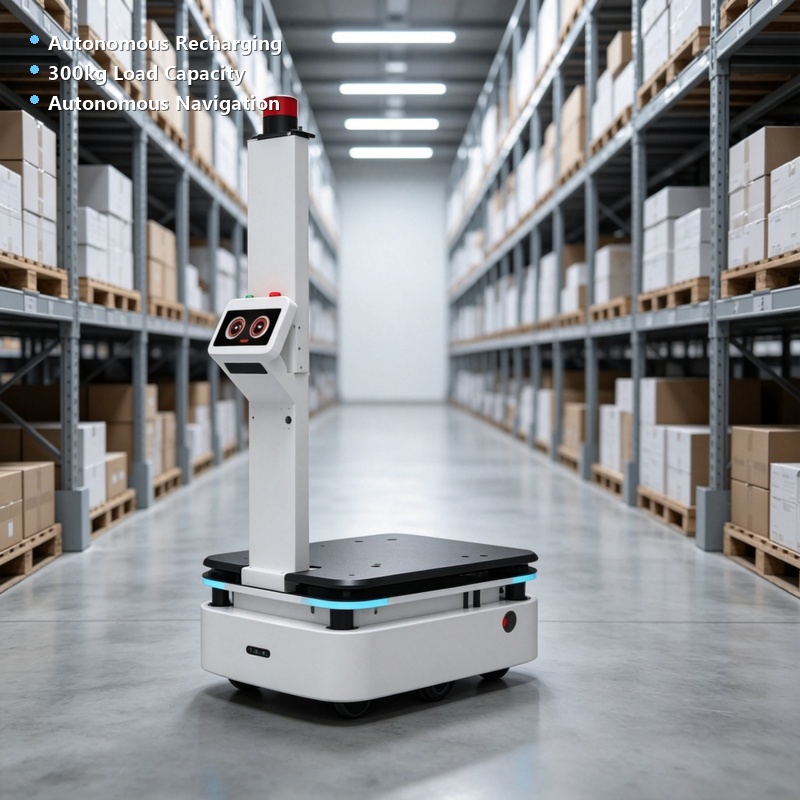
REEMAN Dual Laser Fly Boat MAX 300kg Industrial Delivery Robot for Manufacturing Plants and Factory Material Supply
A strong fit for Kawasaki factories with dynamic corridors where stable positioning, dual-laser perception, and repetitive material delivery reduce walking and pushing time.
- 300kg-class industrial delivery platform
- Dual-laser navigation for busy factory areas
- Factory material supply and workstation replenishment
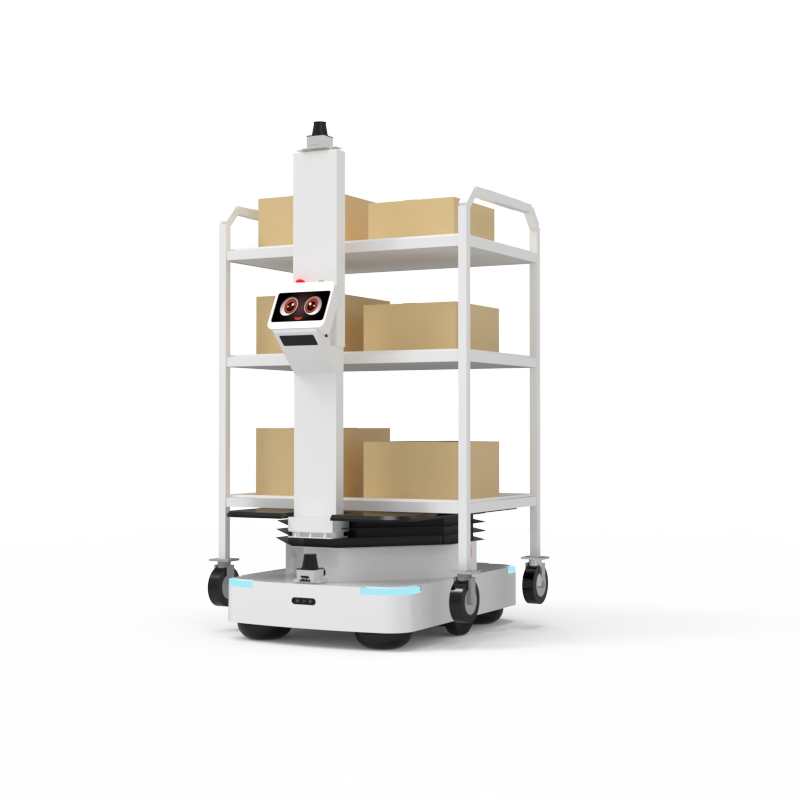
600kg Payload Autonomous AMR Robot Multi Sensor Mobile Material Handling Cart for Production Line
Recommended when Kawasaki production lines need a higher-payload AMR cart that can move fixtures, components, or finished goods while maintaining safety in shared spaces.
- 600kg payload for heavier material carts
- Multi-sensor safety for mixed traffic
- Autonomous line-side and inter-process transport
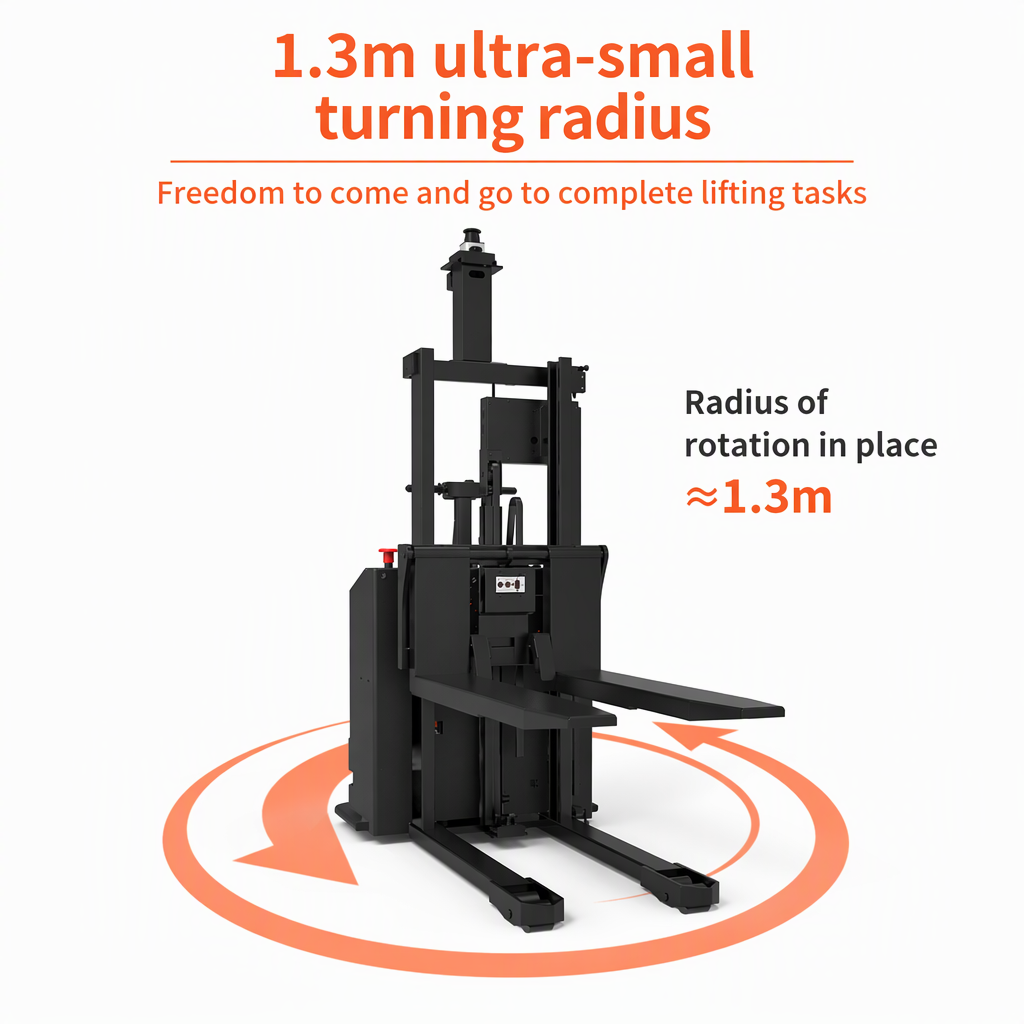
REEMAN Autonomous Electric Forklift 1T Payload 48V 30Ah LiFePO4 Battery Indoor Material Handling AGV
Useful for Kawasaki warehouses and factories that need driverless pallet movement in indoor areas but prefer a compact 1T forklift AGV with lithium-ion battery configuration.
- 1T payload for standard pallet transport
- 48V 30Ah LiFePO4 battery platform
- Indoor material handling and dock-to-storage moves
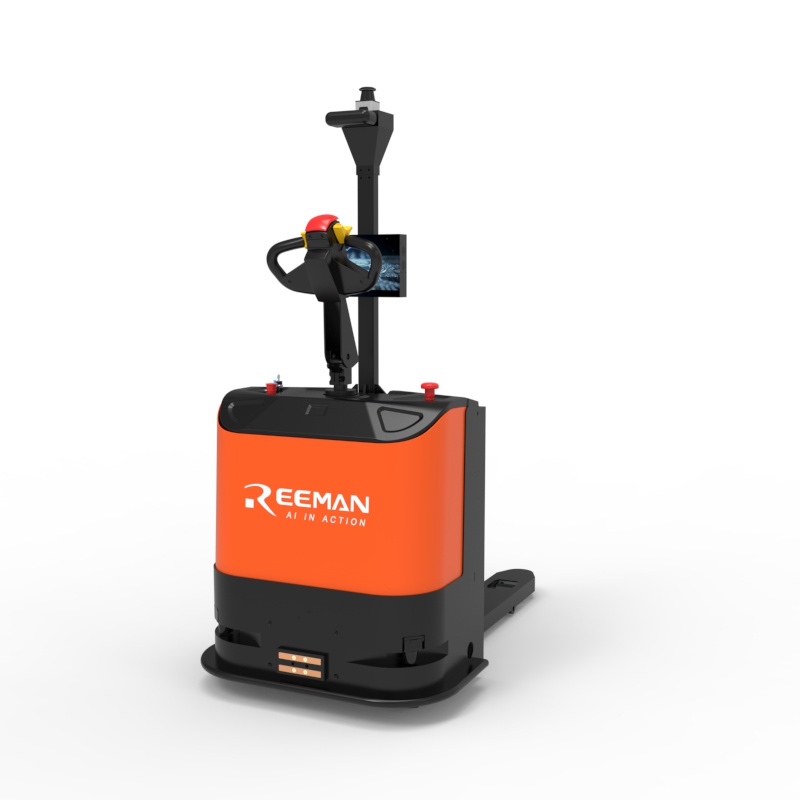
Reeman BBOT30F 1500 kg Laser SLAM Forklift AGV LiDAR Navigation Pallet Handling Warehouse
A practical choice for Kawasaki distribution centers moving 1.5T pallets between receiving, buffers, and storage zones without installing floor tape or reflectors.
- 1,500kg payload for warehouse pallet handling
- Laser SLAM and LiDAR navigation
- No tape or reflector infrastructure required
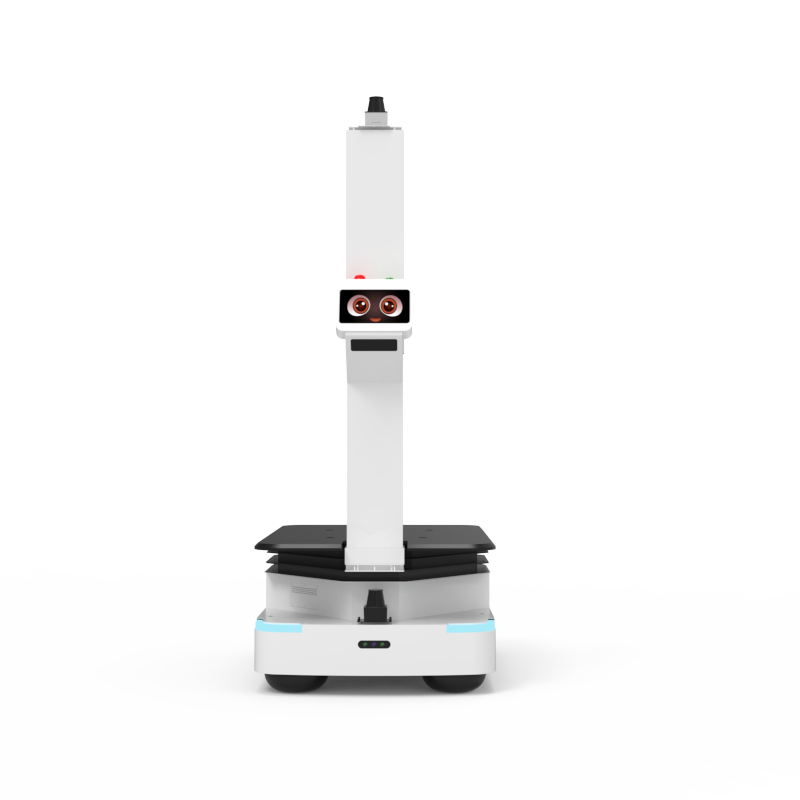
600kg Industrial AMR AGV Robot Laser SLAM Navigation QR Code-Free Factory Logistics
Recommended for existing Kawasaki facilities where floor marking is difficult or where production layouts change, because navigation does not depend on QR code grids.
- 600kg-class industrial AMR platform
- Laser SLAM navigation with QR code-free operation
- Factory logistics and flexible route changes
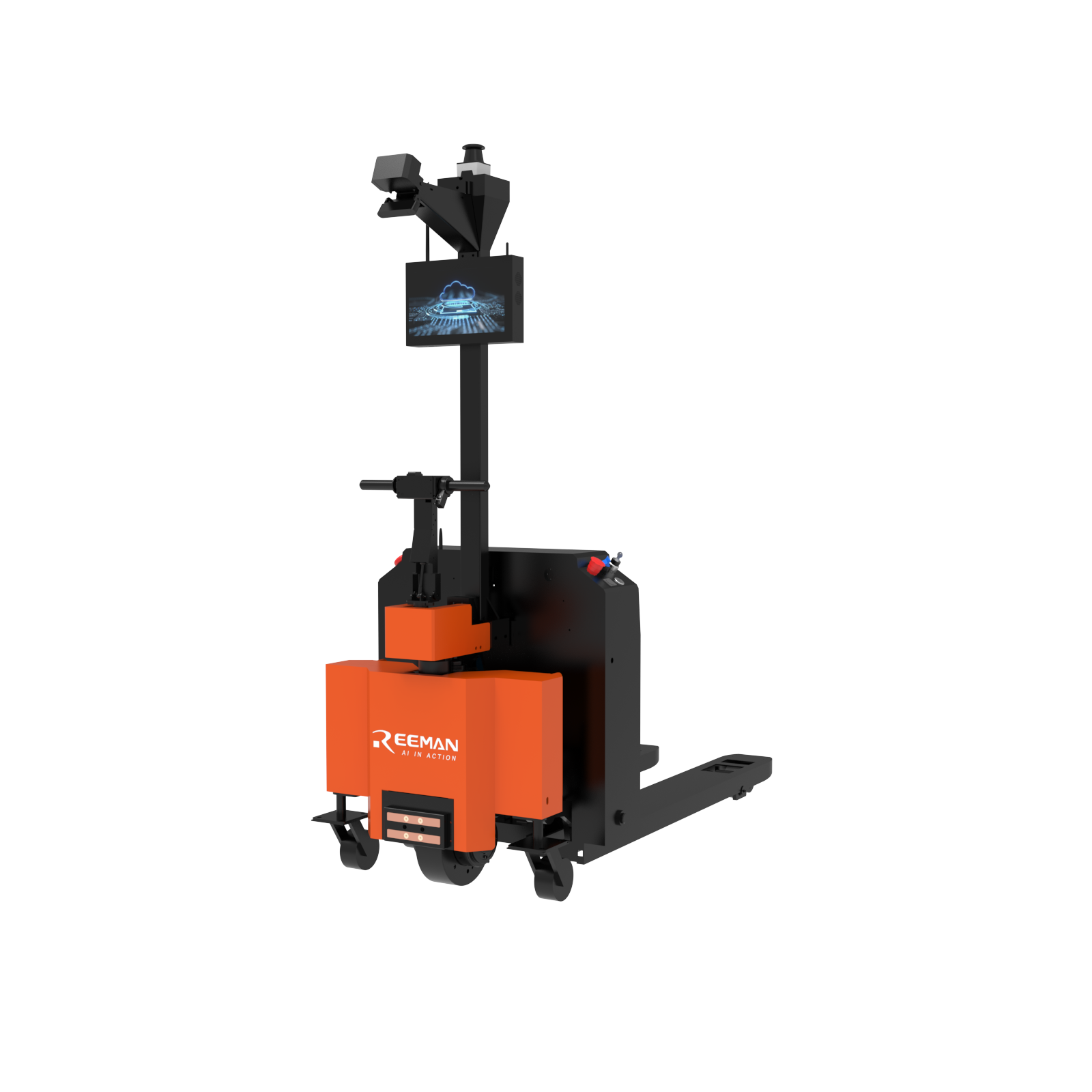
REEMAN X-ant JBOT20F 2 Ton Autonomous Forklift AGV Laser SLAM Pallet Handling Robot for Warehouse Logistics
For Kawasaki warehouses with heavier pallets and repetitive shuttle routes, this 2T autonomous forklift AGV is designed around laser SLAM pallet handling and warehouse logistics continuity.
- 2T payload for heavy warehouse pallet flows
- Laser SLAM autonomous forklift navigation
- Warehouse logistics and repetitive pallet transfer
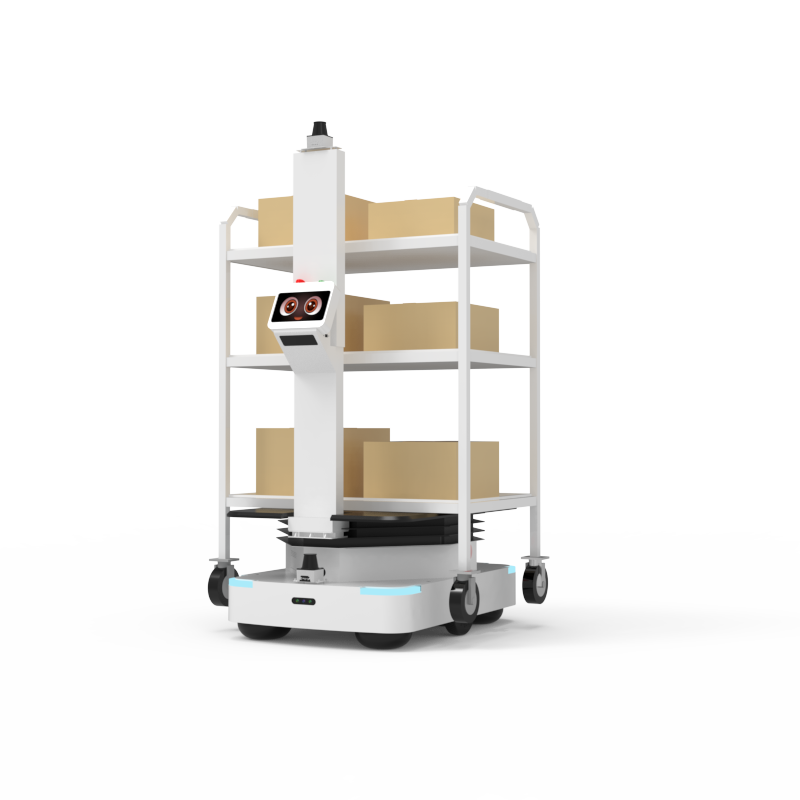
600KG Industrial Heavy Load AMR Robot Laser SLAM Auto Lifting Mobile Platform for in Plant Material Handling
A flexible option for Kawasaki in-plant material handling where the robot must lift, transfer, and present loads at ergonomic or process-specific heights.
- 600kg heavy-load mobile platform
- Laser SLAM navigation with auto lifting
- In-plant material handling and workstation transfer
Configuration note for Kawasaki buyers: final payload, mast height, fork dimensions, top module, battery, charging strategy, communication interface, and safety zoning are confirmed after reviewing the site layout, pallet condition, aisle width, floor slope, elevator use, traffic density, and throughput target.
Where Warehouse Transport Robots Fit in Kawasaki and Greater Tokyo Bay
Kawasaki projects often combine old industrial facilities, modern distribution centers, port-linked logistics, and dense urban delivery constraints. The robot must match the local workflow, not only the catalogue headline.
Kawasaki Port and Tokyo Bay Distribution
Port-adjacent warehouses and cross-docks need repeatable pallet movement between receiving bays, staging lanes, and outbound buffers. Laser SLAM forklift AGVs reduce dependence on floor tape and can be re-mapped when seasonal storage layouts change.
Keihin Industrial Zone Line-Side Supply
Manufacturing plants in and around Kawasaki need frequent material replenishment without blocking production aisles. AMR carts and lifting platforms can feed workstations, collect empty containers, and synchronize tasks with MES or production signals.
Cold Chain and Food Logistics
Food and cold-chain warehouses need predictable route execution and clear exception handling. A supplier should confirm temperature scope, condensation protection, cleaning routines, charging placement, and safety behavior in wet or low-temperature zones before a Kawasaki pilot.
Urban Cross-Docking and Micro-Fulfillment
In dense Kawasaki and Greater Tokyo operations, space is expensive and route changes are frequent. Compact AMRs and 1T forklift AGVs can improve short-distance transport without forcing a full building redesign.
Four Trends Shaping Warehouse Automation Decisions in Kawasaki
Local buying behavior is moving from “Can a robot move a pallet?” to “Can this fleet operate inside our actual building, software stack, safety culture, and business continuity plan?”
Labor Capacity Pressure
Japan’s logistics labor constraints, often discussed in relation to the 2024 problem, are pushing Kawasaki operators to automate repetitive pallet movement. The strongest projects start with a narrow, measurable route rather than an ambitious building-wide rollout.
Integration-First Procurement
Kawasaki buyers increasingly ask for open SDK/API access, task status feedback, fleet scheduling, and compatibility with WMS, MES, or ERP. A robot that cannot expose data becomes a costly island, even if its payload specification looks impressive.
Safety in Mixed Traffic
Many Kawasaki facilities were not designed for autonomous fleets. Pedestrians, manual forklifts, blind corners, ramps, and doors require risk-based speed zones, warning devices, emergency stops, and clear operating procedures agreed during site survey.
Energy and Business Continuity
LiFePO4 battery options, opportunity charging, and fleet dispatch rules are becoming part of Kawasaki procurement reviews. Teams want predictable uptime, documented charging plans, spare-part availability, and remote support before committing to a multi-unit fleet.
Why Elvorn Is a Trusted Manufacturer for Kawasaki Distributors and Integrators
Kawasaki buyers often need a supplier that can support both standard products and custom integration. Elvorn’s advantage is the combination of full-stack robotics engineering, in-house production, export documentation, and customization flexibility.
Laser SLAM Navigation
Robots map and navigate without magnetic tape, QR grids, or reflectors, reducing retrofit disruption in Kawasaki warehouses and factories.
Open SDK and API
AMRs and chassis can be connected to WMS, MES, ERP, elevator controls, doors, and custom dashboards through secondary development.
Full-Stack R&D
In-house teams cover navigation, motion control, fleet scheduling, hardware design, and manufacturing, enabling faster technical answers.
Two Production Bases
Manufacturing in Shenzhen and Ningbo supports scalable production, supplier assessment procedures, and on-site material inspection.
Certification and Audit
ISO 9001 and ISO 14001 management systems, SGS factory verification, and CE, FCC, or PSE marks depending on the model and market.
OEM, ODM, Buyer Label
Custom top modules, payload structures, branding, packaging, and design service help Kawasaki integrators launch differentiated robot solutions.
Multi-Layer Safety
Lidar, obstacle sensors, emergency stops, speed zones, and warning systems are configured for the actual mixed-traffic environment.
Export-Ready Support
English documentation, remote commissioning support, packaging for international shipment, and long-term spare-part planning for overseas buyers.



 SGS Onsite Verified
 CE Marking Options
 FCC Options
 PSE Options
Match the Robot to a Kawasaki Workflow Before Requesting a Quote
This matrix helps Kawasaki buyers turn a general supplier search into a technical shortlist. The best model depends on the transport unit, load weight, route stability, hand-off method, and software scope.
| Kawasaki Workflow | Recommended Models | Why It Fits | Procurement Check |
|---|---|---|---|
| Port-linked distribution center and cross-dock pallet transfer | BBOT30F 1500kg laser SLAM forklift AGV X-ant JBOT20F 2 ton autonomous forklift AGV |
High-payload pallet handling, LiDAR navigation, and fewer floor infrastructure changes during layout updates. | Confirm pallet size, fork entry gap, rack height, charging location, and traffic rules at blind corners. |
| Manufacturing plant line-side replenishment in the Keihin area | Dual Laser Fly Boat MAX 300kg 600kg autonomous AMR material handling cart |
Flexible route changes, multi-sensor safety, and material supply rhythms that match mixed production environments. | Review cart hand-off height, workstation clearance, operator call method, and MES task dispatch requirements. |
| QR-code-free factory logistics and existing-floor retrofits | 600kg industrial laser SLAM AMR 600kg heavy-load lifting AMR platform |
Laser SLAM reduces dependence on floor markers; lifting platform supports process equipment and ergonomic transfer. | Check floor flatness, slopes, door interfaces, lift/elevator control, and desired load presentation height. |
| OEM robot project for a Kawasaki systems integrator or distributor | Roller Conveyor AMR with SDK and API | Open software access and conveyor interface support custom automation products with faster time-to-market. | Request API documentation, sample code, top-module change scope, branding options, and factory acceptance criteria. |
A Practical Four-Step Path from Kawasaki Inquiry to Stable Operation
Overseas robot procurement works better when the supplier and the local integrator share one technical picture. Elvorn supports this process with product data, customization, factory testing, and remote technical communication.
01. Site Data Pack
Share layout drawings, aisle widths, pallet dimensions, load photos, floor conditions, door and elevator use, shift patterns, and target throughput for the Kawasaki site.
02. Model and Fleet Design
Engineers recommend the robot type, payload class, navigation strategy, charging plan, safety zones, and integration scope based on the actual workflow.
03. Customization and Testing
Top modules, branding, packaging, interfaces, and configuration are reviewed before factory function tests and load tests. Test records can support buyer due diligence.
04. Shipment and Deployment
Export packing, FOB shipment, remote commissioning guidance, operator training material, and spare-part planning help the Kawasaki team move from pilot to daily operation.
Frequently Asked Questions from Kawasaki Buyers Comparing Robot Suppliers
These are the practical questions that usually appear after the initial product review, when engineering, procurement, safety, and finance teams begin to challenge assumptions.
Can Elvorn warehouse transport robots be deployed in Kawasaki and the Greater Tokyo area?
What is the difference between an autonomous forklift AGV and a warehouse AMR?
Can these robots integrate with a Japanese WMS, MES, or ERP system?
Which certifications are relevant for Japan-bound warehouse robots?
How should a Kawasaki buyer prepare an RFQ for a warehouse transport robot?
Does Elvorn offer OEM and ODM customization for Kawasaki distributors?
What trade terms and payment methods are available for export orders?
How can Kawasaki buyers evaluate safety and spare-part support before purchase?
Start Your Kawasaki Warehouse Automation Project
Send your layout, pallet or cart dimensions, load weight, throughput target, shift pattern, WMS/MES/ERP requirement, and preferred launch date. Our engineers will help you shortlist the right autonomous forklift, AMR, robot chassis, or lifting platform for the local application.
info@elvornbot.com