Eight Factory-Built Robot Platforms for Makati Automation Projects
The eight product cards below are supplied from Elvorn’s export catalog. For UV-C disinfection projects, the same SLAM navigation base, battery management, fleet API and safety architecture can be configured with UV-C lamp modules or hybrid UV plus air-filtration modules after a site survey. This lets Makati buyers evaluate one accountable factory for disinfection robots, AMRs, autonomous forklifts and service robots.
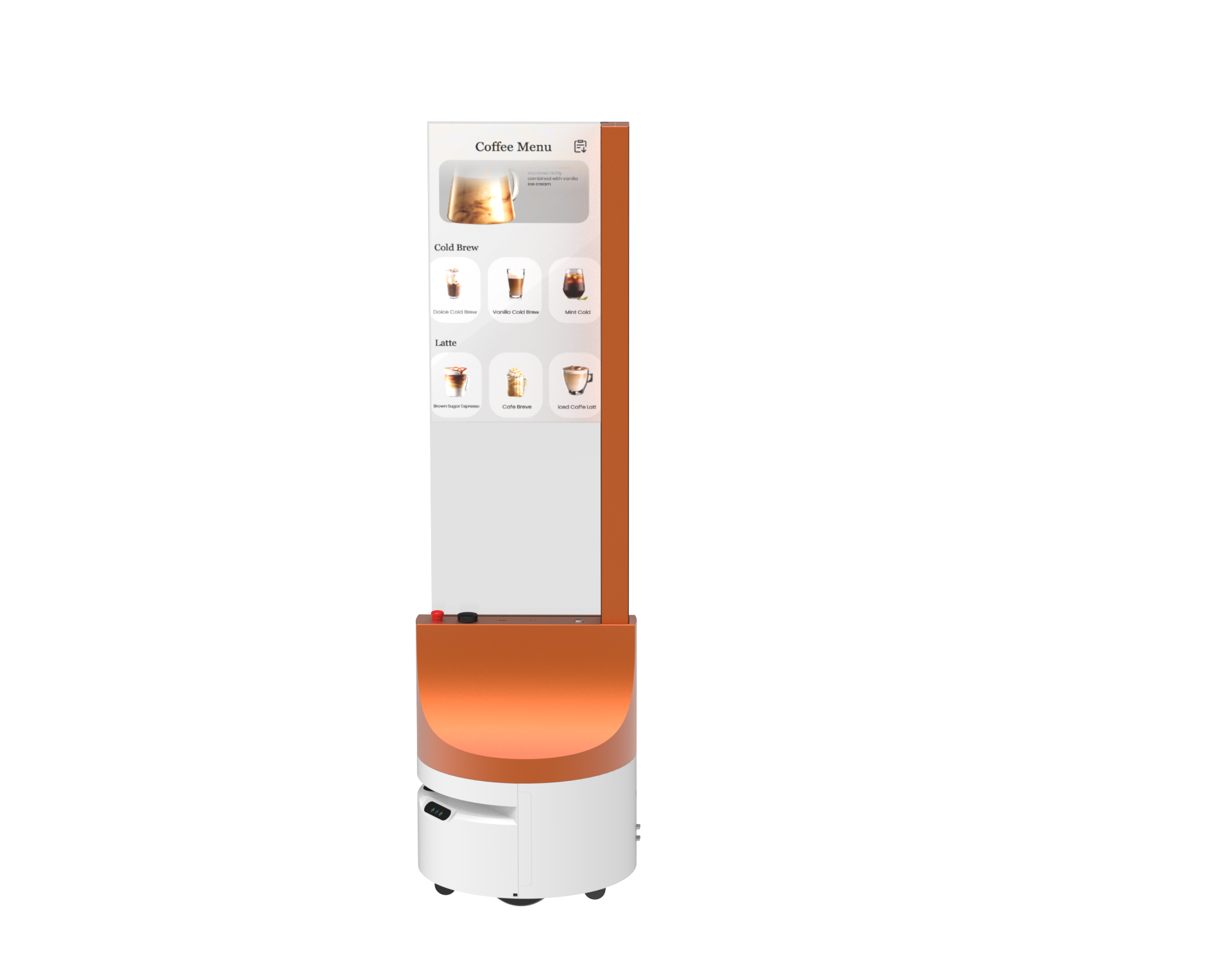
REEMAN 30 Inch OLED Transparent Screen Mobile Advertising Robot 1080 x 1920 FHD 9:16 Wi-Fi App Remote Control
A mobile digital signage platform for Makati showrooms, hotel lobbies and event venues that need wayfinding, promotions and guided visitor engagement.
View product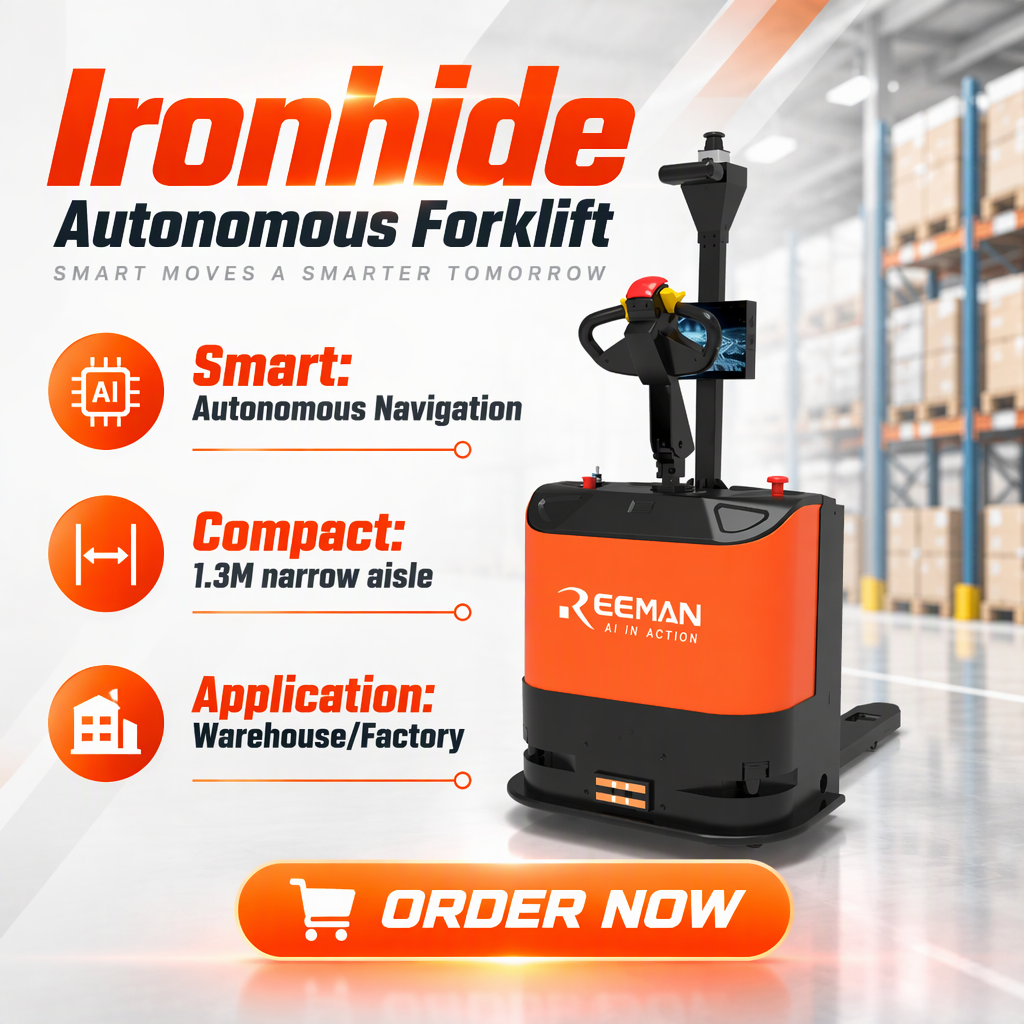
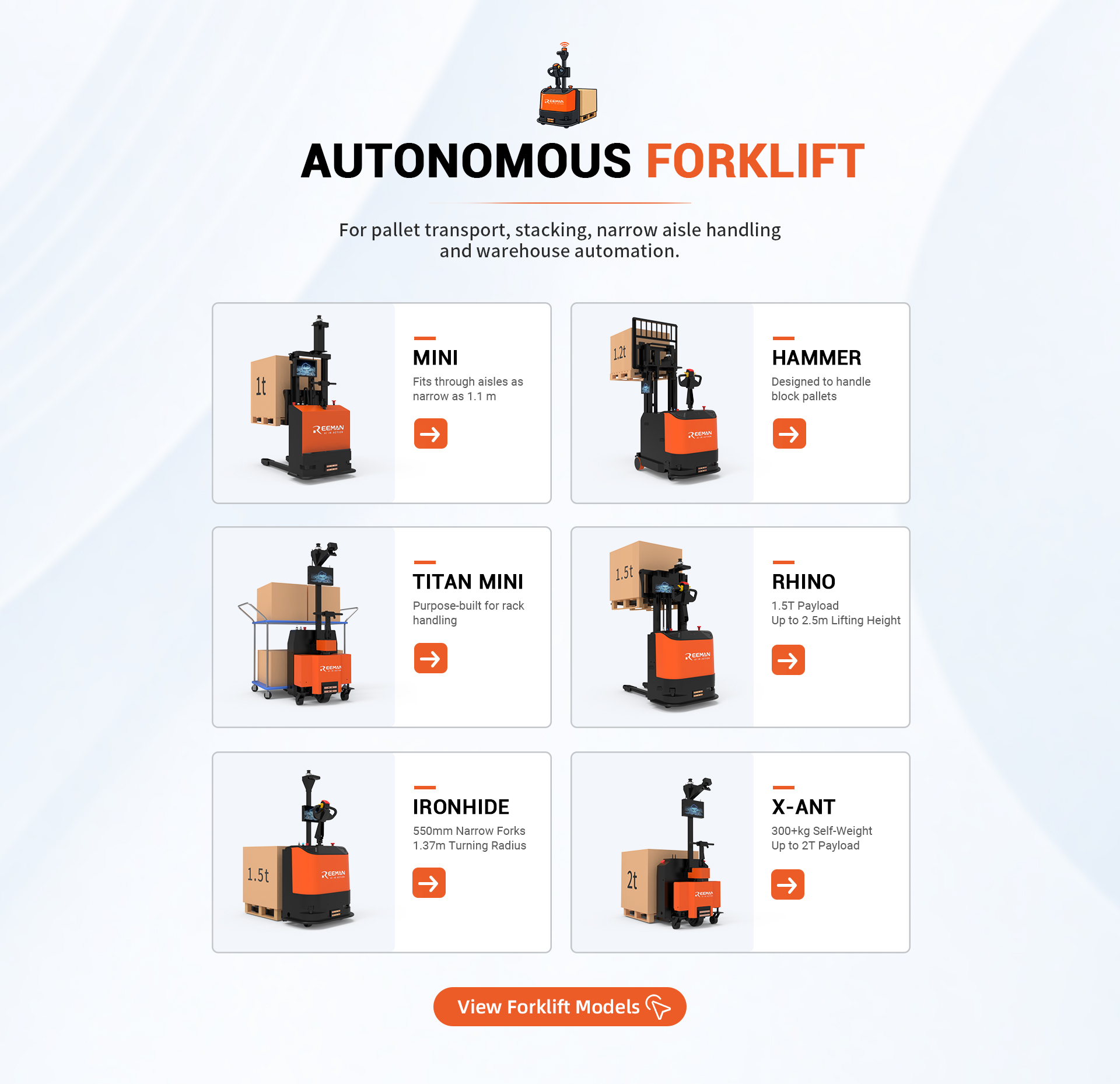
Reeman 1.5 Ton Autonomous Forklift AGV 3D Obstacle Avoidance Bidirectional Driving 48V 30AH Lithium-Ion Battery
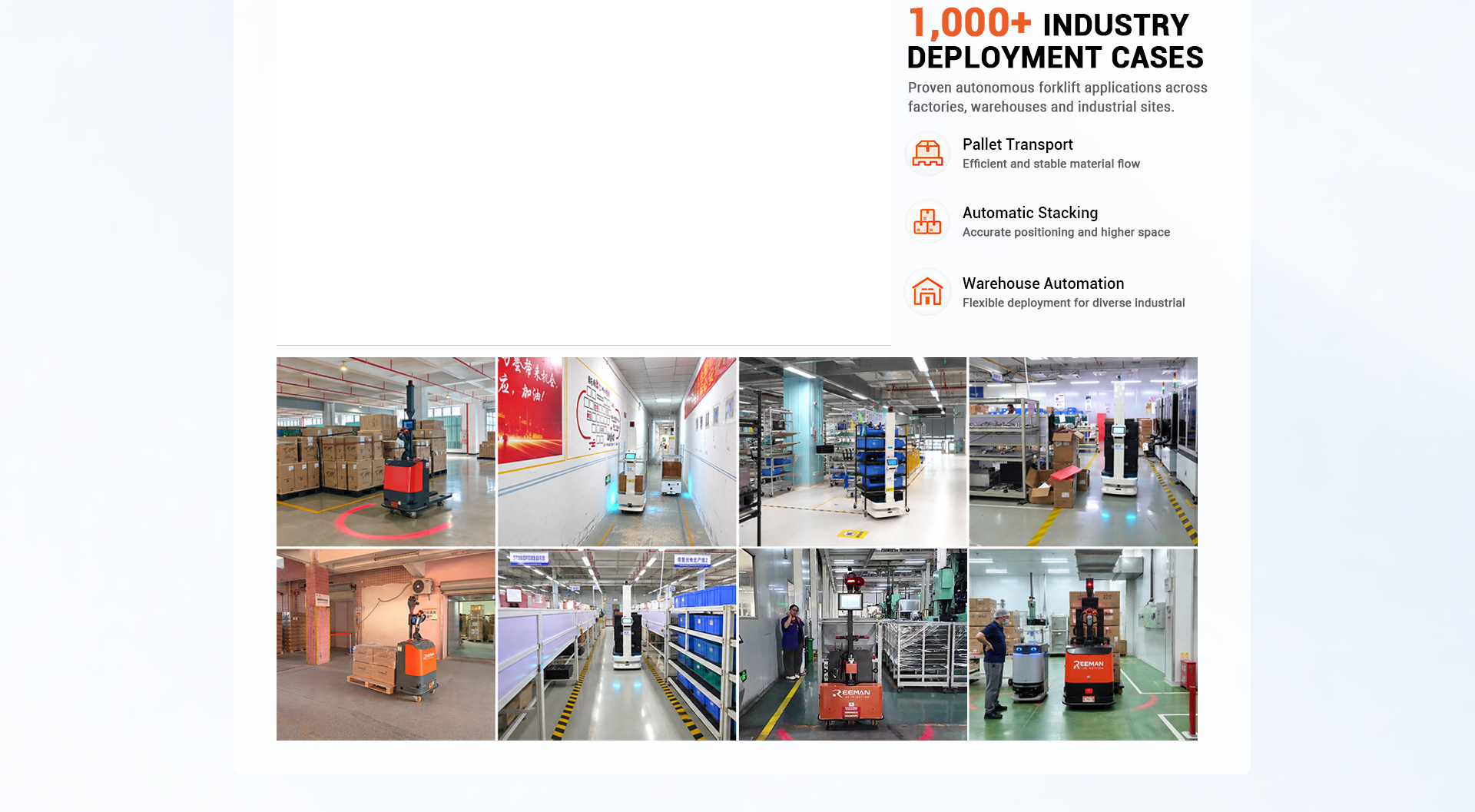
For warehouses, distribution centers and production sites around Metro Manila that move pallets repeatedly and want to reduce forklift labor exposure.
View product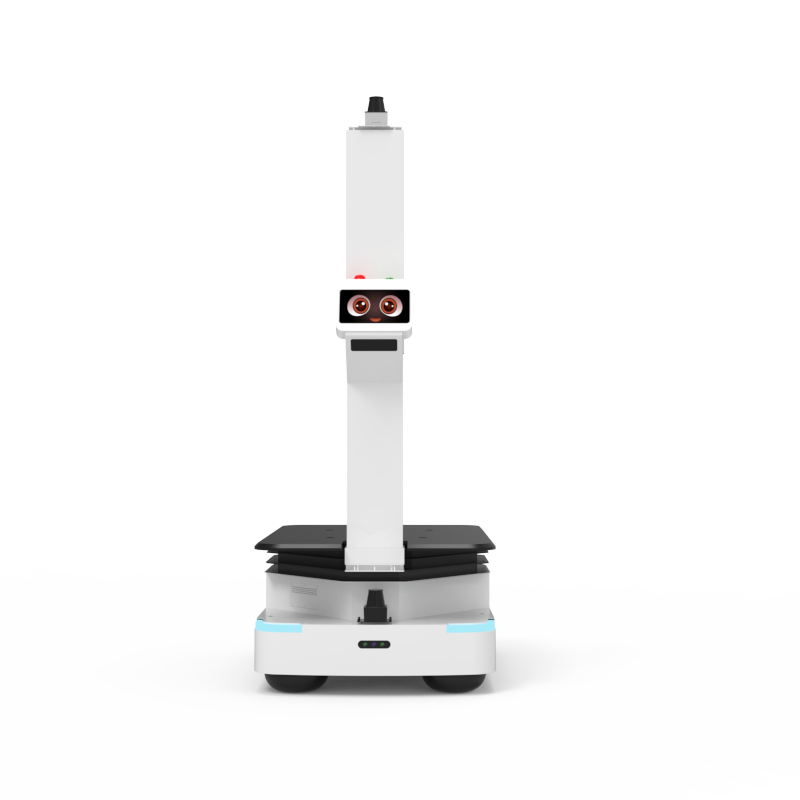
600kg Industrial AMR AGV Robot Laser SLAM Navigation QR Code-Free Factory Logistics
A 600 kg material-handling platform for flexible factory logistics, line-side feeding and internal transport without QR-code floor labels.
View product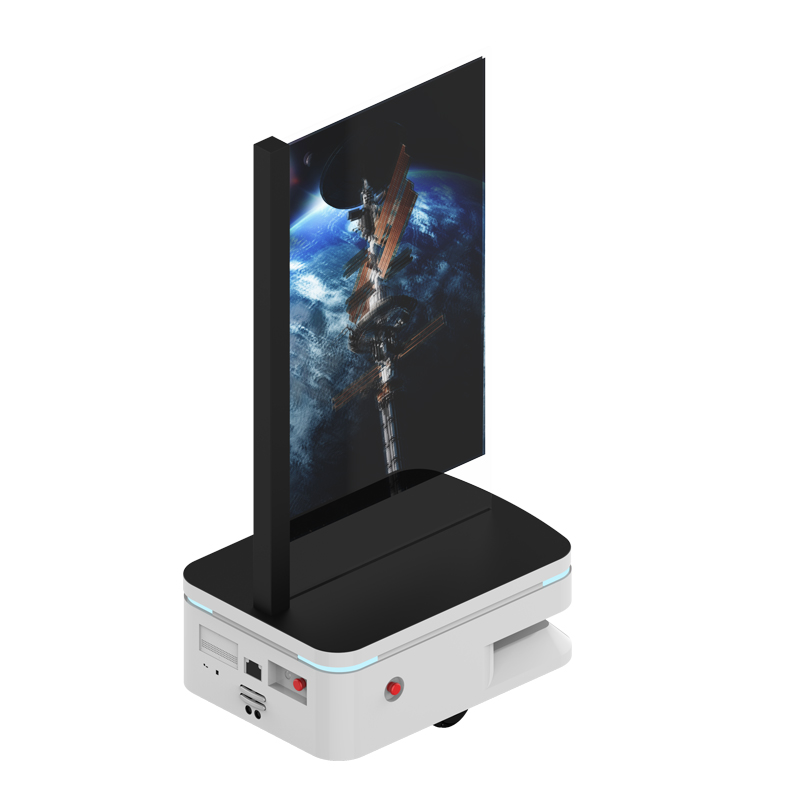
75 Inch Indoor LED Digital Poster Touch Screen Display SDK OEM ODM Black Signage for Retail Store Elevator Airport
An interactive signage display for Makati retail, elevators, clinics and building lobbies, available with SDK, OEM and ODM customization.
View product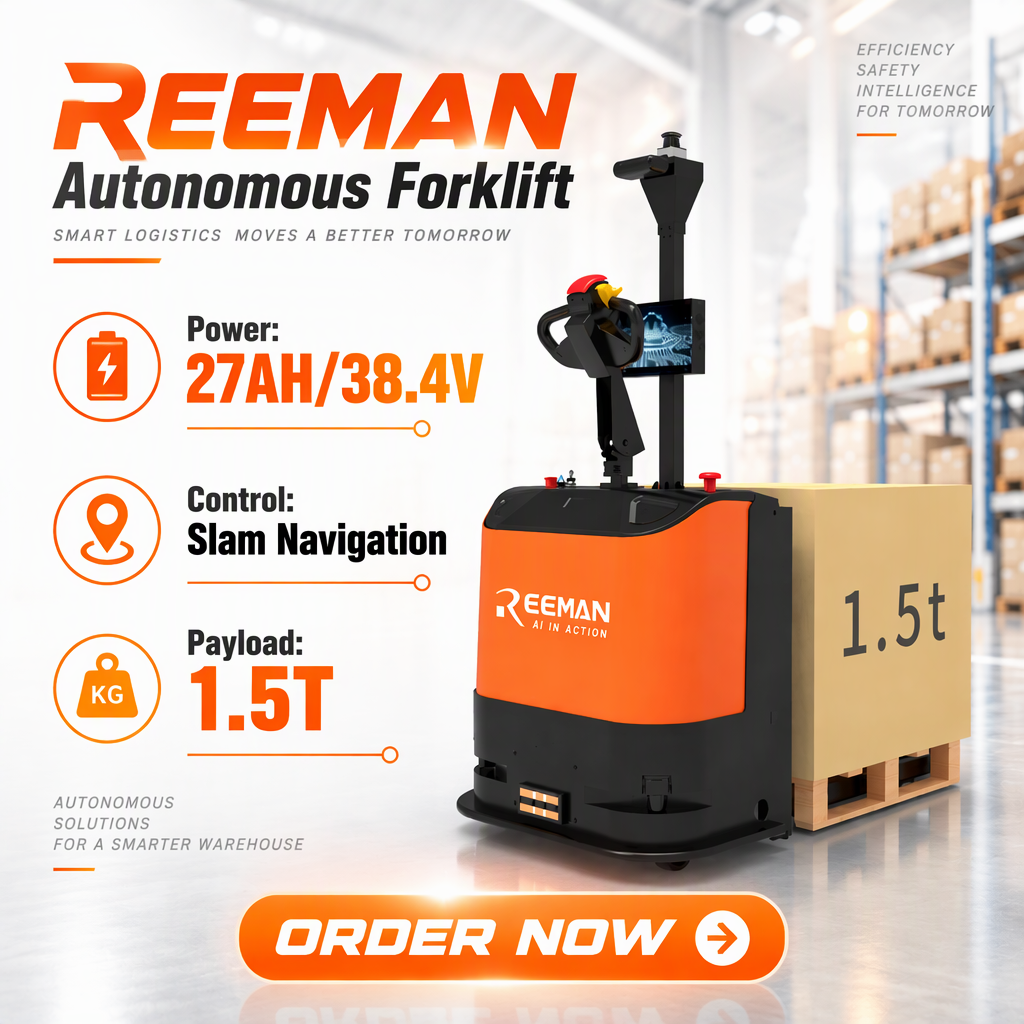
Reeman 1.5 Ton Autonomous Forklift AGV SLAM Navigation 3D Obstacle Avoidance Bidirectional Driving Indoor Warehouse
An indoor SLAM forklift option for warehouses that need automatic pallet pickup, transport and drop-off with dynamic obstacle avoidance.
View product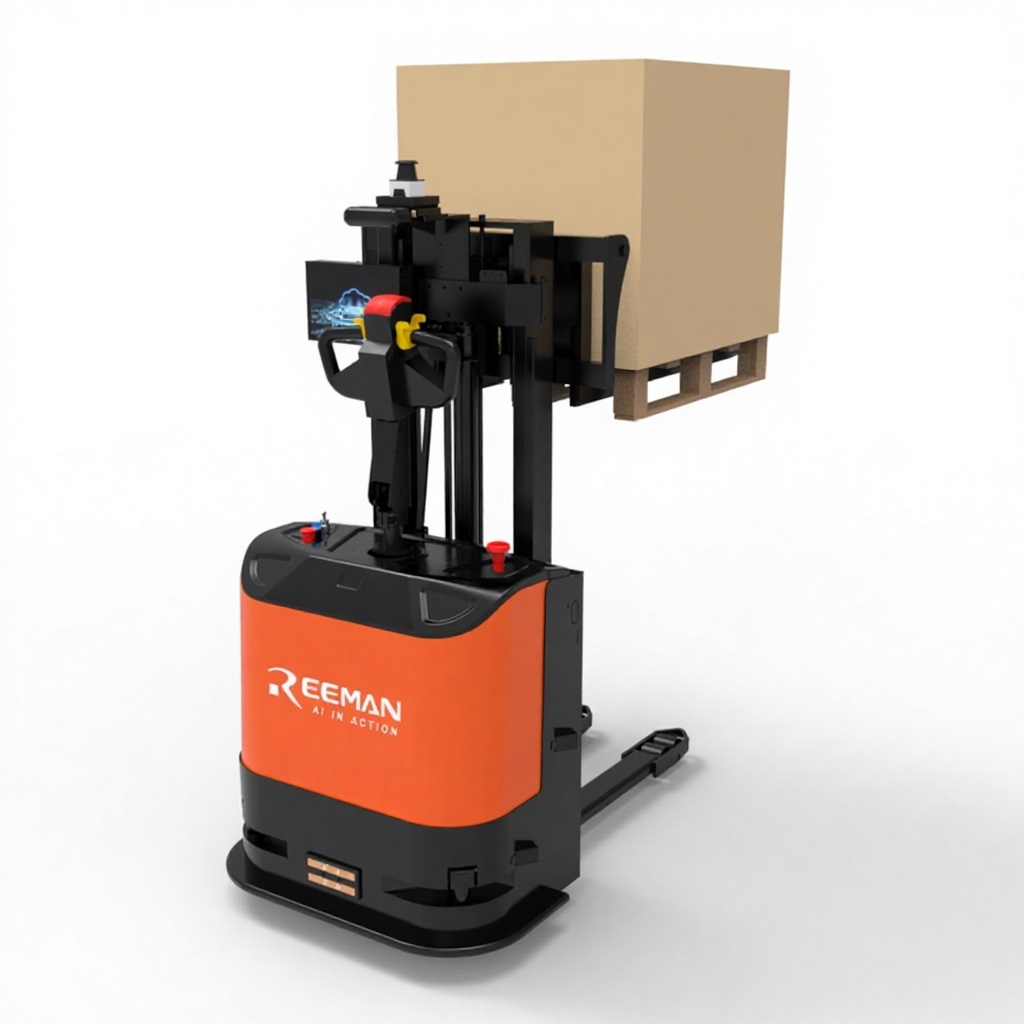
REEMAN Rhino RBOT30F Autonomous Stacker Forklift 3D Vision Obstacle Avoidance Warehouse AGV Robot
A compact autonomous stacker for repeated pallet stacking, low-rack storage and warehouse flows where floor space is tight.
View product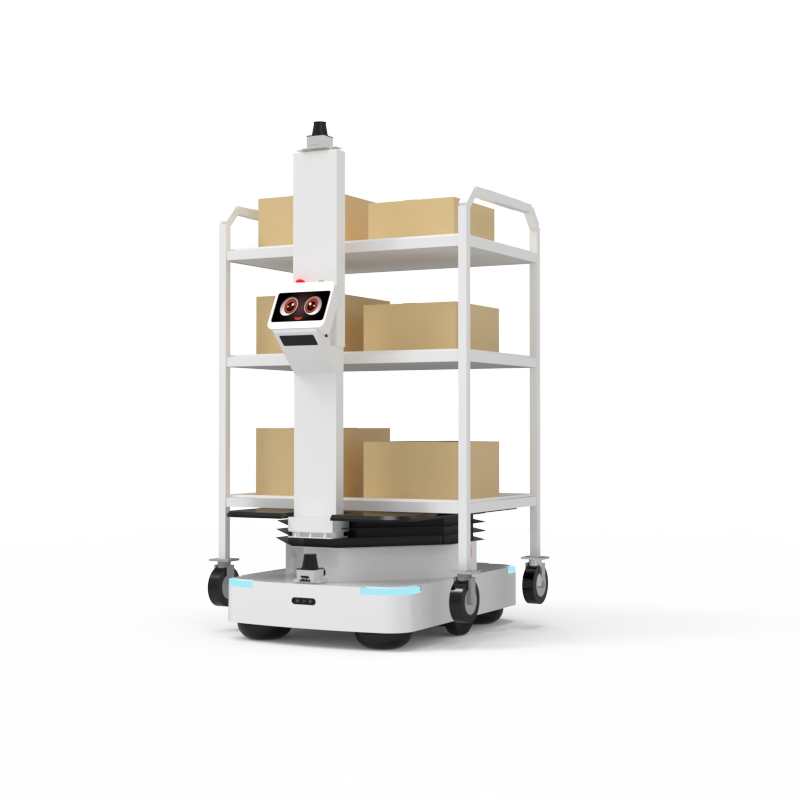
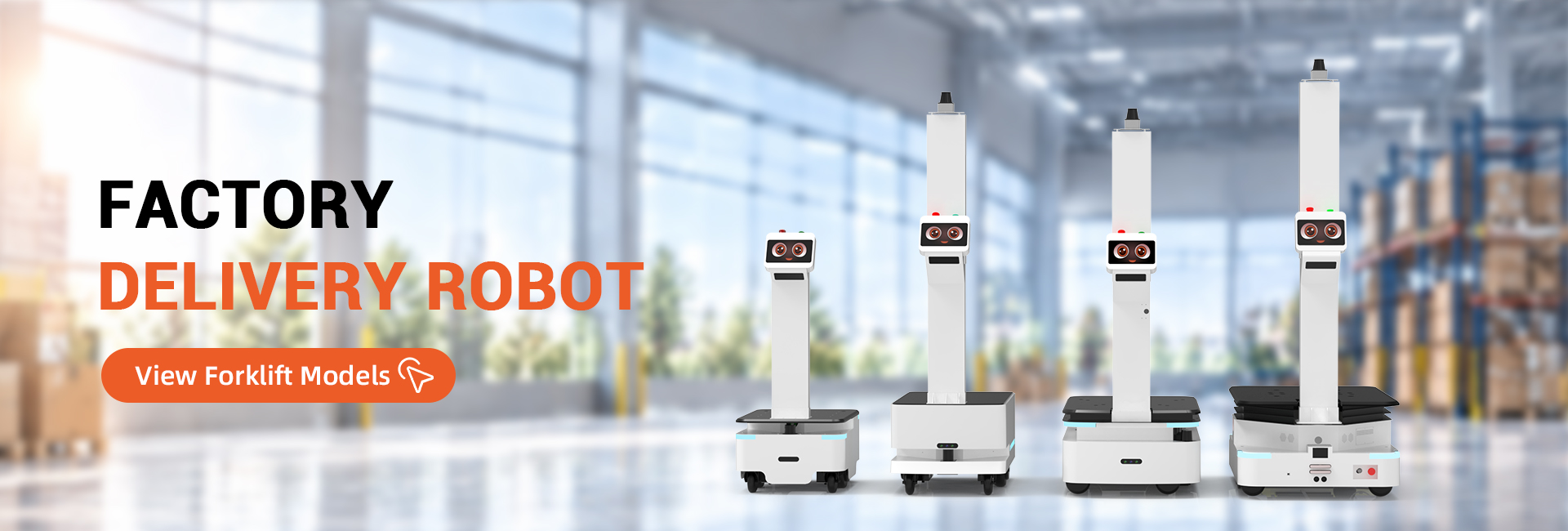
600kg Payload Autonomous AMR Robot Multi Sensor Mobile Material Handling Cart for Production Line
A versatile autonomous material cart for production lines, internal logistics and repetitive transfers where fixed conveyors are too inflexible.
View product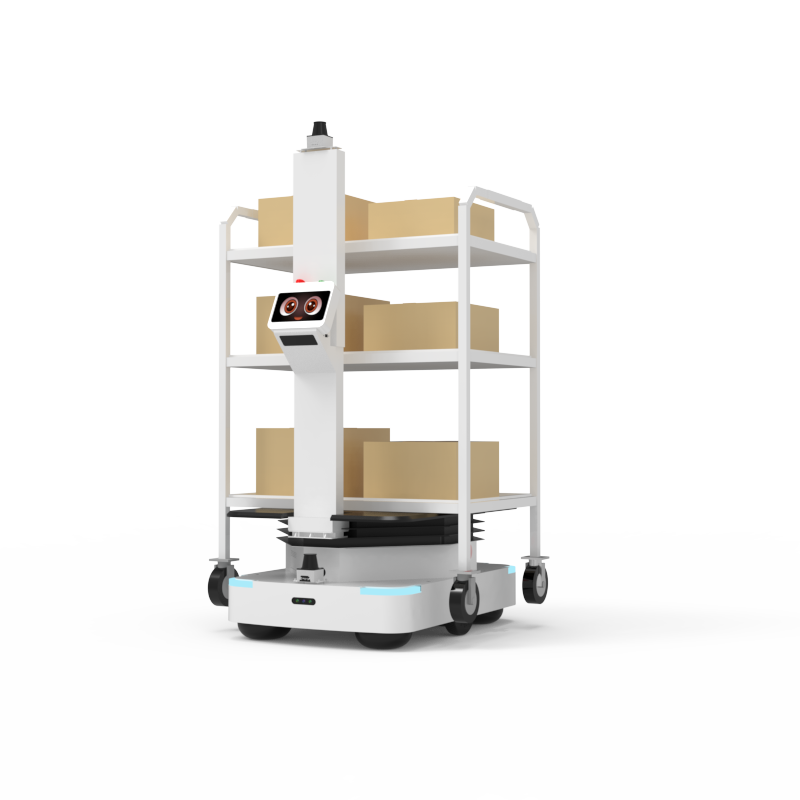
600KG Industrial Heavy Load AMR Robot Laser SLAM Auto Lifting Mobile Platform for in Plant Material Handling
A heavy-load lifting AMR for in-plant material handling, designed to reduce manual pushing and improve transfer consistency across shifts.
View productVerified Capability Behind the Exporter Relationship
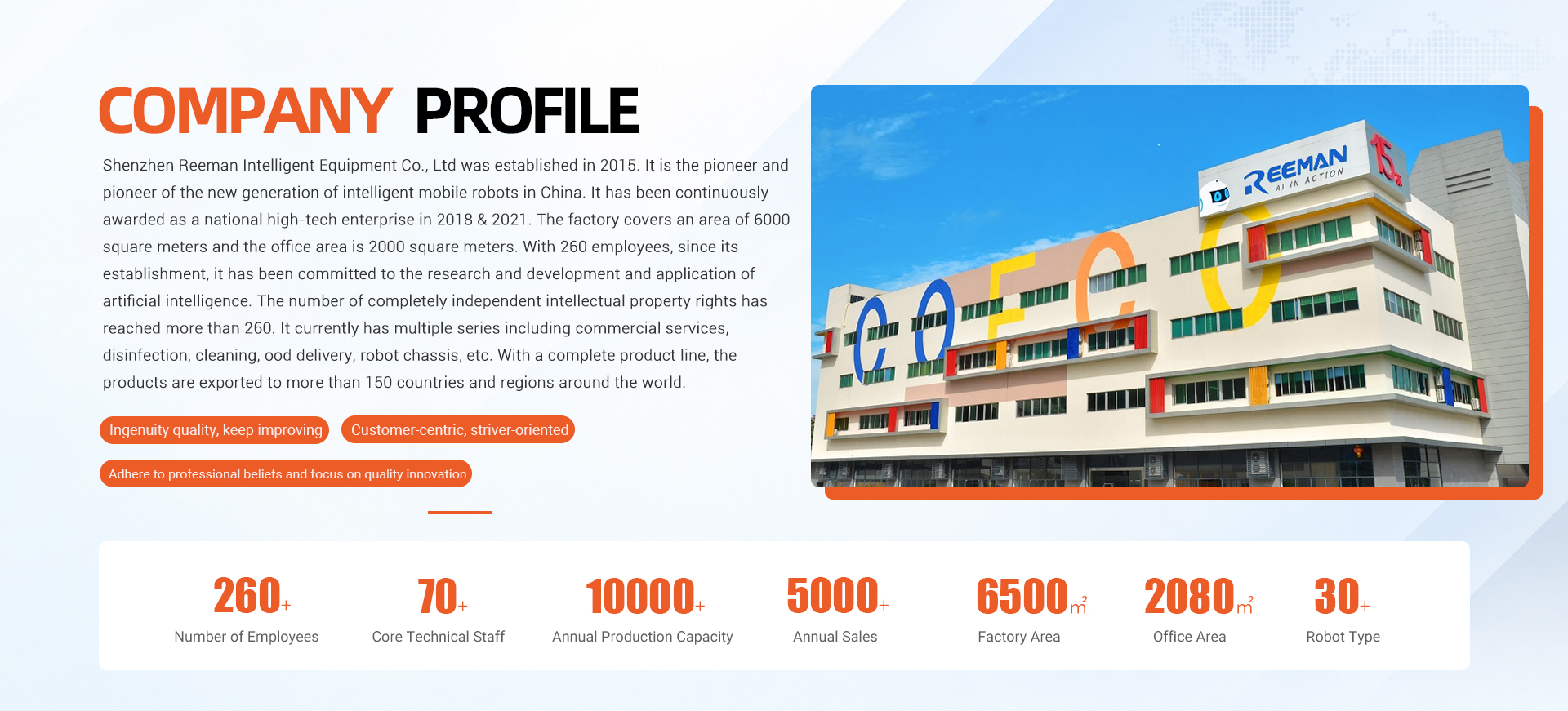
Procurement teams in Makati are not only buying a robot; they are selecting a long-term technical partner. These factory facts are the baseline used in due-diligence reviews before sampling, site pilot and fleet purchase.
Why UV-C Disinfection Robots Are Becoming a Makati Standard Operating Procedure
Makati’s commercial core concentrates high footfall, shared elevators, meeting rooms, clinics, hotels and 24/7 BPO operations into a tight urban footprint. Manual spray-and-wipe routines struggle to keep pace with shift changes, guest turnover and tenant expectations. A UV-C disinfection robot introduces a repeatable, documented cycle: the robot maps the area, follows a planned route, pauses at defined dwell points and records completion data. The value is not simply “a robot with lamps”; it is the ability to convert disinfection from an ad-hoc task into a measurable facility process.
For credibility, buyers should evaluate delivered UV-C dose at the target surface, not lamp wattage alone. Dose depends on irradiance, distance, dwell time, angle, shadowing and lamp degradation. A credible supplier will ask for room geometry, ceiling height, target surfaces, material compatibility and the times when rooms are unoccupied. The safest procurement approach is a layered program: manual cleaning first, then UV-C treatment in unoccupied spaces, followed by validation using UV indicator cards, ATP swabs or a third-party protocol agreed with the facility’s EHS team.
Elvorn supports Makati buyers with factory-backed engineering, English documentation, remote commissioning and spare-part planning. The disinfection robot is built on the same autonomous mobile platform architecture used across Elvorn’s AMR and service robot lines, so integration discussions cover navigation, safety sensors, charging strategy, fleet scheduling and audit logs rather than isolated hardware specifications.
- Site-specific cycle planning
- Occupancy and interlock review
- Audit logs and operator roles
- Spare lamps and service planning

Recommended UV-C Disinfection Robot Configurations for Makati Facilities
These configuration paths are recommended for Makati projects where the final specification is confirmed after a site survey. Final lamp count, battery capacity, navigation sensors, safety interlocks and reporting features depend on room layout, target pathogens, cycle time and occupancy rules.
Compact UV-C Robot for Clinics & Consult Rooms
Recommended for dental clinics, diagnostic centers, aesthetic clinics and small consultation rooms in Makati where a narrow footprint and simple route are important. The focus is reliable coverage of high-touch surfaces during unoccupied intervals, with clear safety signage and motion-stop logic.
High-Output UV-C Robot for BPO Floors & Towers
Recommended for Makati CBD office towers, BPO delivery floors, co-working spaces and shared meeting rooms. Planning should align disinfection windows with shift handovers, elevator access, cleaning staff movement and tenant communication so the robot does not conflict with occupied areas.
Hybrid UV-C + Air-Filtration Robot for Hotels & Retail
Recommended for hotels in Legazpi Village and Salcedo Village, serviced residences, malls, showrooms and public venues that want a visibly modern hygiene program. Hybrid configurations should be validated carefully because air filtration and surface UV-C address different risk pathways.
Where UV Disinfection Robots Fit in Makati Operations
The strongest use cases are not generic “disinfection everywhere” promises. They are specific rooms, defined cycles and unoccupied windows where a robot can deliver consistent coverage and documentation without disrupting revenue-generating activity.
Makati CBD Office & BPO Towers
Overnight disinfection of meeting rooms, pantries, training rooms and shared touchpoints between shifts, when floors can be cleared and access controlled.
Clinics, Dental & Diagnostic Centers
Support for waiting areas and procedure rooms as part of an infection-control program, with cycles validated against the facility’s own clinical and EHS protocols.
Hotels, Serviced Residences & Gyms
Guest-room turnover support, fitness equipment zones and function rooms where UV-C can be scheduled after housekeeping and before guest access resumes.
Retail, Showrooms & Dining
After-closing treatment of high-touch surfaces in Greenbelt, Glorietta, Ayala Center and nearby showrooms, coordinated with cleaning crews and security.
Schools, Training & Coworking
Classrooms, libraries and shared desks can be treated during closed hours, reducing chemical use while improving scheduled hygiene visibility.
Logistics & Support Facilities
Parcel staging, equipment rooms and administrative zones can be scheduled for UV-C where surface exposure is appropriate; porous packaging requires separate validation.
Localized Trends Shaping UV Robot Procurement in Makati
Makati’s buying behavior is shaped by building density, tenant expectations, 24/7 operations and the need to prove hygiene programs without creating friction for occupants.
24/7 BPO Disinfection Windows
Night-shift facilities need short, repeatable cycles that fit between shift handovers and cleaning schedules.
Audit-Ready Hygiene Records
Tenants and facility managers increasingly ask for logs, room status, operator roles and exportable completion reports.
Smart Building Integration
Elevator access, BMS alerts, access control and fleet scheduling become buying criteria as robots enter daily operations.
220V/60Hz and Tropical Readiness
Philippine power, humidity, battery temperature and service access should be confirmed before shipment, not after arrival.
E-E-A-T in Practice: Why a Factory-Backed Exporter Matters
A UV disinfection robot is a safety-related machine, not a generic consumer gadget. Makati buyers need transparent engineering answers, traceable production, export documentation and long-term spare-part planning.
SGS-Verified Factory
Onsite verification by SGS Group covers business licensing, production capability and quality-control procedures, giving overseas buyers a stronger due-diligence baseline.
Two Production Bases
Shenzhen and Ningbo production bases support scalable manufacturing, supplier assessment and on-site material inspection for custom robot orders.
Full-Stack Robotics R&D
In-house capabilities span laser SLAM navigation, motion control, fleet scheduling, hardware design and app/API layers, enabling faster customization.
Open SDK & API
AMRs and chassis platforms support secondary development for WMS, MES, ERP, elevator, door and dashboard integration where project scope requires it.
OEM / ODM & Buyer Label
Custom top modules, payload structures, branding, packaging and buyer-label options are available for distributors, integrators and facility groups.
Export-Ready Support
English documentation, FOB terms, T/T payment in USD or CNY, remote commissioning and spare-part planning support buyers in Southeast Asia and beyond.
Procurement Checklist Before You Import a UV Robot to Makati
Use this checklist during supplier comparison. It is designed to reveal technical depth, safety discipline and after-sales readiness rather than only headline price.
| Evaluation Area | Question Makati Buyers Should Ask | Why It Matters |
|---|---|---|
| Delivered UV dose | What dose is planned for each target surface, and how is shadowing handled? | Lamp wattage alone does not show whether high-touch surfaces receive adequate treatment. |
| Occupancy safety | Which interlocks, motion sensors, signage and emergency stops prevent exposure? | UV-C must be used under controlled conditions, especially in occupied commercial buildings. |
| Room and route mapping | Can the robot map narrow corridors, elevators, doorways and charging areas? | Makati towers and clinics often have tight layouts that require site-specific route planning. |
| Electrical configuration | Is the charger configured for 220V/60Hz with the appropriate plug and protection? | Philippine commercial power should be confirmed before shipment to avoid rework and delay. |
| Audit and data | Can the system export cycle logs, room status and operator records? | Facility managers need evidence of scheduled completion for internal ESG and tenant reporting. |
| Certification package | Which CE, FCC or PSE model options apply, and what local review is required? | Certifications should be matched to the exact configuration and reviewed with the importer or broker. |
| Spare parts and service | What is the plan for lamps, batteries, sensors, remote support and operator training? | Service planning protects uptime and total cost of ownership over multiple years. |
| Commercial terms | What are the Incoterms, lead time, packaging method, warranty and payment terms? | Clear terms reduce customs friction when shipping from Shenzhen to Metro Manila. |
From Inquiry to Stable Operation in Six Practical Steps
A disciplined deployment process reduces risk for first-time UV robot buyers and creates a repeatable template for additional floors, buildings or sister properties.
Site Survey & Risk Review
Share floor plans, room types, ceiling height, shift schedules, occupancy rules and high-touch surfaces. Identify areas that cannot be treated safely with UV-C.
Cycle & Safety Plan
Define routes, dwell points, exclusion zones, signage, operator responsibilities and escalation procedures for unexpected occupancy.
Configuration & Customization
Confirm lamp module, battery, sensors, reporting features and any OEM branding, plus charger and voltage requirements for Makati.
Factory Acceptance Test
Validate navigation, safety stops, route completion and documentation before shipment. Request test records for internal approval.
Shipping & Import
Arrange export packing, commercial invoice, packing list, bill of lading and model documents. Coordinate with the Manila customs broker early.
Remote Commissioning & Training
Map the site, train operators, set user roles, establish cleaning logs and schedule follow-up reviews after the first weeks of use.
Common Procurement Questions from Makati Facilities
These are the questions most frequently raised by office landlords, clinic owners, hotel groups and distributors when evaluating a UV disinfection robot exporter.
Can Elvorn ship a UV disinfection robot directly to Makati?
Is a UV-C robot safe to use while people are in the room?
How do we validate that the robot actually delivered the planned dose?
What voltage and power setup is required in Makati?
Can the robot integrate with elevators, access control or building systems?
What certifications are available?
Do you offer OEM, ODM or buyer-label customization?
What is the typical lead time and shipping process?
What after-sales support is available for Makati customers?
Can a UV robot replace our existing cleaning contractor?
Can we start with one unit and scale later?
Request a Makati-Specific UV Disinfection Robot Proposal
Send your floor plan, room list, ceiling height, shift schedule, target surfaces, voltage details and expected deployment date. Our export engineers will recommend the right UV-C robot configuration, safety plan and delivery path from the factory to Metro Manila.