Visual Navigation Robot Factory & Suppliers for the Udon Thani Market
Laser SLAM autonomous forklifts, AMRs, robot chassis and service robots engineered for Isan warehouses, food factories, cross-border logistics and commercial facilities. Compare eight field-ready models, verify the factory and plan a lower-risk deployment from Shenzhen to Udon Thani.
Eight Visual Navigation Robot Models for Udon Thani Buyers
These eight configurations are the most relevant starting points for warehouses, food-processing plants, 3PL operations, retail distribution and commercial facilities in Udon Thani. Each model uses laser SLAM navigation, obstacle avoidance and a modular platform that can be matched to your pallet type, aisle width, throughput and integration requirements.
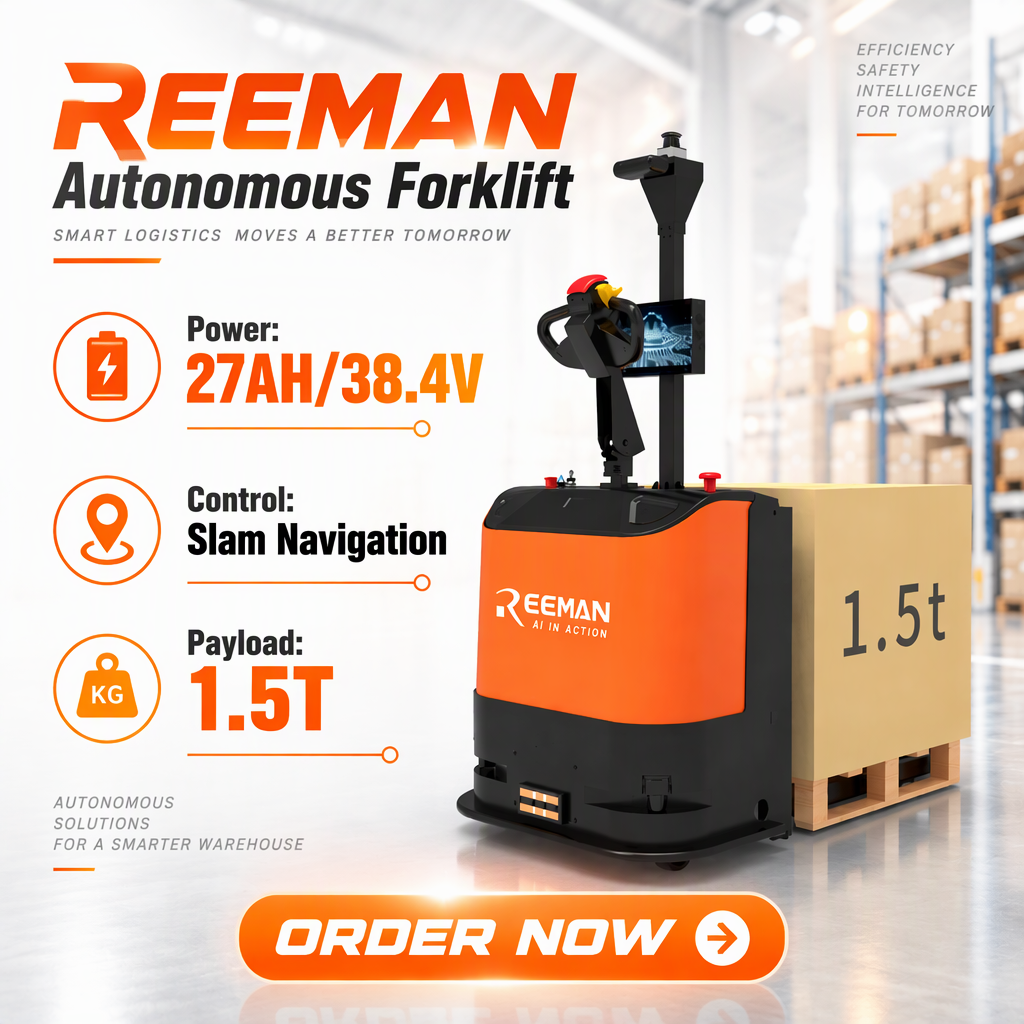
Reeman 1.5 Ton Autonomous Forklift AGV SLAM Navigation 3D Obstacle Avoidance Bidirectional Driving Indoor Warehouse
Recommended for narrow-aisle pallet movement, bidirectional travel and repetitive dock-to-storage tasks in Udon Thani distribution centers.
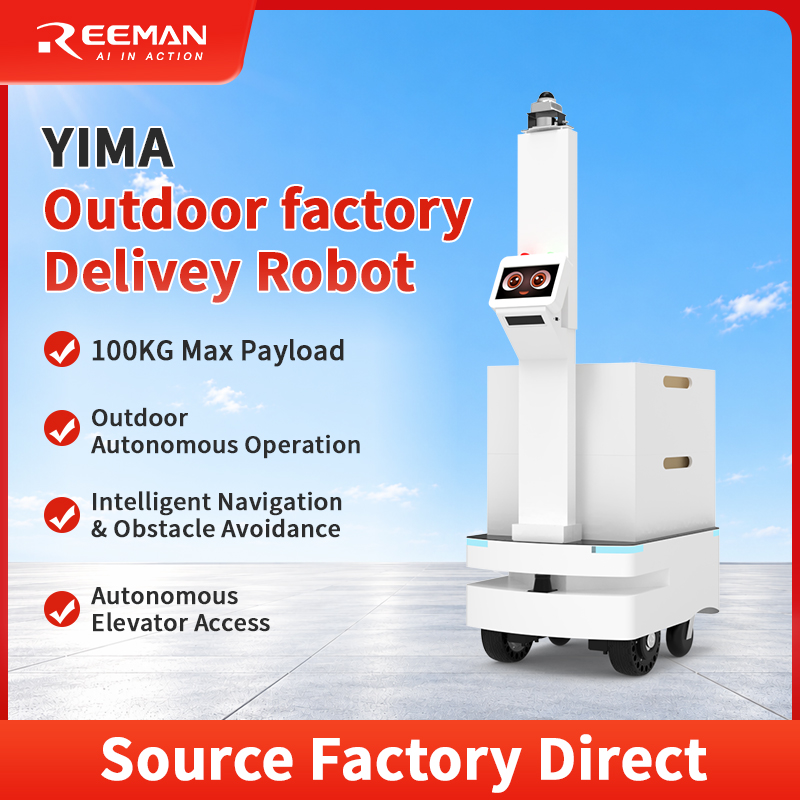
REEMAN Outdoor Delivery Robot 100kg Payload Autonomous Navigation Obstacle Avoidance Elevator Access Warehouse Logistics
Useful for campus logistics, warehouse-to-office delivery and multi-floor service where autonomous navigation and elevator access are required.
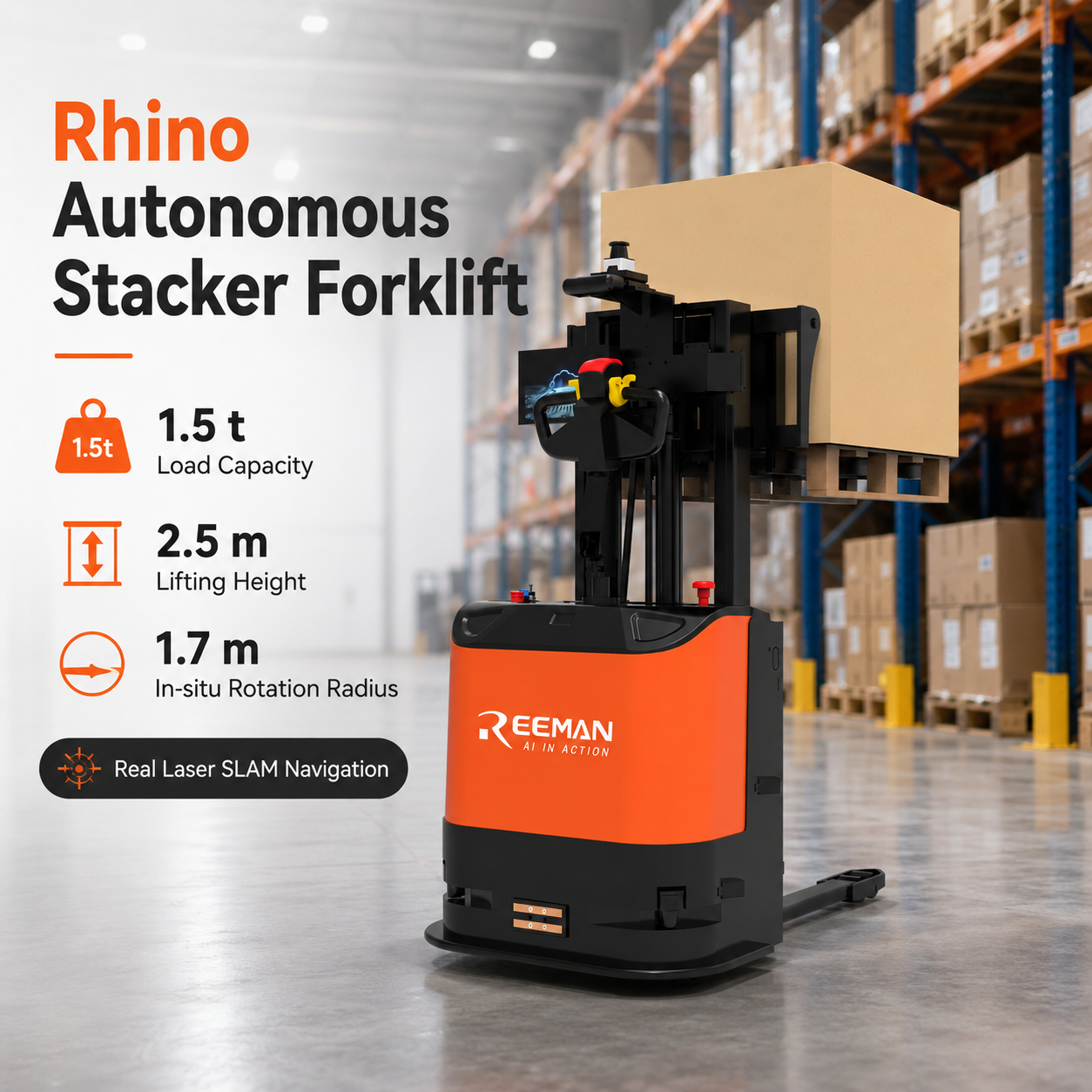
Laser SLAM Autonomous Stacker Forklift 1500 kg Load AGV Pallet Handling Robot Laser Obstacle Avoidance Warehouse
An efficient option for floor-level pallet handling, low-rack stacking and repetitive transfer where ceiling-mounted guidance is impractical.
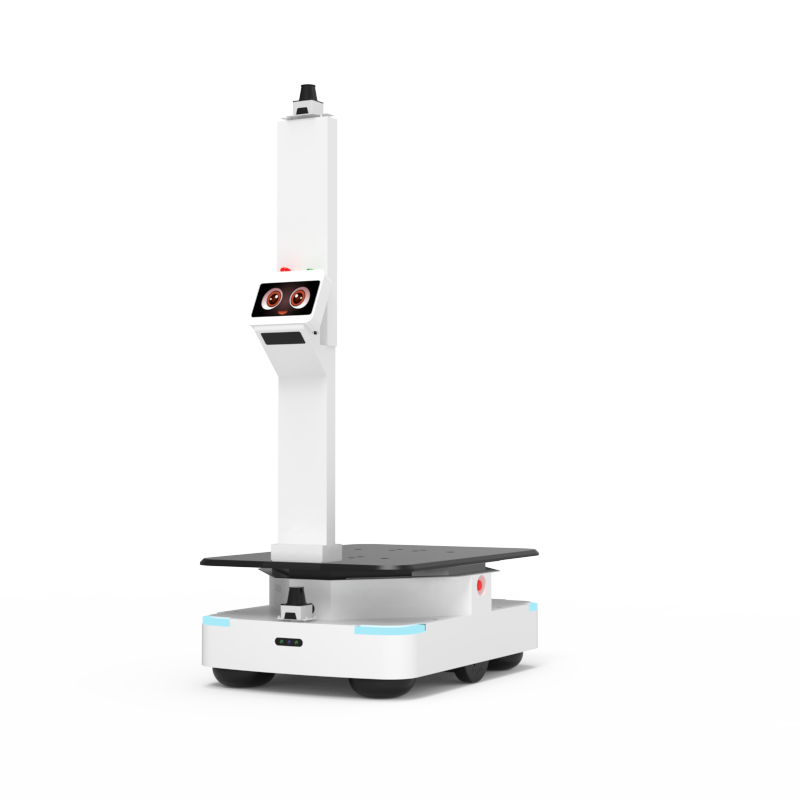
600kg Payload Laser Navigation AMR Robot Autonomous Lifting Warehouse Transfer Equipment
Best suited for line-side feeding, cart or shelf transfer and flexible material flow in factories with mixed pedestrian traffic.
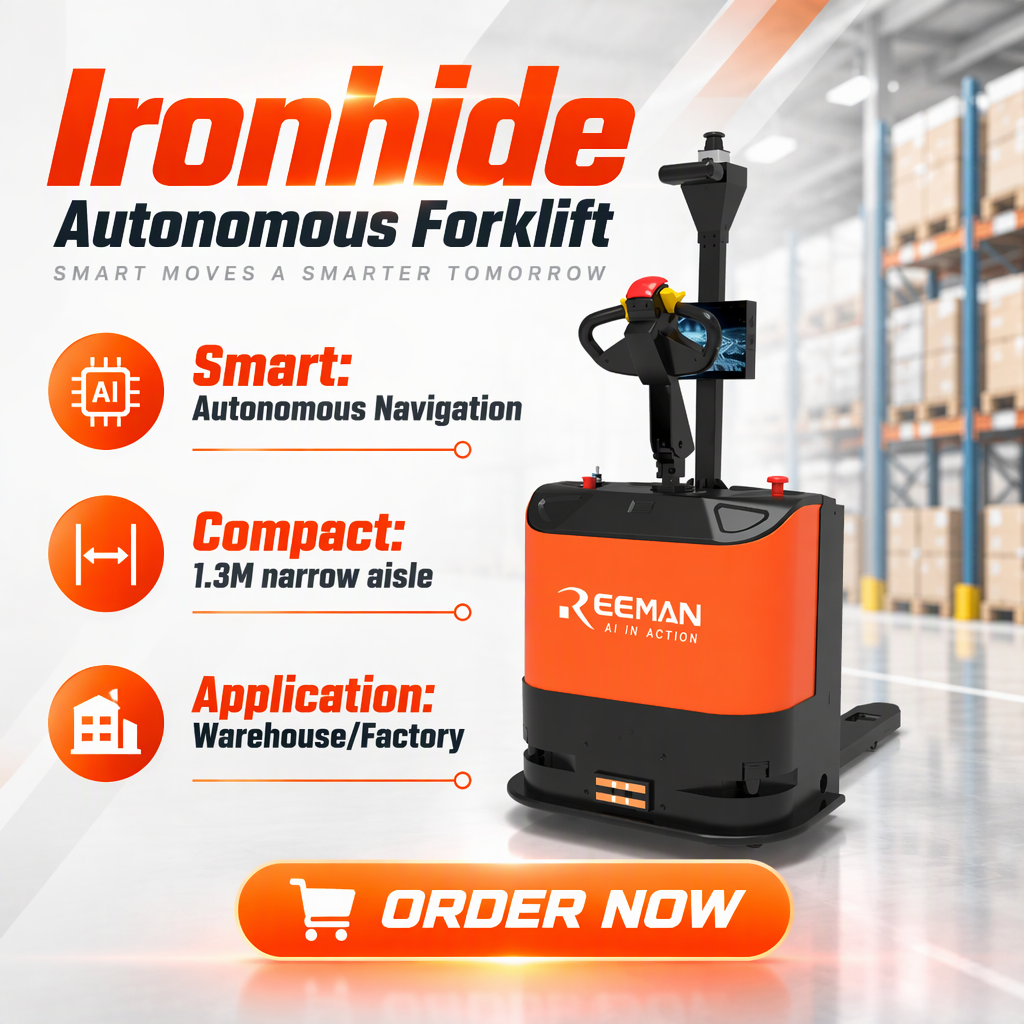
Reeman 1.5 Ton Autonomous Forklift AGV 3D Obstacle Avoidance Bidirectional Driving 48V 30AH Lithium-Ion Battery
Designed for continuous indoor pallet shuttling where battery runtime, automatic charging and stable route planning affect daily output.
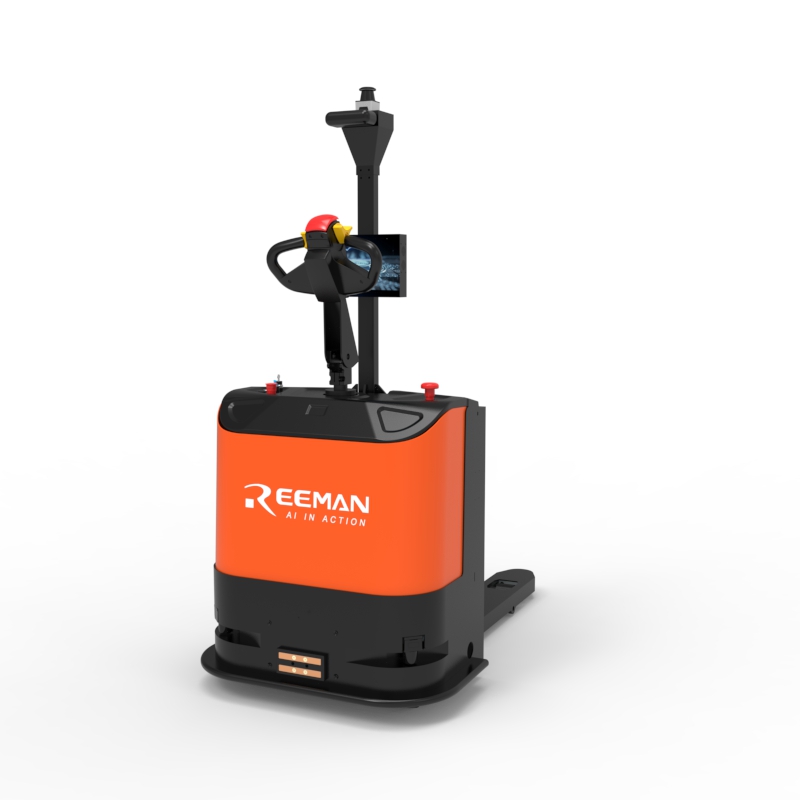
1500kg Laser SLAM AGV Forklift Single Line Lidar 30mm Navigation Accuracy 1019mm Forks 570mm Width Industrial Handling
A strong match for industrial handling in Udon Thani where accurate fork positioning and repeatable pallet pick-up are critical.
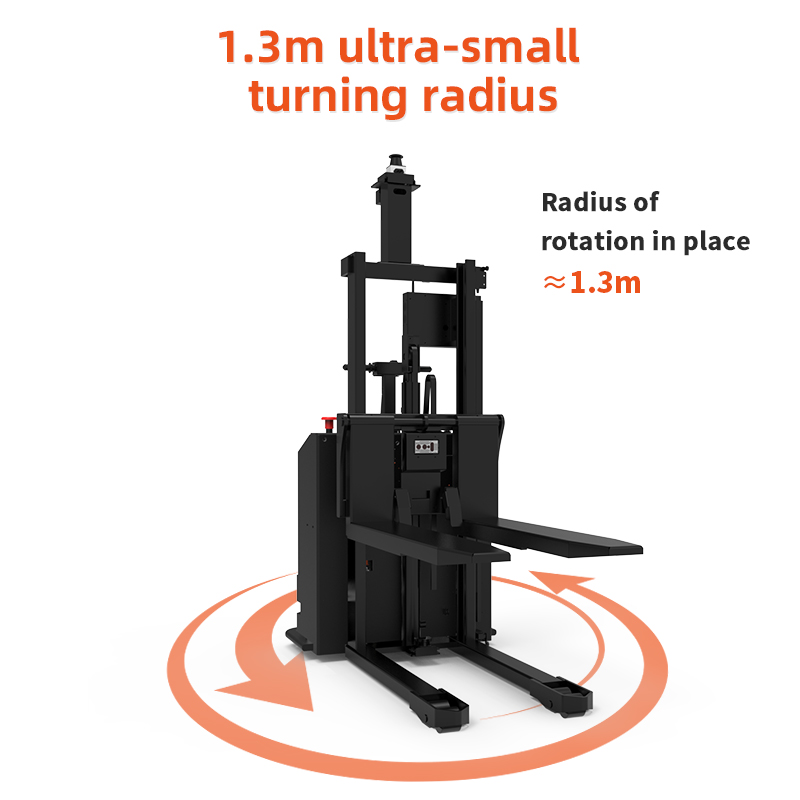
1000kg Forklift AGV Laser SLAM Navigation Pallet Transport Robot 1.3m Turning Radius Auto Charging for Factory Logistics
Recommended for compact factory layouts, cross-zone pallet transfer and automatic charging in space-constrained buildings.
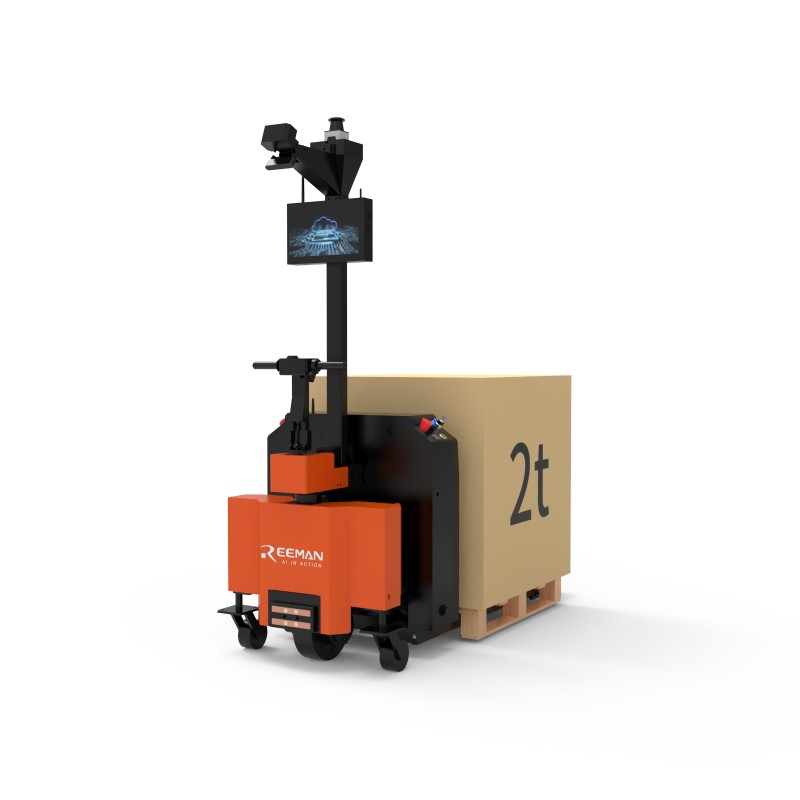
2 Ton Autonomous 4WD AGV Forklift Laser SLAM Navigation Multi-Line LiDAR 10mm Position Accuracy 6-8H Warehouse Handling
Ideal for heavier pallet loads, longer shifts and demanding warehouse handling where stability and precise positioning dominate.
Supplier Due Diligence Signals That Matter in Udon Thani Procurement
For overseas buyers, a visual navigation robot supplier is not only a product source. It is an engineering partner responsible for navigation stability, spare-parts planning, operator training and long-term software support.
Why Udon Thani Is a Practical Testbed for Visual Navigation Robots
Logistics Gateway to Upper Isan
Udon Thani sits on an important transport corridor serving Upper Isan and cross-border trade toward Laos and southern China. Warehouses, distribution centers and 3PL operators need flexible handling systems that can adapt as product volumes and customer routes change. Visual navigation robots reduce dependence on fixed floor infrastructure and make reconfiguration faster than traditional tape-guided AGVs.
Food, Agri and Retail Distribution
Udon Thani’s economy includes food processing, agricultural trade, retail distribution and public services. These environments often combine repetitive pallet movement with variable workflows, limited labor availability and strict hygiene or safety expectations. Autonomous forklifts and AMRs can handle repeatable transport while staff focus on quality checks, order accuracy and exception management.
Cost-Effective Automation Entry Point
Compared with high-density industrial zones, Udon Thani projects often begin with focused automation: one pallet route, one shift, one bottleneck. A modular visual navigation robot allows buyers to start with a manageable deployment, prove the return on investment, then expand payload capacity, fleet size or software integration without rebuilding the entire material flow.
Product Recommendations Mapped to Udon Thani Workflows
The right model depends less on the brochure headline and more on pallet type, aisle width, floor condition, charging location, network coverage, pedestrian traffic and the system that will dispatch tasks.
Warehouse & 3PL Pallet Flow
For receiving, put-away and dock-to-storage movement, start with the Reeman 1.5 Ton Autonomous Forklift AGV, the 1500 kg Laser SLAM Autonomous Stacker or the 1000 kg Forklift AGV with a 1.3 m turning radius. These models suit repetitive pallet cycles and can be scheduled in fleets when throughput grows.
Food Processing & Agri Logistics
For cart, crate and pallet transfer between production, packing and staging areas, the 600 kg Laser Navigation AMR and the 1000 kg Forklift AGV offer flexible route planning. Buyers should specify wash-down practice, floor slope, condensation risk and safety zones before final model selection.
Factory & Cross-Border Transfer
For heavier loads, long shifts and mixed traffic, the 2 Ton Autonomous 4WD AGV Forklift and the 1500 kg Single-Line LiDAR AGV Forklift provide stable handling and precise positioning. In cross-border or multi-building sites, define handover points, door controls and network coverage at the proposal stage.
Retail, Hospitality & Hospital Delivery
The REEMAN Outdoor Delivery Robot 100 kg supports autonomous navigation, obstacle avoidance and elevator access for multi-floor logistics. It is relevant to hotels, hospitals, retail backrooms and office campuses where staff walking time is a hidden operational cost.
What Makes a Visual Navigation Robot Usable in Thailand
In this guide, “visual navigation robot” refers to mobile robots that use laser SLAM, onboard mapping, 3D perception and motion control to navigate dynamic environments without fixed magnetic tape, QR markers or floor reflectors.
Laser SLAM Mapping
Robots map the site in hours and navigate without floor infrastructure. When Udon Thani warehouses change racking, add staging lanes or shift charging points, the route plan can be updated without civil works or tape replacement.
3D Obstacle Avoidance
Lidar, proximity sensors, emergency stops and speed zoning keep robots safe around pedestrians, forklifts, pallets and racking. For local projects, safety zones should be agreed with operators before commissioning.
Modular Payload Platform
From 100 kg delivery robots to 2-ton autonomous forklifts, the architecture supports reusable navigation, fleet scheduling and maintenance logic. This reduces training complexity when a buyer expands from one application to several.
Open SDK & API
Elvorn AMRs and robot chassis provide an open SDK and API for secondary development, task dispatch and status feedback. This matters when Udon Thani buyers need integration with WMS, MES, ERP, elevator controls or custom dashboards.
Automation Trends Shaping Udon Thani Operations
No-Marker Navigation Becomes Standard
Buyers increasingly expect robots to map and navigate without magnetic tape or QR codes. This is especially relevant in leased buildings and multi-purpose warehouses where floor changes are frequent and infrastructure investment must be minimized.
Flexible Automation for SMEs
Instead of replacing an entire material flow, many regional operators automate one bottleneck first: night-shift pallet transfer, line-side replenishment or multi-floor delivery. Scalable fleets allow a second robot to be added when demand grows.
Data Integration and Safety Culture
Automation projects are judged by uptime, incident prevention and integration quality. Udon Thani buyers are asking better questions about Wi-Fi coverage, traffic rules, response time, spare-parts lists and Thai or English operator training.
Inside the Factory: E-E-A-T Proof for Overseas Buyers
Shenzhen Elvorn Intelligent Equipment Co., Ltd. is a national high-tech enterprise focused on robotic platform technology and autonomous driving. Founded in 2015, the company designs, builds and supports autonomous forklifts, industrial AMRs, robot chassis, delivery robots and cleaning robots for buyers across North America, Western Europe, Eastern Asia, Southeast Asia and the Middle East.
For a buyer in Udon Thani, the practical question is not simply “who sells robots?” but “who can prove engineering depth, production control, export readiness and long-term support?” Elvorn’s in-house R&D team owns the full stack, including laser SLAM navigation, motion control, fleet scheduling and hardware. OEM, design service and buyer-label options are available for distributors and integrators who need custom top modules, payload structures, branding or packaging.

Headquarters and R&D center

Robot assembly line

Engineering and quality team
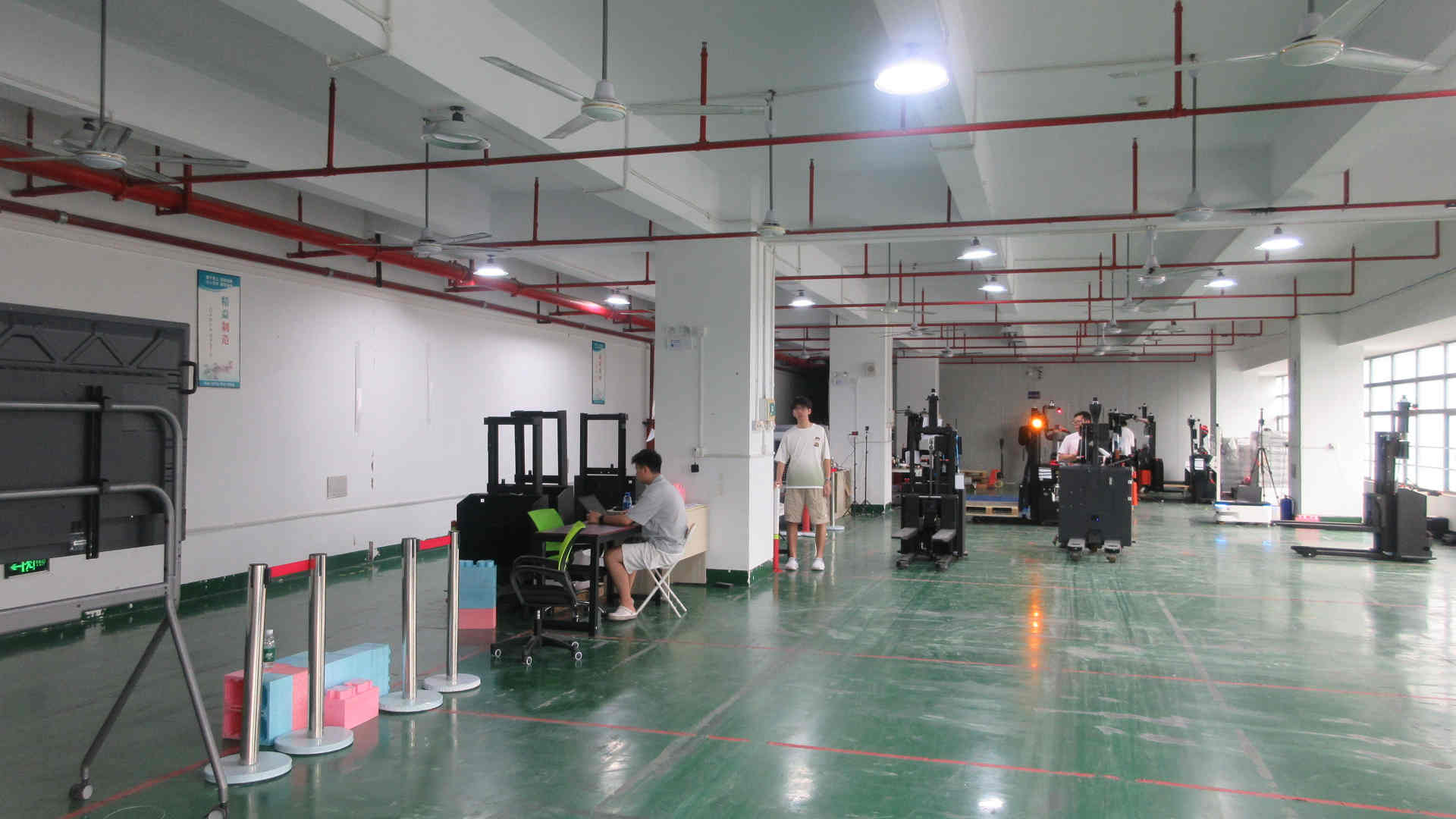
Quality inspection before shipment
Two Production Bases
Shenzhen and Ningbo production bases support in-house material inspection, supplier assessment procedures and final testing before shipment. This reduces the risk of unverified outsourcing and makes customization discussions more practical for OEM and ODM buyers.
Certifications and Audits
The management system is certified to ISO 9001 and ISO 14001. The factory has been verified onsite by SGS Group, and individual models can carry CE, FCC or PSE marks. Third-party assessment reports and transaction records support buyer due diligence.
Export-Ready Support
Elvorn ships worldwide on FOB terms and accepts T/T payment in USD or CNY. English documentation, remote commissioning, operator training and spare-part supply are important for Udon Thani buyers who need reliable after-sales planning.
How to Shortlist a Visual Navigation Robot Supplier for Udon Thani
Use these three evidence sets to separate a real factory from a trading presentation, and to compare proposals on total deployment risk rather than unit price alone.
Engineering Evidence
- Navigation stack, patents and control architecture
- Payload, fork size, lift height and turning radius
- Factory test records and load-test approach
- Integration method for WMS, MES or ERP
Commercial Evidence
- SGS verification, ISO 9001 and ISO 14001
- CE, FCC or PSE documentation by model
- FOB terms, T/T payment and export history
- Warranty, spare-parts list and response process
Localization Evidence
- English and Thai operator documentation plan
- 220V/50Hz charging and site power review
- Wi-Fi coverage, floor flatness and dust assessment
- Remote commissioning and critical spare-parts kit
From Site Data to Stable Operation
Requirement Review
Share layout drawings, pallet type, load weight, aisle width, throughput target, shift pattern, charging location and network coverage.
Solution Design
Engineers recommend model mix, fork dimensions, fleet size, charging plan, safety zones and integration scope for your Udon Thani site.
Customization & Testing
OEM branding, top modules and software interfaces are configured, followed by factory function and load testing before shipment.
Ship & Commission
Remote mapping, operator training, acceptance checks and spare-parts planning help the fleet reach stable operation faster.
Udon Thani Procurement FAQ: Deployment and Service
What is a visual navigation robot, and how is it different from a fixed AGV?
Can these robots be shipped to Udon Thani and supported in English?
What site data should I prepare before requesting a quotation?
Are the robots suitable for Thailand’s heat, humidity and dust?
How can we verify that the supplier is a real factory?
What trade terms and payment methods are available?
Do you offer OEM, ODM and buyer-label customization?
Request an Udon Thani Site Assessment and Model Recommendation
Send your layout, pallet type, load weight, aisle width, throughput target, power and network conditions, and target commissioning date. The team can shortlist the right visual navigation robot models, outline the integration path and prepare an export-ready proposal for your Udon Thani project.