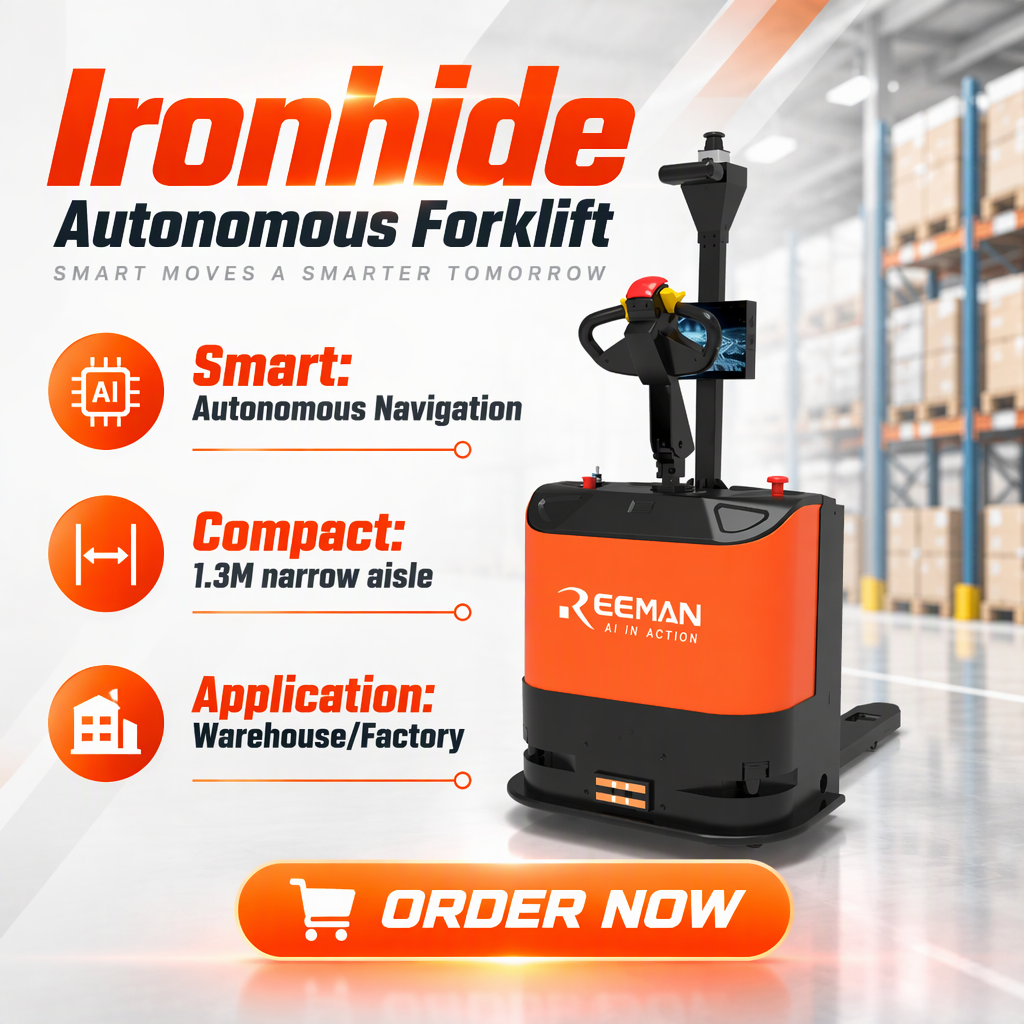
Reeman 1.5 Ton Autonomous Forklift AGV
- 3D obstacle avoidance
- Bidirectional driving
- 48V 30Ah lithium-ion
Laser-SLAM autonomous forklifts, industrial AMRs and robot chassis engineered for Hokkaido’s cold-climate warehouses — supplied direct from an SGS-verified manufacturer with OEM/ODM wholesale terms.
The models below are the working core of our export catalogue, ordered by payload class rather than by marketing category. Each unit can be quoted as a single sample, a wholesale batch, or an OEM build under your own label, with English documentation and remote commissioning support included as standard.
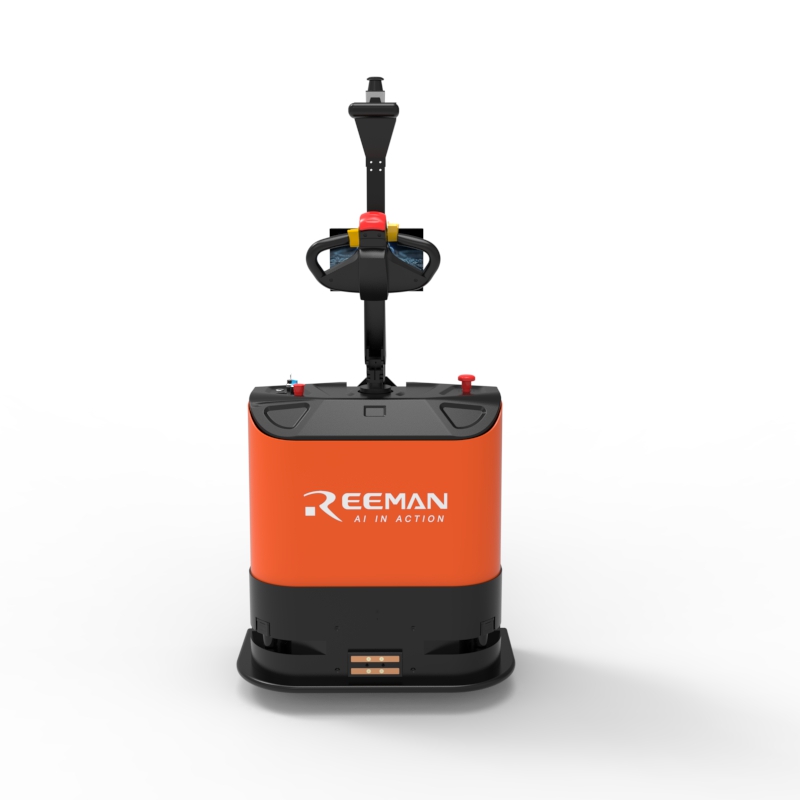
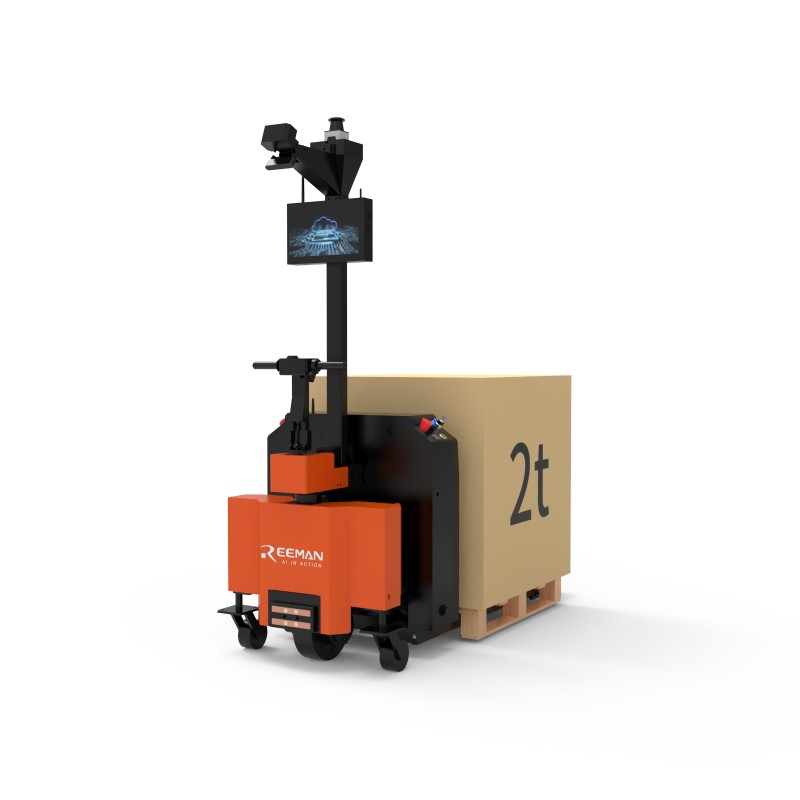
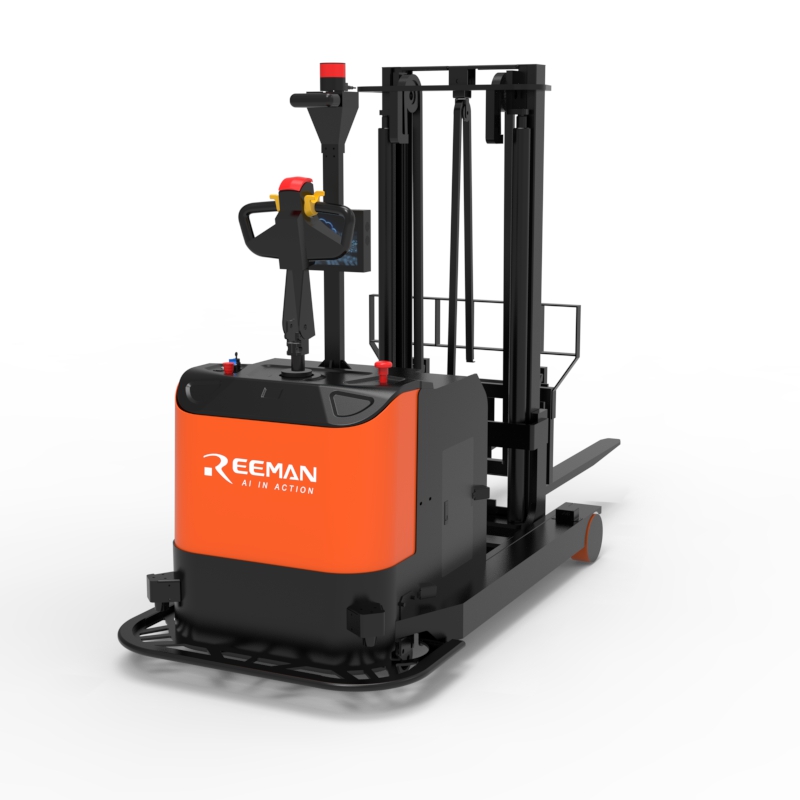
Factory capability verified onsite by the independent inspection group SGS · ISO 9001 & ISO 14001 management systems
Purchasing teams in Hokkaido rarely buy a robot on payload alone. They buy a supplier that can document navigation, survive a winter ramp-up, and still answer a spare-part email three years later. These six points are the ones that decide shortlists.
No magnetic tape, QR labels or wall reflectors. For a Hokkaido wholesaler leasing cold-storage space, that means no landlord approval, no floor drilling, and a relocation that can be completed inside one shift instead of one week.
Every AMR and chassis ships with secondary-development interfaces, so an integrator can push tasks from a WMS or MES, receive status feedback, and trigger automatic doors or elevator handshakes without reverse-engineering the controller.
Delivery platforms, lifting AMRs and forklift AGVs share the same navigation and fleet-scheduling layer. A distributor can stock one spare set of core components and train technicians once, rather than per model.
Lidar scanning, contact bumpers, emergency stop circuits and configurable speed zones are combined so that the same unit can work safely beside pedestrians, pallet trucks and racking in a shared-floor Japanese warehouse.
Manufacturing runs across two facilities in Shenzhen and Ningbo covering 5,200 m², with documented incoming-material inspection and supplier assessment procedures — the foundation behind the SGS onsite verification report.
FOB shipment, T/T payment in USD or CNY, English documentation, remote commissioning and long-run spare-part supply. OEM service, buyer-label branding and custom top modules are available for distributors building their own catalogue.
Sapporo is not a single warehouse market. Within a 40 km radius you find frozen dairy logistics, seasonal agricultural peaks, third-party e-commerce fulfilment, precision manufacturing and a growing hospitality sector — each with a different reason to automate.
The new port area hosts a dense cluster of refrigerated and frozen distribution sites. Forklift AGVs shuttle pallets from dock levellers to buffer lanes where ambient temperature drops fast, removing the need to keep human operators in cold exposure for a full shift.
Dairy, confectionery and frozen-food plants use the 600 kg lifting AMR for line-side replenishment and finished-goods takeaway, synchronising pickups with production takt time instead of fixed manual rounds.
City-centre fulfilment buildings have limited floor space and no room for fixed conveyor runs. Compact stacker AGVs working in 3 m aisles let operators add night-shift throughput without adding headcount or knocking down walls.
The emerging advanced-manufacturing cluster around Chitose has pulled cleanroom-grade logistics expectations into Hokkaido. Low-particle AMR platforms move wafer carriers and tooling carts between bays where manual handling risk is unacceptable.
Delivery robots moving linens, meals and supplies between floors free front-line staff for guest-facing work, while the 30-inch transparent OLED platform handles wayfinding and promotion in lobbies and exhibition halls.
Potato, onion and dairy harvests create short but violent throughput spikes across Hokkaido. Robotic pallet handling absorbs the peak without seasonal hiring, then reverts to a steady baseline once the campaign closes.
Demand for transport robots in Hokkaido is not being driven by technology fashion. It is being driven by hard constraints on hours, people and temperature. Understanding these forces is how a buyer writes a specification that survives five years.
Caps on driver overtime have tightened the handover window at every cross-dock in Hokkaido. If a truck arrives at 06:00 and the pallet has to be inside the rack by 06:40, manual forklift availability becomes the bottleneck. Automated pallet movement removes that dependency.
Certified forklift operators across Hokkaido are ageing out faster than they are replaced. Automating the repetitive dock-to-rack leg lets a warehouse concentrate its remaining skilled operators on exceptions, high racks and quality checks rather than on every pallet move.
Hokkaido’s role as Japan’s food basket keeps pushing refrigerated capacity outward from Sapporo into Ishikari, Ebetsu and Tomakomai. New cold stores are being designed with robot lanes from day one, which changes what a supplier must be able to document at tender stage.
Advanced fabs and their supplier chain near Chitose are importing cleanroom logistics standards into a region that previously had little need for them. AMR platforms with low particulate generation and repeatable 10 mm docking accuracy are becoming a tender requirement rather than a nicety.
Between December and March, lithium packs lose usable capacity, lidar returns change on frosted floors, and dock doors stay open longer. A winterised specification — heated battery compartment, conservative speed zoning, and re-mapping after seasonal layout changes — is not optional in Sapporo.
National and regional programmes supporting logistics efficiency and workplace safety routinely cover a share of qualifying automation spend. Buyers who can produce certification files, safety documentation and clear payback modelling early tend to move through approval faster.
Use this reference for first-round scoping. Final configuration — fork length, mast height, battery pack, top module and safety zoning — is confirmed only after reviewing your floor plan, pallet type and shift pattern.
| Model | Rated Load | Navigation | Typical Sapporo Application |
|---|---|---|---|
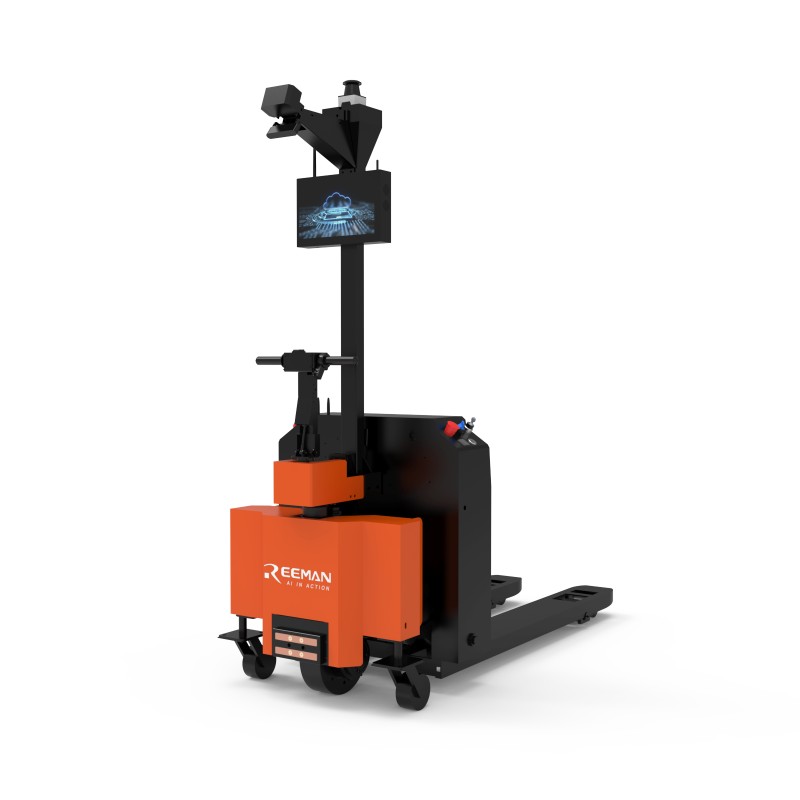
| Reeman 1.5 Ton Autonomous Forklift AGV | 1,500 kg | Laser SLAM + 3D avoidance | Dock-to-rack pallet shuttling on a fixed daily route |
| 1500kg Laser SLAM Autonomous Forklift AGV | 1,500 kg | Reflector-free point-to-point | Leased cold stores where the floor cannot be modified |
| 2 Ton Autonomous 4WD AGV Forklift | 2,000 kg | Multi-line LiDAR, 10 mm | Frost-prone floors and slightly sloped dock approaches |
| Reeman Autonomous Electric Stacker 1.2 Ton | 1,200 kg | Laser navigation, 3 m aisle | Space-constrained urban distribution centres |
| 600kg Payload Laser Navigation AMR | 600 kg | Laser SLAM | E-commerce picking and line-side cart transport |
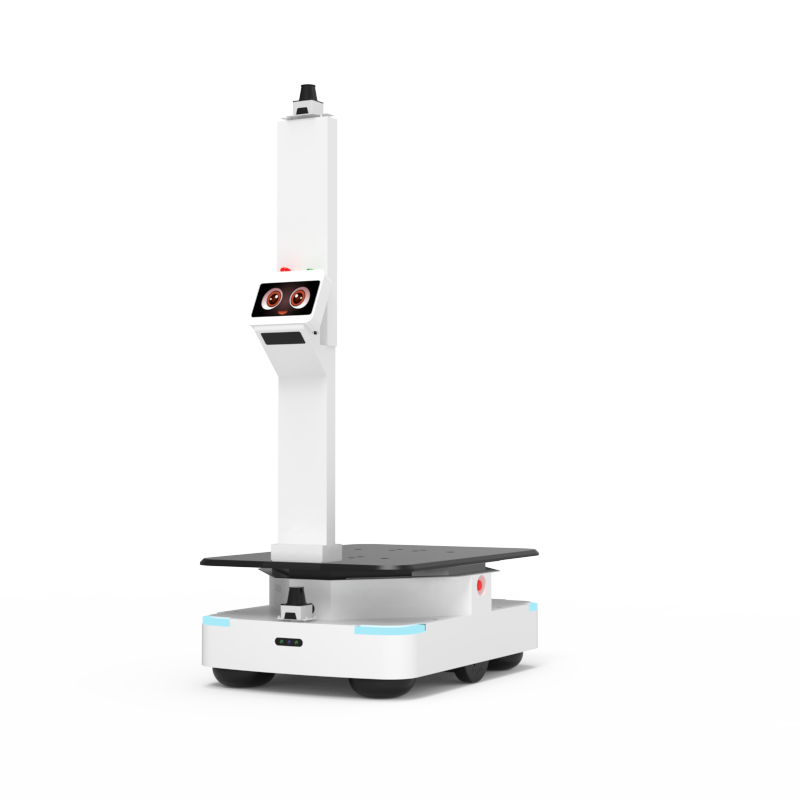
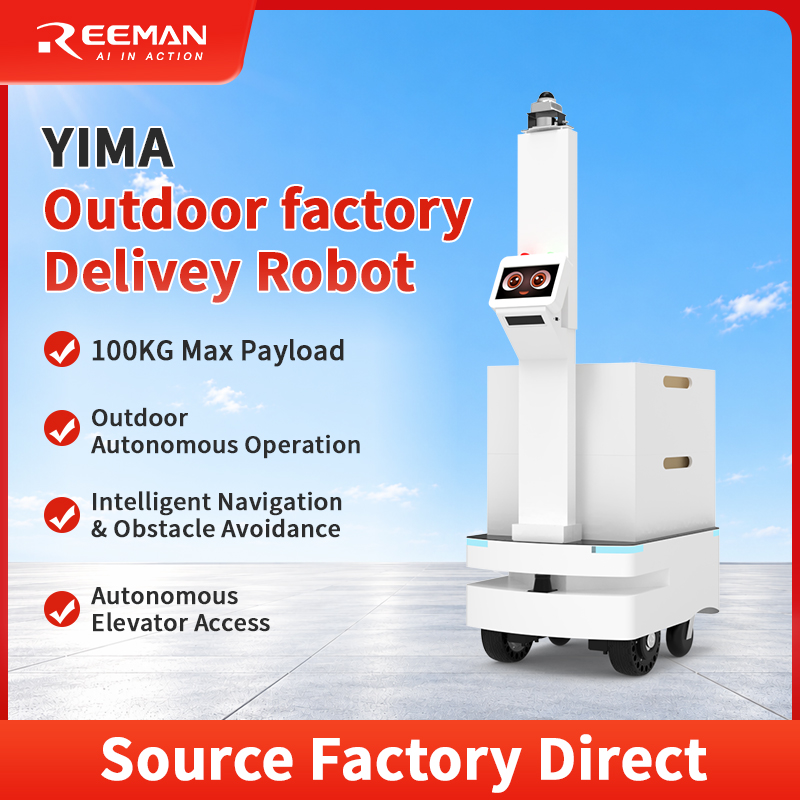
| REEMAN Outdoor Delivery Robot 100kg | 100 kg | SLAM + obstacle avoidance | Campus, hospital and hotel delivery across buildings |
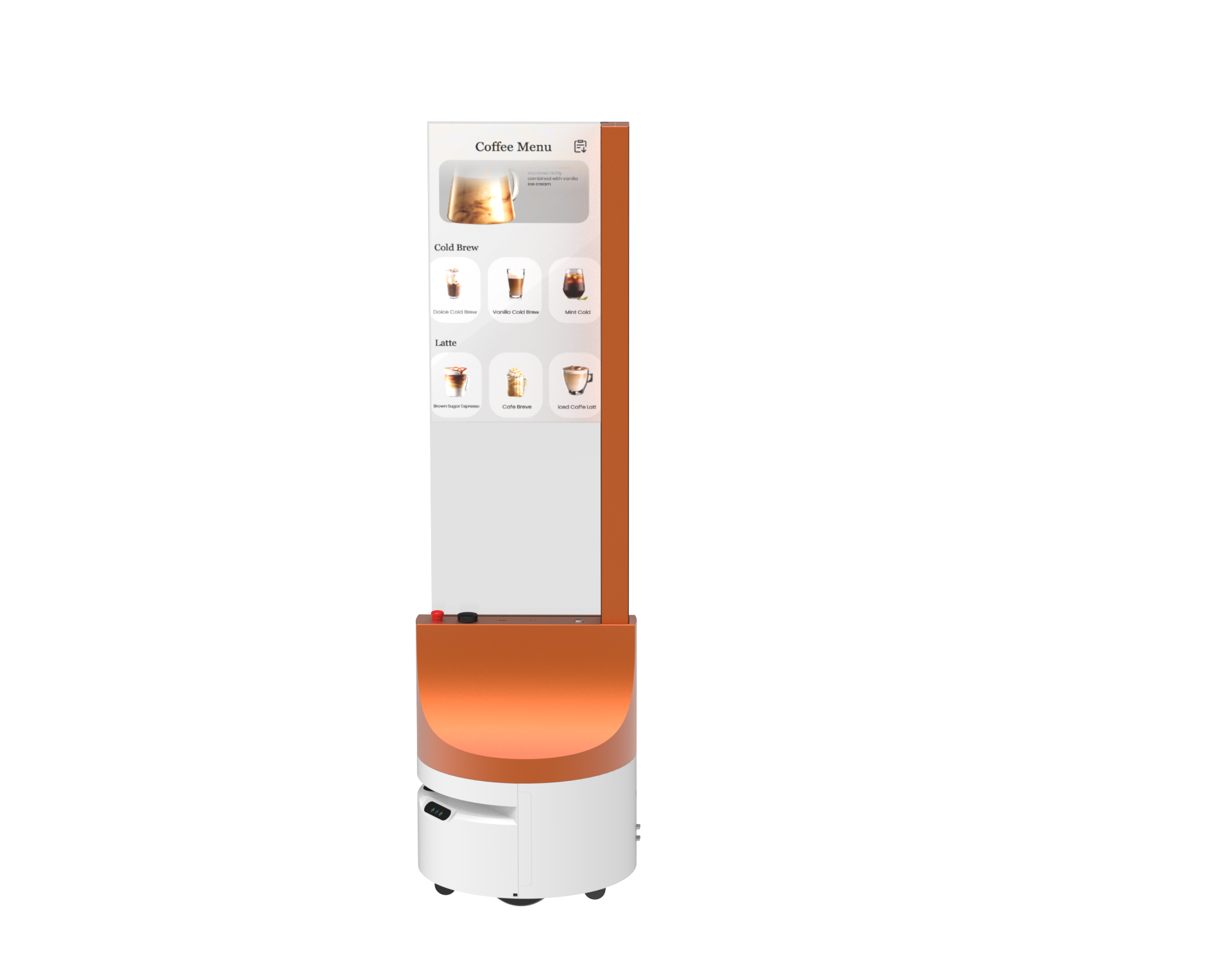
| REEMAN 30″ OLED Transparent Screen Robot | Signage platform | Laser SLAM | Retail lobbies, exhibitions and visitor guidance |
| Reeman 2 Ton Laser SLAM Forklift | 2,000 kg | Laser SLAM, 10 mm | High-accuracy pallet handling with 1085 mm forks |
Overseas deployment succeeds or fails on the quality of information exchanged before the purchase order. The sequence below is the one our application engineers use with distributors and end users across Hokkaido.
Share floor drawings, pallet dimensions, average and peak throughput, shift patterns and the number of dock doors operated simultaneously.
Engineers map the load profile to a platform, then size the fleet and charging strategy against your target hourly move count.
Fork length, mast height, top module, branding and software interfaces are specified and confirmed in a written configuration sheet.
Function and load tests run before packing, with test records retained and made available for your internal acceptance file.
FOB shipment with the certificate pack required for CE, FCC or PSE markets, plus commercial documentation for customs formalities.
Mapping walkthrough, route teaching, operator training and spare-part planning are handled remotely, with escalation support afterwards.



Founded in 2015, Elvorn is a national high-tech enterprise working on robotic platform technology and autonomous driving systems. We design, build and support autonomous forklifts, industrial AMRs, robot chassis, delivery robots and cleaning robots from two production bases in Shenzhen and Ningbo, totalling 5,200 m² of floor space with a team of more than 200 people and 39 awarded patents.
Because navigation algorithms, motion control, fleet scheduling and hardware all sit inside one engineering organisation, customisation requests move faster and technical answers arrive from the people who actually wrote the code. That is the difference a distributor feels in month one, and again in year three when a spare controller is needed.
Our factory has passed onsite verification by SGS Group covering business licensing, production capability and quality control. Management systems are certified to ISO 9001 and ISO 14001, and individual models carry CE, FCC or PSE marks depending on the destination market.
These are the six topics that come up most often in first conversations with Hokkaido distributors, integrators and end users.
Yes. Orders ship FOB with T/T payment in USD or CNY, and we routinely deliver to trading companies who handle final-mile delivery and installation inside Japan. If you are a distributor building stock, we can discuss batch quantities, combined container loading and staggered delivery schedules against your forecast.
Cold affects battery capacity and sensor behaviour more than mechanics. For Sapporo deployments we recommend specifying a battery configuration sized for the lowest expected ambient temperature, planning charging windows around reduced capacity rather than nominal runtime, and re-teaching routes after seasonal changes to floor layout or dock-door usage.
Depending on the model, units carry CE, FCC or PSE marks, and the management system is certified to ISO 9001 and ISO 14001. Each shipment includes English documentation, wiring diagrams, maintenance schedules and factory test records. The SGS onsite verification report is available for buyer due diligence before a purchase order is raised.
As a verified custom manufacturer we offer OEM service, design service and buyer-label options. Typical customisation covers the top module, fork or lifting structure, payload interface, housing colour, logo application, packaging and the software layer used for WMS or MES integration. A written configuration sheet is agreed before production starts.
Standard models are typically produced and tested within a few weeks of a confirmed order and deposit; customised builds add time for engineering review and sample sign-off. Ocean freight to Hokkaido plus customs clearance then follows, and mapping plus operator training is handled remotely after arrival. Buyers planning around a seasonal peak should start the process at least one full quarter ahead.
We supply spare parts on an ongoing basis and document a recommended stocking list matched to your fleet size and duty cycle. Remote diagnosis, firmware updates and route troubleshooting are supported directly by our engineering team. Because delivery platforms, AMRs and forklift AGVs share a common control stack, a distributor’s spare inventory covers more of the fleet with fewer part numbers.
Send your floor plan, pallet specification, throughput target and winter operating window. Our application engineers will respond with a recommended model mix, fleet size and wholesale pricing for the Hokkaido market.