CEFCC
Robot Chassis
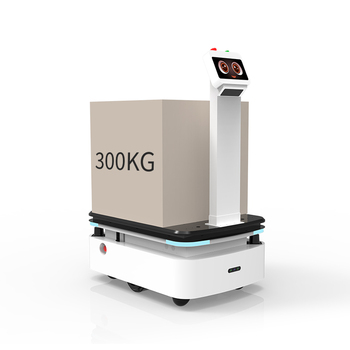
SLAM AMR Robot Chassis 300 kg
- Autonomous obstacle avoidance
- Laser SLAM navigation without tape
- Custom top-module ready
- For warehouse and factory use
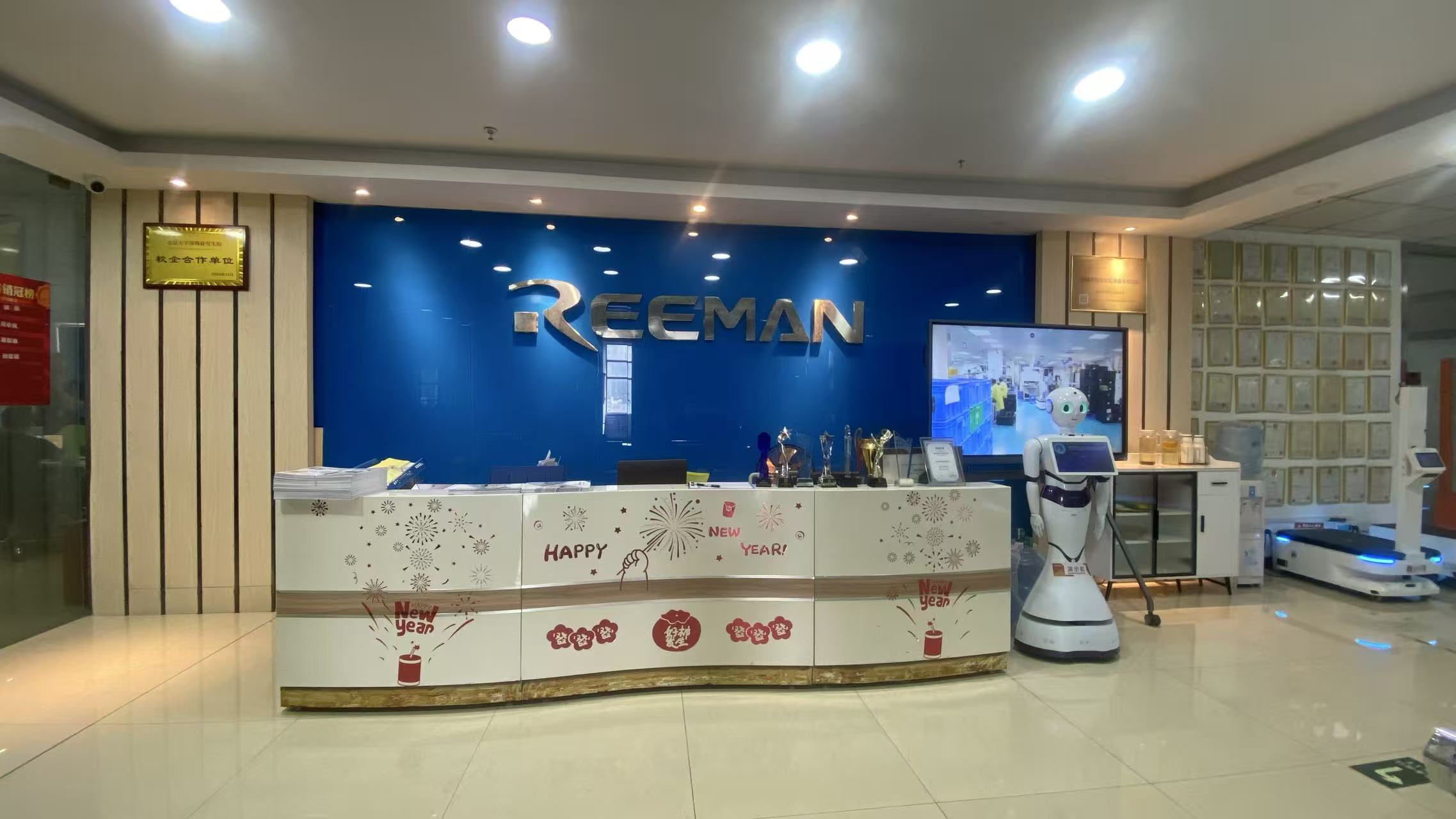
Factory data verified onsite by independent inspector SGS Group
An open SDK autonomous robot chassis is a mobile robot platform that combines laser SLAM navigation, motion control, safety sensors, battery management, and documented software interfaces. It is designed for integrators who want to build their own AMR, delivery robot, inspection robot, or service robot instead of starting from a mechanical frame.
When buyers search for an “open SDK autonomous robot chassis”, the intent is usually deeper than looking for a metal base with wheels. Engineering and procurement teams want to confirm whether the platform can support their own perception stack, business logic, fleet manager, and customer interface. They also want to know how much of the navigation and safety work has already been solved by the supplier.
In real projects, the strongest platform is not always the one with the longest specification sheet. It is the one with stable APIs, clear electrical interfaces, accessible spare parts, honest payload guidance, and a supplier who can answer integration questions with documentation rather than vague promises. That is why a useful chassis evaluation should include both mechanical data and software evidence.
A well-run sourcing team uses this keyword to reduce development risk. They need a platform that can be quoted, tested, customized, certified for target markets, and maintained after deployment. The most common goals are faster prototyping, lower engineering overhead, predictable delivery, and a path to OEM branding.

A common mistake is to compare chassis only by rated payload and price. In practice, two platforms with the same 300 kg figure can behave very differently once a top module is installed, the floor changes from epoxy to tile, the route includes ramps, or the robot has to operate around people and forklifts. Buyers should ask how payload is measured, whether the stated figure includes the top module, what speed is used during braking tests, and how battery capacity changes with real duty cycles.
The most useful supplier response is not simply “yes, we support SDK”. It should explain which controller runs the navigation, which protocols are exposed, how version updates are handled, which parameters are read-only, and how faults are reported. For international buyers, it is also reasonable to request sample code, interface manuals, network diagrams, and a short remote technical call before placing a trial order. These evidence points are more valuable than a generic brochure because they show how the supplier behaves during integration.
At Shenzhen Elvorn Intelligent Equipment Co., Ltd., the engineering approach is to treat the chassis as a development platform: the buyer can add its own application layer, top module, sensor package, and branding while relying on the platform for SLAM navigation, motion control, obstacle avoidance, and charging logic. This is particularly useful for integrators that need to move from prototype to pilot deployment without building every low-level subsystem from scratch.
These platforms are suitable for different stages of product development, from quick validation to customer-ready AMR deployment and OEM customization.
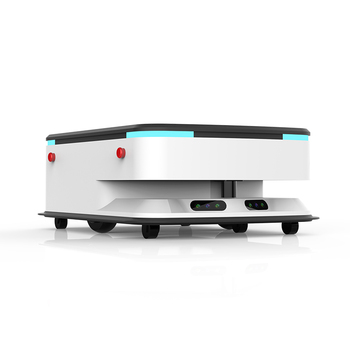
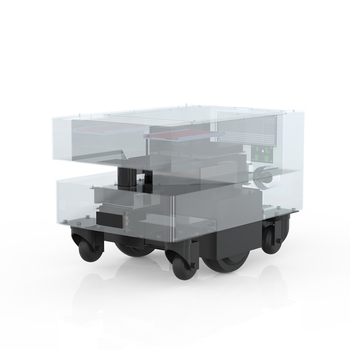
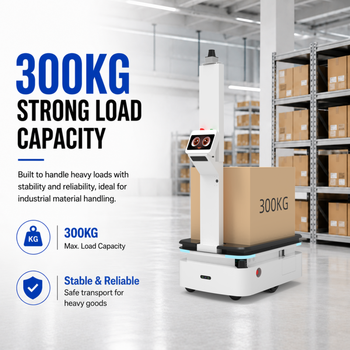
For buyers who need a finished robot rather than a chassis, the Industrial AMR 300 kg is a practical first evaluation platform. For buyers planning a branded product line, the 300 kg SLAM chassis and open SDK AGV chassis platform provide a clearer path to OEM customization, top-module development, and long-term maintenance planning.
Use this quick reference to shortlist a platform before requesting a detailed proposal. Final configuration depends on top-module weight, floor condition, route width, daily run time, and safety requirements.
| Platform Type | Typical Payload | Navigation | Best Fit | Buyer Intent |
|---|---|---|---|---|
| 100 kg Autonomous Mobile Robot Platform | 100 kg | Laser SLAM | Light parts, labs, electronics workshops | Fast validation with compact footprint |
| SLAM AMR Robot Chassis 300 kg | 300 kg | Laser SLAM | Custom top modules, material handling | Balanced payload, size, and integration flexibility |
| Open SDK AGV Chassis Platform | 300 kg | Laser SLAM | OEM robot builders and integrators | Secondary development and buyer-label programs |
| 600 kg AMR Logistics Center Robot | 600 kg | Laser SLAM | Shelf and cart transport | Higher throughput with fewer trips |
| Dual Laser SLAM AMR | Configurable | Dual laser SLAM | Complex, dynamic, or wide-open environments | Additional perception coverage and redundancy |
| 300 kg Industrial AMR | 300 kg | Laser SLAM | Factory line-side and WIP transfer | Shorter path from pilot to production |
Selection note: a 300 kg chassis does not automatically mean a 300 kg finished robot. The top module, fixture, product load, battery, and safety accessories all consume payload margin. Ask the supplier to calculate the usable payload for your actual configuration.
The buying conversation is shifting from “what is the unit price” to “what is the integration and lifecycle risk”. Procurement teams increasingly compare documentation, support, safety evidence, and long-term supply continuity alongside hardware specifications.
Buyers are asking for interface manuals, sample code, protocol descriptions, and test reports before a sample order. A lower-cost chassis that requires months of reverse engineering is often more expensive than a documented platform.
Procurement teams now ask how SDK versions are managed, whether backward compatibility is maintained, and how bug fixes are released. Version control is becoming a tender requirement for fleet-level projects.
CE, FCC, and PSE marks are important starting points, but customized robots still need risk assessment for the actual workplace. Buyers want to see emergency stop, obstacle detection, braking, and speed-zone evidence.
Single-robot demos are giving way to fleet coordination. Buyers want task dispatch, status reporting, charging management, traffic control, and integration with WMS, MES, ERP, or a unified dashboard.
Industrial buyers are planning five to seven years ahead. They ask about battery replacement, motor supply, wheel availability, bumper parts, controller sourcing, and whether critical components can be stocked locally.
Overseas integrators increasingly prefer suppliers that can provide remote commissioning, log analysis, firmware guidance, and English-language documentation without requiring every issue to become an on-site visit.
For a 2026 sourcing project, a useful RFQ should ask for more than a chassis datasheet. Include questions about SDK versioning, API documentation, interface ownership, cybersecurity, error-code handling, charging behavior, spare-parts list, warranty terms, and remote support process. Ask the supplier to identify which parameters can be changed by the integrator and which are protected to maintain safety.
Another visible trend is the demand for information gain. Buyers have access to AI-generated summaries and basic product descriptions, so they look for suppliers that can share real project experience: what payload margin is recommended, how floor transitions affect navigation, which top modules are easier to integrate, how battery range changes in cold rooms, and what pre-shipment tests should be witnessed. A supplier that answers these questions clearly is easier to trust during due diligence.
Chassis platforms are becoming more modular, more software-defined, and easier to integrate with enterprise systems. The goal is not only autonomy, but repeatable deployment across sites and countries.
Top modules, shelves, carts, and lifting attachments are designed for faster replacement. Battery capacity is planned around shift patterns and charging windows.
Laser SLAM remains the backbone, while additional cameras and sensors improve object classification, dynamic obstacle handling, and docking reliability.
Chassis data becomes part of a larger system, including task dispatch, utilization dashboards, predictive maintenance, and simulation before deployment.
Emergency stop circuits, speed zoning, bumper design, obstacle sensors, and braking logic are reviewed together rather than added at the end of a project.
Documented electrical and software interfaces allow integrators to add branding, application features, and market-specific documentation without redesigning the core platform.
A meaningful development trend is the separation between the core robotics platform and the application layer. In the past, many buyers had to accept a closed robot and adapt their process to it. Today, an open SDK chassis allows the buyer to keep its own software identity while using proven navigation and motion hardware. This is especially important for system integrators, robotics startups, and companies that want to offer branded automation solutions in their local market.
However, openness must be balanced with discipline. A platform that exposes too many safety-critical parameters without clear warnings can create risk. A well-designed SDK should separate application-level controls from protected safety functions, document the consequences of parameter changes, and provide a clear process for firmware updates. Buyers should discuss this with the supplier before development begins, not after the first prototype is assembled.


Shenzhen Elvorn Intelligent Equipment Co., Ltd. is a national high-tech enterprise focused on robotic platform technology and autonomous driving. Founded in 2015, the company designs, builds, and supports autonomous forklifts, industrial AMRs, robot chassis, delivery robots, cleaning robots, and disinfection robots for buyers in multiple international markets.
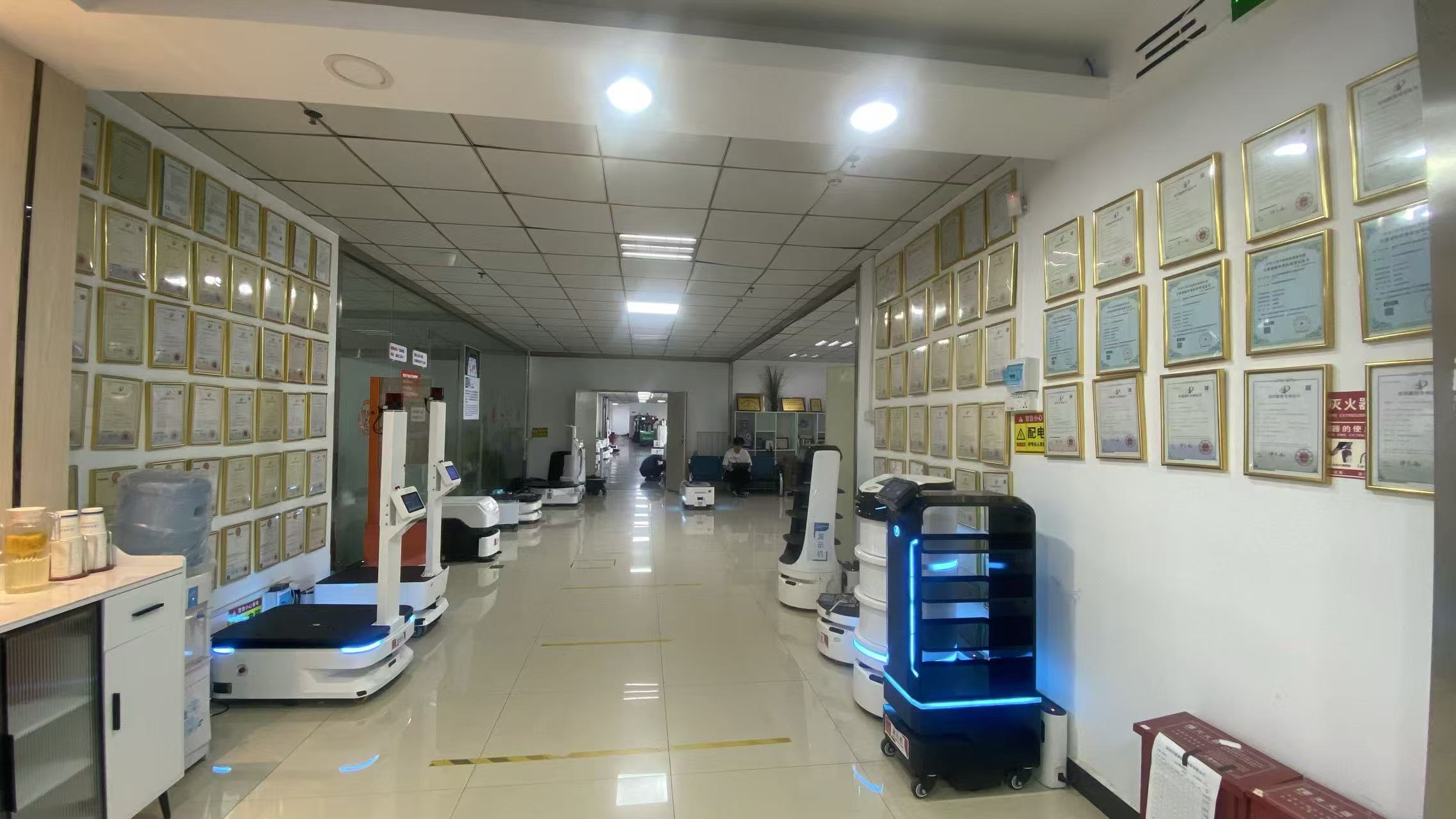
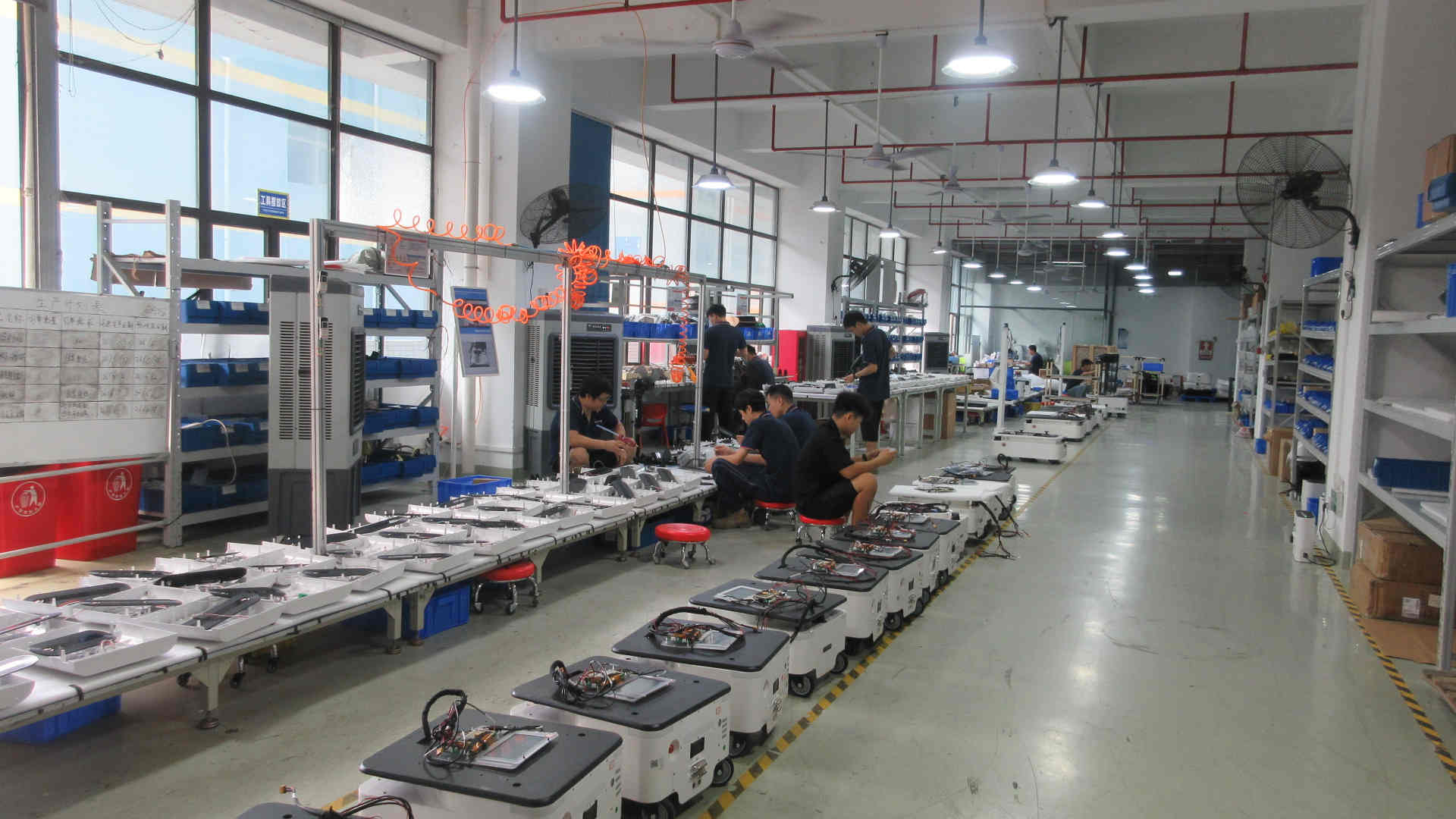
The company operates two production bases in Shenzhen and Ningbo, with a total floorspace of 5,200 square meters, a team of more than 200 people, and 39 patents awarded. Its in-house R&D team covers laser SLAM navigation, motion control, fleet scheduling, and hardware design, which helps shorten customization cycles and gives integrators a clearer technical contact path.
For export buyers, quality evidence matters. The factory has been verified onsite by SGS Group, and management systems are certified to ISO 9001 and ISO 14001. Depending on the model, products can carry CE, FCC, or PSE marks. Shenzhen Elvorn Intelligent Equipment Co., Ltd. also supports OEM, ODM, design service, and buyer-label options for qualified projects.
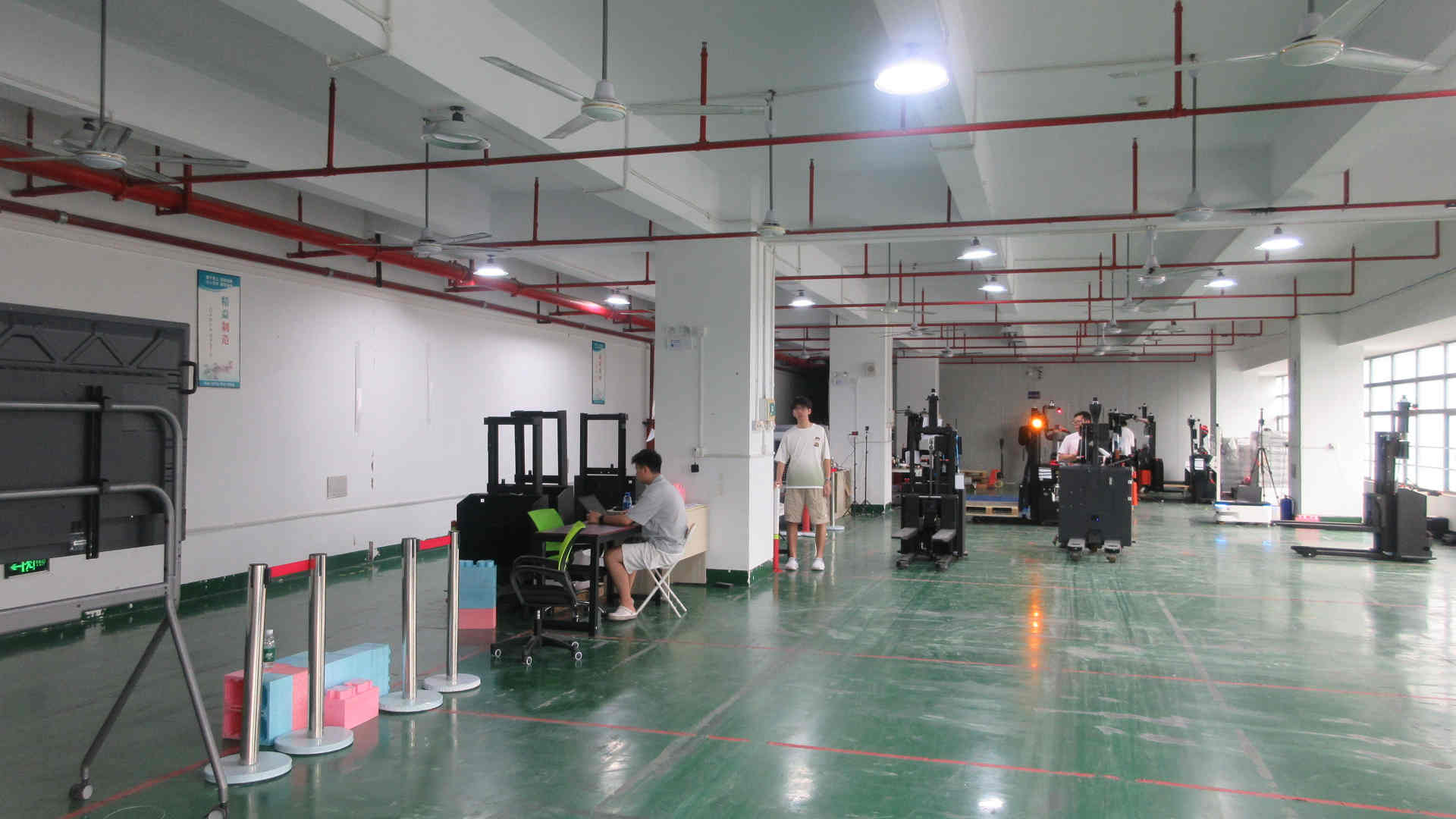
A chassis project is not finished when the sample moves. It must be documented, tested, packed, and supported for the buyer’s market. These images show the production and quality environment behind the platform.

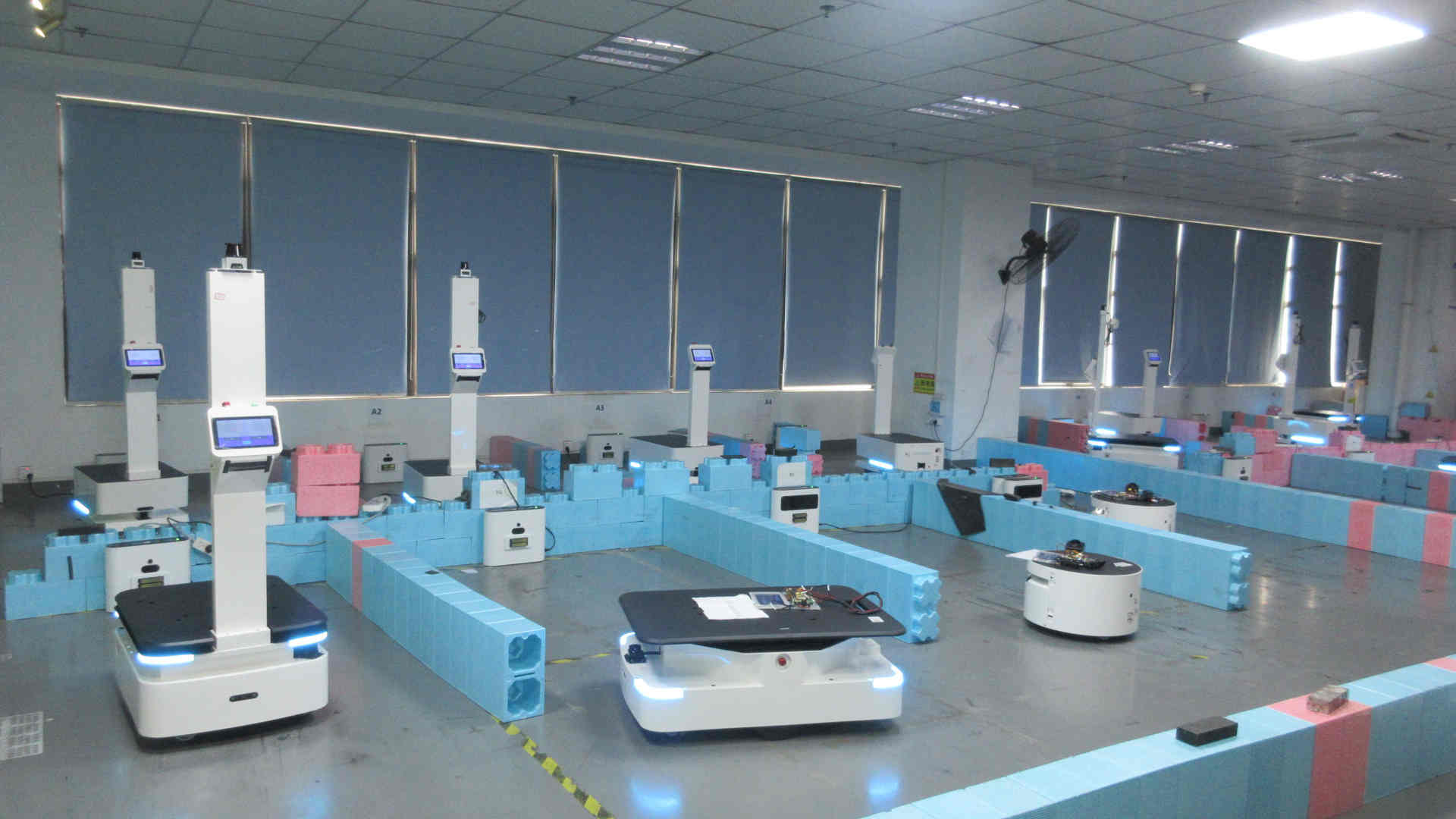
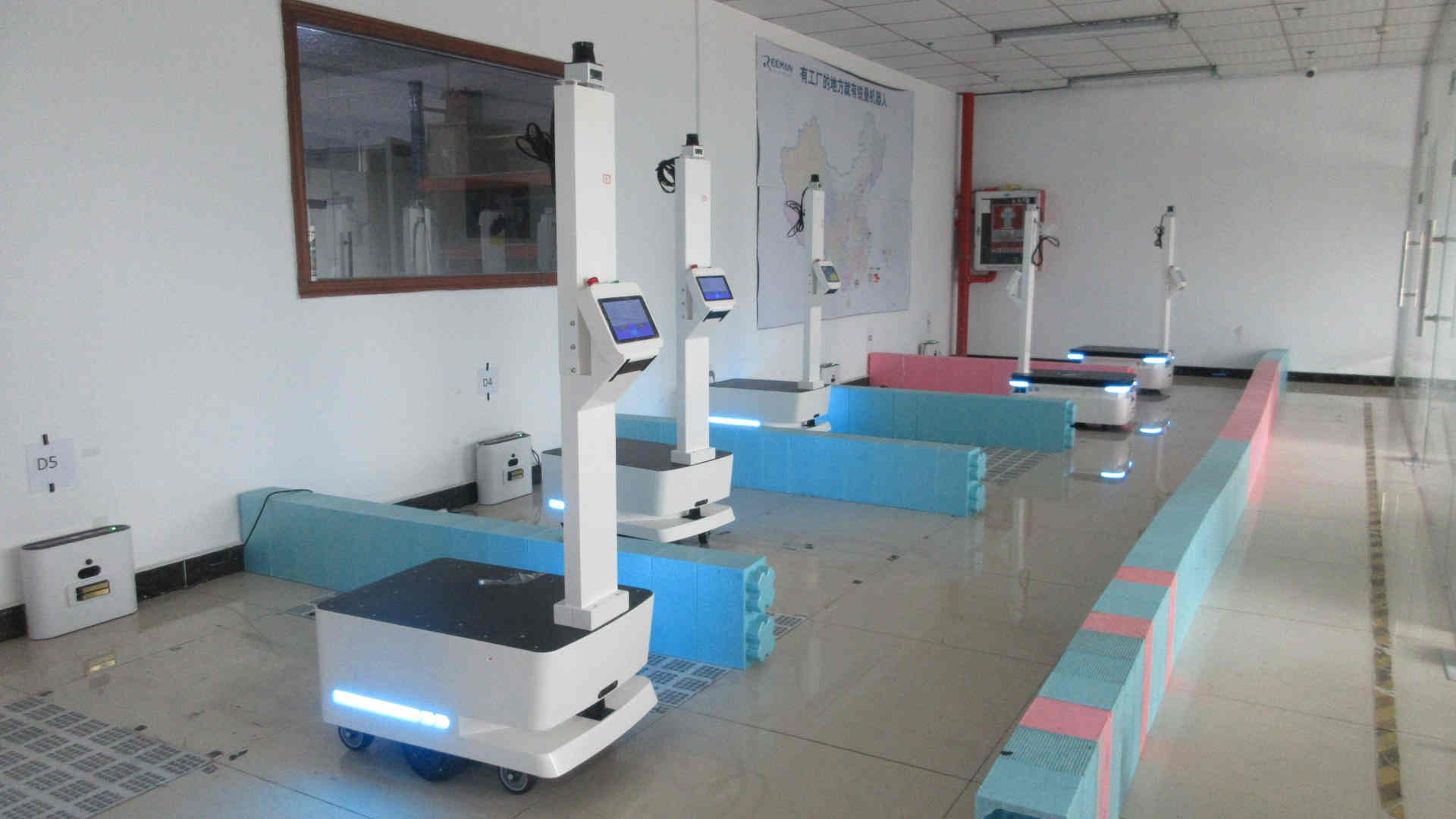
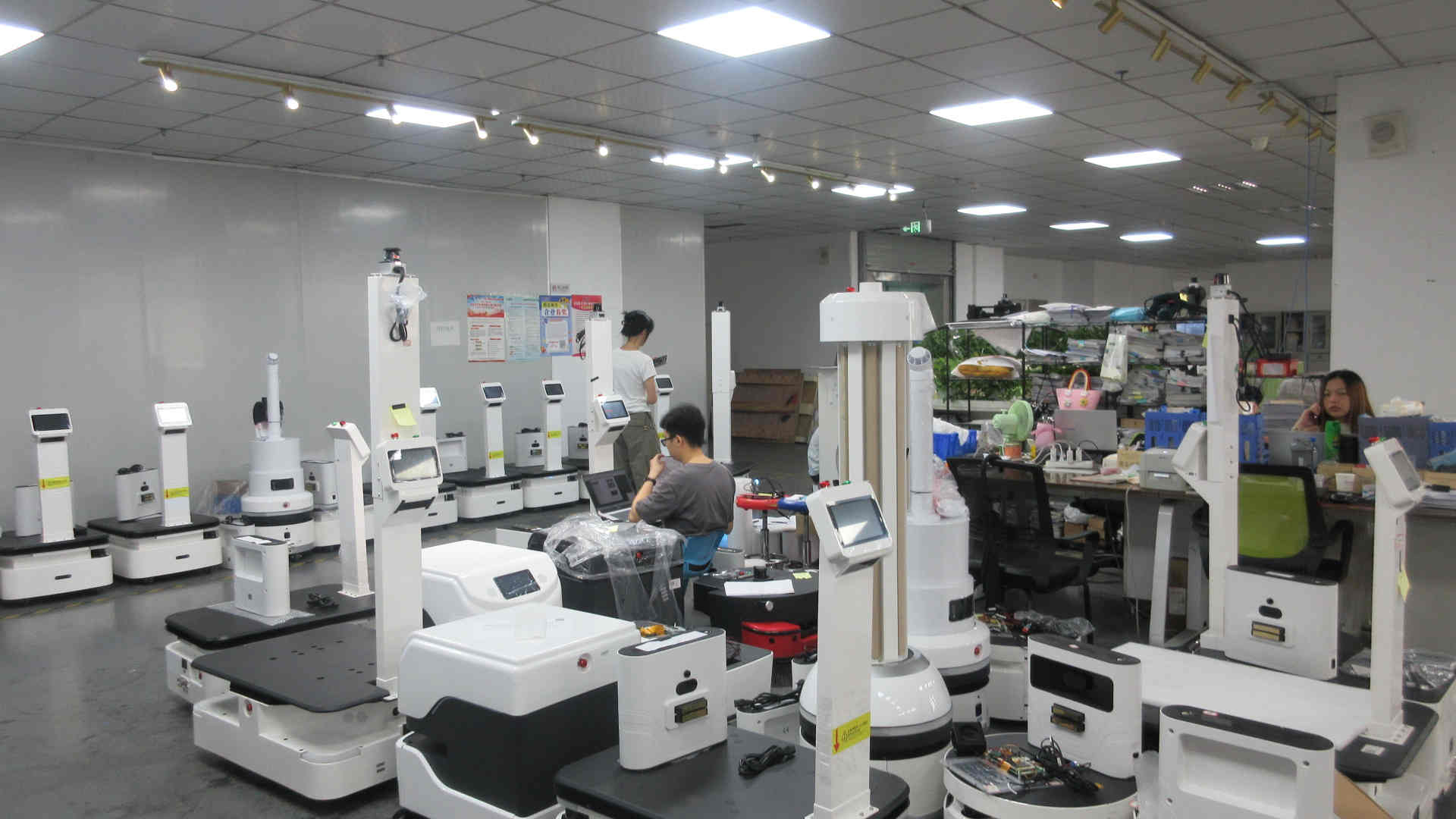
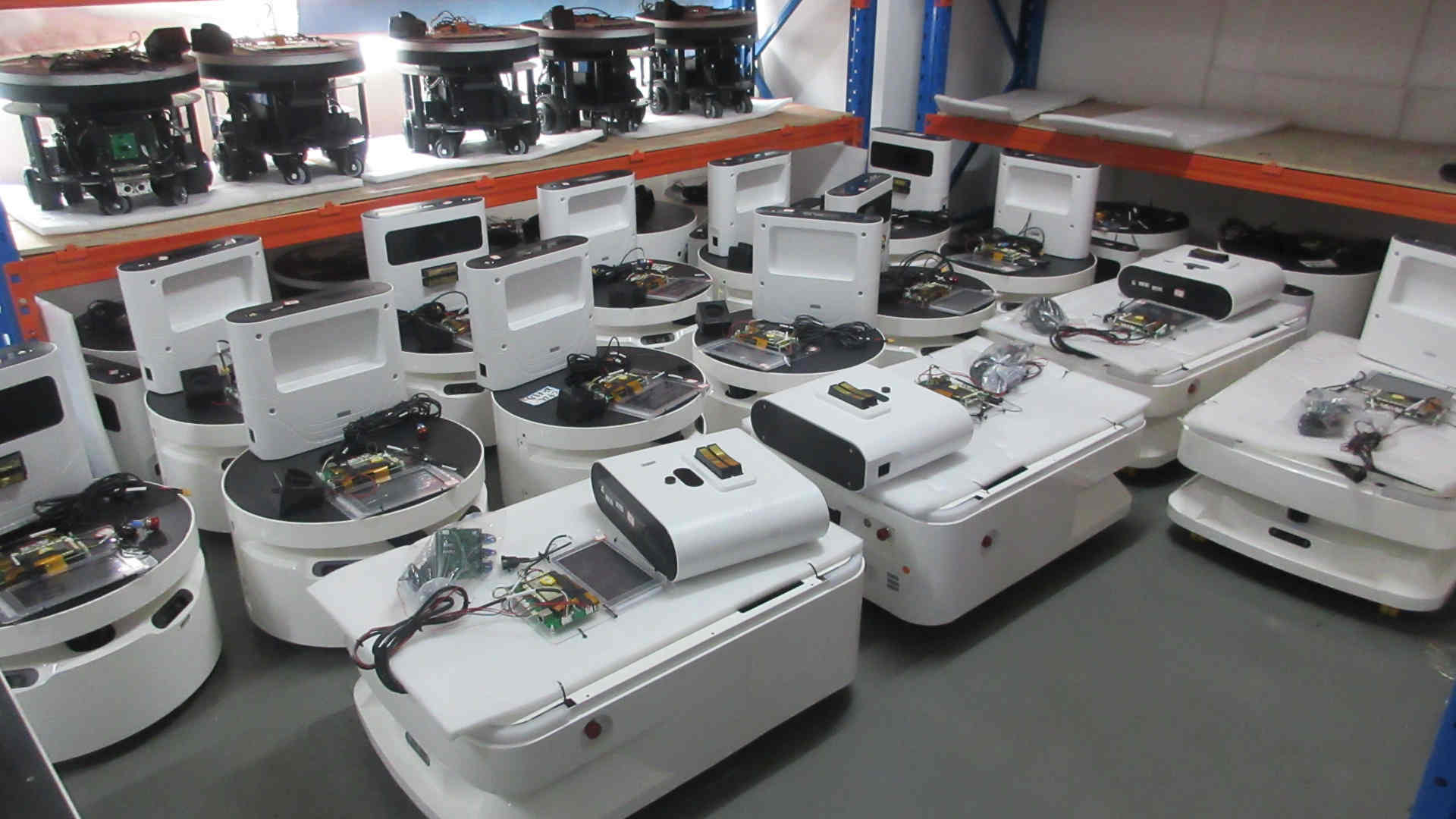
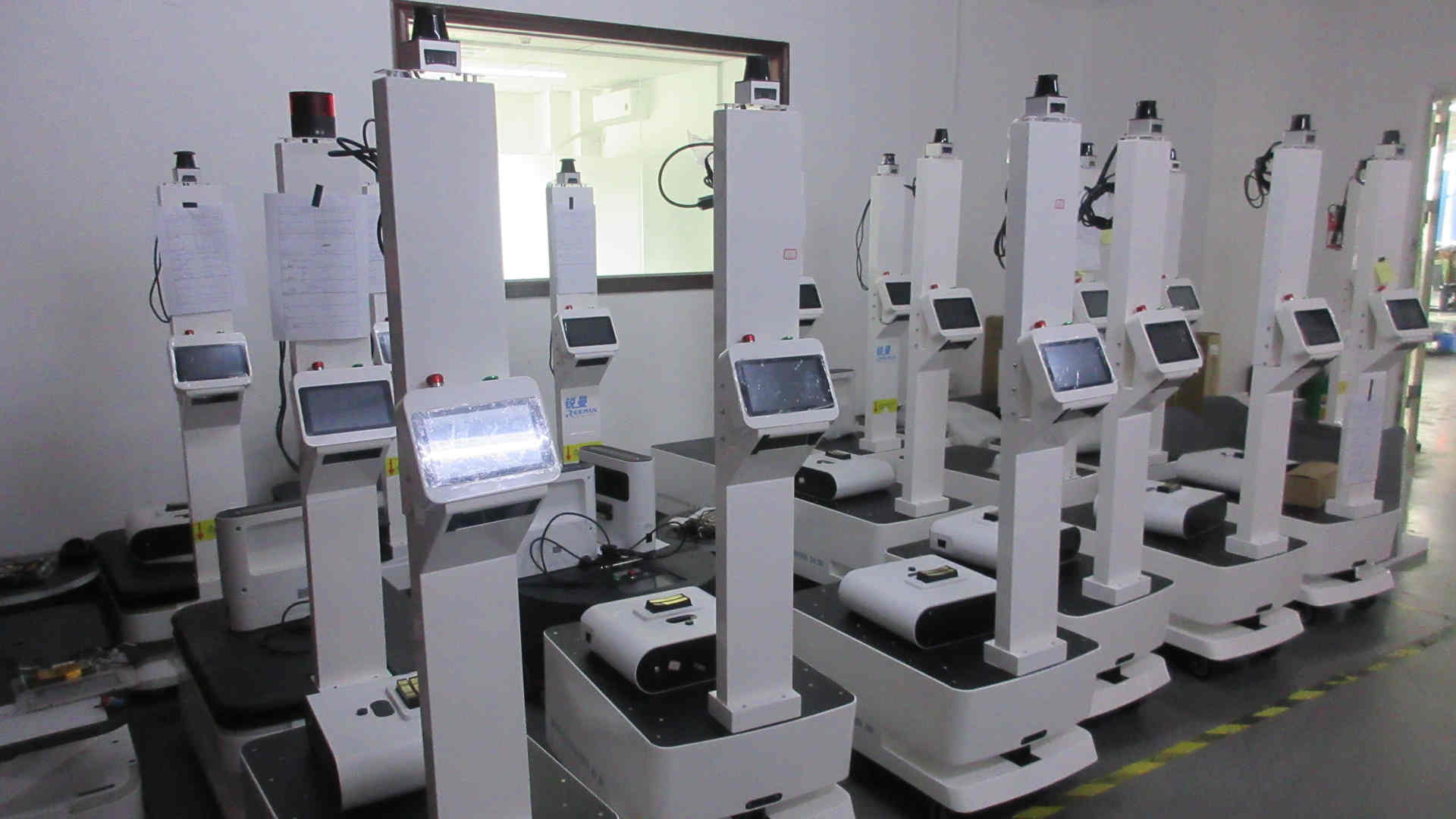
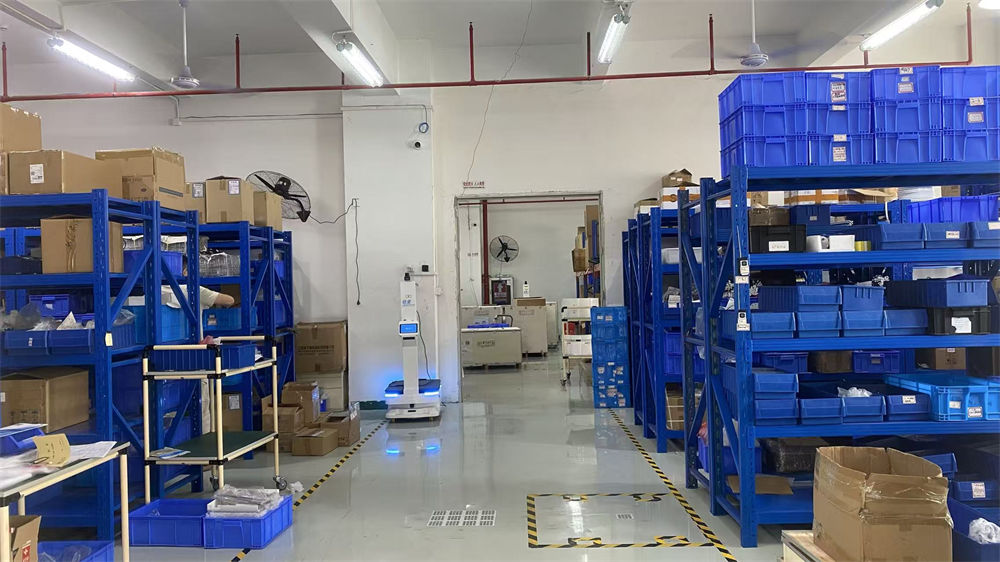
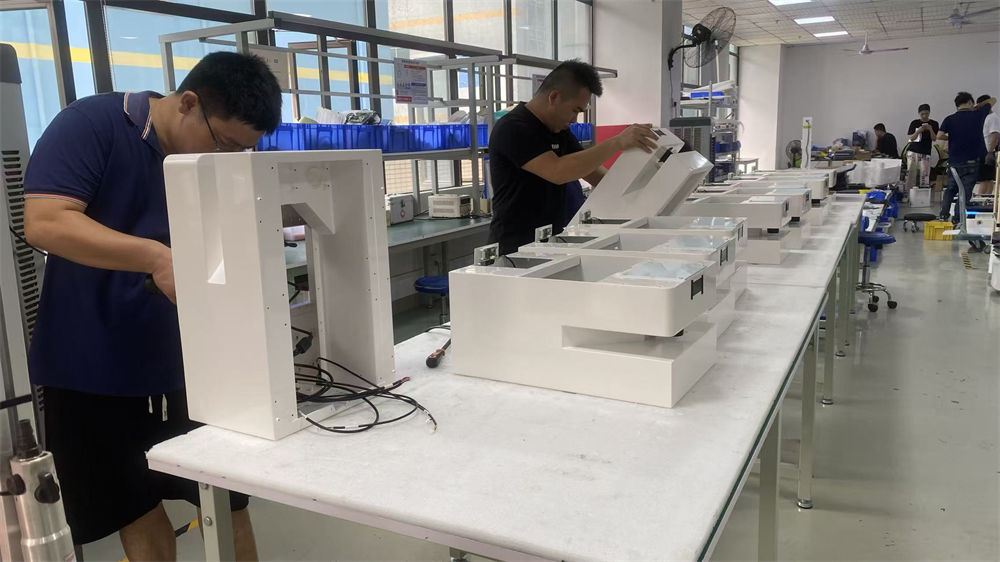
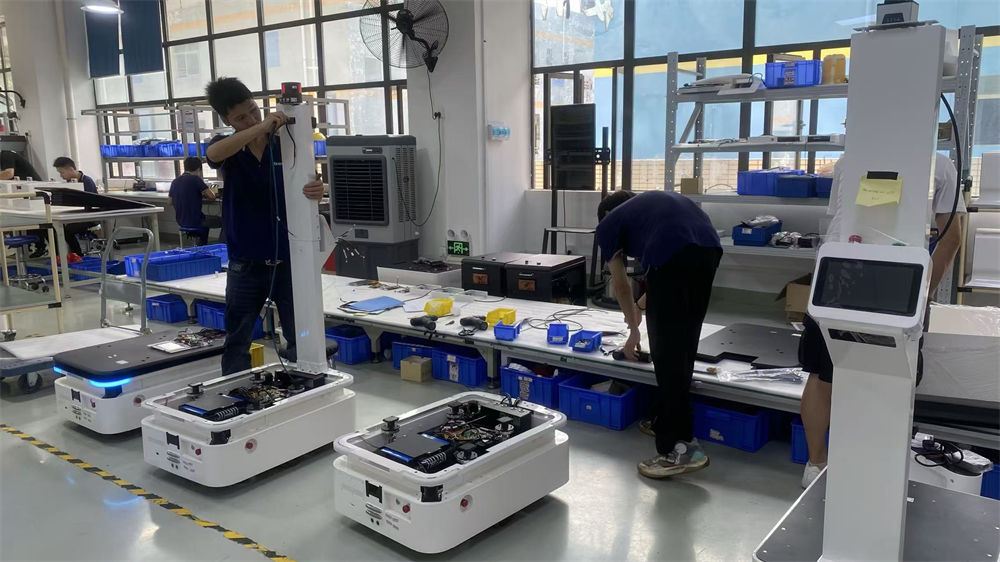
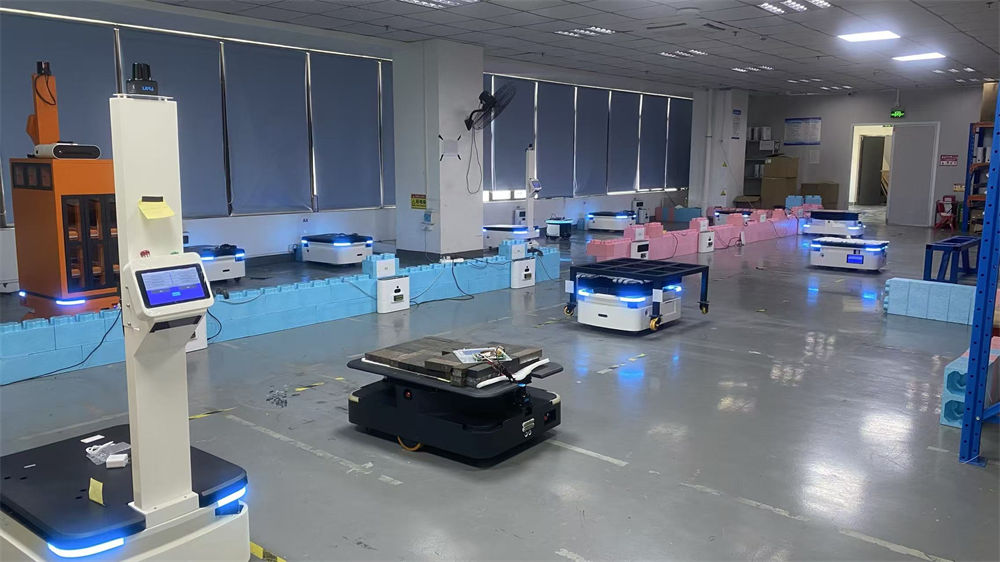
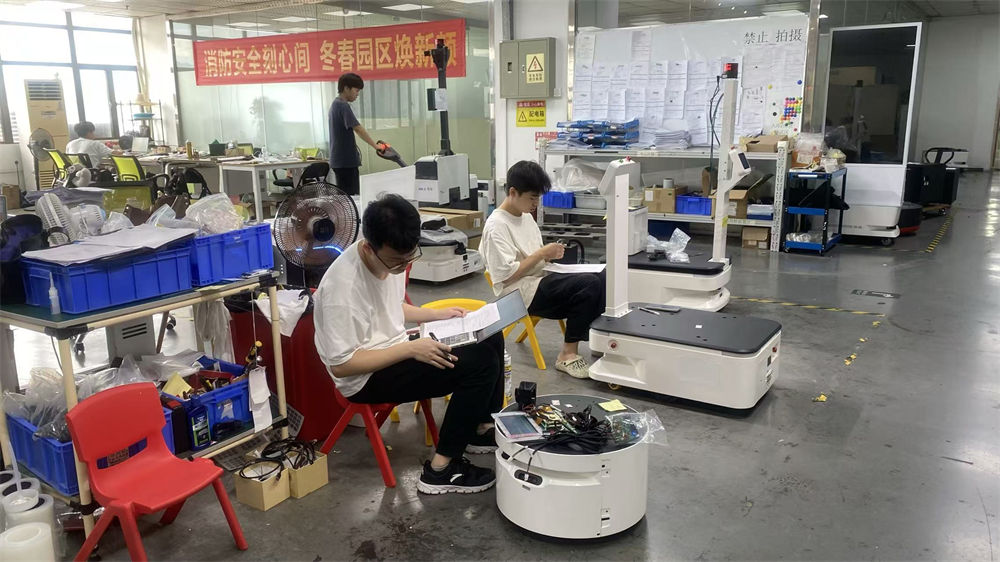
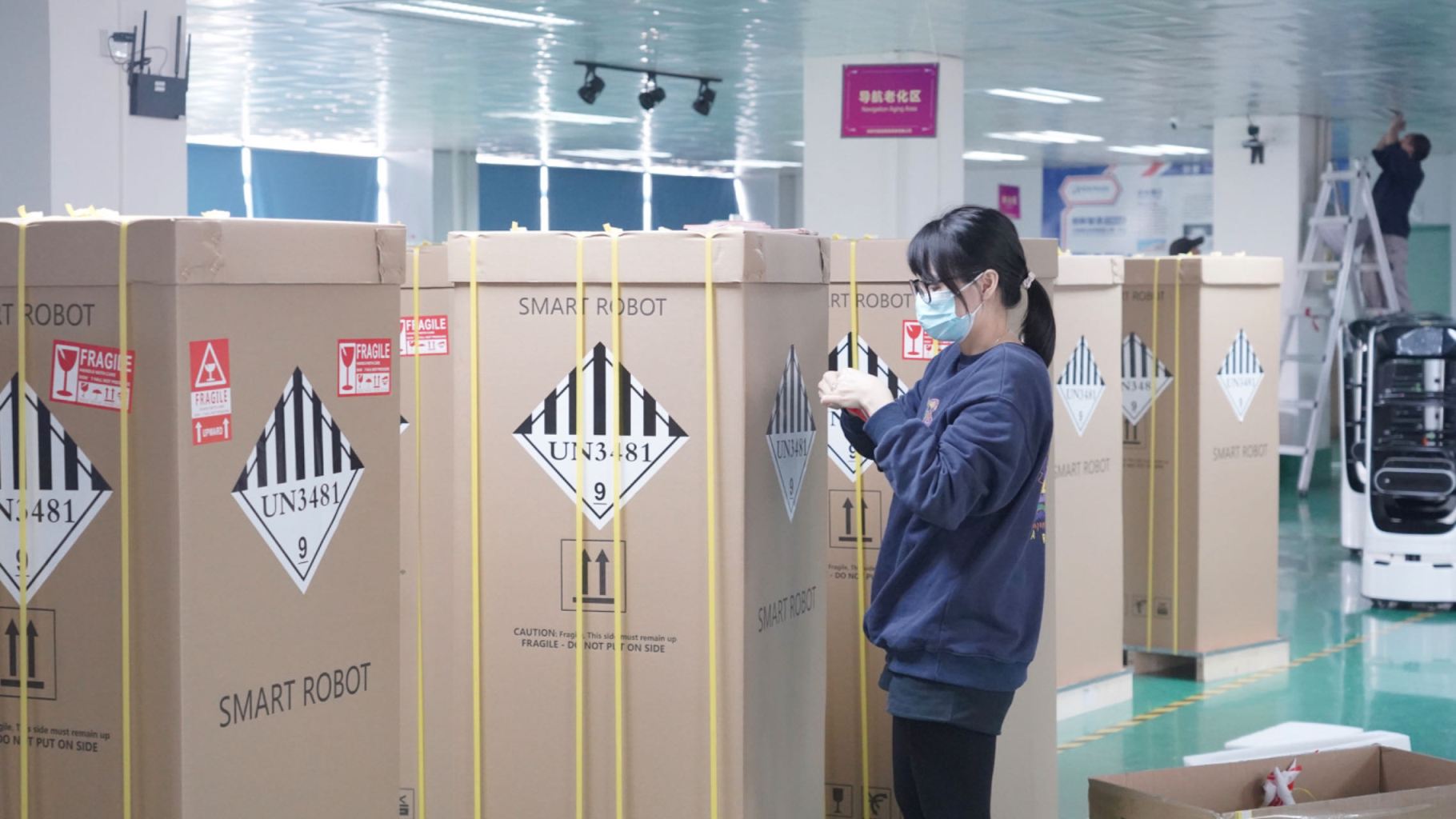
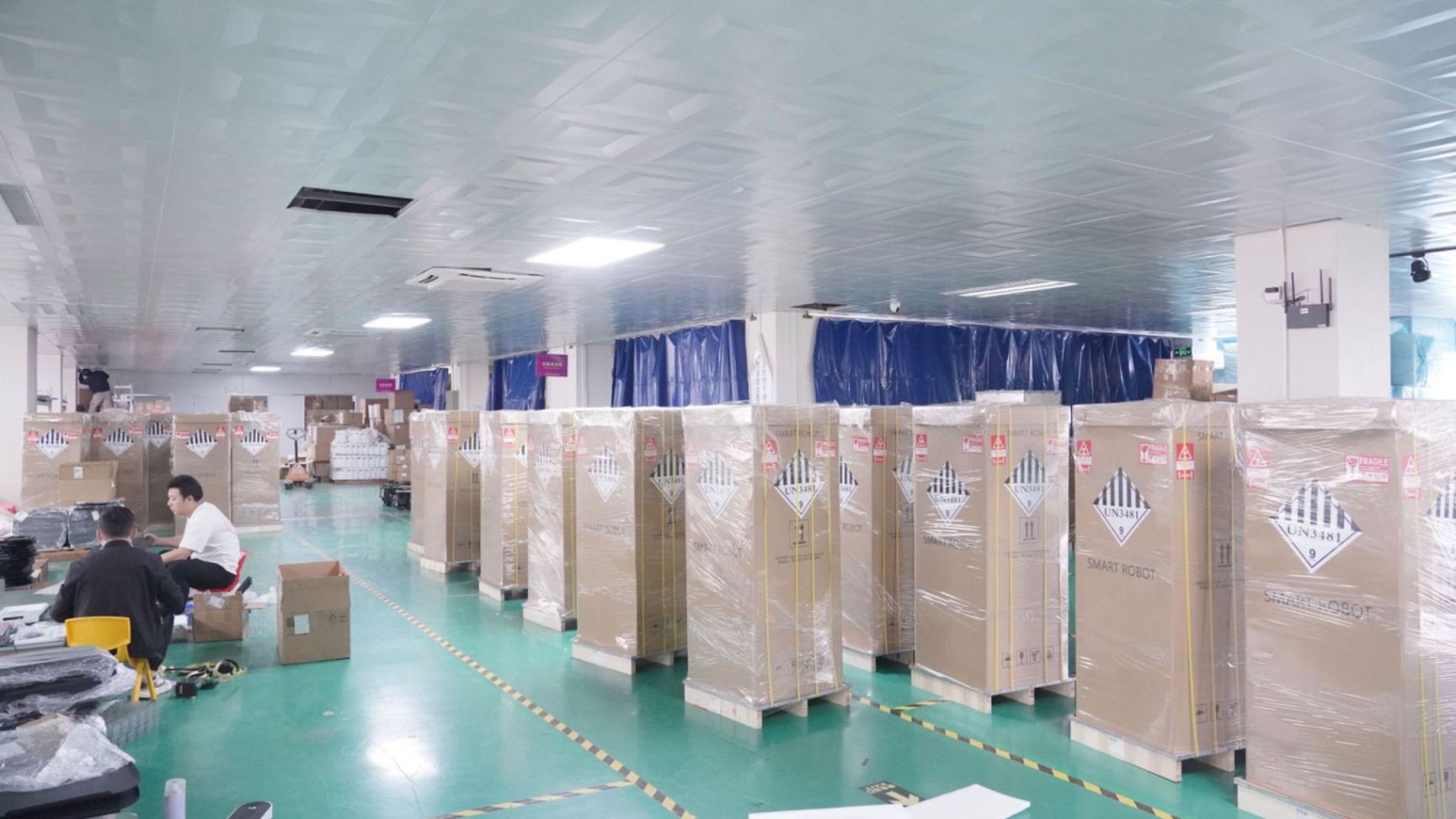
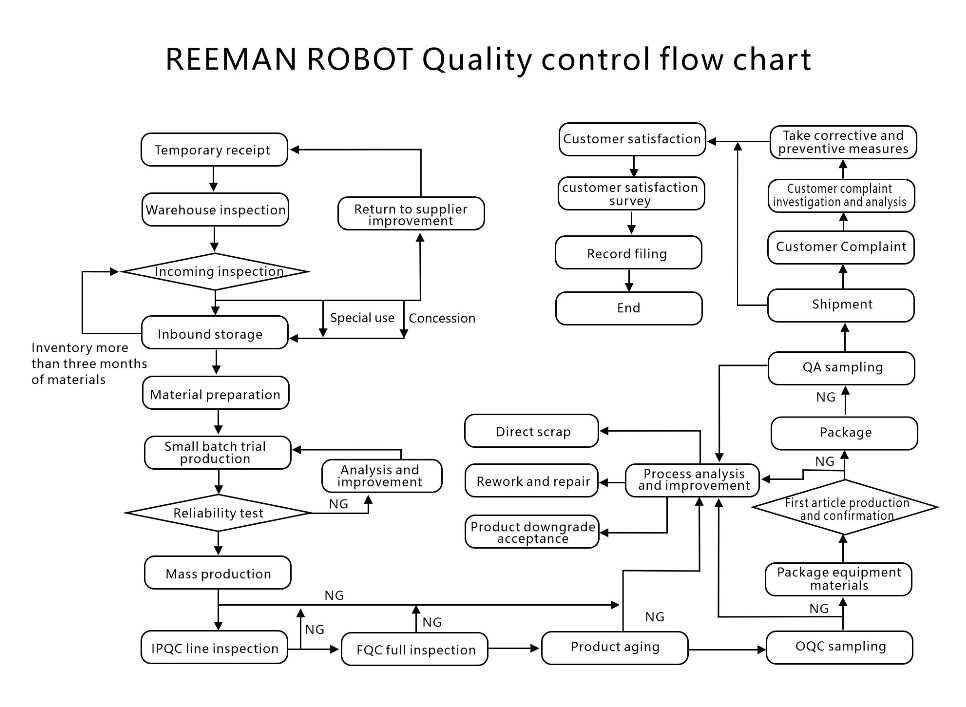
Before shipment, chassis projects can be checked for navigation behavior, load handling, emergency stop response, charging interface, communication status, and packing protection. Buyers can request the relevant test records as part of the factory acceptance process.
These are the questions global procurement and engineering teams most often ask during first-round technical review.
Share your payload, top-module design, route, software stack, and target market. Our application engineers will help you shortlist a chassis platform and define the integration scope.
info@elvornbot.com