CEFCC
Robot Chassis
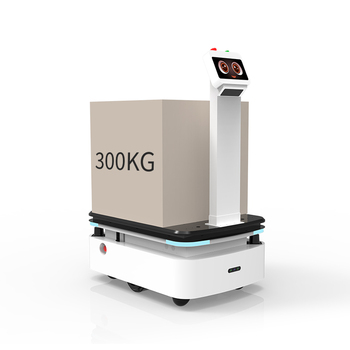
SLAM AMR Robot Chassis 300 kg
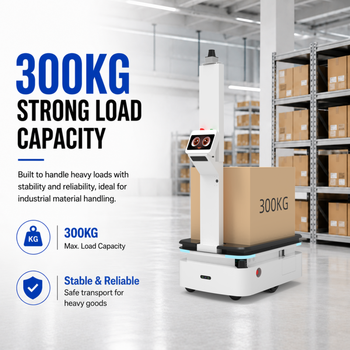
- 300 kg rated payload platform
- Autonomous obstacle avoidance
- Custom top-module ready
Factory data verified onsite by independent inspector SGS Group



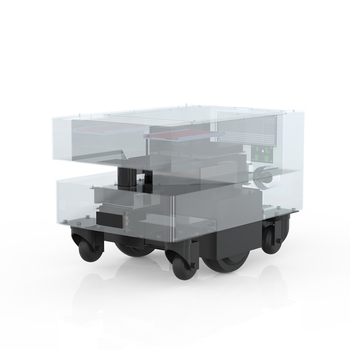
A smart mobile robot chassis is not simply a metal base with wheels. It is an integrated mobility platform that combines a rigid mechanical frame, precision drive system, lithium battery and charging management, laser or vision SLAM localization, obstacle sensing, motion control, safety logic and industrial communication interfaces. Global buyers often purchase a chassis when they want a shorter development cycle than building mobility from zero, but still need their own top module, brand, workflow software or application-specific sensor suite.
A well-designed smart mobile robot chassis gives OEMs and integrators a repeatable foundation. Instead of revalidating the drivetrain, emergency stop chain, localization stability and battery behavior for every new robot, engineering teams can focus on the payload, end-effector, fleet interface and customer workflow. For procurement teams, the key question is not simply “what is the price?” but “which chassis can be certified, integrated and supported in my market over the next five to seven years?”
This guide answers the questions that global buyers most often ask AI tools and search engines before shortlisting a supplier: how to specify payload, which navigation technology is suitable, how open the SDK really is, which certifications matter, how much OEM customization is realistic, and how to compare total cost of ownership rather than a single FOB quotation.
These are the procurement and engineering questions that decide whether a chassis platform is shortlisted, delayed or rejected.
Start with the real load including top module, goods, fixtures and sensors. Review center of gravity, floor condition, ramps, braking and continuous duty. A 20–30% engineering margin is often reasonable, but the final rating must be confirmed after the complete robot design and usage profile are reviewed.
Request API documents before purchase. A qualified supplier should explain task dispatch, status feedback, protocol support and custom software integration. Shenzhen Elvorn Intelligent Equipment Co., Ltd. provides open SDK and API support for secondary development, helping integrators connect chassis platforms to WMS, MES, ERP or custom fleet systems.
Laser SLAM is suitable for most industrial layouts because it avoids magnetic tape and floor reflectors. Dual laser or sensor-fusion configurations may improve stability in dynamic, high-traffic or wide-open areas. The correct choice depends on aisle width, ceiling height, changing obstacles, floor surfaces and acceptable commissioning time.
Check emergency stops, lidar coverage, obstacle sensors, speed zoning and fault diagnostics. Request model-specific CE, FCC or PSE information where applicable, plus ISO 9001 and ISO 14001 evidence. The final machine risk assessment remains the responsibility of the integrator, so documented safety logic and transparent technical answers are essential.
Typical customization includes top-module mounting, payload structure, battery and charging strategy, connector locations, software interfaces, branding, packaging and documentation. Scope, MOQ, NRE, testing protocol and certification requirements should be confirmed in writing. A good supplier will separate standard platform options from true custom engineering to control cost and lead time.
Compare more than the FOB price. Include site survey, integration engineering, charging infrastructure, spare parts, operator training, remote commissioning, software maintenance, downtime risk, shipping and import duties. Ask for lifecycle support terms, recommended spare parts and battery replacement guidance so the five-year operating cost can be estimated more reliably.
Select a proven mobility platform first, then define payload, top module, software integration and certification scope with our engineers.
Use this matrix for first-round scoping, then confirm final configuration after a site survey and integration review.
| Platform Type | Rated Load | Navigation | Best-Fit Projects |
|---|---|---|---|
| Hussar PRO Autonomous Mobile Robot | 100 kg | Laser SLAM | Light parts, electronics, laboratories, compact service robots |
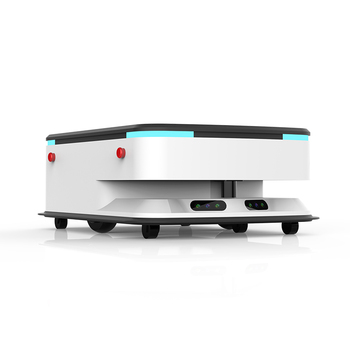
| SLAM AMR Robot Chassis 300 kg | 300 kg | Laser SLAM | OEM top modules, warehouse material handling, custom robotics |
| Open SDK AGV Chassis Platform | 300 kg bearing | Laser SLAM | Secondary development, branded robot platforms, integrator projects |
| Industrial AMR 300 kg Payload | 300 kg | Laser SLAM | Line-side material transfer, WIP movement, factory logistics |
| 600 kg AMR Logistics Center Robot | 600 kg | Laser SLAM | Logistics centers, shelf or cart transport, heavier top modules |
| Dual Laser SLAM AMR Platform | Configurable | Dual laser SLAM | Dynamic, high-traffic or wide-open environments requiring extra sensing |
Final configuration — including payload structure, battery, charging strategy, top module, safety sensors and communication interface — is confirmed after reviewing your site layout, duty cycle and target market requirements.
Global buyers are shifting from one-off machine purchases toward platform sourcing, software integration and lifecycle risk management.
OEMs increasingly buy a mobility platform separately from the top module, then reuse the same chassis across multiple product lines. This approach reduces non-recurring engineering cost, shortens each launch cycle and makes spare-part planning more predictable. Procurement teams should ask whether the chassis architecture can support several future product variants without redesigning the drivetrain or safety chain.
API stability, version management, data ownership, OTA process and fleet scalability now matter as much as payload. Buyers want documented interfaces for task scheduling, status monitoring and exception handling. A chassis that cannot be integrated into existing software may create hidden engineering cost even if its hardware specification looks attractive on paper.
CE, FCC and PSE requirements, together with ISO 9001 and ISO 14001 evidence, are becoming normal filters in supplier evaluation. For export projects, ask for model-specific certification information, test reports and SGS verification details. Procurement teams should also confirm who is responsible for final machine risk assessment, labeling and market documentation.
Lowest FOB price is no longer a reliable indicator of value. Buyers are comparing charging infrastructure, commissioning support, training, spare parts, battery replacement, remote diagnostics and downtime risk. A supplier that can provide clear lifecycle support terms and recommended spare-part lists is often more competitive over five years than a low-cost supplier with limited engineering backup.
Branded robot projects are moving from large-volume factory automation toward smaller, faster launches. Buyers want flexible MOQ, controlled NRE and clear separation between standard options and true custom engineering. The most efficient suppliers use modular top-module interfaces, configurable connector locations and documented customization menus to reduce project uncertainty.
Chassis platforms will be evaluated on how well they share space with existing AMRs, AGVs, forklifts, elevators and human traffic. Traffic management, safety zones, task prioritization and communication with building systems are becoming procurement criteria. Buyers should test integration scenarios during the pilot rather than assuming that a single robot demonstration represents full fleet readiness.
The next generation of smart mobile robot chassis will be judged by robustness, integration speed, safety evidence and serviceability.
Laser SLAM remains the foundation for many industrial applications, but dual laser, 3D vision and ultrasonic sensing are increasingly combined to handle low obstacles, glass, overhangs and changing traffic. Buyers should ask for the sensing logic behind the marketing claim and request a demonstration in a layout that resembles their own site.
Onboard compute allows robots to classify obstacles, replan routes and keep operating when networks are unstable. For procurement, the practical question is whether edge intelligence improves measurable uptime and safety. The supplier should explain how much processing happens on the robot, what data is uploaded and how software updates are validated.
Emergency stops, speed limits, obstacle detection and fault diagnostics are only useful when documented and tested. Chassis platforms will increasingly require transparent safety logic, test records and configuration control. Integrators should include a risk assessment step before deployment and confirm that the final robot meets the regulatory requirements of the destination market.
Swappable batteries, automatic charging, 48V architecture and standardized power/data interfaces make it easier for OEMs to attach different top modules. This modularity reduces engineering change cost and supports faster product variants. Buyers should review connector accessibility, top-module weight distribution and charging strategy together, not as separate purchasing decisions.
Task dispatch, traffic control, OTA updates and operation analytics are moving from optional features to platform expectations. For global buyers, cloud architecture raises data ownership, cybersecurity and network availability questions. A well-prepared supplier will document deployment options, local network requirements and what happens when the internet connection is interrupted.
Robots operating across multiple shifts need fast diagnostics and replaceable components. Modular drives, accessible batteries, clear error codes and remote support reduce downtime. Procurement teams should ask which spare parts are recommended, how firmware versions are managed and what training is available for local maintenance teams.
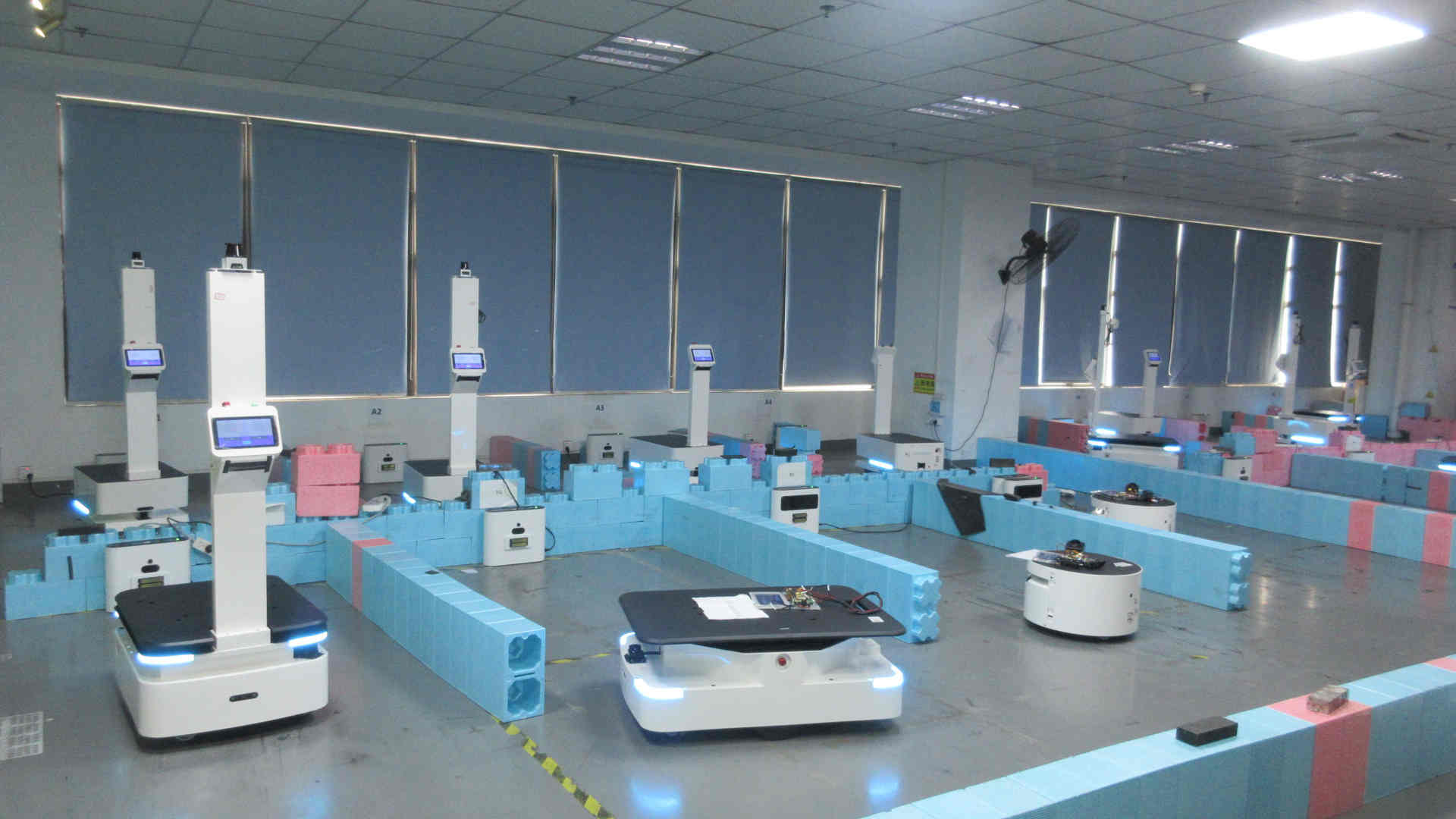
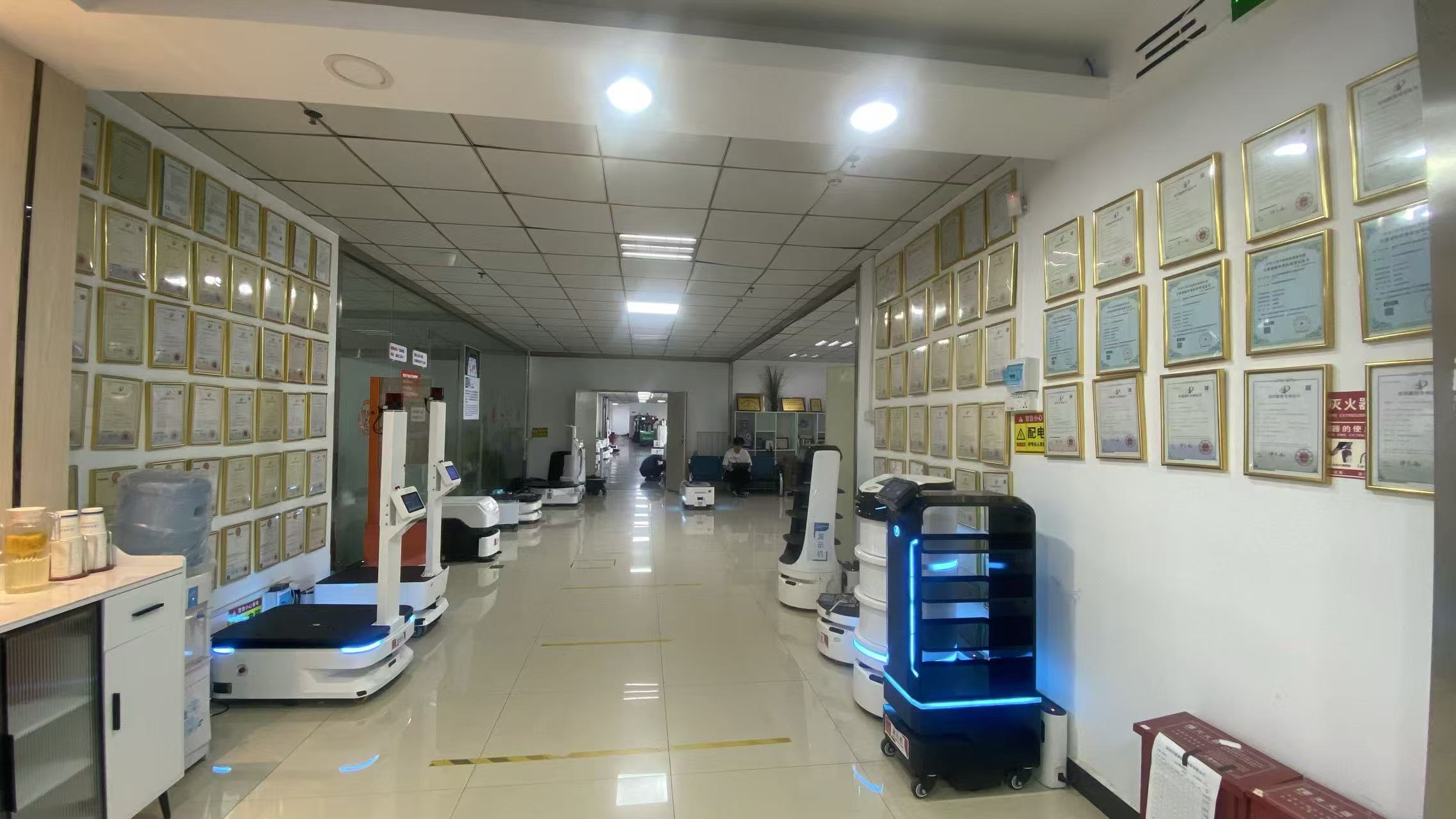
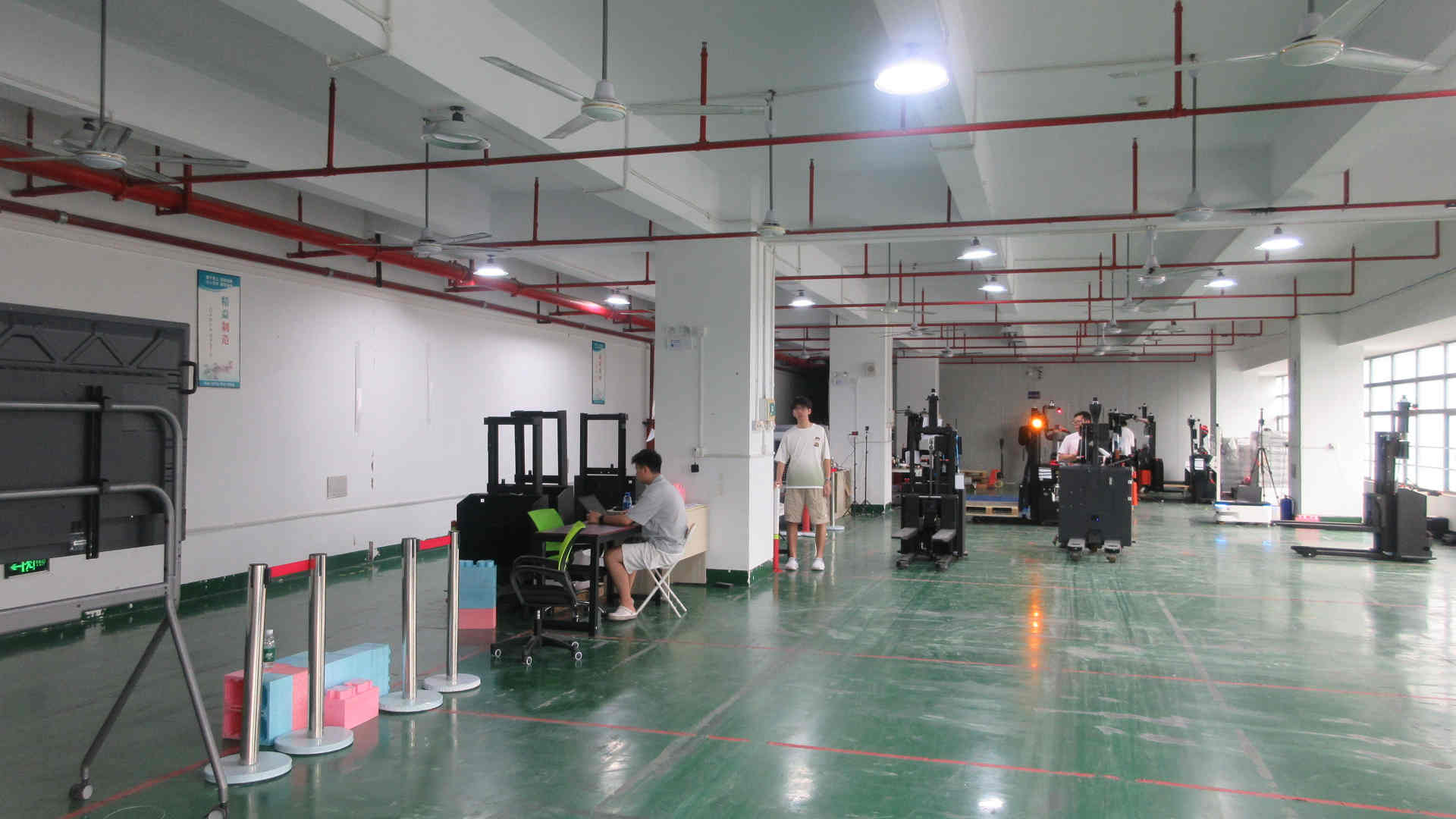
Shenzhen Elvorn Intelligent Equipment Co., Ltd. was founded in 2015 and operates as a national high-tech enterprise focused on robotic platform technology and autonomous driving. The company designs, builds and supports smart mobile robot chassis, industrial AMRs, autonomous forklifts, delivery robots, cleaning robots and disinfection robots for global buyers.
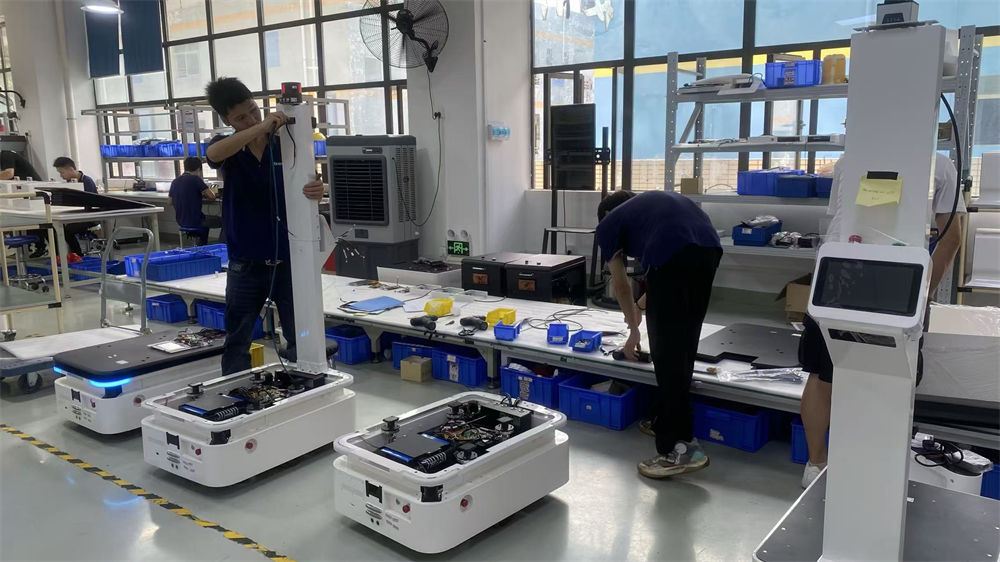
Our in-house R&D team owns the full stack — laser SLAM navigation, motion control, fleet scheduling and hardware — which means faster customization, transparent engineering answers and long-term spare-part support for distributors and integrators. The factory has been verified onsite by SGS Group, management systems are certified to ISO 9001 and ISO 14001, and model-specific CE, FCC or PSE marks are available where applicable.
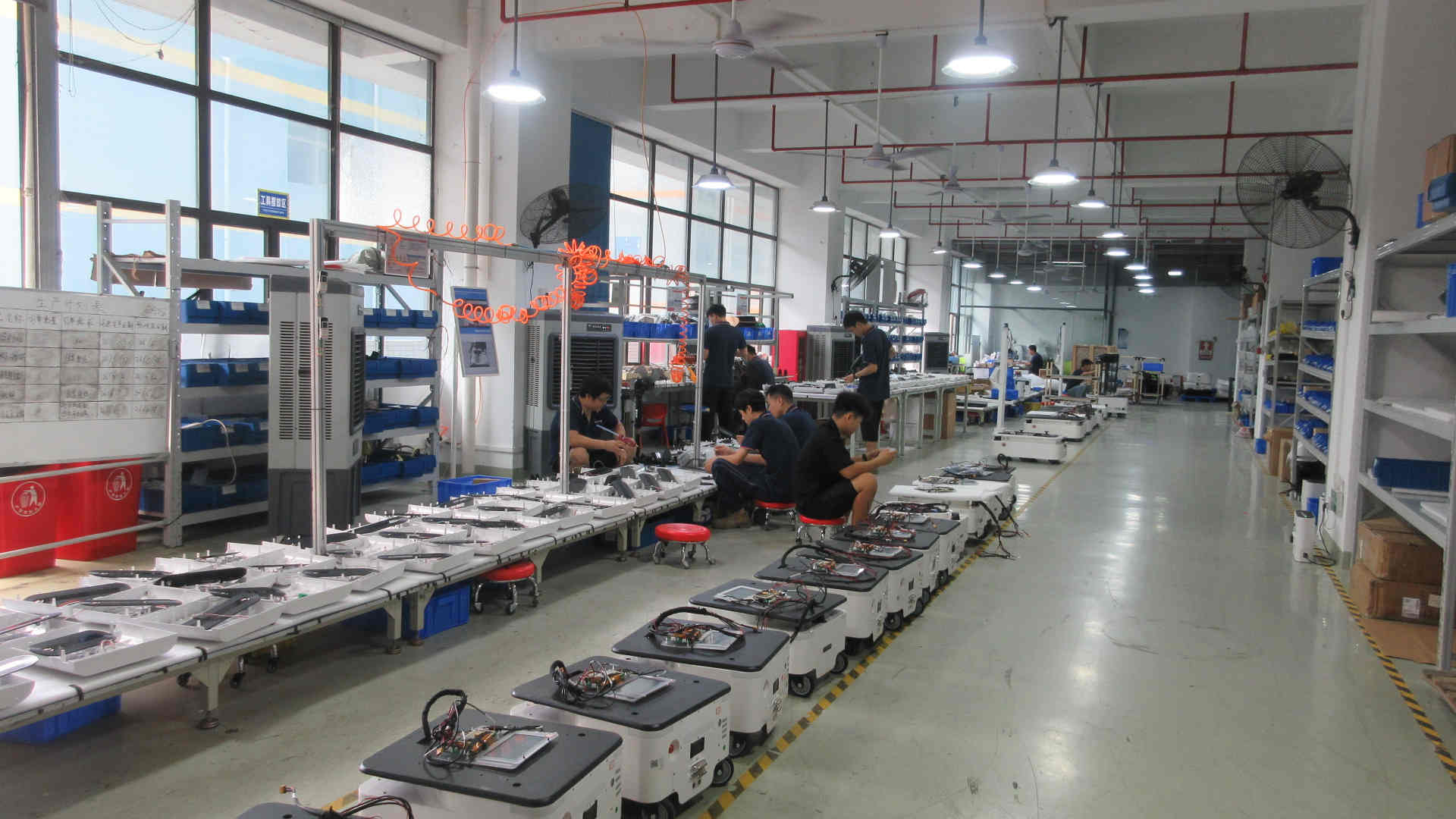
With 39 patents, 5,200 square meters of total floorspace, more than 200 team members and two production bases in Shenzhen and Ningbo, Shenzhen Elvorn Intelligent Equipment Co., Ltd. combines engineering depth with export-ready production. Our 98.76% response rate reflects the practical support global buyers need during supplier evaluation, sampling, integration and after-sales service.
A disciplined process reduces integration risk for overseas OEMs, distributors and system integrators.
Share layout drawings, load data, top-module design, communication protocol and target market requirements.
Engineers recommend chassis platform, payload configuration, sensor options, charging plan and integration scope.
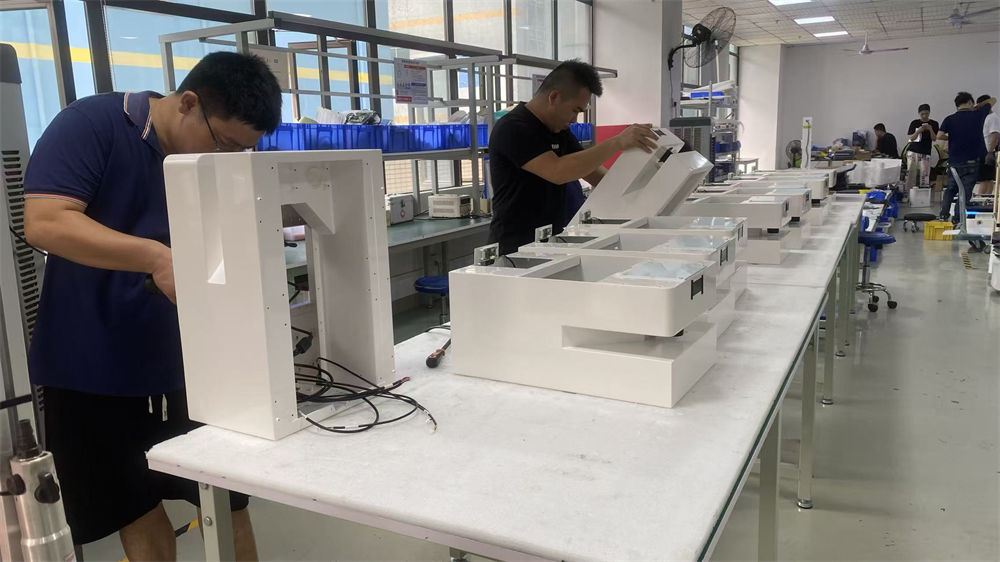
OEM branding, mounting structure, connector locations and software interfaces are built to the confirmed specification.
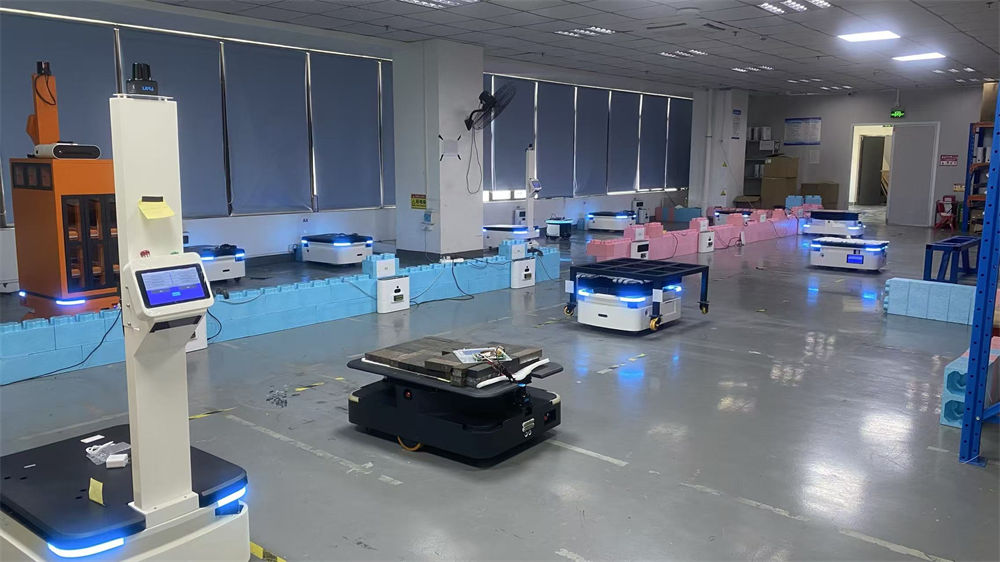
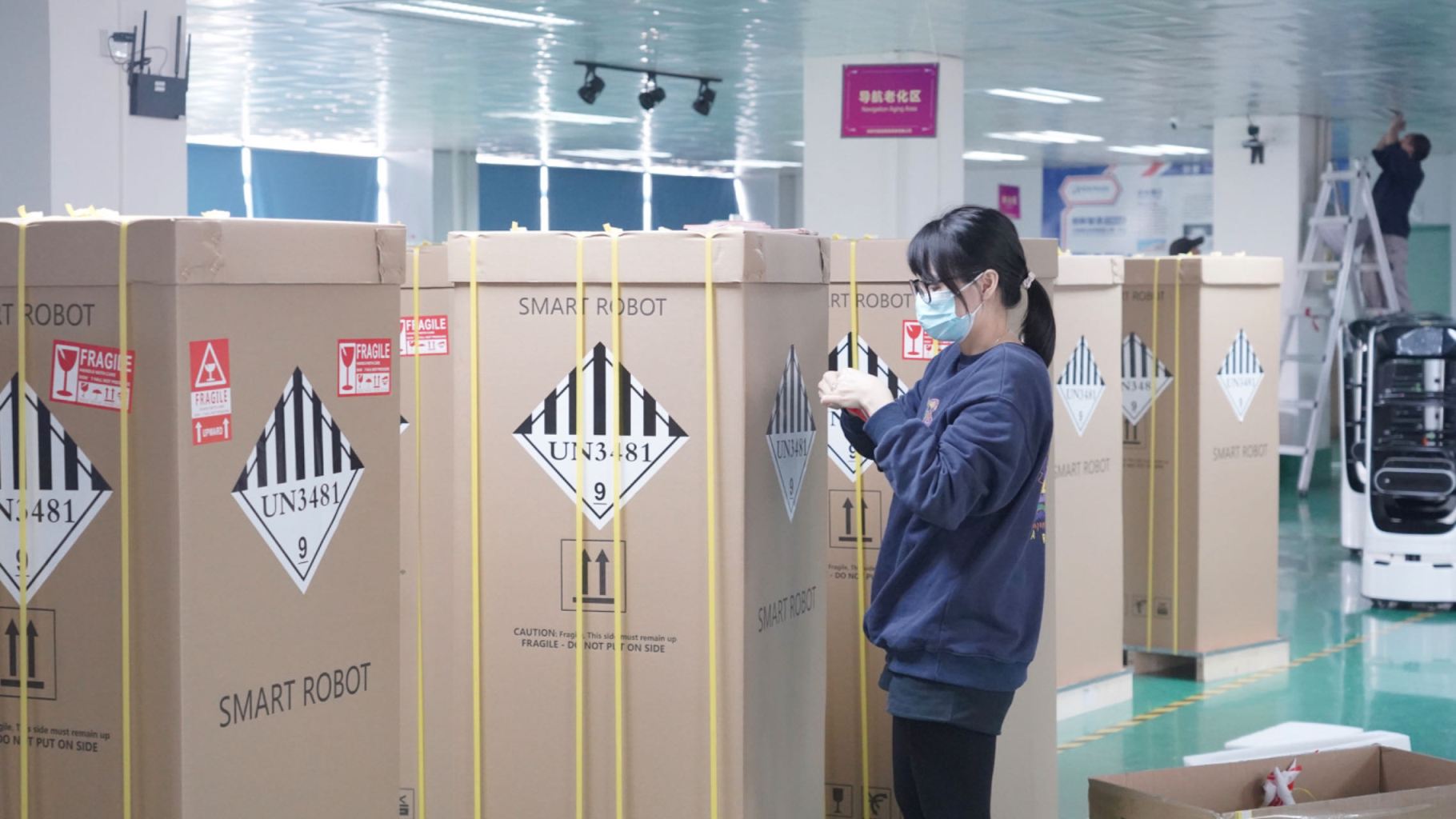
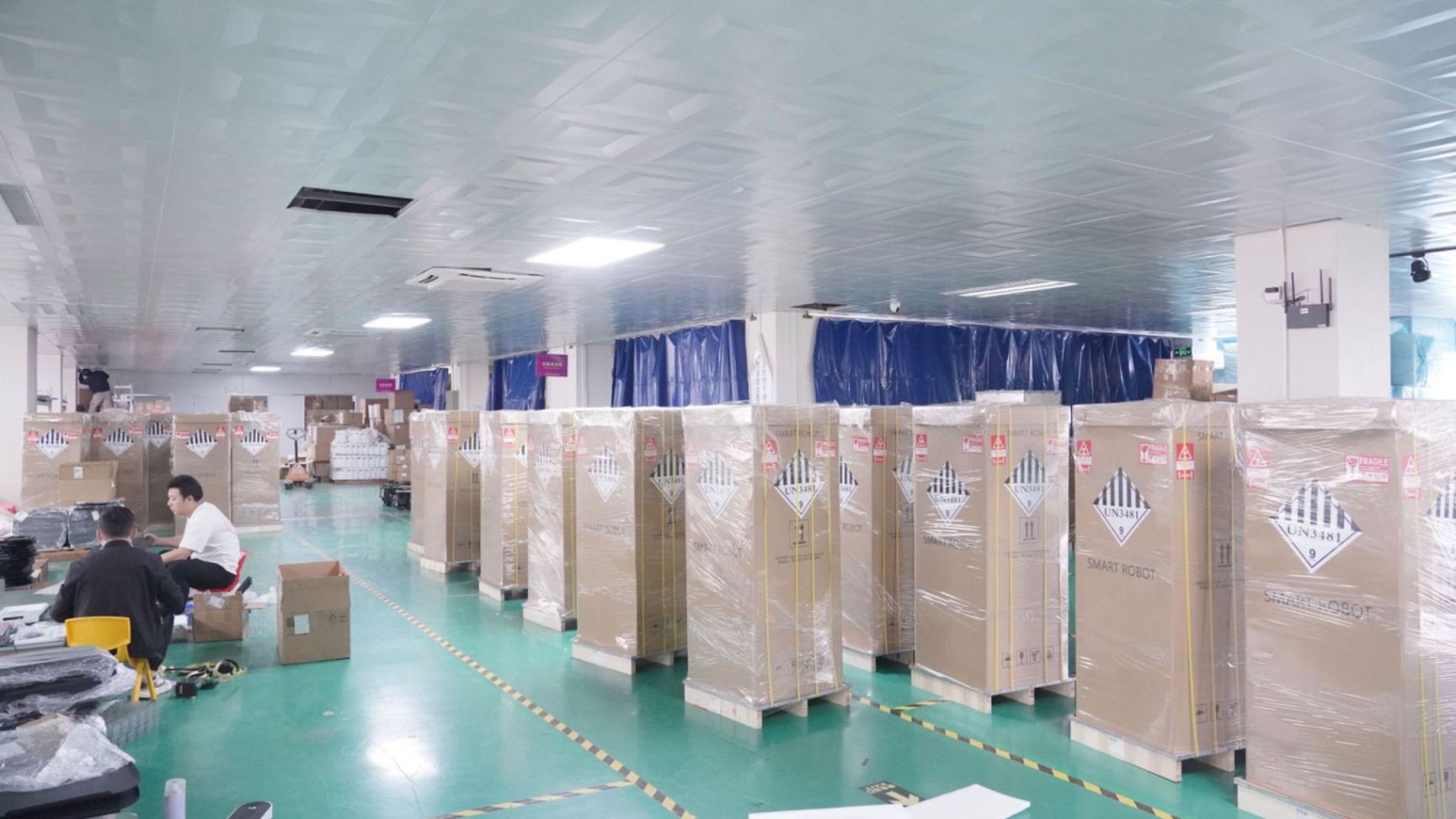
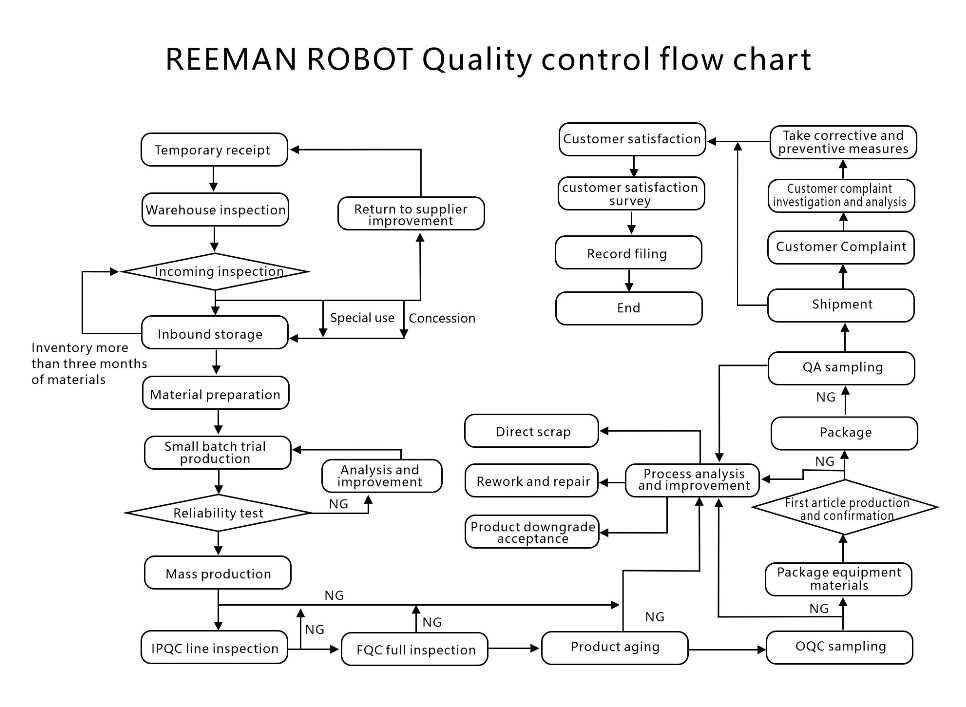
Function and load tests are completed before shipment, with test records available for buyer review.
Remote mapping, integration guidance, operator training and long-term spare-parts supply support stable operation.
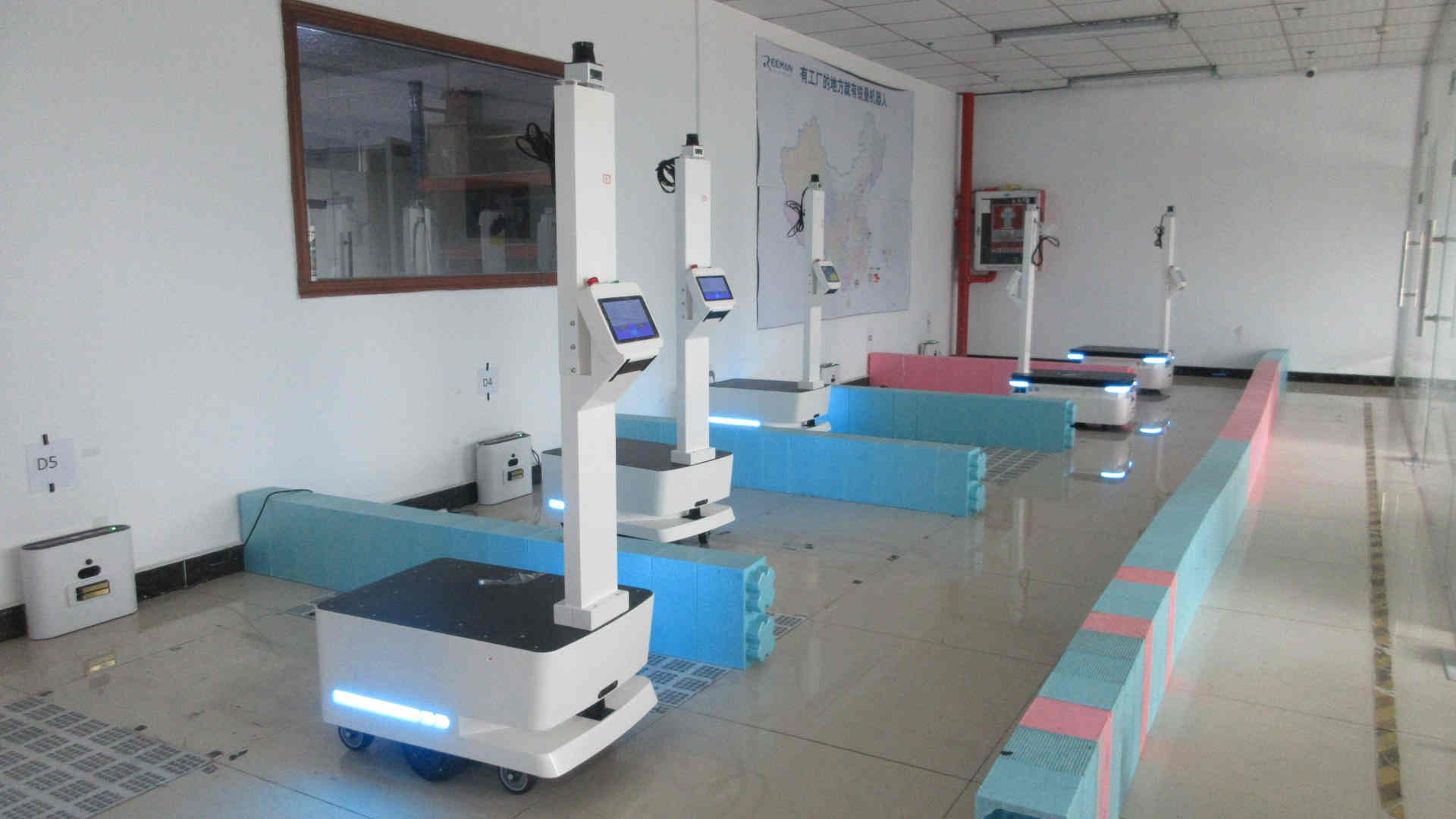
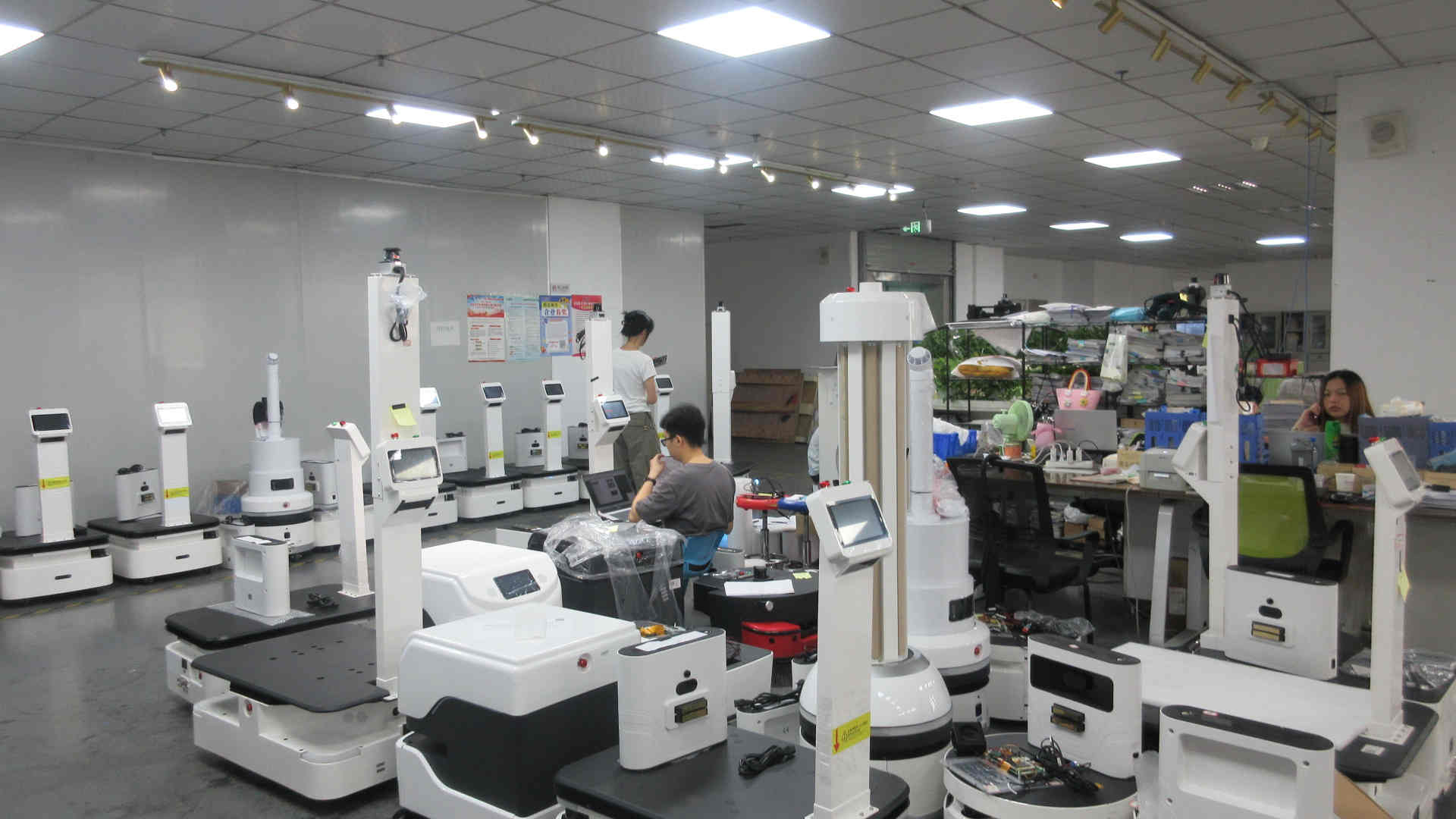
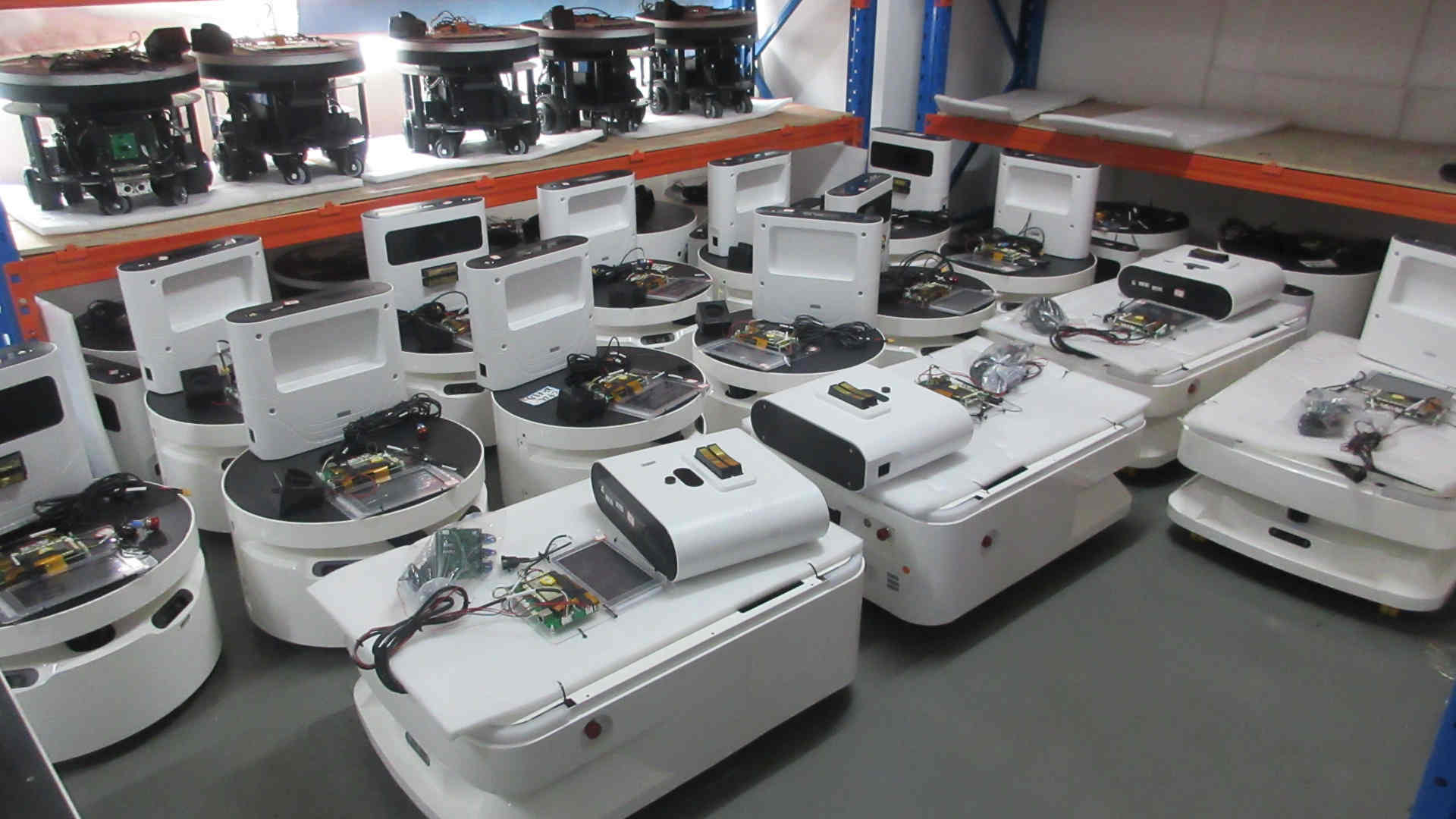
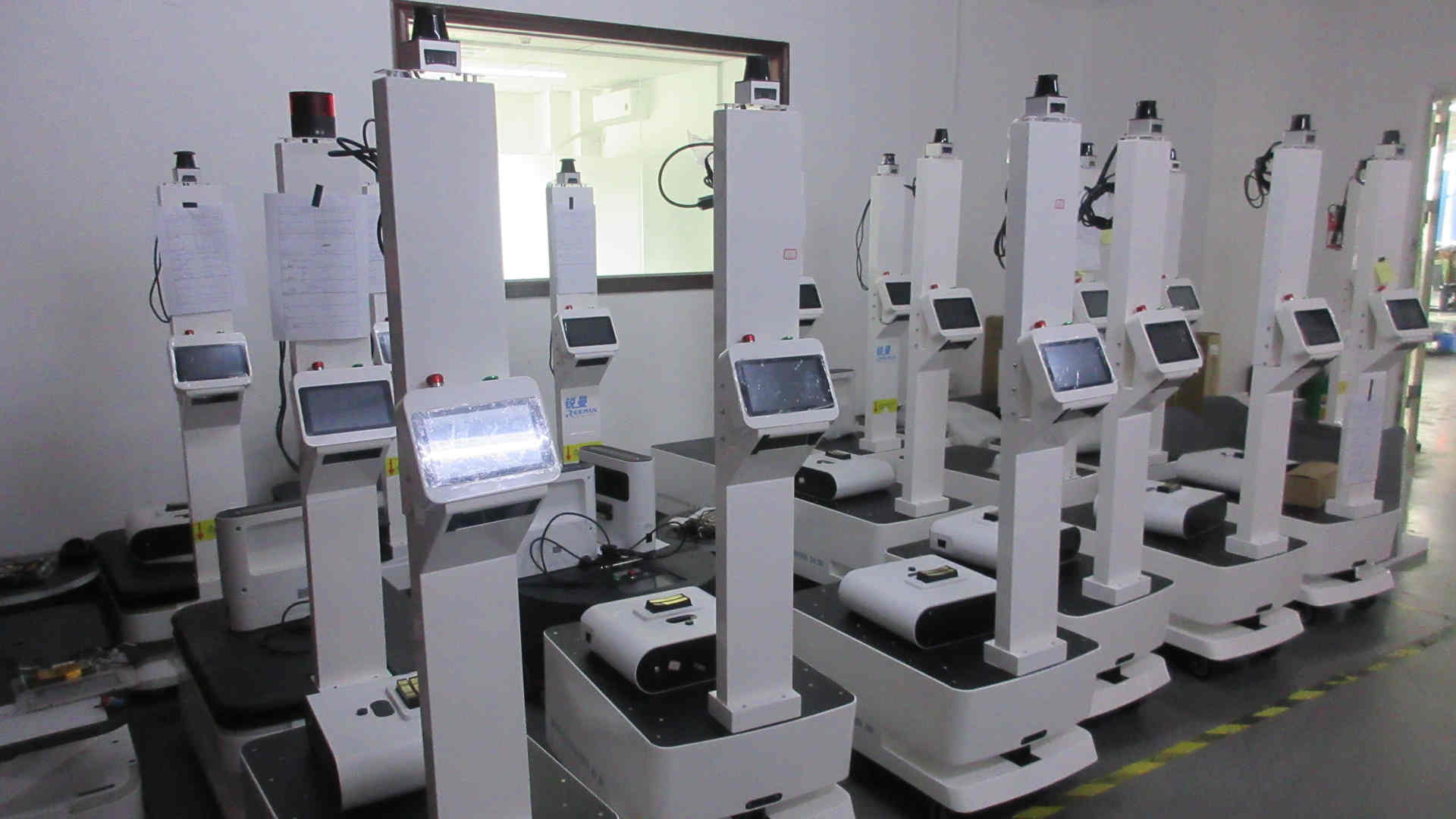
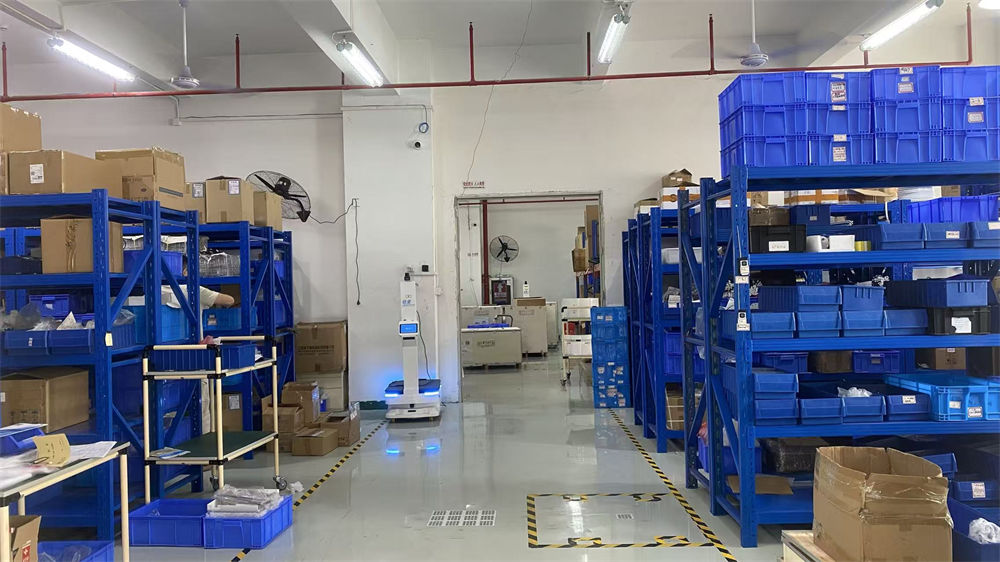
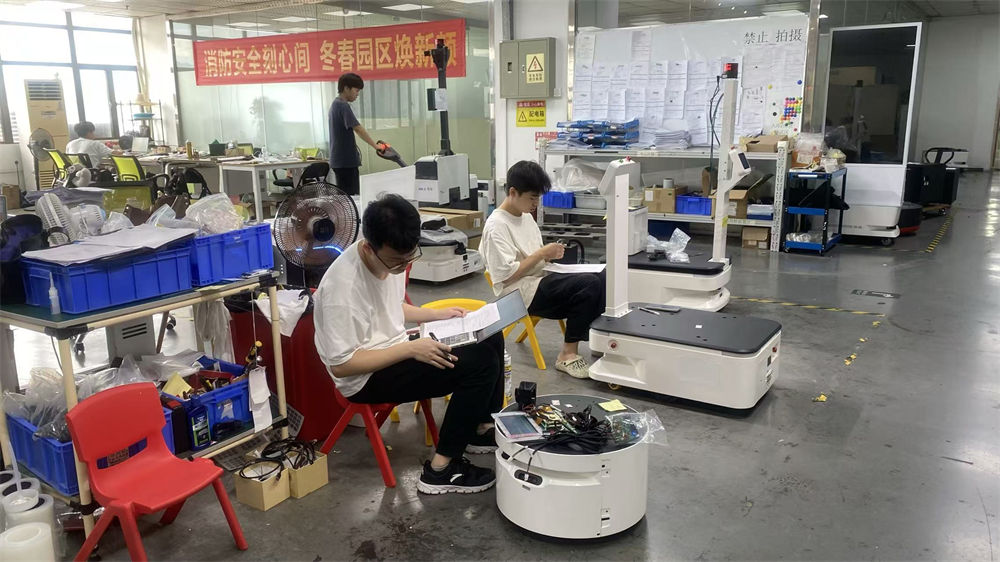
Supplier assessment procedures and on-site material inspection support buyer due diligence before chassis customization begins.

Share your payload, aisle width, floor condition, top-module design, communication protocol and target market. Our engineers will recommend a suitable chassis platform and confirm customization, certification and delivery scope.
info@elvornbot.com